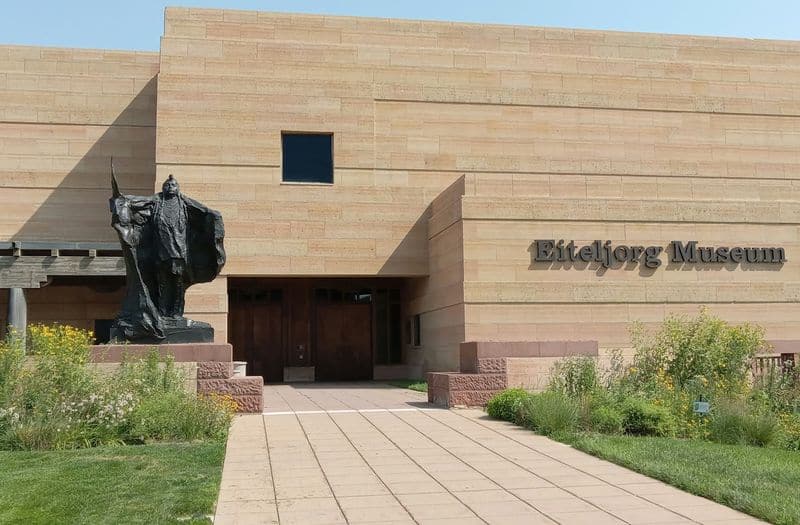
Long before anyone drew a line around Indiana and called it a state, Native nations were already shaping this land. Their stories did not start with a map, and they did not end when the map showed up.
Right in downtown Indianapolis, steps from the canal, one museum keeps those stories front and center alongside some of the most striking Western art in the Midwest. It holds Native art from coast to coast and up into Alaska and Canada, plus a huge three-panel painting of the Grand Canyon.
It also hosts a holiday train show big enough to take over an entire wing. Families come for the hands-on kids area, and art lovers come for the bronzes and beadwork.
Keep reading to find out where it is, what to see first, and how to make parking cost nothing at all.
A Downtown Address With Deep Roots
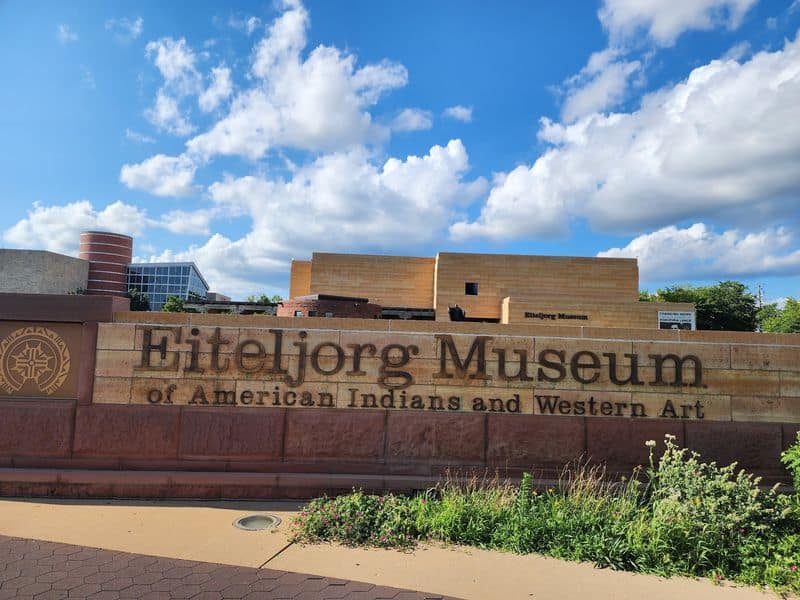
Indiana has a way of hiding big things in plain sight, and this one sits right next to the downtown canal. The Eiteljorg Museum of American Indians and Western Art is at 500 W Washington St, Indianapolis, IN 46204, in the heart of Indiana’s capital city.
It is an art museum first. The focus is Native American art and the art and culture of the American West, shown side by side under one roof.
The setup makes it an easy add-on to any downtown day. It sits within an easy walk of the downtown hotels, and the canal path leads almost to the door.
The building itself earns plenty of praise. Galleries feel spacious and easy to navigate, so nobody has to rush or squeeze through crowds.
Beyond the galleries, the museum offers a cafe, workshops, and kids’ activities. That mix turns a quick art stop into something closer to a full outing.
For Hoosiers who think they need a plane ticket to see serious Native and Western art, the good news starts right here on Washington Street.
Stories Older Than Any State Line
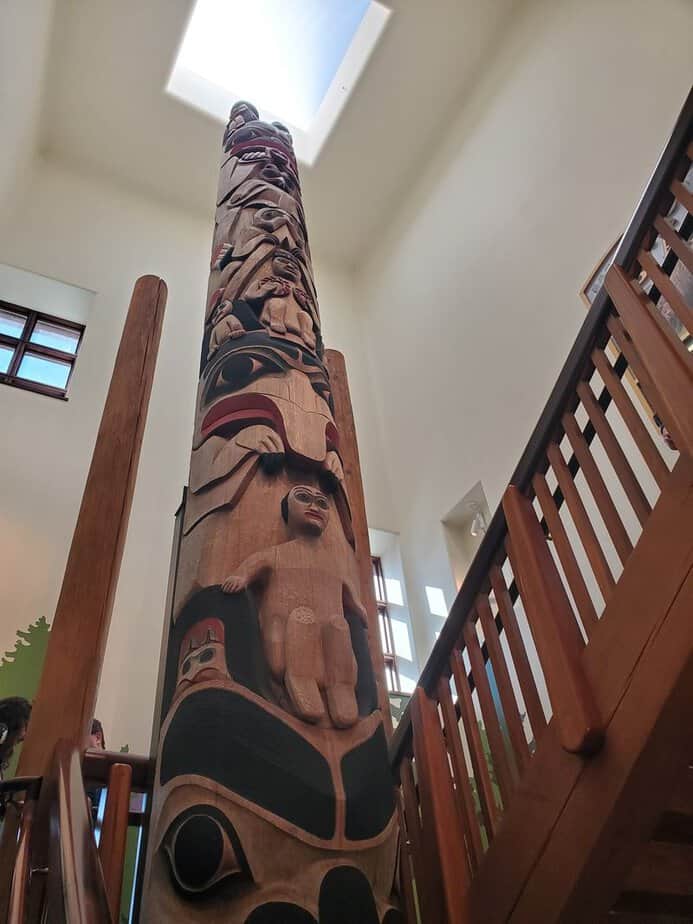
Native history in this region did not begin in 1816, and the museum makes that point clear. Among its collections is Native American art connected to the Indianapolis area itself, not only to the faraway West.
That surprises many people who arrive expecting only cowboys and canyons. Even travelers who have toured Arizona, Utah, and New Mexico often leave with something new to think about.
The exhibits go further than putting objects behind glass. They give real historical depth and context, so each artifact connects to the people and cultures behind it.
Upstairs, Native art stretches from coast to coast and up to Alaska and Canadian tribes. The range helps show just how many distinct nations and traditions exist across the continent.
Some guests leave with mixed feelings, a bit sad about the history and refreshed by the living culture on display. That honest blend is part of what makes a visit stick.
Students sometimes even write essays after coming here, which says plenty about how much the place gets people curious.
Contemporary Native Art That Talks Back
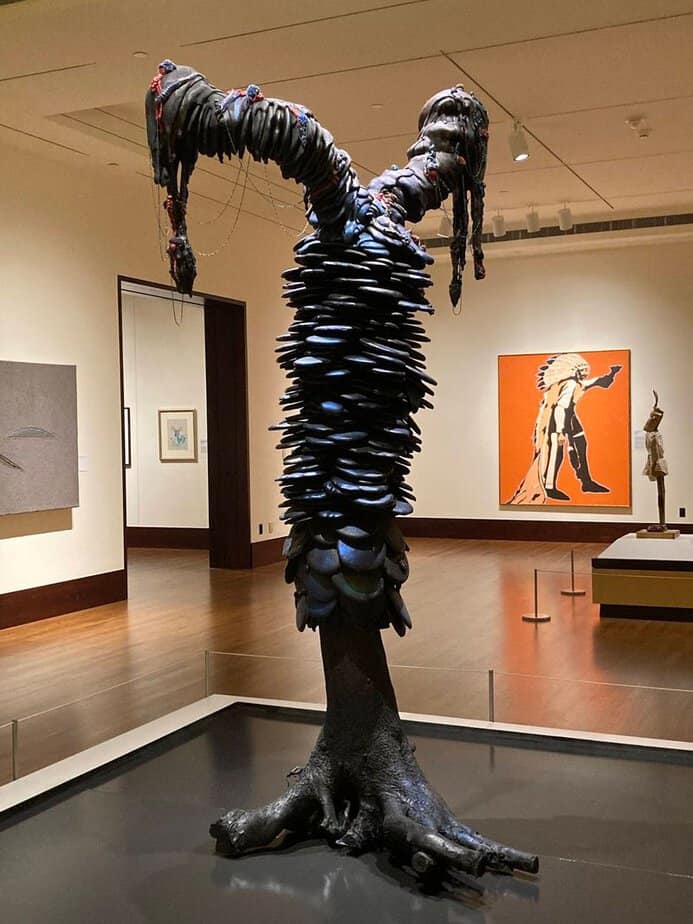
Tradition and today share the same walls here. One of the museum’s strongest moves is showing how Native artists use traditional techniques with modern materials.
Those works often address issues artists face in today’s culture. The result feels current rather than frozen in the past.
A past exhibition called Radical Stitch filled galleries with contemporary beadwork. It showed just how far a familiar craft can stretch in new hands.
Special exhibits rotate, and they tend to be unique and well curated. One highlighted show, re-Mark-able Perseverance: Tattoos, explored the cultural significance of tattoos in Native American culture.
Inuit art has also had a spotlight upstairs. Surreal animal sculptures made with natural materials turned teens into eager photographers.
Since shows change, checking the museum website before a trip is smart. The next featured exhibition might be the one worth planning a whole Saturday around.
Bronzes, Broncos, and a Very Big Canyon
Frederic Remington’s very first bronze lives in the Western art galleries, and it does not go easy on its rider. The bronc rider has already lost a stirrup, and his odds do not look great.
The piece has appeared in the exhibition Attitudes: The West in American Art. It sits among a wide-ranging lineup of classic Western paintings and sculptures.
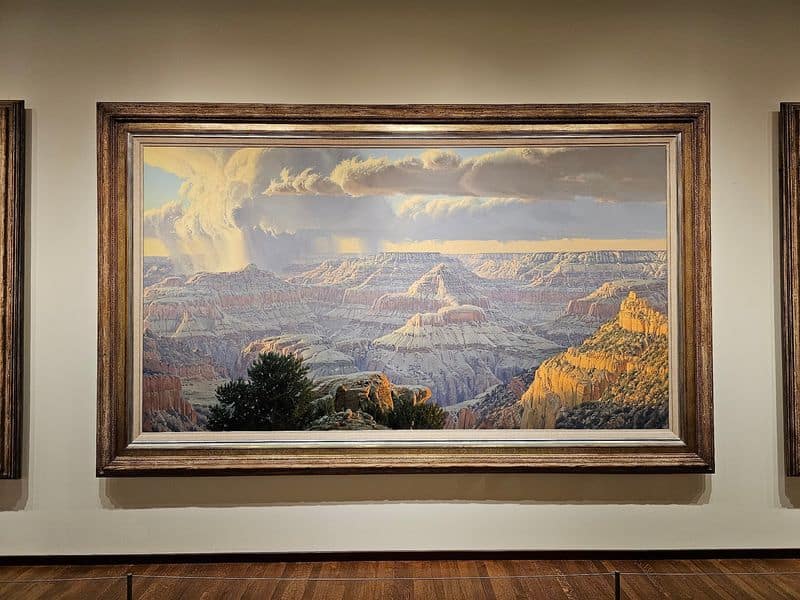
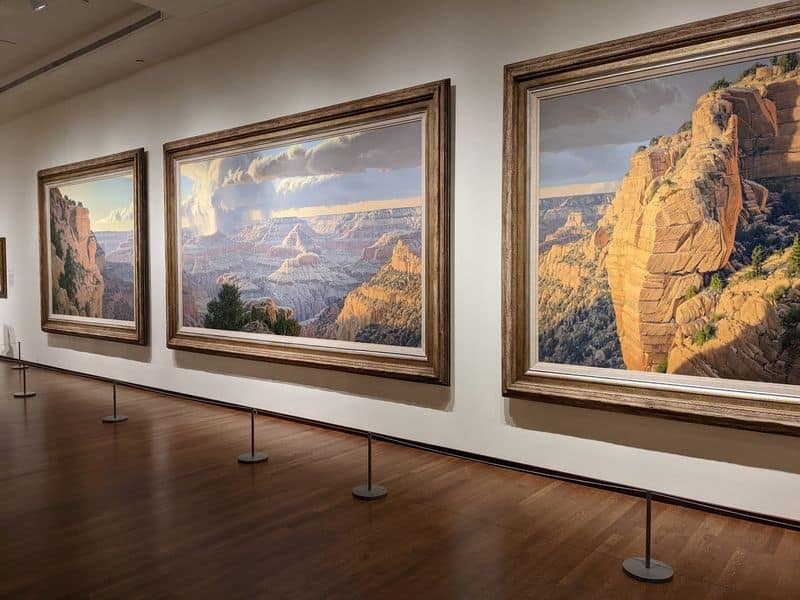
Then there is the showstopper. A huge three-panel painting of the Grand Canyon stops people in their tracks, and it is easy to see why.
The Western side of the museum covers plenty of ground. Classic works hang near pieces that bring the region’s story into more recent times.
One fair note helps set expectations. This is primarily an art museum rather than a history museum, so the emphasis lands on artistic expression.
For anyone who grew up on Western movies, these galleries are a fun reminder that the frontier had painters and sculptors riding right along with the cowboys.
Jingle Rails and the Holiday Takeover
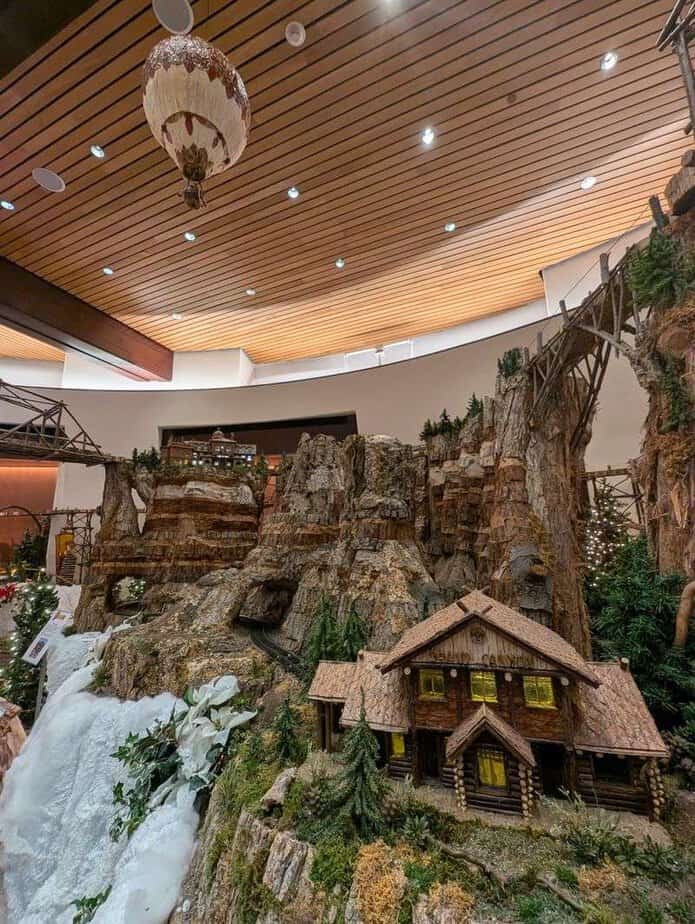
Once the holidays roll around, the trains take charge. Jingle Rails is the museum’s holiday model train display, and it is one of the most talked-about things here.
The tracks spread through the back area and take over the space in a big way. Detailed sets recreate iconic American landscapes in miniature.
The level of detail is the real draw. Each scene gets careful attention, so families tend to slow down and spot new things around every bend.
Kids love walking around the different scenes. Adults usually end up just as hooked, which makes it a strong pick for a multigenerational outing.
Still, Jingle Rails is a doorway, not the whole house. Many who come for the trains discover there is quite a bit more to see in the galleries.
Fans often call the full experience more than worth the price of admission. Plan extra time so the trains and the art both get a fair share of the day.
Dia de Muertos on the Canal
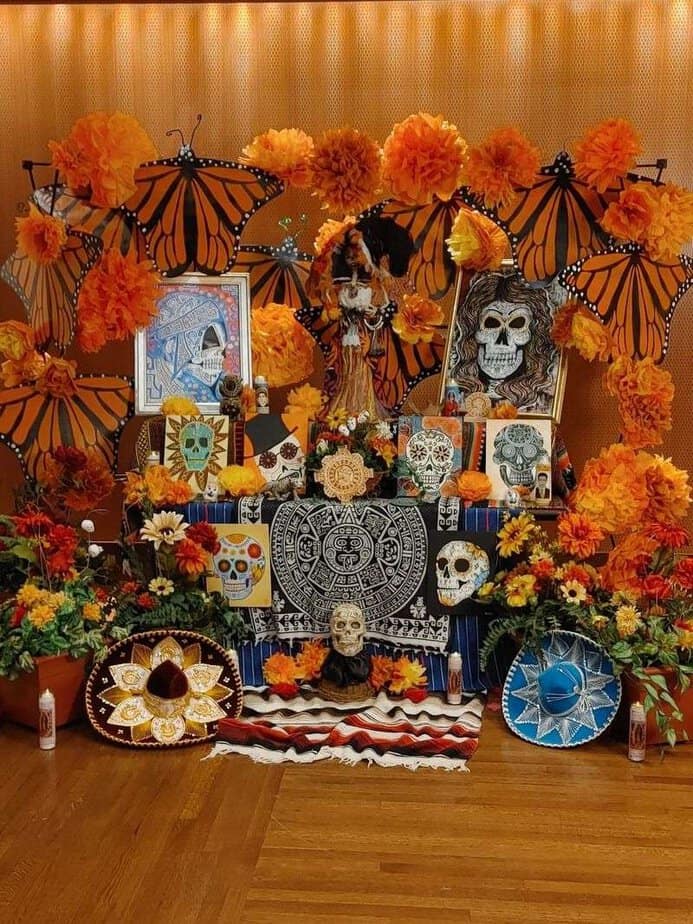
Festival days bring a different energy to the grounds. The museum’s Dia de Muertos festival draws a crowd for good reason.
Vendors sell holiday-related artwork, jewelry, food, and more. Music and dancing fill the schedule, and displays explain the origins and nature of the holiday.
The galleries stay open during the festival for touring too. That makes it easy to pair a cultural celebration with a walk past the big canyon painting.
Here is the value hook. On festival day, both parking and admission have been free.
The museum hosts other festivals throughout the year as well. A standout detail is that actual Native American artists come to sell their work, rather than goods from large overseas companies.
Buying straight from the makers means taking home a piece with a real story. Keep an eye on the event calendar, because these dates fill up the year in the best way.
A Basement Built for Little Explorers
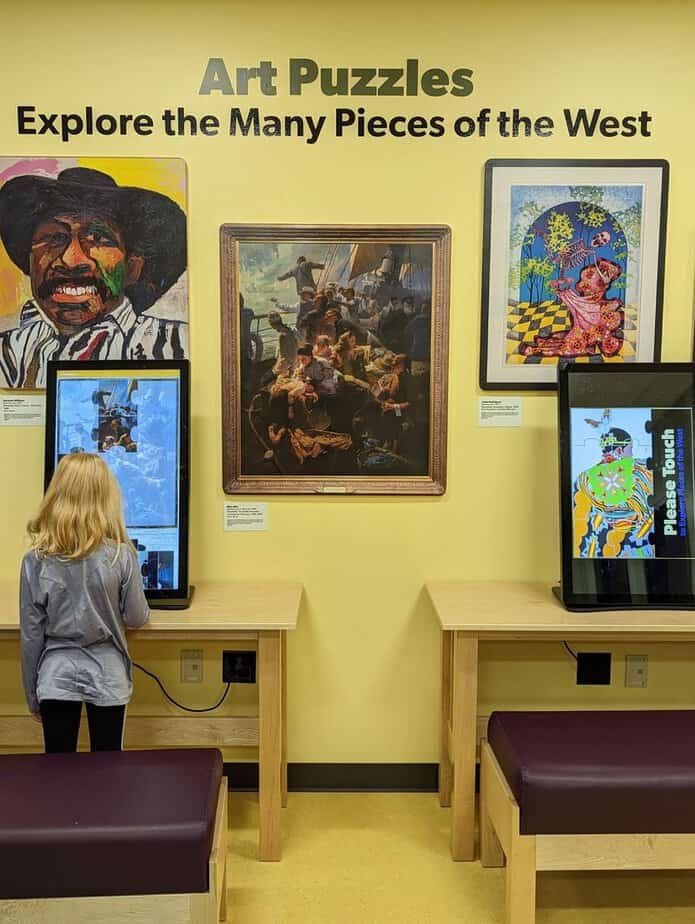
Downstairs is where the youngest guests take over. The family zone is packed with hands-on play opportunities for small kids.
Children get to run a pretend restaurant and take care of the horses. Some kids could happily spend hours there, and parents often say the same.
The interactive touches do not stop in the basement. Around the museum, guests can put together puzzles and sketch art.
Even grown-ups admit they cannot resist the activities. That playful side keeps the museum from feeling stiff.
School groups visit often, including field trips with several busloads of fifth graders. Teachers like that there is so much information and so many artifacts to explore.
One heads-up for big groups is that staff do keep galleries quiet. Planning a little downtime in the family zone gives kids a chance to burn off energy before heading back upstairs.
Sculpture Grounds and Canal Views
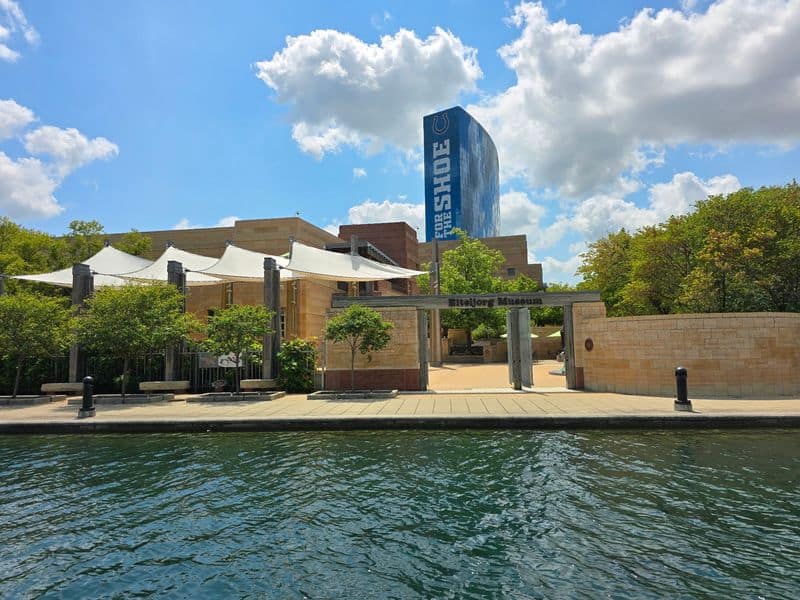
Plenty happens before anyone steps through the front doors. Sculptures and art pieces dot the property, so the grounds alone make a pleasant stroll.
The museum sits right off the canal. Canal views are one of the most mentioned perks of the location.
Out back, several sets of cornhole boards have been set up. Kids enjoy the break, and families get a low-key way to pass some time.
The grounds stay clean, with a peaceful atmosphere. Groups can eat lunch outside on the grounds and wander around afterward.
Pairing a canal walk with a museum stop makes for an easy downtown afternoon. It also works well for road-trippers who want to stretch their legs after the drive.
Bring a pair of comfortable shoes. The outdoor art rewards slow wandering just as much as the indoor galleries do.
Cafe Stops and Welcoming Staff
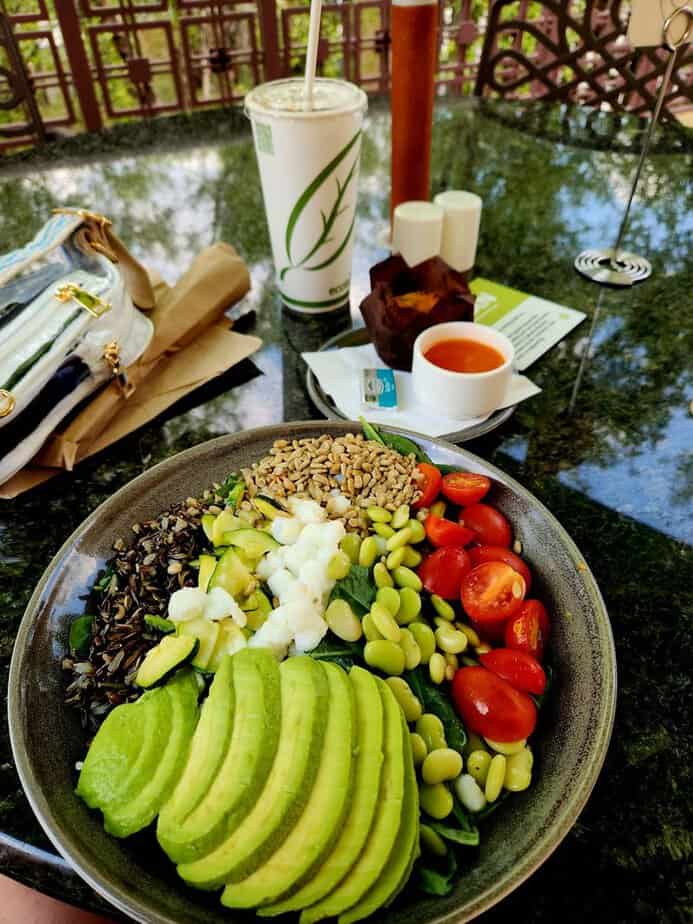
Hunger does not have to cut a visit short. An onsite cafe serves fresh food options, which makes a longer day much easier.
Families like that lunch can happen without leaving the building. Meals come out freshly made and hot.
The people working here get steady praise. Staff tend to be welcoming, knowledgeable, and happy to share extra context about current exhibits.
That extra context can change how a piece lands. A quick chat often adds a layer the wall label cannot cover.
The museum also stays super clean and well maintained. Those small details add up to a relaxed visit.
Fun bonus fact: the space is lovely enough to host weddings. If staff are setting up for an event during a visit, it is a sign of just how good the building looks when dressed up.
Hours, Parking, and Money-Saving Moves
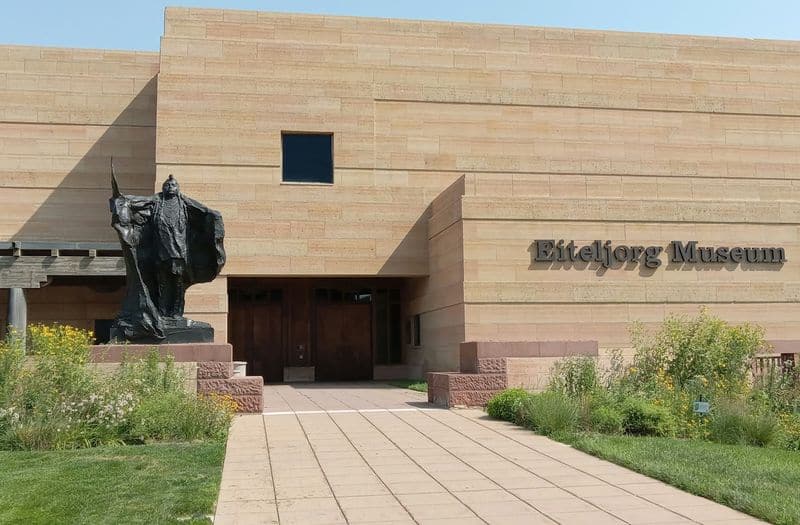
Timing a trip is simple. The museum opens 10 am to 5 pm Monday through Saturday, and noon to 5 pm on Sunday.
Parking is the big money question downtown. The trick is to use the main underground garage and get the ticket validated at the museum ticket desk.
With validation, parking has been free. Skipping that step can make parking feel pricey, so do not forget it.
Membership perks work a little differently here. The museum does not take part in common reciprocal programs like ROAM or NARM, though Time Travelers members get a $5 discount.
Citizens of Native American tribes can get in free. Festival days have also offered free admission and parking.
Since admission prices can change, check the official website before heading out. A quick look saves surprises at the desk.
Worth the Drive Downtown
So how much time does it take? A quick pass can wrap up in about an hour, while a thorough look runs two and a half hours or even half a day.
That flexibility suits just about everyone. Solo travelers, couples, school groups, and families with toddlers all find a comfortable pace.
The museum fits the Hoosier pride lane perfectly. It packs a punch well above its weight in regional Indigenous art, right in the middle of Indianapolis.
Expect an art-first experience. Anyone hoping for a straight history lesson should know that the art leads the way here.
The best plan is to pick one hook, such as Jingle Rails, a festival, or a new exhibition. Then leave room for the galleries, the grounds, and a canal stroll.
The Miami and Potawatomi story, and so many others, started long before Indiana had a name. A single afternoon on Washington Street is a fine place to start learning it.