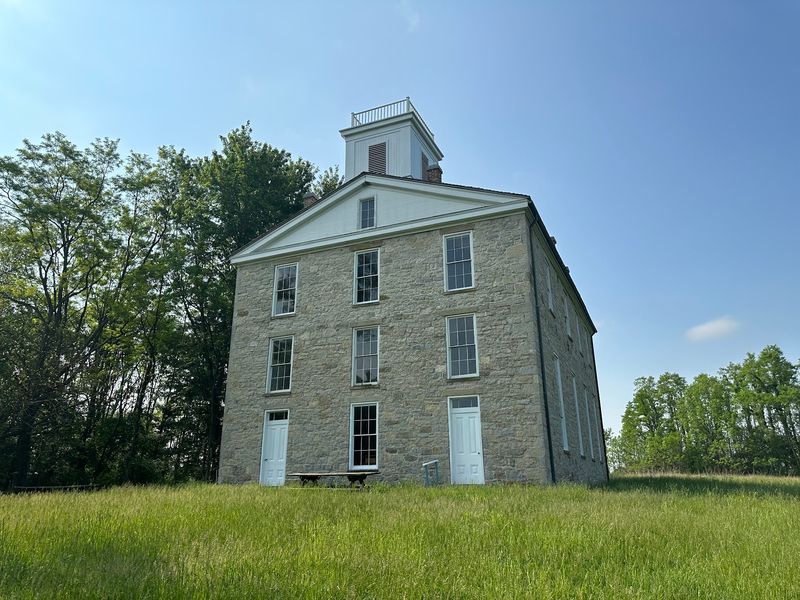
Out on a winding country road near Madison, a sturdy old stone building keeps a secret most Hoosiers have never heard. In 1858, at a time when the nation was splitting apart over slavery, a group of neighbors built a school for students many people said did not deserve to learn.
Its classrooms opened to learners regardless of race or gender, which made it one of the first schools of its kind in the country. The walls still carry signatures from the 1800s, the original chalkboards are still there, and the bell tower can still ring.
Families with deep roots here still travel from far away just to stand where their ancestors stood. Keep reading to learn the story, what remains inside, and exactly how to plan a respectful visit to this quiet piece of Indiana history.
A Stone Schoolhouse on Highway 250
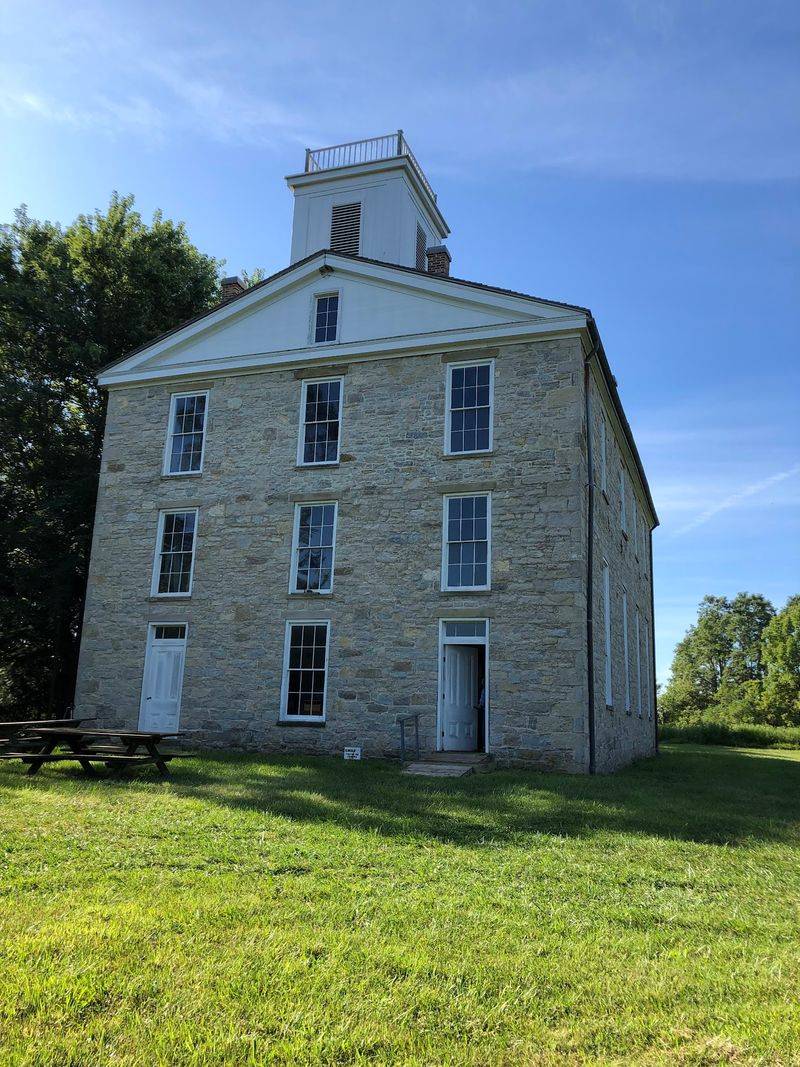
Some history hides in big city museums, but this chapter sits on a quiet rural road in southeastern Indiana. Eleutherian College, Inc. stands at 6927 IN-250, Madison, IN 47250, in the rolling countryside of Jefferson County.
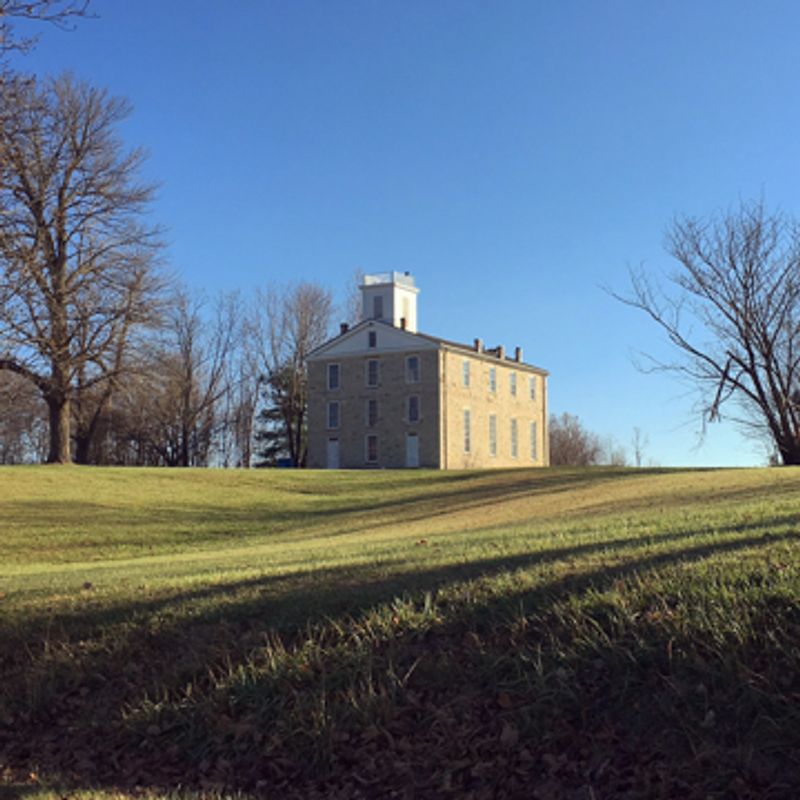
The site is listed as a historical landmark, and it is easy to see why. The main building is a solid, tall schoolhouse topped by a bell tower, built in the 1800s and still standing strong today.
The building is in remarkable shape for its age. It is clear that someone cares for the property, and that steady attention shows in the walls, windows, and grounds.
Nearby Madison is the closest town of any size, so most trips start there and head out into the countryside. The roads twist and turn through farmland before the building comes into view.
Small as it seems from the road, the site carries a big reputation among history fans. It earns a 4.6-star average from 34 Google ratings, which says a lot for a place with limited public access.
The name itself is a clue to what happened here. The word Eleutherian comes from Greek and is tied to the idea of freedom, and that idea shaped everything about this school.
Founded in 1858 for Every Student
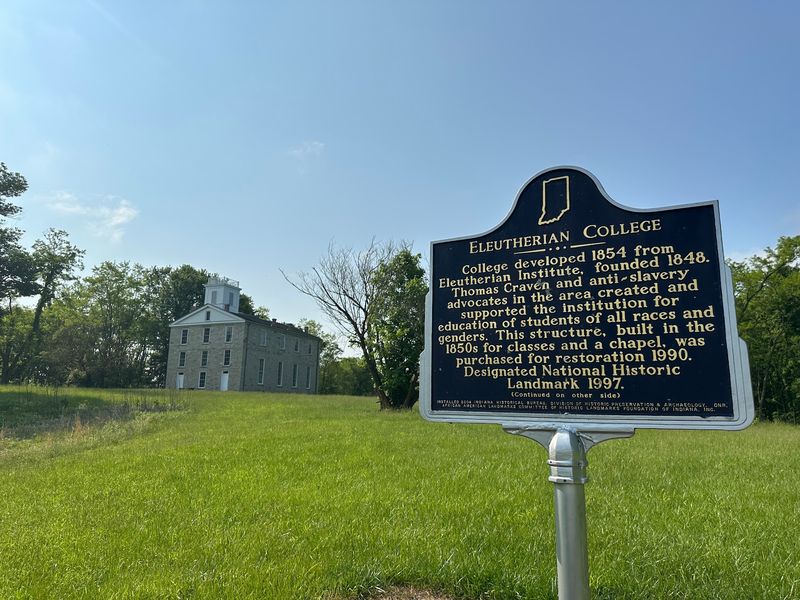
In 1858, most American schools kept their doors firmly shut to many students. Eleutherian College did the opposite.
It was one of the first colleges in the country to accept students regardless of race or gender. African American students and women could sit in the same classrooms and learn the same lessons.
That choice was bold for its time. The country was heading toward the Civil War, and arguments over slavery ran hot in nearby communities and across the Ohio River in Kentucky.
The founders built the school for people who had been told they were unworthy of an education. That mission is the beating heart of the whole story.
Some of the people connected to the founding are still remembered by their descendants. One family traces its roots to a great-great-great-grandfather who helped establish the college, and another family proudly recalls two aunts, Virginia Harris and Lettie Harris, who graduated from the school.
Those personal links make the history feel close rather than distant. It is one thing to read about progressive ideals in a textbook, and another to know the names of the students who earned diplomas here.
The school stood at a crossroads in American history, and it chose the side of open doors.
Neighbors Who Helped Freedom Seekers
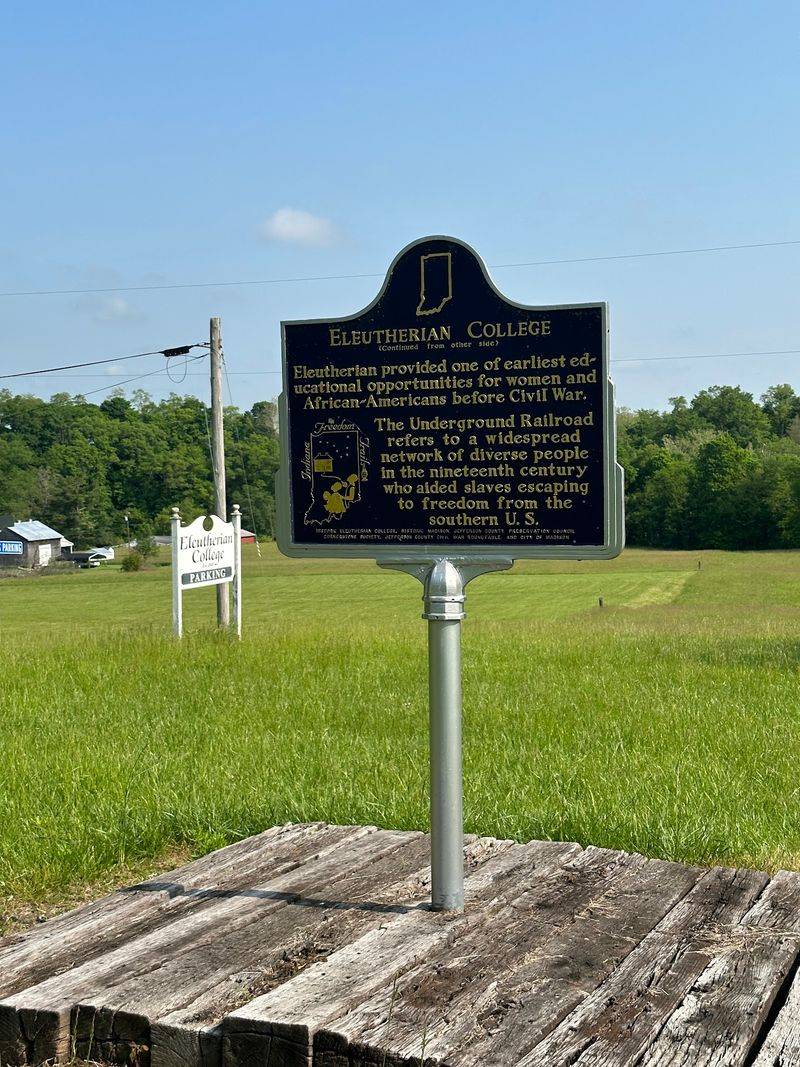
Long before emancipation, the families around this hilltop made a quiet and risky decision. They helped people who were escaping enslavement.
Many neighbors, along with the religious community tied to the school, provided aid to freedom seekers moving north. That network is why the site is linked to the Underground Railroad.
The area was a natural route for people heading away from slavery. Southeastern Indiana sits close to the Ohio River, which marked a border between slave states and free states.
Local anti-slavery groups were active here too. Rev.
Joseph Harris, the father of two graduates, was a member and supporter of the Neil’s Creek Anti-Slavery Society.
Thomas Craven is another name tied closely to the story. He coordinated the building of the school for all people during a time of great civil unrest over slavery.
His family line carried on through the generations. A great-grandson, Herman John Craven, was born here, became an engineer, and later moved to Utah, where Craven descendants still live.
Families like these did not just talk about freedom. They built a school, opened their homes, and took real risks for their neighbors, and that legacy is the reason this rural spot matters so much today.
Built From Local Limestone
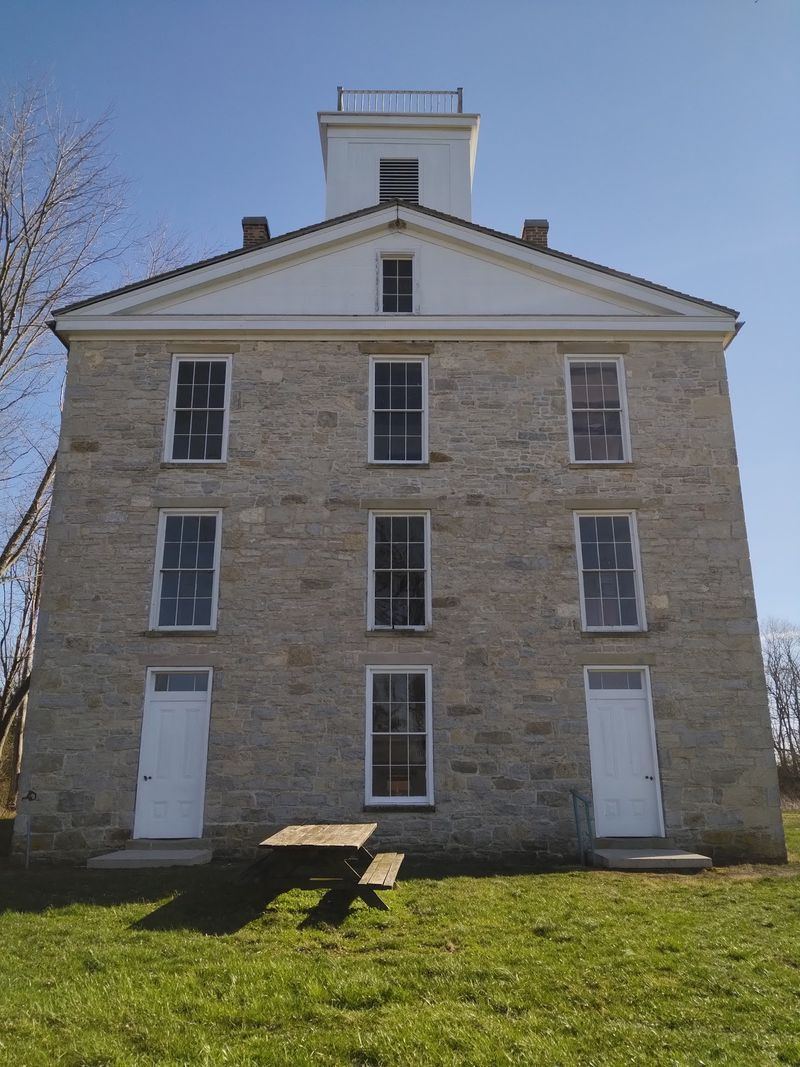
Indiana is famous for its limestone, and this building shows off the local stuff with quiet pride. The walls are made with locally quarried limestone.
The architecture stands out for a rural school of its era. It is tall, balanced, and sturdy, with long rows of windows and a bell tower on top.
Builders in the 1850s had no modern machines to lift heavy stone. Every block had to be cut, moved, and set by hand, which makes the finished building even more impressive.
All that hard work paid off. More than a century and a half later, the structure still looks strong and stately against the open sky.
Architecture fans will want to take their time circling the outside. The stonework, window lines, and roof shape tell a story about how seriously the founders took their mission.
A plain wooden schoolhouse would have been cheaper and faster. Instead, the community chose stone, a material meant to last for generations.
That choice feels fitting today. A school built for freedom was built to stand the test of time, and so far, it has done exactly that.
Signatures on the Old Walls
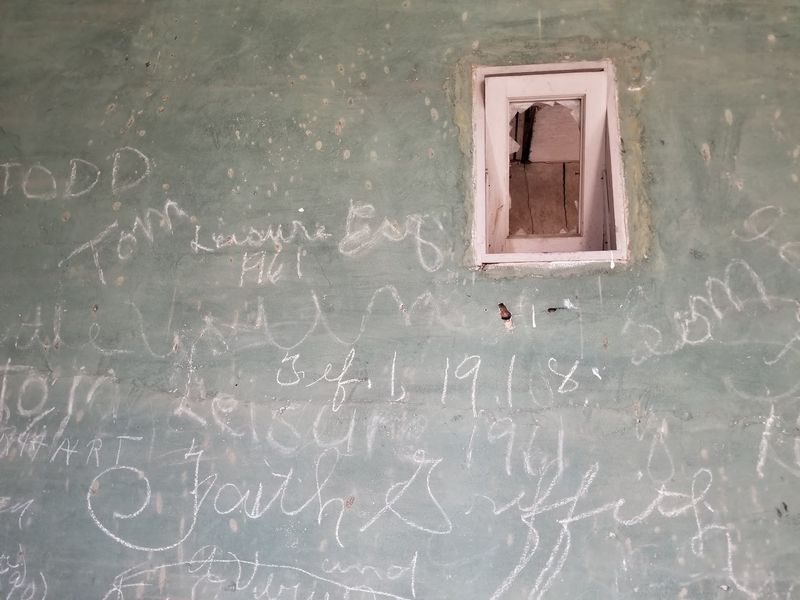
Graffiti usually gets scrubbed away. Here, the old writing on the walls is one of the most treasured parts of the building.
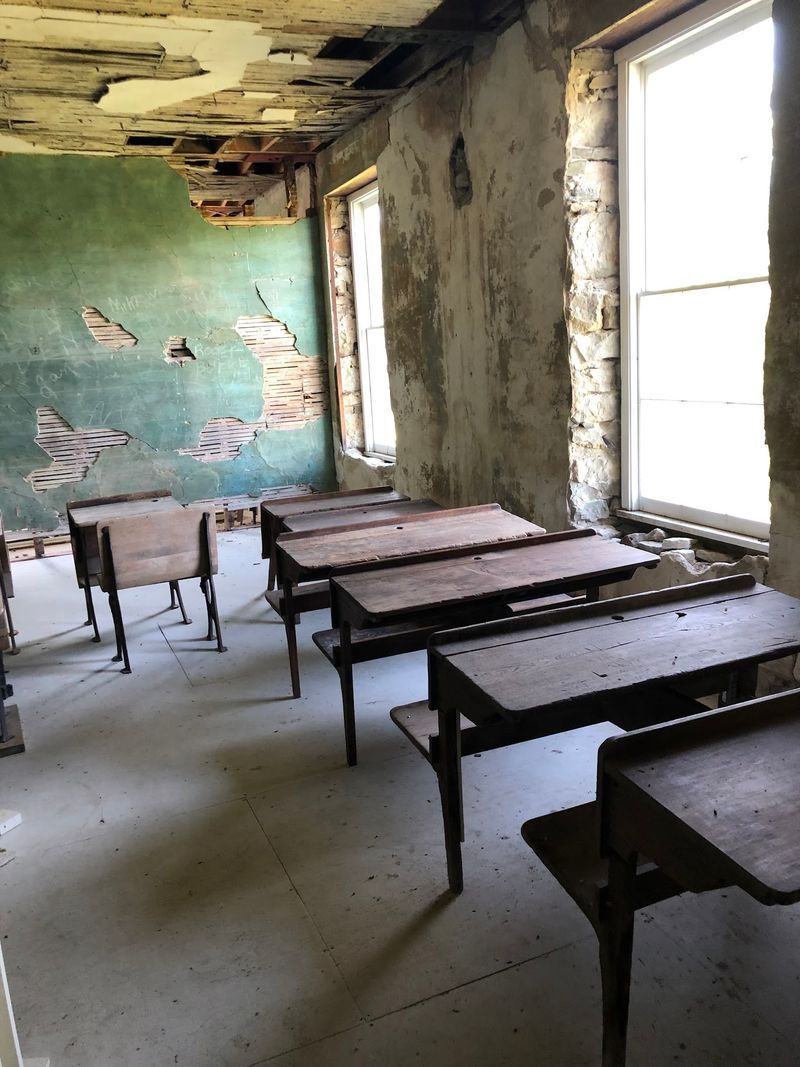
Inside, the walls carry writing and signatures from the 1800s. Students and others left their marks long ago, and many of those marks are still there.
Each name is a small, personal link to the people who once filled these rooms. It is a rare chance to see history written by the hands of ordinary people rather than printed in a book.
The original chalkboards also remain in place. Lessons were taught on those very boards to students who had been shut out of education almost everywhere else.
For families tracing their roots, these details can be powerful. Descendants of founders and students have traveled long distances to touch some of their family history in these rooms.
Researchers also stay busy studying the people connected to the school. Family members visiting the site have been surprised by how many people are working to learn more about their ancestors.
The walls may not talk, but they certainly sign their names.
The Bell Tower Still Rings
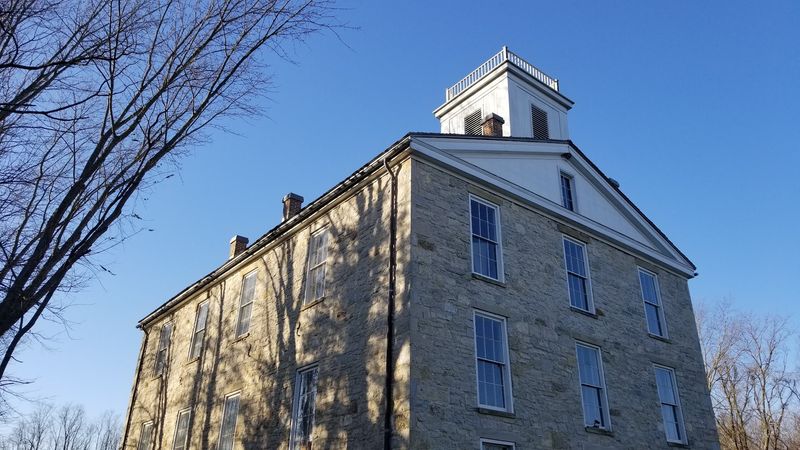
Plenty of historic sites ask guests to keep their hands to themselves. At Eleutherian College, tour guests can actually ring the bell tower.
That bell once called students to class. Today it gives guests a hands-on moment that connects them to the daily rhythm of school life in the 1800s.
It is a simple experience, but it sticks. Kids especially tend to remember the moment they pulled the rope at a real Underground Railroad era school.
The tower is also the building’s most recognizable feature from the outside. It rises above the roofline and helps the schoolhouse stand out across the countryside.
Photographers often frame their shots around it. The tower against an open sky makes for a classic picture of rural Indiana history.
Keep in mind that ringing the bell happens as part of a scheduled visit with the people who care for the site. It is not something to try on an unplanned stop.
Book ahead, and that bell might just ring for you.
A Restoration Still in Progress
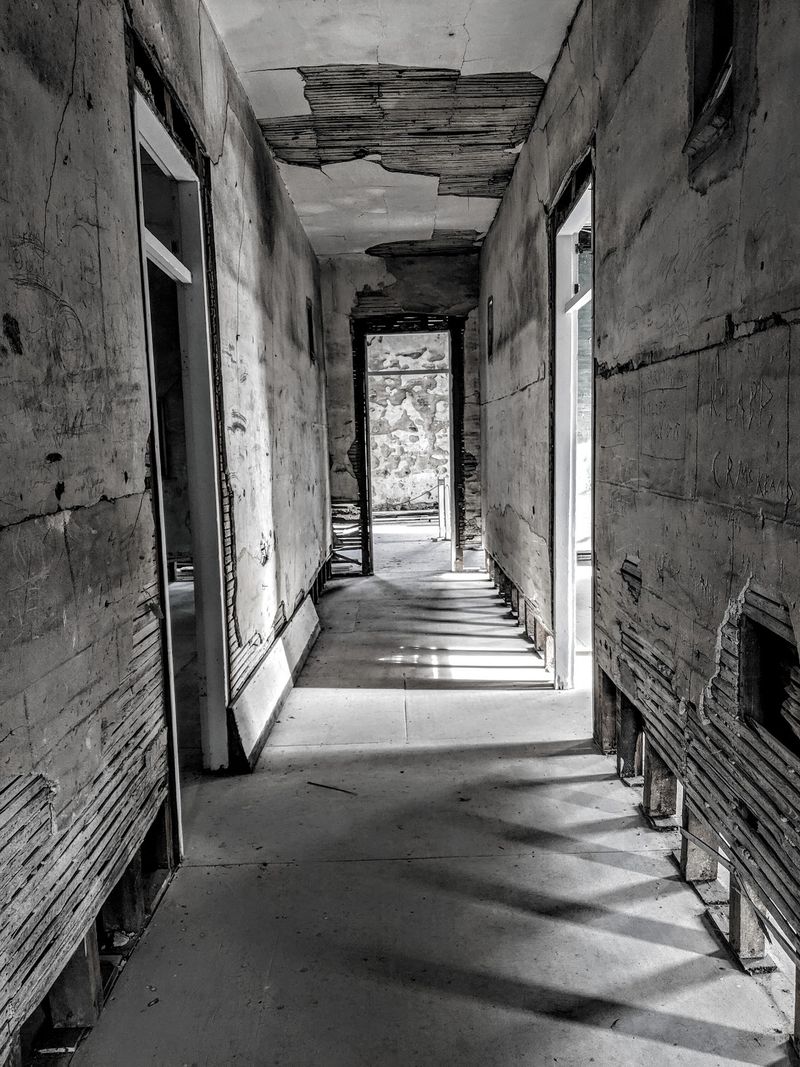
Restoring a building from the 1850s is slow work, and nobody here is rushing it. The schoolhouse is being carefully restored, step by step, toward its original condition.
Renovations have already made a visible difference. Repeat guests have noticed the improvements and praised how the work looks.
There is still more to do, though. The building needs further renovation, and the nonprofit behind it has been working to raise funds to keep the project moving.
Donations play a big part in that effort. Many people who visit leave encouraging others to give so the building can be fully restored.
The long-term dream is a museum. Supporters look forward to the day the building opens more widely and shares its full story with the public.
Until then, every repair helps protect the walls, the signatures, and the stonework for future generations.
Those who want to help can find more information on the official website at eleutherian-college.org. Even a small gift helps keep this piece of history standing tall for the next group of students, even if those students are now day-trippers with cameras.
Who Will Love This Trip
History buffs are an obvious match, but the audience here is wider than that. Families, teachers, and genealogy fans all have good reasons to make the drive.
Parents can use the visit to teach kids about the Underground Railroad in a way no worksheet can. Standing at a real school founded for freedom makes the lesson personal.
The story can be moving and also unsettling. It honestly shows how hard life was for people denied basic rights, so younger children may need a little help understanding it.
Genealogy researchers may find this place especially meaningful. Descendants of founders and graduates have come from as far as Utah to connect with their family history.
Road-trippers exploring the Madison area can add it to a day of sightseeing. It pairs well with a broader trip through southeastern Indiana.
Retirees and quiet travelers will appreciate the calm countryside setting. The hilltop location also offers pretty views over the surrounding land.
Anyone who enjoys a well-told true story, with real names and real courage, will feel right at home here.
Plan Ahead Before You Drive
Here is the most useful tip in this whole article. Do not just show up and expect the doors to be open.
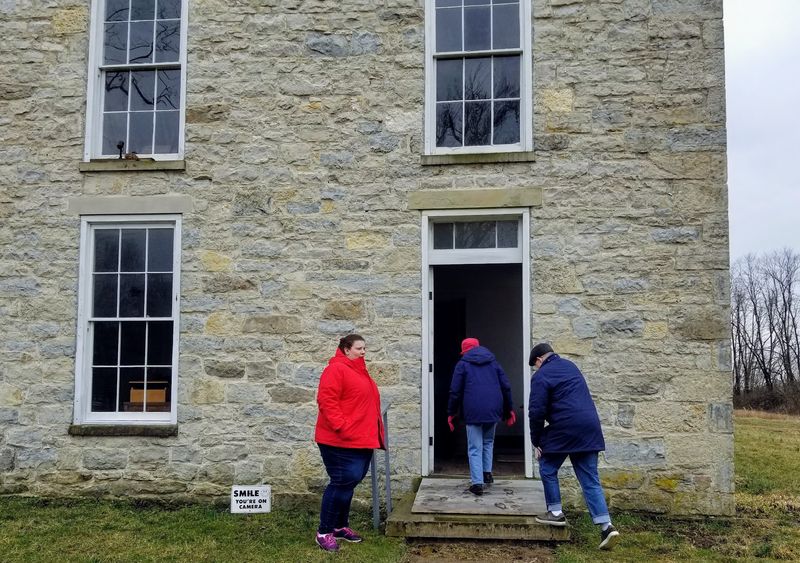
The building is not open for regular walk-in hours. On many days, the only option is walking around the outside of the structure.
Tours happen by appointment. The best way to arrange one has been to reach out through the organization’s Facebook page, and the official website at eleutherian-college.org is another place to check.
Skipping this step can lead to disappointment. Some travelers have driven out of their way on winding country roads only to find the building closed.
Parking can also be confusing. Signs point toward a gravel path that leads to a house on the property, so drive slowly and pay attention.
Be respectful of the grounds at all times. Someone may live on the property, and the building itself must never be entered without permission.
Peeking through the windows shows mostly one large room, so a guided tour is truly the way to see the signatures and chalkboards up close. A quick message before the drive saves a lot of wasted mileage.
Worth the Detour for Hoosier History
Not every important place comes with a gift shop and a parking lot full of tour buses. Some of the most meaningful ones sit quietly on a country road, waiting for curious people to find them.
Eleutherian College is one of those places. It holds a story of neighbors who chose courage, a school that welcomed everyone, and students who made the most of that chance.
The limestone walls, original chalkboards, old signatures, and ringing bell make the past feel close. The ongoing restoration shows that people still care deeply about keeping that past alive.
Yes, visiting takes a little planning. A message ahead of time is a small price for a guided look inside a true Underground Railroad era landmark.
The site also proves something Hoosiers already suspect. Indiana hides world-class history in its quiet corners, and this rural hilltop near Madison is a shining example.
Bring the family, bring your questions, and consider leaving a donation to help the restoration along.
Freedom built this school, and a little support from today’s travelers will help it keep teaching for years to come.