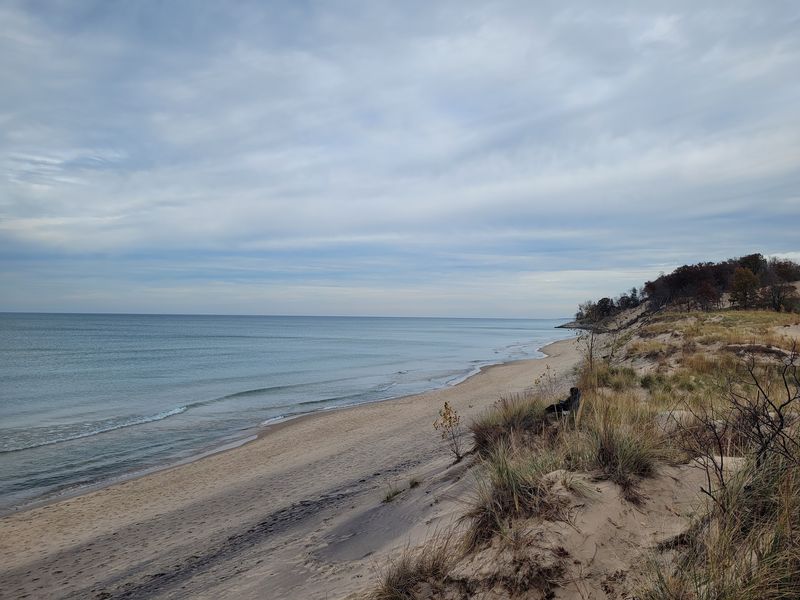
Some Lake Michigan beaches make you fight for a parking spot and a patch of sand. This one makes you earn it with a hike, and that is exactly why so few people show up.
On a summer weekday, you might share a whole mile of shoreline with about ten other folks. Families who make the trek come back with beach glass, fossils, and turtle tracks to brag about.
The catch is a sandy climb over real dunes, plus a few biting flies that take their job seriously. Stick around, because Michiganders who know this corner of the southwest coast guard it like a family recipe.
Here is where it is, how to reach the water without getting lost, what to pack, and why so many people call it the best beach they have ever visited.
A Southwest Michigan Secret Off Thornton Drive
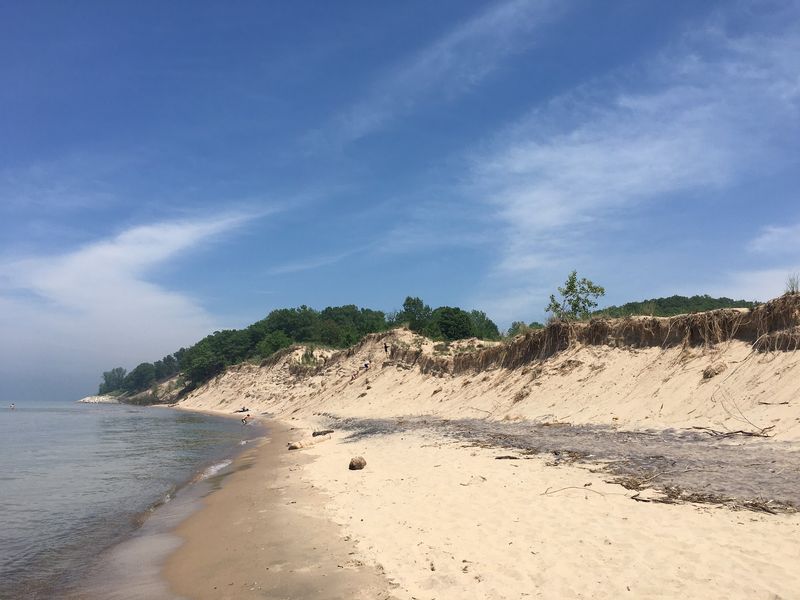
Grand Mere State Park sits at 7337 Thornton Dr, Stevensville, MI 49127, in the southwest corner of Michigan. It is a short hop off the main routes along the lakeshore, yet plenty of Michiganders have never heard of it.
The park stretches along about a mile of Lake Michigan shoreline. Sand dunes, wooded hills, and three inland lakes fill out the rest of the land.
Much of it stays undeveloped, which is the whole point. There is no boardwalk lined with snack stands here.
Instead, the park offers trails, quiet, and a beach that rarely gets crowded. That combination is getting harder to find along this stretch of coast.
Warren Dunes is not too far away, and it pulls the big summer crowds. Grand Mere is often described as the more solitary and quiet cousin.
For budget-minded families, that matters. A day here is simple, easy, and centered on the free stuff nature already provides.
The park carries a 4.5-star average from more than 1,300 people who have weighed in. That is a strong showing for a place with almost no frills.
So what makes a park with so few amenities this beloved? The answer starts with the land itself.
Three Inland Lakes and a Very Big Neighbor
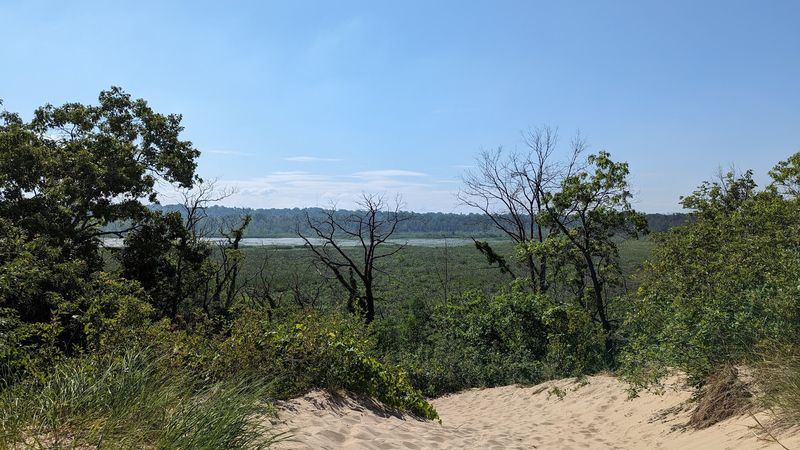
Most beach parks have one body of water. Grand Mere has four if you count its giant neighbor.
The three inland lakes are named North Lake, Middle Lake, and South Lake. One popular trailhead starts from a parking lot between Middle Lake and South Lake.
These lakes give the park a different feel from a standard beach day. Marshy edges and swampy patches sit right beside the trails.
That wet ground is a big reason the park supports so much wildlife. Turtles, birds, and plenty of insects call it home.
Then there is Lake Michigan on the western edge. The shoreline runs for roughly a mile, backed by tall dunes.
Between the inland lakes and the big lake, the dunes rise and fall like a series of sandy speed bumps. The forest grows right up onto many of them.
That mix of wetlands, woods, and sand is what keeps hikers coming back. Each trail seems to pass through a slightly different world.
It also explains why the walk to the beach takes some effort. The land does not hand over its prize easily, and the next section explains why that changed over time.
Rising Water, Shifting Routes
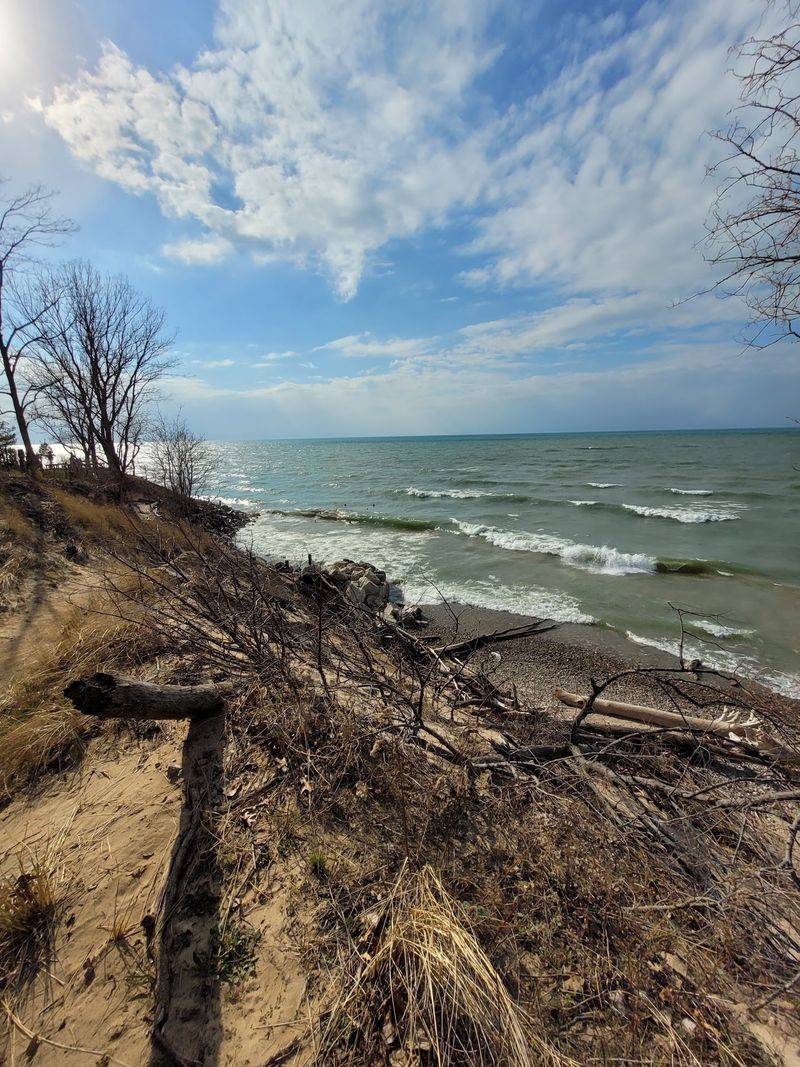
Longtime fans remember an easier route. A few years back, people could walk along the beach itself to reach the quiet stretch.
Rising lake levels and erosion changed that. The shoreline shrank, and the easy beach walk disappeared.
Now the only way to the water is through the dunes. That shift helps explain why the beach feels so empty today.
Fewer people are willing to make the hike. Those who do often find a long stretch of sand mostly to themselves.
Lake Michigan is always rearranging its edges. Grand Mere is a good reminder that the Great Lakes are not static.
The changes also affect how the beach looks from year to year. Some seasons bring wider sand, others bring narrower strips.
For returning families, that means every trip can feel a little new. The trail may stay the same, but the shoreline at the end of it might not.
Before heading out, it helps to understand that trail. It comes with a few surprises that catch first-timers off guard.
The Hike That Guards the Beach
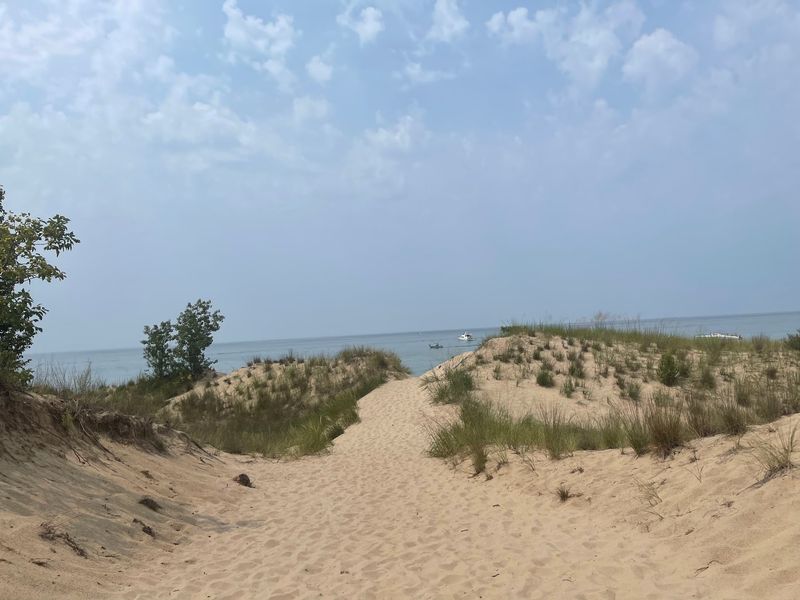
Here is the honest truth. Getting to this beach takes legs and a bit of patience.
From the main parking area, the walk runs about a mile. Many people finish it in around 20 minutes each way at a casual pace.
The trail starts on paved asphalt that has seen better days. Less than half a mile in, the pavement gives way to sand.
Then come the dunes. The first big one is by far the steepest, so do not let it scare you off.
After that climb, the lake is only about 10 more minutes away. The rest of the route rolls up and down through deep sand.
The difficulty is nowhere near the famous climbs at Sleeping Bear. Still, it is real work, especially for folks used to short beach walks.
One helpful tip floats around among regulars. The wooded path tends to be easier going in, while the dune trail is easier coming back.
Get ready to rack up your steps. The sand is deep, and it is everywhere, which brings up the next important question of where to park.
Smart Parking for Shorter Walks
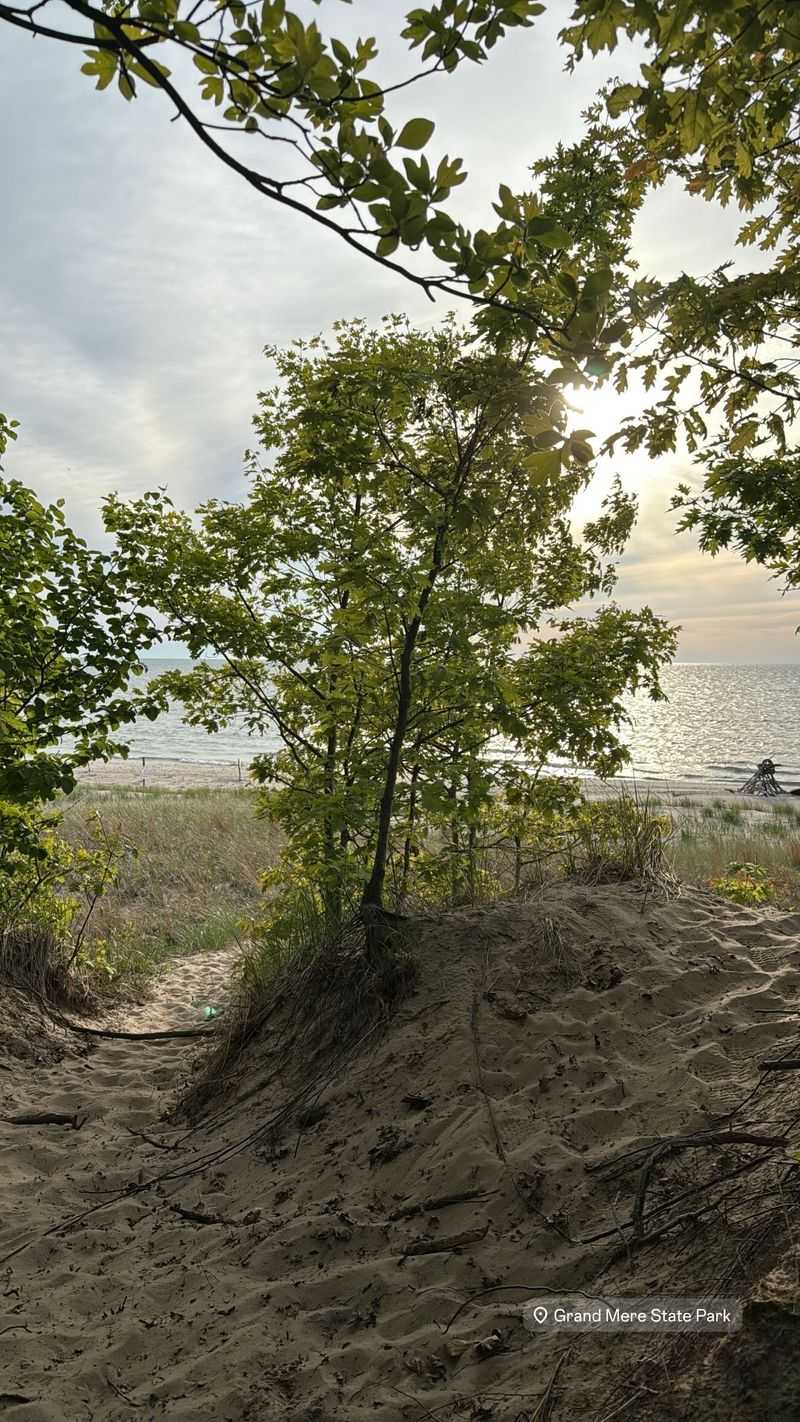
Parking spot choice can shave serious time off the trek. Locals have figured out a few tricks.
The north end of the park offers a shorter hike. From there, the walk through the woods lasts only a few minutes.
Another option involves parking on Wishart Road for easier access. Hikers still need to follow the red-marked trail and climb a dune, but the distance drops.
For a longer outing, there is a route from Willow Drive. That one runs about 1.5 miles to the beach.
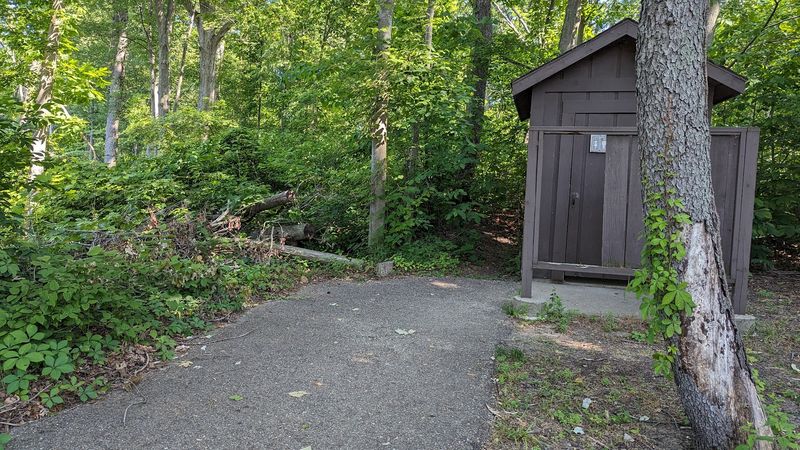
The main lot near the lakes has rustic restrooms at the trailhead. That is a good place to stop before setting out, since the beach has little in the way of amenities.
Families with small kids or tired knees may want the north end. Folks hungry for a workout can take the longer approach.
Either way, the reward at the end is the same stretch of Lake Michigan. Only the number of sandy steps changes.
Just keep in mind that these routes are not always easy to follow. Getting turned around is a common story here.
Red Paint and a Phone Map
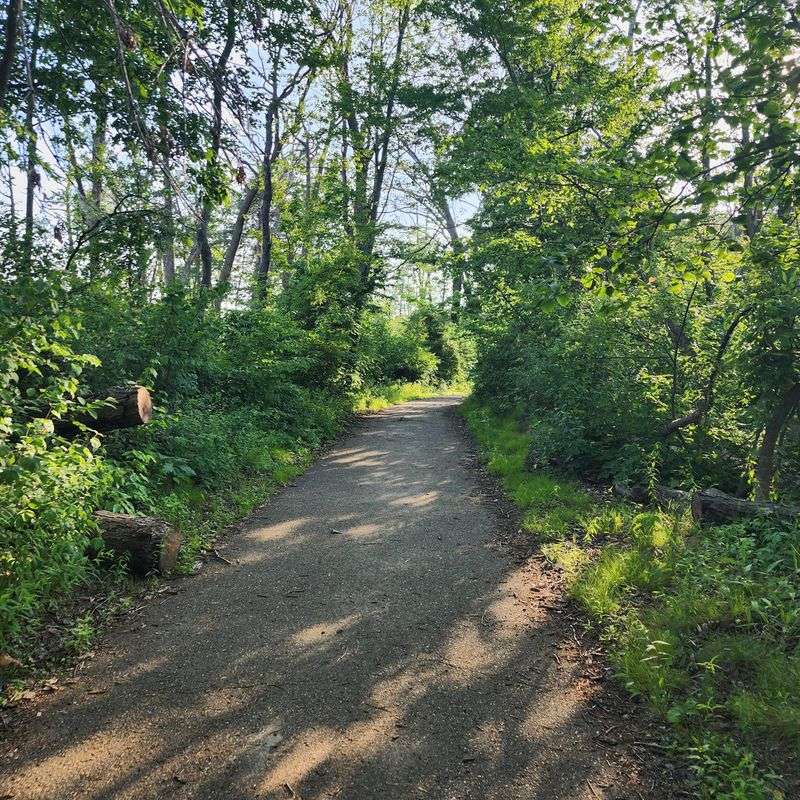
Trail signs are not this park’s strong suit. Many hikers mention that the paths are poorly marked.
Plenty of side trails branch off the main paved route. Most of them lead down to the lake one way or another, which helps.
Deeper in, though, it gets easy to lose track. Some trees carry red spray paint marks that point the way.
Those red marks are worth watching for. They guide hikers toward the dune and the beach.
A GPS hiking map on a phone is the smartest backup. Download it before arriving in case the signal gets spotty.
Going straight through the intersections from the lakes parking lot is one simple strategy that works. It keeps hikers on the most direct line toward the water.
The lack of signs is part of the rustic charm, for better or worse. This is a park that has stayed mostly wild.
Once the trail sorts itself out, the dunes start showing off. And one spot in particular earns a special mention.
The View From Bald Top
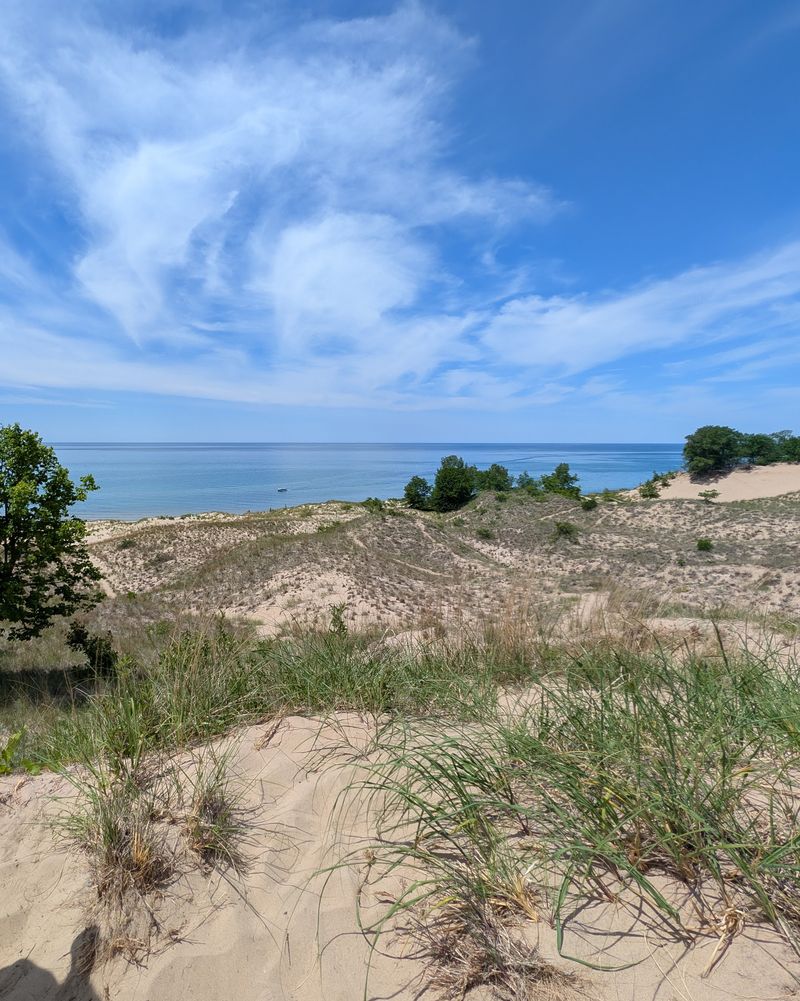
Some dunes are just obstacles. Bald Top is a destination.
Hikers who take the full loop often single out the view from this open dune. It is described again and again as peaceful.
From up high, the lake stretches so far that it is hard to tell it is a lake at all. The horizon looks more like an ocean.
The full loop runs mostly through sand. That makes it a tougher outing than the direct beach route.
The payoff is a sense of space that few southwest Michigan parks can match. There are no condos or crowds blocking the scene.
The dunes here are more wooded than at some neighboring parks. Trees grow on the slopes, giving the climb a forest feel in places.
Those wooded trails can look almost tropical in late summer. They lead right up to the open sand.
Bald Top makes a great rest stop on the way to the water. And speaking of the water, that is where this story really heads.
A Mile of Mostly Empty Shoreline
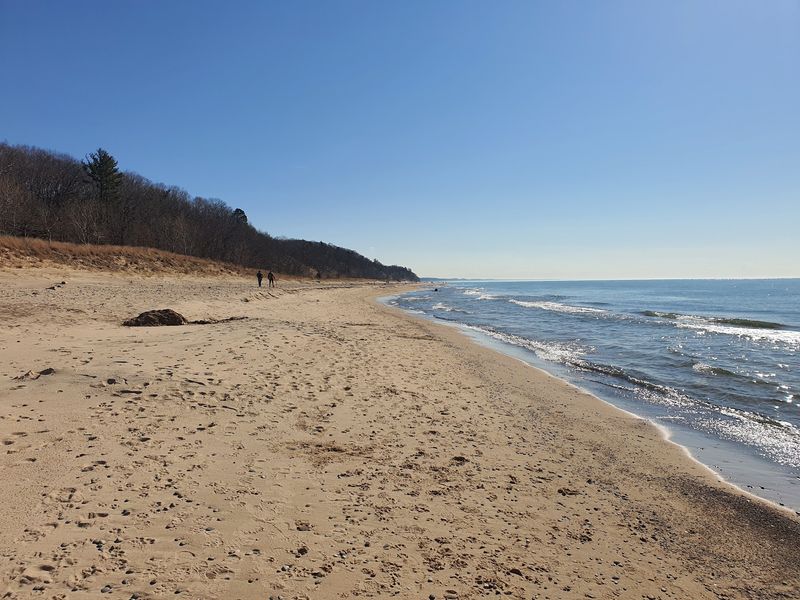
On one July Thursday, a family counted about 10 other people on the beach all day. That is not a typo.
The beach at Grand Mere stays secluded thanks to the hike. Privacy is the main event here.
The water is often described as clear and clean. Swimmers mention a soft, clean bottom that makes wading easy.
The beach itself is well kept, too. It stays clean despite having almost no facilities.
Families set up for lunch, swim for a while, and simply spread out. Nobody has to worry about a neighbor’s umbrella poking into their space.
Many people call it the best beach they have ever been to. Some first-time Great Lakes visitors from out of state have been stunned by it.
Weekends can bring more company, especially in peak summer. Still, the crowds rarely match the busier parks nearby.
The water is lovely, but it does demand respect. Lake Michigan has moods, and some days call for caution.
Beach Glass, Fossils, and Skipping Stones
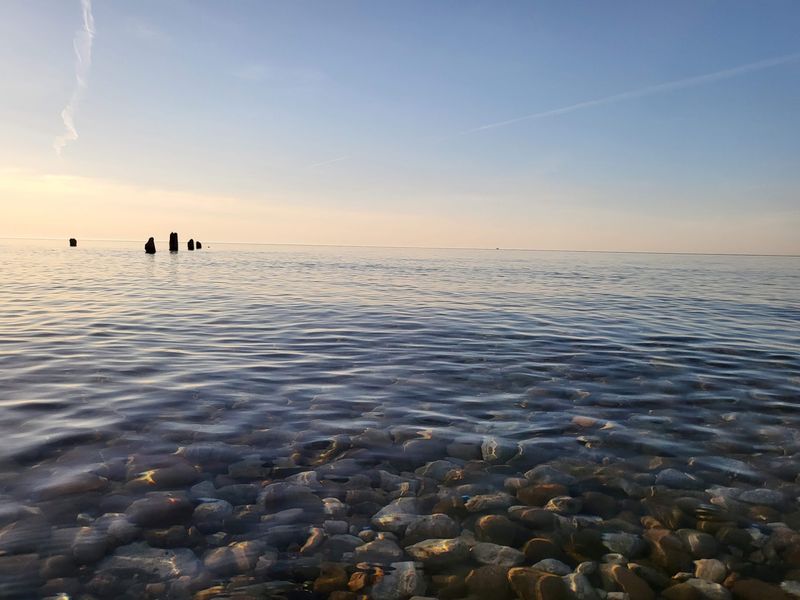
Here is the treasure the title promised. The shoreline at Grand Mere turns up beach glass for those willing to look.
Fossils show up along the sand as well. Hunting for them turns a beach day into a scavenger hunt.
Kids love this part. A patient eye can turn up small finds that end up in pockets and on windowsills back home.
The beach is also a great place to skip rocks. Flat stones along the edge make for a friendly family contest.
Because so few people make the hike, the shoreline is not picked over the way busier beaches can be. Fewer hunters can mean more chances to find something.
There is no guarantee, of course. Lake Michigan decides what washes up and when.
Still, a slow walk along the waterline is never wasted here. Even an empty-handed stroll comes with a mile of quiet coast.
Turn around from the water, and the sand holds another kind of surprise. Some of the park’s residents leave their own marks behind.
Turtle Tracks and Wild Neighbors
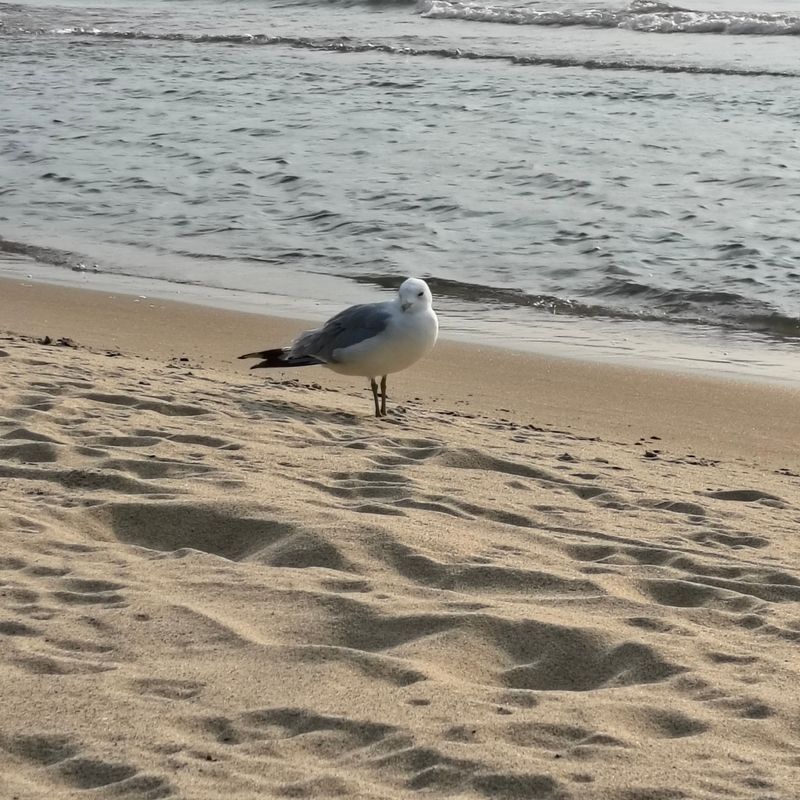
Turtles get top billing among the park’s wildlife. Hikers spot them along the trails and find their tracks pressed into the sand.
Those little trails across the dunes are a fun find for kids. They turn a hike into a nature lesson.
The inland lakes and marshes support all kinds of creatures. Various wildlife appears throughout the park.
The vegetation is varied, too. Dune grasses, wooded slopes, and swampy edges all grow side by side.
Birds are part of the cast as well. The beach even has seagulls that some regulars treat like old friends, one supposedly named Captain.
Because the land stays mostly undeveloped, animals have room to roam. That is a big part of the park’s appeal.
A slow pace pays off here. Hikers who rush toward the beach may walk right past a turtle sunning itself.
Not every creature here is welcome company, though. The next section is the one to read before packing the car.
Bug Spray Is Not Optional
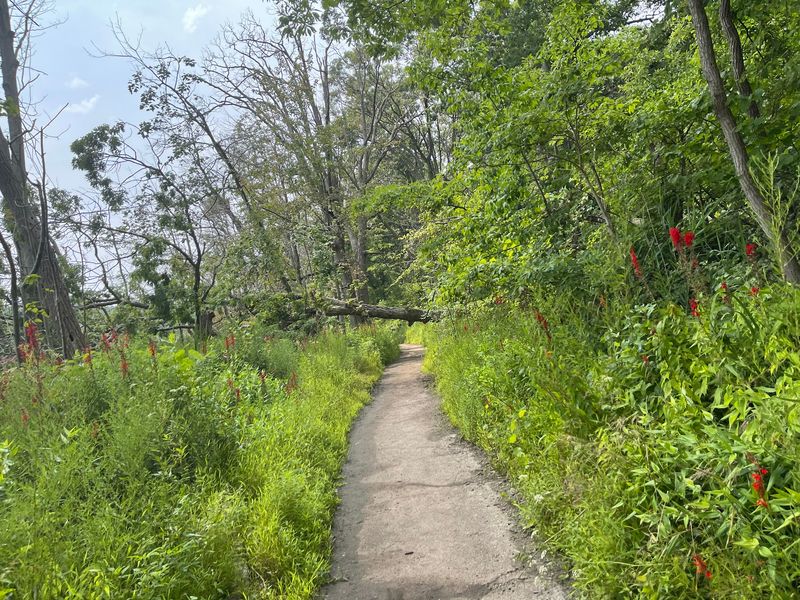
Every paradise has a toll collector. At Grand Mere, it buzzes.
Biting stable flies are a common complaint, especially in summer. Hikers call them vicious, and they mean it.
The wooded sections tend to be the worst. In early July, the bugs can be bad enough to cut a trail plan short.
Later in the day can bring more trouble, too. Plenty of people wish they had packed repellent.
One hiker reportedly showed up wearing a hat with a full head net. Fellow walkers admitted they were jealous.
So pack the bug spray and maybe a light layer. A head net is not a bad idea for summer trips.
The sand brings its own challenge on sunny days. It gets hot enough to make bare feet regret the decision.
Water shoes or sandals help a lot. The lake also gets rip currents and big waves on some days, so watch conditions before swimming, and keep reading for who will enjoy this outing most.
Who Will Love It Most

Grand Mere is not for everyone, and it does not try to be. That honesty is part of its charm.
Solo hikers and quiet-seekers are right at home. It is a place for solitude, not big Sunday cooler parties.
Active dogs do well here. The beach is described as very dog friendly, though older or less energetic pups may struggle with the sand.
Families with kids who like a challenge will have a blast. Rock skipping, glass hunting, and dune climbing keep them busy.
Picnickers love it, too. The beach offers enough privacy for a relaxed lunch.
Accessibility is a real concern, though. Anyone with a disability or injury may find the beach too hard to reach.
People who prefer short walks from the car should think twice. A mile or more of sand can wear out even fit hikers.
For everyone else, the effort pays off. All that is left is figuring out when to go and what to bring.
Planning the Trip and a Quiet Verdict
Timing is easy to remember. The park is open daily from 8 am to 7:30 pm.
Weekdays are the best bet for an empty beach. Weekends in summer can draw more people, so plan accordingly.
Pack light but smart. Water, snacks, bug spray, sunscreen, and sturdy shoes cover most needs.
There is not much in the way of amenities, so bring everything you plan to use. Rustic restrooms sit at the main trailhead.
As a Michigan state park, entry generally requires a Recreation Passport on your vehicle. Check the Michigan DNR website for current details, since fees may change.
Download a trail map before arriving. Hikers who stick around can catch a sunset over the water, but watch the closing time.
So is it worth the drive? For Michiganders who want a Lake Michigan beach without the crowd, the answer is a confident yes.
Grand Mere asks for some sweat and a little patience. In return, it hands over clear water, quiet sand, and maybe a pocketful of beach glass to carry home.