Some meals end when the plate is empty, and some keep going inside a takeout box on the passenger seat. Lafayette has a small Puerto Rican kitchen where the second kind happens a lot.
The roast pork, known on the island as pernil or lechon, is the dish people drive back for. The mofongo, a mound of mashed plantains loaded with meat, shares the spotlight.
Families from Puerto Rico say the cooking takes them home, while first-timers leave planning their next order. The owner chats with guests, the music plays, and the house hot sauce is good enough that people buy a bottle on the way out.
Keep reading to find out where it is, what to order, when it is open, and why a lunch here can turn into dinner tomorrow.
A Little Island Address on North Earl Avenue
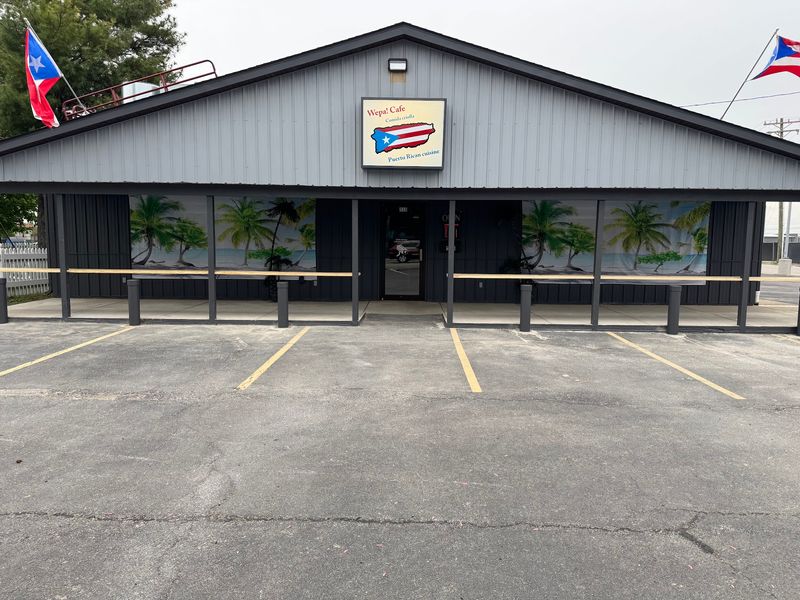
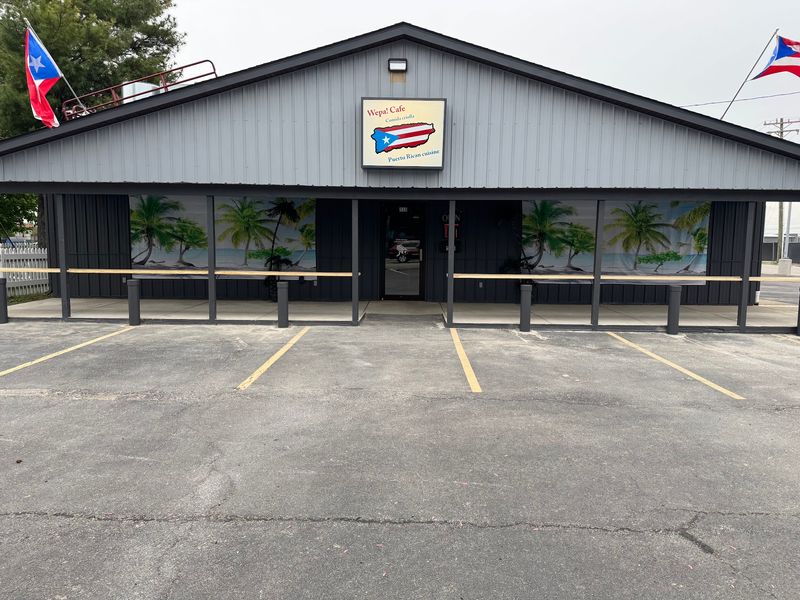
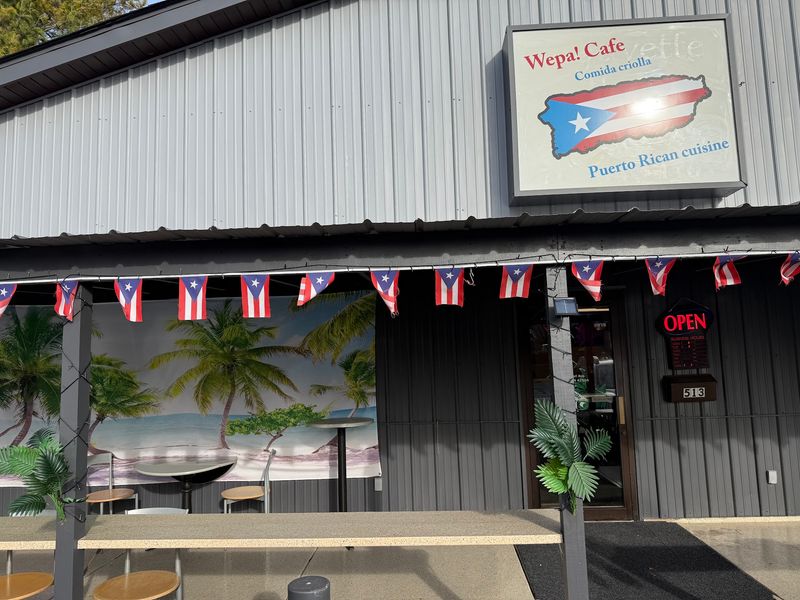
The trip to Puerto Rico from central Indiana is shorter than most people think. It ends at Wepa Cocina Criolla, 513 N Earl Ave, Lafayette, IN 47904, in the United States.
The restaurant is a Puerto Rican kitchen with a casual, diner-style setup. It sits close to Purdue University, which makes it handy for students, visiting families, and anyone passing through on a work trip.
The name says a lot on its own. Wepa is a happy shout of celebration in Puerto Rican slang, and cocina criolla means home-style island cooking.
That second phrase is the real promise here. The menu leans on classic dishes like roast pork, mofongo, tostones, rice and beans, and handmade pastries stuffed with meat.
The place has collected a 4.9-star average across more than 580 Google notes, which is rare for any restaurant. For a small spot on a residential stretch of Lafayette, that number turns heads.
Hoosiers who think great island food requires a plane ticket may want to rethink that idea. A tank of gas and an appetite will do just fine.
The Owner Who Brings His Finca to the Table
Plenty of restaurants have a friendly host. Fewer have an owner who sits down to tell guests about his family farm back in Puerto Rico.
That is a big part of the story at this Lafayette kitchen. The owner is known for stopping by tables several times during a meal to make sure everyone is doing well.
Guests describe him as one of the kindest people they have met. Some end up talking with him on the front porch after dinner, swapping stories about the island and his finca there.
His own words explain the mission. He has said he is very proud of his heritage and tries to spread a little Boricua love through the food and the music.
Boricua, by the way, is a proud name Puerto Ricans use for themselves. It comes from Borikén, the name the native Taíno people gave the island.
That Taíno link shows up on the menu too, as later sections reveal. For now, know this: the person running the kitchen treats a table of strangers like cousins who just flew in for the weekend.
Pernil Worth the Drive
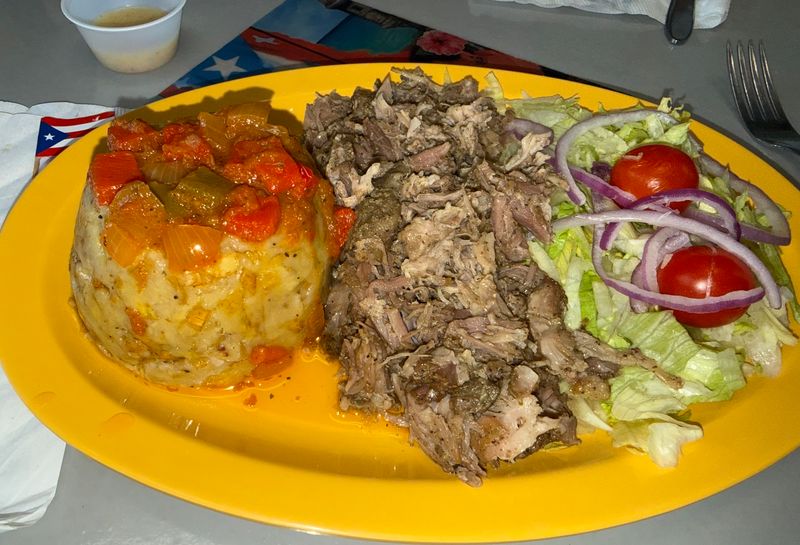
Roast pork is the dish that turns first visits into regular habits. At Wepa, it goes by lechon, and it is one of the most talked-about items on the menu.
The pork is slow-roasted and pulled, so it needs no sauce at all. Some guests who came in for the mofongo leave saying the roast pork was the true star of the day.
That kind of conversion happens often. People taste a bite off a friend’s plate and promise to come back for a full order of their own.
There is also a fried pork option made with crispy chunks, for folks who prefer a crunchier bite. Both versions pair well with rice and beans and a side salad.
Puerto Rican pernil has deep roots in holiday cooking on the island. Families often roast a whole pork shoulder for Christmas gatherings, so ordering it on a random Thursday feels like a small celebration.
Portions here are generous enough that a to-go box is a smart thing to plan for. Tomorrow’s lunch may already be sorted before dessert arrives.
Mofongo Mountains, Three Ways
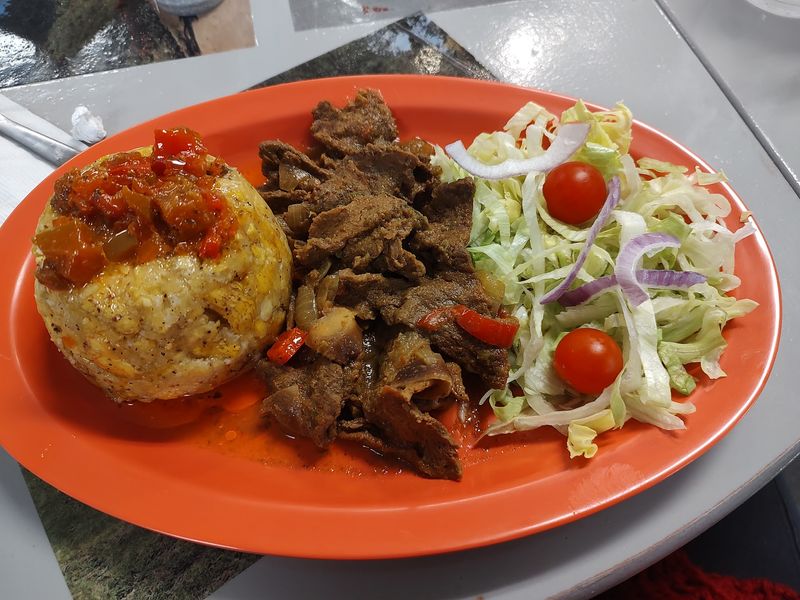
Mashed plantains do not sound fancy on paper. Then the mofongo shows up, and the conversation at the table stops.
Mofongo is made from fried green plantains mashed with garlic into a firm mound. At Wepa, it comes topped or paired with meats like roast pork or steak.
The Mofongo de Lechon, with that famous roast pork, earns perfect marks from fans. The steak version gets praise for tender beef and a bold garlic kick that is not overly spicy.
Vegetarians are not left out. The kitchen has made an off-menu meatless plate with mofongo, rice, beans, and salad for about thirteen dollars.
Plantains are the single most mentioned ingredient around this restaurant. They appear in mofongo, in tostones, and even as bread for sandwiches.
Many plates arrive with a small salad on the side, which gives a lighter break between heavy bites. The house dressing has its own fan club, too.
One tip for first-timers: order the mofongo to share or to save. It is filling, and half of it travels home well.
Plantain Bread and the Taíno Sandwich Trick
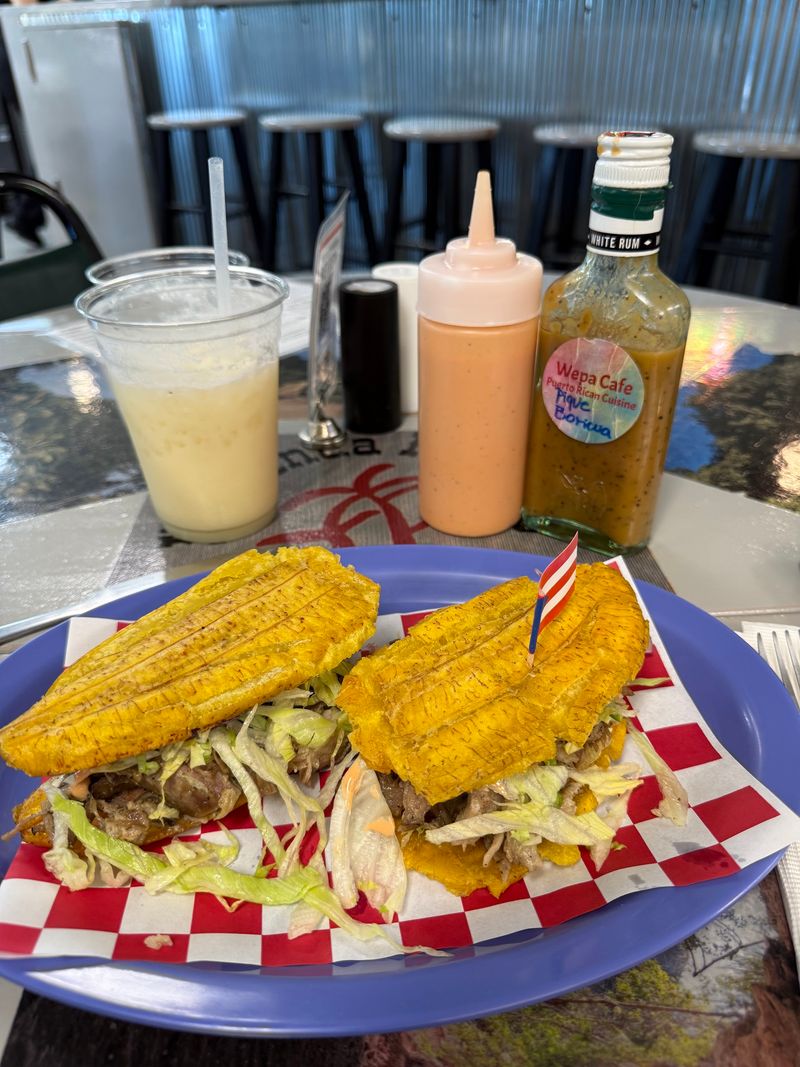
Bread is optional at this kitchen, at least for one famous sandwich. The Taíno sandwich swaps buns for flattened fried plantains, known as tostones.
The idea honors the Taíno people, the island’s original residents. It also creates a sandwich that people talk about long after the meal.
There are a few versions to choose from. The Taíno tripleta stacks three meats, there is a chicken Taíno, and there is a Taíno cubano built like a Cuban sandwich.
Families say even picky eaters at their table enjoyed it. That is high praise for a sandwich with no bread in sight.
Speaking of bread, the regular house bread deserves its own mention. It is a soft, slightly sweet Puerto Rican pan de agua, and guests keep bringing it up.
Plain tostones are also on the menu as a side. Some groups finish one order and grab a second to take home.
The Taíno sandwich is the kind of dish that makes friends ask questions about a photo. Fair warning, though, many people forget to take one.
Small Bites That Start Big Arguments
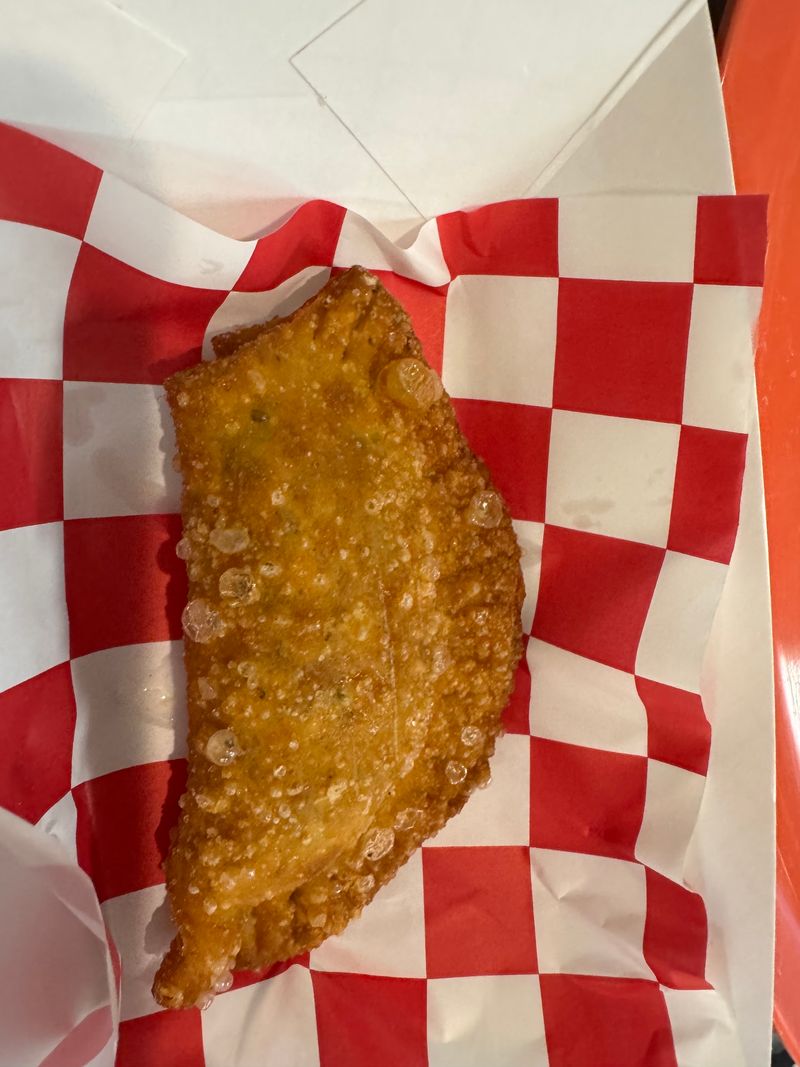
Deciding on appetizers here can cause friendly debates. The fried starters list is long, and each one has loyal fans.
Pastelillos, Puerto Rico’s version of empanadas, are among the most mentioned items of all. Fillings include chicken and crab, and the crust comes out crunchy.
Rellenos de papa are mashed potato balls stuffed with pork and fried. Alcapurrias, a fritter made from a root vegetable dough, are called a must-try by people who order them.
Then come the sorullitos de maíz, or corn fritters. These cheesy little croquettes win over newcomers who order a second round on the spot.
Cod fritters and coconut shrimp round out the lineup. The shrimp comes with a caramel brown butter sauce that gets plenty of attention.
A practical plan for groups is to order a few starters to share before the mains. That way everyone samples the range without running out of room.
Of course, running out of room is nearly guaranteed at this restaurant. Consider the appetizers a warm-up lap.
Hot Sauce You Can Take Home
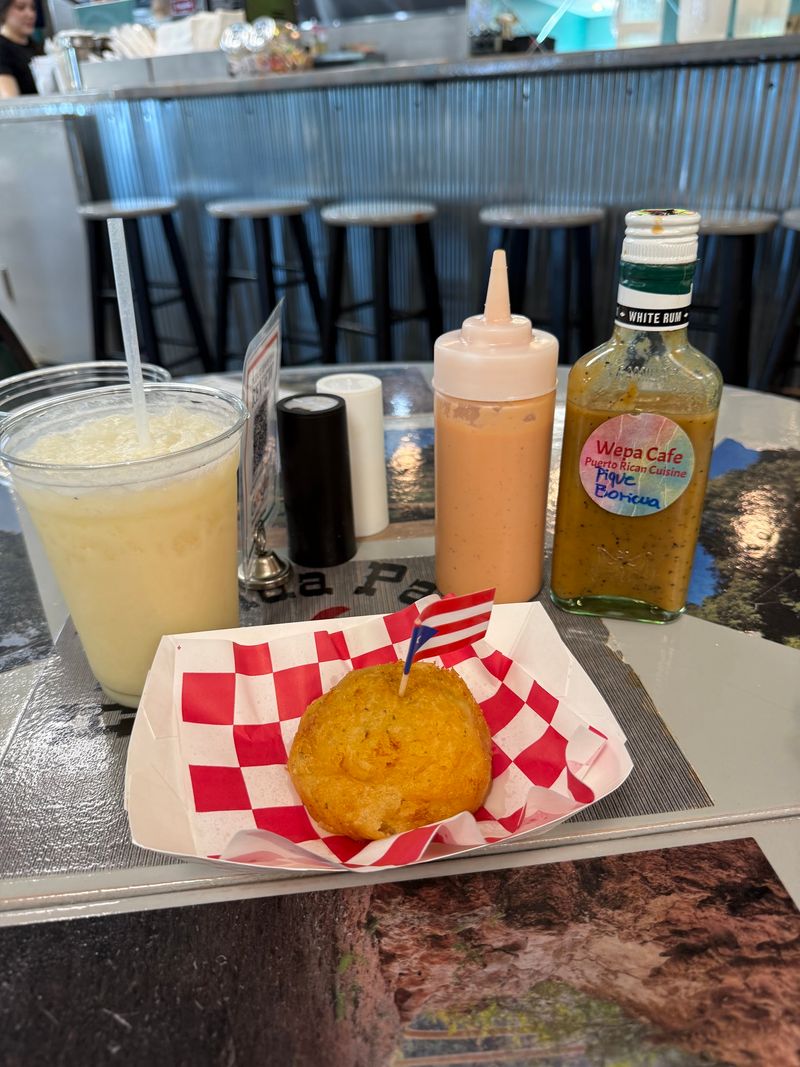
Souvenirs at most restaurants are mints. At Wepa, guests leave carrying bottles of hot sauce.
The homemade sauces are a hit with diners. There are spicy versions and a hot-sweet option, and both pair well with the bread and the meats.
Fans describe the sauce as unique, and some buy a bottle before heading out the door. That makes it an easy gift for a relative who loves heat.
Spice-shy diners can relax. The main dishes are full of garlic and seasoning but are not super spicy unless you add the sauce yourself.
Puerto Rican cooking relies on sazón, a word for that signature house seasoning. Many island cooks build flavor with sofrito, a blend of peppers, herbs, and garlic, rather than raw heat.
That balance makes the menu friendly for kids and older guests. The heat stays on the table in a bottle, ready for those who want it.
So go ahead and add a few drops, or a lot. The choice belongs to you, and so might a bottle for the road.
Tembleque, Flan, and Coffee Worth Saving Room For
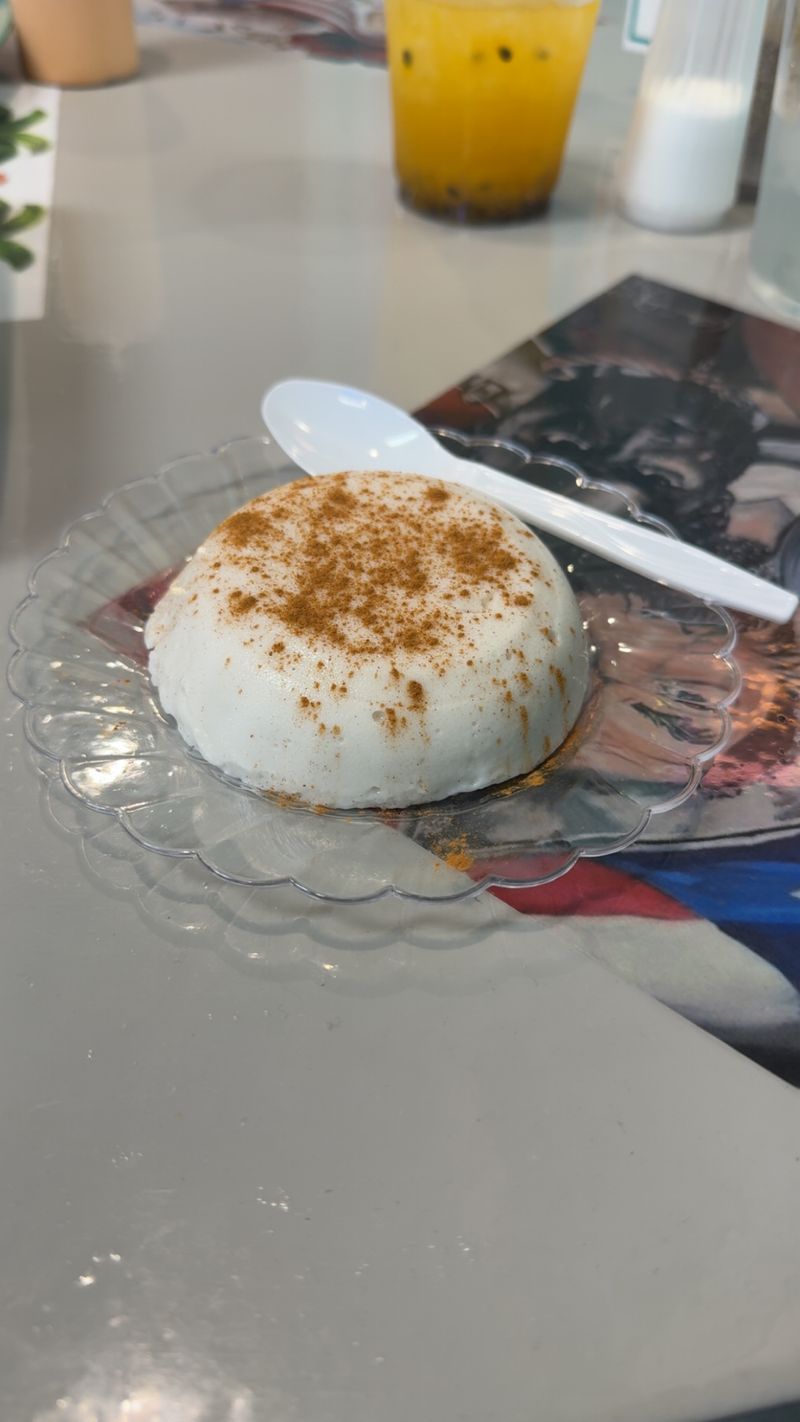
Dessert is where the leftover plan gets tested. Saving room is hard, but the tembleque makes a strong case.
Tembleque is a Puerto Rican coconut pudding, often topped with cinnamon. The name comes from the Spanish word for trembling, because it jiggles on the plate.
Here, guests call it a standout, and one fan from the island said it is on another level. It is described as light, smooth, and not overly sweet, with versions featuring pineapple.
The flan is another favorite closer. Guests who grew up with it give it high marks.
Coffee drinkers should not skip the cups here either. Puerto Rican coffee gets big compliments, and a cortado is on the list for those who want something small and strong.
For non-coffee folks, the drinks menu includes homemade lemonade, passion fruit juice, a non-alcoholic piña colada, and Malta. Some drinks come with free refills, a nice perk for a long lunch.
Dessert to go is also an option. Tomorrow’s leftovers deserve a sweet ending as well.
Music, Spanish, and a Family Table Mood
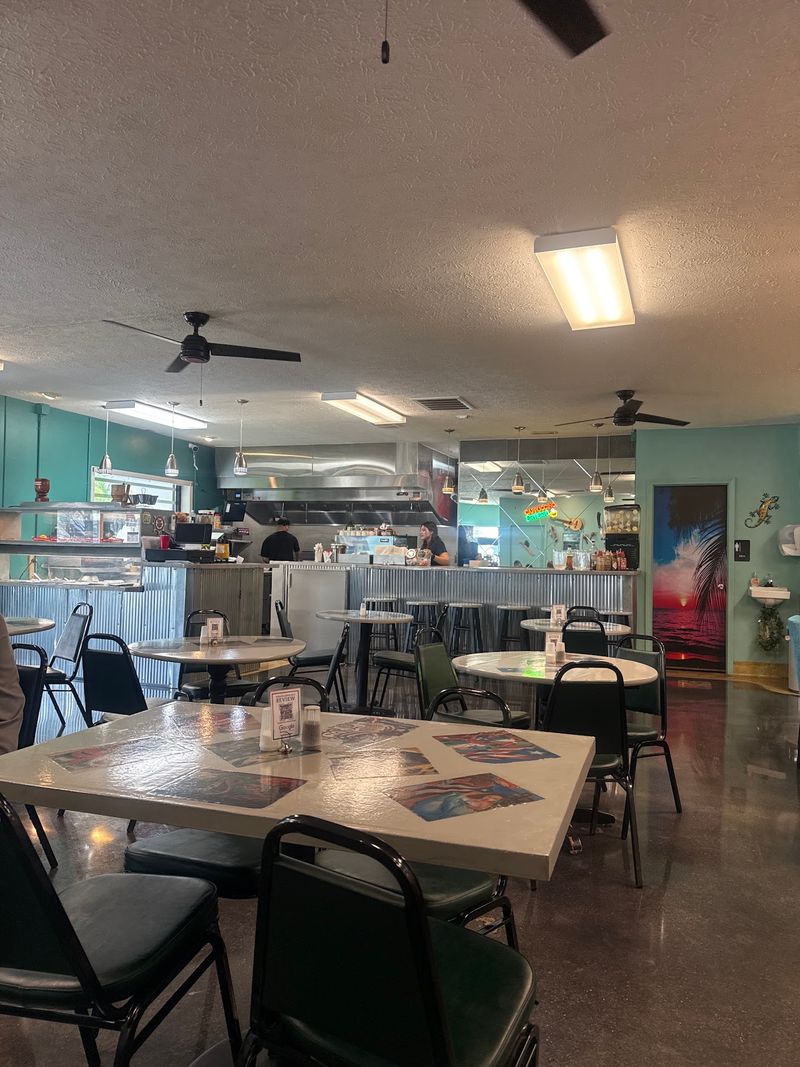
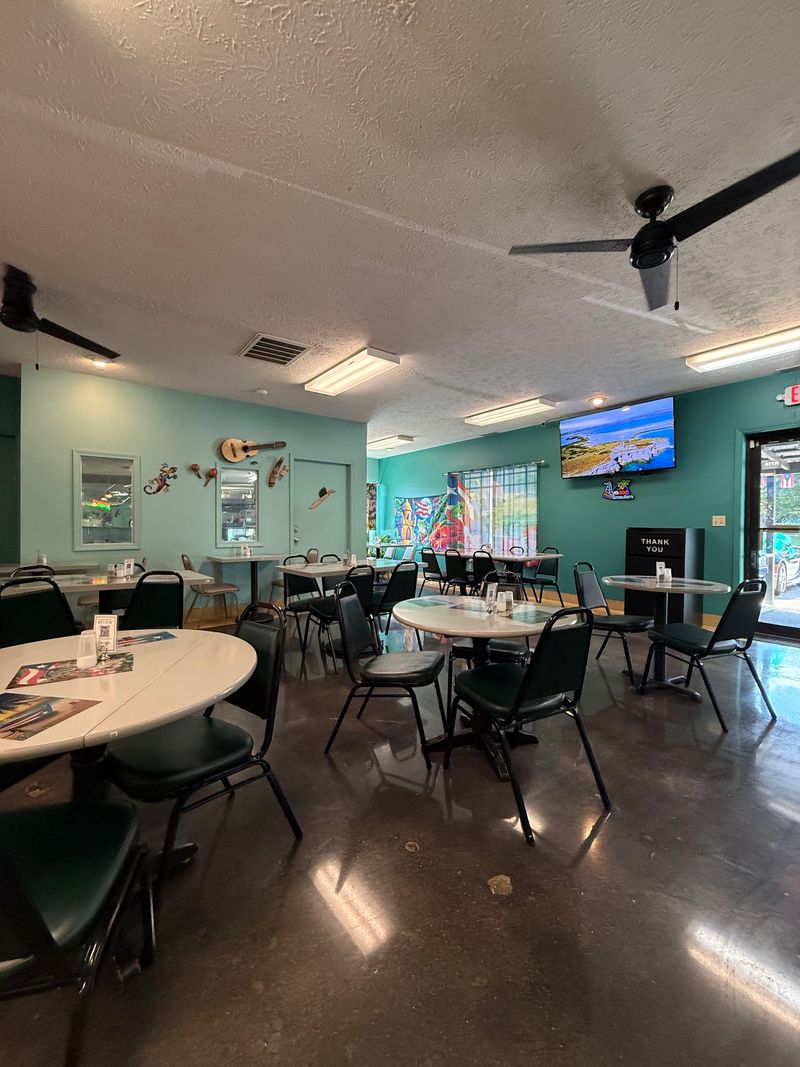
Nobody books this place for a quiet candlelit date. The setting is a casual diner, and it suits families and groups best.
Puerto Rican decorations fill the room, and island music plays during meals. Guests from Puerto Rico say the mix of food, people, and music brings them back to their roots.
The staff speaks Spanish, which matters to families who have moved from the island to the Midwest. Some say they had searched for years for food that felt like home.
Service gets steady praise for being quick and attentive. Food arrives fast and hot, and servers keep checking in.
Big groups are welcome too. One group arrived an hour before closing and still got the same warm treatment as anyone else.
Work travelers, Purdue families, curious first-timers, and born Boricuas all share these tables. The mood is relaxed and lively at the same time.
Retirees looking for a friendly lunch spot will find it easy to settle in here. Bring friends, because the plates are made for sharing stories as much as food.
Plan Your Visit and Pack a Box
Timing matters, because this kitchen keeps a short week. Wepa Cocina Criolla is open Wednesday and Thursday from 11 AM to 8 PM.
On Friday and Saturday, hours stretch from 11 AM to 9 PM. The restaurant is closed Sunday, Monday, and Tuesday, so plan weekend trips around Saturday.
Prices are friendly for a sit-down meal. One pair covered a stuffed potato, a Taíno tripleta, dessert, and a drink for about forty dollars with tax and tip.
The off-menu vegetarian mofongo plate came in around thirteen dollars. Portion size on a few chicken plates gets mixed comments, so the pork and mofongo are the safer bets for big appetites.
The menu and more details live on the restaurant’s website, wepa-cafe.com. Checking it before a long drive is a smart move.
For road-trippers, Lafayette is an easy stop off the interstate, and the restaurant sits near Purdue. Families can pair lunch with a campus stroll.
The verdict is simple. Come hungry, order the pernil or mofongo, grab a bottle of hot sauce, and leave space in the fridge, because tomorrow is already looking delicious.