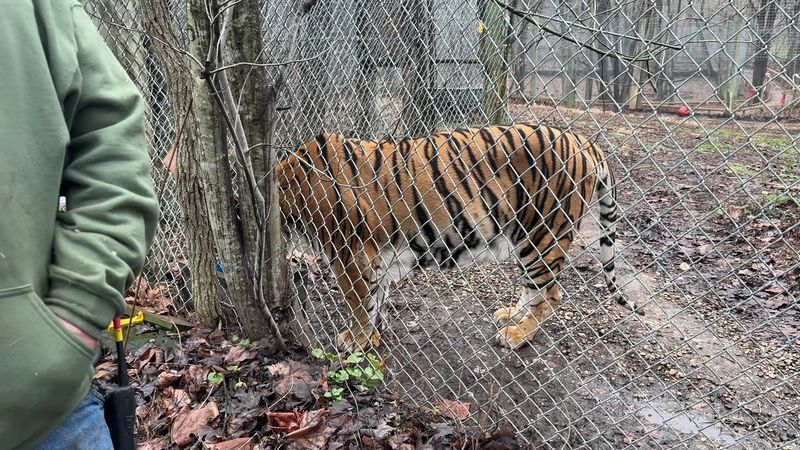
Somewhere down a quiet country road in west central Indiana, a tiger is strolling past a fence, and a small group of families is standing close enough to watch every step. Nobody expects to find big cats out here, which is exactly what makes this spot such a surprise.
The animals living here came from tough situations, often from owners who could no longer care for them. Now they have space to roam, ponds to splash in, and a team that knows each one by name and backstory.
A guided tour costs about ten dollars, and the money goes straight to their care. Keep reading to learn where this sanctuary sits, what the hour-long walk is like, which animals tend to steal the show, and the practical tips that make a visit go smoothly for road-trippers and families alike.
A Wild Surprise on a Country Road
Big cats in rural Indiana sound like the start of a tall tale. Yet the Exotic Feline Rescue Center sits at 2221 E Ashboro Rd, Center Point, IN 47840, in the western part of the Hoosier State.
The setting is quiet farm country, far from any big city skyline. Plenty of first-timers admit they never expected something like this in the middle of nowhere.
The center is a nonprofit animal rescue. Its job is simple to explain and hard to do: give a permanent home to big cats and other wild animals that cannot live in the wild because of their backgrounds.
Tigers, lions, cougars and bobcats live here, along with a mix of smaller wild cats many people have never heard of. Foxes, wolves and even a black bear round out the residents.
Public tours help keep the operation running. Each ticket supports food, care and the constant upkeep of the habitats.
The place has earned a 4.9-star average across nearly 2,000 Google ratings, which says a lot about how people leave feeling. Hoosiers who love finding world-class things close to home will want this address saved in their phone before the next free weekend rolls around.
Why These Cats Needed Saving
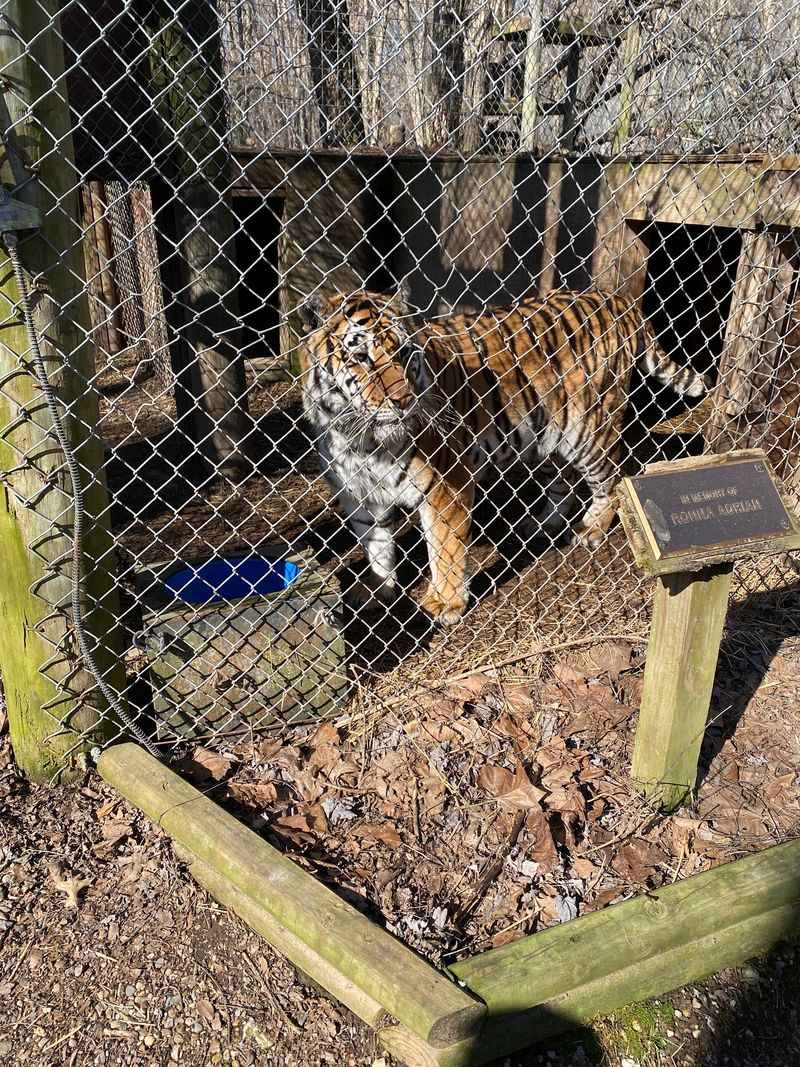
Not every tiger starts life in a jungle. Many of the animals at this sanctuary came from private owners who bought them as cubs and later realized they could not care for a full-grown predator.
Plenty of guests leave surprised at how often that happens. Learning how many people end up giving up wild animals is one of the more eye-opening parts of the tour.
Once these cats have lived around humans, going back to the wild is usually not an option. They lack the skills to survive on their own, and many were born in captivity in the first place.
That is where the center steps in. It offers a forever home instead of a temporary stop.
Guides share the firsthand story of each rescue, explaining where an animal came from and how it was rehabilitated. Those stories turn a walk past enclosures into something closer to meeting individual personalities.
The mission also appeals to people who care about ethics. The focus here is protection and care, and the animals are not bred for display.
For many families, that difference is the main reason they choose this stop over a typical outing.
Closer Than Any Zoo

Zoom lens optional. That is the running joke among photographers here, because the cats often wander right up to the fence.
Guests regularly say they have never been this close to a big cat, even after visiting plenty of zoos. Photos taken without any zoom still fill the frame with stripes and whiskers.
Safety rules stay firm, though. Clear markers show how far back to stand, and anyone who drifts too close gets a kind but firm request to step back.
Those boundaries respect the animals’ space. They also keep the experience calm for everyone involved.
The cats do not seem bothered by the attention. Many stroll over to check out the group, and some young ones come to the fence to look at the people looking at them.
Keep expectations realistic on hot days. Big cats are champion nappers, and a warm afternoon can mean several of them are snoozing in the shade.
Even so, the active ones tend to make up for it. A single tiger pacing alongside the group can be the moment people talk about all the way home.
Guides Who Know Every Whisker
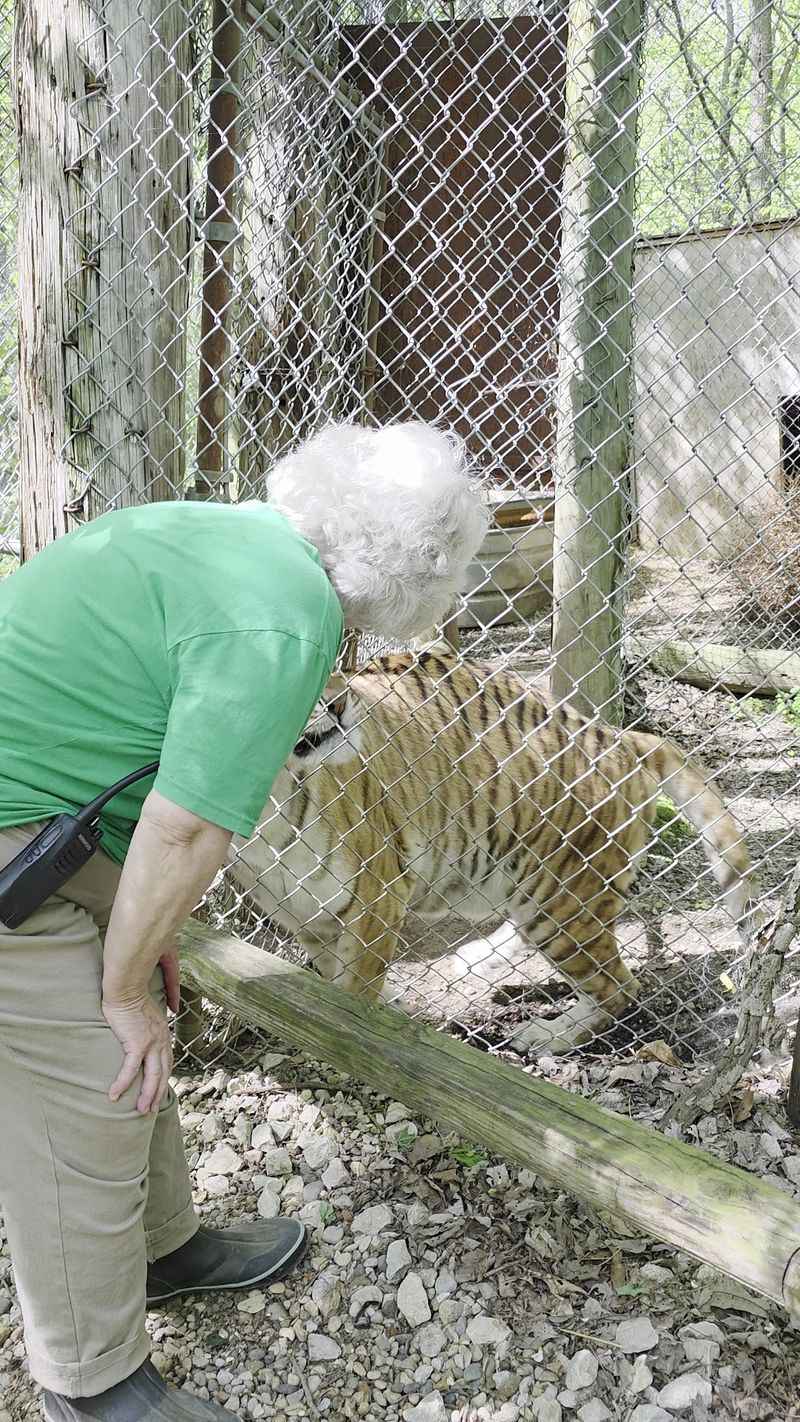
Ask almost anyone about their tour, and the guide comes up first. Knowledgeable staff and passionate guides are the most talked-about part of the whole experience.
The guides know each animal by name and can recount its story. They also mix in facts about each species, so the tour doubles as a lesson in wildlife biology.
Questions are welcome, including the endless ones from curious kids. Guides earn praise for answering little ones patiently and keeping them engaged.
Homeschool groups use the tour as a field trip for exactly this reason. It is learning that sticks because it comes with a real tiger attached.
Several guides have picked up fans by name over the years. That kind of loyalty usually means the staff genuinely loves the work.
Small groups make the conversation feel personal. A quiet Sunday tour can sometimes mean just two people and a guide, which turns the hour into a private chat about cats.
Come with questions ready. The answers are half the fun.
Meet the Neighborhood: Tigers, Bobcats and a Bear
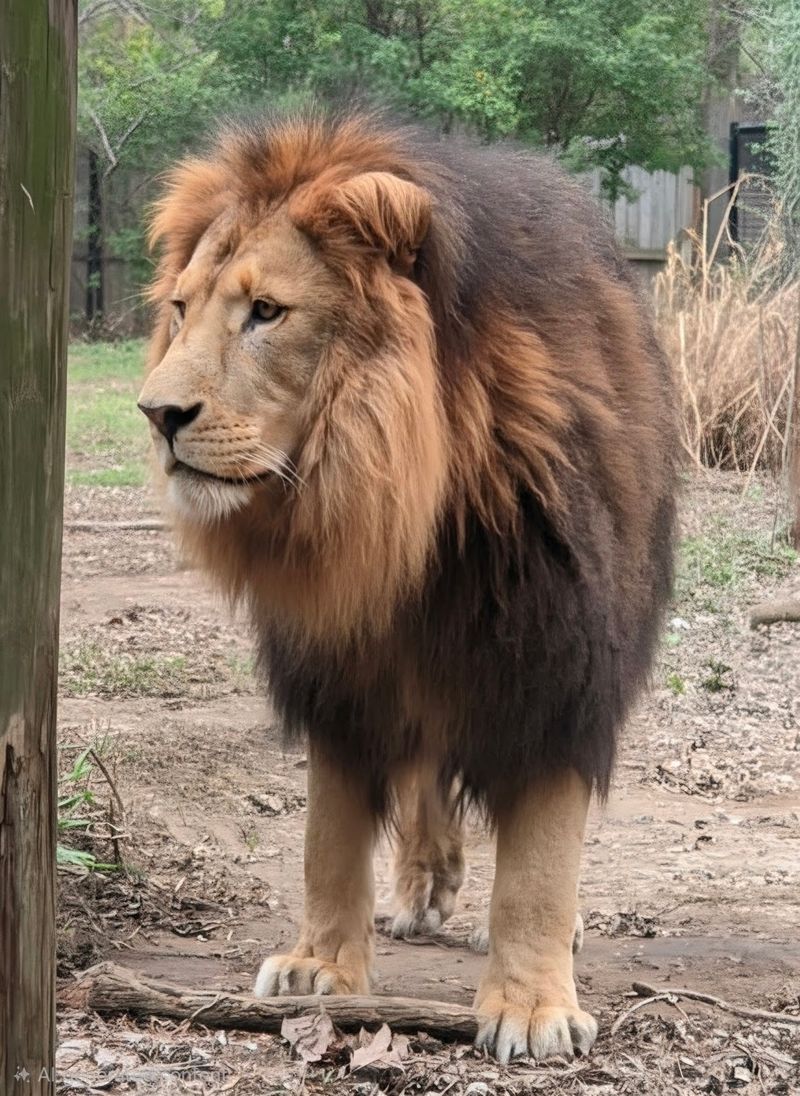
Lions, tigers and bears, oh my. The classic line actually fits here, since the roster includes all three.
Tigers make up a big share of the residents, and some tours feel mostly striped. Lions, cougars and bobcats appear too, plus smaller wild cats that send people home searching their names online.
The lineup does not stop with cats. Foxes, wolves and a black bear also call the sanctuary home.
Individual personalities shine through. A mountain lion named Max has been known to walk right up to a group to say hello.
Drago the tiger sometimes stays alongside guests for an entire stop, pausing to drink from his giant water bowl. Casey Bear has his own fan club as well.
A pair of wolves living with a resident named Roy were still waiting for names at one point. That small detail shows how the population keeps changing as new rescues arrive.
Because the residents shift over time, every tour can feel a little different. Check back on a later trip, and there may be a brand-new face to meet.
Room to Roam and Toys to Shred
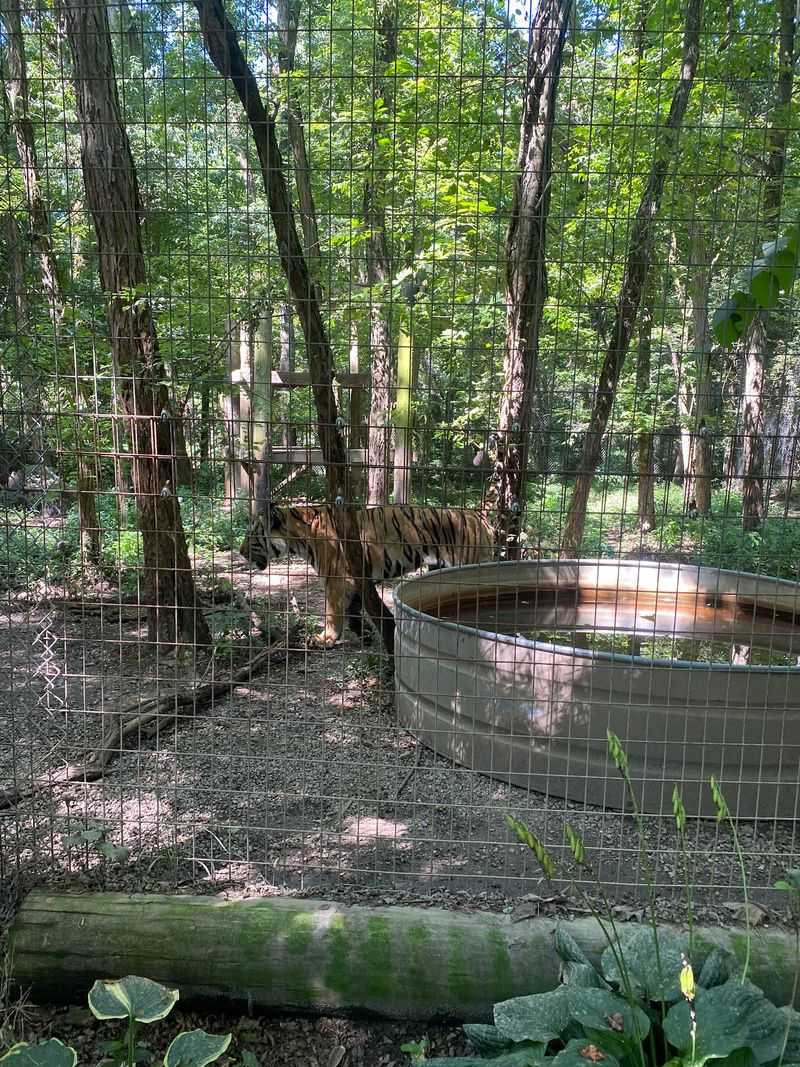
Big cats need big backyards. The habitats here offer large, natural spaces with hiding spots, ponds and plenty of room to wander.
Toys are part of daily life. The tigers tear them apart with enthusiasm, and one named Gage seems especially talented at it.
Nothing goes to waste, either. Shredded toys get turned into keychains sold to support the center, a clever souvenir with a true backstory.
Enrichment like this keeps the animals active and engaged. Many seem relaxed and content, living what amounts to a chill good life.
Upkeep never stops. Enclosures stay clean, and crews are constantly rebuilding and improving habitats.
That ongoing construction is a good sign. It shows the money from tours and donations is going back into the ground the animals walk on.
Plenty of trees shade the paths too. On a warm day, that cover makes the walk easier for people and may encourage more of the cats to move around.
Ten Dollars, One Hour, Big Payoff
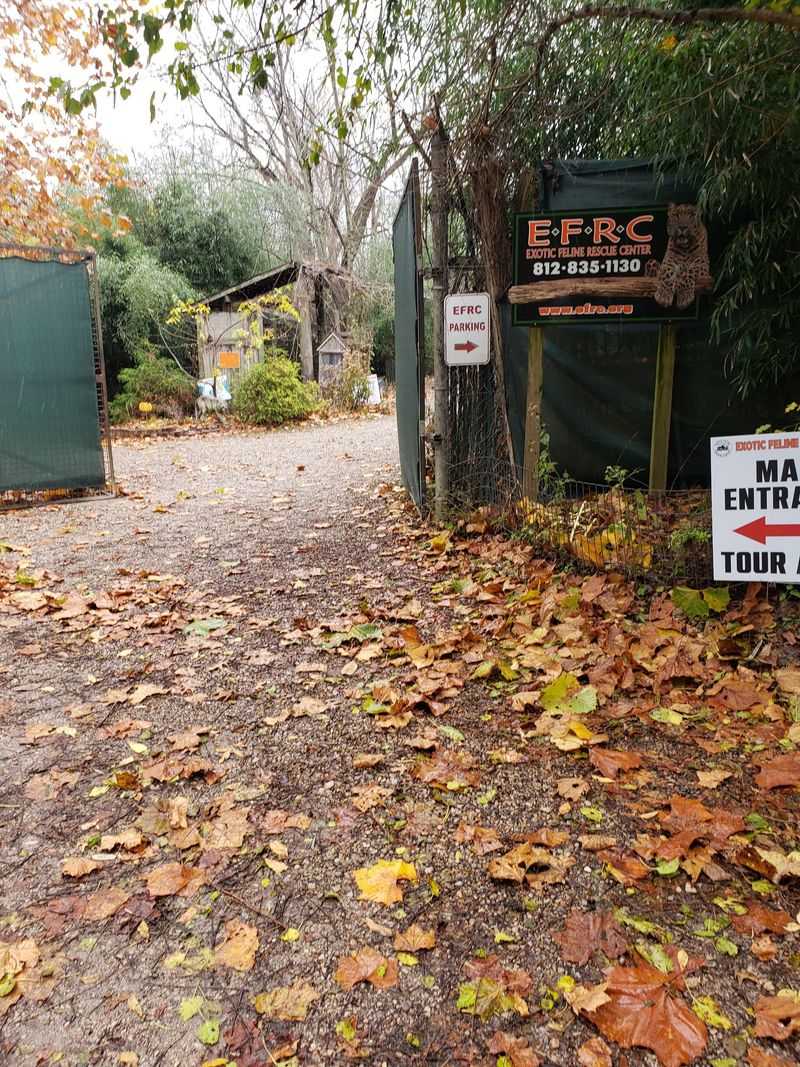
Here is a number Hoosier families will like: about $10 per person. That buys a guided walking tour lasting roughly an hour.
Guests call it super affordable and some say it beats a big-city zoo for the price. Every dollar supports a nonprofit cause, which makes the outing feel even better.
The center is open every day of the week from 10 am to 4 pm. Plan to arrive with time to spare so the hour-long tour fits before closing.
Mobility needs are considered. A ride is available for those unable to walk the route.
Parking can fill up on busy days. Be ready to park along the road if the lot is full.
The gift shop is worth a stop. Purchases and donations go toward the animals, and many guests encourage adding a little extra since ticket sales alone do not cover everything.
Dress for the weather and wear comfortable shoes. Snow, fall leaves or summer sun can all shape the day, and each season brings its own look to the grounds.
Worth the Detour
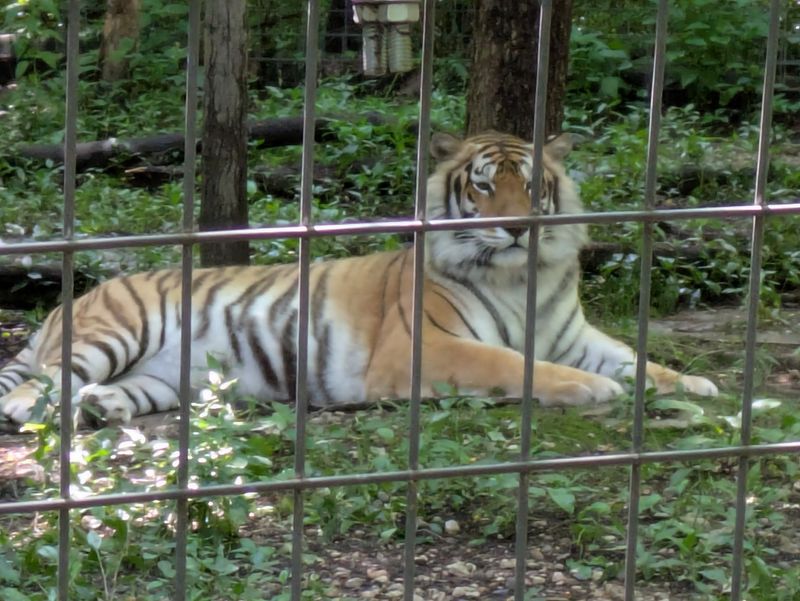
Road trips rarely produce a better surprise. Families passing through the area have searched for something to break up a long drive and ended up calling this the highlight.
The appeal works for a wide crowd. Kids get a thrill, grandparents get an easy outing with a ride option, and couples have even marked birthdays here.
Animal lovers who worry about zoo ethics often find peace of mind on this tour. The mission is rescue first, and it shows in the clean habitats and caring staff.
Not every moment is action-packed. Sleepy cats on hot afternoons happen, and the fences mean this is a look, not a touch.
Still, the overall picture is hard to beat for the cost. An hour of stories, close views and real learning makes for a strong weekend plan.
Bring curiosity and a few extra dollars for the gift shop. Few places in Indiana let a ten-dollar bill do this much good while giving a tiger a front-row seat to the family photo album.