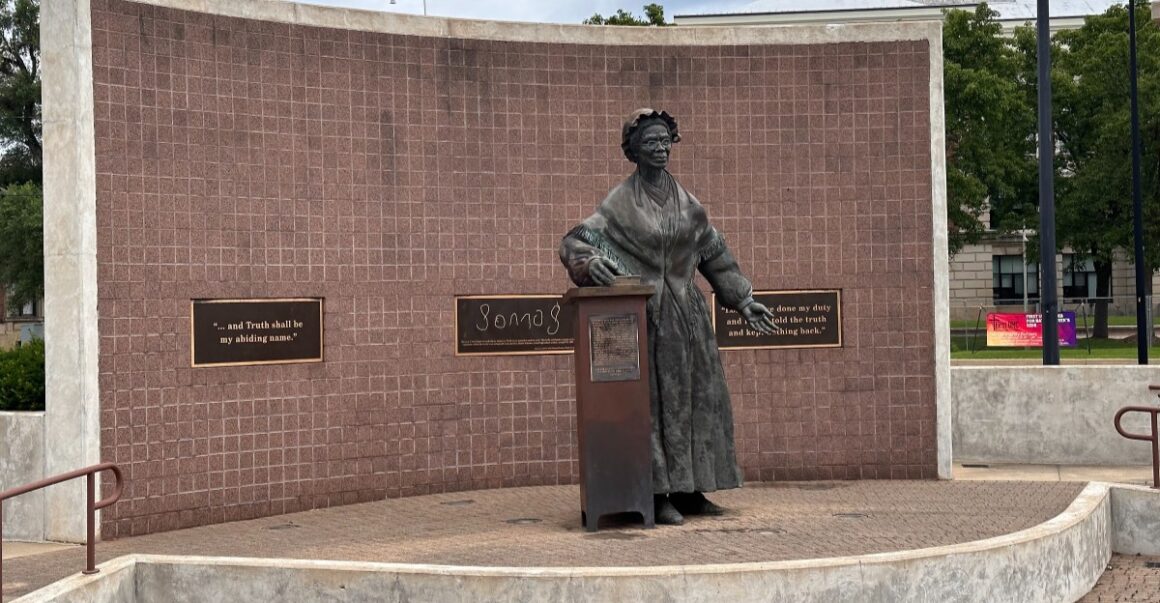
Downtown Battle Creek holds a 12-foot tribute to a woman who changed American history with her voice and courage. Many Michiganders drive past it without knowing the full story behind the bronze figure.
She spent the last chapter of her long life right here in this Michigan city. Read on to learn where it stands, why it matters, and how to plan a free, easy stop.
A Tribute on East Michigan Avenue
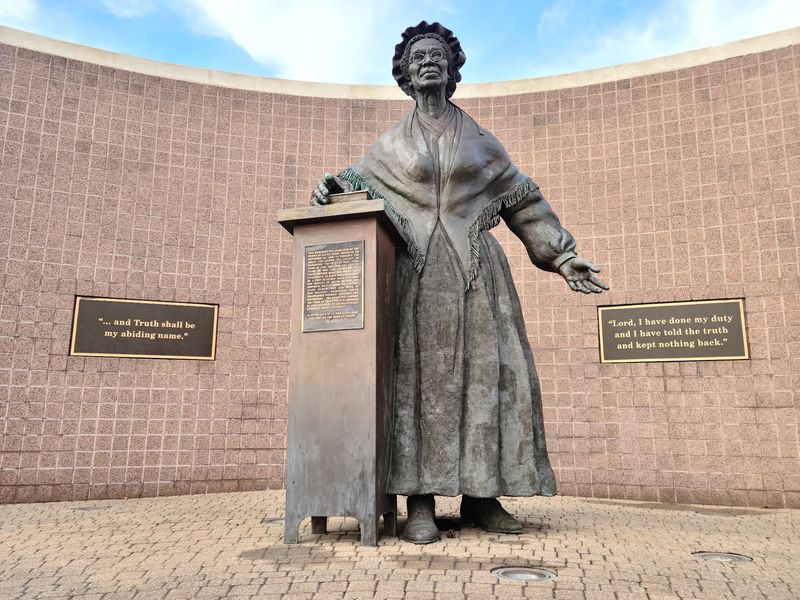
Some of Michigan’s most meaningful stops cost nothing and never close. The Sojourner Truth Monument sits at 2-14 E Michigan Ave, Battle Creek, MI 49014, in the heart of downtown Battle Creek.
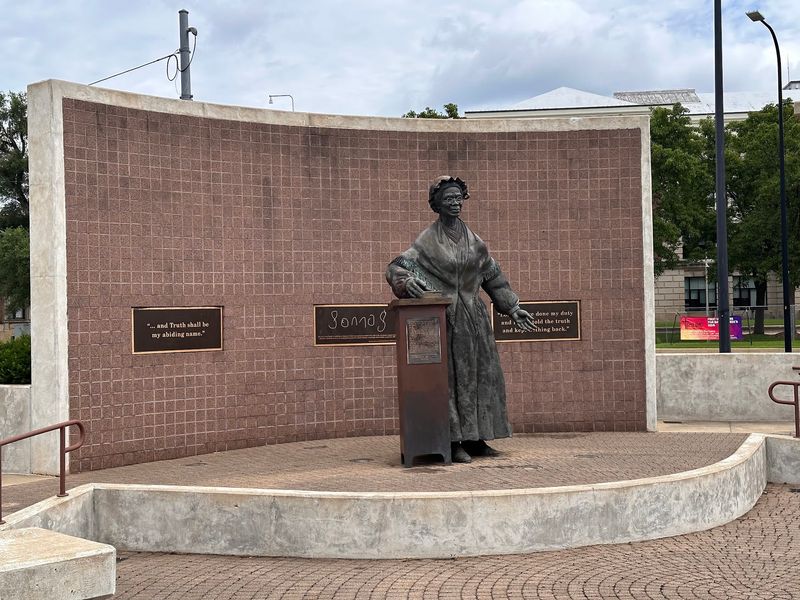
The centerpiece is a 12-foot sculpture of Sojourner Truth, the formerly enslaved woman who became one of the country’s best-known abolitionists. She lived her final years in Battle Creek, and the city honors her in a small park space right along a main downtown street.
Getting here is simple for most Michigan families. Battle Creek sits in southwest Michigan, making it a reasonable day trip from many parts of the state.
There is no ticket booth and no admission fee. The site is listed as open 24 hours, every day of the week.
That combination makes it an easy fit for budget road-trippers who want a stop with real meaning. A short walk, a few minutes of reading, and a good conversation in the car afterward are all it takes.
Plenty of people pass it daily on their commute. The story behind the statue is the reason to actually pull over.
From Isabella to Sojourner
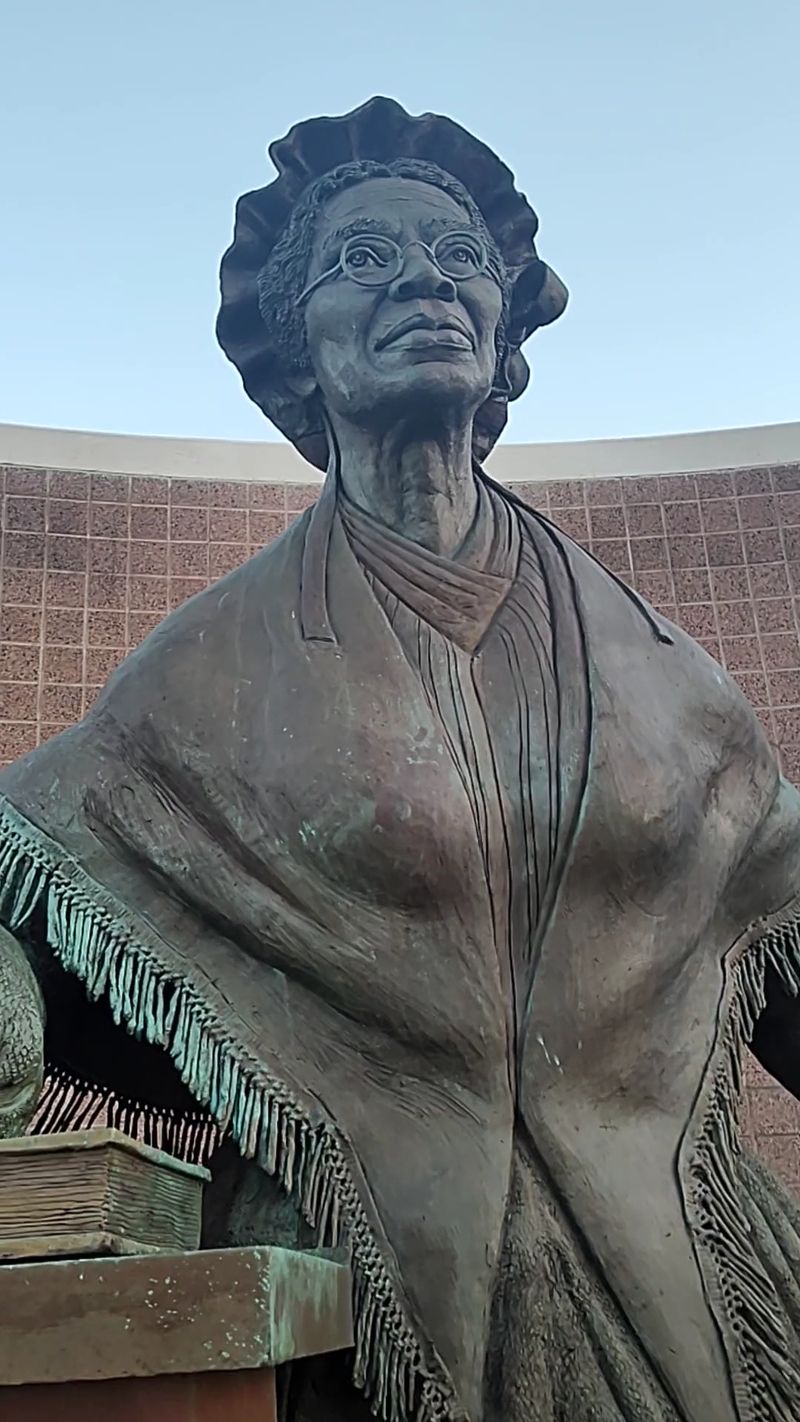
Long before the world knew her as Sojourner Truth, she was Isabella Baumfree. She was born around 1797 in Ulster County, New York, to enslaved parents.
Slavery in New York did not officially end until 1827. As a child of about 9, she was sold at auction, a hard start to a life that would later inspire millions.
She did not let those early years define her. She took the name Sojourner Truth and became a powerful speaker against slavery and for equal rights.
One chapter stands out in her story. When her son Peter was illegally sold into slavery, she went to court to get him back and won.
That case is often remembered as one of the first times an African American woman won a lawsuit against a white man. It shows the grit she carried into everything she did.
Many people arrive at the monument knowing only her name. They leave knowing a whole lot more.
Why Battle Creek Claims Her
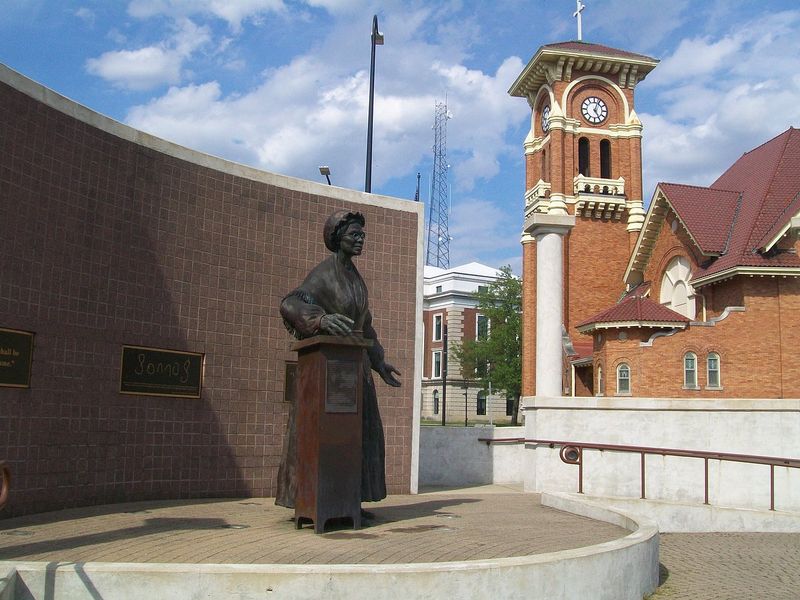
New York gave her a beginning, but Michigan gave her a home. Sojourner Truth lived in the Battle Creek area for roughly the last 27 years of her life.
Her life ended here in 1883, and the city has kept her story close ever since. For Michiganders, that connection is a point of real pride.
Battle Creek is better known to many for its cereal history. Yet locals treat Sojourner Truth as one of the greatest figures tied to the area.
Some residents make a habit of bringing out-of-town friends to the monument as part of a hometown tour. It has become a way to share local history with guests.
The site also serves the community in practical ways. It is used as a gathering spot for meetings, rallies, and demonstrations, which fits the legacy of a woman who spoke up for freedom.
Parents find it a handy place to pass history down to the next generation. Kids tend to remember a 12-foot statue far longer than a textbook page.
Twelve Feet of Resolve
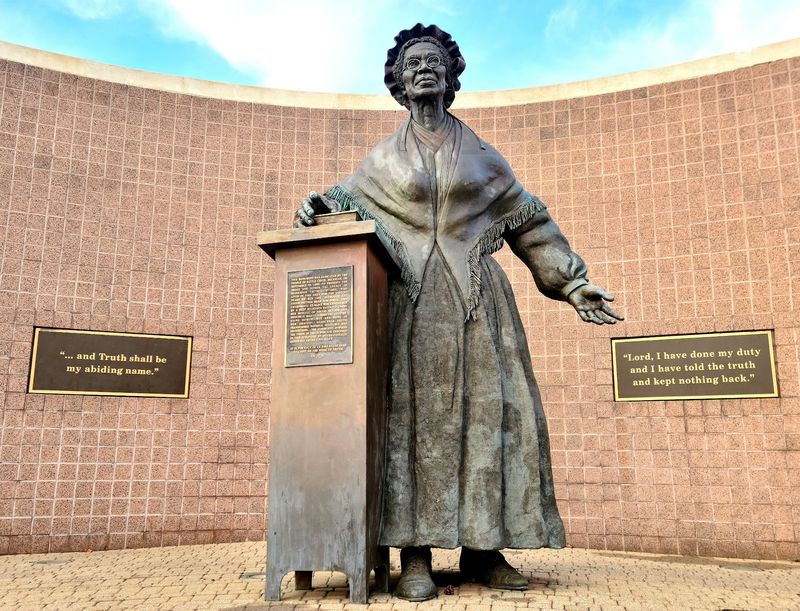
Size matters here, and not just for photos. The sculpture stands 12 feet tall, so it is easily spotted from the road.
The figure presents Sojourner Truth as a commanding presence. Many who stop describe the statue as powerful and a fitting tribute to a woman known for courage and strength.
First-timers often admit they had never heard of her before arriving. The monument does a fine job of turning that curiosity into real interest.
Photographers will appreciate the scale. A family photo at the base puts the height into perspective quickly.
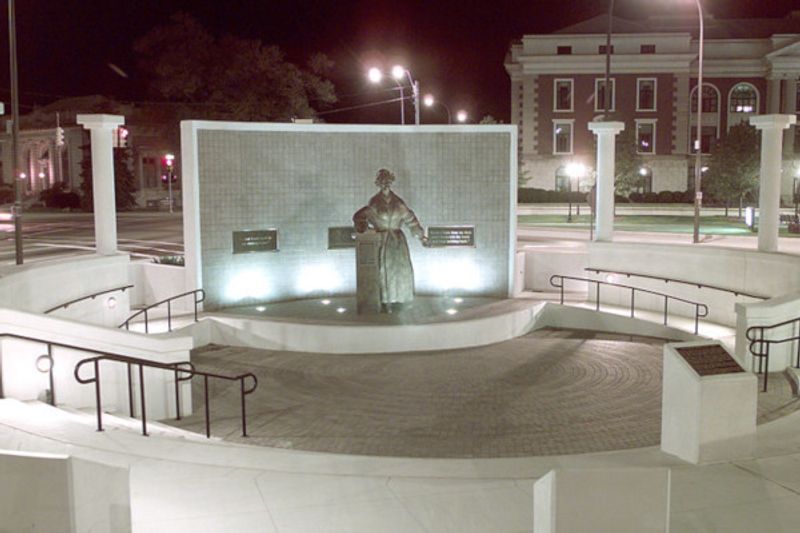
Those who want to see the work at its most striking may want to come back after dark. The monument is well lit at night, which gives it a different look than a midday stop.
Either way, the statue does the heavy lifting. A few minutes in front of it tends to leave a lasting mark.
Plaques Worth Slowing Down For
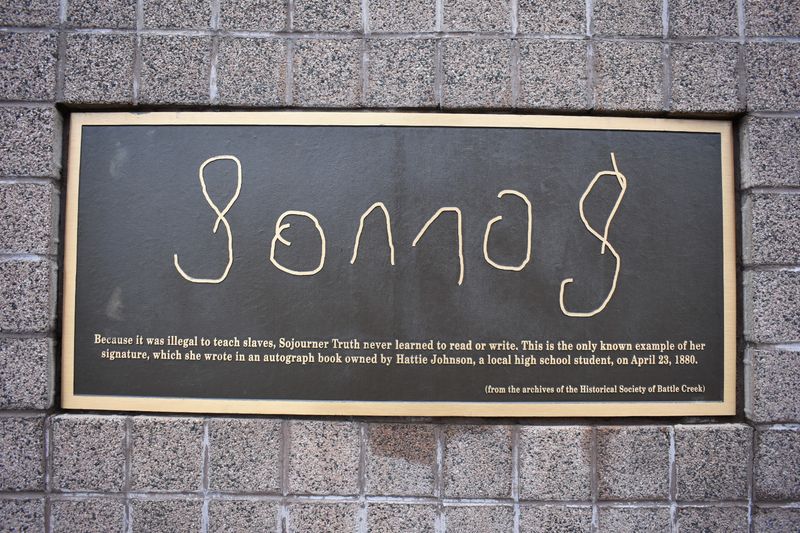
Quick glances miss the best part. The plaques around the monument fill in the details of her life and work.
Many people say the plaques are what made the stop informative. They turn a striking statue into a full lesson on American history.
Families with school-age kids can treat it like a short outdoor class. Reading a plaque aloud together takes only a few minutes.
The information also sparks follow-up questions. That is a good thing, since her story is far bigger than any single sign can hold.
Plenty of people leave wanting to learn more about Sojourner Truth. A library visit or a book on her life makes a natural next step after the trip.
Allow about 15 to 30 minutes if reading every plaque is part of the plan. Rushing it would be a shame.
The Mood Around the Monument
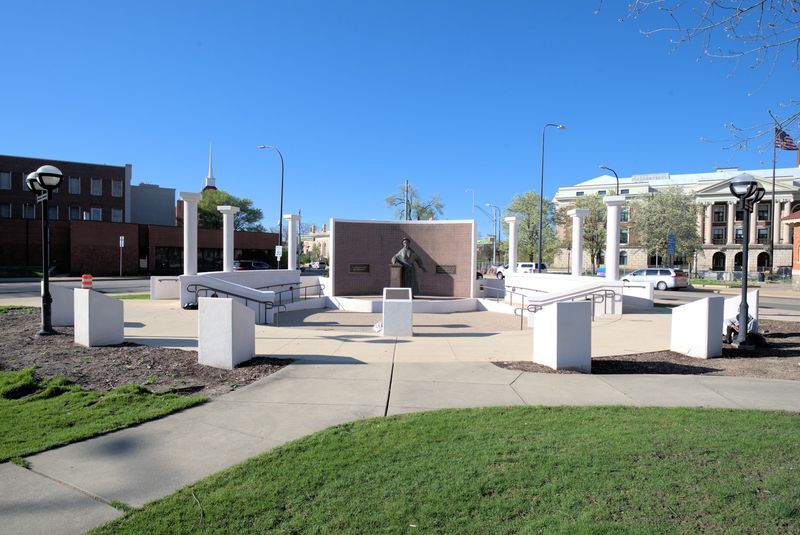
Calm afternoons suit this spot best. On a quiet weekday, the park can feel peaceful and inspiring.
People traveling from other states have stopped simply to pay their respects. That alone says plenty about her reach.
Honesty helps with planning, though. This is a small downtown park, and some people have noted unhoused individuals spending time in the area.
A few have also mentioned the space could be kept cleaner. Conditions can vary from day to day, so a daytime visit with a companion is a sensible choice.
Beyond that, the stop is short and simple. There is not much to do other than look, read, and reflect.
For many, that is exactly the point. It is a place to pause rather than to play.
Pokemon Go players may notice the site pops up in the game too. A little history lesson between catches never hurt anyone.
Parking, Hours, and Cost
Good news for budget planners: the price is zero dollars. The monument is free and listed as open 24 hours, seven days a week.
Parking is where opinions split. Some found ample parking and an easy approach, while others found it tricky to park close by.
Expect a little walking from wherever you leave the car. Street and nearby lot parking downtown are the usual options, and availability may change with the time of day.
The statue is visible from the road. Still, it can be hard to spot from some streets in regular traffic, so watch for it along East Michigan Avenue.
Night visits are an option thanks to the lighting. A well-lit evening stop can work nicely after dinner downtown.
No restrooms are part of the site. Plan a stop elsewhere downtown before or after.
More History Within Reach
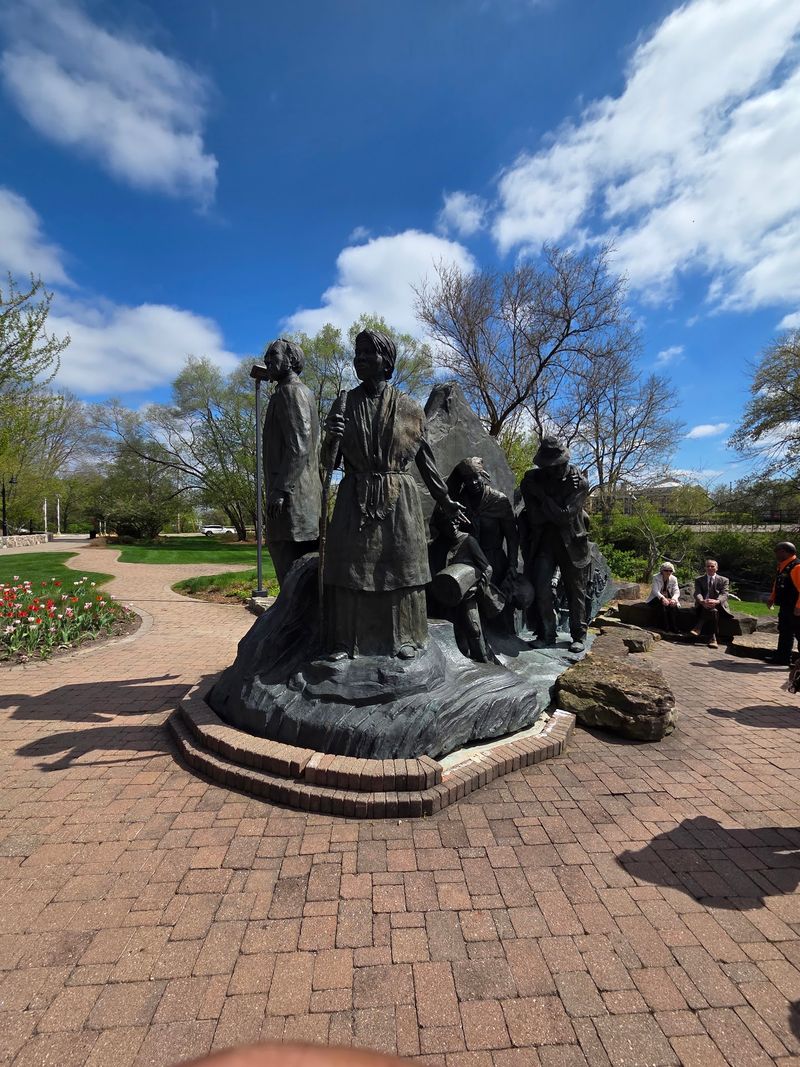
One stop rarely satisfies history fans, and Battle Creek has more to offer. The nearby Underground Railroad sculpture pairs well with the monument.
Seeing both makes the downtown walk feel complete. Together they tell a bigger story about freedom in this corner of Michigan.
Another meaningful side trip is Oak Hill Cemetery. Sojourner Truth is buried there, close to the resting place of cereal maker C.W.
Post.
Many people consider that visit the natural final piece of the journey. It connects the statue downtown to her real life in the city.
The downtown area itself is pleasant for a stroll. Local restaurants nearby make it easy to turn a short stop into a half-day outing.
Battle Creek also has deep ties to the Seventh-day Adventist movement. History lovers can easily fill a full day here without spending much.
Worth the Detour
Free, open around the clock, and packed with meaning, this one checks a lot of boxes. The monument earns a strong 4.6 out of 5 from more than 150 people on Google.
It will not fill an entire day. A visit usually runs well under an hour.
What it offers instead is depth. Few Michigan stops tell a story this important in such a compact space.
Retirees on a scenic drive will find it an easy pause. Families get a hands-on history lesson without paying a cent.
Go in daylight, bring a companion, and leave time to read every plaque. Add the Underground Railroad sculpture and Oak Hill Cemetery for a fuller picture.
Plenty of Michiganders still have not made the stop. Battle Creek has been keeping her memory standing tall, and it is waiting whenever the road leads that way.