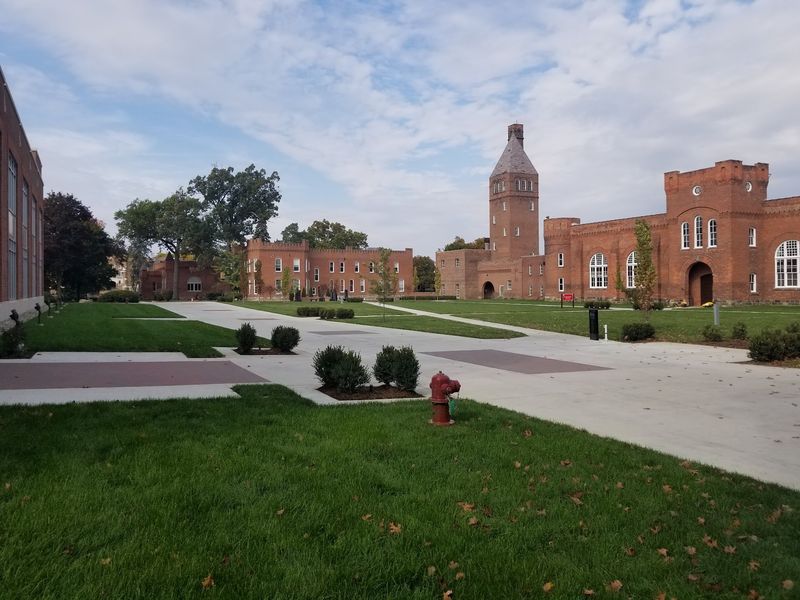
Most people know Pope John Paul II as a world leader in white robes, but few Michiganders realize he was also a man who loved to paddle a kayak. A shrine in Oakland County keeps that playful side of his story close at hand, with his own kayak and paddle sitting right on display.
The place also holds a lakeside grotto, a historic campus tied to a papal visit, and a chapel that draws a loyal Sunday crowd. Keep reading to learn where it is, what makes it special, and how to find the front door without getting lost.
A Shrine Tucked Beside Orchard Lake
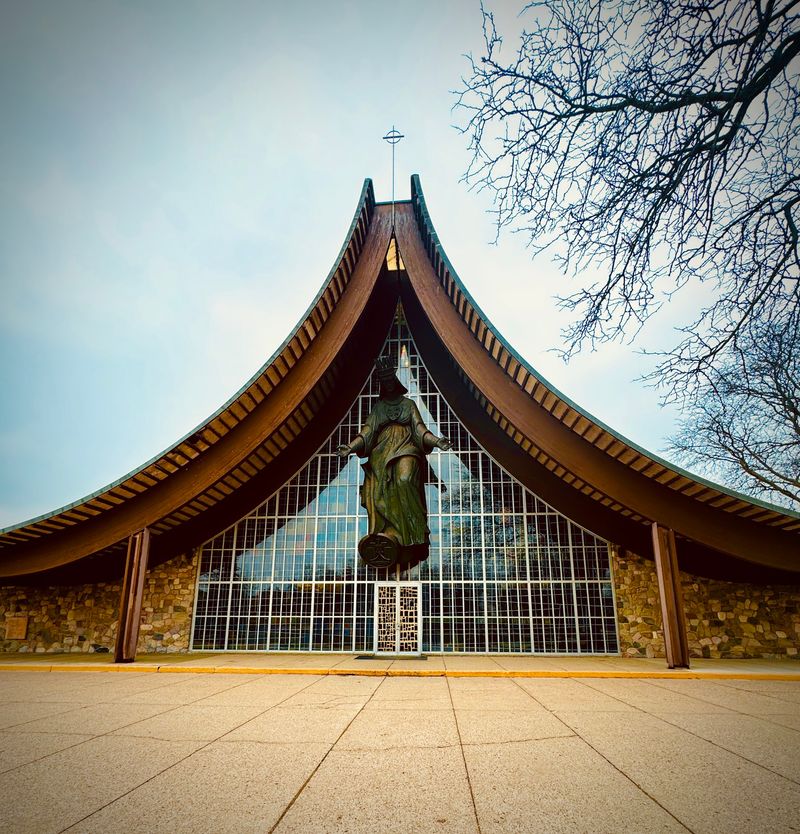
Some of Michigan’s most meaningful stops hide in plain sight in the suburbs. The Chapel of Our Lady of Orchard Lake – Archdiocesan Shrine of St. John Paul II sits at 3535 Commerce Rd, West Bloomfield Township, MI 48324, in Oakland County.
It serves as a working Catholic church and an official shrine of the Archdiocese of Detroit. That means it is a place for daily prayer, not just a tourist stop.
The chapel is part of a larger campus on the shore of Orchard Lake. The grounds hold a seminary, a school, and many other buildings spread across the property.
Its rating sits at an impressive 4.9 stars across 63 opinions online. Few churches anywhere earn praise that steady.
For Michigan families on a day trip, the location is a big plus. It sits within easy reach of much of metro Detroit, so the drive is short for a large share of the state’s population.
The shrine honors St. John Paul II, the Polish pope who led the Catholic Church for decades. Its ties to him run deeper than a name on a sign, which is where the story gets interesting.
Next up is how a pope’s personal kayak ended up in West Bloomfield in the first place.
The Pope Who Loved The Water
Long before he became pope, Karol Wojtyla was known for spending time outdoors. Kayaking was one of his favorite ways to get away and recharge.
That hobby gives this shrine its most surprising treasure. His own kayak and paddle sit on display, offering a rare look at the man behind the title.
It is a small detail with a big impact. Many people picture popes only at altars or balconies, so seeing his kayak changes the picture in a friendly way.
Families with kids tend to find this part easy to connect with. A pope who paddled around lakes feels a lot more like a regular person.
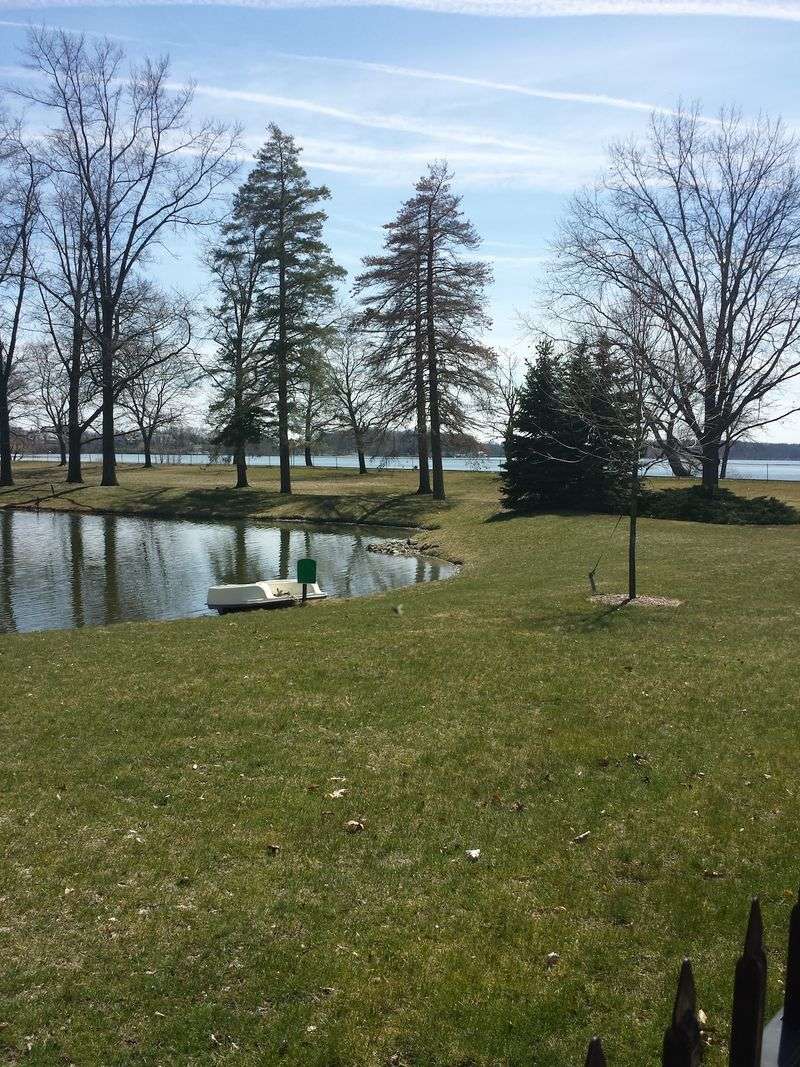
The display also fits the setting nicely. The shrine itself sits right next to a lake, so the kayak feels right at home here.
Exact display hours for the exhibit are not listed in the data used for this article. Calling the shrine before the trip is the smartest way to confirm what is open that day.
A paddle-powered pope makes for a fun story, but the bigger history of this campus explains why his belongings landed in Michigan at all.
Seminary Roots And A Papal Visit
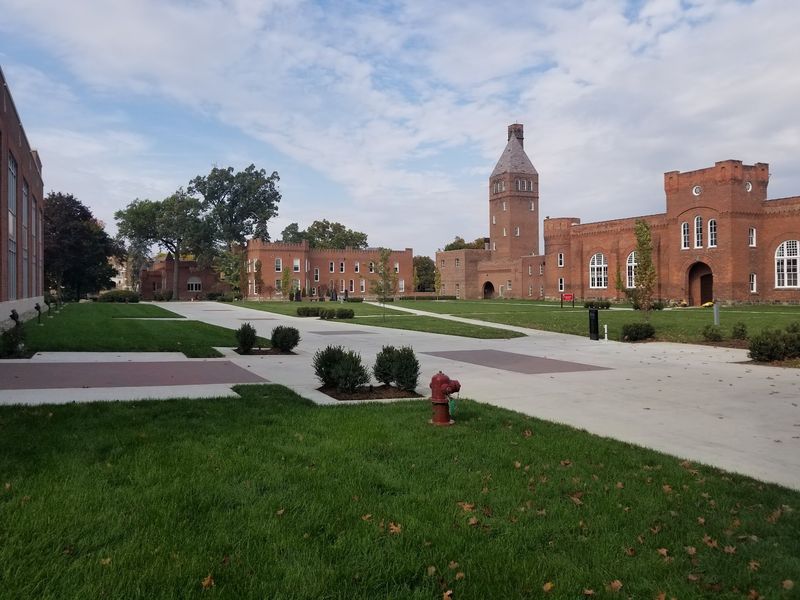
History runs thick on this campus. The chapel stands alongside a seminary and a connected school, and the whole property carries strong Polish Catholic roots.
The biggest chapter in that history is a visit from the pope himself. His time on these grounds is a point of pride for the community and a key reason the shrine carries his name.
Alumni still return to the campus decades later. Some former students from as far back as 1970 come back to reconnect with classmates, friends, and brothers they studied alongside.
That kind of loyalty says a lot. Places that keep pulling people home usually have something real to offer.
The school also brings everyday life to the grounds. Sports games and student events happen here, so the campus is active and not frozen in the past.
For Michiganders who enjoy Polish heritage spots, this campus belongs on the list. It pairs well with a road trip built around the state’s Polish history and culture.
With the backstory in place, the chapel itself deserves a closer look, because its design surprises plenty of first-timers.
Sacred Art And An Unexpected Altar
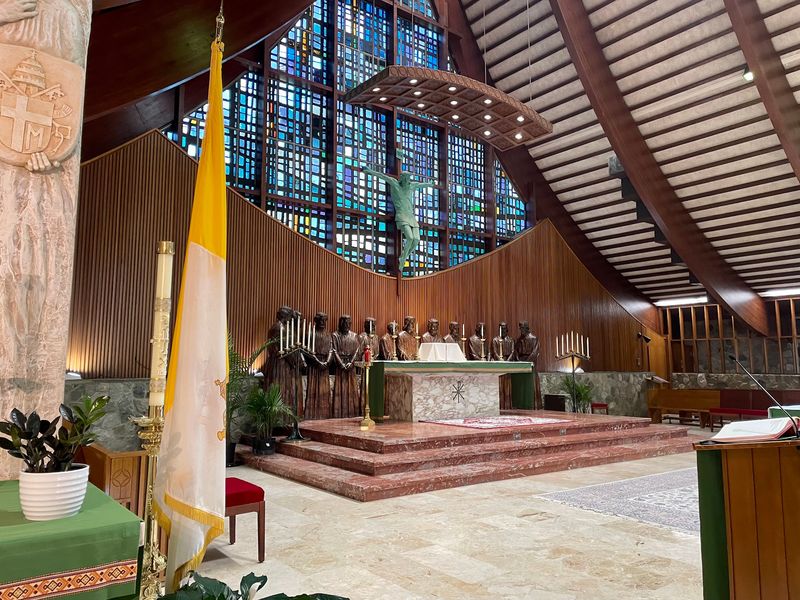
First impressions inside the chapel tend to stick. The sacred art and church furnishings are widely called exemplary, and the architecture earns plenty of praise too.
The altar stands out in particular. It looks quite different from what many people expect in a typical Catholic church.
That difference makes the space worth a slow walk-through. There is a lot of detail to take in, from the art on display to the overall design of the room.
People often describe the chapel as cozy. It is not a giant cathedral, which helps it feel personal and welcoming.
The building is also well kept. Care for the space shows up again and again in comments from those who attend.
Wedding guests have enjoyed celebrations here as well. A well-maintained chapel with this much character makes sense as a backdrop for a big day.
Photography rules are not covered in the available information. Asking staff before snapping pictures inside is a respectful move, especially during services.
The beauty does not stop at the chapel walls, though. One of the best spots on the property sits outside near the water.
Mary’s Grotto On The Lakeshore
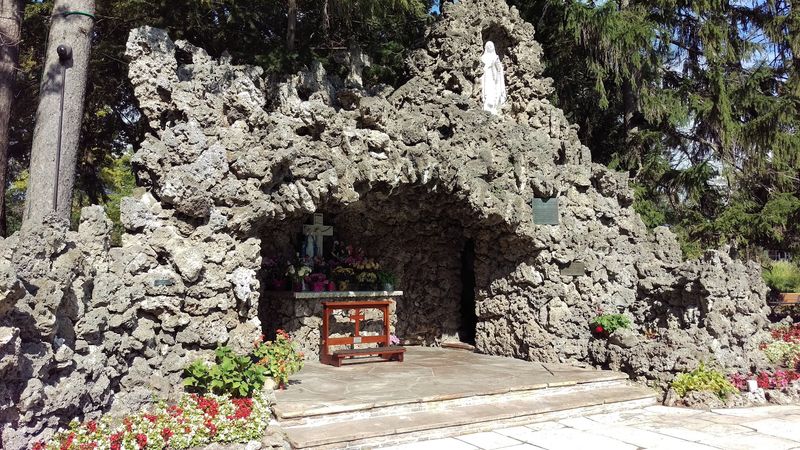
Step outside and the shrine reveals another highlight. A grotto honoring Mary sits by Orchard Lake, and it ranks among the most praised features of the grounds.
The grounds overall get called stunning. Many people make a point of walking around after Mass or prayer.
The grotto offers a quiet place to pause. It works well for a short prayer, a moment of reflection, or simply a calm break from a busy week.
Families can turn a visit into a gentle stroll. The setting is open and lovely, and it gives kids a chance to stretch their legs after sitting through a service.
Retirees often appreciate this part most. It is an easy, low-key outing with no rush and no ticket line.
Keep in mind that this is an active religious campus. Staying on paths and keeping noise down helps everyone enjoy the space.
The grotto also ties the whole visit together. A pope who loved lakes, a shrine on a lake, and a lakeside place of prayer make a fitting trio.
Of course, many people come for something beyond the scenery, starting with the Mass schedule.
Daily Mass And A Traditional Latin Option
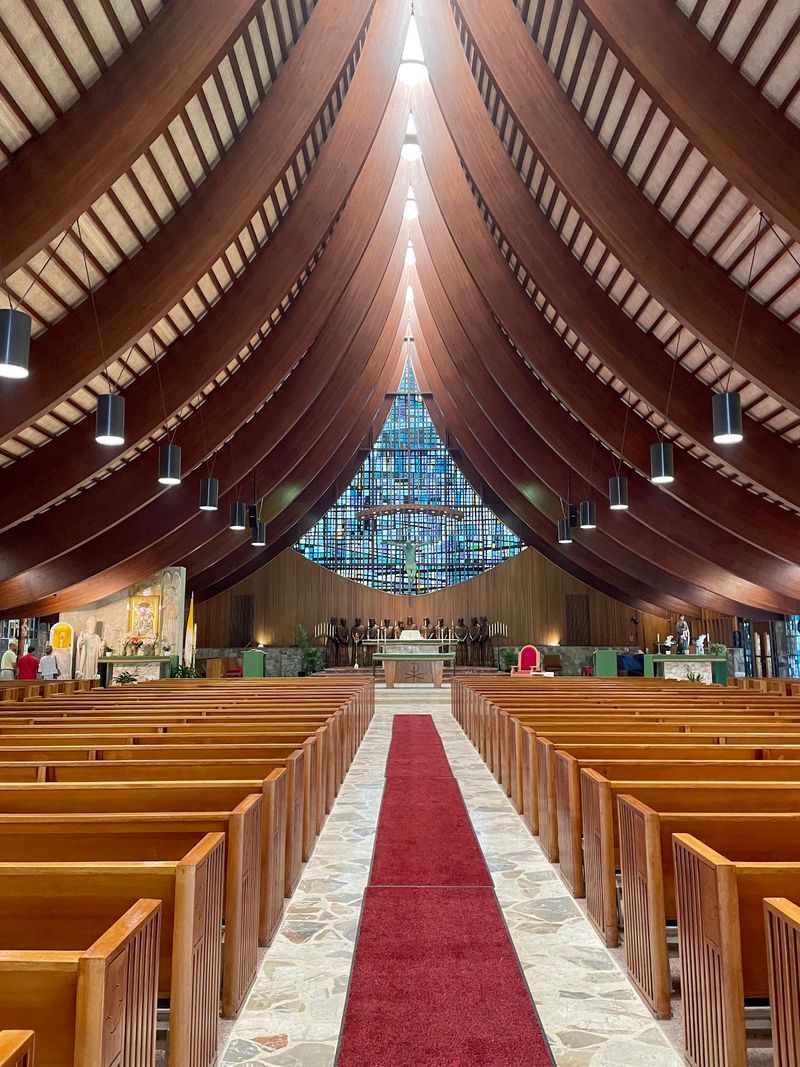
Mass happens daily here, which makes the chapel easy to fit into almost any schedule. That alone sets it apart from many smaller churches.
The shrine is also known for its Traditional Latin Mass. It is offered at 9:00 a.m. on the first, second, and fourth Sundays of the month.
For Catholics in metro Detroit who seek out that form of worship, this is a notable option. Attendance tends to be solid, and newcomers are welcomed warmly.
Services in general get high marks. Sermons are often described as moving, and the liturgy as a whole is called authentic and reverent.
Special days draw people too. Palm Sunday services here have left a strong impression on those who attended.
Schedules can shift, so checking the official Mass and confession schedule online before driving out is a good habit. The shrine’s website lists current times.
Confession is also offered, according to that same schedule page. Planning ahead helps avoid arriving at the wrong hour.
Not every visit needs to be tied to Mass, though. A quieter corner of the chapel offers something different entirely.
Adoration In The Small Back Chapel
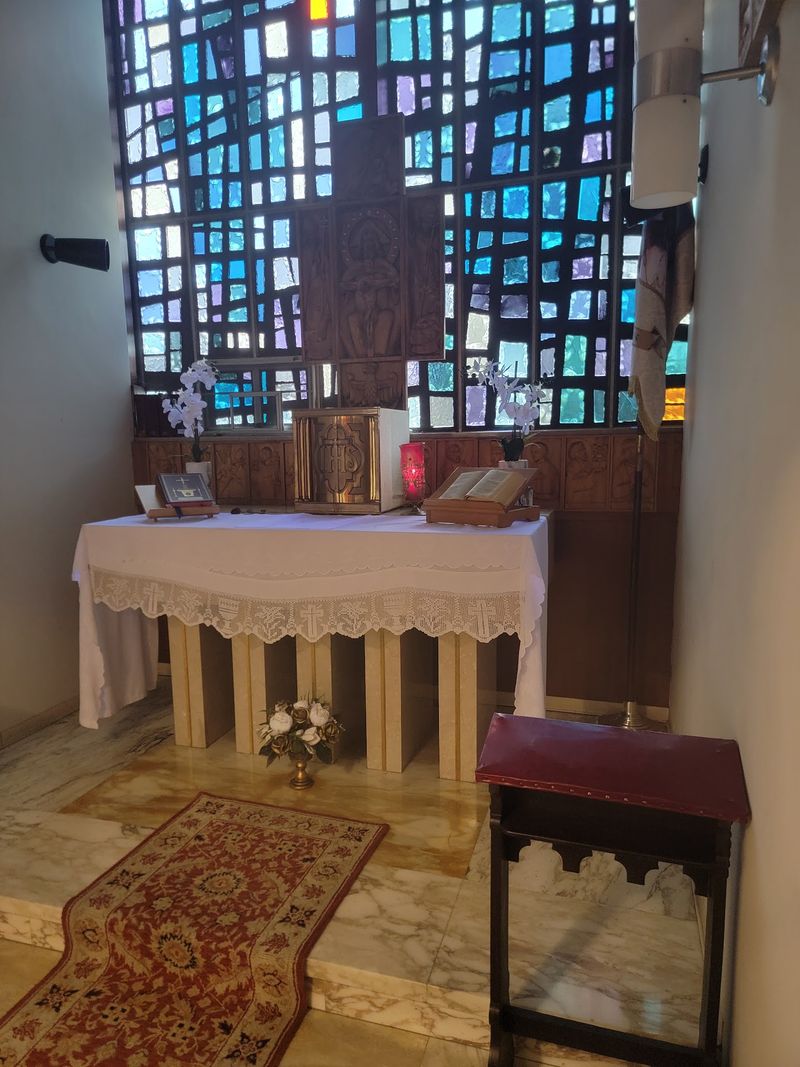
Quiet time is easy to find here. A small adoration chapel sits in the back, and many people consider it one of the best parts of the shrine.
The space is described as silent and calming. It is a place to sit with the Blessed Sacrament without distraction.
Some people stop in only for adoration. Others combine it with Mass or a walk around the grounds.
The word peaceful comes up again and again in descriptions of this church. That reputation fits the adoration chapel best of all.
For those who are not Catholic, this space still offers a lesson in respect. Visitors should keep conversations outside and silence phones before entering.
Priests at the shrine earn kind words as well. People describe them as holy, wise, and thoughtful in their preaching.
Opinions are not unanimous on every homily, which is normal for any parish. Still, the overall feeling is overwhelmingly positive.
The adoration chapel shows the shrine’s quieter side. Its livelier side comes out when music fills the schedule.
Concerts, Community, And Friendly Faces
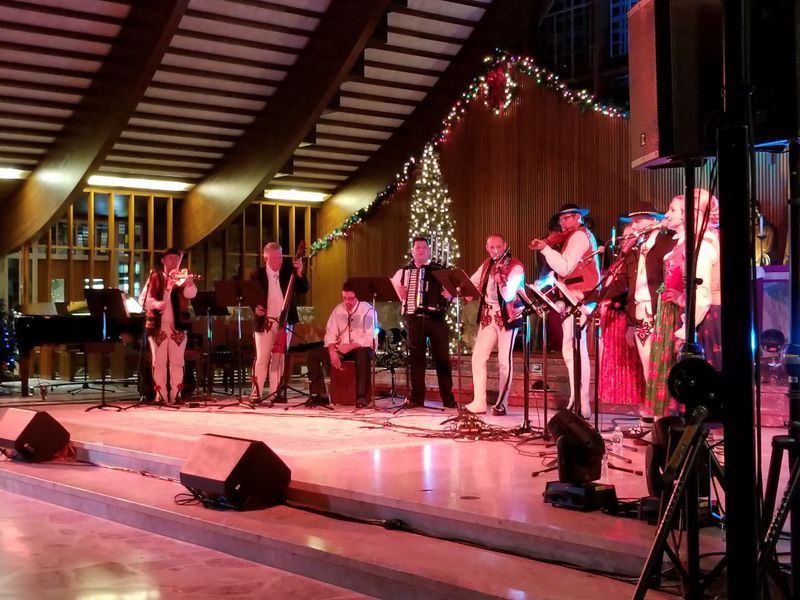
Music adds another layer to this shrine. Seasonal live concerts have been organized here, giving people a reason to stop by beyond regular services.
Musical worship also stands out during Mass. The music is often mentioned alongside the preaching as a highlight.
The people make a difference too. Members are described as polite, friendly, and welcoming to newcomers.
Staff also earn praise for being helpful. That matters a lot on a campus this size, as the next section explains.
Hospitality comes up often in comments about this chapel. Guests from outside the parish tend to feel at ease rather than out of place.
Some families return again and again, making it a regular stop. That repeat loyalty is a good sign for first-timers.
Concert dates are not listed in the data used here. Checking the shrine’s website or calling ahead is the best way to catch one.
All of this makes the shrine a fit for many kinds of guests. Faith-focused pilgrims, history fans, and families looking for an easy, meaningful outing all have reasons to come.
Getting there smoothly, however, takes a little planning.
Finding The Door And Planning The Trip
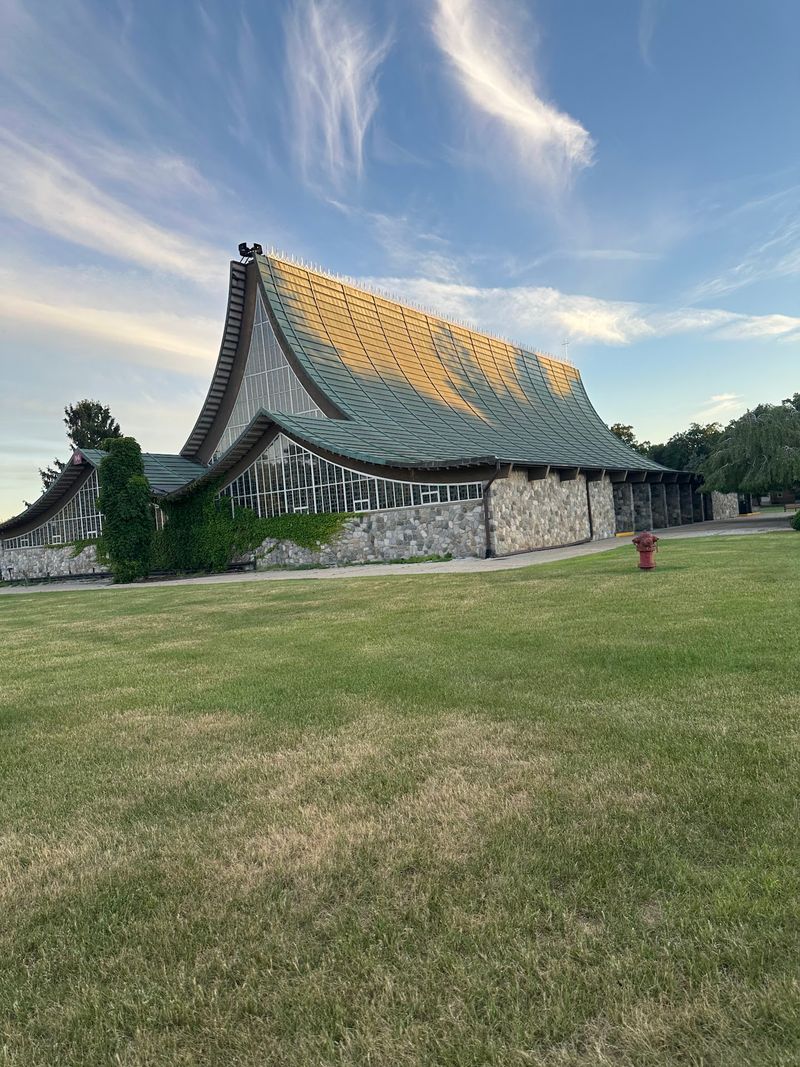
Here is the one tricky part. The campus holds many buildings, around 18 by some counts, and map apps can drop drivers at the entrance without a clear path to the chapel.
More than one first-timer has seen the church from the road but struggled to reach it. Calling ahead for directions is the simplest fix, and the shrine’s number is listed on its website.
Admission prices are not mentioned in the available information. As an active church, Mass and prayer are open to the public, but it is wise to confirm details for the kayak display.
Weekends can be busy, especially on Sunday mornings. Arriving early helps with parking and finding the right building.
The verdict is simple. This shrine blends faith, Michigan history, and a surprisingly human story about a pope who loved to paddle.
For Michiganders who enjoy finding meaningful spots close to home, it is well worth the drive to Oakland County. Few places in the state can say they keep a pope’s kayak right on display, and that alone makes for one memorable stop.