Some Michigan towns make headlines, and some quietly let people live well without the fuss. Up on the Lake Huron shoreline, one small community has kept its pace easy and its costs grounded while bigger cities keep climbing.
Michiganders who grew tired of traffic, long waits, and stretched budgets have started paying attention to this corner of the sunrise side. The draw is simple: a working-town feel, wide open water, deep forest, and a lifestyle that does not demand a big paycheck.
Housing costs here have long run below what many downstate renters are used to, though listings change and should always be checked directly. This article walks through where the town sits, how it came to be, what fills a typical week, and who tends to feel at home there.
Stick around, because the details add up to a pretty convincing case for slowing down.
A Shoreline Town on the Sunrise Side
Some places announce themselves loudly, and this one simply waits at the edge of Lake Huron for people to notice. Oscoda, Michigan 48750, USA sits in Iosco County on the northeast side of the Lower Peninsula.
Michiganders often call this stretch of coast the sunrise side, since the town faces east over the big lake. It is a small community, not a resort city, and that difference shapes almost everything about daily life.
The town sits where the Au Sable River meets Lake Huron. That meeting point gives residents both river access and Great Lakes shoreline within a short drive of each other.
Highway US-23 runs along the coast and connects Oscoda to neighboring shoreline towns. For many families, that single road is the main link to groceries, jobs, and weekend errands.
Downstate drivers from the Bay City and Saginaw area can reach it in a few hours, which keeps it within day-trip or weekend range. Gas and time matter to budget travelers, and the drive here stays reasonable.
Most people heading north tend to aim for the more famous west side of the state. That habit leaves this coastline quieter than its scenery suggests, which is exactly why it deserves a closer look.
Roots in Lumber and River Trade
Long before anyone thought of it as a quiet place to settle, this town was built on timber. The Au Sable River once carried logs from the northern forests down toward Lake Huron.
Like many northern Michigan communities, Oscoda grew during the lumber era of the 1800s. Mills, workers, and river traffic shaped the early settlement.
That boom did not last forever, as the big forests were cut and the industry moved on. Towns across the region had to find new reasons to exist.
Here, the answer came gradually through outdoor recreation, river use, and the surrounding national forest land. The landscape slowly recovered, and the region became known for its woods and water rather than its sawmills.
Today the town carries that working history in its unpretentious character. It never tried to become polished or fancy, and that grounded identity still shows up in its prices and pace.
History buffs can find local museums and markers in the wider Iosco County area, though hours vary by season. A little background makes the modern town make a lot more sense.
The Old Air Base Next Door
Few small towns can say a military base once sat right beside them. Wurtsmith Air Force Base operated near Oscoda for decades before closing in 1993.
The base brought jobs, families, and steady activity to the area during its active years. Its closure changed the local economy in a big way.
Many service members and their families left, which affected housing demand across the community. That shift is one reason living costs in the area have stayed more modest than in busier regions.
The former base property has since been put to other uses, including aviation and business activity. Former military families sometimes return to see how the area has changed.
Environmental cleanup related to the old base has also been part of the local conversation in recent years. Anyone considering a move should look into current local information from official sources.
The base story explains a lot about why the town feels roomy rather than crowded. It is a chapter worth knowing before deciding whether this coast fits your plans.
Rent That Leaves Room in the Budget
Housing is the headline here, and for good reason. Rents in Oscoda have often landed well below what renters see in Grand Rapids, Ann Arbor, or metro Detroit.
Listings under $800 a month have been part of the local market, especially for smaller apartments and older homes. Prices may vary by season, condition, and demand, so checking current listings is a must.
Lower housing costs mean more money left for groceries, gas, and small pleasures. For retirees living on a fixed income, that difference can matter month after month.
Some homes in the area serve as seasonal or vacation properties. That can tighten availability during summer, so timing a search outside peak months may help.
Buyers sometimes find modest homes priced well under statewide averages too. Older housing stock may need updates, so an inspection is a smart step.
None of this is a guarantee of a bargain, since markets shift. Still, for Michiganders priced out of bigger cities, the numbers here are worth a serious look.
Lake Huron at the Front Door
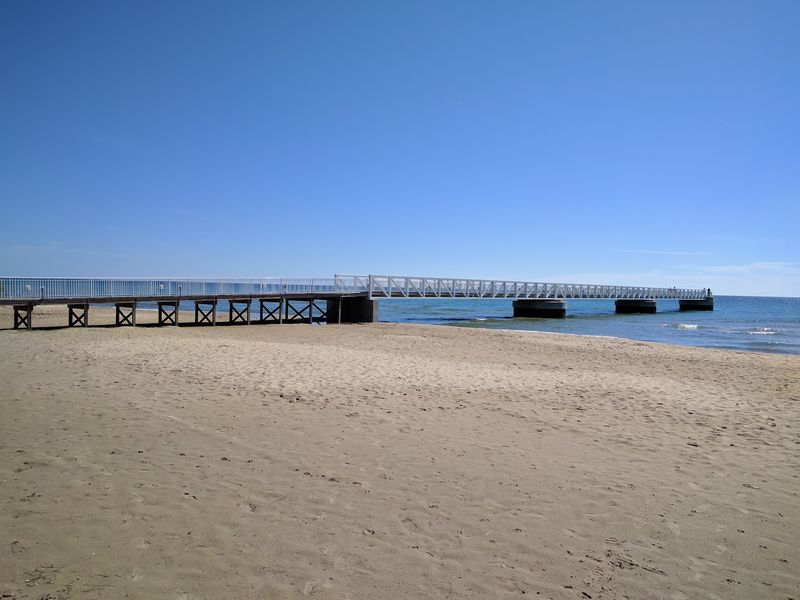
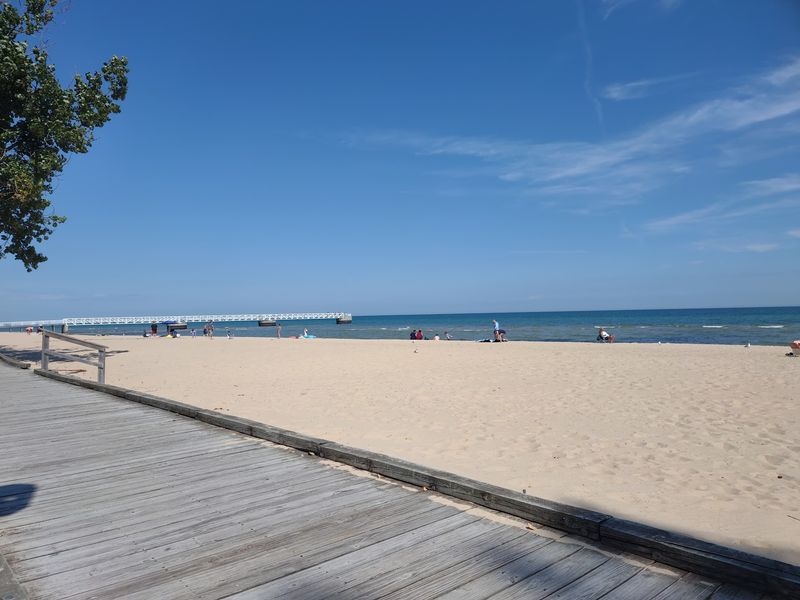
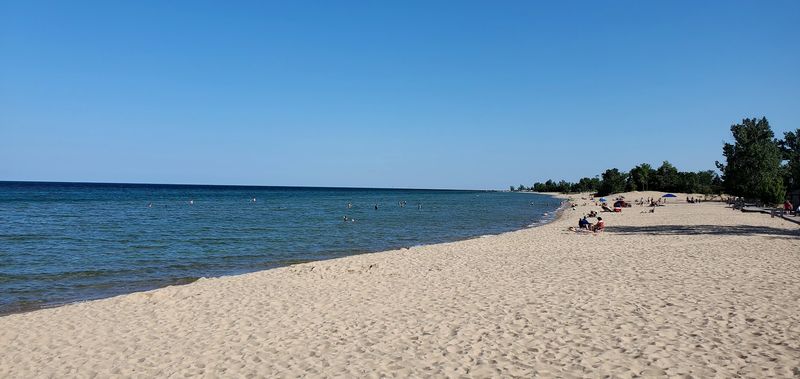
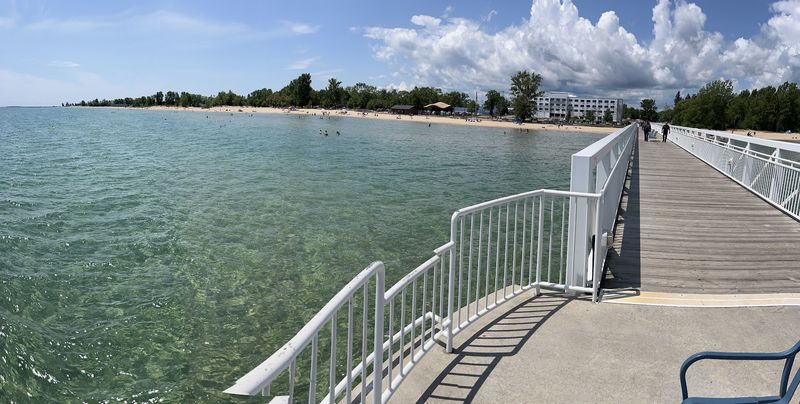
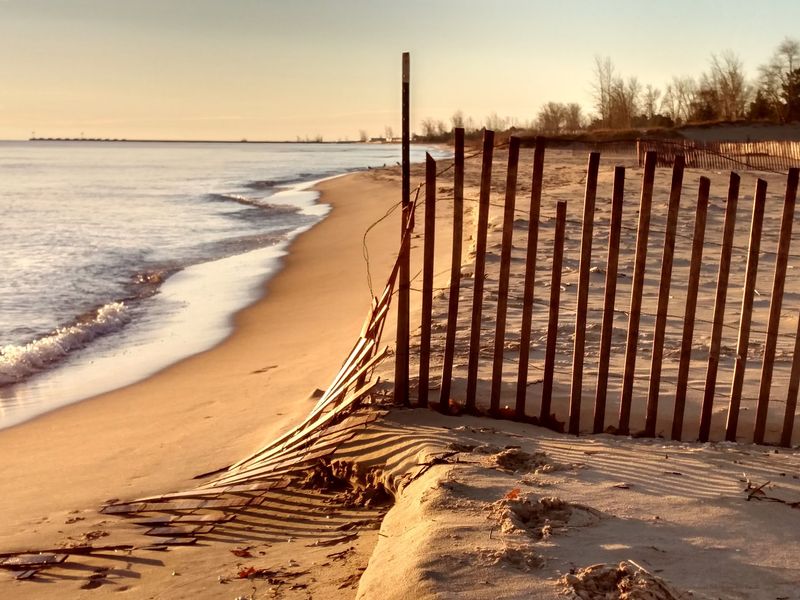
A free beach day might be the best perk of living here. Lake Huron sits right along the edge of town, with public shoreline access nearby.
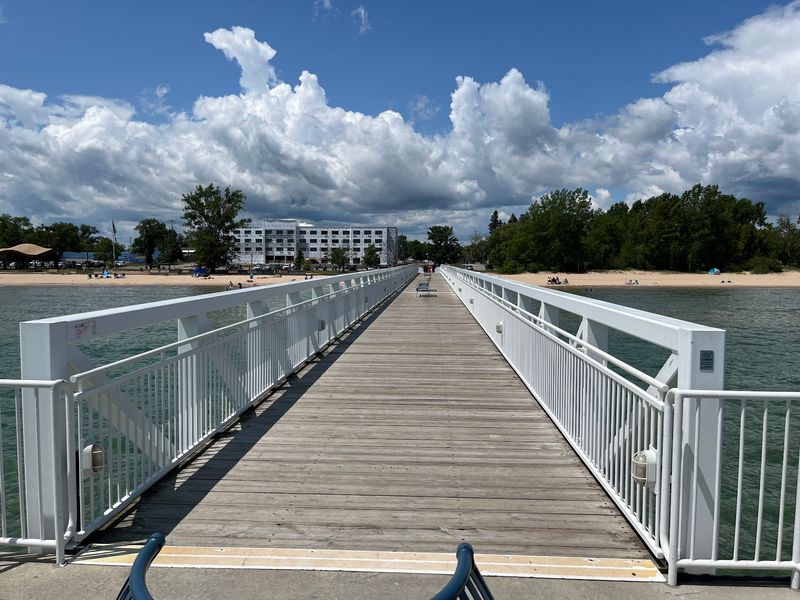
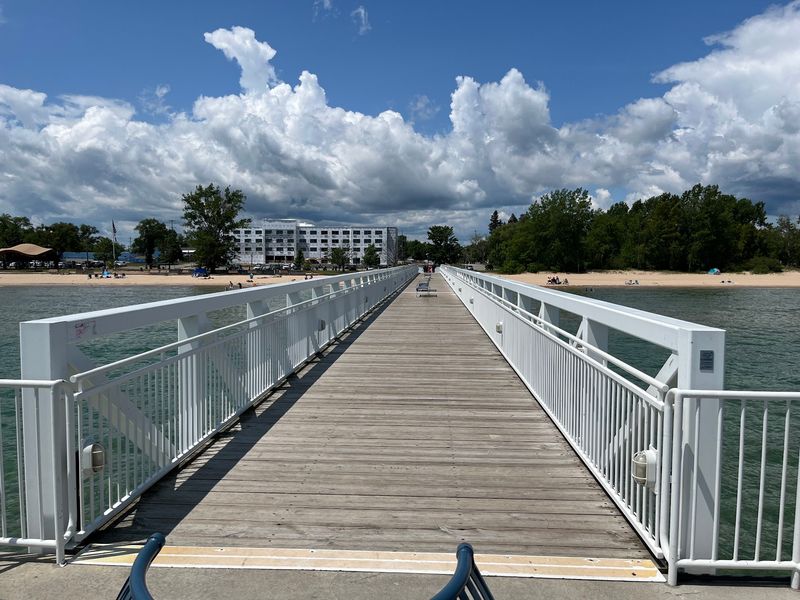
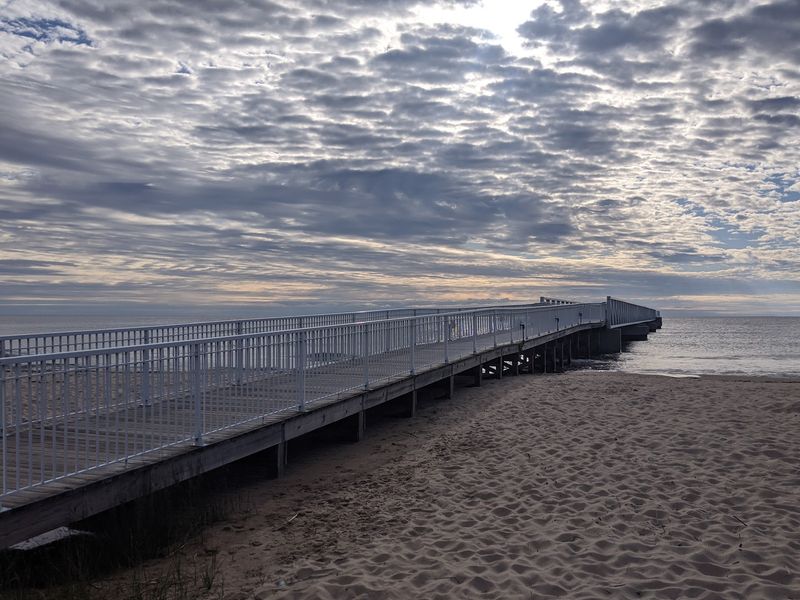
Oscoda has a public beach park with a pier that reaches out over the water. It is a popular local spot for a walk, a picnic, or watching the sunrise.
Families can spend an afternoon on the sand without paying resort prices. Bringing your own snacks and chairs keeps the cost close to zero.
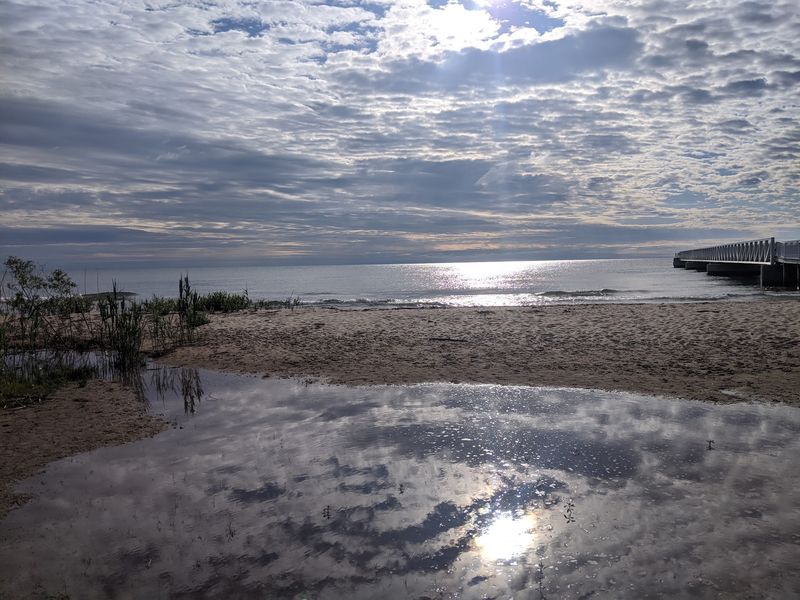
Early risers have a real advantage on this coast. Since the town faces east, sunrise over the lake is a regular part of morning routines.
The beach stays calmer than many crowded shorelines on the west side of the state. Summer weekends can still get busy, so arriving early helps.
Lake conditions can change, so checking local beach advisories before swimming is wise. Once the routine settles in, the lake starts to feel less like an attraction and more like a neighbor.
A River Made for Paddles
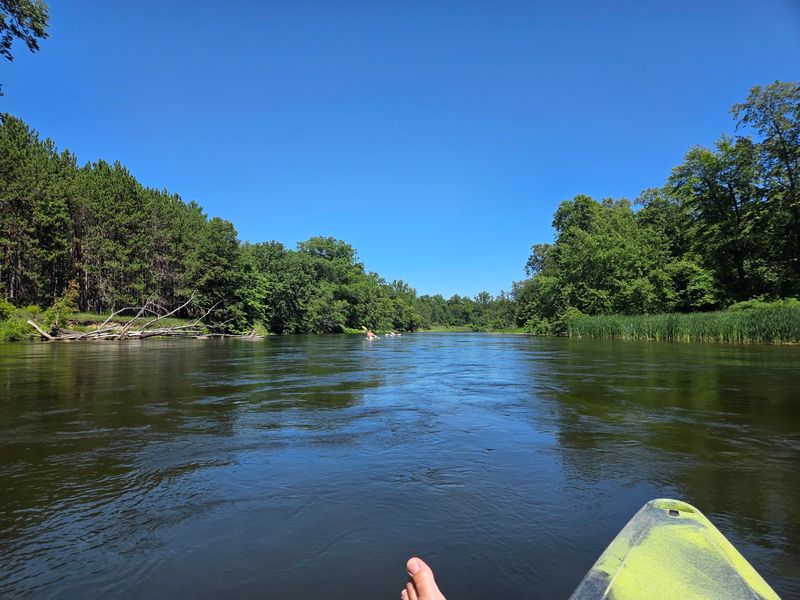
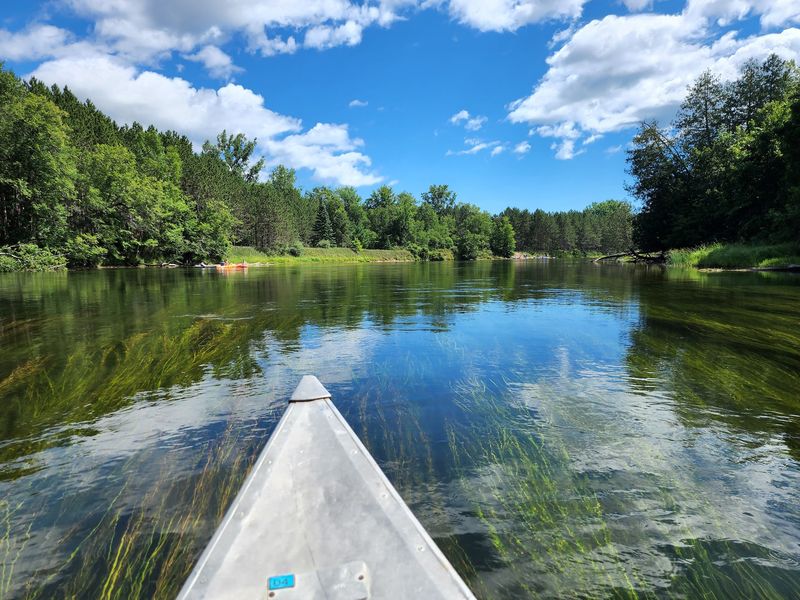
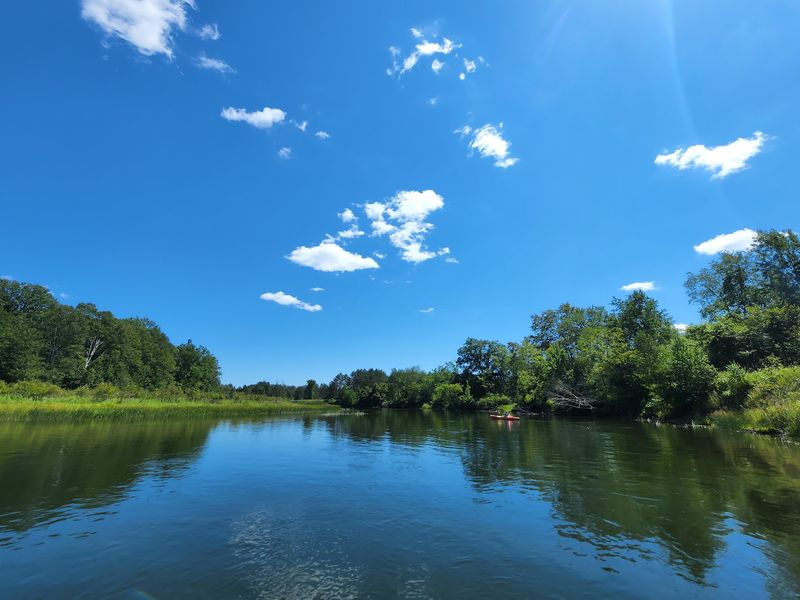
Ask locals about weekend plans, and the Au Sable River will probably come up fast. The river winds through forest before reaching Lake Huron at Oscoda.
Canoeing and kayaking are longtime favorites on the Au Sable. Local outfitters rent boats in season, though prices and schedules vary.
The river is also famous among Michigan anglers. Fishing here draws people from around the state, especially during prime seasons.
Every summer, the Au Sable River Canoe Marathon finishes in Oscoda. The overnight race starts in Grayling and covers roughly 120 miles, making it one of the toughest canoe races around.
Spectators often gather along the route and near the finish. It is a free event to watch, which fits nicely with a budget-friendly lifestyle.
Casual paddlers do not need marathon stamina to enjoy the water. A short float on a quiet afternoon is plenty to show why the river anchors so much of local life.
Forest Trails and the River Road
Big backyards come standard when a national forest sits nearby. The Huron National Forest surrounds much of the area west of town.
The River Road National Scenic Byway follows the Au Sable west from Oscoda. It offers overlooks, trails, and pull-offs along the river valley.
Lumberman’s Monument sits along this route and honors the region’s logging past. It includes a visitor center that is generally open seasonally, so checking hours ahead is smart.
Iargo Springs is another stop along the byway, with a long staircase leading down toward the springs. It is a good leg workout with a scenic payoff.
Fall color drives along the River Road are a favorite for Michigan road-trippers. The cost is mostly just gas, which makes it an easy family outing.
Hiking, biking, and wildlife watching all fit into the forest routine. For anyone who loves the outdoors, the woods are as much a selling point as the rent.
Paul Bunyan Claims a Hometown
Plenty of towns love a tall tale, but Oscoda takes this one personally. The community is known for its connection to Paul Bunyan lore.
Oscoda has long been promoted as the official home of Paul Bunyan, based on early published stories tied to the area. Other towns claim the giant lumberjack too, which keeps the debate lively.
A Paul Bunyan statue stands in town and makes a popular photo stop. It costs nothing to visit, and kids tend to enjoy it.
The legend fits the town’s lumber past nicely. It also gives the community a playful identity that does not take itself too seriously.
Small-town pride shows up in moments like this. Residents enjoy a bit of folklore mixed with their history.
For a road-trip stop, the statue is quick and easy. Snap a photo, stretch your legs, and you will have a fun story to tell back home.
Who Settles In Here
Not every town suits every person, and that honesty helps. Oscoda tends to fit people who want space, nature, and a slower rhythm.
Retirees often appreciate the lower housing costs and the quiet setting. Daily errands rarely involve heavy traffic.
Remote workers may also find it appealing, as long as internet service at a specific address meets their needs. Checking providers before signing a lease is wise.
Outdoor lovers will feel right at home with the river, lake, and forest nearby. Fishing, paddling, and hiking can fill many weekends.
People who want big-city nightlife or lots of shopping may find it too quiet. Larger stores and specialty services may require a drive to bigger towns.
Winters in northern Michigan are long, and some businesses run on seasonal schedules. Knowing that ahead of time makes for a smoother move and a much happier first year.
Practical Notes Before the Drive
A little planning goes a long way on the sunrise side. US-23 is the main route into Oscoda along the coast.
From I-75, drivers commonly cut east toward the shoreline near Standish and follow US-23 north. Travel time from mid-Michigan is typically a few hours, depending on starting point.
Summer brings the most activity, with paddling, beach days, and community events. Fall is popular for color drives along the River Road.
Some attractions, outfitters, and visitor centers keep seasonal hours. Confirming open days before heading out saves frustration.
For anyone scouting a move, visiting in winter is helpful too. It shows what the quiet months truly look like.
Rental listings, utility costs, and services should be checked directly with local sources. Prices may vary, and a quick call beats an expensive surprise.
A Quiet Case for Slowing Down
Simple living is not a slogan here, it is just how the week tends to go. Oscoda offers lake mornings, river afternoons, and housing costs that leave some breathing room.
It is not flashy, and it does not try to be. That modest character is a big part of its appeal.
The town carries real history, from lumber days to the air base years. Those chapters shaped a community that values practicality over polish.
Michiganders looking for a budget-friendly base or a peaceful weekend escape have plenty of reasons to make the drive. The scenery is free, and the pace is gentle.
Every move or trip deserves careful research, especially on rent and services. Still, few places in Michigan pair this much water and forest with such grounded costs.
Sometimes the best find is the town everyone else drives past. On the sunrise side, that overlooked spot might just be waiting for you to finally pull over and stay a while.