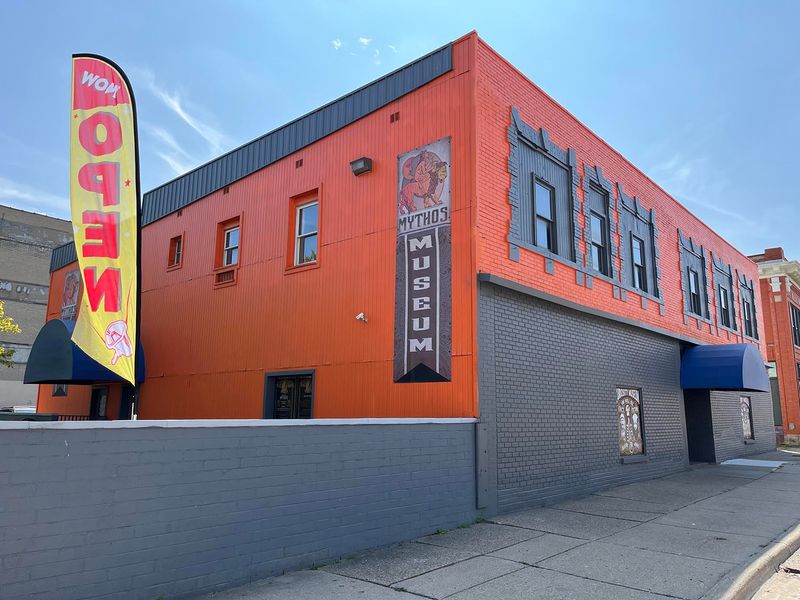
Behind covered windows in downtown Pontiac sits a room packed with animal skulls, mythical creature remains, and antique embalming gear. There is no flashy sign begging Michiganders to stop, and plenty of folks drive right past it.
That is a shame, because the collection inside is one of the strangest and most carefully arranged in the state. It runs only on weekends, costs a fair bit less than a family movie night with snacks, and comes with hosts who know the story behind every single shelf.
Keep reading to learn where to find the hidden entrance, what each section holds, how much a ticket costs, and why so many guests leave already planning a second trip.
A Hidden Door in Downtown Pontiac
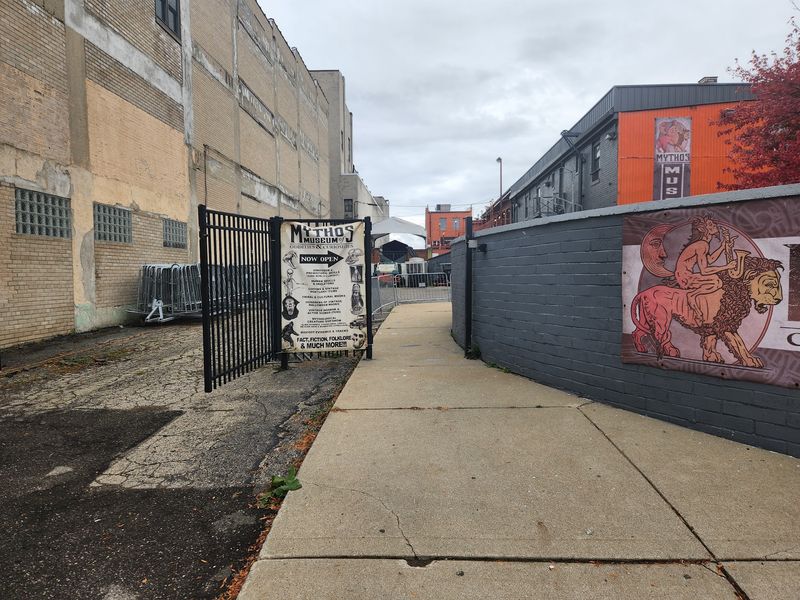
Finding the place is the first little puzzle. Mythos Museum of Oddities & Curiosities sits at 16 E Pike St, Pontiac, MI 48342, in the heart of Oakland County, Michigan.
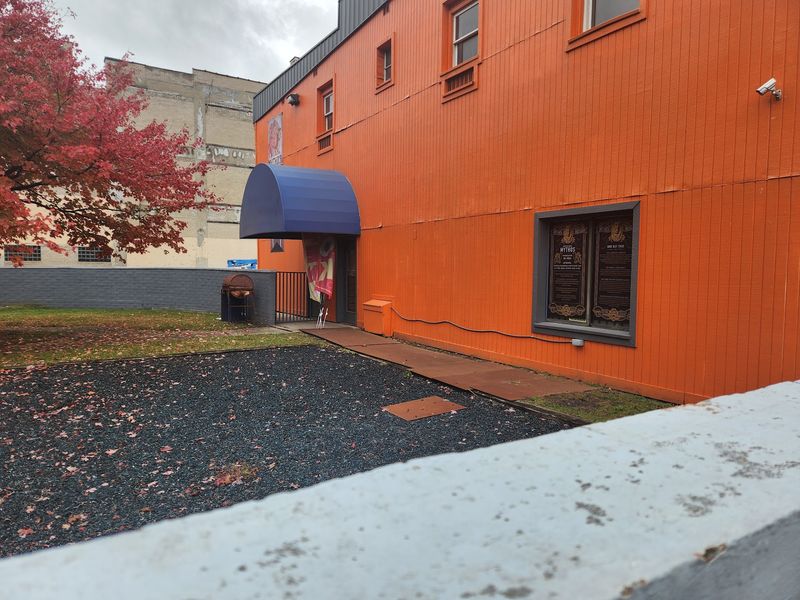
Here is the twist. The entrance is not actually on Pike Street.
Head around the corner onto Perry Street, walk past the brick wall, and go through the black metal gate. From the outside, the covered windows make it hard to tell whether anything is open at all.
Just walk up to the door anyway. The windows are covered on purpose, and the mystery is part of the charm.
The museum has no parking lot of its own, so plan to use nearby street or public parking. Arriving a bit early usually makes finding a spot easier.
It is a small museum with a big personality. Photos and videos are not allowed inside, which keeps the focus on the displays and the conversations rather than on phone screens.
For Michiganders who like to brag about knowing the spots most people skip, this one belongs near the top of the list.
Collectors Behind the Curtain
Every museum starts with someone who could not stop collecting. At Mythos, that someone is actually a group of collectors who pooled their treasures into one shared space.
Each host curates and displays pieces from a personal collection. That gives the rooms a hand-built feel you will not find at a big institution.
Steve, one of the owners, has a fun claim to fame. He created covers for Fear Finder magazine, and posters of those covers are for sale at the museum.
He has even been known to sign them for guests who ask.
The curator has a local connection too. He is known as the original voice of Erebus, the famous haunted attraction right next door.
Bobby, another familiar face, gets plenty of credit for knowing every item inside and out. He is also the artist behind one of the most talked-about displays in the building, which comes up a little later.
The story of how the museum came together is worth hearing in person. Save some time at the end to ask about it, because it can be just as memorable as the exhibits themselves.
Cryptids, Fairies and Mythical Remains
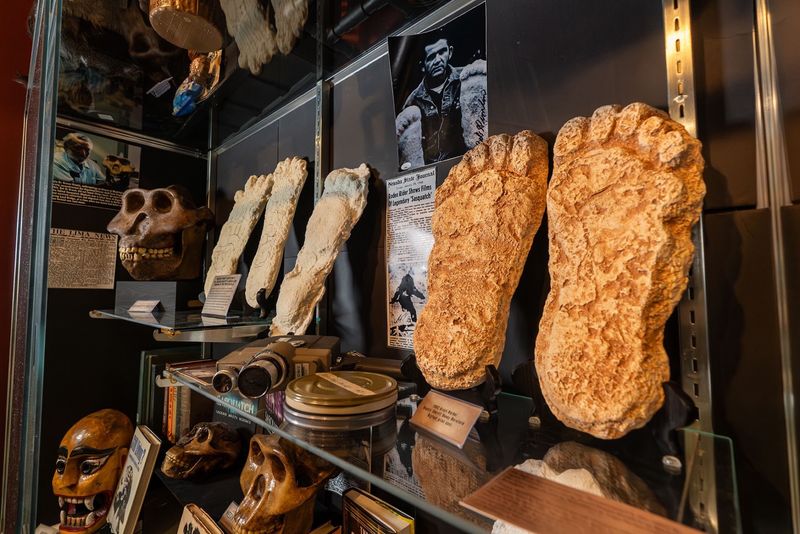
Chupacabra skull, anyone? The cryptid and mythology section is where the museum earns its name.
Shelves hold remains of creatures that live mostly in folklore, alongside the legends that go with them. It is a playful mix of lore and craftsmanship, and the placards explain where each myth comes from.
The artistry is a big part of the fun. Painted models and sculpted specimens are detailed enough that guests often stop to study them twice.
Monster hunters of all ages tend to linger here. A group of scouts aged 12 to 16 reportedly each found a different favorite, which says a lot about the variety.
The museum also suggests books for anyone who wants to keep learning after the trip. More than a few guests leave with a longer reading list than they arrived with.
One small tip: some information cards use small print. Leaning in close helps, and asking a host for the backstory works even better.
Believers and skeptics walk out equally entertained, which may be the most magical trick in the room.
Embalming History Up Close
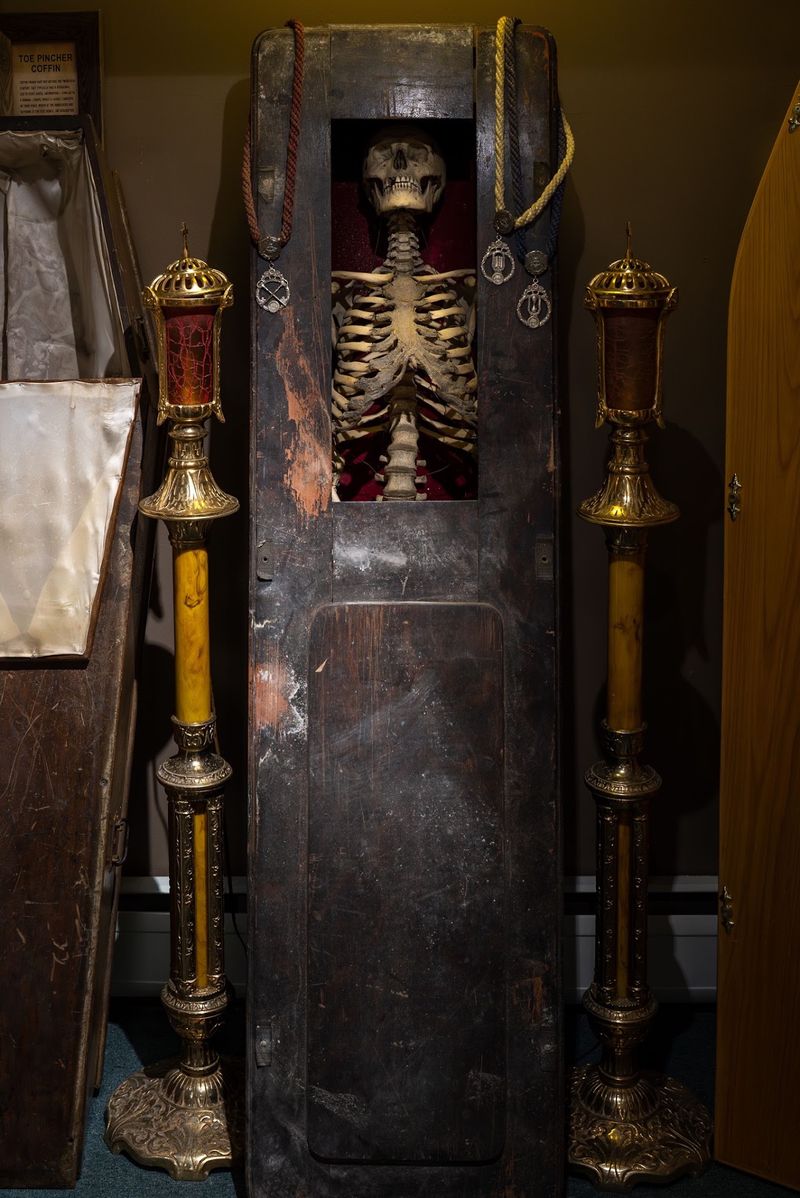
Few museums in Michigan devote a whole area to the history of the funeral trade. Mythos does, and it is one of the sections people mention most.
The funeral area displays antique mortician and embalming supplies. Old tools, bottles, and equipment show how the profession worked generations ago.
It is presented as history rather than shock value. The goal is to explain how these trades developed and why the tools looked the way they did.
Plenty of guests come away surprised by how interesting the topic turns out to be. Questions pile up quickly, and the hosts are happy to answer them.
There are no videos playing in this section. Some folks have wished for an old training film, but for now the objects and the conversation do the teaching.
Nearby, wet specimens preserved in jars draw their own crowd of fans. They fit naturally alongside the natural history and archaeology pieces scattered through the museum.
It all adds up to a corner that is part science class, part history lesson, and completely unlike a typical Saturday outing.
Skulls by the Dozen
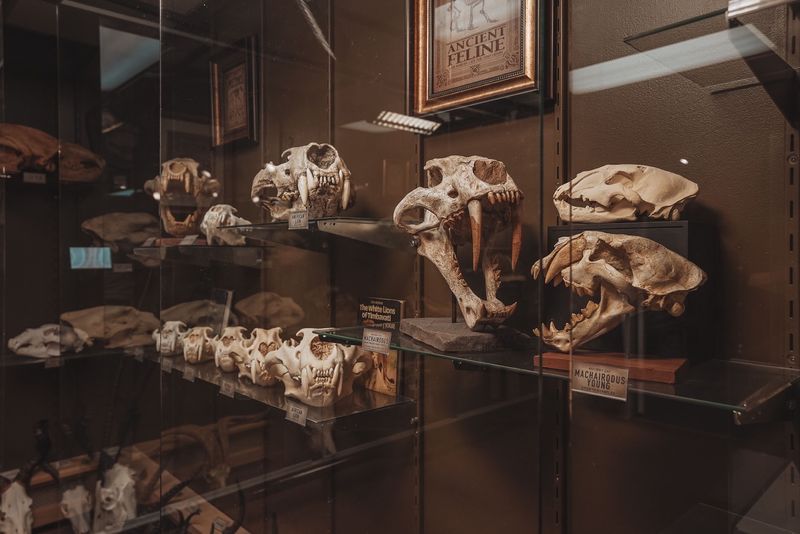
Bones are everywhere, and they are arranged with care. The museum shows skulls from dozens of different animals, lined up so guests can compare shapes and sizes.
It is one of the strongest natural history pieces of the whole visit. Families with curious kids often spend extra time here asking which animal is which.
Archaeology fans get their share too. Fossils and reproductions sit near the skulls, connecting ancient life to the mythical creatures around the corner.
That blend is what makes the place stand out. Natural history, human history, and a touch of spookiness all share the same few rooms.
Honest heads-up for fair expectations: some items are reproductions rather than originals. Not everyone finds that worth the full ticket, so it helps to know going in that this is a personal collection, not a university hall.
Still, most guests describe the selection as well organized and genuinely interesting. The hosts can usually point out which pieces have the best stories attached.
Bring questions, because this shelf of skulls has plenty of answers waiting.
Masks, Middle-earth and Movie Monsters
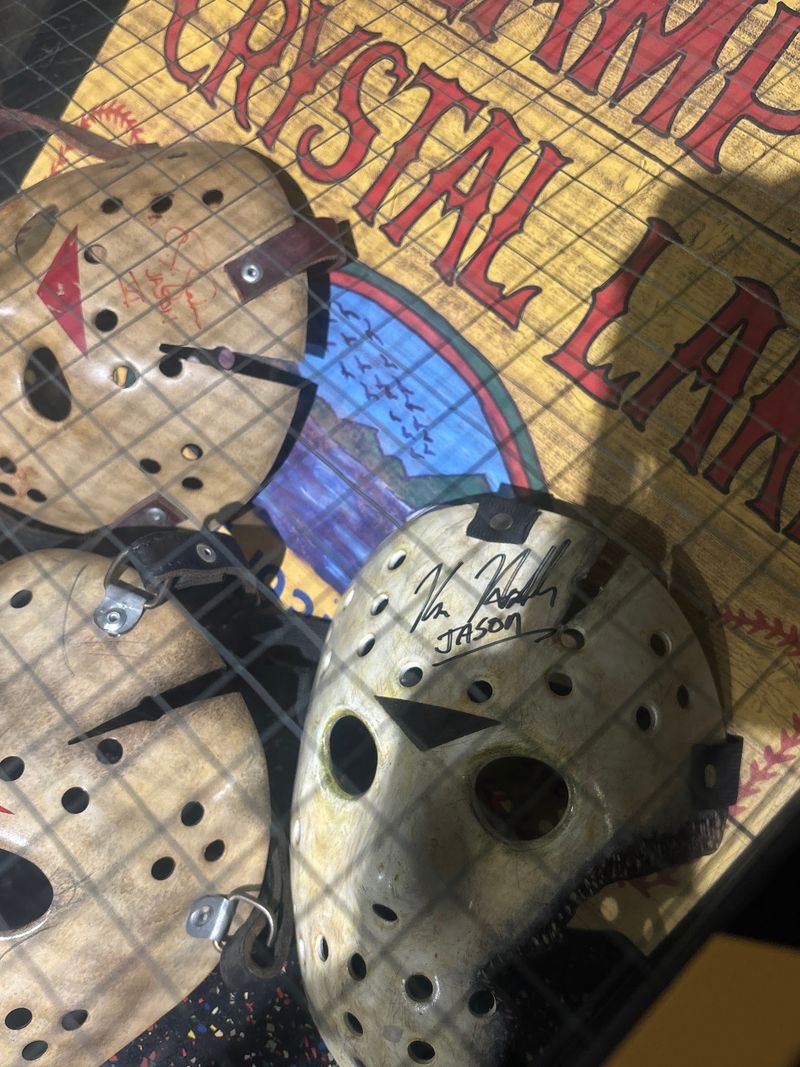
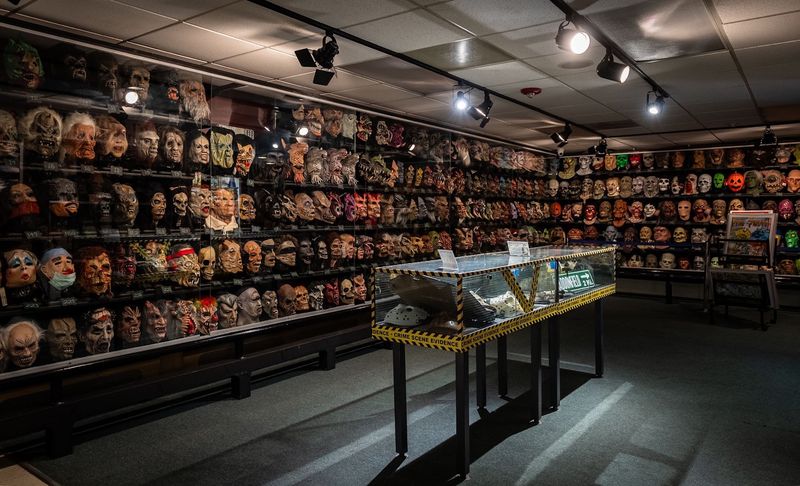
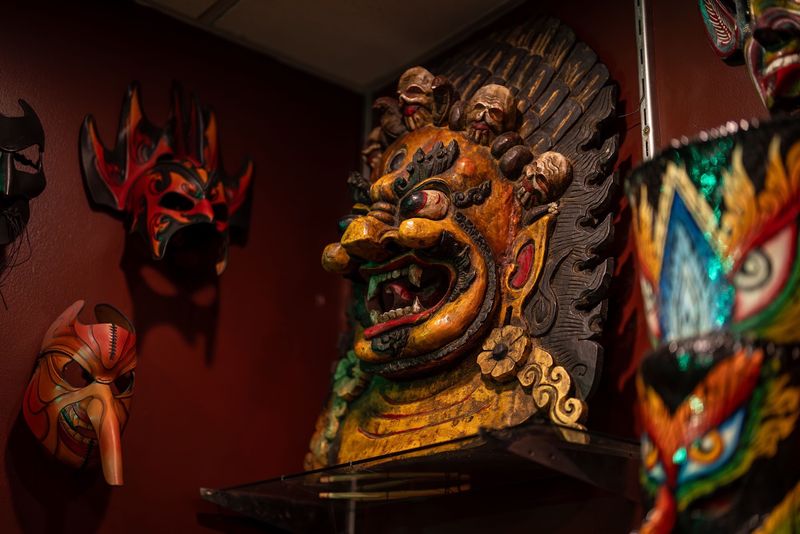
More than 200 latex Halloween masks fill one part of the museum, many in mint condition. The mask collection is easily the most talked-about feature in the building.
Costume fans will spot Ben Cooper classics and other vintage pieces. Horror movie memorabilia rounds out the display for anyone raised on scary films.
Then comes a surprise for fantasy lovers. Nearly every character from the Lord of the Rings and Hobbit movies appears in miniature form.
These are hand painted, and the detail is remarkable. The artist behind them is Bobby, who often works at the museum and can explain how they were made.
Even guests who were lukewarm about other parts of the museum single out these miniatures as a highlight. That is high praise in a room full of competition.
Toy cars and other collectibles add a nostalgic layer. It all feels a bit like stepping into the best attic in Oakland County.
Halloween devotees, goth kids, and Tolkien fans can all claim a corner here, and nobody has to share their favorite.
Who Will Love It Most
Date days, birthdays, girls’ days out, and scout trips have all landed here. That range says plenty about who enjoys the museum.
The mood is quiet and organized rather than loud and scary. Guests can explore at their own pace and chat with staff afterward.
Kids under 6 get in free. They can also grab a free piece of candy on the way out, which tends to make the whole trip a success in little eyes.
Older kids and teens usually find something to geek out over, whether that is skulls, cryptids, or miniatures.
Most people spend about an hour inside. Those who get chatting with the hosts can easily stretch it to two hours.
The staff is the secret ingredient. Friendly, knowledgeable, and clearly passionate, they turn a walk through the shelves into a storytelling session.
It pairs nicely with Erebus, the haunted attraction about 20 feet away. Some guests have even picked up half-off museum tickets there in the past, though deals like that can change.
Spooky season is a natural fit, but curiosity has no calendar.
Weekend Hours and a $10 Return Trip
Timing matters, because the doors open only on weekends. Current hours are Saturday and Sunday from 12 to 5 PM, and the museum is closed Monday through Friday.
Hours can shift during busy seasons, so checking mythosmuseum.com before the drive is a smart move.
Admission has been $20 per person. Here is the budget-friendly bonus: keep half of your ticket stub, and your next visit costs $10.
Policies can change, so confirm the deal when you buy. Kids under 6 are free.
Tickets can be purchased ahead of time online, though walking in generally works too. Buying early may help on busy fall weekends.
Remember the entrance is on Perry Street, and parking is off-site. Leave your camera in your pocket, since photos are not allowed inside.
So is it worth the drive? For Michiganders who love oddities, local history, and a good story told by the person who collected the object, the answer leans toward yes.
It is small, sure. But this little Pontiac museum packs more weird and wonderful into a weekend afternoon than most places manage all year.