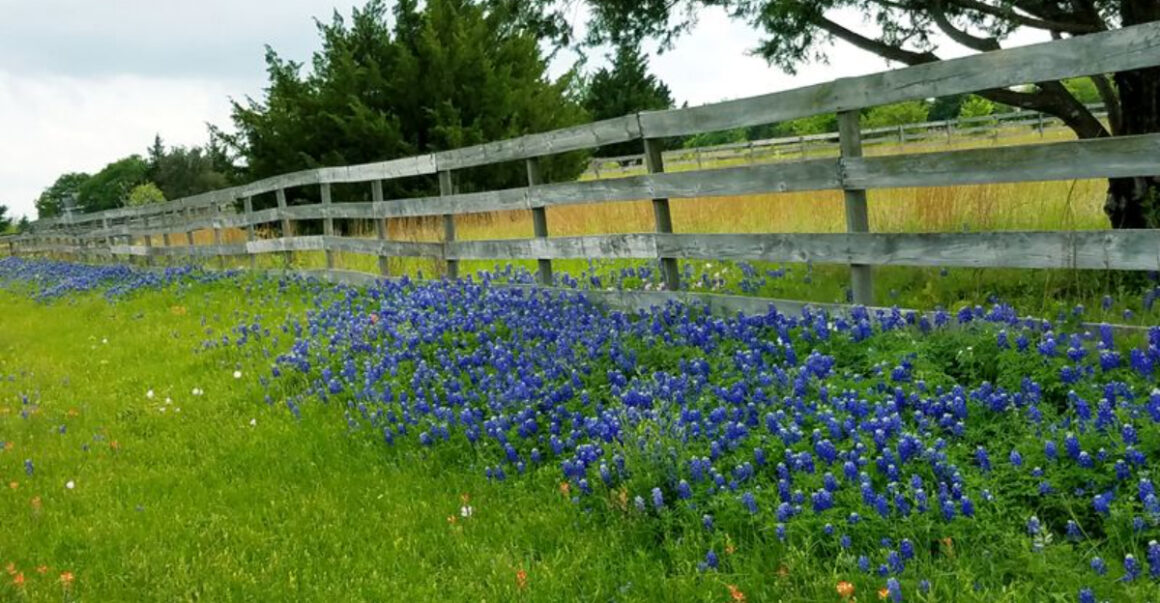
Every spring, the tiny town of Chappell Hill transforms into a wildflower wonderland that draws thousands of visitors from across Texas. The Bluebonnet Festival celebrates the state flower in full bloom with two jam-packed days of arts, crafts, live music, and mouthwatering food. Whether you’re hunting for handmade treasures, soaking up local culture, or just want an excuse to escape the city for a weekend, this festival delivers an authentic small-town Texas experience you won’t forget.
1. Hundreds of Juried Arts and Crafts Vendors
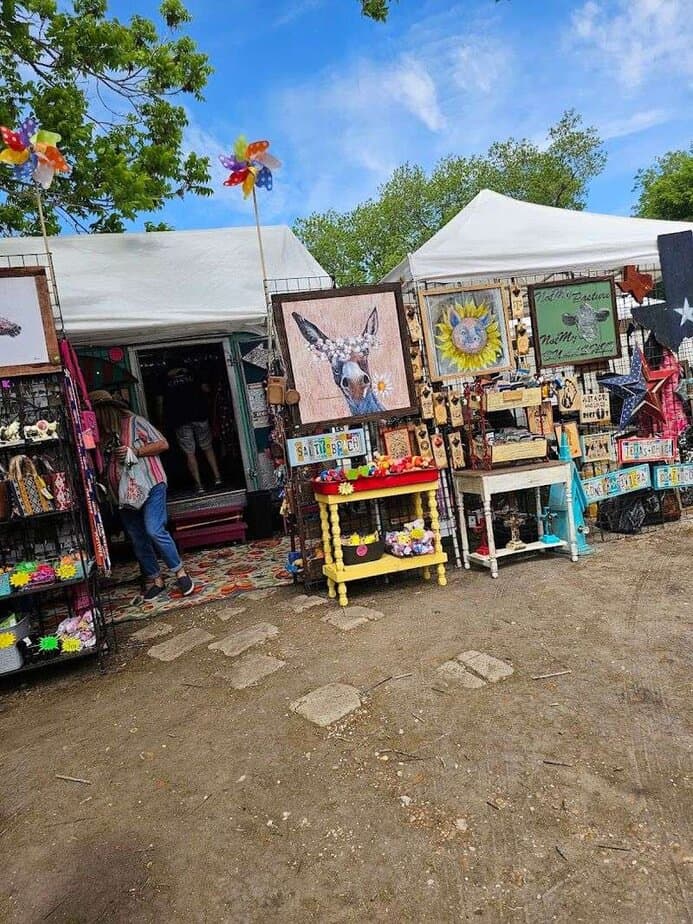
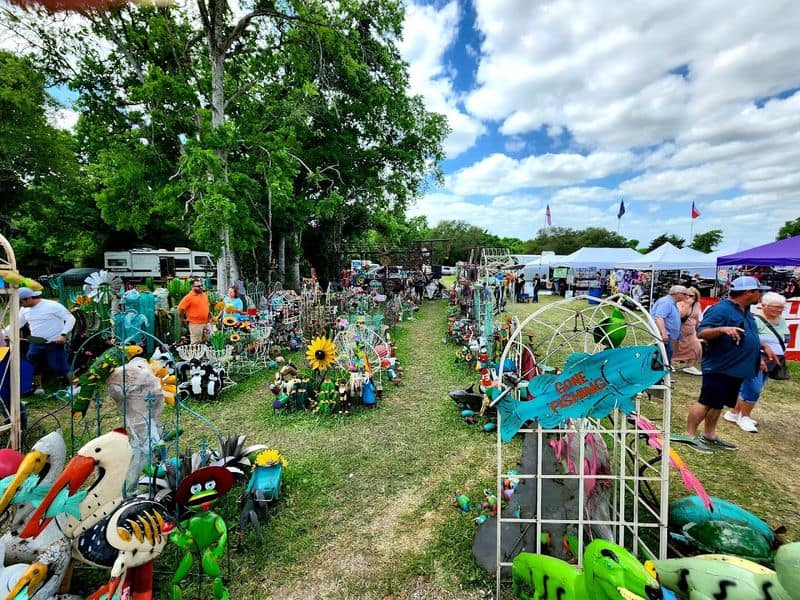
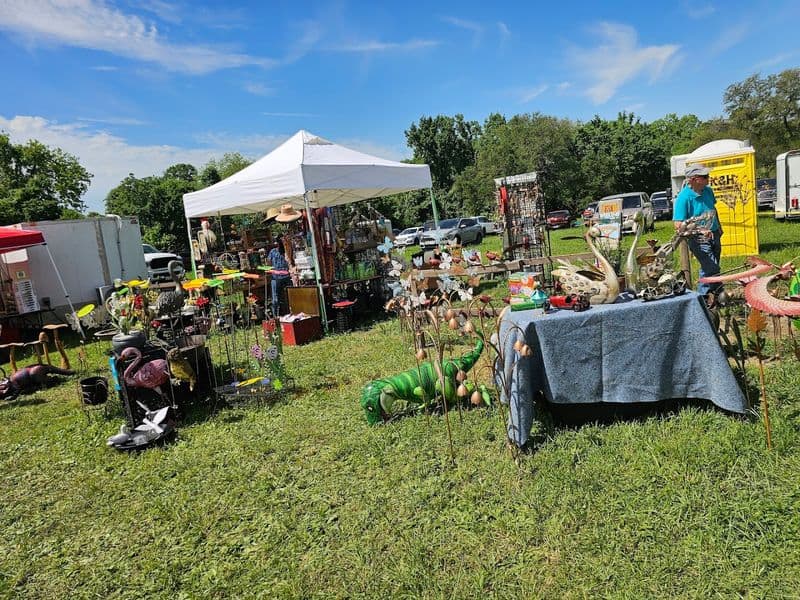
Walking through row after row of vendor booths feels like stepping into a treasure hunt where every turn reveals something unexpected. Local artisans and craftspeople from all over Texas set up shop along Main Street, showcasing everything from hand-forged jewelry to custom leather goods. You’ll find pieces you won’t see anywhere else because these aren’t mass-produced items shipped from some warehouse.
The festival organizers curate their vendor lineup carefully, accepting only juried artists who meet quality standards. That means you’re getting genuine craftsmanship, not cheap knockoffs. One booth might feature intricate metalwork sculptures while the next displays hand-painted pottery or woven textiles.
Shoppers can spend hours zigzagging between displays without seeing the same thing twice. The variety ranges from home decor and garden art to clothing and accessories. Many vendors are happy to chat about their creative process, which adds a personal connection to your purchase.
Bring cash if you can, though most vendors now accept cards. Comfortable walking shoes are essential because you’ll cover serious ground exploring all the booths. The festival atmosphere stays lively but never feels overcrowded, giving you space to browse at your own pace and discover that perfect one-of-a-kind piece to take home.
2. Live Music Performances Throughout the Weekend
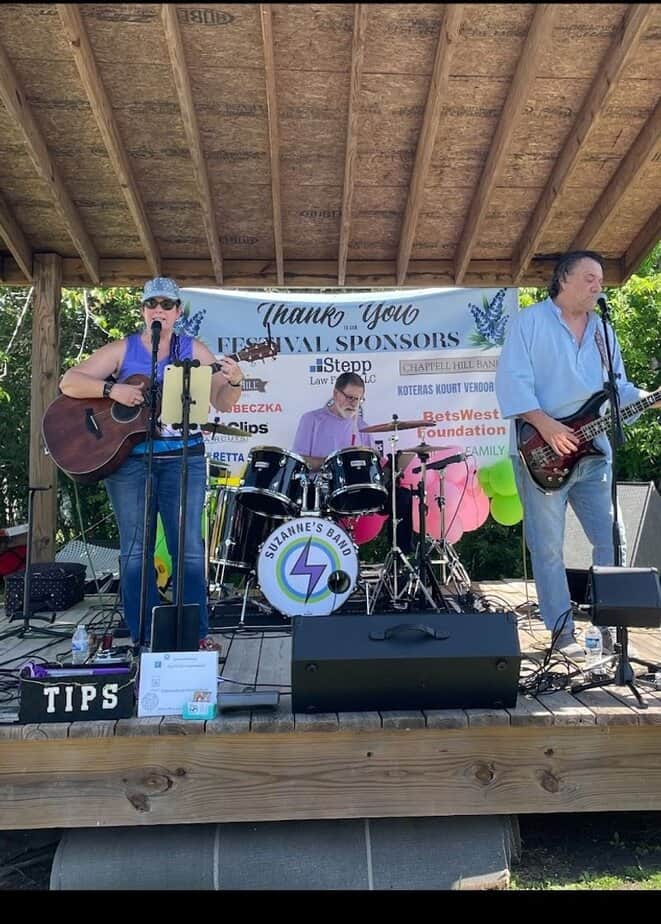
Music drifts through the festival grounds from multiple stages, creating a soundtrack that perfectly captures the laid-back Texas vibe. Local bands and musicians rotate through performances all weekend long, playing everything from classic country to blues and folk. The organizers book talented acts that keep the energy up without overpowering the festival’s friendly atmosphere.
Past performers have included well-loved regional artists who know how to work a crowd. Suzanne’s Band is one group that’s graced the stage, delivering tunes that had festival-goers tapping their feet between vendor visits. The music adds another layer of entertainment beyond the shopping, giving you a reason to pause and soak in the moment.
You don’t need to buy a separate ticket for the concerts since they’re included with festival admission. Grab a cold drink from one of the beverage vendors and find a shady spot to enjoy the show. Families spread out blankets while others stand closer to the stage, swaying along to familiar melodies.
The schedule typically features different acts throughout the day, so you can catch multiple performances if you arrive early and stay late. Check the festival website beforehand to see who’s playing when, especially if you have a favorite local artist on the lineup.
3. Food Trucks and Festival Fare Galore
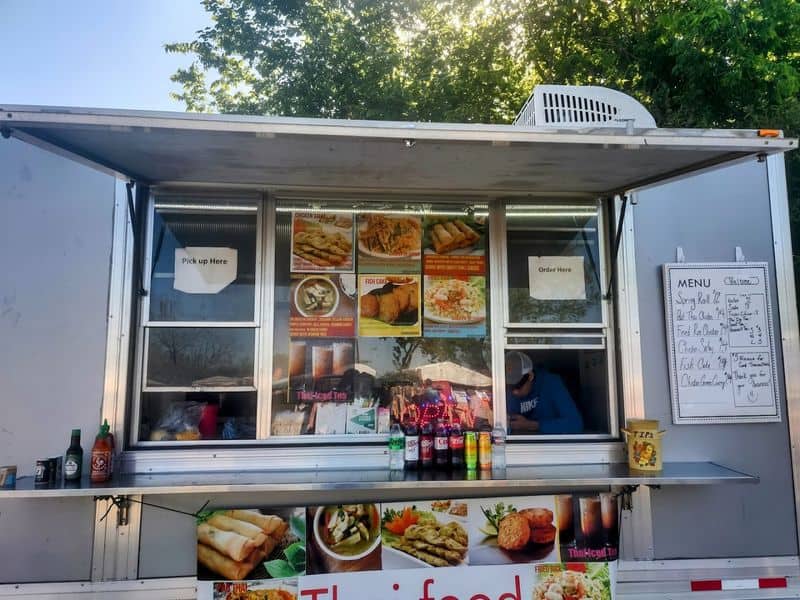
Your stomach will thank you for the incredible variety of food options scattered throughout the festival grounds. Food trucks roll in from across the region, bringing everything from classic Texas barbecue to funnel cakes and Navajo tacos. The smell of grilling meat and fresh-baked goods fills the air, making it nearly impossible to resist grabbing a bite.
Expect the usual festival favorites like corn dogs and kettle corn, but also some pleasant surprises. Little Bird Bakery has become legendary among repeat visitors for their heavenly cookies that practically melt in your mouth. One reviewer claimed they almost bought one of everything, which honestly sounds like solid advice.
Beverage stations serve everything from ice-cold beer to wine tastings, margaritas, and non-alcoholic options. The wine tasting gets particular praise from attendees who appreciate sipping local vintages while they shop. Just remember that Texas heat can sneak up on you, so alternate alcoholic drinks with plenty of water.
Food truck lines can get long during peak lunch hours, so consider eating earlier or later to avoid the rush. Prices are typical for festival food, meaning slightly higher than usual but reasonable given the convenience. Bring extra appetite because you’ll want to sample multiple vendors before the weekend ends.
4. Pet-Friendly Atmosphere for Four-Legged Friends
Chappell Hill rolls out the welcome mat for your furry companions, making this one of the more pet-friendly festivals in Texas. Dogs of all sizes trot alongside their owners through the vendor aisles, tails wagging as they take in the sights and smells. The festival organizers understand that pets are family members too, so they’ve created an environment where everyone can enjoy the day together.
Keep your dog leashed at all times and stay mindful of the crowds, especially near food vendors where the temptation might prove too strong for some pups. Bringing a stroller for smaller dogs isn’t a bad idea if you’re planning to stay all day. The grounds cover a lot of territory, and tiny legs tire out faster than you’d think.
Water bowls appear at various spots throughout the festival, though bringing your own collapsible bowl ensures your pet stays hydrated. Some past attendees mentioned dog waste being an issue, so pack bags and clean up after your pet religiously. Respect for the venue and other festival-goers goes a long way.
Shade can be scarce during peak afternoon hours, so watch for signs of overheating in your dog. Early morning visits work best for pets who don’t handle heat well. The relaxed atmosphere means your dog will likely make plenty of new friends along the way.
5. Stunning Bluebonnet Fields in Full Bloom
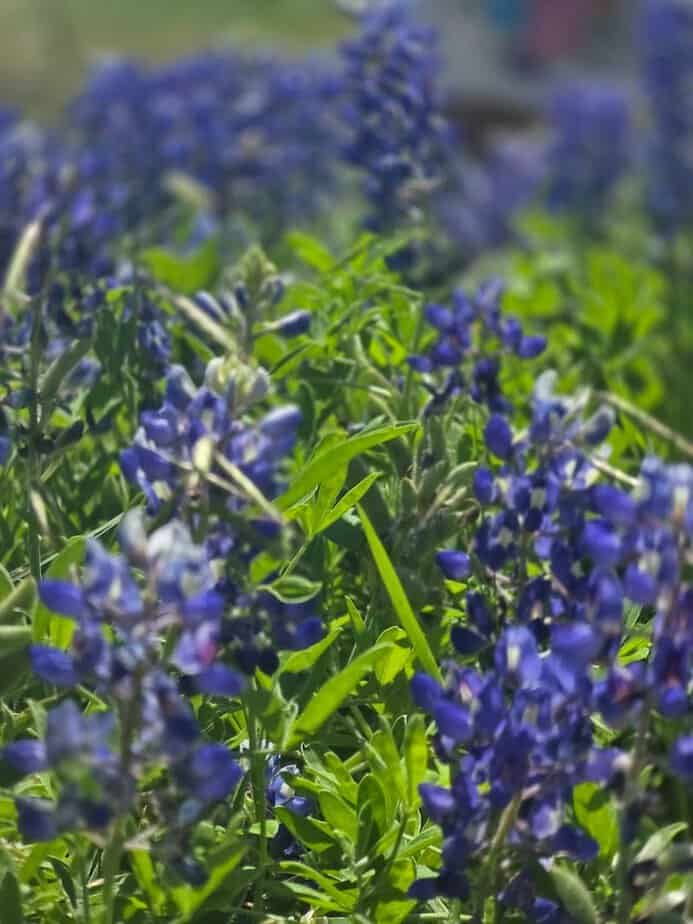
The real stars of this festival don’t need vendor booths because they’re scattered across every field and roadside for miles around Chappell Hill. Texas bluebonnets carpet the landscape in waves of blue and purple during peak bloom season, creating photo opportunities that’ll fill your camera roll in minutes. Nearby farms and open spaces transform into natural galleries that rival anything humans could create.
Timing your visit right makes all the difference. The festival happens in April when bluebonnets typically reach their peak, though weather conditions each year determine exact bloom times. Warm, wet winters produce spectacular displays while drought years can be hit or miss.
Families stake out prime spots in the flower fields for photo sessions that become annual traditions. Kids run through the blooms while parents snap pictures that’ll end up framed on mantels back home. The festival itself serves as the perfect excuse to explore the countryside between vendor browsing sessions.
Drive the back roads around Chappell Hill before or after hitting the festival grounds. You’ll discover hidden patches of wildflowers that most visitors miss. Local farms sometimes welcome visitors to walk through their bluebonnet fields, though always ask permission first and respect private property.
The combination of festival fun and natural beauty creates an experience that sticks with you long after the petals fade.
6. Family Activities and Entertainment for All Ages
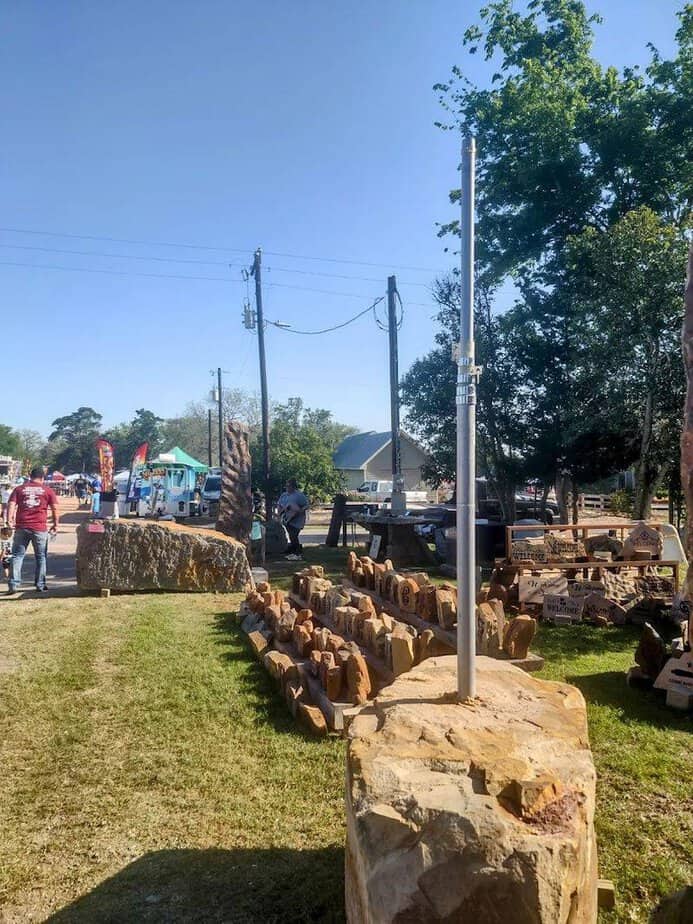
Parents don’t need to worry about keeping little ones entertained because the festival packs in activities designed specifically for kids. A miniature train chugs around a designated area, giving children rides that become the highlight of their day. Face painting stations transform eager faces into butterflies, tigers, or whatever design sparks their imagination.
The family-friendly atmosphere means you’ll see strollers, wagons, and kids of all ages weaving through the crowds. Unlike some adult-focused events, this festival genuinely welcomes families and creates spaces where children can burn energy safely. The entertainment rotates throughout the day, so there’s always something new to discover.
Multiple reviewers specifically mentioned bringing their entire family year after year, which speaks volumes about the festival’s appeal across generations. Grandparents browse craft booths while parents supervise kids at activity stations, and everyone reconvenes for food truck meals. It’s the kind of outing that creates lasting memories without breaking the bank.
Plan for lots of walking, so bring a wagon if you’ve got young children who tire easily. The wagon doubles as a cargo hauler for all those craft purchases you’ll accumulate. Portable snacks and drinks help avoid meltdowns between meal times, though the festival offers plenty of kid-friendly food options when hunger strikes unexpectedly.
7. Free Parking Options Around Town
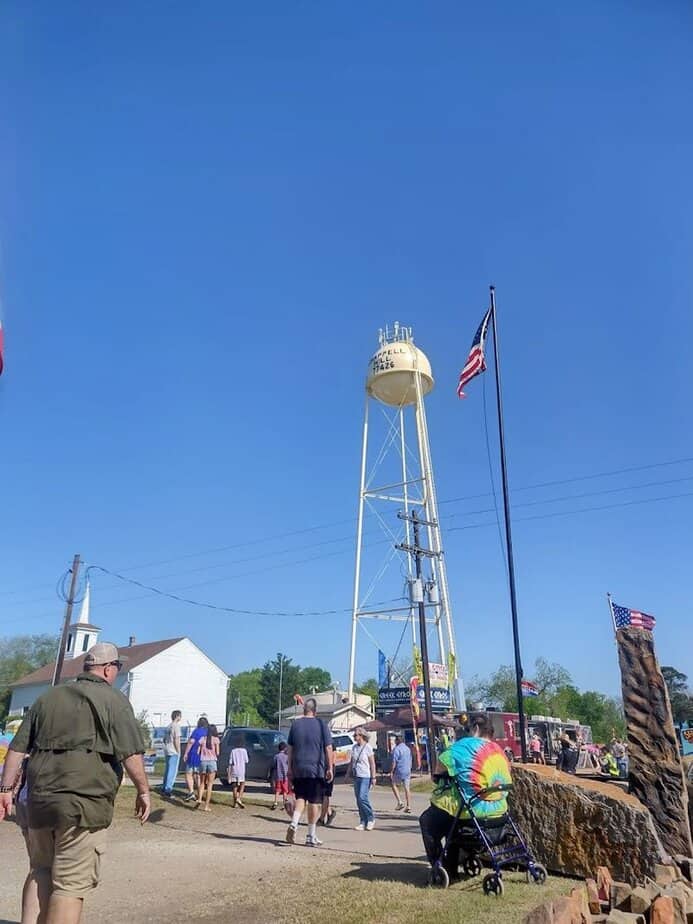
Here’s something that’ll make your wallet happy: parking doesn’t have to cost you a dime if you know where to look. Free parking spots exist around Chappell Hill for early birds who arrive before the official opening time. Scout out the side streets and public areas near Main Street, and you might snag a convenient spot without paying.
The catch is that free spaces fill up fast, usually by mid-morning when the crowds really start rolling in. Locals who’ve attended for years recommend arriving well before the festival officially opens, grabbing breakfast at a nearby restaurant, then walking over as vendors finish setting up. This strategy scores you prime parking and lets you beat the rush.
Paid parking lots charge around ten dollars and typically involve walking through a cow pasture or grassy field. Watch your step for obvious reasons, and wear shoes you don’t mind getting a little dirty. These lots put you closer to the action than street parking further out, so the fee might be worth it if you’re arriving later.
Some clever festival-goers park in Brenham, about ten to fifteen minutes away, and make a day trip that includes lunch at Must Be Heaven or another local restaurant. This approach spreads out your experience and avoids the parking scramble entirely, though it does require driving back and forth.
8. Shopping Throughout Historic Downtown Chappell Hill
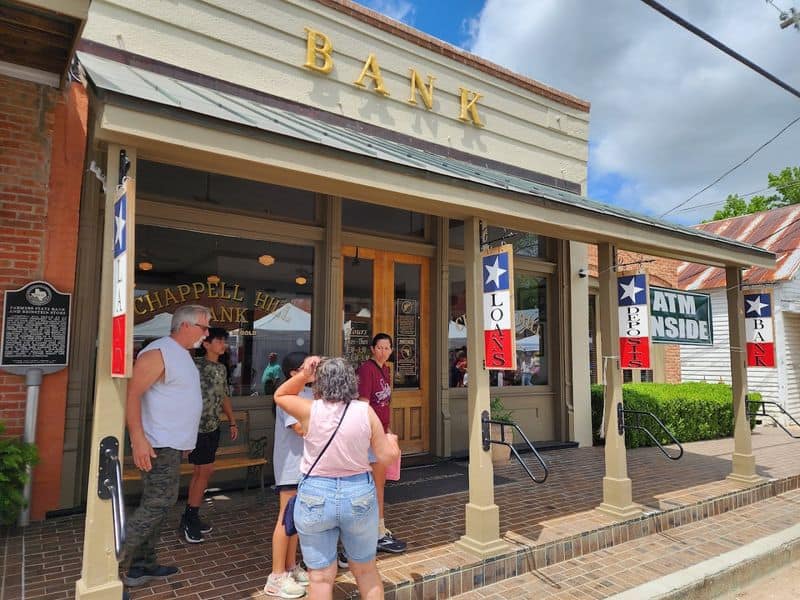
The festival doesn’t confine itself to one central location but spreads throughout Chappell Hill’s historic downtown area. Local shops throw open their doors during festival weekend, offering everything from antiques to specialty foods. Walking from the festival grounds into actual storefronts gives you a fuller picture of what makes this community special beyond one weekend a year.
Chappell Hill Bakery and Deli becomes a popular stop for visitors who want to grab fresh-baked goods or a sandwich. The town’s historic character shines through its preserved buildings and old-fashioned Main Street layout that feels like stepping back in time. Shopping here supports local businesses that keep small-town Texas alive and thriving.
One reviewer mentioned the wine tasting as a particular highlight, and several shops offer samples of local vintages and craft beverages. You’ll find specialty items that make perfect gifts or souvenirs, from jarred preserves to handmade soaps. The relaxed pace lets you browse without feeling rushed, unlike big-city shopping experiences.
Take time between vendor rows to duck into the brick-and-mortar stores lining Main Street. Many feature air conditioning, which provides welcome relief during warm April afternoons. The combination of outdoor festival energy and indoor shopping variety creates a well-rounded experience that keeps things interesting throughout the day.
9. Plan Smart to Beat Traffic and Maximize Your Visit
Veterans of this festival all share the same wisdom: arrive early, stay patient, and plan your exit strategy. Traffic getting out of the parking lots has frustrated enough visitors that it’s worth mentioning upfront. Some attendees reported waiting an hour or more in their cars while trying to leave, which can sour an otherwise perfect day.
The solution isn’t complicated but requires discipline. Show up when the festival opens, ideally after enjoying breakfast somewhere nearby. This gives you first crack at parking, lets you shop before the heat peaks, and positions you to leave before the exodus begins.
Mid-afternoon departures typically avoid the worst congestion.
Bring a wagon loaded with a cooler, water bottles, sunscreen, and a bin for purchases. Comfortable walking shoes aren’t optional because you’ll cover miles of ground between all the vendors and activities. A hat and sunglasses protect you from the Texas sun, which can be intense even in April.
Check the festival website before you go for the most current information about hours, entertainment schedules, and any special events. Weather in Texas can be unpredictable, so having a rain jacket or umbrella tucked away isn’t a terrible idea. Most importantly, embrace the small-town pace and don’t stress about seeing absolutely everything.
The festival’s charm lies in wandering, discovering, and enjoying whatever catches your eye along the way.