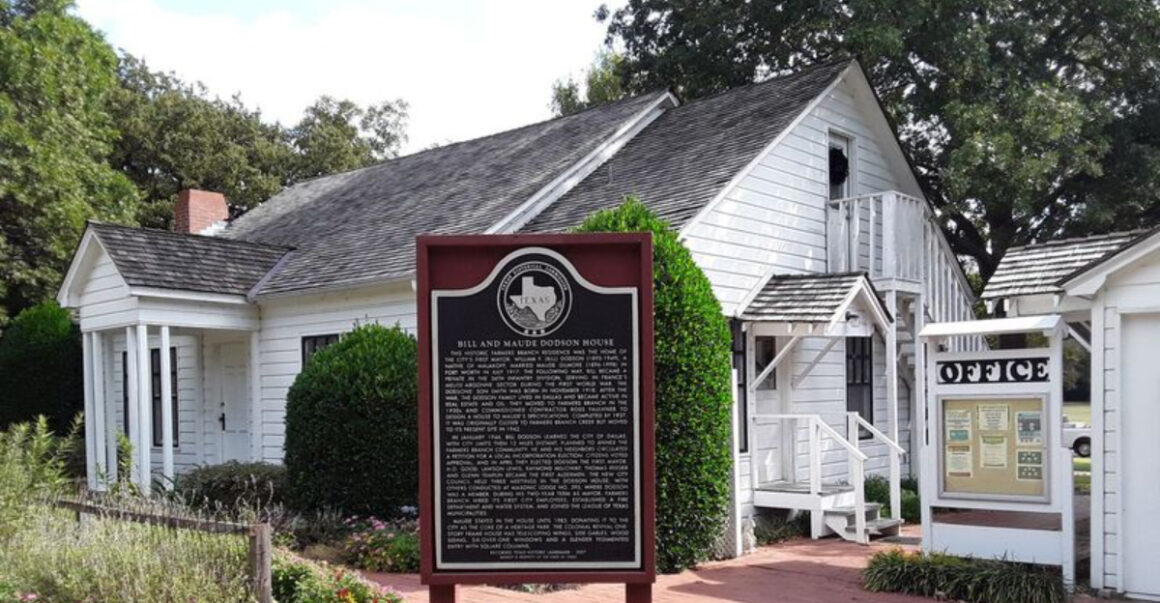
Nestled among modern neighborhoods in Farmers Branch, this historic park offers a rare glimpse into Texas’s past. Farmers Branch Historical Park features a collection of authentic buildings from the 1800s and early 1900s, letting visitors step inside preserved homes and experience daily life as early settlers once did. Whether you’re a history enthusiast, planning a quiet afternoon, or showing kids how Texans lived generations ago, this free park delivers a surprisingly rich journey through time.
1. Victorian House That Tells Stories of Frontier Elegance
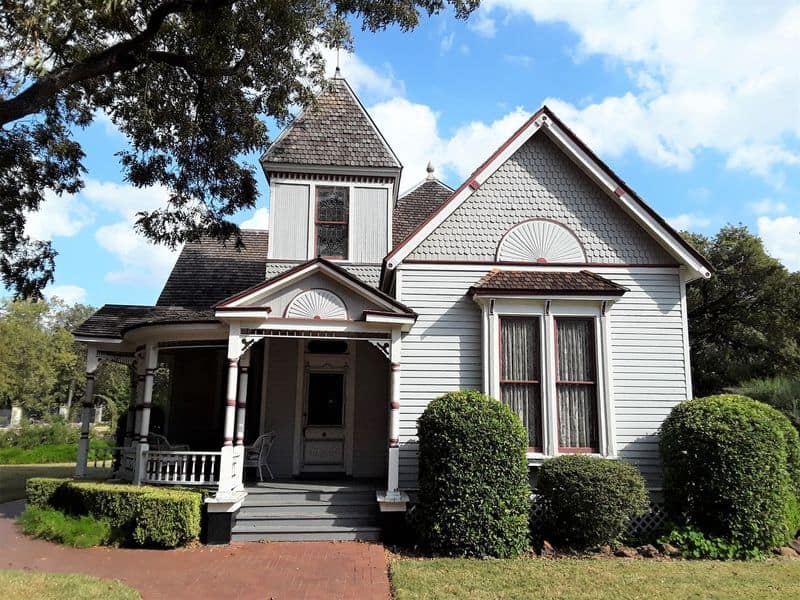
The Victorian house stands as the crown jewel of the park, showcasing how well-to-do Texas families lived during the late 1800s. With its ornate woodwork, wrap-around porch, and carefully preserved architecture, this building captures a moment when frontier life began giving way to more refined living. You can peer through windows to spot period furniture, decorative wallpaper, and household items that reveal the daily routines of Victorian-era Texans.
What makes this house special is how it contrasts with the simpler structures nearby. While many settlers lived in basic log cabins, this home demonstrates the aspirations and prosperity some families achieved. The architectural details—from the pitched roof to the decorative trim—reflect styles popular across America during that period, adapted for Texas weather and available materials.
Scheduled tours let you step inside for a closer look at the rooms, though even exterior viewing proves fascinating. Kids especially enjoy comparing this fancy house to the humbler dwellings elsewhere in the park. The juxtaposition helps everyone understand the economic diversity of early Texas communities and how different families experienced frontier life based on their circumstances and success.
2. One-Room Schoolhouse Where Lessons Were Simple
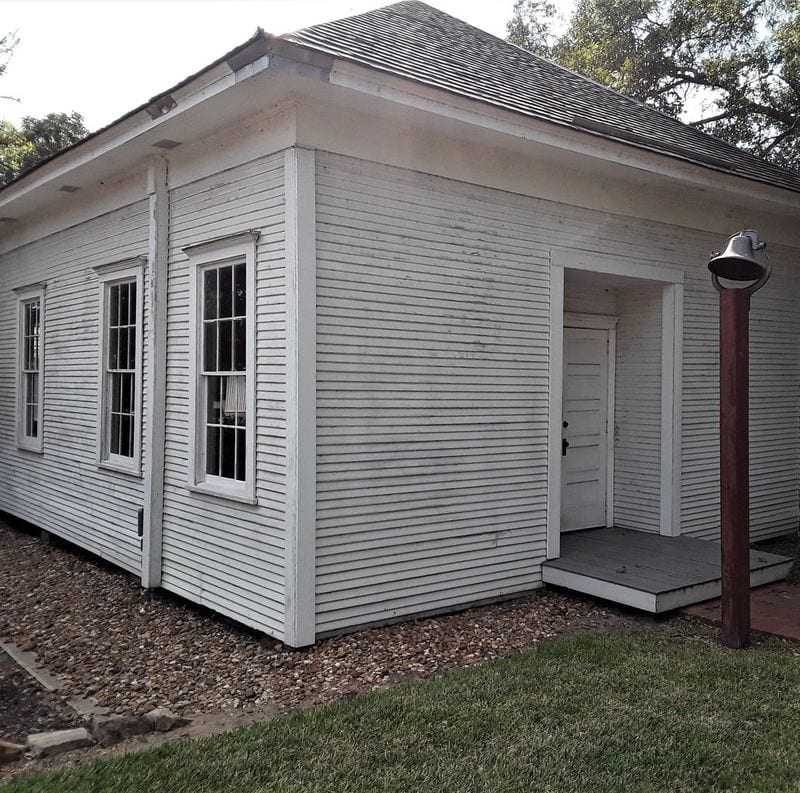
Step up to the schoolhouse windows and you’ll spot rows of wooden desks, a teacher’s lectern, and a chalkboard that remind us how different education looked a century ago. This single room served students of all ages, with one teacher managing everyone from first graders learning their ABCs to teenagers studying advanced subjects. The preserved interior shows slates for writing, period textbooks, and the pot-bellied stove that provided the only heat during cold months.
Education in early Texas meant walking miles to reach school, often barefoot in warmer months. Students brought their lunches in pails and helped with chores like fetching water or chopping firewood. The teacher lived locally and earned modest pay, usually boarding with different families throughout the year.
Today’s kids find this building fascinating because it shows how much school has changed. No computers, no cafeteria, no separate classrooms—just basic learning focused on reading, writing, and arithmetic. Parents appreciate seeing what “back to basics” actually meant.
The schoolhouse helps everyone understand the value early Texans placed on education despite limited resources, and how determined they were to give children opportunities through learning.
3. General Store Stocked With Nostalgia
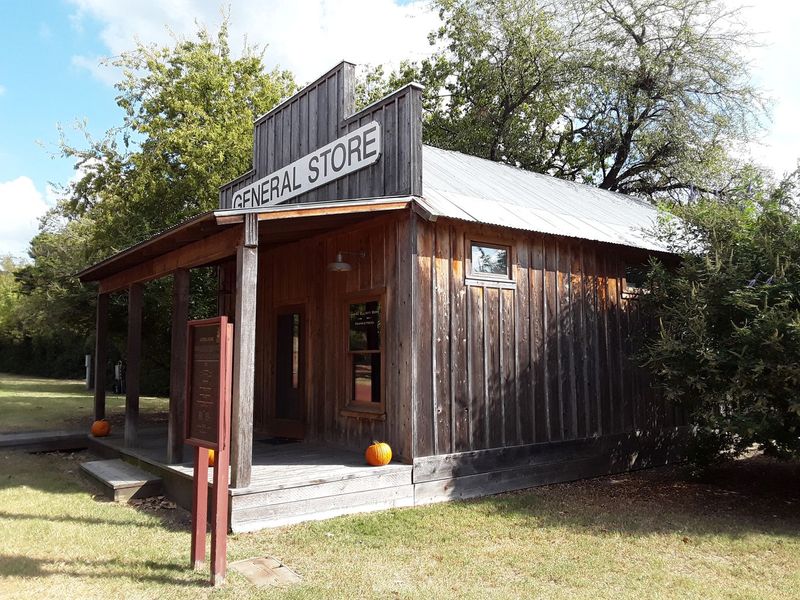
At the center of small-town life, the general store was where everything came together—from pantry staples to tools and sweets. Today, its shelves are lined with reproduction goods and vintage packaging that reflect that era. Before modern convenience took over, store owners knew every customer personally and often trusted them to pay after harvest.
These establishments served as more than shopping destinations. They functioned as community gathering spots where folks exchanged news, discussed weather and crops, and caught up on local happenings. The store also housed the post office in many small towns, making it central to communication.
Walking around this building, you’ll notice details like the wooden porch where farmers would sit and chat, the large windows for natural light, and the practical design that maximized limited space. The general store represents self-sufficient community life before modern conveniences. Visitors love photographing the authentic-looking exterior, and the museum store nearby actually sells old-fashioned treats like rock candy and beeswax candles, letting you take home a small piece of that simpler era and share the experience with others.
4. Texaco Gas Station Frozen in Automotive History
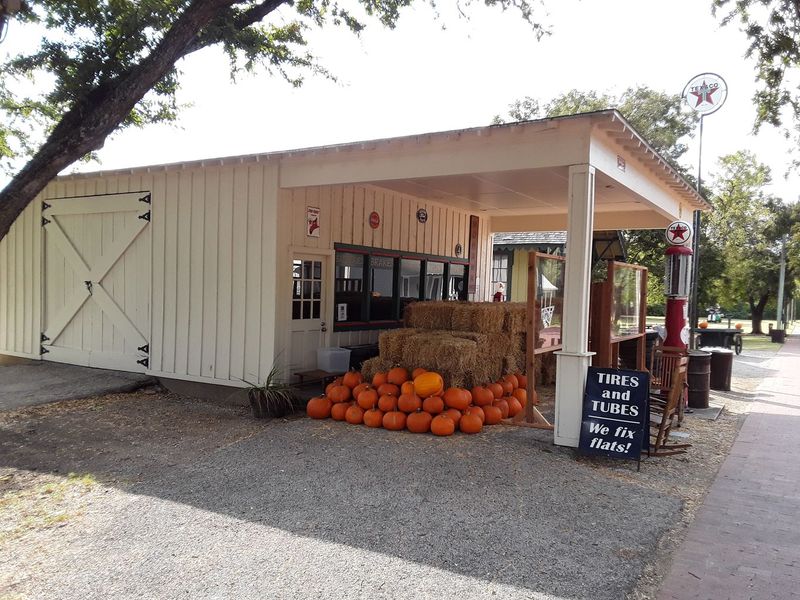
When automobiles first arrived in Texas, gas stations looked nothing like today’s convenience store complexes. This restored Texaco station captures that transitional moment when horse-drawn wagons still outnumbered cars, but the future was clearly arriving. The vintage pumps, classic Texaco signage, and simple design reflect an era when filling up meant personal service from an attendant who checked your oil and washed your windshield without being asked.
One charming detail sets this station apart—there’s a checkers game permanently set up outside, inviting visitors to sit and play. This touches on the social aspect of early gas stations, which became gathering spots for men to discuss cars, swap stories, and pass time. The game represents slower-paced days when people weren’t rushing from one errand to another.
Photographers love this building for its photogenic retro appeal and authentic period details. Kids find it amusing to see how different gas stations looked before bright lights and mini-marts. The structure helps visitors understand how automobile culture transformed Texas communities, changing everything from town layouts to social patterns, while also preserving a slice of roadside Americana that’s rapidly disappearing from the actual landscape.
5. Train Depot Connecting Communities to the World
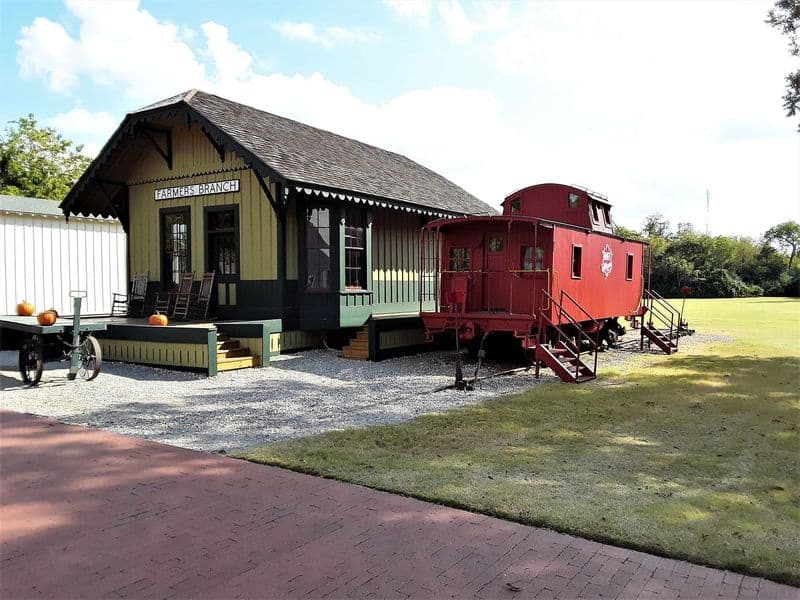
Before highways crisscrossed Texas, railroads provided the lifeline connecting small towns to distant cities and markets. The depot at this park represents how crucial train service was for communities like Farmers Branch. Farmers shipped crops to market, families ordered goods from distant catalogs, and travelers arrived and departed through this modest building that served as the town’s connection to everywhere else.
The depot’s architecture reflects practical design—a covered platform for waiting passengers, a ticket window, and a telegraph office for communication. Station agents were important community figures who managed schedules, handled freight, and transmitted messages. The arrival of the daily train was often the day’s biggest event, with people gathering to collect mail, greet visitors, or simply watch the excitement.
Looking at this building today helps explain how Texas towns developed along railroad lines and why some communities thrived while others faded when routes changed. The depot symbolizes an era when distance meant something different, when travel required planning, and when the whistle of an approaching train stirred genuine excitement. It’s a tangible reminder of how transportation technology shaped settlement patterns and community life across the entire state.
6. Historic Church Where Faith Anchored Community
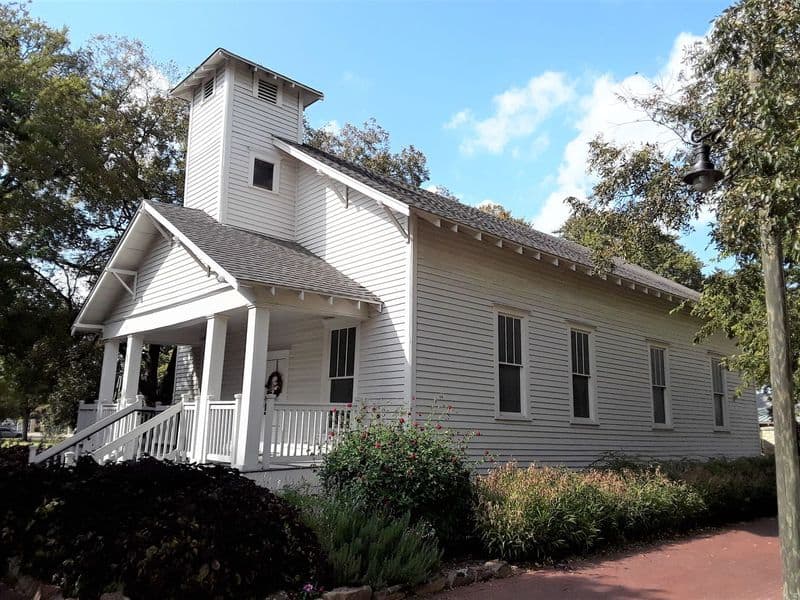
Churches served as spiritual and social centers in early Texas settlements, and this preserved building shows how modestly most congregations worshiped. The simple architecture reflects frontier practicality—sturdy construction, basic pews, and minimal decoration. Yet these unadorned spaces hosted life’s most meaningful moments: weddings, baptisms, funerals, and weekly gatherings that reinforced community bonds.
Faith provided comfort during harsh times and united families through shared beliefs and traditions.
Beyond Sunday services, church buildings functioned as meeting halls for community decisions, school spaces when needed, and shelter during emergencies. The structure belonged to everyone, maintained through volunteer labor and modest donations. Families dressed in their finest clothes for services, making church attendance both a spiritual practice and important social occasion.
Today this building hosts actual weddings and events, though one reviewer noted the July heat inside might require extra planning. The authentic atmosphere appeals to couples wanting historic charm for their celebrations. Walking around the church, you’ll appreciate how central these buildings were to pioneer life, providing stability and continuity as everything else about frontier existence remained unpredictable.
The modest structure reminds us that elaborate buildings weren’t necessary for meaningful worship or strong community connections.
7. Beautifully Maintained Grounds and Walking Trails
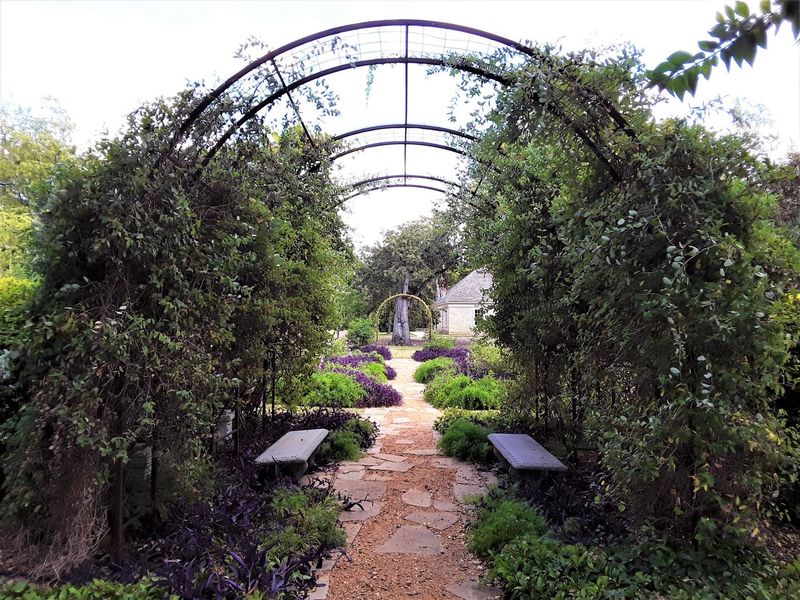
Between the historic structures, you’ll find meticulously maintained gardens, walking trails, and natural areas that make the park feel like a forest nestled in the city. Rawhide Creek runs through the property, and bridges connect different sections, creating peaceful paths perfect for strolling between buildings. The landscaping includes roses, native Texas plants, and carefully tended gardens that bloom throughout warmer months, attracting birds and butterflies.
These trails aren’t just decoration—they connect the historical park to other Farmers Branch attractions, letting visitors extend their exploration beyond the preserved buildings. Families bring picnics to enjoy at available tables, and the open spaces let kids run and play after touring the structures. Benches placed throughout offer spots to rest and soak in the tranquil atmosphere.
Multiple reviews rave about the park’s cleanliness and upkeep, with one visitor calling the restrooms “the cleanest and nicest I’ve seen at any park ever.” This attention to maintenance makes visiting comfortable and pleasant. The grounds provide that rare combination of historical education and natural beauty, letting you learn about Texas history while enjoying outdoor recreation. Whether you want a quick walk or extended afternoon exploring, the trails and gardens enhance the entire experience beyond just viewing old buildings.
8. Free Admission With Optional Guided Tours
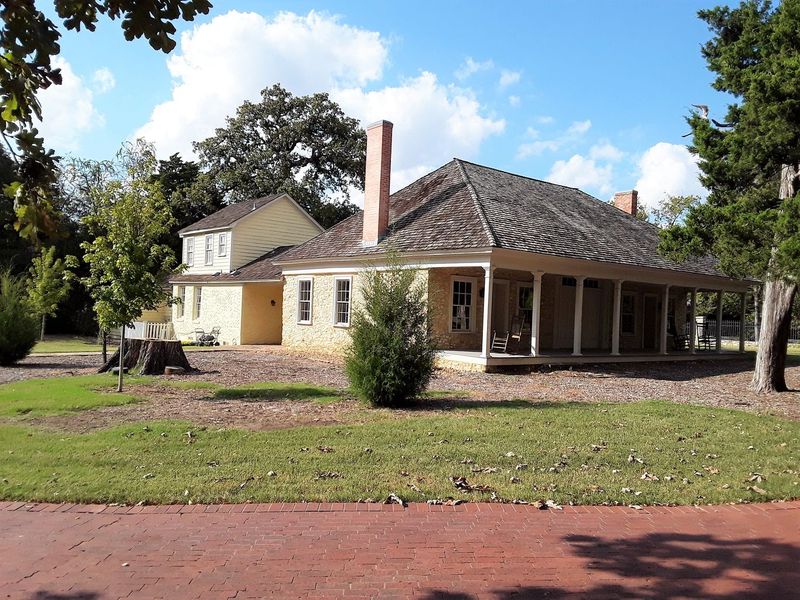
Here’s the best part—walking the grounds and viewing building exteriors costs absolutely nothing. The park welcomes visitors during operating hours Tuesday through Saturday without charging admission, making history accessible to everyone regardless of budget. You can spend an hour or an entire afternoon exploring at your own pace, reading informational signs, and peeking through windows to see preserved interiors.
For deeper exploration, guided tours are available for just five dollars per person. These tours, offered on weekdays, let you step inside the buildings with knowledgeable guides who bring each structure’s history to life. Reviewers consistently praise tour guides like Cynthia for their passion, engaging storytelling, and ability to make history feel relevant.
Reservations are recommended for interior tours, which you can book through the park’s website.
This pricing model means families can visit casually without financial pressure, then return for guided tours when they want more detailed information. Many visitors come multiple times—once for a quick look around, then again for the full tour experience. The park also hosts free special events throughout the year, including Fourth of July celebrations with fireworks, Family Night in the Park, Halloween activities, and seasonal programs that add entertainment to education without emptying your wallet.
9. Year-Round Events Bringing History to Life
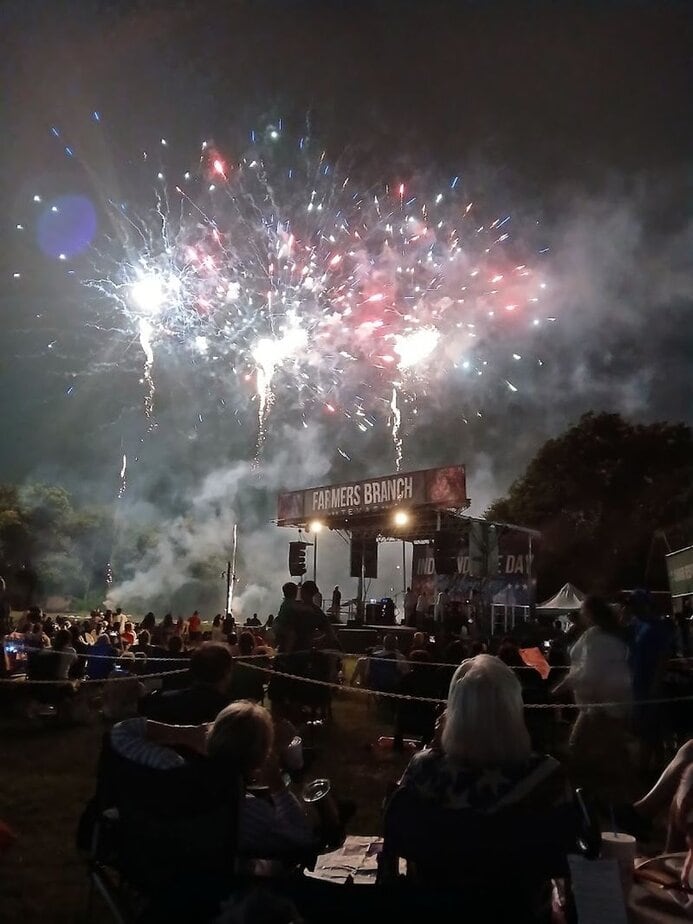
The park transforms throughout the year with special events that draw crowds and create lasting memories. The Fourth of July celebration features fantastic fireworks that have become an annual tradition for local families. Family Night in the Park brings live music, movies, free tethered hot air balloon rides, and activities for kids—all without admission charges.
Halloween sees the grounds decorated for trunk-or-treat events and haunted activities, while Day of the Dead celebrations honor departed loved ones with beautiful cultural traditions.
Christmas brings drive-through light displays that let families experience the historic buildings illuminated for the holidays. Star parties let amateur astronomers set up telescopes for evening sky viewing. These varied events mean there’s always something new happening, giving residents reasons to visit repeatedly throughout the year.
The park staff clearly puts tremendous effort into creating diverse programming that appeals to different interests and age groups.
What makes these events special is their combination of entertainment and education. Kids have fun while naturally absorbing history lessons. Families create traditions around annual visits.
The community comes together in spaces that honor shared heritage. Unlike commercial attractions, these events feel genuine and welcoming rather than rushed or overpriced. Checking the park’s event calendar before visiting might reveal special programs happening during your trip, adding extra value to an already worthwhile destination.