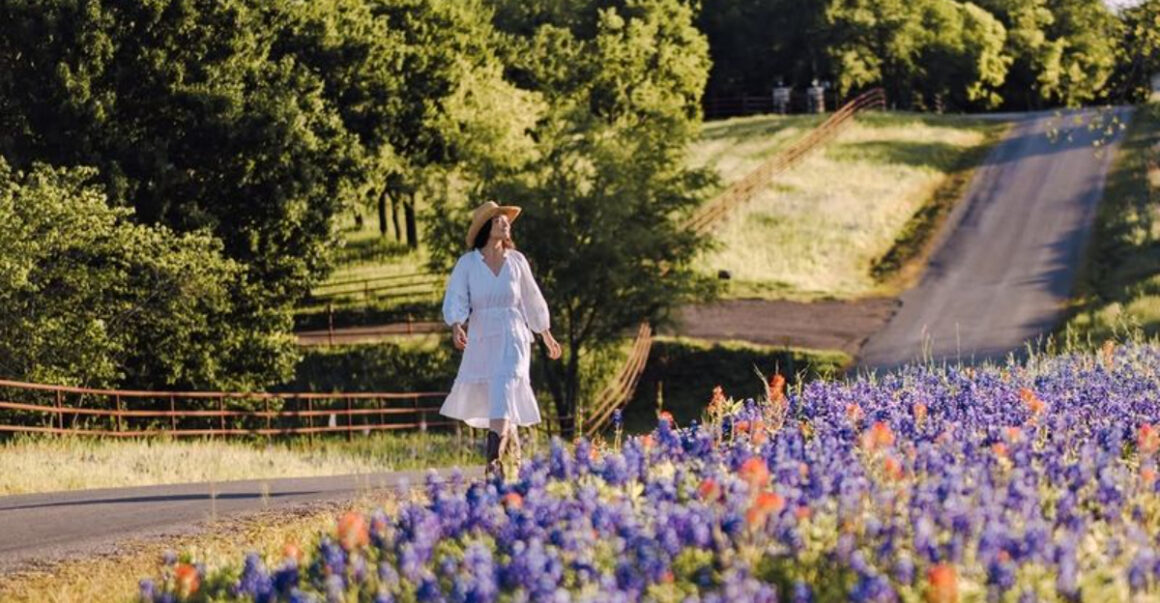
Every spring, a small Texas town transforms into a sea of blue that draws visitors from across the state and beyond. Ennis, located just 35 miles south of Dallas, has earned its reputation as the Official Bluebonnet City of Texas, with over 40 miles of trails winding through fields bursting with wildflowers. When April arrives, the landscape explodes with color as millions of bluebonnets blanket the countryside, creating one of the most spectacular natural displays in the Lone Star State.
Whether you’re a photographer hunting for that perfect shot, a family looking for a memorable day trip, or simply someone who appreciates nature’s beauty, Ennis offers an unforgettable springtime experience.
1. The Official Bluebonnet Trail System
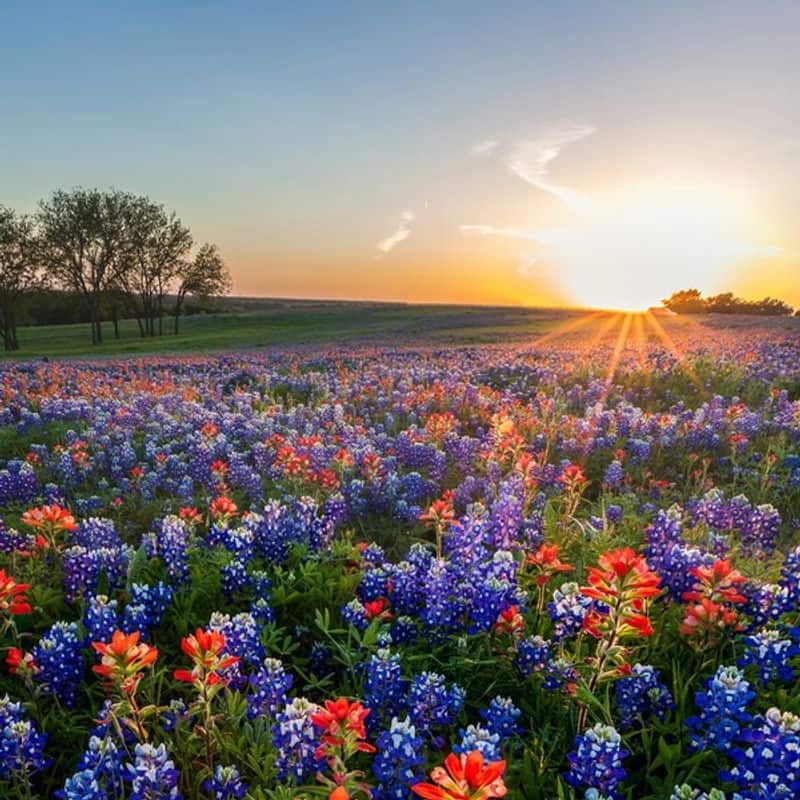
Forty miles of mapped driving routes make up the Ennis Bluebonnet Trail system, turning rural roads into natural art galleries each spring. The trails wind through countryside that looks like someone spilled buckets of blue paint across the landscape. You can grab a free map from the Chamber of Commerce or download one online before you head out.
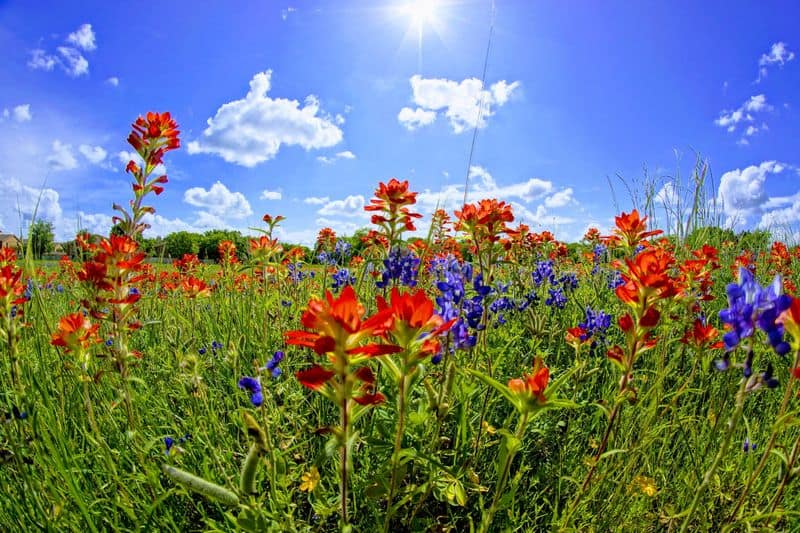
Peak bloom typically hits between mid-April and early May, though Mother Nature doesn’t always follow a strict schedule. The best viewing spots change slightly each year depending on rainfall and temperature, so locals often share updates on social media about where the flowers look most impressive. Some sections feature dense carpets of bluebonnets mixed with Indian paintbrush and other wildflowers, creating a multicolored tapestry that photographers dream about.
Plan to spend at least two hours driving the full loop if you want to stop for photos at the best spots. Early morning or late afternoon light makes the blues pop even more dramatically. The trails are free to explore, and you’ll share the roads with other flower enthusiasts, so drive carefully and watch for people pulling over suddenly when they spot a particularly stunning patch.
2. Bluebonnet Festival and Ennis Garden Club
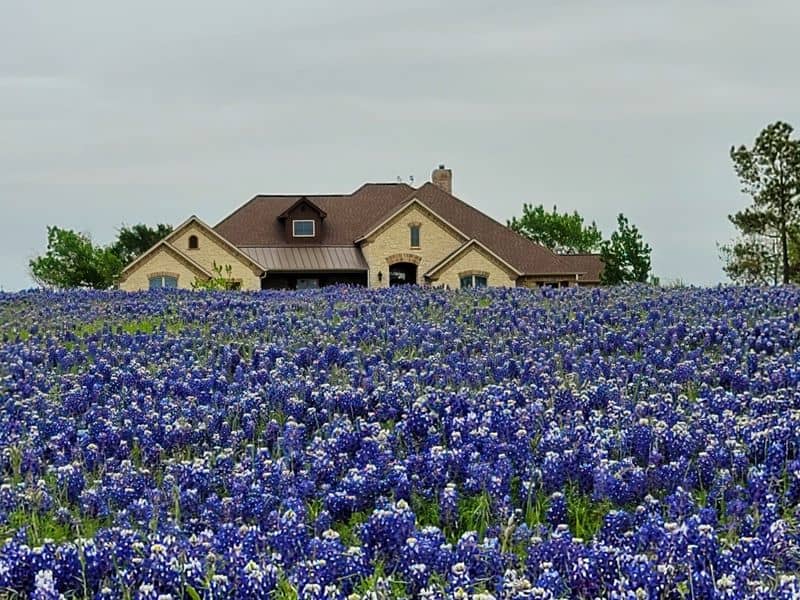
The Ennis Bluebonnet Festival has been running since 1951, making it one of the oldest wildflower celebrations in Texas. This isn’t some small-town gathering that wraps up in an afternoon—the festival sprawls across downtown Ennis for an entire weekend in April, attracting over 100,000 visitors. Food vendors, arts and crafts booths, live music stages, and a parade fill the streets with energy.
Behind much of the festival’s organization stands the Ennis Garden Club, a group that’s been championing local beautification and wildflower preservation for decades. They coordinate planting efforts, educate visitors about native Texas plants, and work with landowners to maintain the bluebonnet populations that make Ennis special. Their dedication goes beyond just the festival weekend—they’re out there year-round making sure the flowers come back strong each spring.
Festival admission is free, though you’ll want cash or cards for food and vendor purchases. Parking can get tight during peak hours, so arriving early or taking advantage of shuttle services from overflow lots makes sense. The event features a car show, carnival rides, and plenty of kid-friendly activities, so families can easily spend a full day enjoying everything downtown has to offer during this celebration of Texas’s favorite wildflower.
3. Photography Opportunities at Sunrise and Golden Hour
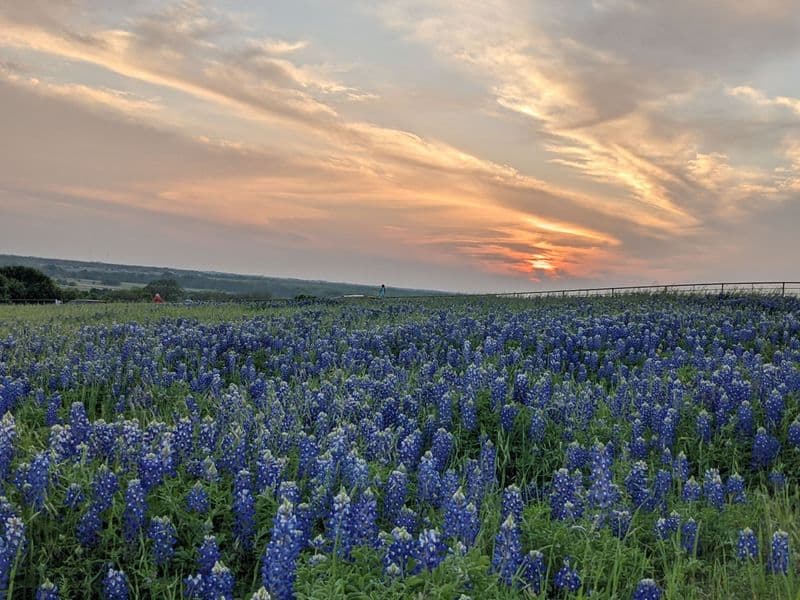
Professional photographers and Instagram enthusiasts flock to Ennis because the lighting conditions during bluebonnet season can be absolutely magical. The soft glow of sunrise casts a warm light across the blue petals, creating contrast that makes colors sing in photos. Golden hour in the evening offers similar advantages, with long shadows adding depth and dimension to landscape shots.
Several spots along the trail system have become favorites among photography circles. Look for locations where bluebonnets grow near old barns, weathered fences, or twisted oak trees—these elements add character and tell a more complete story than just flowers alone. Some photographers scout locations days in advance, noting where the sun rises and sets relative to the best flower patches.
Bring a wide-angle lens for sweeping landscape shots and a macro lens if you want to capture the intricate details of individual blooms. A tripod helps with stability during low-light conditions at dawn and dusk. Remember that you’re sharing these spaces with other nature lovers, so be respectful of private property and avoid trampling flowers to get that perfect shot.
The bluebonnets return each year partly because visitors treat them with care, staying on designated paths and viewing areas whenever possible.
4. Family Photo Sessions in the Bluebonnets
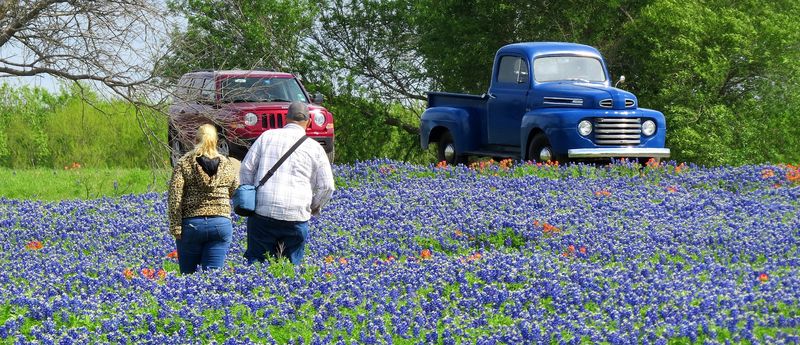
Booking a family photo session in the Ennis bluebonnets has become a Texas springtime tradition for thousands of families. Local photographers stay booked solid during peak bloom, with some scheduling sessions back-to-back throughout April weekends. The natural backdrop requires minimal props or setup—the flowers do most of the decorative work themselves.
Parents typically dress kids in white, yellow, or other light colors that contrast nicely with the blue flowers without clashing. Denim works great too, giving photos that classic Texas feel. Professional photographers know which spots offer the best light and flower density, plus they understand how to pose families so everyone looks natural rather than stiff.
Sessions usually last 30 to 45 minutes, which is about as long as young children can maintain cooperation outdoors.
If you’re planning a DIY photo session with your own camera, weekday mornings offer less competition for prime spots than weekends. Bring water, snacks, and patience—getting toddlers to smile on command while sitting in a field isn’t always easy. Watch for fire ants, which can be active in grassy areas and definitely ruin the mood if someone gets bitten.
Many families make this an annual tradition, creating a collection of photos that document how their children grow against the same beautiful bluebonnet backdrop year after year.
5. Historic Downtown Ennis Shopping and Dining
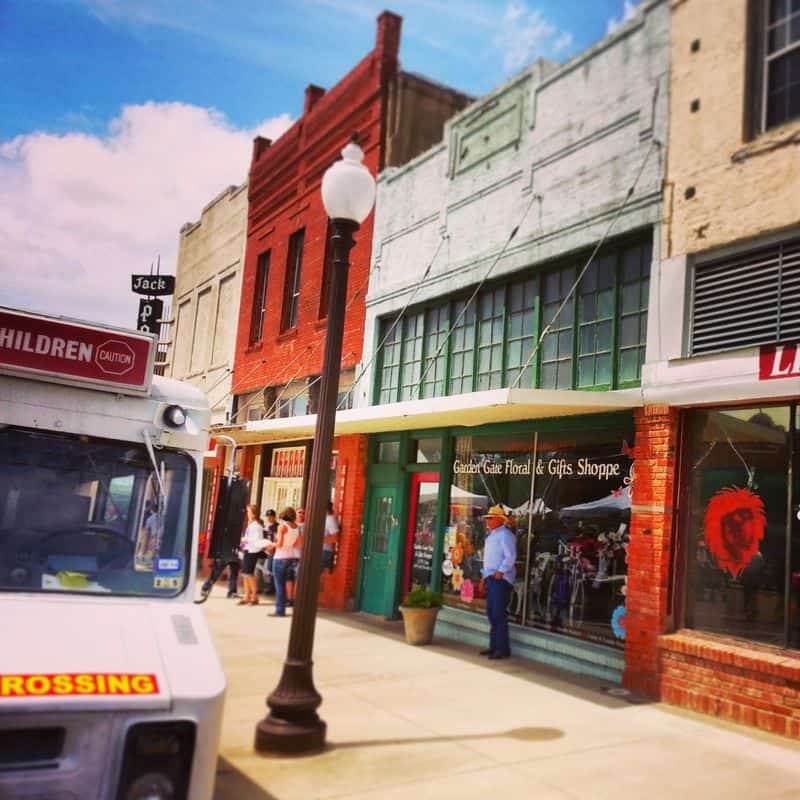
Ennis’ downtown is a rare glimpse into the past, where historic architecture and local businesses still thrive. Buildings from the late 1800s and early 1900s line the square, now home to antique shops, boutiques, and restaurants that make it worth visiting beyond bluebonnet season. Walking these streets feels like stepping back to a time when downtown was the heart of the community, not a row of strip malls.
Several restaurants serve classic Texas comfort food—chicken fried steak, barbecue, and homemade pies that taste like your grandmother made them. Local coffee shops provide cozy spots to rest between trail drives, and ice cream parlors do steady business when spring temperatures climb. Antique hunters can spend hours browsing through multi-dealer malls packed with vintage Texas memorabilia, old farm equipment, and collectibles you won’t find anywhere else.
The Prague Kolache Bakery deserves special mention as a nod to Ennis’s Czech heritage—these pastries filled with fruit, cheese, or sausage make perfect road trip snacks. Shopping downtown supports local business owners who keep small-town Texas alive and interesting. Many stores extend their hours during bluebonnet season to accommodate the influx of visitors, so you can browse after spending your morning photographing flowers without feeling rushed.
6. Wildlife Watching Among the Wildflowers
Bluebonnet season brings more than just human visitors to Ennis—the wildflower explosion attracts impressive numbers of pollinators, birds, and other wildlife. Butterflies work the flowers constantly, with species like painted ladies, swallowtails, and sulphurs creating movement and additional color throughout the fields. Bees buzz from bloom to bloom, doing the essential work that ensures wildflowers return next season.
Birdwatchers spot meadowlarks, mockingbirds, and various hawk species hunting for small prey in the open country around the bluebonnet trails. Early morning offers the best wildlife viewing opportunities, when animals are most active and haven’t been disturbed by car traffic yet. Bring binoculars if you’re serious about watching birds or want closer looks at butterflies without getting too near and disturbing them.
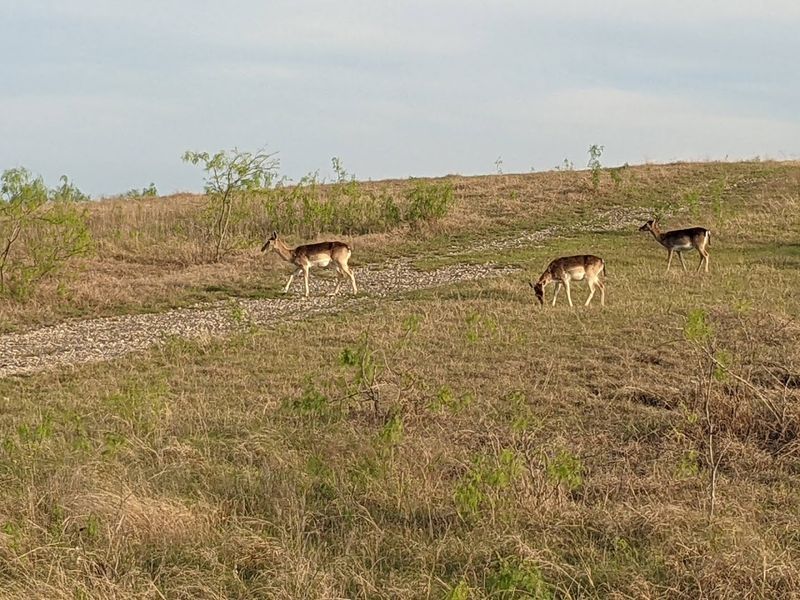
Rabbits, white-tailed deer, and armadillos also make appearances in the rural areas where bluebonnets grow thickest. The wildflower ecosystem supports a surprising diversity of life, reminding visitors that these aren’t just pretty backgrounds for photos—they’re functioning habitats. Teaching kids to notice the insects, birds, and other creatures adds an educational element to your bluebonnet trip.
Just remember to observe from a respectful distance and never chase or try to touch wildlife, which stresses animals and can be dangerous for both parties involved.
7. Best Practices for Bluebonnet Viewing Etiquette
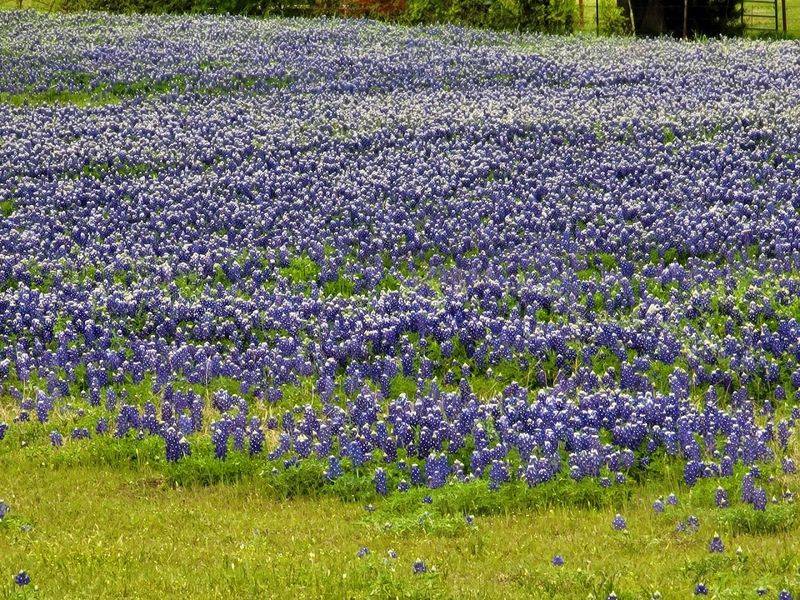
Experiencing the Ennis bluebonnets comes with responsibilities that help ensure these natural displays survive for future generations. The most important rule is simple: don’t trample the flowers. Walking through bluebonnet patches damages plants and compacts soil, making it harder for seeds to germinate next year.
Stick to established paths, road shoulders, and designated viewing areas even when you spot a particularly gorgeous patch just a few steps into the field.
Respect private property boundaries without exception. Much of the land where bluebonnets grow belongs to ranchers and farmers who graciously allow viewing from public roads but don’t want people crossing fences or entering their property. If you see livestock, stay away from them—cows and horses can be unpredictable, and getting too close stresses animals that aren’t used to crowds of strangers.
Dispose of trash properly and never pick the flowers, which is actually illegal on public lands and rude on private property. Many visitors don’t realize that pulling bluebonnets prevents them from producing seeds that create next year’s display. Take only photos and memories, as the old saying goes.
When you follow these guidelines, you help maintain the goodwill of landowners and preserve the natural beauty that makes Ennis special. The bluebonnets will thank you by returning in full glory next spring.
8. Planning Your Visit and What to Bring
Timing your Ennis visit requires monitoring bloom reports since weather variations shift peak viewing dates each year. The Ennis Chamber of Commerce posts regular updates on their website and social media throughout March and April, letting you know when flowers hit their stride. Weekdays see lighter crowds than weekends, making for more peaceful drives and easier photo opportunities at popular spots.
Pack essentials that make outdoor spring adventures more comfortable. Sunscreen and hats protect against surprisingly strong April sun, while comfortable walking shoes help when you’re exploring on foot. Bring plenty of water and snacks since you’ll be driving through rural areas without many convenience stores.
A camera or phone with a charged battery is obvious, but consider bringing a portable charger too since you’ll probably take dozens of photos.
Check weather forecasts before heading out—spring thunderstorms can roll through Texas quickly, and you don’t want to be caught in a field during lightning. Gas up before leaving major highways since fuel stations become sparse along the bluebonnet trails. If you’re visiting during the festival weekend, book accommodations well in advance because hotels in Ennis and surrounding towns fill up fast.
With proper planning and realistic expectations about crowds during peak season, your bluebonnet adventure becomes the memorable Texas experience you’re hoping for.