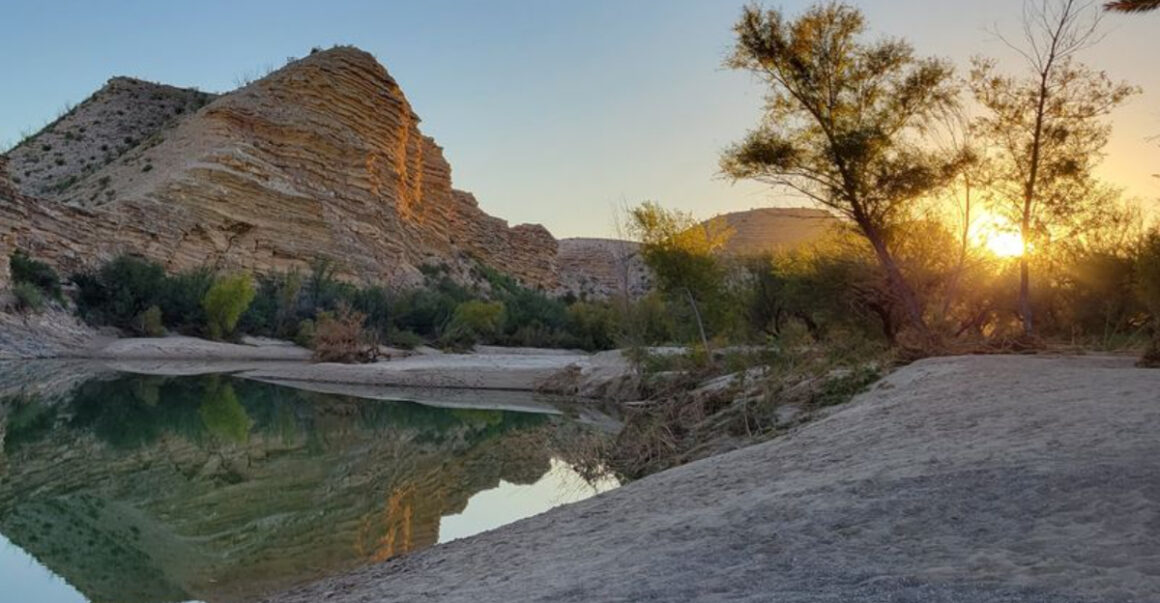
Down in Big Bend country, a riverside pool bubbles at 105 degrees and locals swear it resets the clock on tired bodies. Langford Hot Springs is where desert silence, mineral water, and the Rio Grande’s cool current meet in one restorative ritual. The secret is how heat, minerals, and contrast work together on circulation, stress, and recovery.
If aging feels like stiffness and stress, this place shows you another way to move, breathe, and feel alive again.
1. The 105 degree soak
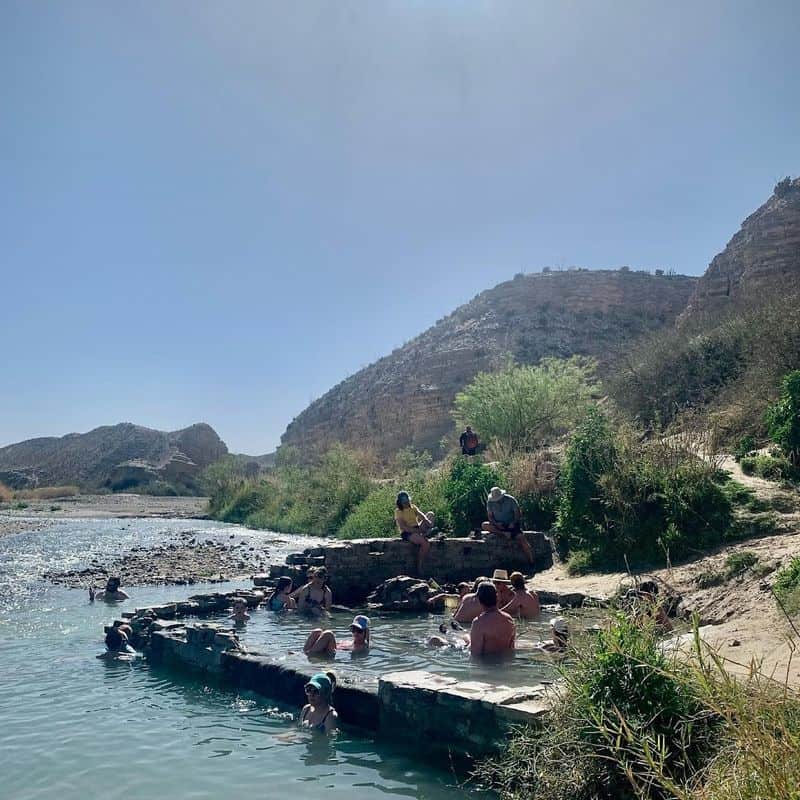
Langford Hot Springs holds steady near 105 degrees, a sweet spot your body recognizes immediately. Warmth at this level nudges peripheral blood vessels open, improving microcirculation without tipping into exhaustion. After a morning hiking Big Bend’s sandy trails, you feel the heat softening calves, hips, and lower back, like a deep massage without pressure.
You can alternate by slipping into the Rio Grande’s cooler flow, then easing back over the stone wall for another soak. That contrast training wakes up your vascular system, encouraging elasticity that supports recovery and may help you feel younger, longer. Keep sessions mindful, about fifteen minutes at a time, while sipping water and listening to your breath.
Early mornings or winter visits tend to be calm, steam lifting while sunlight edges the cliffs. Bring simple sandals for the dirt trail and a towel you do not mind dusty. Set an intention, ease in slowly, and let the desert teach patience.
If crowds gather, offer space and share the edge politely because the pool is small. You will still hear the river, the breeze, and birds on both shores. Those quiet cues, paired with water, cue your nervous system toward rest, which supports your body’s natural repair.
2. Mineral mix that matters
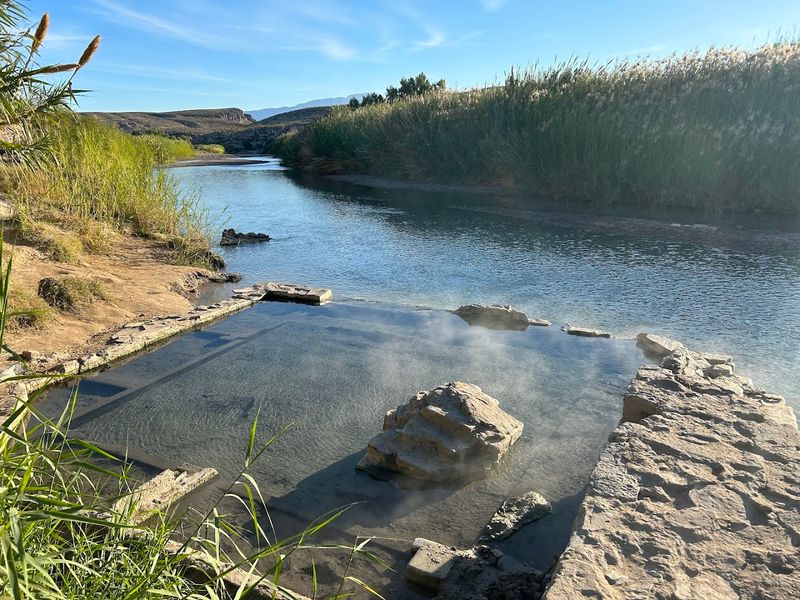
People come asking what is in the water, and the answer is a balanced mineral blend that feels gentle yet effective. Traces of calcium and magnesium are known to play roles in muscle relaxation, while sodium and bicarbonate can encourage a silky skin feel. You notice it the moment your shoulders drop, like exhaling after a long week.
Mineral baths do not need to be extreme to help. The steady 105 degree environment delivers ions to skin’s surface while heat enhances absorption, particularly where circulation improves. After a few intervals, joints may move more freely and tight fascia softens, setting up better posture for the rest of your trip.
The result is not magic, just supportive chemistry meeting steady heat and patient breathing. It is the difference between forcing recovery and allowing it. That permission alone eases the fight or flight loop that makes you feel worn down.
Rinse lightly after soaking, and hydrate to keep electrolytes balanced. If your skin is sensitive, limit time and test before longer sessions. Respect the pool, the river, and the desert, and the springs will return the favor with that loose, refreshed feeling that lingers into tomorrow.
3. Hot cold river contrast
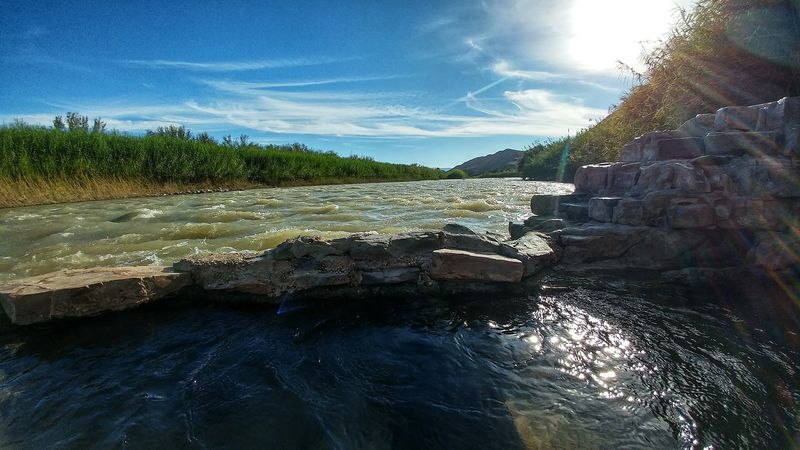
The signature move here is simple. Soak in the warm pool, breathe slow, then slide over the low wall and drift into a cool eddy of the Rio Grande. That gentle temperature swing wakes your body from the inside out, like flipping a natural recovery switch.
Contrast does not need to be dramatic. Even a modest drop from hot to cool encourages vessels to constrict and dilate rhythmically, which trains elasticity. That flexibility supports healthier blood flow when you are back home sitting at a desk or hiking another canyon.
Two or three cycles are enough. Keep safety first by choosing a calm pocket of river, staying aware of current and footing, and exiting before shivers set in. Between rounds, sit on the stone ledge, drink water, and watch sunlight shimmer across Mexico’s far bank.
The rhythm of it all is the point, not bravado.
You will feel a bright, alert calm spread through tired legs and shoulders. That is your nervous system noting safety and balance. It is a grounded feeling that reads as youthful because it makes effort feel easy again, which is maybe the best reason to keep returning.
4. Historic bathhouse ruins
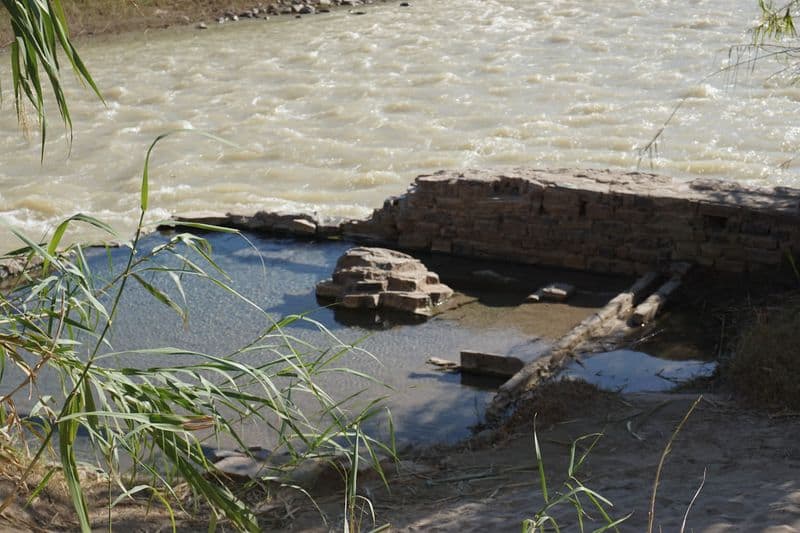
Walk the short dirt trail and you will find the bathhouse ruins, a sandstone reminder that people have sought these waters for generations. The walls hold stories of travelers who paused here to rest, recover, and continue across the desert. Standing among the stones, you sense how ritual shaped resilience long before wellness became a buzzword.
History influences how you soak today. Slow down near the ruins, read the interpretive signs, and set a simple intention before stepping into the pool. When you connect to a place this way, stress eases because your attention lands fully in the moment.
That presence amplifies the benefits of heat and minerals, making each breath feel restorative. It is practical, not mystical. Seeing what endured gives perspective, and perspective lowers the background noise that ages you faster than years.
Snap a quick photo if you like, but resist rushing. Let the shade and stone frame the Rio, and listen for wingbeats skimming the water. The ruins teach that maintenance is not a sprint.
It is steady care, taken often, which is exactly what these springs invite you to practice.
5. The half mile approach
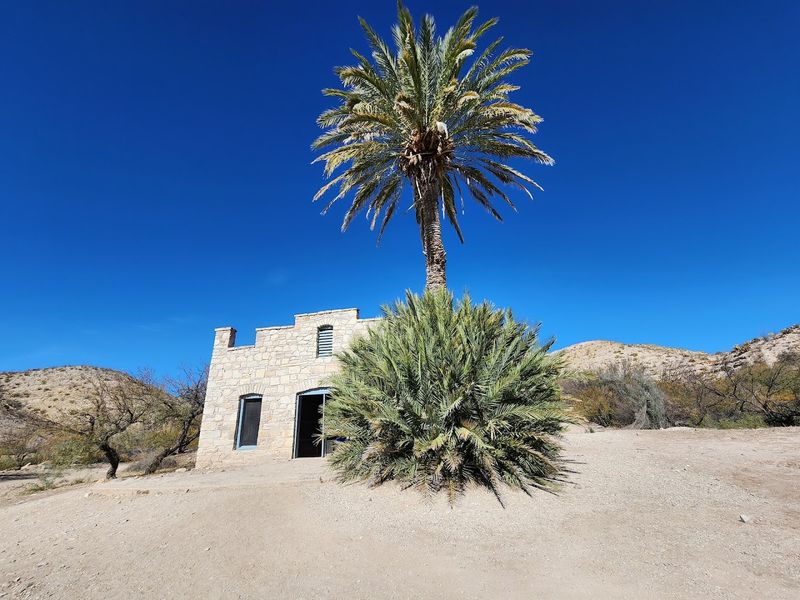
The approach is part of the therapy. From the parking area, it is about a half mile along a sandy, mostly flat trail with river views and cliffside textures. You feel your breath settle as footsteps find rhythm, priming your body for the soak ahead.
Think of the walk as gentle warmup. Wear breathable layers, a sun hat, and simple sandals or sturdy water shoes that handle grit. Bring water because desert dryness sneaks up fast, even in winter.
The path can feel longer going in than coming out, which is a good sign you are already relaxing. Keep eyes on the trail where it narrows beside small drop offs, and be kind to knees by easing your pace. Morning shade helps, and evening colors are beautiful, but always give yourself time to return before dark.
The less you rush, the more you absorb.
Arrive ready to soak without a changing room. A lightweight towel, a dry bag, and sunscreen are your allies. By the time the pool’s steam curls into view, your mind is quieter, joints are ready, and the rest happens almost on its own.
6. Stress downshift protocol
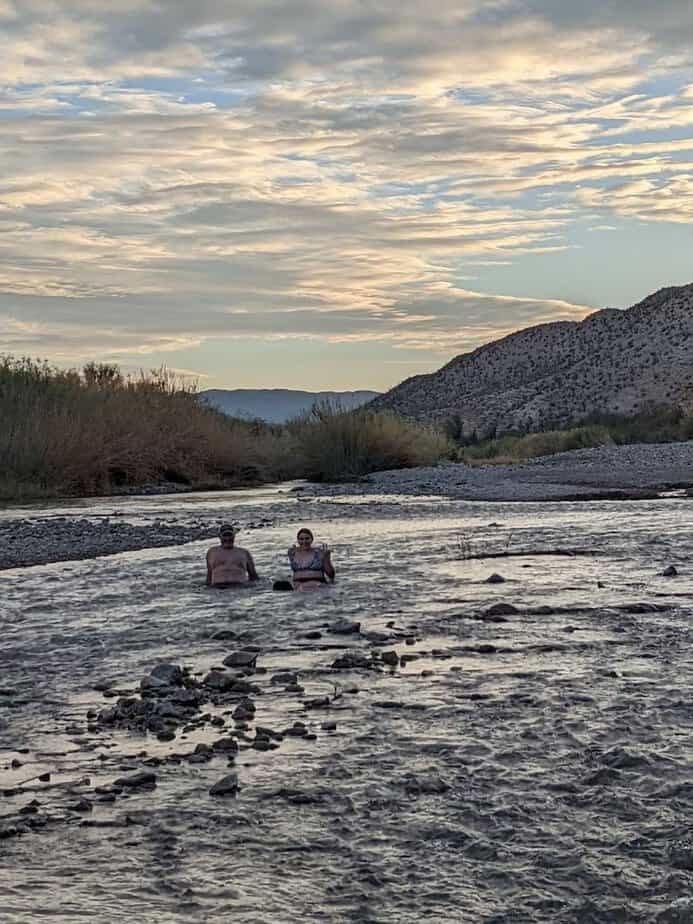
If aging feels like your body is always braced, Langford Hot Springs offers a reset button. Start with five slow breaths at the edge, matching exhale to a four or five count. Think length, not force.
Slide in, let shoulders float, and notice three details around you to anchor attention.
After five minutes, sip water, relax your jaw, and allow your back to rest against the warm stone. Alternate pool and cool river in short rounds. End with warmth, then sit quietly for two minutes before you stand.
This small protocol nudges your nervous system toward parasympathetic mode, the place where digestion, tissue repair, and sleep quality improve. It is everyday biology, accessible through heat, breath, and pacing. You will walk away feeling taller, clearer, and less hurried, which is how many describe feeling younger.
Keep it simple. No phones in hand, minimal talk, and a clear intention to let the desert set the tempo. The quieter you are, the more the water teaches.
That lesson follows you home, turning ordinary nights into deeper rest and ordinary mornings into better momentum.
7. Winter is prime time
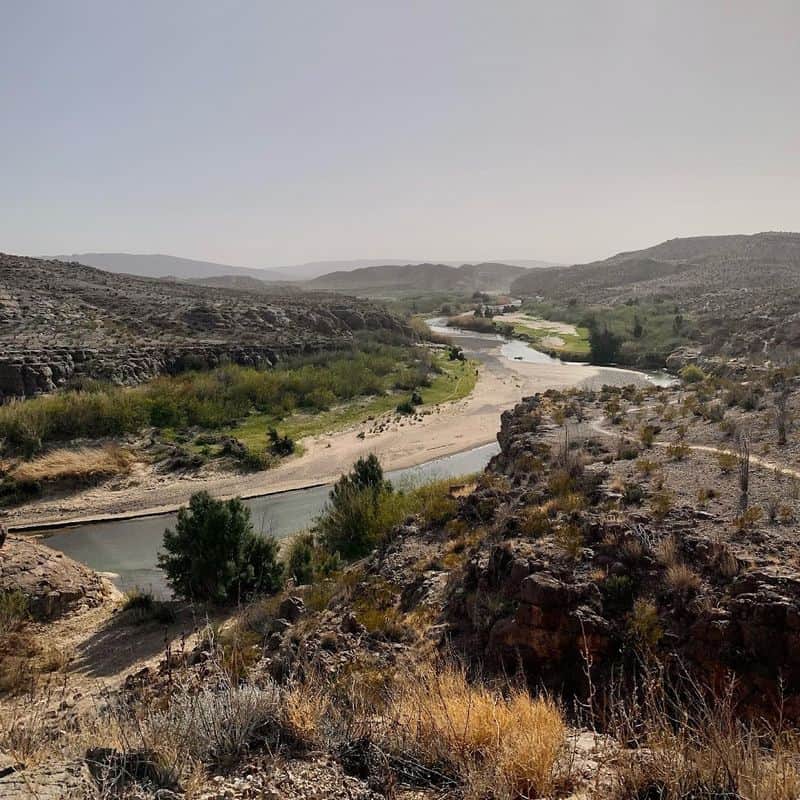
Locals whisper that winter is when the springs feel most magical. Cold air meets hot water, and steam turns the pool into a quiet sanctuary framed by pale desert light. Crowds are lighter early, and the contrast feels perfect on joints that protest chilly mornings.
Dress in layers you can peel off, stash them in a dry bag, and keep a warm beanie within reach for post soak comfort. Hydrate even if you do not feel thirsty. The dry air and heat can team up to dehydrate faster than you expect.
On windy days, position your back to the breeze for warmth conservation. Always check current access conditions because roads or short trail sections can close after storms. If you catch a bluebird morning, you will remember the way steam lifts and sunlight paints the cliffs like a postcard.
There is something about winter quiet that encourages longer, deeper exhales. That is when shoulders finally drop, sleep debt starts to shrink, and you leave feeling renewed. Visit patiently, share space, and let the season do the heavy lifting while you simply float.
8. Skin and joint TLC
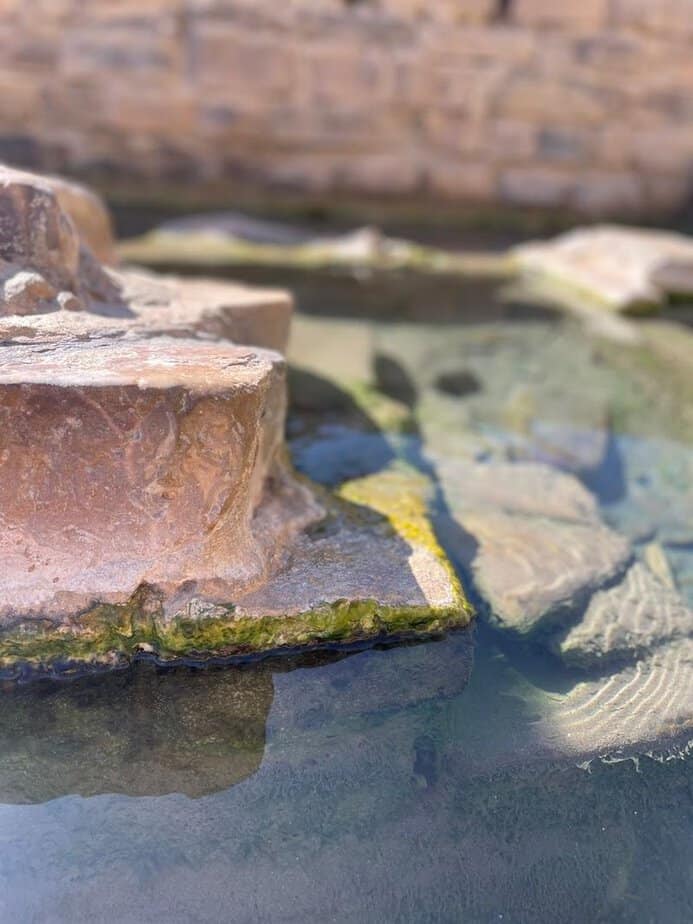
Mineral heat is like kindness made visible. Knees that complain after long hikes find buoyancy, and hands chilled by river breezes warm quickly. The water’s glide helps you move through gentle ranges without strain, giving connective tissues a forgiving environment to loosen safely.
Start with small circles at ankles, wrists, and hips. Let warmth do most of the work while you keep movements slow and curious. After a few minutes, rest in stillness and notice how skin feels nourished instead of tight.
Some bring a travel cup for sipping water between sets of stretches. That tiny pause extends benefits by reminding your system it is safe to rest. Skip harsh scrubs and keep sunscreen simple so skin can enjoy the soak without irritation.
If you have sensitive areas, limit time, listen closely, and exit earlier than planned rather than overdoing it.
The goal is to leave better than you arrived. When joints feel smoother and skin feels soft, everyday tasks back home feel easier too. That ease is a quiet antidote to the stiffness many label as aging, and it is available here, one unhurried breath at a time.
9. Etiquette for a small pool
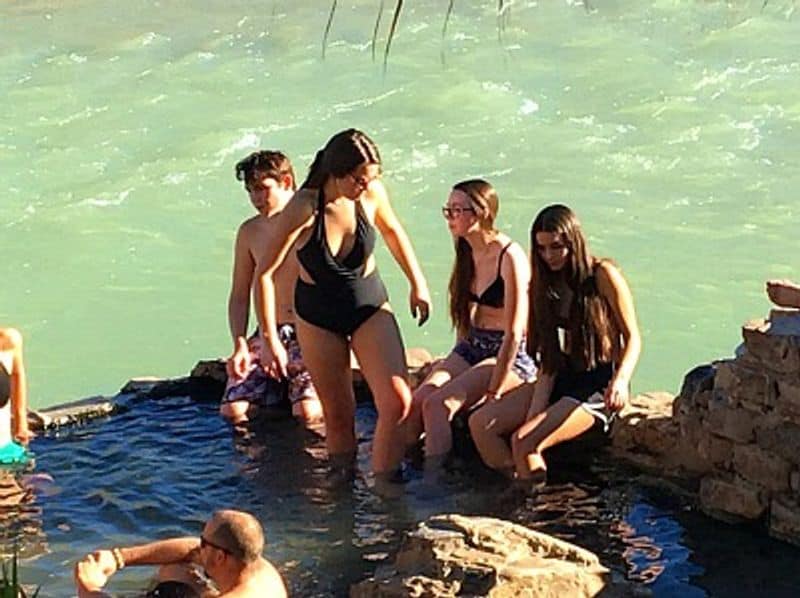
The pool is small, which makes etiquette part of the healing. Arrive early, rotate spots, and keep voices low so everyone can hear the river. Offer a smile, share the edge, and remember that moving slowly keeps water clearer and the vibe calm.
Limit gear to essentials and stash bags neatly along the wall. Sand, silt, and high water can change the pool’s shape, so stay flexible and patient when nature rearranges the seating chart. Skip glass, pack out everything, and leave more than you found.
If someone needs a moment for a quiet contrast dip, make room and cheer them on with eye contact, not noise. This is neighborly wellness, and it works best when we treat each other like locals. A little kindness here becomes a habit you take home.
When you give space, you receive space. That shared care lowers stress for the whole group, which just so happens to be great for recovery. The water carries good manners like heat carries calm, and you will feel the difference in every breath.
10. Safety, access, and updates
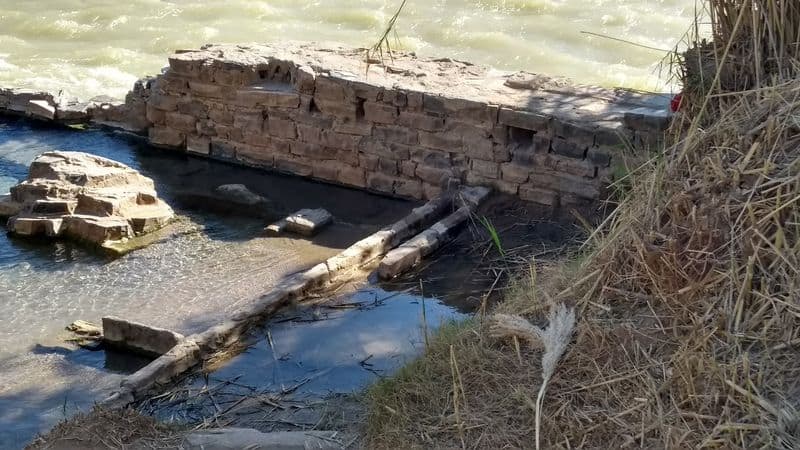
Before you go, check the National Park Service page for Langford Hot Springs for road status, trail conditions, and any temporary closures. Desert weather moves fast, and high water can reshape the pool or limit access. Plan conservatively, especially with kids or if you are far from cell service.
Bring water, sun protection, and footwear that can handle wet stone and sand. Keep soaks modest if you have medical concerns, and always listen to your body over any plan. If the river is running high or fast, skip cold plunges and stay within the comfort of the pool.
Remember, you are many miles from the nearest hospital, so prevention is smart. Visiting at off peak times reduces crowding and makes the experience safer and more serene. Park respectfully, secure valuables, and give wildlife distance, even the charming wild horses across the river.
Safety is not a killjoy. It is the foundation that lets the magic of the place do its work. When the basics are handled, your system can downshift fully, and that is where the recovery you came for truly begins.
11. Why it feels like aging in reverse
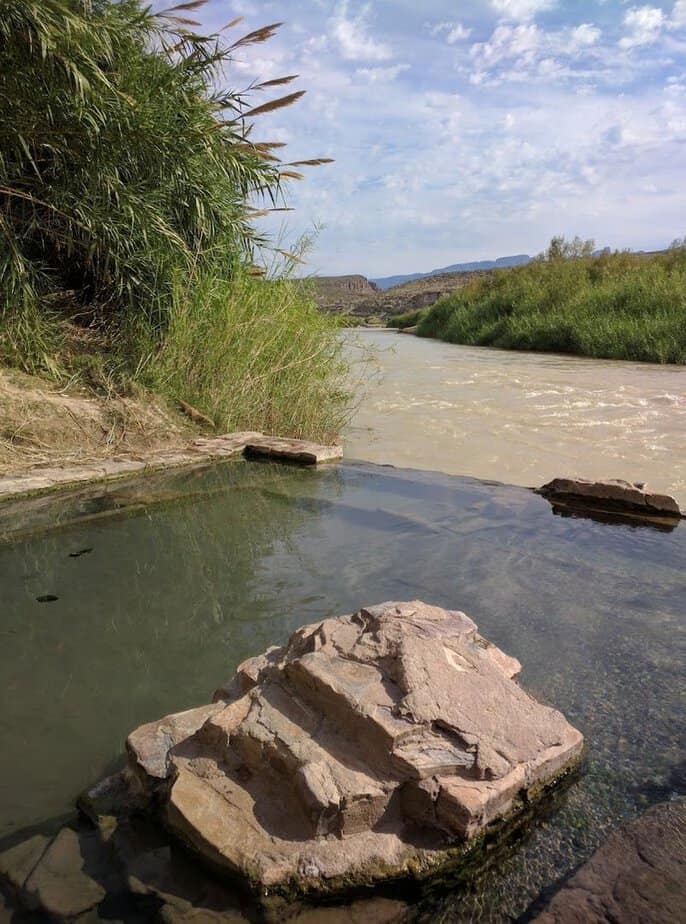
The springs are not a fountain of youth, but they simulate the conditions your body loves. Heat loosens, minerals support, contrast trains vessels, and a slow setting coaxes the nervous system out of constant alert. Put together, those ingredients mimic how you feel after a great night’s sleep and an easy morning.
That combination makes movement easier and thoughts clearer, which reads as younger to most of us. You leave with looser hips, steadier breath, and a calmer outlook. Back home, those gains stack when you keep drinking water, walking daily, and carving quiet time.
Think of Langford as a catalyst, not a cure. Visit respectfully, follow the rhythm of soak, sip, cool, rest, and you will notice how your body cooperates. Even a single session can reset momentum toward better habits.
Return when you can, especially in shoulder seasons or winter, and keep the ritual simple. The desert has a way of removing what is not needed, leaving only warmth, water, and sky. Under that big silence, you remember how good recovery can feel, and that feeling is the point.