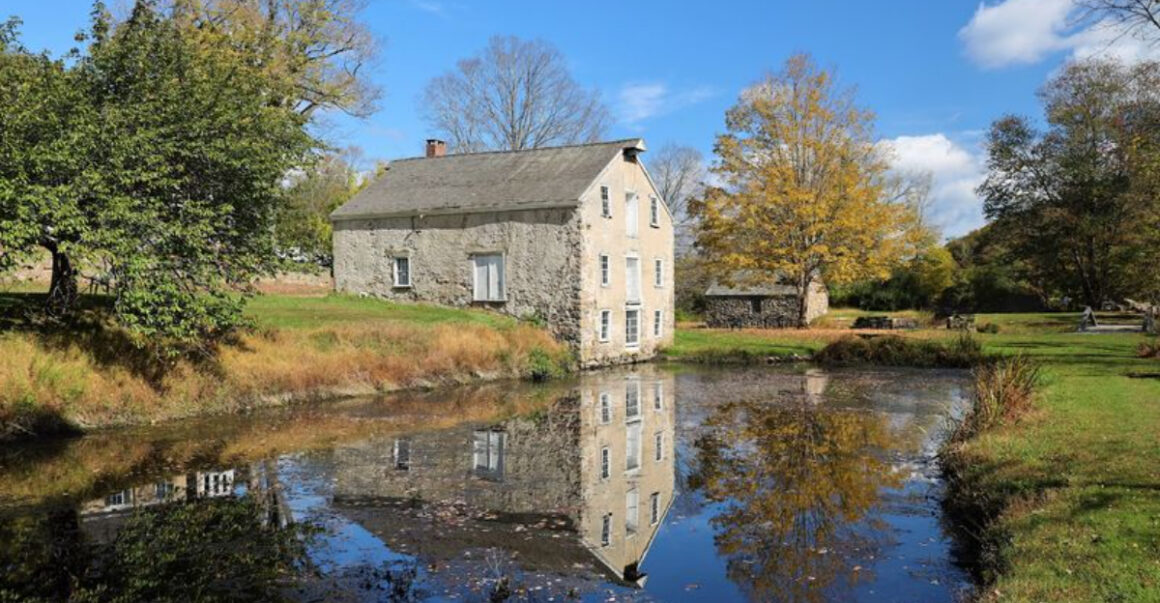
New Jersey does not usually get enough credit for its ruins. People think boardwalks, diners, shore traffic, maybe a Revolutionary War landmark if they are feeling generous.
But tucked into forests, folded into park trails, and half-hidden in the Pine Barrens are the kinds of places that stop you cold: a stone castle with no king, furnace stacks sinking back into the woods, deserted villages that look like they are waiting for someone to come home.
These sites are not polished museum pieces.
That is the fun of them. They feel a little raw, a little strange, and a lot more memorable than another standard weekend stop.
Some require a short hike. Some sit in plain sight.
All of them come with stories—industry booms, vanished communities, ambitious estates, and fires that changed everything. If you like your local history with cracked walls, mossy stone, and a hint of mystery, New Jersey has plenty to show you.
1. Van Slyke Castle
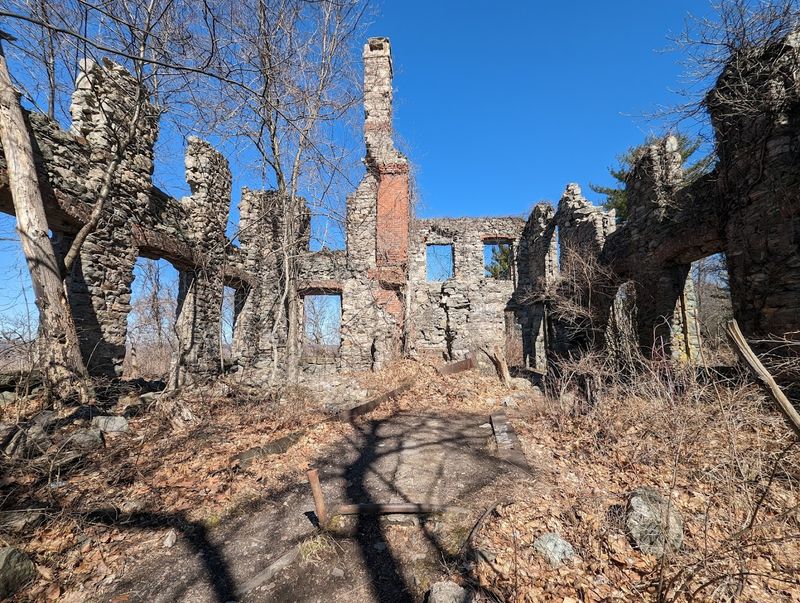
High above Ramapo Lake, the ruins of Van Slyke Castle deliver exactly the kind of drama the name promises. This is not a royal fortress, of course, but the remains of an early 20th-century stone mansion built by stockbroker William Porter.
Later, it passed to the Van Slyke family, and over time the place picked up the castle nickname that still sticks. Today, what remains are thick stone walls, arched openings, staircases that lead nowhere, and sweeping views that make the climb feel worth every step.
The hike through Ramapo Mountain State Forest adds to the mood. You move through quiet woods, then suddenly this crumbling shell appears like New Jersey decided to try gothic fiction for a while.
It is one of those places that makes people lower their voice without realizing it. Even in ruin, the structure still feels grand.
It is easy to picture the mansion in its heyday, but the broken version is honestly more interesting. Few places in the state combine scenery, history, and that eerie, storybook look quite this well.
2. Deserted Village of Feltville
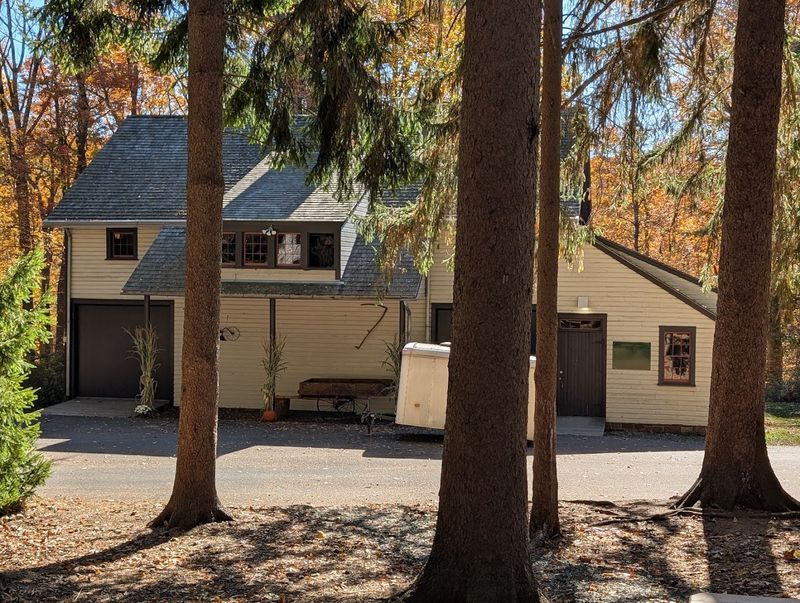
Tucked inside the Watchung Reservation, Feltville is the kind of place that makes you double-check you are still in suburban New Jersey. What started as a mill village in the 19th century later shifted into a summer retreat, and the result is a cluster of old buildings with a distinct in-between feeling.
They are not flattened ruins, but they are not exactly thriving either. Empty houses, weathered facades, and quiet lanes give the whole area a wonderfully unsettled atmosphere.
The beauty of Feltville is that it does not need much imagination to work on you. You can walk around and immediately feel the layers: industrial ambition, local reinvention, slow decline.
It has the strange charm of a place that kept trying to become something new and finally just stopped. Because it sits within a larger park, it also makes for a very easy outing.
You get trails, woods, and history all in one shot. For readers who love abandoned places but do not want a hardcore trek, this one is a perfect entry point.
3. Long Pond Ironworks
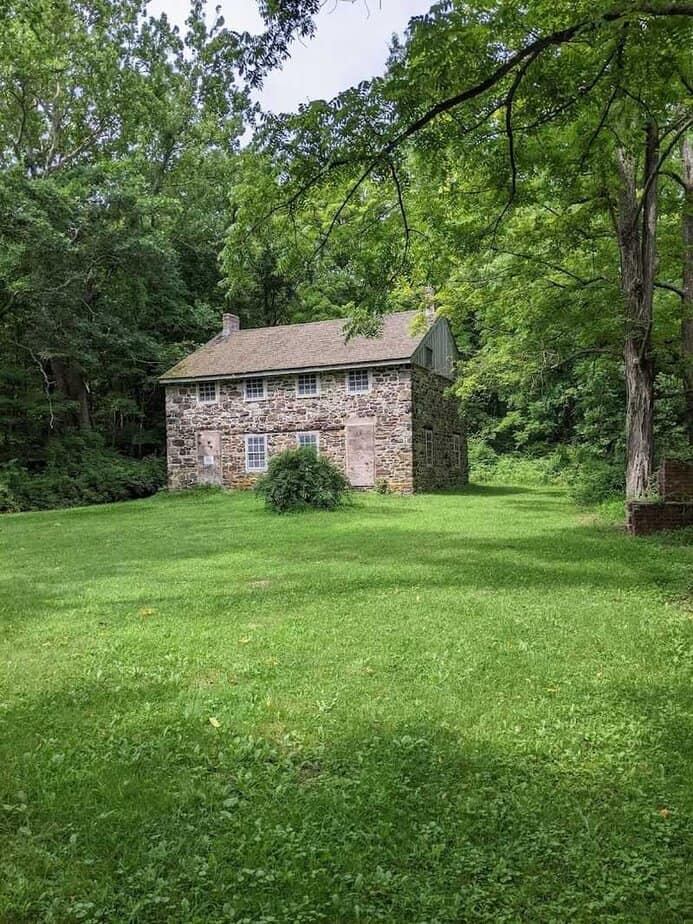
Deep in Ringwood country, Long Pond Ironworks feels like the Pine Barrens’ northern cousin: industrial, rugged, and quietly haunting. Founded in the 18th century, the ironworks once supplied everything from stoves to shot and shell, helping fuel multiple chapters of American history.
What survives today is not one tidy relic but a landscape of remains. Stone furnace ruins, foundations, waterways, and fragments of an entire working community are spread through a site that still feels muscular and purposeful even after centuries of decline.
That is what makes it so compelling. You are not just looking at one old wall and reading a plaque.
You are moving through the bones of a production center that once mattered. The surrounding woods soften the scene, but the industrial scale still comes through.
There is also something very Jersey about it: big history, hard labor, and a setting most people drive past without realizing what is there. If you like your ruins with substance, not just aesthetics, Long Pond absolutely earns its place near the top.
4. Weymouth Furnace
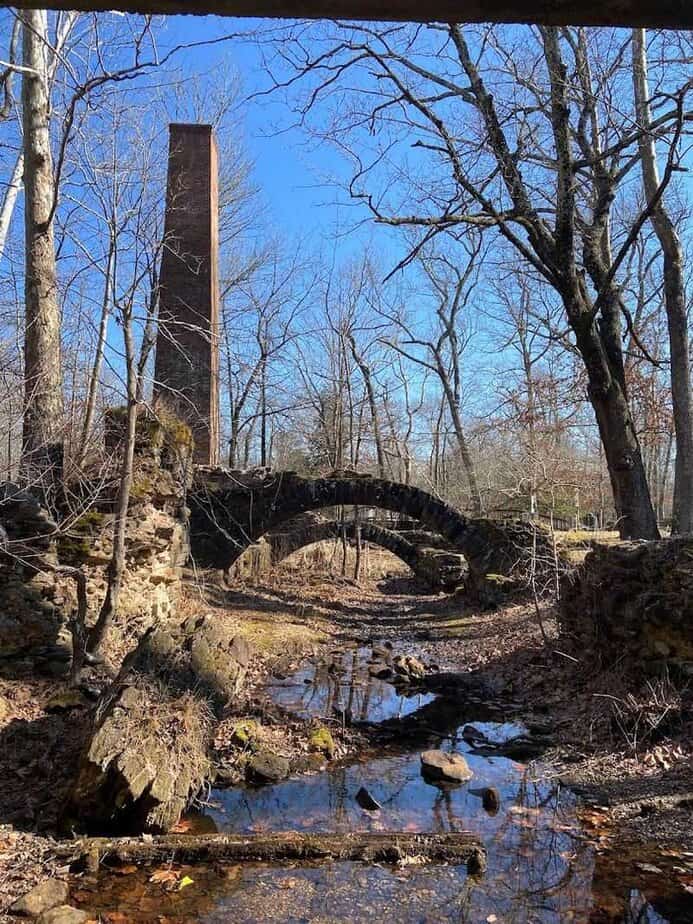
South Jersey does furnace ruins especially well, and Weymouth is one of the best examples. Set along the Great Egg Harbor River, this former ironmaking site dates back to the early 1800s and now sits in a surprisingly peaceful patch of Atlantic County.
The remains are not flashy, which is part of the appeal. You get worn brick and stone, traces of industry, and a riverfront setting that makes the whole place feel almost too pretty for its history.
But this was once a serious operation, tied to the bog iron economy that helped define large parts of southern New Jersey. Standing there now, with trees filling in the edges and water moving past the ruins, you get that classic New Jersey contrast: hard industrial history surrounded by calm natural beauty.
It is the kind of site locals appreciate because it does not announce itself loudly. You have to show up and let it unfold.
Weymouth is also a great reminder that abandoned places are not always creepy. Sometimes they are quiet, thoughtful, and surprisingly photogenic.
5. Harrisville Ruins
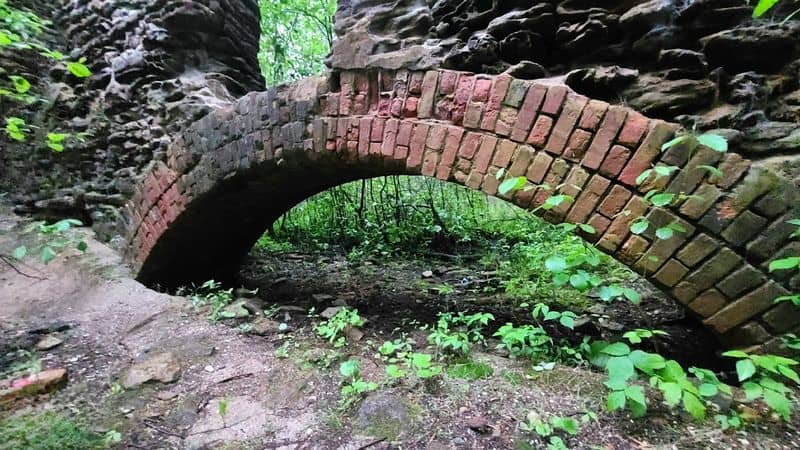
If you want full ghost-town energy, Harrisville delivers. Hidden in the Pinelands, this abandoned settlement grew around a paper mill in the 19th century and later slipped into the long, familiar South Jersey fade of fire, failure, and disappearance.
What remains today are scattered ruins, old foundations, and enough visible traces to make the story feel close rather than abstract. The setting does a lot of the work here.
The Pine Barrens already come preloaded with atmosphere, and Harrisville leans right into that. Sand roads, dense woods, and silence give the place a slightly otherworldly quality, especially if you visit on a gray day.
It feels removed from time in a way that polished heritage sites rarely do. There is also something satisfying about how unglamorous the history is.
This was not a mansion or a monument. It was a working place, built for production, then left behind when the economics stopped making sense.
That makes the ruins feel grounded, not staged. Harrisville is eerie in the best possible way.
6. Hampton Furnace
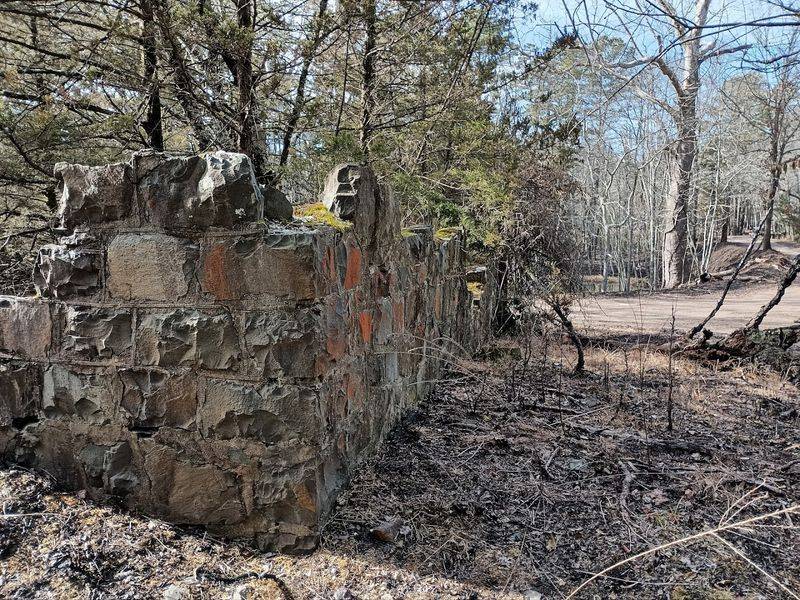
Wharton State Forest has no shortage of history, but Hampton Furnace stands out because the ruins still feel anchored to the landscape that made the place possible in the first place.
Built in the late 18th century and later tied to both iron production and cranberry culture, the site sits along the Batsto River with the kind of scenery that makes you forget you are looking at industrial remains.
Then the masonry comes into view, and the mood shifts. The surviving stonework is rough, low, and worn by time, but that only adds to its character.
This is not a ruin trying to impress you with size. It wins on texture.
Moss, brick, riverbank, forest—everything blends together in a way that feels deeply South Jersey. What makes Hampton especially appealing is that it gives you the Pine Barrens experience without feeling too remote or inaccessible.
You can wander, take in the remains, and still leave with a clear sense of what once happened there. It is modest, memorable, and exactly the sort of place locals quietly love.
7. Waterloo Village
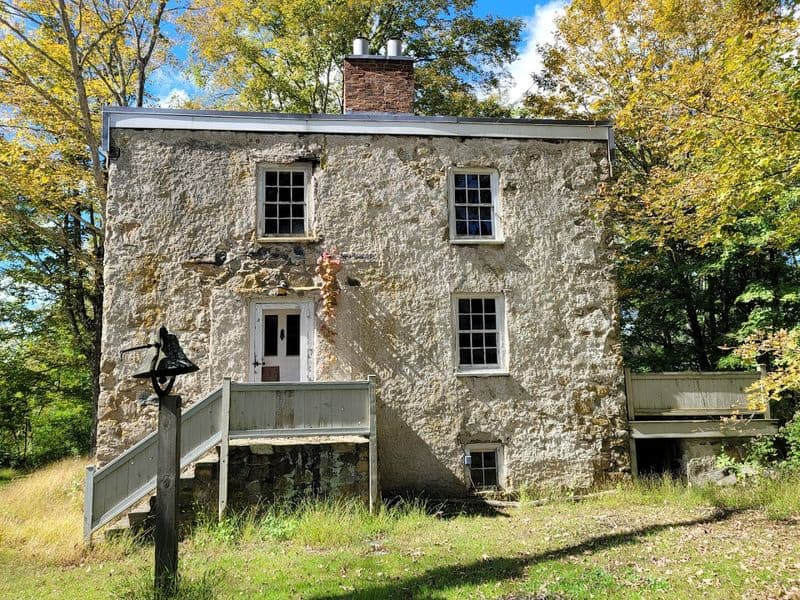
Waterloo is less about one dramatic pile of ruins and more about stepping into a whole fading canal-era world. Located along the old Morris Canal, the village preserves a remarkable slice of 19th-century New Jersey life, and even its worn edges have charm.
Some buildings are restored, others feel more weathered and ghostly, and the surrounding landscape does a lot to sell the atmosphere. The canal itself is a major part of the appeal.
It reminds you that before highways and turnpikes took over the state’s identity, places like this were vital links in trade and transport. Walking through Waterloo feels like reading between the lines of New Jersey history.
You see ambition, commerce, adaptation, and then the long drift into obsolescence. It is not spooky in the theatrical sense, but it has a real after-the-boom feeling that sticks with you.
This is a site for readers who enjoy history with context. You are not just seeing ruins.
You are seeing the remains of a system, a village, and a way of moving through the state that has mostly disappeared.
8. Ellis Island South Side Hospital Complex
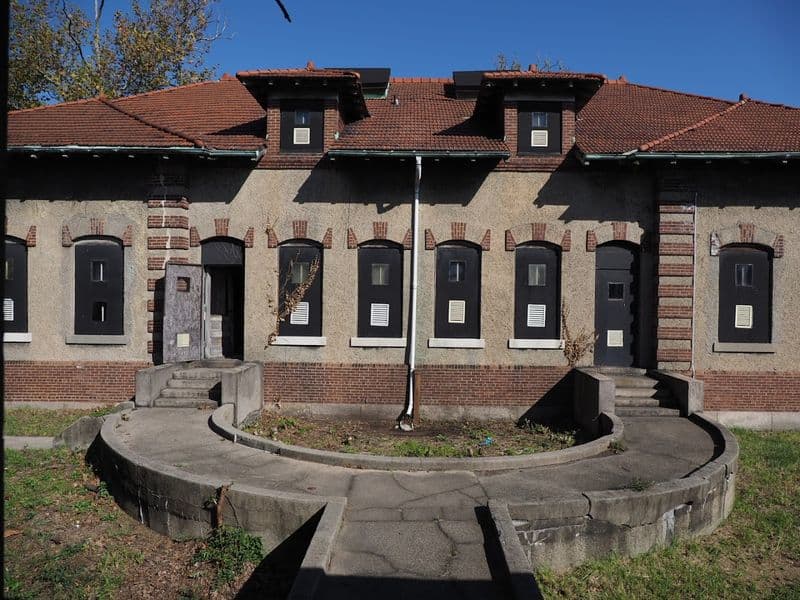
Most people think Ellis Island and immediately picture the grand registry room, but the South Side hospital complex is where the mood gets much stranger.
On the New Jersey side of the island, these unrestored hospital buildings have a different energy entirely—less patriotic postcard, more fading corridor-of-history.
Patients were treated here after long Atlantic crossings, and the surviving structures still carry that sense of urgency, uncertainty, and human drama. The buildings are weathered and partly stabilized rather than fully restored, which is exactly why they are so memorable.
Peeling surfaces, skeletal interiors, and long-abandoned medical spaces make this one of the most visually striking historic sites in the state. It also feels deeply personal.
These ruins are tied to immigration stories, illness, hope, and fear, all at once. That gives the place emotional weight beyond its appearance.
The skyline views only sharpen the contrast. You are standing in a decaying complex filled with old-world history while Lower Manhattan glitters nearby.
Very few New Jersey ruins can match that combination.
9. John’s Woods mansion ruin
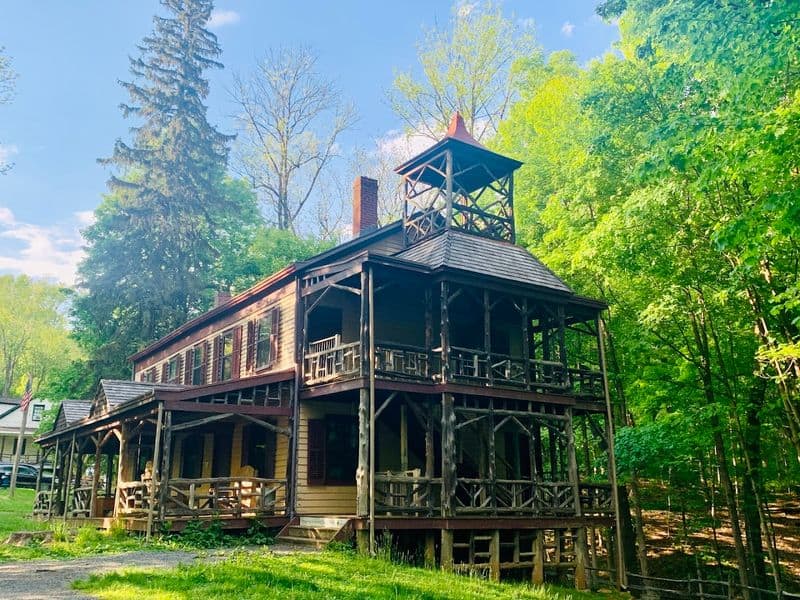
John’s Woods feels like the kind of place you hear about from someone who grew up nearby and is almost annoyed the secret got out.
Part of a preserve connected to the old Weymouth iron-making world, this ruin was once the mansion site of the ironmasters, and now it sits tucked into the woods with a low-key, hidden quality that makes finding it half the fun.
The structure is not enormous, but it does not need to be. Broken walls, stone remnants, and the sense of a once-important estate fading back into the landscape are enough to make an impression.
What makes this site especially good for a ruins roundup is the contrast it offers. Weymouth Furnace tells the story of labor and production.
John’s Woods hints at the people who oversaw it from a more comfortable distance. That social layer gives the ruin extra depth.
It is also wonderfully unpolished. No grand presentation, no overexplaining, just a trail, some quiet woods, and the remains of a place that once mattered very much to the people who built it.
10. Split Rock Furnace
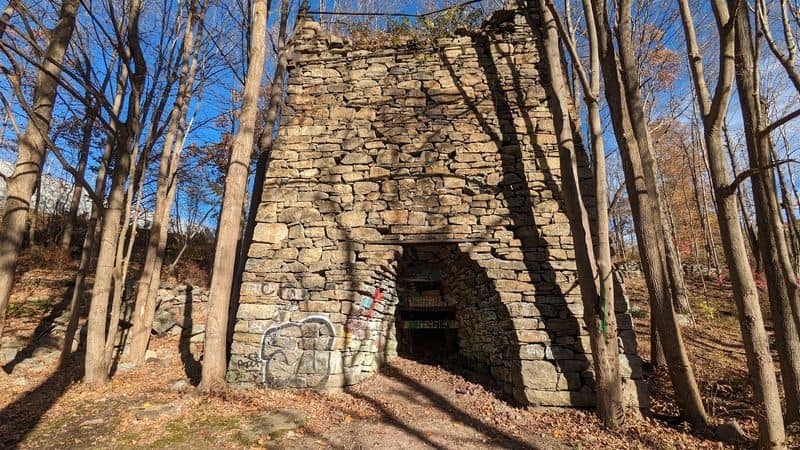
The remains of Split Rock Furnace are pure industrial archaeology, and that is exactly why the site deserves more attention. Hidden in Morris County, this 19th-century blast furnace does not come with the theatrical look of a castle or the narrative ease of a ghost town.
Instead, it offers something tougher and more rewarding: the physical remains of serious ironmaking infrastructure. The stone stack still rises with surprising authority, even in its worn state, and the surviving masonry gives you a clear sense of scale.
This was heavy industry, not decorative history. It is the kind of ruin that makes you think about heat, noise, labor, and the sheer force required to keep a place like this operating.
Because it is less famous than some other sites, it also retains a strong feeling of discovery. You get the pleasure of seeing something substantial that many New Jersey residents have never heard of.
Split Rock is a great inclusion for readers who like their history rough-edged, specific, and a little off the usual weekend radar.