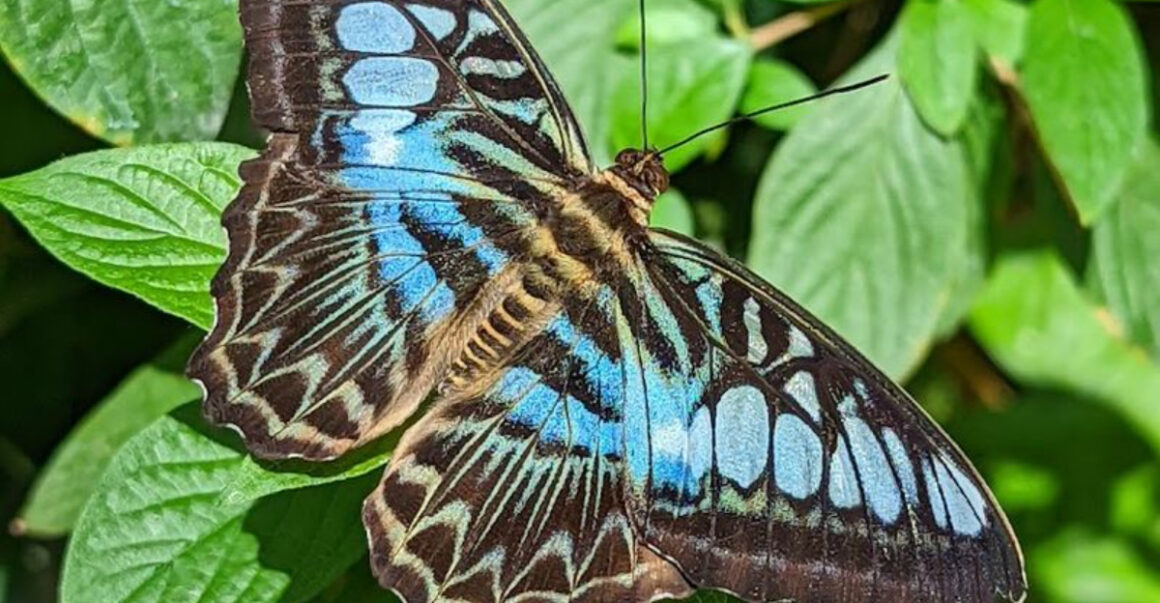
Tucked inside the Houston Museum of Natural Science is a lush, glass oasis where butterflies swirl like confetti over a rainforest waterfall. The Cockrell Butterfly Center feels worlds away from the city, yet it is right in Hermann Park waiting for you to wander in. Come curious, leave dazzled, and maybe even with a butterfly perched on your shoulder.
1. Stepping Into the Rainforest Conservatory

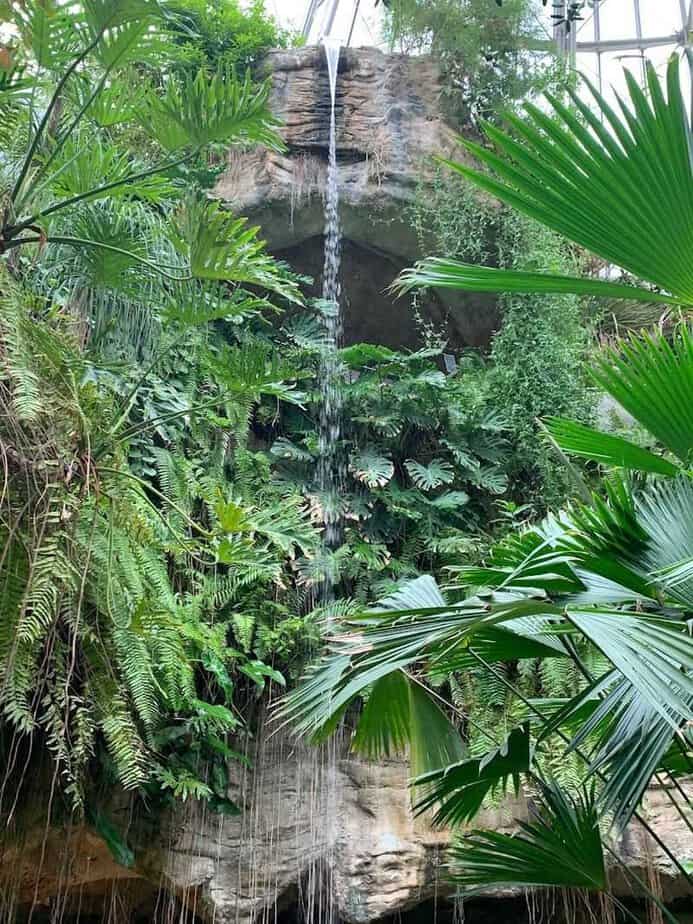
Step inside the glass conservatory and the air shifts to warm, earthy, and alive. A 50 foot waterfall rumbles beside towering palms while blue morphos drift past like living confetti. You slow down instinctively, because butterflies set the pace here.
Look closely at the nectar trays and you will see wings patterned like stained glass sipping calmly. Follow the spiraling path up three levels to watch them ride the rising air, then pause on the bridge for the best photos. If you wear bright colors, one might land on your shoulder, turning you into part of the exhibit.
Take a minute to read the small signs tucked among bromeliads and orchids. They explain host plants, mimicry, and why you should never touch delicate wings, even when a butterfly feels friendly. You will leave feeling lighter, the waterfall still in your ears, and the city somehow quieter outside.
Plan your visit for a weekday morning if you want fewer crowds and slower moments on the bridge. Bring a small water bottle and a lens cloth, since the humidity fogs cameras quickly. Most of all, give yourself permission to wander, breathe, and let wonder take over for a little while.
2. Brown Hall of Entomology Highlights
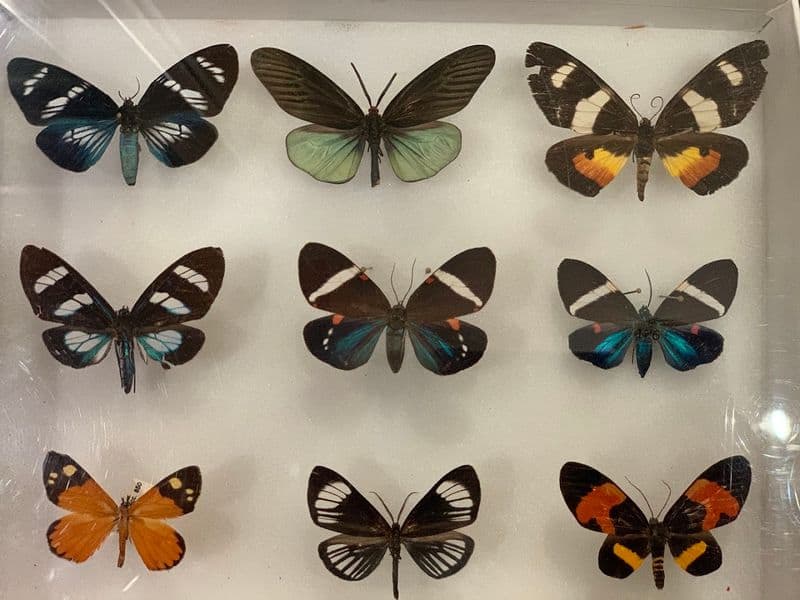
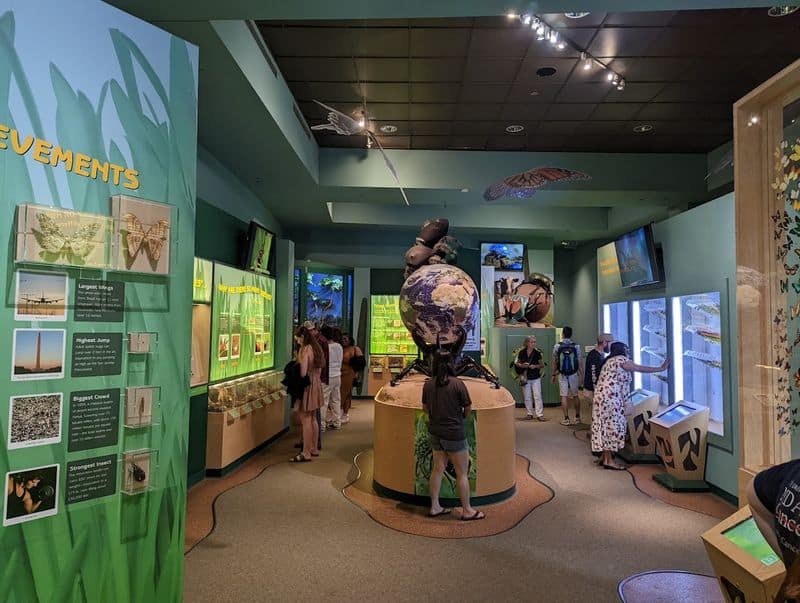
Before you reach the butterflies, Brown Hall of Entomology pulls you into a world of armor, antennae, and impossibly clever adaptations. You will meet leaf cutter ants marching like tiny commuters and tarantulas that look impossibly soft up close. Every display feels designed to invite a question from you.
Try the interactive stations where you can test mimicry, match insects to habitats, and peek at magnified wings. Kids light up here, but adults get hooked too, especially when a staff member shares a quick story. It is hands on without being overwhelming, with clear labels that reward a slow read.
Live specimens add a thrill you can feel. Watching beetles burrow or stick insects vanish against a twig will change how you notice the park outside later. The more you linger, the more you realize how much life is humming underfoot every day.
Take photos of the diagrams to revisit facts while you walk the conservatory. If you or your kiddo love creepy crawlies, ask about scheduled bug talks when you arrive. You will appreciate the butterflies even more after seeing their cousins and neighbors in all their strange, brilliant variety.
3. Butterfly Release Moments
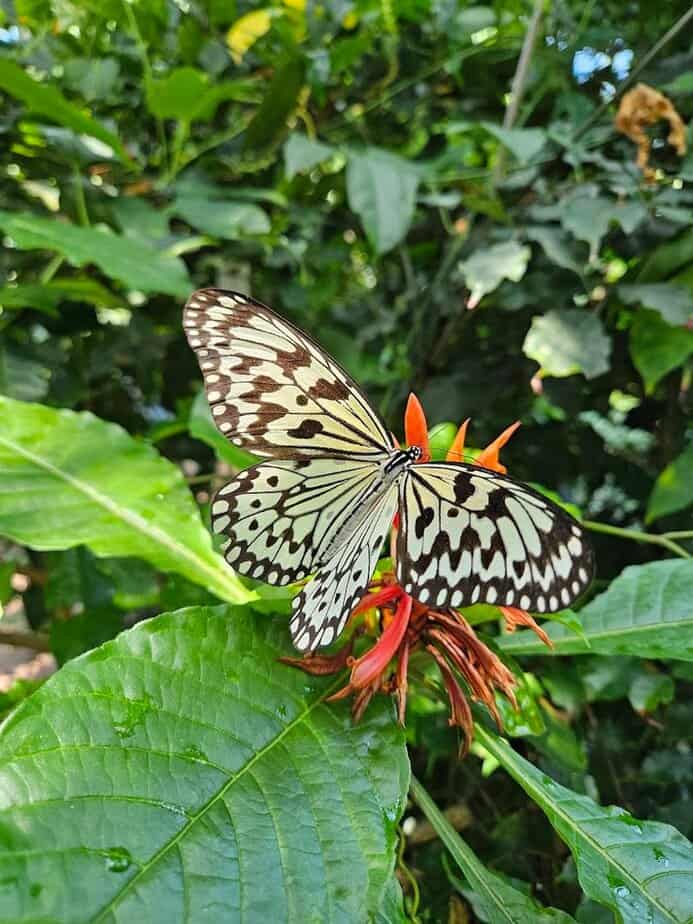
You might see guests gathered near a small station, holding cups with delicate cargo. The paid release experience invites you to open the lid and watch a butterfly step into its first flight. It is quiet, careful, and unforgettable when those wings catch the light.
Listen for a staff member explaining how newly emerged butterflies warm up and test their strength. If you choose to participate, be patient and gentle, letting the butterfly climb at its own pace. It is not guaranteed to launch dramatically, but even a small flutter feels intimate and bright.
Whether you release one or simply watch, the message is the same. These creatures are living, fragile, and worthy of space, so resist touching wings or coaxing them to move. Keep hands still and let the moment unfold naturally while you take it in.
Bring a friend to film, then put your phone away for a breath or two. The memory lands better when you are present. You will carry that soft beat of wings with you long after the humidity fades and doors open back to Houston.
4. Photography Tips Inside the Dome
Shoot as soon as you enter, because lenses fog less before your body warms up. Keep a microfiber cloth handy and let gear acclimate while you scout perches near nectar trays. You will find the best light along railings on the second level, where butterflies hover at eye height.
Use burst mode for takeoffs and focus on flowers, not wings, to catch motion with sharp anchors. Wear bright, solid colors that attract curious visitors, then stand still for a few seconds. A gentle landing can become your favorite portrait without any chasing or touching.
Watch the waterfall spray, because tiny droplets can speckle your shot. Step back, angle slightly upward, and include palms or bromeliads to frame the scene like a travel magazine. Patience here pays off, and the background hum of water keeps everyone settled.
Phones do great if you move slowly and tap to expose for the butterfly, not the sky glow. Avoid flash to protect eyes and keep colors true. You will leave with images that feel like postcards from a rainforest you somehow stepped into on a Tuesday.
5. Family Friendly Game Plan
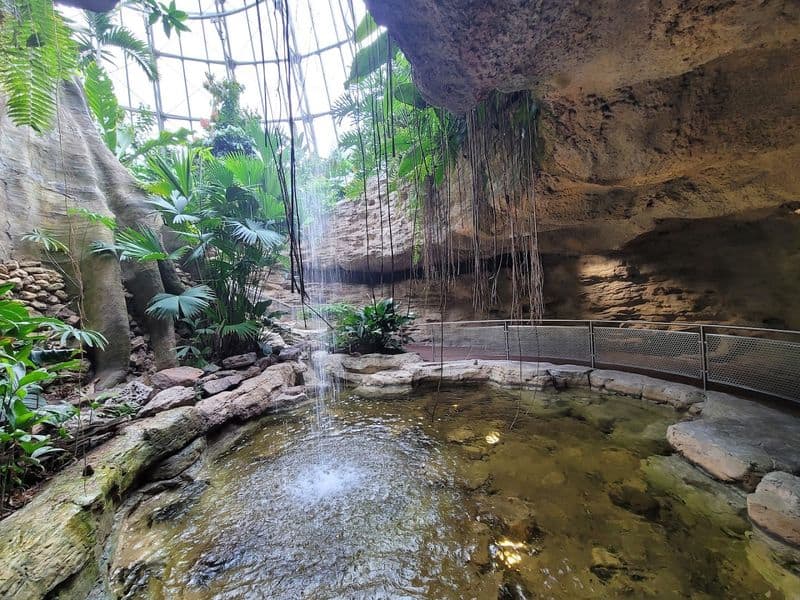
Start your visit in Brown Hall to burn off kid energy with buttons, levers, and big models. Then enter the conservatory during a feeding window so little eyes spot action quickly. Strollers fit the ramps, but you will love the freedom a baby carrier gives on busier days.
Make a butterfly bingo card before you go, with squares for blue morpho, owl butterfly, and zebra longwing. Add a bonus box for the iguana or turtles often seen sunning on rocks. Snacks are best saved for after, since food is not allowed inside the habitat.
Set a photo rule early so you are not juggling phones and small hands near water. Take turns being the spotter, the photographer, and the reader of signs. Kids stay engaged when they have a job that changes every few minutes.
Plan bathroom stops before the dome, then move slowly so curious wings can find you. If your child gets nervous, choose a quiet corner bench and watch from there. You will leave with wide eyes, new bug facts, and a bedtime story that practically tells itself.
6. When To Go and How Long To Stay
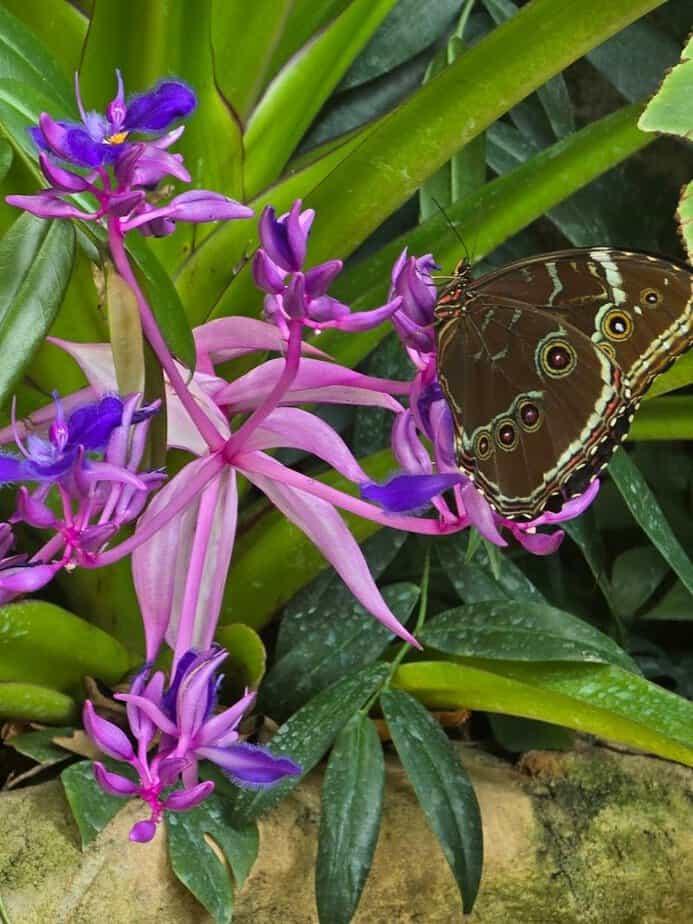
Timing changes the entire feel of your visit. Weekday mornings are calm and breezy, while Friday through Sunday afternoons buzz with excited crowds. If you love space to linger on bridges, arrive close to opening or during Monday afternoon hours.
The habitat shines on cloudy days when glare softens and colors pop. Give yourself at least an hour for the conservatory after you explore Brown Hall. Two hours feels luxurious, letting you circle up and down levels without rushing or skipping the benches.
Check the official website for ticketing and special late hours on Tuesdays. Buying in advance helps you glide past lines and keeps your timing flexible. If you can, pair your visit with a quiet walk in Hermann Park to let the rainforest mood sink in.
Remember, the dome is humid and warm, so plan a light layer. Comfortable shoes make the spirals easy, and patience makes everything better. You will step back outside surprised at how refreshed you feel, like a lunch break refilled with green.
7. Butterfly Life Cycle Up Close
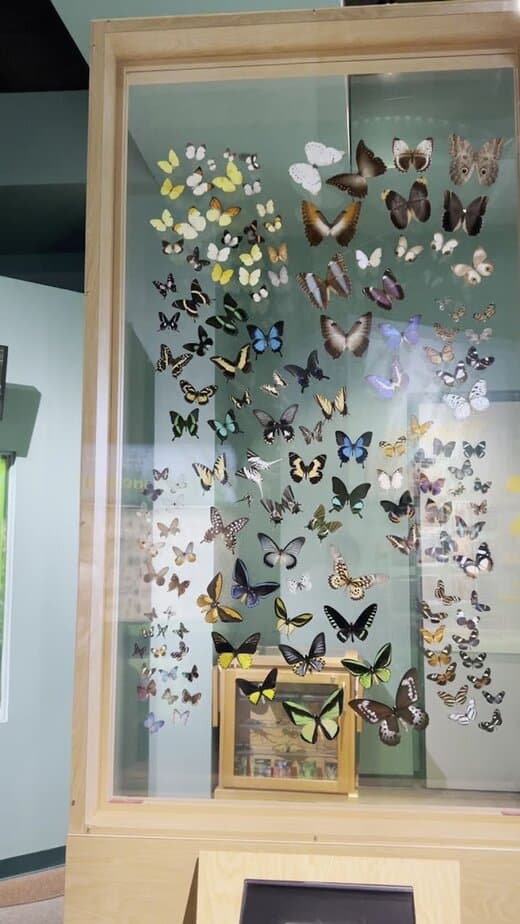
Metamorphosis stops you in your tracks here. You can see chrysalides lined up like jeweled ornaments, each holding a quiet story of change. When one darkens and a butterfly emerges, time slows and the room goes gentle.
Watch the new wings pump fluid, unfurl, and harden while the body rests. Staff remind you why touching is harmful, especially at this vulnerable stage. The process is both science and ceremony, and it gives every later flutter deeper meaning.
The displays explain host plants, egg laying, and why caterpillars can look like completely different beings. Reading the panels first helps you spot subtle behaviors once you step into the dome. Suddenly, a leaf is not just green, it is a nursery, a pantry, and a promise.
If you visit with kids, ask them to narrate the stages in their own words. Storytelling helps the details stick, and you will smile hearing their versions later. You will leave with a new respect for patience, because beauty here is built in quiet, careful steps.
8. Accessibility, Comfort, and Care
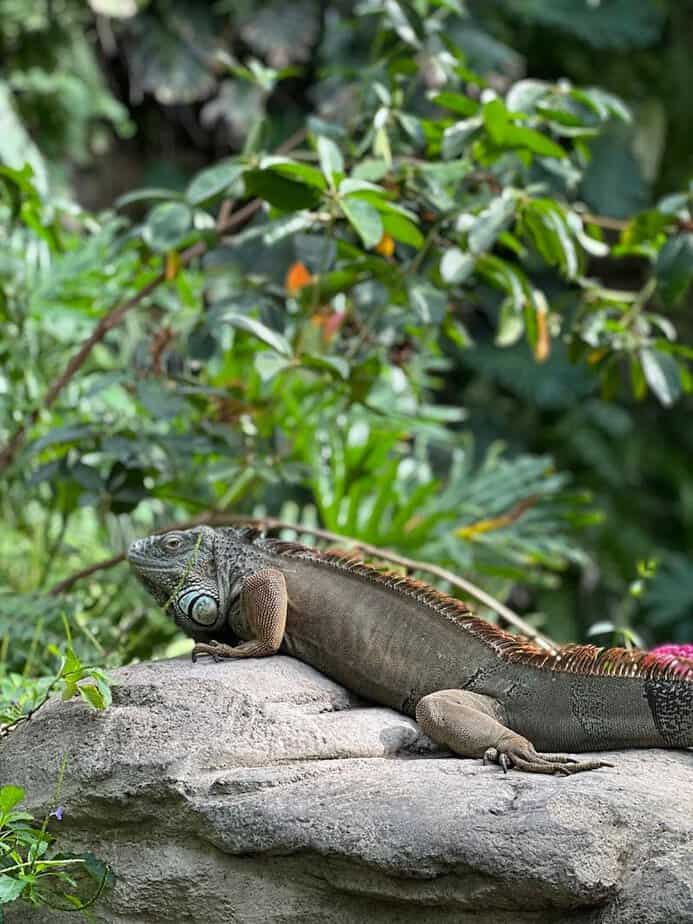
The center is designed to welcome you comfortably. Ramps wind through the habitat with sturdy rails, and benches appear right when you want them. The paths are easy to follow, and the sound of the waterfall softens the buzz of the city you left outside.
Humidity can be a surprise, so bring a light layer and hydrate before heading in. If you need a quieter spot, pause near side plantings away from the falls. You will still see butterflies at eye level, especially near bright orchids.
Staff are friendly and attentive, happy to lend tips or answer quick questions. Signs are readable without crowding you, and exhibit lighting feels calm, not glaring. If mobility is a concern, you can take your time and enjoy every level.
Sensory sensitive visitors often do well earlier in the day, when the foot traffic is light. Plan a simple exit route to the museum lobby if you need a reset. You will find the whole experience gentle, thoughtful, and easy to tailor to your pace.
9. Ethics, Care, and What You Can Do
It is normal to feel protective watching delicate wings brush past your shoulder. The center balances wonder with care, asking you not to touch butterflies or plants. That small choice keeps scales intact and gives each creature a better, longer life inside the habitat.
Read the conservation panels to see how plant choices in your yard can help native species. Host plants like passionvine and milkweed turn balconies into lifelines. You will leave with simple actions that stretch the magic beyond museum walls.
If you notice a butterfly resting near a door, alert staff rather than shooing it. They know how to guide it gently without injury. Respectful distance, slow steps, and quiet hands are the best souvenirs you can offer here.
Support the program by visiting during off peak times, sharing accurate info, and modeling care for kids. Tiny behaviors add up, and you will feel proud walking out with that mindset. The rainforest room glows brighter when everyone treats it like a living home.
10. Logistics: Tickets, Parking, and Nearby Perks
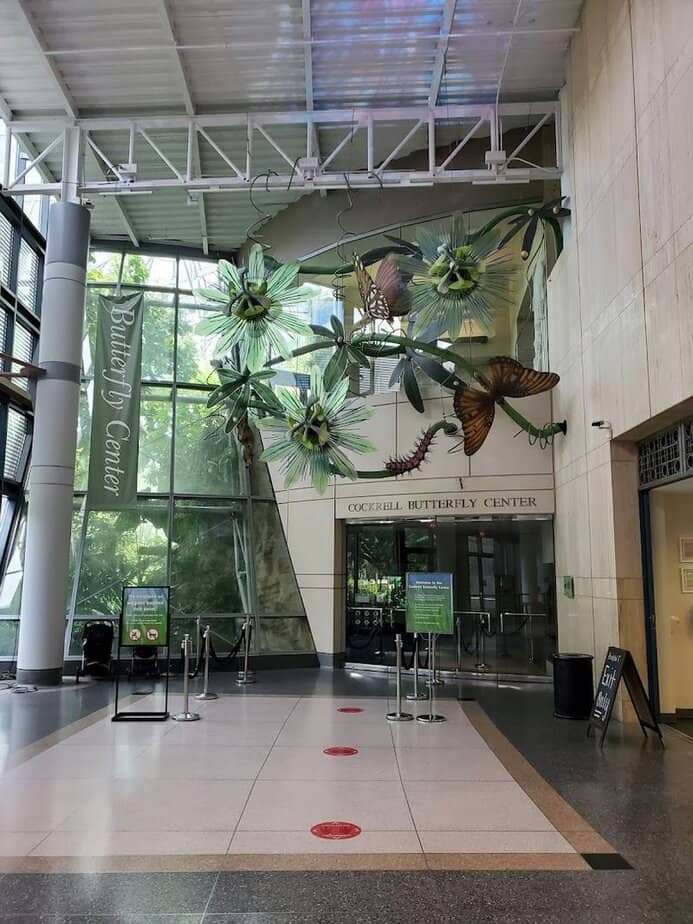
Buy tickets on the official website to skip lines and hit your preferred window. Prices are reasonable for the experience, and combo options with the museum make a smooth day. Screenshots help if cell service dips inside the building.
Parking can be tricky on busy weekends. Street spots fill fast, and the nearby garage is convenient but not cheap. Arrive early, carpool, or plan for a quick walk through Hermann Park if you snag a farther space.
Pack light to keep hands free for railings and photos. A small bag, water, and a cloth for foggy lenses make you feel prepared. Food is not allowed in the habitat, so enjoy snacks outside before or after.
After the dome, wander the park’s trails, ride the train, or visit other museum wings. The contrast between cool galleries and humid rainforest resets your senses. You will end the day feeling like you traveled without leaving 5555 Hermann Park Drive.
11. Seasonal Species and What Changes
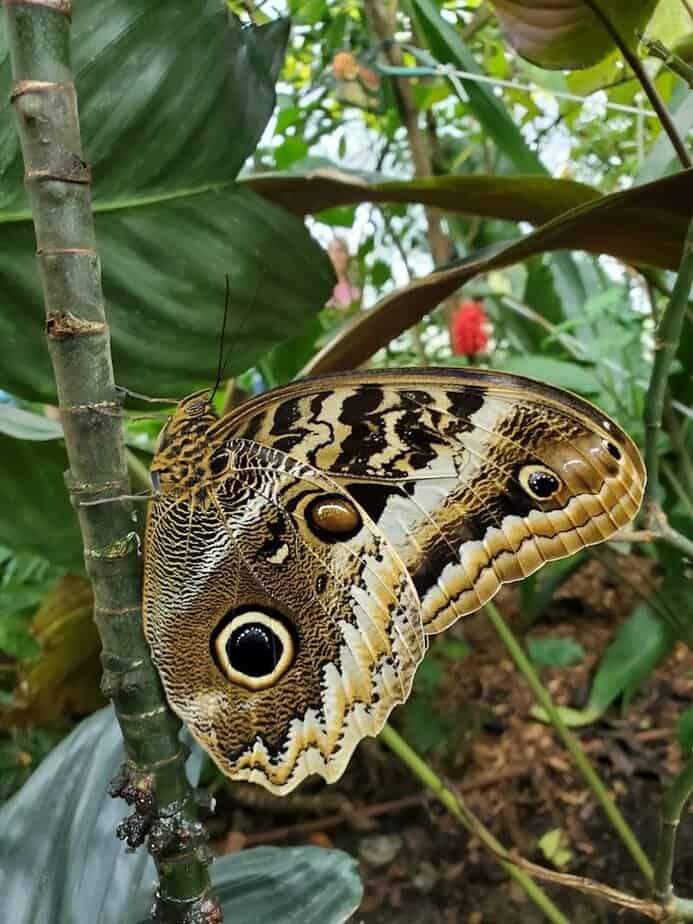
No two visits feel exactly the same. Species ebb and flow, so one month you will notice owl butterflies gliding like dusk, and another month brings clouds of paper kites. Colors, flight patterns, and favorite perches shift with shipments and plant cycles.
Ask staff what is emerging that week, then scan the nectar trays and sunny ledges. Bring a small notebook or use your phone to log sightings, building your own Houston field notes. Returning later makes you feel like a regular greeting old friends.
Plants bloom and fade too, changing the backdrop for every photo. Watch for fresh flowers near railings, where butterflies linger longest and pose at eye level. If you love a species, wait a few minutes, because a second or third will likely follow.
Even the waterfall seems to transform with light and crowd energy. Morning mist reads dreamy, while late afternoon feels vibrant and cinematic. You will start chasing not just butterflies, but moments, and that habit keeps the center endlessly new.