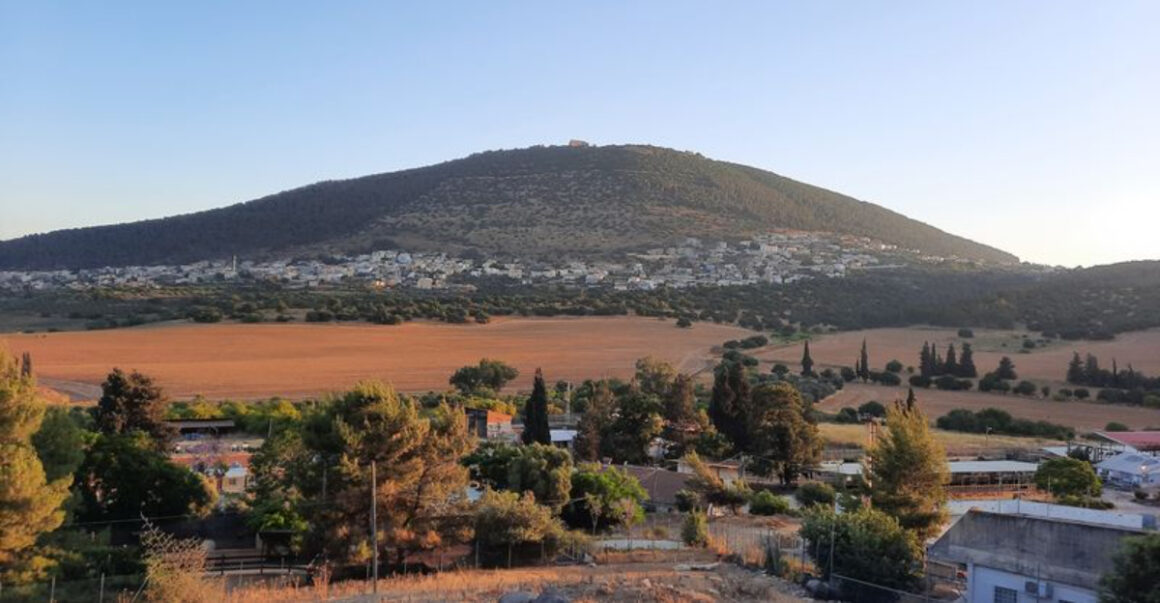
Tucked into Morris County, Mount Tabor is the kind of place that makes you slow down without even trying.
One minute you’re in everyday North Jersey, and the next you’re staring at whimsical Victorian cottages trimmed with delicate woodwork, narrow lanes shaded by mature trees, and porches that look built for iced tea and long summer evenings.
It doesn’t feel staged or touristy. It feels lived-in, loved, and somehow still under the radar.
Mount Tabor began in 1869 as New Jersey’s first permanent Methodist camp meeting site, and that unusual origin still shapes the whole place today, from its tiny cottage lots to its close-knit layout.
The result is a village that looks almost too charming to be real, yet carries a strong sense of history under all that gingerbread detail.
For travelers who like their New Jersey discoveries a little quieter, prettier, and far more interesting than the usual stops, this is one worth knowing.
Why Mount Tabor Feels Like a Storybook Hidden in Morris County
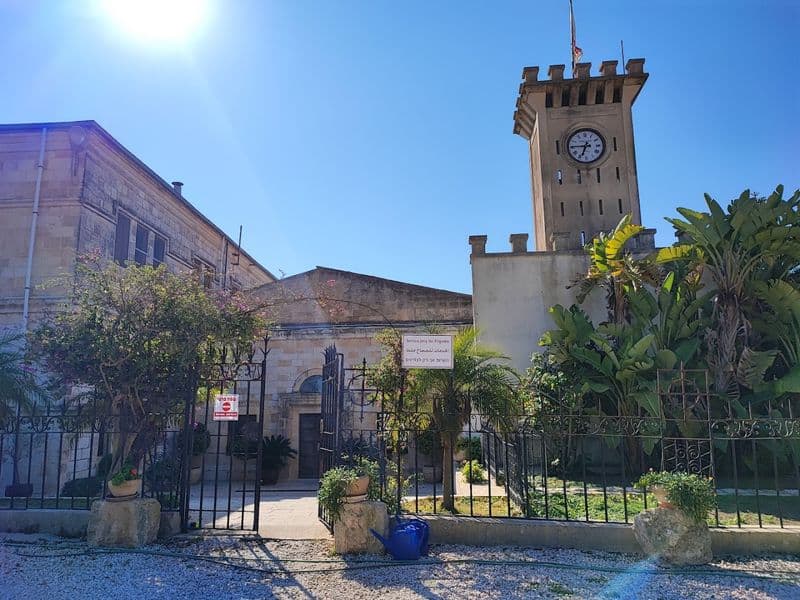
Most people don’t expect to find a village like this in Parsippany-Troy Hills. That’s part of the fun.
Mount Tabor sits quietly in Morris County, looking less like a typical North Jersey neighborhood and more like the setting of an old illustrated children’s book. The streets are intimate, the houses sit close together, and nearly every view seems framed by ornate trim, peaked roofs, and leafy canopies overhead.
It has the kind of visual charm that makes you instinctively lower your voice. What really gives the place its storybook quality is the way everything fits together.
The cottages are scaled small, many streets feel almost tucked away, and Trinity Park anchors the community with a calm, old-fashioned sense of center. Nothing about it screams for attention.
It just keeps rewarding anyone who notices details. That hidden quality is real, not marketing copy.
Mount Tabor grew from an 1869 camp-meeting community into a year-round residential enclave, and it still reads as its own world, separate from the suburban sprawl around it. That contrast is what makes first-time visitors do a double take.
The Gingerbread Cottages That Give This Tiny New Jersey Village Its Magic
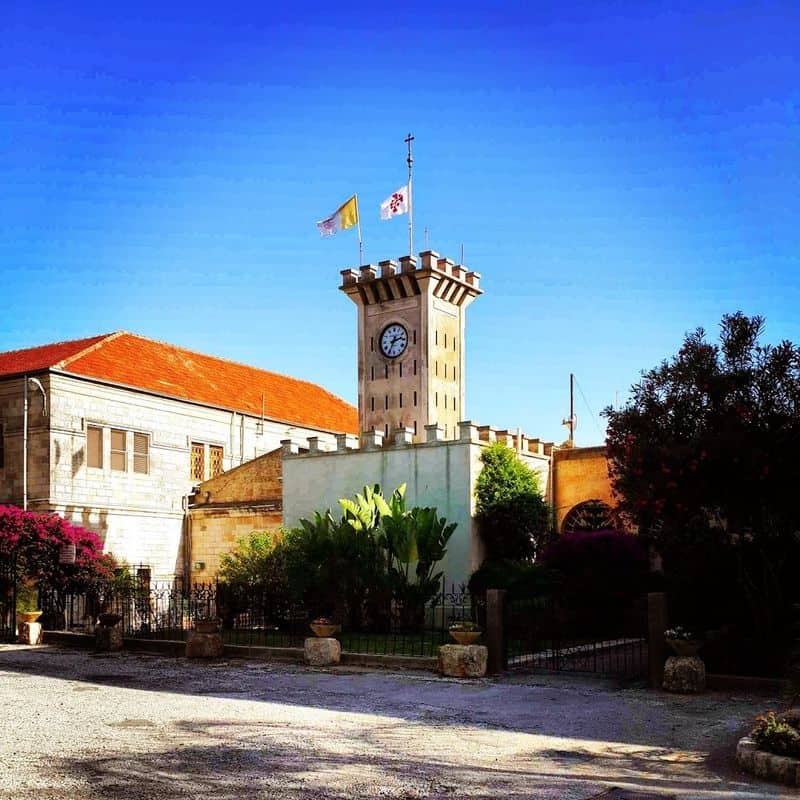
The cottages are the main event here, and they earn it. Mount Tabor’s Victorian homes are covered in the kind of decorative woodwork people love to call gingerbread for good reason.
You’ll see lacy trim, fancy brackets, porch details, and playful shapes that turn even small houses into something memorable. These are not giant mansions trying to impress you from a distance.
They’re compact, intricate, and full of personality. A big part of their charm comes from scale.
Early lots were based on tent dimensions, so many homes grew out of unusually small footprints. That gives the whole village a cozy, close-knit look you rarely see in modern neighborhoods.
Houses don’t sprawl. They perch, tuck in, and lean into the lanes with confidence.
And because this is a real community rather than an open-air museum, the cottages feel alive. Gardens soften the edges.
Porches look used. Paint colors and architectural details shift from house to house, so the walk never gets repetitive.
It’s architectural eye candy, but in a wonderfully human size.
How a Methodist Camp Meeting Became One of New Jersey’s Most Charming Enclaves
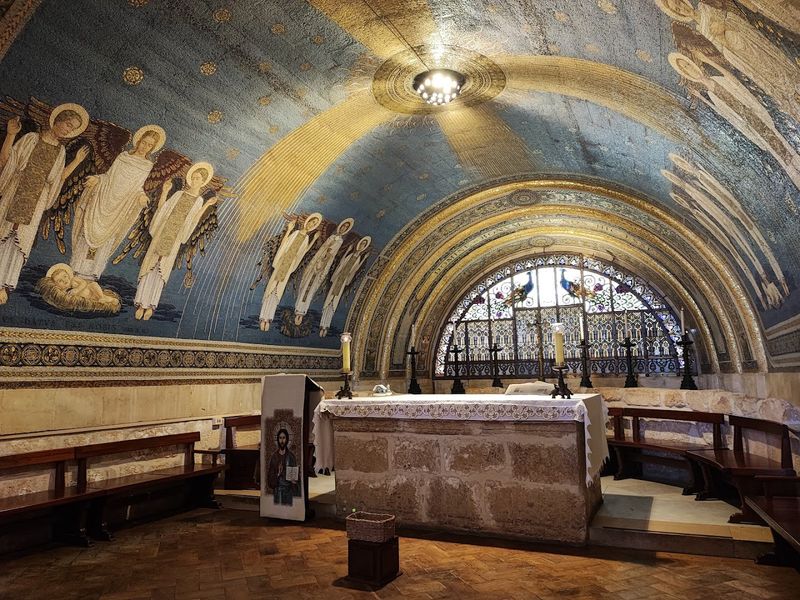
Mount Tabor didn’t begin as a village in the usual sense. It started in 1869 as New Jersey’s first permanent Methodist camp meeting ground, created as a place for summer religious gatherings after the Civil War.
That origin story explains a lot. The compact layout, communal feel, and concentration of small cottages weren’t random design choices.
They grew out of a camp-meeting pattern where tents, meeting spaces, and shared community life shaped the landscape from the start. Then something interesting happened.
People didn’t want to leave. What began as a seasonal spiritual retreat gradually evolved into a summer resort community, with social and cultural activities joining the religious programming.
Over time, many of those temporary arrangements gave way to cottages, and later to full-time homes. That layered history is what keeps Mount Tabor from feeling precious or artificial.
It’s charming, sure, but it also makes sense. The village looks the way it does because its history is still visible in the street plan, the architecture, and the way public spaces connect residents to one another.
Even if you know none of that before arriving, you can feel it.
A Walk Through Mount Tabor Feels Like Stepping Into Another Century
This is one of those places best experienced at walking speed. Mount Tabor is small enough that you can cross it quickly, but that would completely miss the point.
The lanes invite lingering. Tree branches meet overhead in places, casting a soft pattern of light and shade that makes the whole village feel hushed and slightly theatrical.
You notice rooflines, porch railings, garden borders, and the way one cottage differs from the next by just enough to keep you curious. Because the layout is compact, every short stretch delivers something worth a second look.
One minute it’s a particularly ornate trim detail. The next it’s a porch that feels straight out of another era.
Nothing needs to be oversized to be striking. Mount Tabor works through accumulation, not spectacle.
That’s also why the place photographs so well, though it’s even better in person. The proportions are intimate, the setting is quiet, and the preserved historic character keeps modern visual clutter to a minimum.
You don’t need a formal itinerary here. A simple stroll does the heavy lifting, which is rare and honestly refreshing in New Jersey.
The Tabernacle and Other Historic Landmarks That Still Define the Village
The cottages may grab your attention first, but Mount Tabor’s community buildings tell the deeper story. Trinity Park remains a central gathering place, which says a lot about how the village still understands itself.
This was never just a collection of pretty houses. It was built around shared space, ritual, and community life, and that framework has lasted.
Then there’s the Tabernacle, one of the defining landmarks of the district. It stands as a reminder of the village’s camp-meeting roots and helps explain why Mount Tabor feels so cohesive instead of merely decorative.
Historic structures here don’t read like isolated monuments. They’re part of the village’s everyday visual language.
The J. Smith Richardson History House adds another layer.
The 1873 cottage museum gives visitors a window into what life looked like in Mount Tabor’s early years, when summer residency and camp-meeting traditions shaped the rhythm of the place. Seeing those spaces makes the village’s scale and design click in a much more immediate way.
History here isn’t buried in plaques. It’s still standing on the street.
What Makes Mount Tabor So Different From New Jersey’s Better-Known Victorian Destinations
New Jersey has no shortage of historic places, and Victorian charm usually sends people straight to bigger-name spots. Mount Tabor is different because it feels quieter, more intimate, and much less performative.
It doesn’t rely on a bustling commercial strip, beach traffic, or a polished tourism machine. Instead, it wins on texture.
Narrow lanes, modest cottage scale, and a strong residential feel make it seem personal rather than packaged. That difference matters.
In better-known Victorian destinations, the grandeur can be the whole story. Here, the appeal is subtler and arguably more rewarding.
Mount Tabor is less about spectacle and more about atmosphere. You notice the craftsmanship, the preserved layout, and the way the village still functions as a community rather than a backdrop.
It also helps that the setting is unexpected. Finding this kind of architectural whimsy in inland North Jersey gives it extra punch.
You’re not on the shore. You’re not at a re-created historic site.
You’re in a real neighborhood whose unusual origins and careful preservation produced something few places in the state can match. That surprise is part of the magic.
The Quiet Community Spirit That Makes Mount Tabor More Than Just a Pretty Place
Plenty of places are photogenic. Far fewer feel like they have an actual pulse.
Mount Tabor does. The village’s appeal isn’t just architectural.
It comes from a long-running sense of stewardship that keeps the historic character intact without turning the place stiff or overly self-conscious. Residents and local organizations have clearly put in the work to protect what makes the district special.
You can see that spirit in the maintained cottages, the shared public spaces, and the ongoing efforts of the Mount Tabor Historical Society to interpret and preserve the community’s past. That kind of care gives the village warmth.
It feels cherished, not curated to death. There’s also something refreshing about how low-key it all is.
Mount Tabor doesn’t need to overexplain itself. Its sense of identity comes through in the details and in the way the community continues to center its history.
For visitors, that creates a different experience from the usual quick-stop destination. You’re not just looking at pretty buildings.
You’re walking through a place that still seems to know exactly what it is.
Why This Underrated Village Deserves a Spot on Your New Jersey Travel List
Mount Tabor is proof that some of New Jersey’s most memorable places are hiding in plain sight. It doesn’t need a flashy headline or a full day of scheduled attractions to leave an impression.
What it offers is rarer than that. You get real history, distinctive architecture, and a setting that feels genuinely unlike the rest of the state.
That combination is hard to fake and even harder to find by accident. It also hits a sweet spot for travelers who like places with personality but not chaos.
You can wander, notice details, and actually enjoy the mood of the place without fighting crowds or feeling herded from one stop to the next. In a state often reduced to broad stereotypes, Mount Tabor quietly shows off a far stranger and more charming side of New Jersey.
And that may be the best reason to go. It expands your idea of what the state looks like.
Not boardwalk. Not strip mall.
Not commuter suburb. A gingerbread village born from a 19th-century camp meeting and still standing with style.