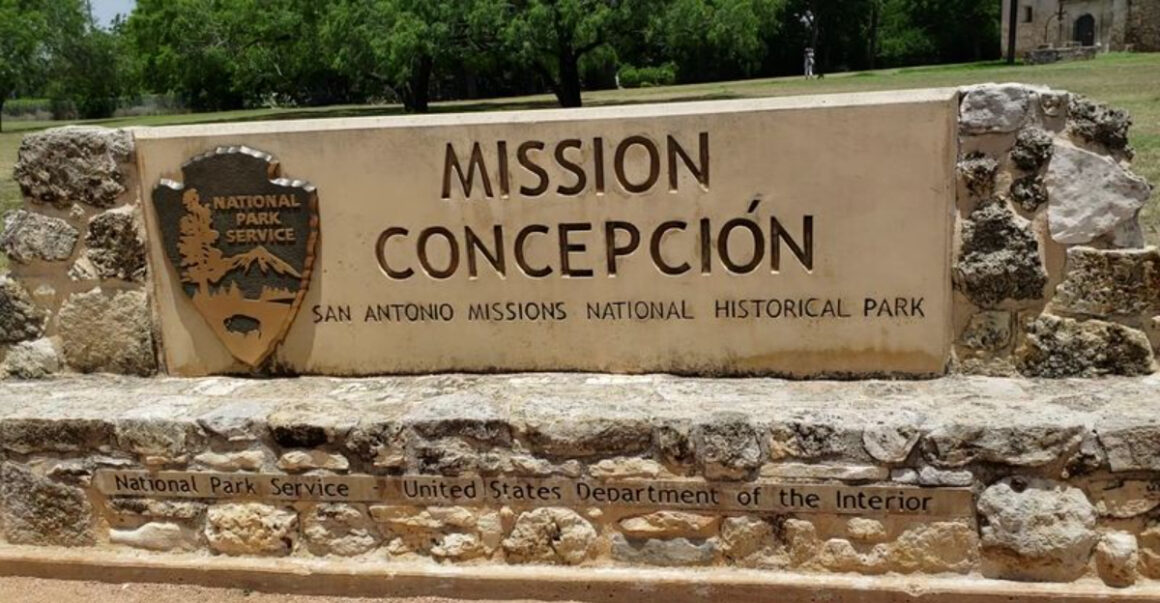
Step inside Mission Concepción and you immediately feel centuries of faith, artistry, and resilience gathered under one luminous dome. This 18th century landmark keeps its original frescoes and stonework, inviting you to stand where stories were painted rather than written. With a 4.8 star reputation and peaceful grounds, it is both a living parish and a timeless classroom.
If you are drawn to places that feel anchored yet welcoming, this mission will linger with you long after you leave.
1. Original Frescoes That Still Speak
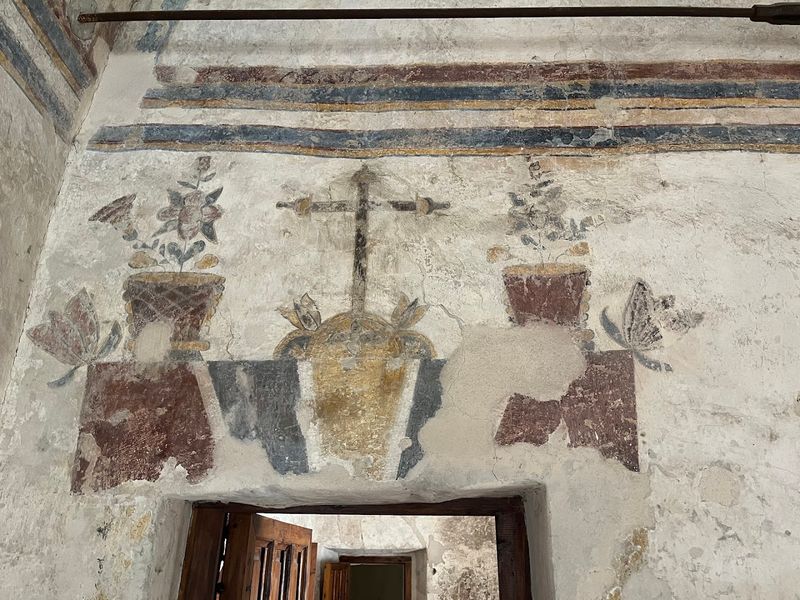
Step into the sanctuary and look up. The surviving frescoes glow softly, their pigments whispering across old plaster like voices caught in time. You notice ochre, indigo, and rose, arranged in sacred geometry that guides your gaze toward the altar.
These artworks are not museum pieces set behind glass. They live on the breathing walls of an active parish, tested by heat, humidity, and devotion. Every faint line and curling vine reminds you that art can be both fragile and stubbornly alive.
Stand still for a moment and let your eyes adjust. Details emerge slowly, revealing crosses, sunbursts, and the storied Eye of God. You feel the artists guiding you gently, inviting quiet, curiosity, and gratitude into a shared sacred space.
2. Twin Bell Towers and Noble Dome
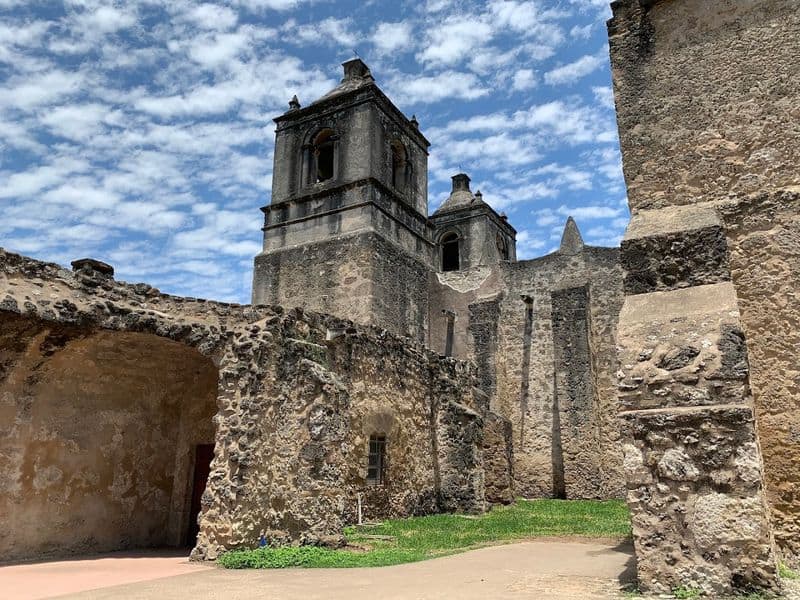
Those twin bell towers feel like sentinels, steady and welcoming above the San Antonio breeze. Between them, the stone dome rises with quiet authority, holding centuries of hymns within its curve. You can almost hear ringing carried over the river’s old paths.
Walk closer and study the limestone blocks, their surfaces weathered into a soft, warm palette. Tool marks and mortar seams reveal a handmade rhythm. This is architecture that rewards patience, asking you to linger rather than rush.
Find a vantage point at mid morning or late afternoon. Shadows sketch the arches and cornices, and the dome’s profile becomes wonderfully legible. Snap a photo, then pocket your phone, and listen to the hush that buildings like this gently create.
3. Centuries Old Stone Walls
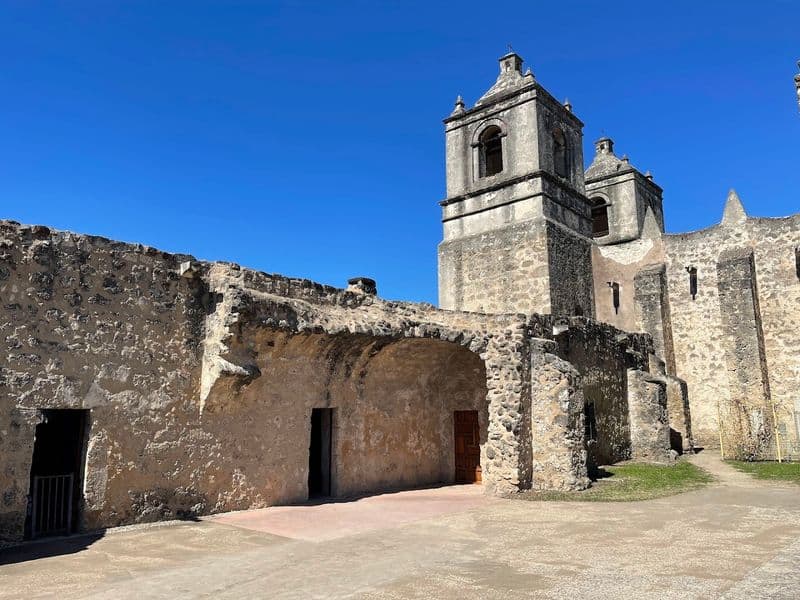
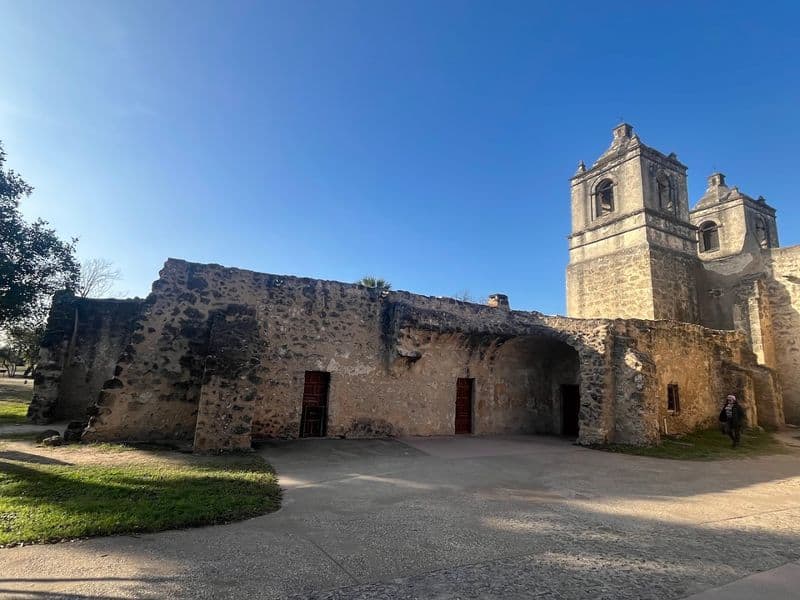
Run your fingertips along the stone and you meet a timeline carved in texture. The walls feel both tough and tender, shaped by hand, rain, and long summer sun. Each groove hints at labor, prayer, and the daily cadence of mission life.
Look for subtle color changes where restoration meets original fabric. The contrast is respectful, never flashy, and it helps you understand what time preserves and what caretakers must protect. This is preservation as conversation rather than replacement.
Stand back again and let the wall become a facade. Then step forward and let it become a story. Either way, you feel how honest materials and patient craft can outlast noise, trends, and the tug of hurried days.
4. A Living Parish and Sacred Rhythm
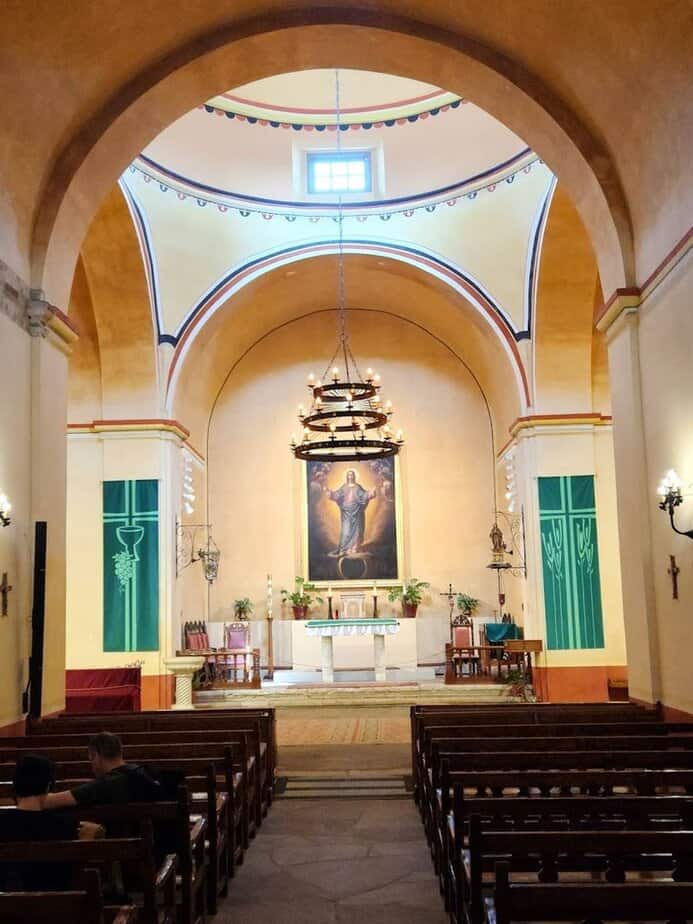
Mission Concepción is not only a historic site. It is a living parish where weekend services fill the nave with song and steady footsteps. You feel that gentle shift when prayer gathers, and history becomes present tense.
Arrive early to sit quietly before Mass. The sanctuary glows with layered light, and the frescoes sharpen ever so slightly as your eyes adjust. You might hear a guide’s soft voice or a caretaker setting things in thoughtful order.
Whether you attend or simply observe, respect the rhythms of worship. Dress modestly, move with care, and let the space teach you how to be there. You leave sensing that faith has always been the mission’s most enduring architecture.
5. Visitor Center, Cafe, and Helpful Guides
Start at the visitor center to ground your visit with context. Exhibits sketch the mission’s origins, daily life, and artistry in clear, approachable panels. Staff and volunteers answer questions with warmth, offering route tips and thoughtful historical nuance.
There is a small cafe and gift area where you can pause, sip, and process. Prices are reasonable, and the space feels welcoming to families. Children gravitate to hands on displays, and adults appreciate the air conditioned break.
Before you go, ask about current restoration work and ranger led talks. A few minutes of guidance can unlock details you might otherwise miss. Step back outside ready to read the site with fresh eyes, and a slower, better pace.
6. UNESCO Status and Park Rangers
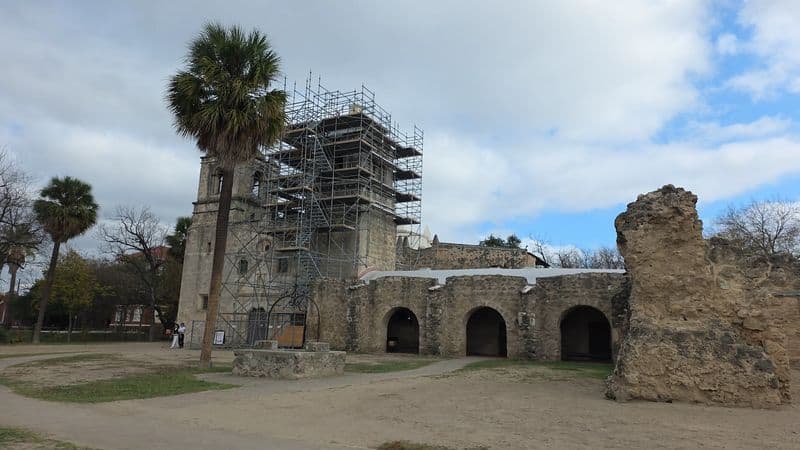
Mission Concepción is part of San Antonio Missions, a UNESCO World Heritage site. That title is not just a plaque, it is a promise of stewardship. You feel it in the careful signage, clean grounds, and the patient presence of rangers.
Rangers offer context that makes stones speak and frescoes breathe. Ask about the mission system, indigenous histories, and Spanish Colonial design. Their insights connect architecture to human experience, which is the magic thread you are really following.
Free admission keeps the welcome wide, and thoughtful maintenance keeps the mood serene even during projects. If you notice scaffolding, consider it a sign of care, not disruption. Heritage endures because people choose fidelity over shortcuts, again and again.
7. The August Double Illumination
On or around August 15, the church performs a quiet marvel called the double illumination. Morning light aligns with architectural openings and washes the sanctuary in a golden path. You watch the beam move, linking earth and altar in a gentle arc.
The phenomenon has spiritual resonance tied to the Feast of the Assumption. It also reveals the builders’ astronomical sensitivity and design skill. Standing there, you sense art, faith, and sky cooperating with uncommon grace.
If you plan to witness it, arrive early, be courteous, and prepare for calm rather than spectacle. Cameras are fine when discreet, yet your eyes capture more. The memory of that sunlit hush will follow you out the doors.
8. Convento Rooms and Daily Life
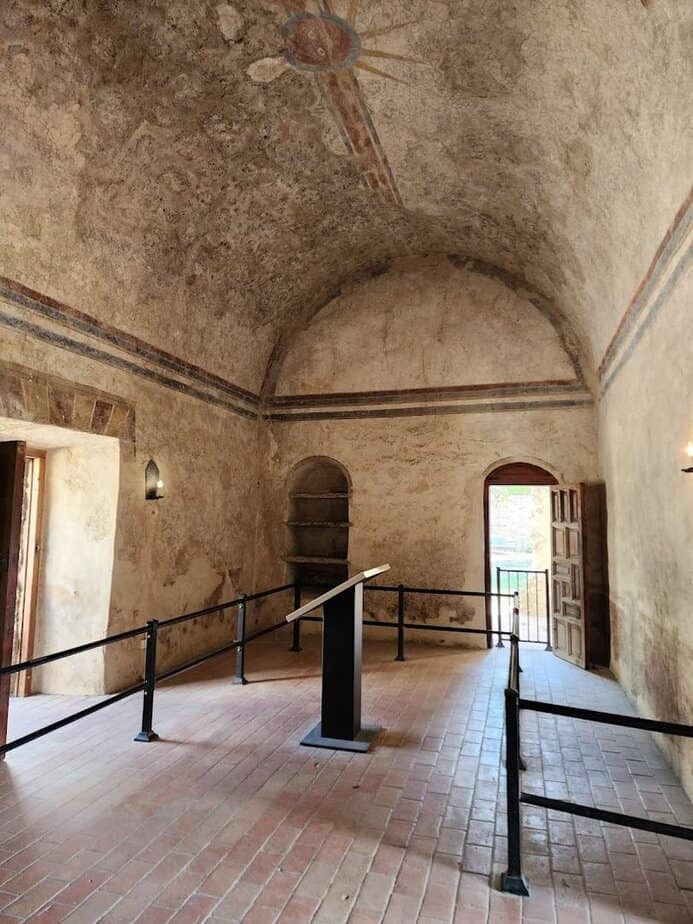
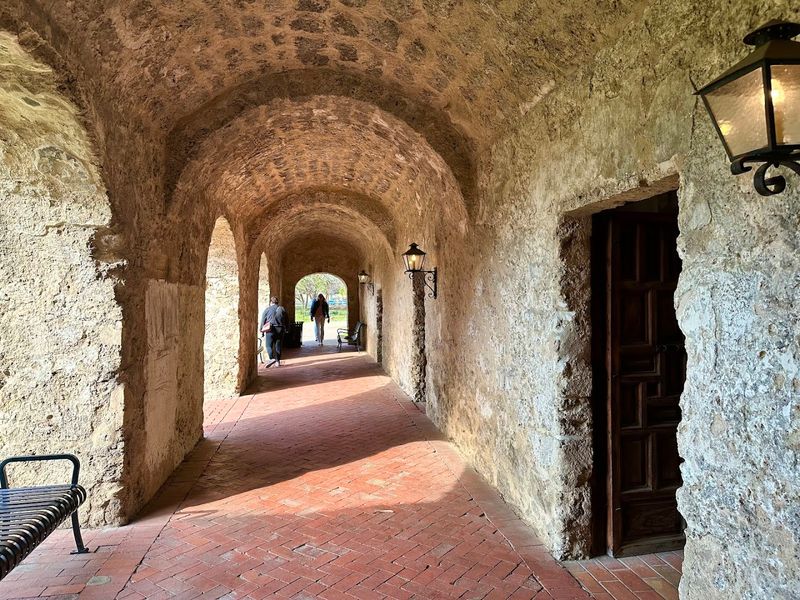
Walk the convento rooms to feel the cadence of daily mission life. Thick walls tame heat, small windows ration light, and thresholds hold echoes of chores and study. You can almost hear sandals on stone and whispered lessons in the hall.
Interpretive signs keep the spaces grounded and specific. They trace community, craft, and the meeting of cultures that shaped this frontier. You come away understanding that missions were neighborhoods as much as churches.
Pause at doorways and look for details. Tool marked lintels, handmade hinges, and limewash remnants tell practical stories without fanfare. These rooms honor quiet work, and they reward the kind of visitor who listens more than speaks.
9. Photography Tips and Best Light
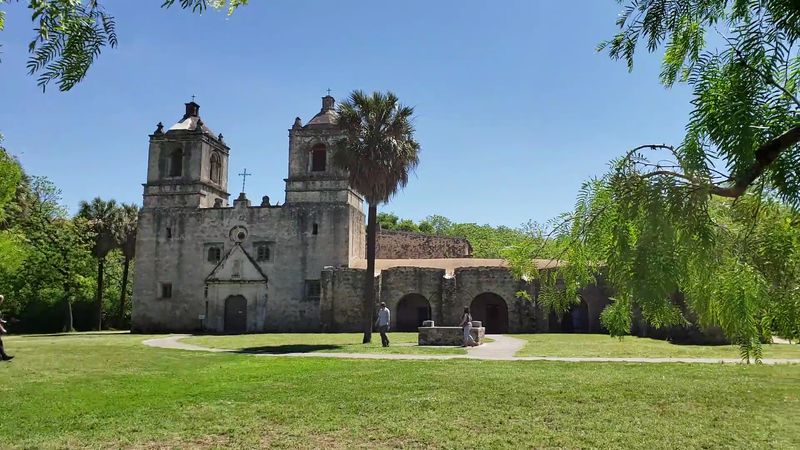
Photographers, save the facade for late afternoon when the front catches warm, direct light. Morning can leave it flat, while golden hour deepens texture and color beautifully. Move slowly and let shadows find their edges.
Inside, keep ISO modest and brace against a pew or wall for sharpness. Respect no flash policies and ongoing services, and shoot in short, thoughtful bursts. Frescoes read best with soft ambient light and patient framing.
Outside, switch perspectives often. Wide angles celebrate towers and dome, while a short telephoto abstracts patterns in stone and cornices. When you feel satisfied, put the camera down and enjoy the silence shaping the scene.
10. Practical Hours, Access, and Etiquette
Plan your visit around open hours, typically 9 AM to 5 PM daily. Admission is free, parking is convenient, and pathways are welcoming to a wide range of visitors. Expect occasional maintenance without losing the site’s calm spirit.
Because the church remains active, check for weddings or services that may limit entry. Dress comfortably yet respectfully, and keep voices low inside. Pets are welcome on the grounds, though not inside buildings, so coordinate with a friend.
Carry water in summer and allow time for the visitor center. Ask rangers for updates on tours, restoration, and the day’s quietest windows. With a little courtesy, your experience becomes part of the mission’s continuing good manners.