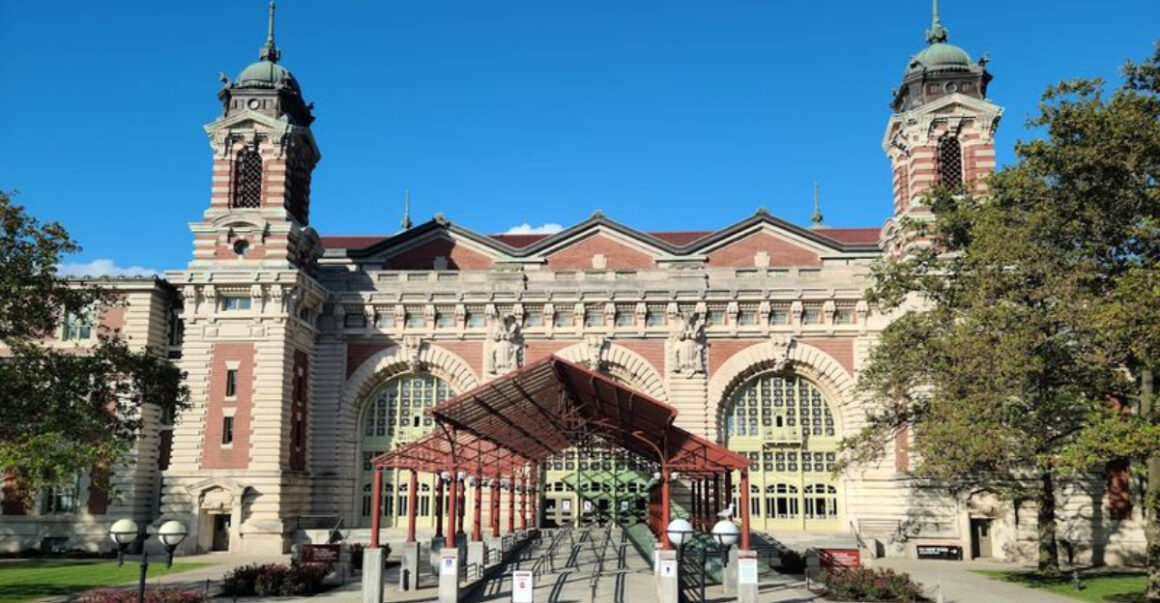
Most people think of Ellis Island as a New York story, but New Jersey locals know better. This place sits right in our orbit, just across the water from Liberty State Park, and it carries more emotional weight than plenty of larger, flashier landmarks.
For millions of families, Ellis Island was not some abstract chapter in a textbook. It was the first breath after a hard crossing, the first anxious inspection, the first glimpse of a life that might finally be their own.
That is what gives it its staying power. You are not walking through a distant past here.
You are moving through a place where fear, relief, confusion, ambition, and hope all collided in real time. And because so many American family stories pass through this one small island, the experience lands differently.
Ellis Island does not just tell you about history. It makes you feel how personal history can be.
The small island where so many American stories first began
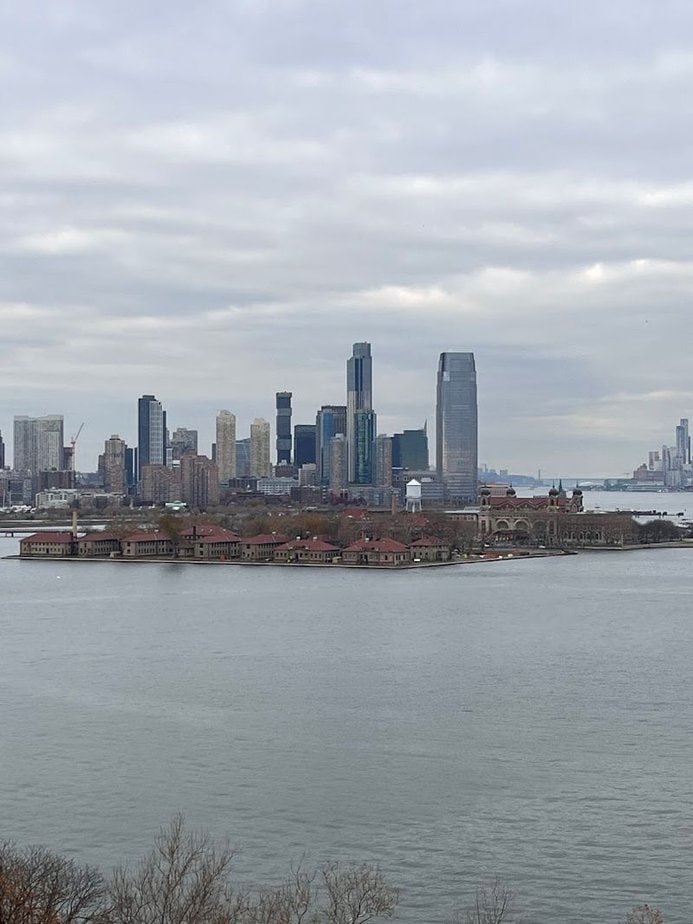
Tiny is not the word most people associate with a place tied to such enormous history, yet Ellis Island really is small enough to surprise you when you see it up close. That contrast is part of what makes it hit so hard.
This modest patch of land in New York Harbor became the first stop in America for millions of immigrants, and the scale of what happened there still feels almost impossible to wrap your head around. One island.
Endless beginnings. People arrived carrying trunks, bundles, documents, and the kind of nerves that make every detail feel louder.
Names were checked. Faces were studied.
Questions were asked. Futures turned on moments that probably felt painfully ordinary at the time.
That is what gives Ellis Island its charge. It was not built for grand speeches or dramatic set pieces.
It was built for processing human lives at speed, and yet those lives gave it meaning far beyond its footprint. Walk through it now, and you can feel that strange tension.
The space is contained. The history is anything but.
For countless families, this was not just a stop along the way. It was the threshold.
Why Ellis Island still feels personal even generations later
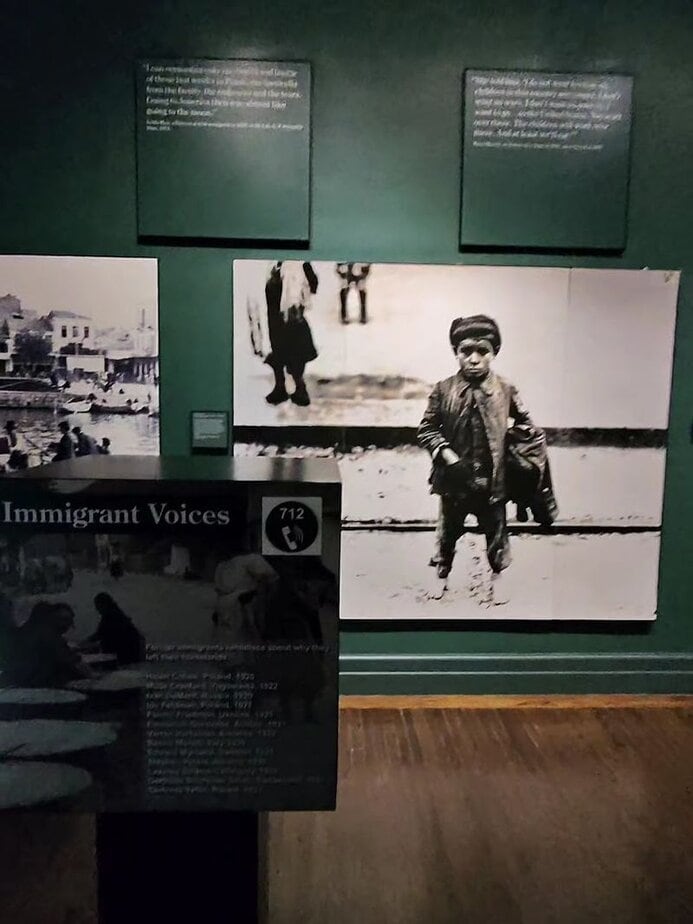
You do not need a direct family connection to feel something here, but if you have one, Ellis Island can land like a punch to the chest. Maybe your great-grandmother came through.
Maybe a surname in your family tree first appeared in an American record here. Maybe you are not sure, but the possibility alone is enough to pull you in.
That is the magic of the place. It narrows the distance between then and now.
The museum does not present immigration as a tidy, polished story. It feels textured.
You see worn suitcases, handwritten documents, family photographs, and everyday objects that somehow say more than a giant statue ever could. They remind you that history is not made only by presidents and industrialists.
It is also made by frightened teenagers, exhausted parents, and people trying to pronounce a new street name for the first time. For New Jersey readers, that closeness feels even stronger because the island is not some remote landmark.
It is right there in the harbor, practically woven into the region’s identity. Ellis Island still matters because it makes heritage feel immediate, not inherited from a safe distance.
The Great Hall where hope and uncertainty met under one roof
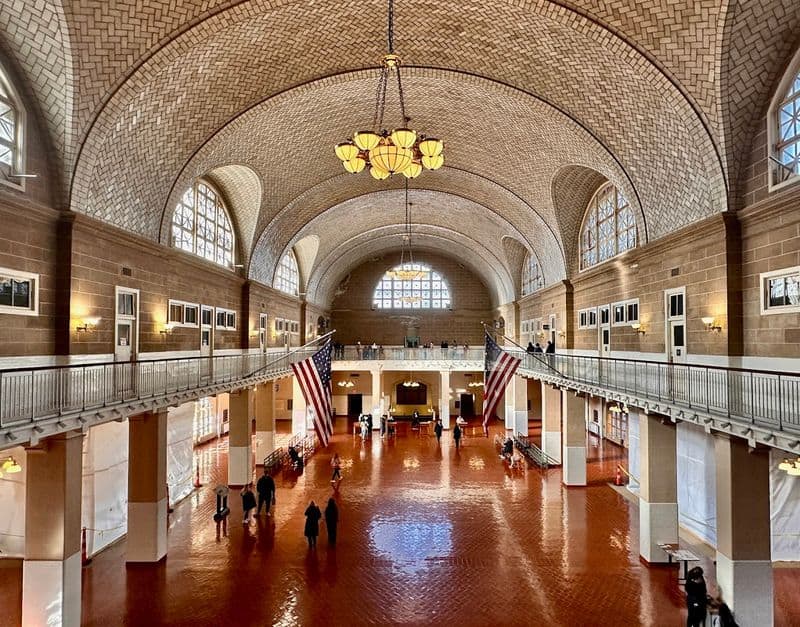
Nothing prepares you for the Registry Room, better known as the Great Hall. It is big, yes, but that is not what stays with you.
What stays with you is the thought of thousands of people once standing in that very space, waiting for someone else to decide what happened next. The room held possibility and pressure in equal measure.
This was where medical checks happened, where officials asked questions, where small misunderstandings could suddenly feel huge. Imagine hearing a language you barely understand while carrying everything you own and trying not to look too tired, too sick, too unsure.
That was the atmosphere many arrivals walked into. Today, the room is quieter, cleaner, and easier to take in.
But even as a museum space, it has not lost its tension. The light pours in, the ceiling rises overhead, and you can almost sense the noise that once bounced off the walls.
Shoes shuffling. Children fussing.
Nervous whispers. Plenty of historic sites tell you what happened.
The Great Hall gives you a better gift. It lets you imagine what it felt like to be there when your whole life was waiting on an answer.
What the journey across the harbor reveals before you even arrive
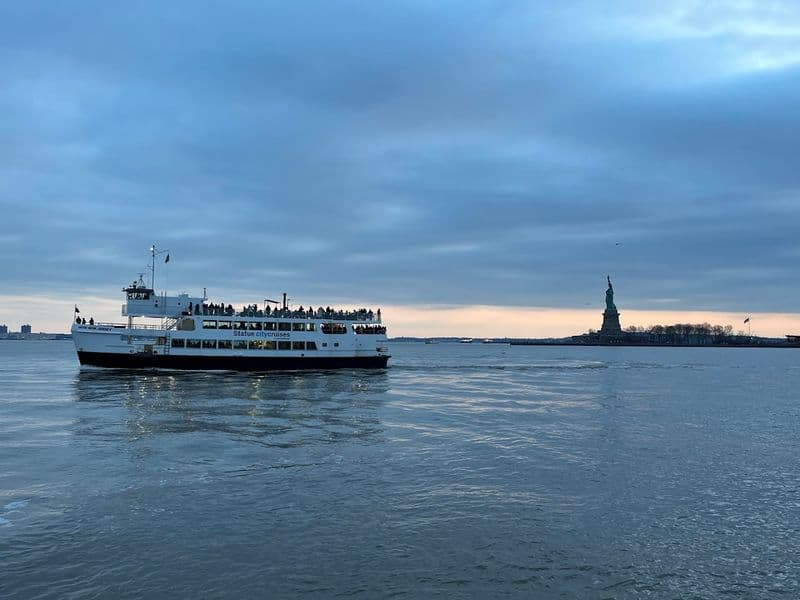
Part of Ellis Island’s power begins before you step inside. The boat ride matters.
Leaving Liberty State Park, you get that unmistakable harbor view, the skyline opening up on one side and the Statue of Liberty on the other, and suddenly the geography of the story starts making sense in a way books never quite manage. Water changes perspective.
From shore, history can feel framed and settled. Out on the harbor, it feels active again.
You start thinking about arrivals instead of exhibits. About what it meant to approach this region by ship after days or weeks at sea.
About how the first sight of the harbor must have looked to someone who had bet everything on making it here. It is one of the reasons the New Jersey side is such a strong way to experience the site.
Liberty State Park gives you room to approach the story gradually, rather than being dropped into it all at once. The skyline dazzles, sure, but Ellis Island is where the emotional focus sharpens.
By the time the ferry docks, you are not just visiting a museum. You are entering a narrative that begins on the water.
The family names and faded records that make history feel close
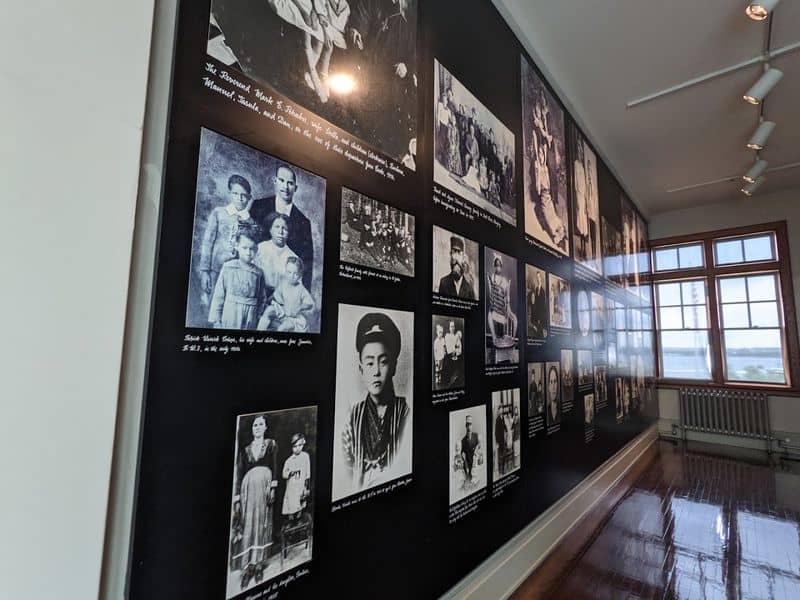
There is something strangely intimate about seeing an old manifest, a passenger list, or a family name preserved in official ink. It takes a giant national story and shrinks it down to one person, one crossing, one anxious arrival.
Ellis Island is full of that kind of scale shift, and it is a big reason the place sticks with people. History gets real fast when it includes a name you recognize.
Even for visitors who do not find a personal connection, the records themselves carry a quiet kind of drama. Ages.
Occupations. Last place of residence.
Final destination. Those little details do a lot of work.
They sketch out entire lives in just a few lines and hint at the distance between where someone came from and what they hoped to become. The faded documents also push back against the myth that the past was simple.
It was bureaucratic. Messy.
Full of spelling issues, crossed wires, and emotional strain. In other words, deeply human.
That is why the records matter so much. They are not just research tools.
They are evidence that the American story was built one individual at a time, often by people carrying more uncertainty than certainty.
How Ellis Island tells a bigger story than immigration alone
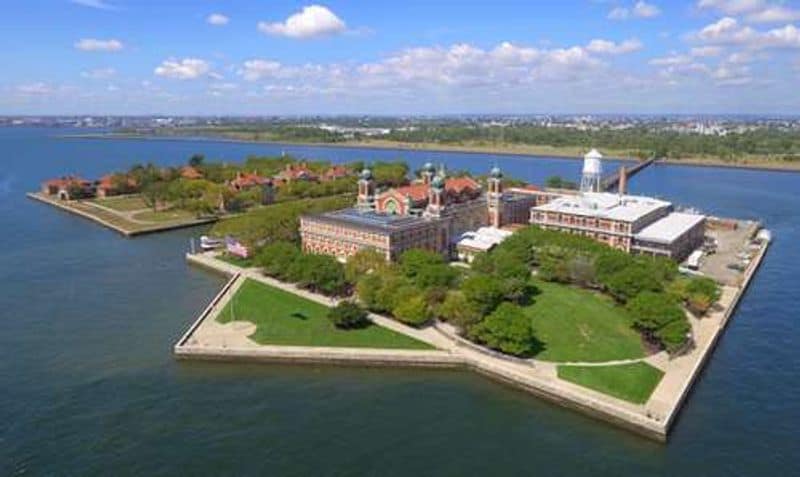
At first glance, Ellis Island seems like it is about one subject and one subject only. Immigration.
Spend a little time there, though, and the island starts opening into something much broader. It is also about labor, language, health, religion, class, urban growth, government power, and the constant reinvention of what America thinks it is.
That is a lot for one small island to hold, yet it does. Every arrival carried more than luggage.
People brought recipes, trades, dialects, customs, songs, grudges, ambitions, and ideas about family and work. They entered the country through a system designed to sort and evaluate them, but they also changed the places they moved into.
Cities, neighborhoods, storefronts, churches, unions, schools, and dinner tables were all shaped by what came through here. Ellis Island also complicates the sunny version of the American dream.
Not every story was smooth. Some people were detained.
Some were turned away. Some entered a country that offered opportunity with one hand and suspicion with the other.
That complexity is exactly why the site feels so relevant now. Ellis Island is not just a monument to arrival.
It is a mirror for how the nation has defined belonging, over and over again.
Why this New Jersey gateway still matters to the nation
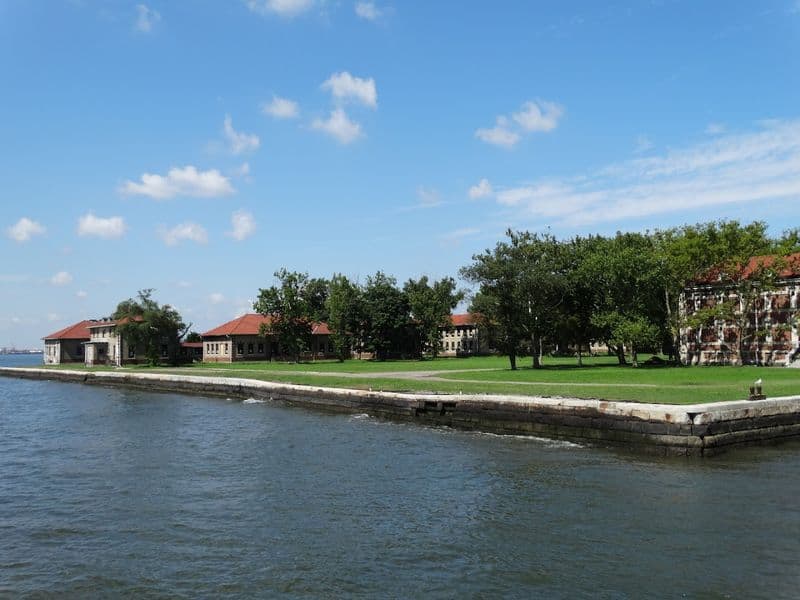
New Jersey does not always get full credit in the Ellis Island conversation, but it should. The island is physically tied to New Jersey in ways many visitors do not realize, and Liberty State Park remains one of the most meaningful launch points for experiencing the site.
That alone gives the Garden State a real stake in how this history is told and remembered. But the connection goes deeper than maps and ferry routes.
New Jersey has long been a state shaped by arrivals, movement, work, and reinvention. Port cities, rail lines, industrial towns, dense immigrant neighborhoods, and generations of families building lives in between larger metros all make Ellis Island feel like part of a wider New Jersey story, not just a nearby attraction.
There is also something very Jersey about refusing to let the place be flattened into postcard history. Locals tend to appreciate sites that have grit along with grandeur, and Ellis Island has both.
It is emotional without being sentimental. Monumental without losing its human scale.
That is why it still matters nationally too. It anchors a foundational American story while reminding visitors that those big national narratives are always rooted in real places, real people, and very regional histories.
The quiet details that make a visit here impossible to forget
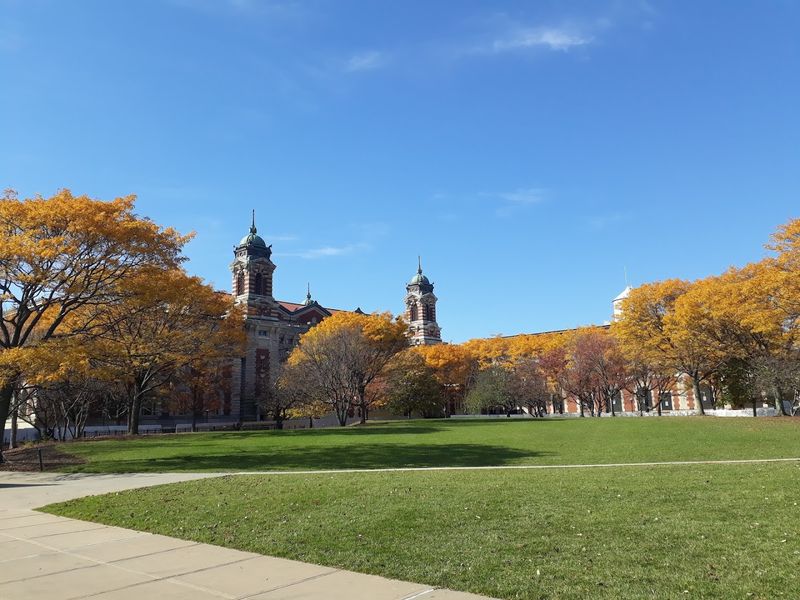
Oddly enough, Ellis Island is most powerful when it is not trying too hard. The biggest memories often come from small things.
A pair of worn shoes. A photograph with stiff, serious faces.
A child’s coat behind glass. The echo inside a large room.
The pause you take when reading a line of text that sounds like it could describe someone in your own family. Those details sneak up on you.
They work because they are specific. Not vague inspiration.
Not polished nostalgia. Real objects, real paperwork, real traces of people who had no idea they were participating in a story future generations would call historic.
There is something humbling about that. Even the building itself contributes to the feeling.
Brick, tile, windows, long corridors, institutional spaces softened by time. It does not look like a fantasy version of history.
It looks like a place where decisions were made and lives were redirected. That is why a visit tends to linger longer than expected.
Ellis Island is not loud about its importance. It does not need to be.
The place trusts the details to do the work, and somehow, they always do.