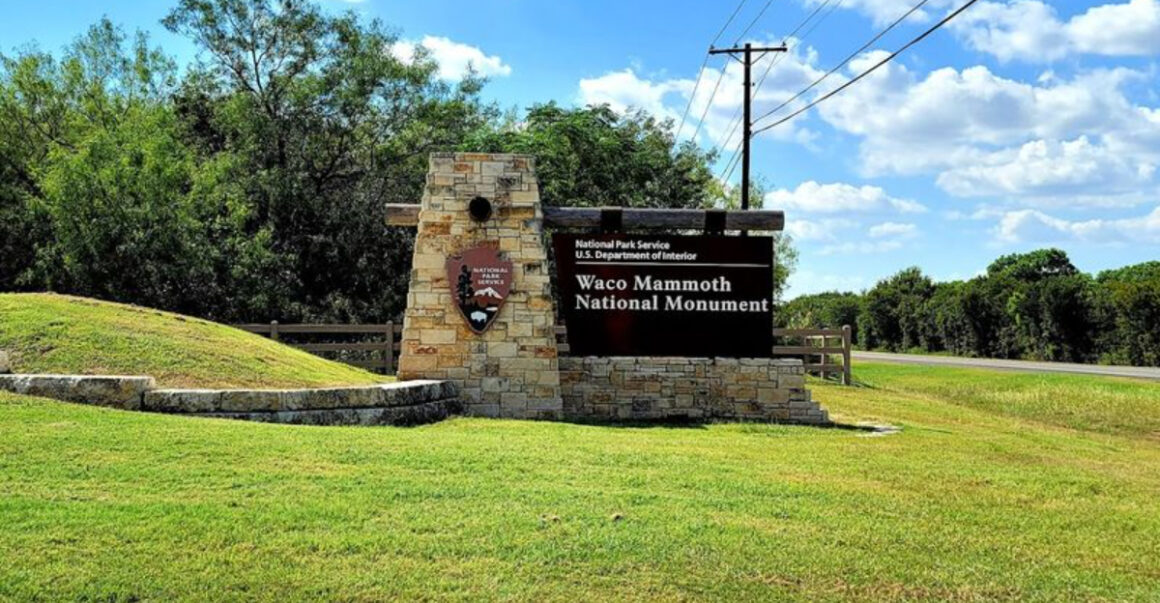
Step into a climate controlled dig shelter where Ice Age history remains right where it was discovered. At Waco Mammoth National Monument, you do not just read plaques, you look down at a real nursery herd still in the ground. Rangers turn layers of soil and bones into a vivid, unforgettable story.
If you love science, Texas history, or jaw dropping discoveries, this place will hook you from the first glimpse of those sweeping tusks.
1. The Nursery Herd Discovery
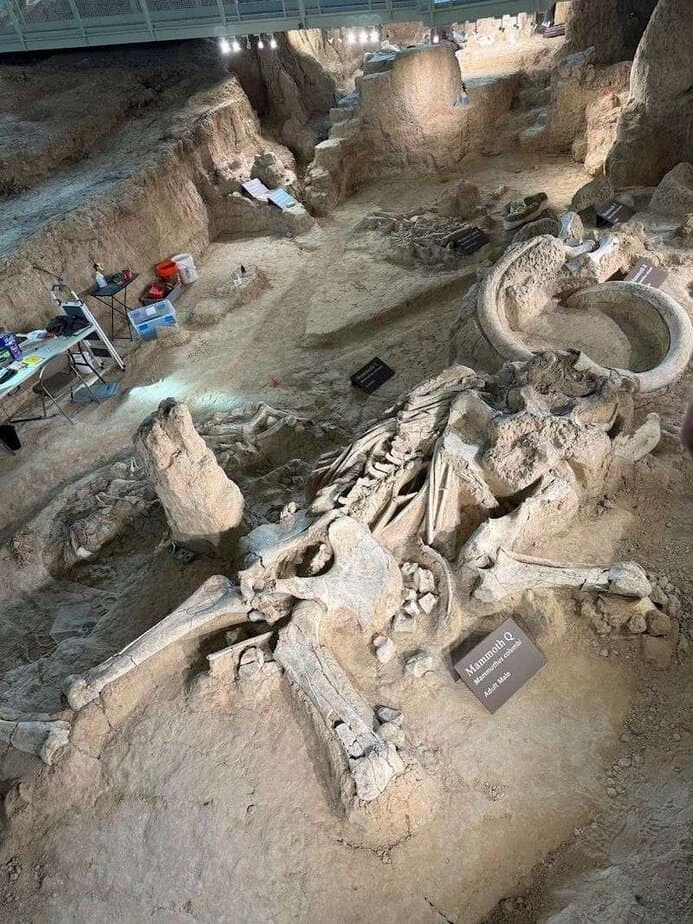
Standing inside the dig shelter, you look down at the only recorded nursery herd of Columbian mammoths in the United States. Discovered by two teens in 1978, the site preserves mothers, juveniles, and a baby exactly where floodwaters likely trapped them over 60,000 years ago. Elevated walkways let you scan tusks, skulls, and limb bones while rangers connect the dots between field notes, sediment layers, and Ice Age ecology.
You hear theories become tangible as guides point to soil horizons that tell the story of repeated floods, shifting channels, and a tragedy frozen in time. It feels intimate, not like a distant museum case, because the bones never left this ground and you are part of the ongoing science. New techniques, from microstratigraphy to 3D scanning, keep revealing details about how the herd moved, fed, and protected their young.
You can almost picture the matriarch steering calves along a muddy bank as rising water turned the low spot into a trap. That mix of awe and empathy is why this place lingers. It is science you can stand inside, a Texas story still unfolding, and a reminder that deep time is closer than it seems when you are eye level with ancient history.
2. Climate Controlled Dig Shelter
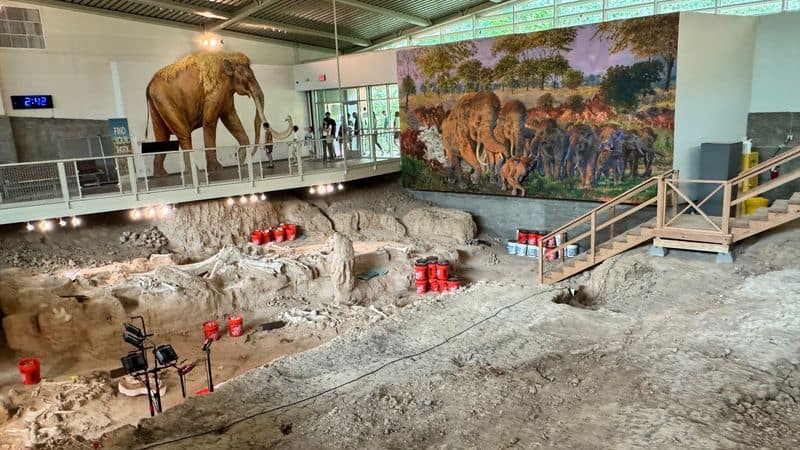
The dig shelter feels like a time capsule and a lab combined, keeping heat, humidity, and dust at bay while protecting delicate Ice Age bones. You stroll an elevated path about ten feet above the excavation, seeing the site the way scientists do. Lighting stays low and warm, so textures pop without baking the sediment or stressing tusks that can crumble without care.
Because it is climate controlled, you can visit comfortably year round and still witness the raw earth where mammoths lay. The shelter’s design makes accessibility straightforward, giving families, seniors, and school groups a clear line of sight to every quadrant of the pit. Rangers use laser pointers to trace bone margins, highlight tusk cross sections, and show where future work may continue.
You are free to linger, compare skeletal elements, and notice how bones align with current hypotheses. It is not flashy, but it is profoundly respectful, a building that serves the fossils first and the spectacle second. That humility is powerful.
By stabilizing conditions and limiting vibration, the shelter lets the landscape do the storytelling while research moves forward carefully, one brush stroke and stratigraphic layer at a time.
3. Guided Ranger Tours
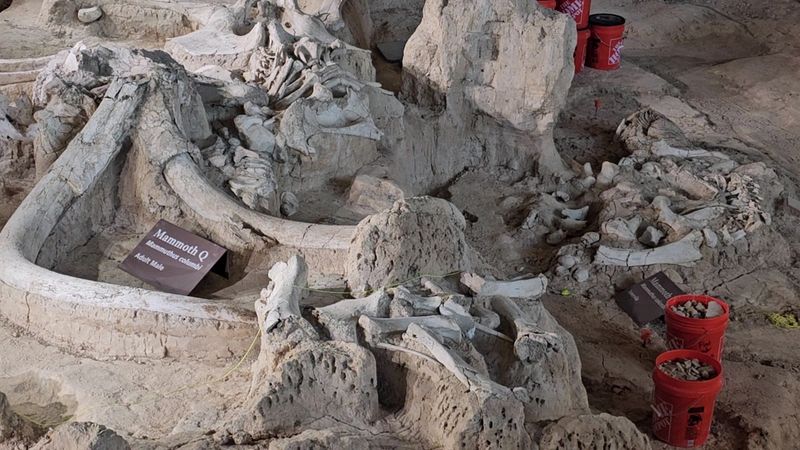
Catch a guided tour and the site springs to life. Rangers weave geology, biology, and Texas history into a tight narrative that respects your time while deepening every glance at the bone bed. You get context, from how the first bones were found to why the flood model remains the most convincing explanation for the nursery herd.
What sets these tours apart is clarity and warmth. Questions are welcome, and your guide meets you where you are, whether you love taxonomy or just want the wow moments. Expect crisp explanations of collagen loss, permineralization, and the careful conservation methods in play.
Many tours last about thirty minutes, short enough for kids yet packed with insights that elevate the experience. You will hear stories about ongoing research, potential future digs, and how new data reshapes earlier assumptions. Humor lightens the science without diluting it.
When the laser dot skims across a tusk arc or a vertebra, the scale snaps into place. You leave with a better eye, ready to spot subtle features you would have missed alone, and a deeper appreciation for the patience required to study giants grain by grain.
4. Flash Flood Hypothesis
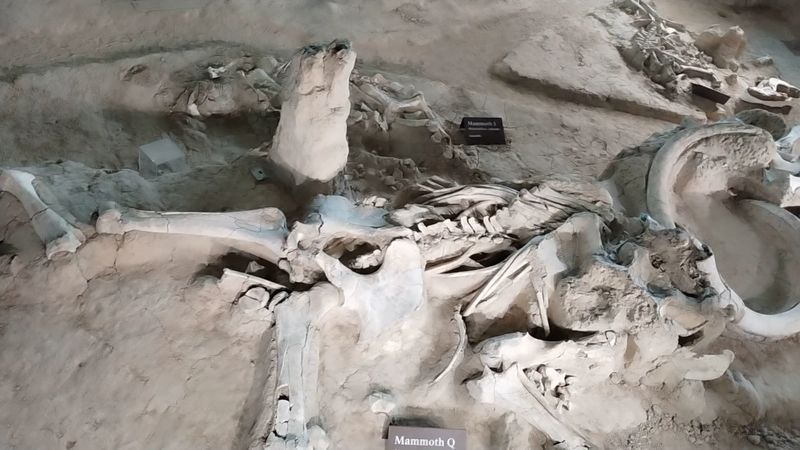
One theory you will hear often is the flash flood scenario, grounded in the site’s stratigraphy and the herd’s composition. Sediment layers suggest rapid deposition events, the kind that can trap large animals in low lying bends. The presence of mothers and young together lines up with herd behavior, where adults shield calves in moments of stress.
Rangers walk you through clues that make this hypothesis persuasive without overselling certainty. You will see how bone orientation, grain size, and channel shifts stack into a coherent story, while alternate ideas still get airtime. Science here is not a slogan.
It is a process, updated as new samples, dating techniques, and comparative studies arrive. That openness lets you think critically alongside researchers. While no one can rewind the late Pleistocene, the earth at your feet functions like a forensic notebook, preserving enough evidence to test ideas honestly.
The result is a living conversation: plausible explanations anchored by data, gently revised as the pit yields more. You come away appreciating how knowledge grows, and why a careful maybe outshines a hasty yes when the stakes include the last moments of a vulnerable herd.
5. Junior Ranger And Kids Activities
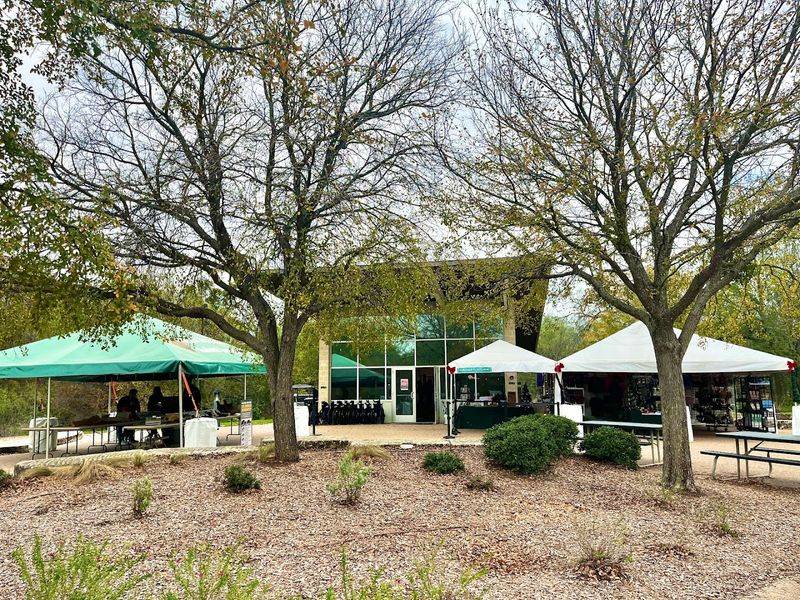
If you are visiting with kids, the Junior Ranger program is a hit. Activity booklets turn observation into discovery, nudging young scientists to spot tusks, sketch bone shapes, and connect clues about Ice Age life. Complete the tasks, share answers with a ranger, and there is a badge ceremony that feels earned, not gimmicky.
Outside the shelter, a kid friendly dig area invites hands on brushing and sifting, framed by real field techniques. It is playful but respectful of the science, showing how patience, teamwork, and note taking matter. Trails nearby provide a short reset for little legs, with shade and birdsong easing the pace between learning moments.
Because tours run often, you can time your stop to match attention spans and nap windows. Prices stay friendly, so families can relax and enjoy without rushing. The staff knows how to balance accuracy with fun, offering solid answers to big questions while keeping it light.
You leave with excited chatter, a badge, and maybe a dream job in paleontology planted quietly in the back seat.
6. Visitor Center And Gift Shop
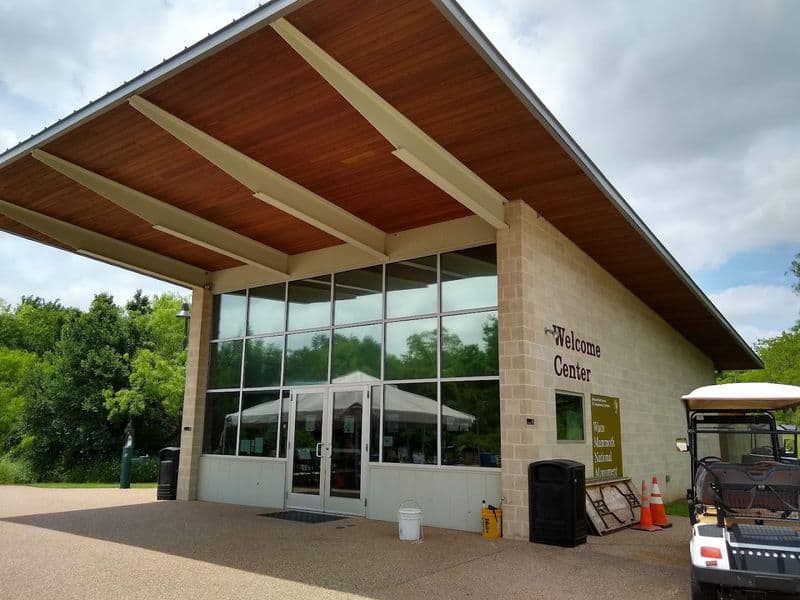
The welcome center is your launch pad for tickets, questions, and a quick primer on what you are about to see. Staff steer you toward the next guided tour, share trail options, and point out accessibility details. Displays help you calibrate scale before the main event, so a glance at a tusk later carries extra weight.
The gift shop is compact yet well chosen, with books, patches, and mammoth themed souvenirs that actually reflect the site’s story. Prices feel reasonable, which makes it easy to support ongoing education and conservation work. There is a national park passport stamp, plus local touches that root the experience in Waco.
If you collect magnets, patches, or junior ranger swag, you will find something memorable without clutter. Restrooms are here, so plan a stop before walking to the shelter. Because the dig building has limited capacity, timing your purchase with a tour start keeps your visit smooth.
You step out stocked with context and a small token of deep time tucked into your pocket.
7. Eagle Scout Trail Nature Walk
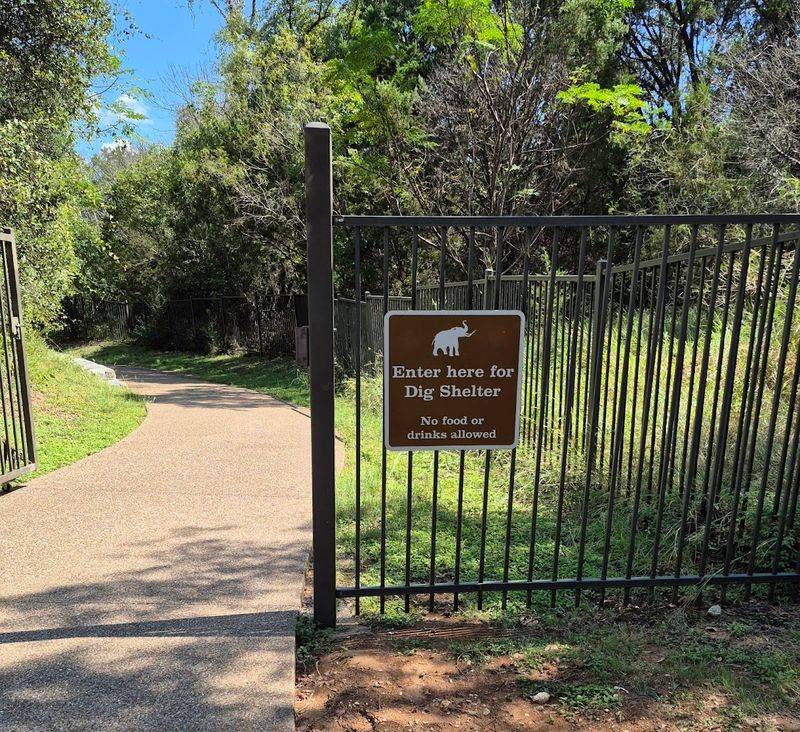
After the fossils, the Eagle Scout Trail offers a quiet balance of shade, birds, and breezes through Central Texas vegetation. It is short, mostly flat, and perfect for decompressing with kids or a cup of curiosity still buzzing. You can hear the wind in the trees while replaying what you learned inside the shelter.
The path gives you a feel for the landscape that shaped those floods and channels. Watch for seasonal blooms, listen for woodpeckers, and keep your eyes open for lizards flicking across sunny patches. Because it is close to the dig site, you can add the walk without adding stress to your schedule.
It is also a smart move if you are staggering a visit with a partner who is caring for a pet outside the building. The contrast matters. Bones tell one part of the story, and the living habitat fills in the rest.
You end with a better sense of place and a gentle reset before heading back to the parking lot.
8. Accessibility And Visitor Tips
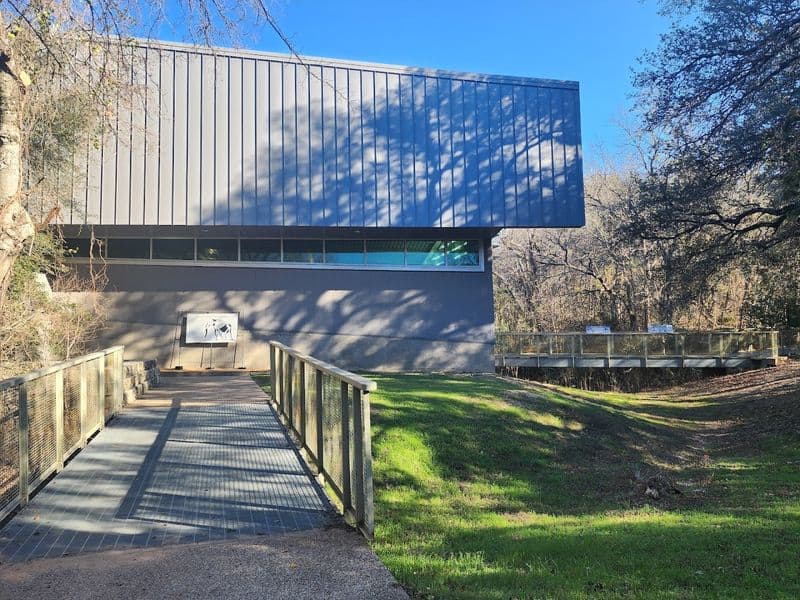
You will find paved paths to the dig shelter, clear gradients, and seating spots where needed. The exhibit building’s elevated walkway provides stable footing and generous railings for confident viewing. Rangers are great about pacing, repeating key info, and helping guests find shade, water, or a bench when the Texas sun kicks up.
Plan your timing around tour starts to minimize waiting, and go early for fewer crowds. Admission is affordable, and parking is simple. Because the shelter protects sensitive material, pets are not allowed inside, so bring a buddy to trade off or use the nearby trail.
Check hours on the official site and note that the monument opens at 9 AM most days. If you collect stamps, bring your national park passport for the welcome center. Light layers help, even with climate control, and comfortable shoes make the walk easy.
With a little planning, your visit feels calm, curious, and full of small wins that add up to a memorable day.
9. Active Research And Conservation
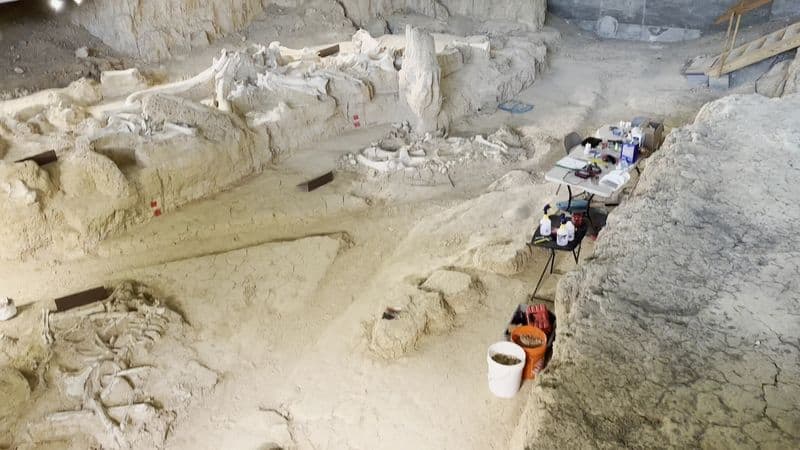
This is not a frozen exhibit. It is an active research site where new questions keep appearing as sediment gives way to bone, and bone gives way to insight. You will hear how stabilization materials, humidity control, and gentle cleaning preserve tusks that could otherwise split or powder.
Conservation here is slow by design. Technicians and researchers document positions, photograph findings, and compare patterns against other Pleistocene localities. Even the decision not to excavate a section is data driven, protecting context for future methods we cannot predict yet.
That patience is inspiring, especially when you realize restraint can teach as much as removal. Educational panels explain adhesives, supports, and common threats like salt crystals or micro cracking. When staff describe how a millimeter matters, you feel the discipline behind every choice.
You leave rooting for the quiet victories that keep ancient structures stable and legible for the next generation of scientists and visitors.
10. Planning Your Visit
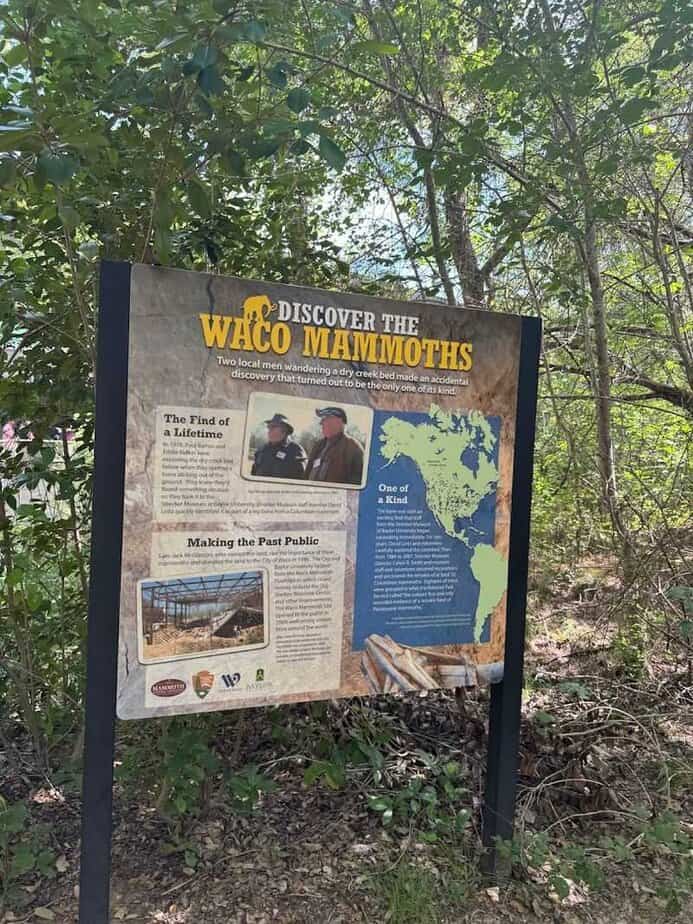
The monument sits at 6220 Steinbeck Bend Dr in Waco, a short hop from downtown and major routes. Hours run 9 AM to 5 PM, and the sweet spot to arrive is early, especially on weekends and school breaks. Budget an hour to ninety minutes for the tour and shelter, plus extra time if you want the trail.
Tickets are purchased at the welcome center, and tours typically cycle about every half hour. Prices stay friendly, so you can bring the whole crew without stress. Pack water, sunscreen, and curiosity.
Photography is welcome, but remember that flashes and touching are off limits to protect fragile material. If your group includes mixed ages, plan a bench break before or after the dig building to keep energy steady. Check the official National Park Service website for updates on programs, temporary closures, or special events.
With a little strategy and a lot of wonder, you will step into the Pleistocene and walk out with a fresh perspective on deep Texas time.
11. Why It Matters
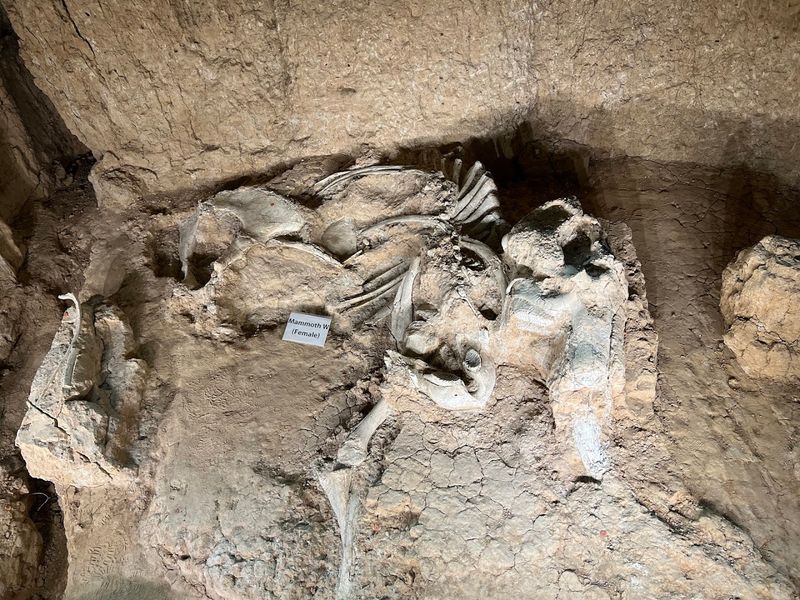
Waco Mammoth National Monument matters because it proves big science can be local, tangible, and welcoming. You do not have to fly to a far off lab to meet the Ice Age. You can stand above a story preserved by chance and protected by people who care deeply about getting it right.
The nursery herd centers empathy as much as evidence. Mothers and calves remind you that prehistory was full of relationships, not just measurements, and that loss ripples across time. The site also models honest inquiry, showing how hypotheses grow and change under new light.
Schools, families, and solo travelers all find an entry point, from geology nerds to first time visitors who just like big bones. When you leave, you carry a sharpened attention to landscapes, floods, and the fragility of giants. It is a Texas treasure with a global significance, inviting you to keep asking questions long after the parking lot fades in your rearview.