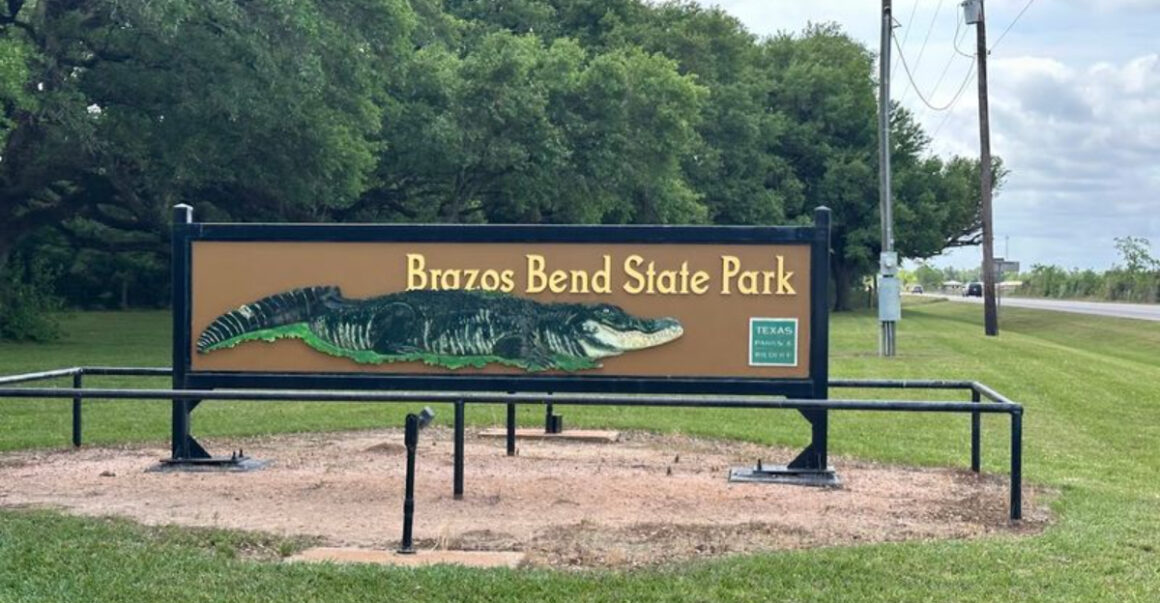
Just an hour from Houston, Brazos Bend State Park is where hundreds of wild alligators share the spotlight with moss draped oaks and mirror calm lakes. Trails glide beside wetlands that shimmer at sunrise and glow at sunset, making every loop a new story. You can spot gators, touch a baby one at the nature center, and even end the day stargazing at the observatory.
Here is exactly how to plan a safe, unforgettable visit that feels both wild and wonderfully approachable.
1. Elm Lake and 40 Acre Lake: Gator Central
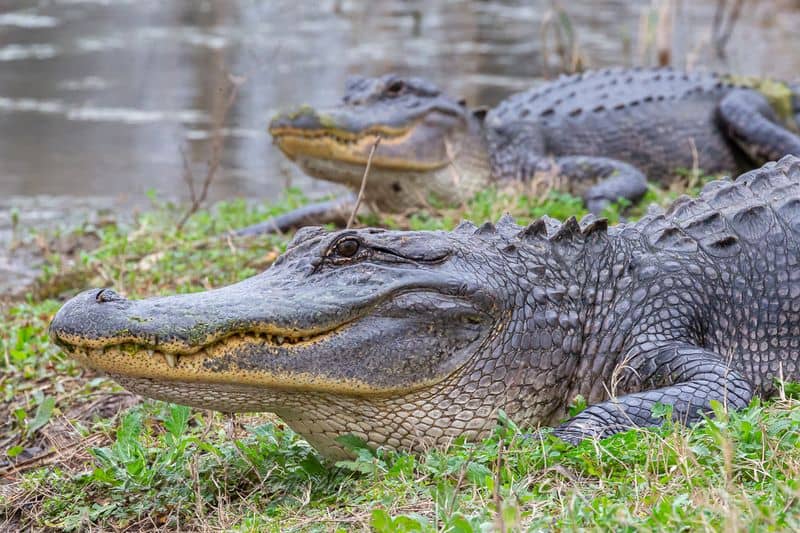
Elm Lake and 40 Acre Lake are where Brazos Bend State Park earns its alligator reputation. Boardwalks hug the reeds, and wide gravel trails make it easy to keep a safe, respectful distance. You will likely spot gators basking with jaws ajar, turtles piling on logs, and herons stalking the shallows.
Start at the Elm Lake Loop, then connect to the Spillway and 40 Acre Lake trails for a classic circuit. Climb the observation tower for a panoramic scan, especially golden hour when silhouettes glow. If you bring kids, remind them to stay centered on the path and never feed or approach wildlife.
Pack water, polarized sunglasses, and insect repellent, and move calmly if a gator is near the trail. Give at least 30 feet, more if the animal is large or guarding a nest. You will leave with unforgettable photos, muddy shoes, and a deeper respect for the wetlands that thrive just outside Houston.
Mornings are quiet, afternoons lively, and winter sun keeps reptiles visible on cool days. Photographers should bring a telephoto lens, yet even phones capture striking reflections along calm coves. If water levels rise, stick to signed routes, watch for submerged roots, and let the rangers guide your plan at the nature center.
2. George Observatory: Stargazing Saturdays
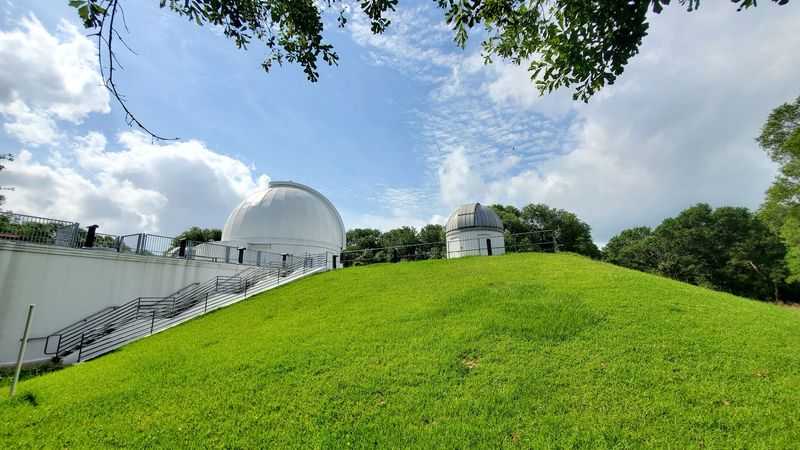
Hidden in Brazos Bend, the George Observatory turns a swampy park into a window to the universe. On Stargazing Saturdays, volunteers from the Houston Museum of Natural Science line up telescopes and coach beginners with patience. You can scan the Moon, chase Jupiter’s bands, or trace the Pleiades while owls call from the trees.
Book online early and aim to arrive before dark so parking and passes are easy. Bring a red flashlight, a light jacket, and curiosity about constellations you thought you had forgotten. If you have kids, the docents make space for little eyes at the eyepiece and explain planets in friendly language.
After the program, walk back under those moss draped oaks and let the night sounds frame your memories. You will notice the lakes feel different after stargazing, deeper and calmer, as if the wetlands breathe in rhythm with the sky. The observatory visit pairs beautifully with a late afternoon hike around Elm Lake.
Check hours, weather, and any special events on the park or observatory pages before you go. Cloud cover matters, but even short breaks can reveal a planet or two. Bring patience, share the view, and you will leave with a new habit of tilting your head up every time darkness falls.
3. Nature Center: Hands On Learning
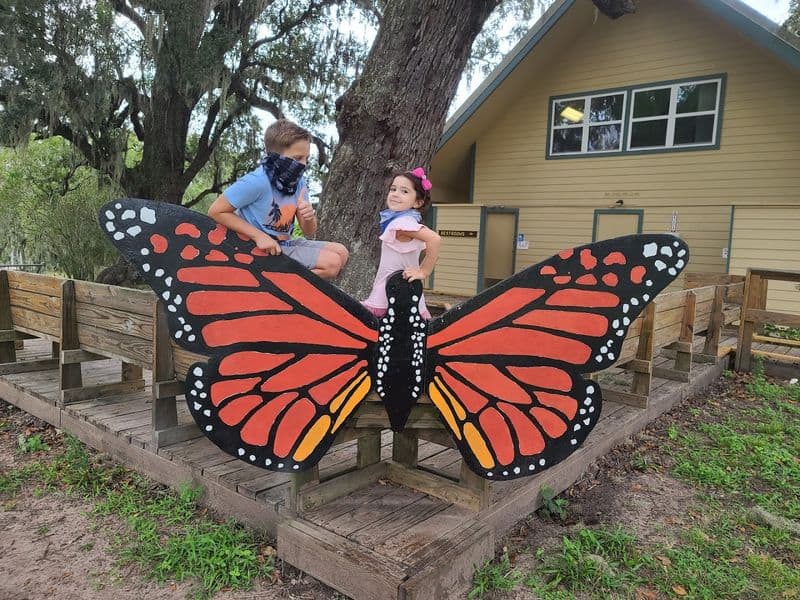
Start at the Nature Center to get to know Brazos Bend’s wild residents. Friendly volunteers answer questions, show preserved specimens, and introduce live critters with calm confidence. If timing works, you might gently touch a baby alligator while learning why feeding wildlife harms both animals and people.
Displays cover snakes, turtles, birds, and the wetland web that keeps everything in balance. Kids can earn Junior Naturalist patches, and grown ups will pick up trailside etiquette that makes encounters safer. You will also find maps, current trail conditions, and tips about where gators have been most active that week.
Before heading out, refill bottles, apply sunscreen, and agree on a meet up spot if your group splits. Remember that pets must stay leashed, and teaching kids to walk in the center of the path reduces risk. With a plan and fresh curiosity, the rest of the park becomes an open air classroom.
The center’s hours are limited, typically late morning to mid afternoon, so plan accordingly. Even when closed, interpretive signs around the lakes keep the learning going. Start here, then let the trails, boardwalks, and patient observation turn facts into lived moments you will talk about long after you leave.
Check weekend programs, which often include guided walks and talks.
4. RV Camping at Burr Oak and Red Buckeye
Spacious sites at Burr Oak and Red Buckeye loops make RV life easy without sacrificing the wild. Pads are level, hookups are reliable, and the three lane dump station handles big rigs smoothly. You will wake to bird song, Spanish moss swaying, and the promise of sunrise walks beside quiet water.
Reserve ahead, especially on weekends, and remember there are no sewer hookups at individual sites. Bring leveling blocks, a long freshwater hose, and a surge protector to keep everything stress free. Burn bans can happen, so pack a griddle or skillet as a backup for camp meals.
Day pass reservations are smart, and annual park passes save money.
Families appreciate the playgrounds near some loops and the clean restrooms with hot showers. Night skies feel darker than you would expect this close to Houston, especially after quiet hours begin. Keep food sealed, store trash properly, and you will likely meet deer, armadillos, and curious raccoons passing through.
Pets are welcome on leash, but never let them drink from or enter the lakes. Gators own the shorelines, so give wide berth and stay centered on trails when walking. With a little preparation, your campsite becomes a comfortable base for wetlands adventures from sunrise birding to moonlit strolls.
5. Alligator Safety You Will Actually Remember
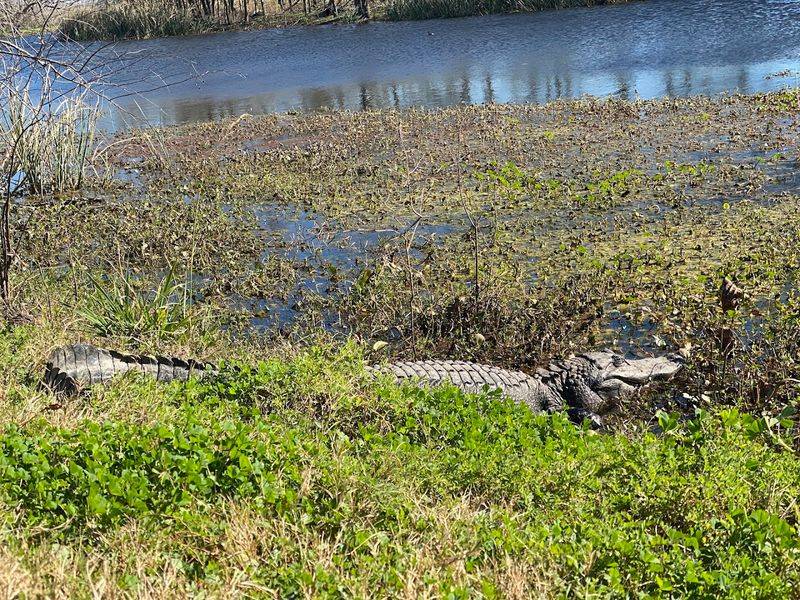
Seeing alligators up close is thrilling, and Brazos Bend is designed to keep you safe while they stay wild. Stay a minimum of 30 feet away, more during nesting season or when a gator is on land. Keep to the center of the trail, give them the shoreline, and move calmly.
Do not feed wildlife, ever, because it teaches dangerous habits that hurt both animals and people. If a gator hisses, tail swishes, or lifts high, that is a clear warning to back off. Dogs belong on a six foot leash, and you should never let pets drink from lakes.
Keep bikes slow near water, and yield generously at blind curves.
Parents, set expectations before you reach the water, and keep little hands busy spotting turtles or birds. Photograph from a distance, use zoom, and avoid crouching at the shoreline where visibility drops. If a boardwalk feels crowded, wait for space rather than squeezing past a resting reptile.
Rangers and volunteers are happy to answer questions, so ask when uncertain. Safety here is about attention, not fear, and the payoff is incredible wildlife encounters. Follow the signs, model good behavior, and you will leave confident, proud, and eager to return for another peaceful lap around the lakes.
6. Seasons and Weather: Plan Like a Local
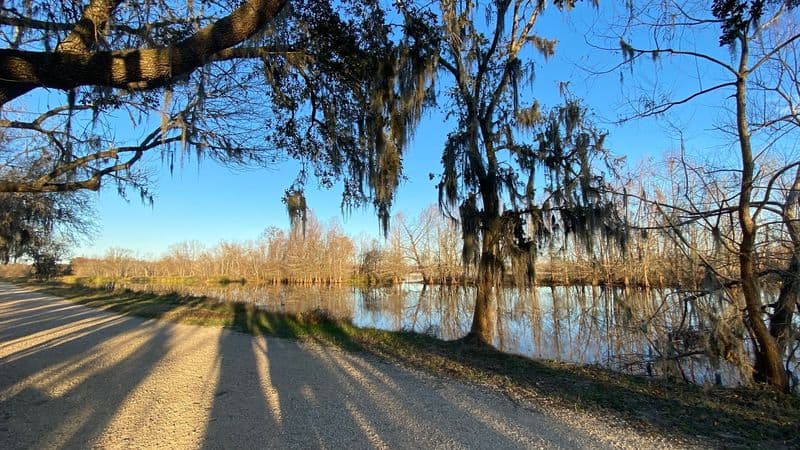
Every season changes Brazos Bend’s rhythm, and planning for weather keeps days enjoyable. Winter brings crisp air and sunlit gators warming on banks, plus fewer mosquitoes. Spring is bird song, wildflowers, and dramatic skies, although storms can build fast over the prairies and wetlands.
Cold snaps may slow reptiles, but sunshine quickly recharges them on calm banks.
Summer heat is serious, so start early, carry extra water, and rest in shade. Afternoon clouds sometimes spark short showers that cool the trails and light up reflections. Fall offers golden light, migrating raptors, and comfortable camping nights that invite long conversations by the lantern.
Seek shade near oaks draped in moss, and linger where breezes gather.
Check the park’s website for closures, high water, and trail conditions before driving out. A lightweight rain jacket, breathable clothing, and bug repellent make almost any forecast workable. When humidity spikes, slow your pace, snack often, and look for breezes along open levees and tower viewpoints.
Morning and evening are prime for wildlife, photographs, and cooler temps that feel forgiving. Midday walks still shine if you explore shaded loops and bring patience. With a flexible plan and the right layers, you will enjoy this park in any month, discovering how the wetlands reinvent themselves again and again.
7. Birding Hotspots Around the Lakes
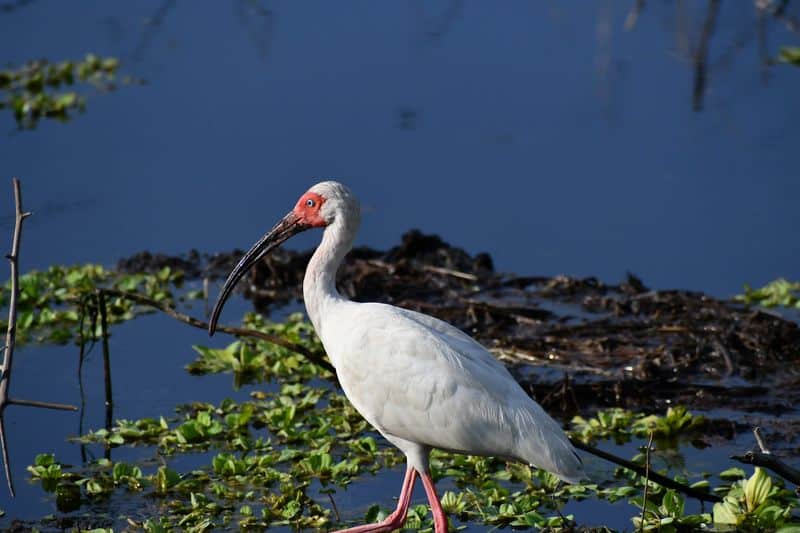
Brazos Bend is gloriously birdy, especially around Elm Lake, Pilant Slough, and 40 Acre Lake. Expect herons, egrets, ibis, and roseate spoonbills when water levels are right. Overhead, red shouldered hawks patrol, and in winter you can catch rafts of ducks dabbling beside patient alligators.
Bring binoculars, a camera with modest zoom, and a small field notebook for quick lists. Early light works magic on plumage, and calm mornings double scenes in mirror still water. If you are new, watch where photographers linger and politely ask what they are seeing.
A lightweight tripod helps with long lenses but is not essential here.
Tower perches give sweeping views for spotting kites and soaring vultures. In spring, listen for warbler chips along wooded edges, then scan patiently from shade. Shorelines host sandpipers, while snags hold anhingas drying wings like cloaked statues above the lily pads.
Bring a compact seat, settle along the spillway, and let patterns emerge.
Note your sightings on eBird after the trip, and you will help future visitors. Respect closures that protect nesting birds, and keep voices low near rookeries. With time, patience, and quiet feet, the park reveals layers of movement that make even short walks feel wonderfully rich.
Give gators space too.
8. Family Day Plan With Kids
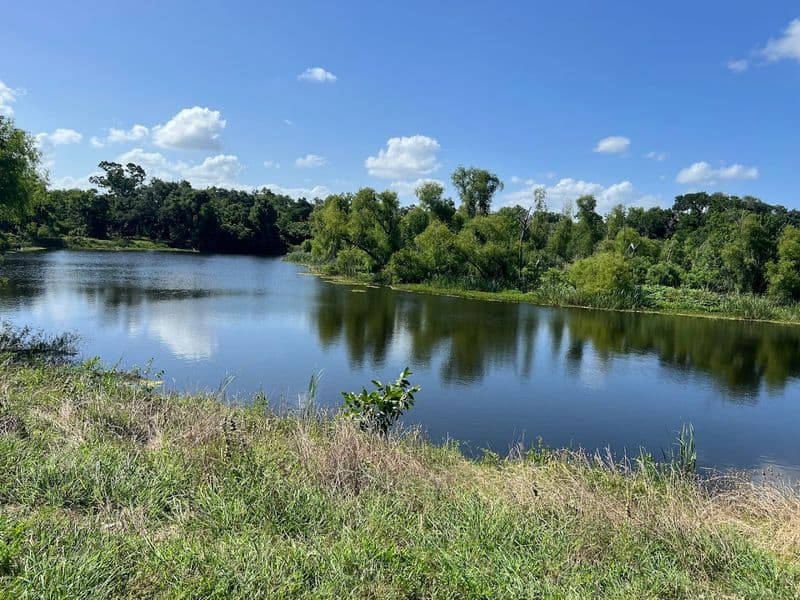
Start at the Nature Center when it opens, then make a short loop at Elm Lake before lunchtime. Kids light up meeting volunteers, touching safe specimens, and collecting Junior Naturalist challenges. Keep snacks handy, take frequent shade breaks, and turn every turtle or heron into a mini scavenger hunt.
Morning light is gentle, and traffic at the gate is lighter.
After a picnic at a shaded table, roll strollers along the wide gravel paths near 40 Acre Lake. Climb the tower for a wow moment, counting gators from a far, safe vantage. Remind children to stay centered on trails, and model calm voices so wildlife keeps behaving naturally.
Later, explore a playground loop or rent a screened shelter for naptime retreat. Bring a small nature journal so kids draw beaks, footprints, and the curve of Spanish moss. Celebrate tiny wins like spotting a dragonfly emergence or hearing an owl before dusk.
Frequent water breaks keep spirits high on warm afternoons.
End at the observatory if it is a Saturday, or simply watch stars from the campground. Pack extra clothes, wipes, and bug spray so moods stay bright. With realistic goals and playful pacing, your family will leave tired, happy, and already plotting the next Brazos Bend adventure.
9. Biking the Trails Safely and Slowly
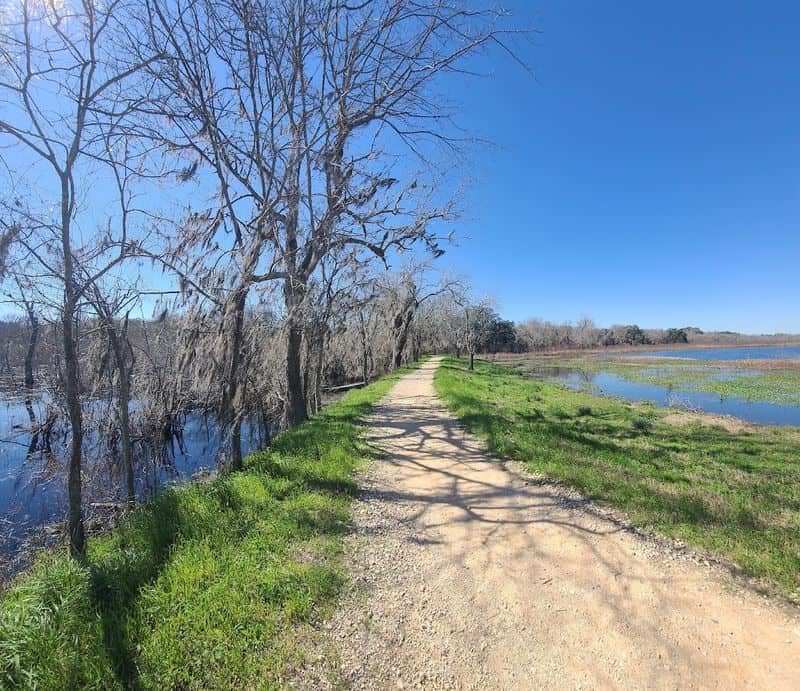
Many park trails welcome bikes, and the mostly flat terrain makes riding inviting for beginners. Bring a bell, slow near water, and yield to hikers on narrow passes. You will cover more ground than walking, spotting birds, deer, and the occasional gator from a comfortable distance.
Avoid skidding because it damages trails and startles nearby wildlife.
Stick to signed bike routes like the Hale Lake area, and dismount on crowded boardwalks. Helmets are smart for everyone, and lights help during dusky returns from sunset rides. Keep earbuds out so you can hear birdsong, warning calls, and friendly trail etiquette reminders.
Muddy patches appear after rains, so steer clear of soft shoulders.
If you encounter wildlife on or near the path, stop, assess space, and walk your bike past. Give extra room at blind curves and shady culverts where gators like to lounge. When in doubt, choose patience over speed, then celebrate the sighting from a safe turnout.
Bring tools, a spare tube, and water, since services are limited once you roll out. Park at trailheads with maps, and snap a photo so navigation stays simple. With unhurried miles and watchful eyes, you will find biking here adds a breezy, low impact rhythm to your Brazos Bend day.
10. Picnic Spots and Day Use Bliss
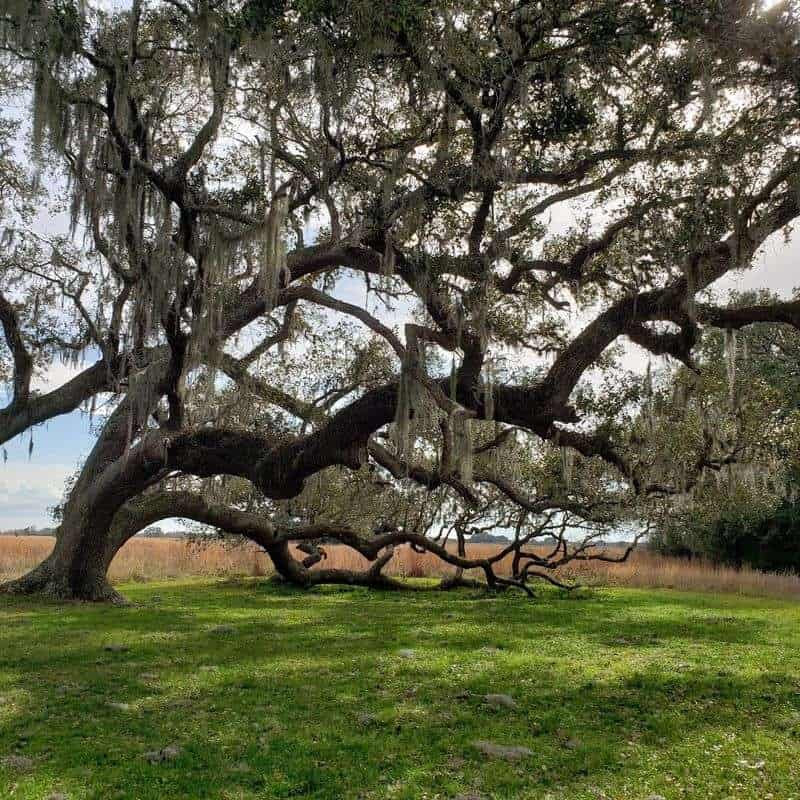
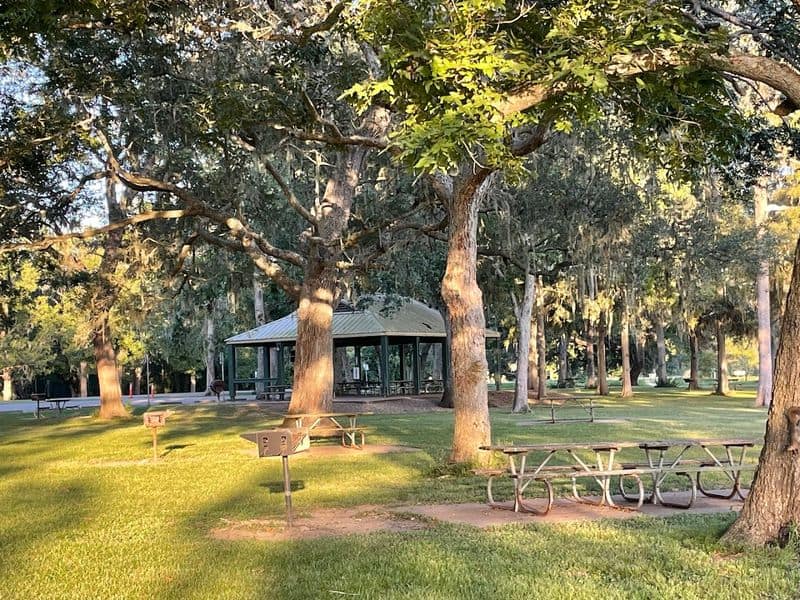
Day use areas at Brazos Bend feel thoughtfully spread out, so you can claim shade and quiet. Picnic tables rest under sprawling oaks with moss that sifts the light into a soft green. You will hear woodpeckers tapping while kids chase lizards and the wind ruffles lily pads nearby.
Arrive early on weekends to find your favorite table, and bring a checkered cloth to keep things tidy. Pack a cooler with sandwiches, fruit, and lots of water, then add wipes and trash bags. After eating, walk a lazy loop, scan for turtles, and count how many herons you spot before dessert.
Restrooms are clean and close to most lots, and playgrounds give young legs a reset. If a sudden shower rolls through, wait it out under the trees and watch ripples multiply. Keep food secured, never feed wildlife, and store coolers out of sight to discourage curious raccoons.
Consider timing lunch for mid day heat, then explore again as shadows lengthen. Golden hour picnics feel cinematic, especially with distant gators gliding like slow submarines. With simple prep and flexible timing, a picnic here becomes a calm anchor for your day, stitching together hikes, birdwatching, and easy conversations.
11. Photography Guide: Wetlands Light and Texture
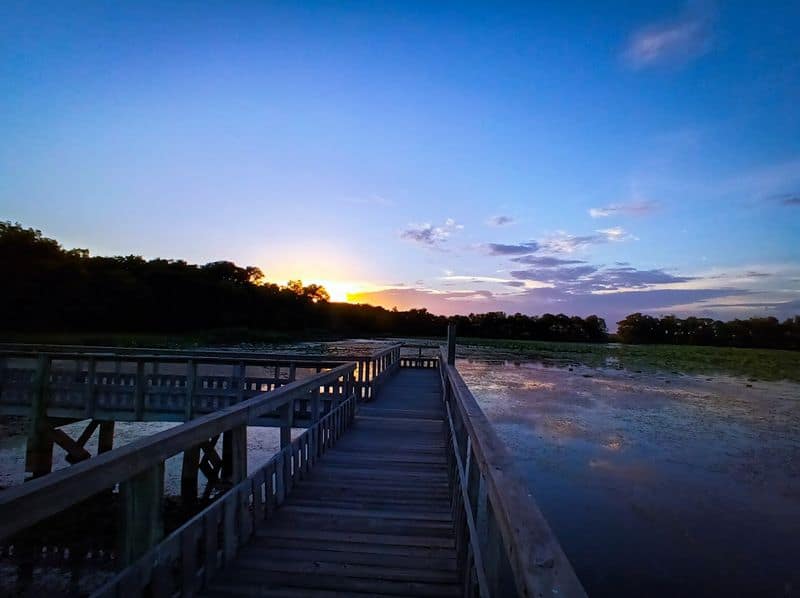
Brazos Bend is a master class in texture, reflection, and patient timing. Golden hour wraps Spanish moss in soft fire while gators glow like living fossils. You can build a full portfolio in one loop if you slow down, watch the wind, and let scenes arrange themselves.
Overcast days are gifts, evening fog is magic, and mist makes edges glow.
Use a polarizer to tame glare, and expose for highlights on reflective water. Telephoto lenses keep respectful distance, but a wide angle tells honest stories about place. Phones work fine; just brace on a railing and tap to lock focus so the camera does not hunt.
Compose with leading lines along levees, boardwalks, and the curve of lily pads. Wait for birds to pause, then catch the catchlight and a clean background. Skip baiting wildlife, keep feet dry, and stay higher than shorelines so you avoid the tunnel vision that risks poor decisions.
Pack a microfiber cloth, extra batteries, and a trash bag to protect gear on damp ground. Share tower space, take turns, and swap tips with other photographers without blocking trails. With patience and gratitude, you will leave with images that feel like memories, carrying Brazos Bend’s light long after the drive home.