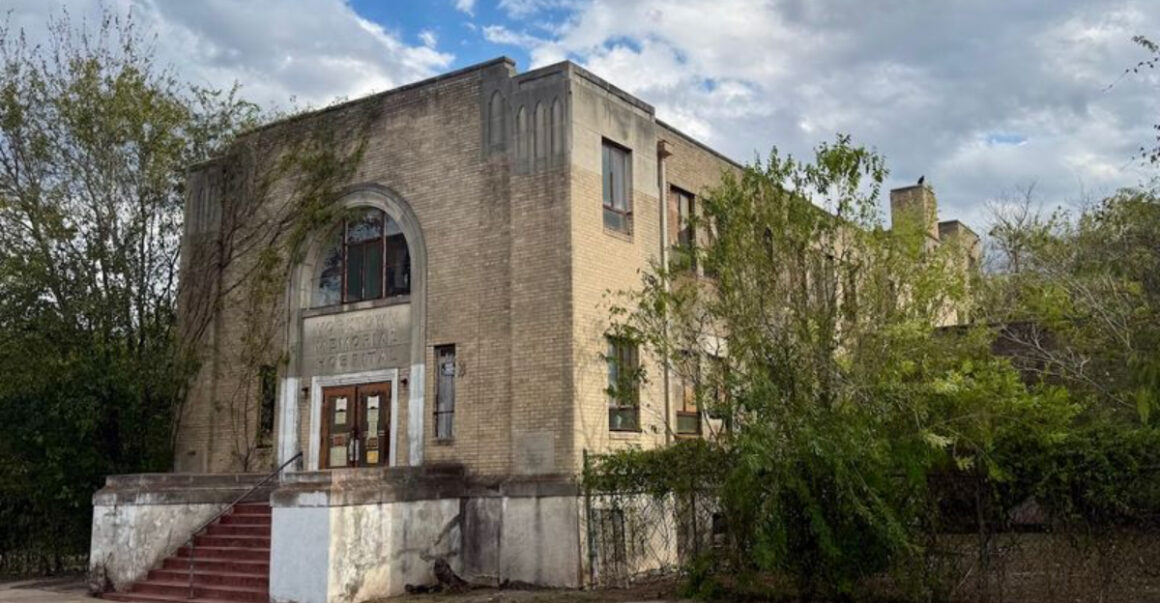
Tucked along W Main St in Yorktown, this crumbling hospital looks ordinary until you lock eyes with its dark windows and feel the quiet press in. The halls echo with stories that split opinion between haunted thrills and raw history, which makes stepping inside feel like a dare you secretly want to take. Whether you believe or not, the energy hangs thick like a storm that never leaves.
Bring a flashlight, a curious mind, and the nerve to keep walking when the whispers start.
1. First Look at the Foreboding Facade
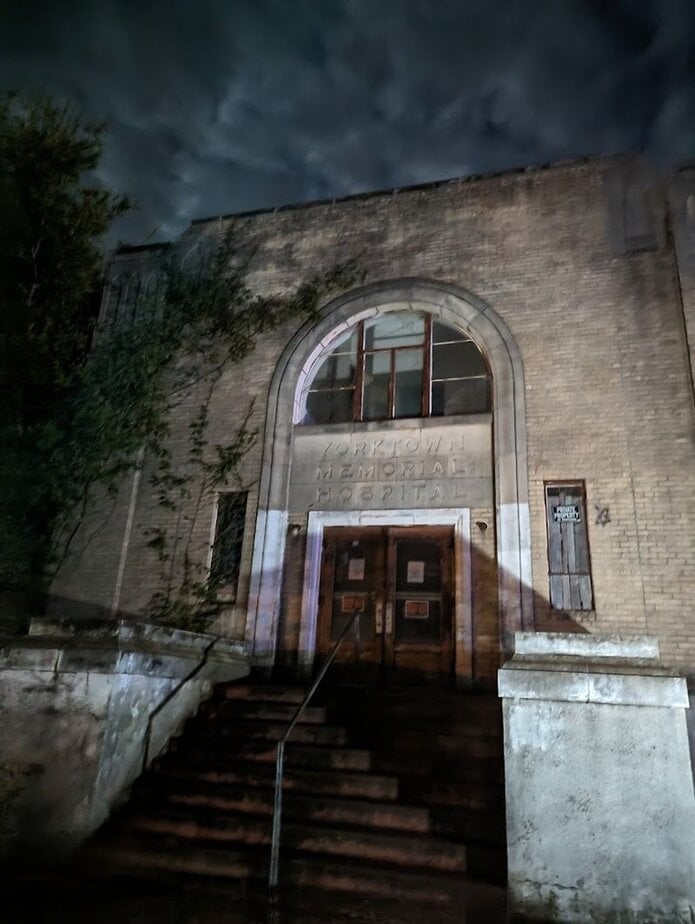
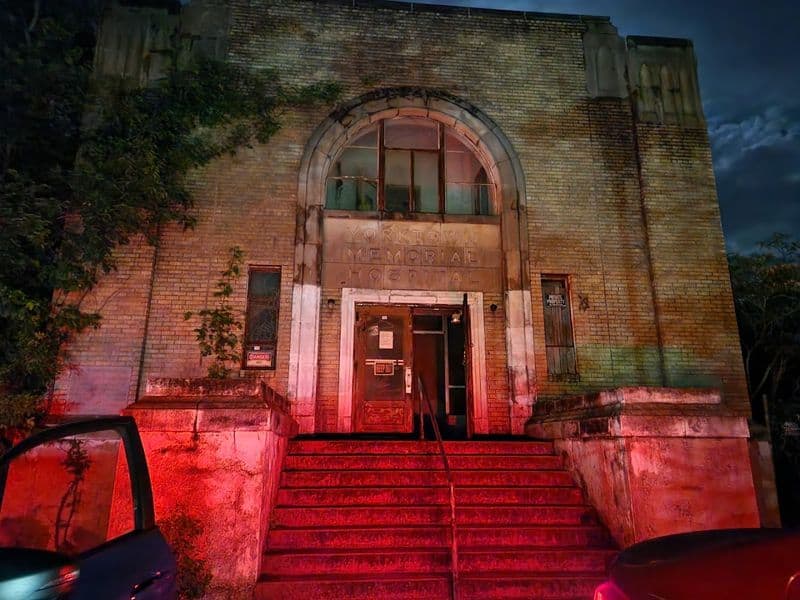
You roll up to 728 W Main St, and the building greets you with a stare that feels personal. The brick is scarred, the windows are blank, and the wind does most of the talking. Even before a tour starts, your footsteps sound too loud on the gravel, as if the place is listening.
That first breath near the entrance tastes like dust, old medicine, and a story that is not finished.
Locals call it a historical landmark now, but your eyes read something rawer. Decay tells its own timeline, faster than you expect for a 1950s build. You scan for signs of life and find only drifting leaves and a stubborn doorframe.
Then a feeling creeps up your spine, not a jump scare, just pressure, knowing a thousand small moments happened here.
Guides will tell you where to look, but your instincts drag you anyway. The chapel cross, the emergency door, the upstairs windows that refuse to blink. You catch your face in a shard of glass and think, you are part of the story once you see yourself here.
That is the hook of Yorktown Memorial Hospital, and it lands fast.
2. Inside the Long Hallway That Never Feels Empty
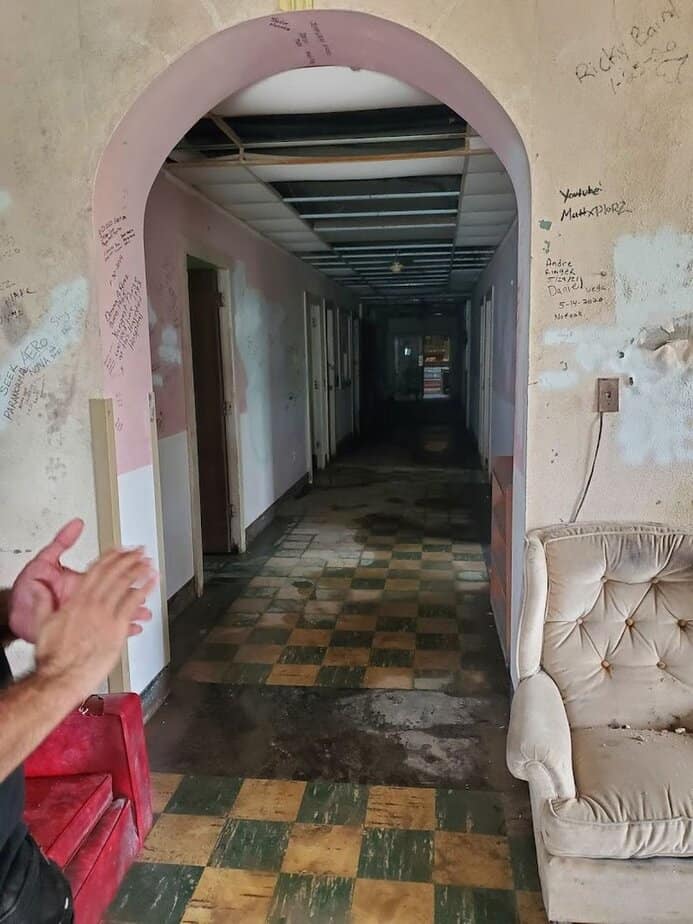
The hallway looks simple until you realize it edits your breathing. Every step presses air forward, bouncing faint echoes that come back a half beat late. Your light crawls over peeling paint that curls like old photographs.
A soft shuffling sound seems a room away, but distances here refuse to behave.
People argue about the cause, yet everyone agrees the corridor feels like movement without footprints. Some say energy pools at corners, tugging at sleeves. Others just love the architecture, the symmetry, and the sense that history still rehearses.
You do not need to pick a side to feel watched from just outside the beam.
Guides often pause here to let silence do the work. If you speak, your words come back thinner, as if filtered through gauze. Phones catch odd blurs, and cameras hum like they are nervous.
Keep walking, and you will swear the hallway shortens behind you faster than you can turn around.
3. The Chapel and Its Uneasy Peace
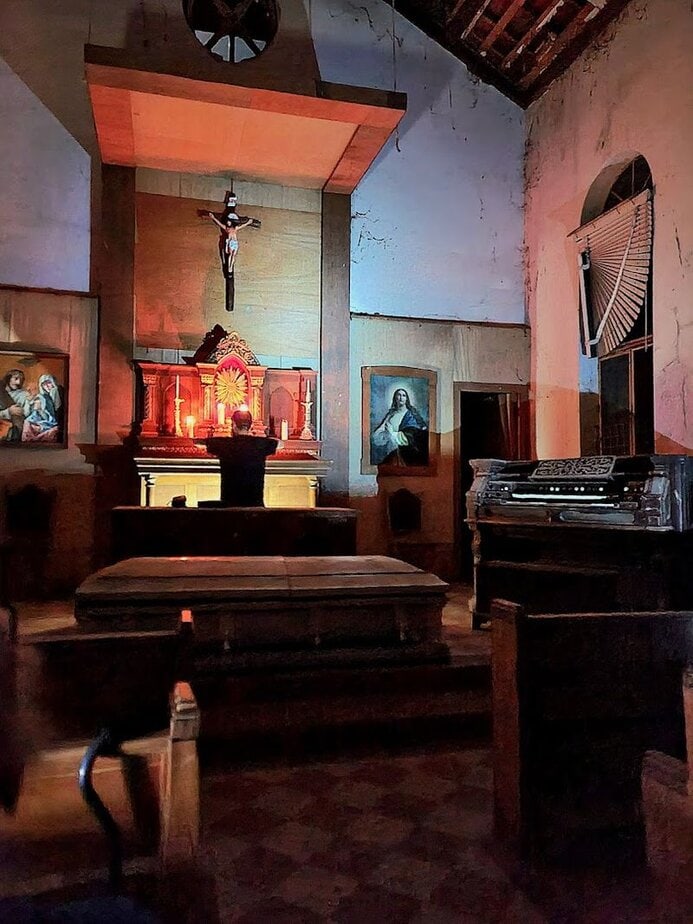
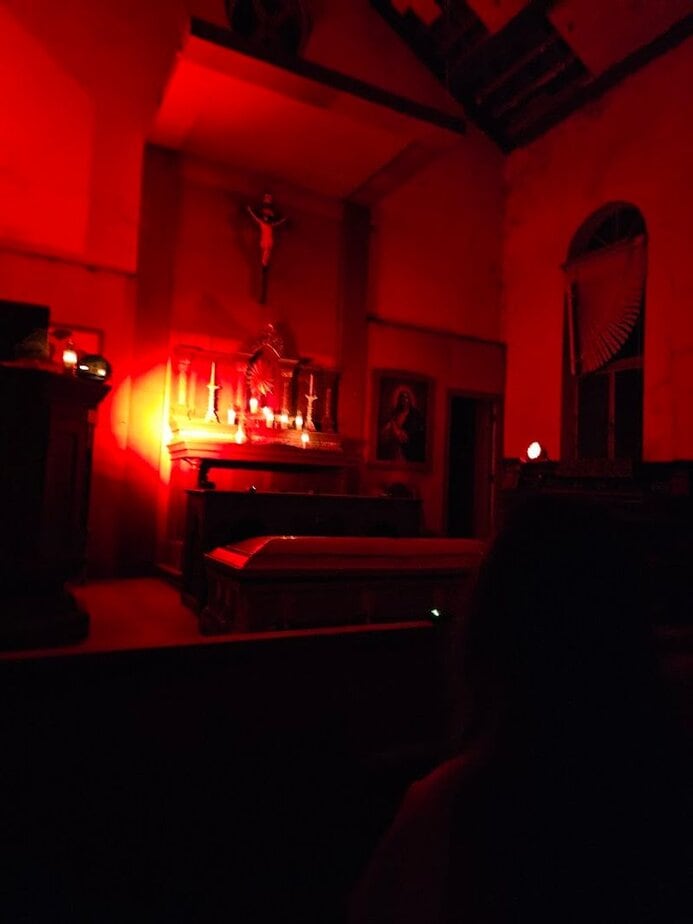
It should be comforting, but it is not. Dust turns sunbeams into quiet columns, and a small cross holds the room together. Sit on a pew, and the wood will creak like it remembers names.
People whisper here without meaning to, as if loudness would chip the air.
Stories gather in stacks about voices in prayer cadence and a figure glimpsed near the altar. Your skepticism can clock in and still your skin will tighten. Maybe it is the acoustics, or maybe something answers in the pause between words.
Either way, the chapel carries more gravity than its square footage deserves.
Some guests report cold spots drifting like thoughtful breezes. Others hear light tapping from nowhere and decide it is just settling. You do not need a REM pod to feel timing change, seconds stretching into careful minutes.
When you stand to leave, the pew seems to insist you sit just one heartbeat longer.
4. The Basement and the Breath That Turns Cold
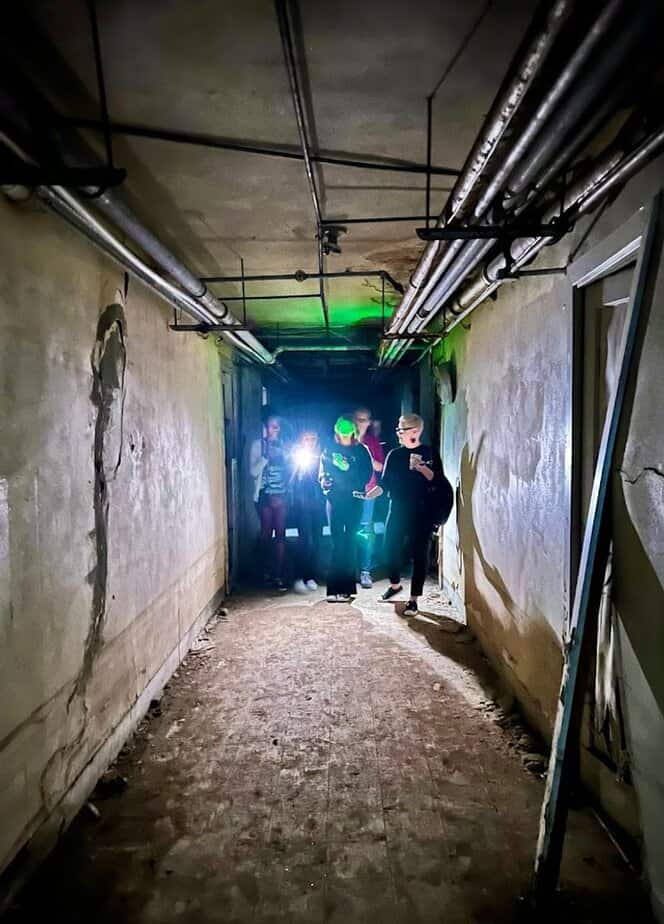
It smells like wet concrete and time, and the ceiling pipes hum with patient indifference. People describe sudden dips in temperature you can feel in your teeth. You will want to talk, but your voice sounds like it belongs to someone else down here.
Cold spots linger near doorways that look alike until they do not. One step is fine, the next is ten degrees meaner, and your breath skates into visibility. Cameras snag static, and shoes crunch on grit that was probably dust an hour ago.
It is not theatrical, just relentless in the way it squeezes focus.
Some visitors climb back up after a minute and call it respect. Others stay, counting seconds between drafts like they are mapping a pulse. Guides keep an easy pace and let you decide what you want to learn from the dark.
Either way, the basement does not chase you, it simply waits.
5. ER Doors, Sudden Silence, and That Heavy Feeling
The emergency room carries stories that refuse to settle. Double doors hang slightly open, and every hinge looks like it has a memory. People mention the silence here, not empty but loaded, like a breath held too long.
If your flashlight flickers, you will feel the room inhale.
Temperature drops show up fast, like the air got impatient. You might see your breath and wonder if a door has opened behind you. Phones sometimes lag, screens crawling as though the signal hits molasses.
Walk slowly, and you will notice the room edits what you remember a minute later.
There is no jump scare on command, just a presence that bends posture. You stand straighter, shoulders tight, ready to leave fast and not sure why. Some call it suggestion, some call it a warning, but nobody shrugs it off.
When you step out, that first normal breath feels like a gift you did not realize you missed.
6. Nursery Whispers and Rolling Toys
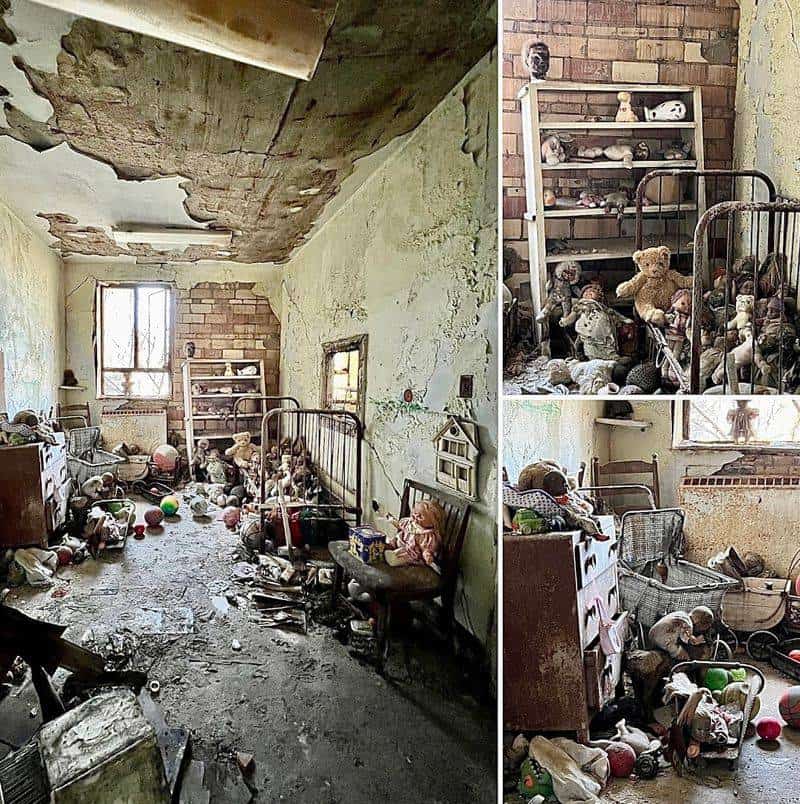
Pastel paint flakes into tiny islands, and a lone ball waits like it has somewhere to be. People swear toys move when nobody looks, and sometimes they do not swear at all. Stand at the doorway, and the room feels like a held note.
Guides tell you to watch the corners for flickers you will want to blame on dust. You likely will until a soft scrape rolls out from a crib. Phones pick up words on apps, and skeptics roll their eyes while still listening.
The trick here is not to demand anything, just notice what already hums.
Some nights bring more motion than others, but the nursery seldom feels empty. Parents get quiet, and even horror fans dial back the jokes. History lives here in soft footprints you cannot quite trace.
When something bumps lightly against your shoe, you will not be sure you want to kick it back.
7. The Chapel Stairwell That Pulls You Back
Halfway up the chapel stairwell, you feel a slow tug behind your ribs. The steps are cracked but steady, and the light above draws a careful outline. People report a gentle pull backward, like a hand that is not cruel, just insistent.
You will not fall, but you might stop without meaning to.
It could be airflow, it could be nerves, and it could be a story the building tells your muscles. Either way, the pause arrives on schedule. You listen and learn nothing specific, only that the quiet dislikes being rushed.
Your fingers skim the railing, and rust answers in tiny red commas.
Photographs love this angle, the cross-shaped glow that rides the wall. Shadows stack oddly across the landing, refusing to map like normal stairs. When you reach the top, turning around feels bigger than it should.
That is the stairwell’s trick, exchanging destination for the weight of the climb.
8. Overnight Stays and The Slow-Burn Fear
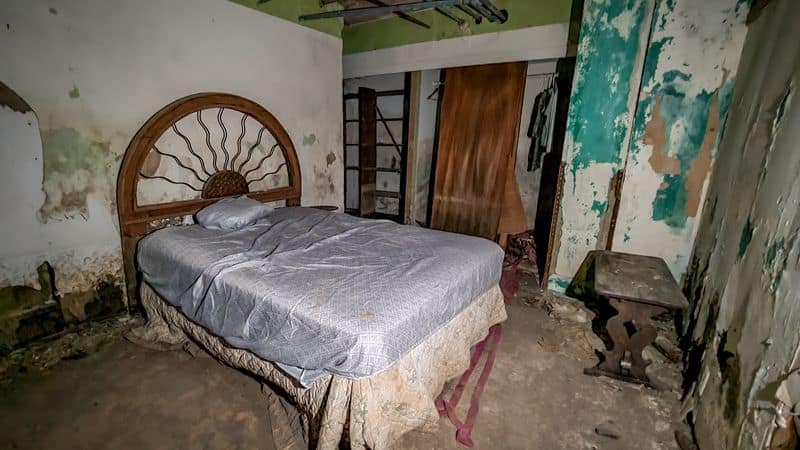
Overnights sound bold on paper, and then the clock crawls. After midnight, the building settles into a rhythm that is not yours. You learn the difference between house noises and the moments that lean closer.
A whisper in the hall might be wind, until it is not.
You try gear, you try patience, and you try jokes that land flat. The best moments are quiet, a brush on your sleeve, a pause between radio answers. You sit in the chapel and watch your breath keep time.
Somewhere upstairs, a door decides to remember how to move.
Even believers get tired, and that is when the hospital does its best work. Fear here is not loud, it is cumulative, a careful drip that fills the bucket. Sunrise tastes like victory and relief mixed together.
When you leave, you will promise to come back with better nerves and more batteries.
9. Guides, History, and Setting Expectations
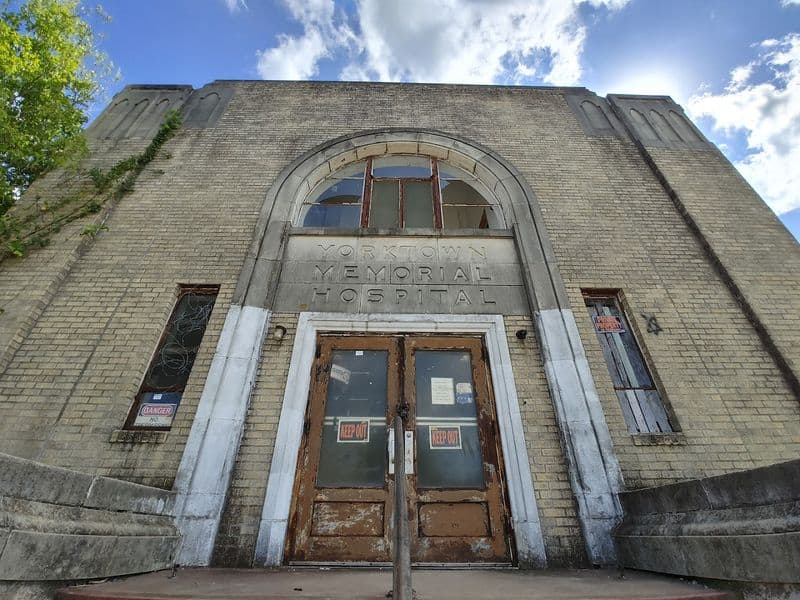
Good guides make the difference at Yorktown Memorial Hospital. They set the tone, mix verified history with rumored lore, and keep everyone safe. You will get structure without losing the thrill of discovery.
Questions are welcome, and pauses are intentional, because this place teaches best in silence.
Some visitors chase jumps, others chase documentation, and plenty just want the texture of an abandoned landmark. A guide helps you calibrate, reminding you that not every sound is a ghost. They point out dates, renovations, and the bones of the 1950s layout.
You will hear about cold spots, the chapel, the nursery, and respectful boundaries that keep the site standing.
Expect moments, not guarantees. Bring a mask if dust gets you sneezing, and good shoes for loose floors. Cameras behave better with patience, and your nerves behave better with water and breaks.
The goal is not proof on command, it is an encounter you can carry home and tell honestly.
10. Safety First Without Killing the Vibe
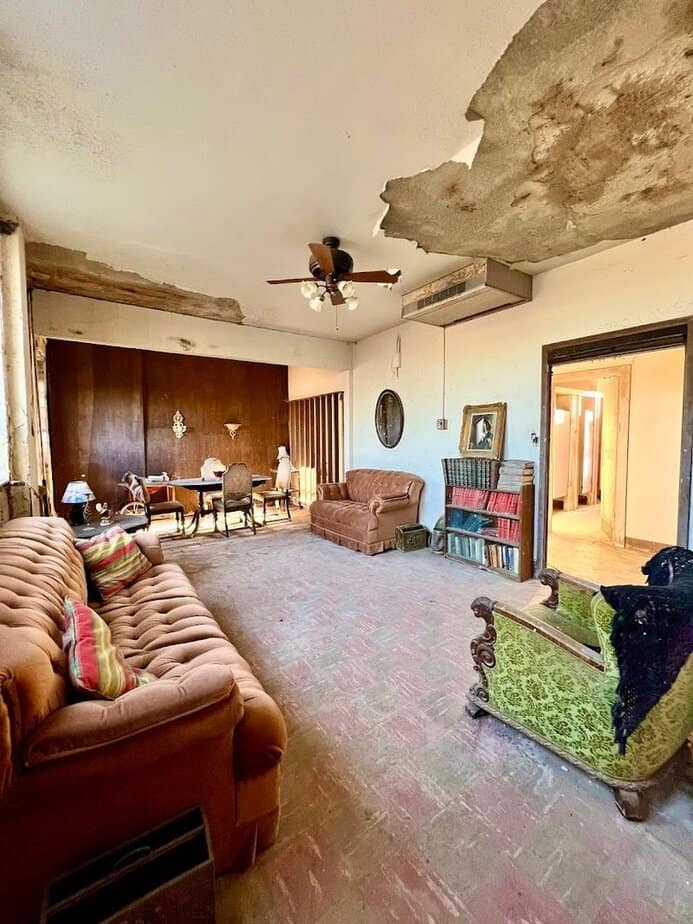
Part of the thrill is the texture, but you still need basics. Wear sturdy shoes, bring a flashlight, and pack a simple mask if dust gives you trouble. Watch your step, and let the guide lead in tight spots.
The vibe survives safety just fine, because confidence makes braver listening.
As a historical landmark, the hospital is cared for with access rules that protect guests and the building. Follow them and you will see more, not less. Keep noise low, treat rooms like they are still occupied, and do not pocket souvenirs.
Respect is the trade that keeps the doors open.
Take breaks outside if you feel lightheaded. Eat before you come, hydrate, and mind the temperature swings that surprise you in basements and halls. If fear spikes, breathe slow and anchor to the floor under your feet.
You will notice more when you feel steady, and steadiness is your best ghost-hunting tool.
11. Why It Sticks With You After You Leave
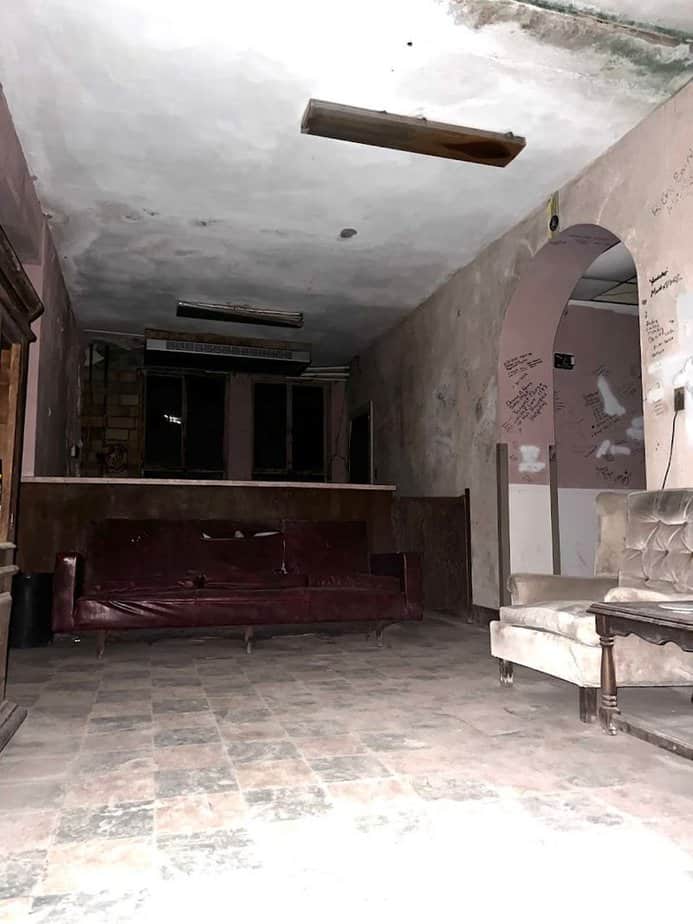
Driving away, you will check the mirror more than once. The hospital shrinks, but the feeling does not, a small gravity that follows home. Maybe you caught whispers, maybe just chills, but the building wrote your name in dust.
That is enough to make regular streets feel newly quiet.
Later, photos show details you swear you missed. A blur in a doorway, a shape at the chapel pew, or just perfect emptiness that still vibrates. You will tell the story anyway, because the tension is part of the fun.
For believers, it confirms. For skeptics, it complicates in the best way.
Yorktown Memorial Hospital sticks because it lets you decide. History is undeniable, and the atmosphere refuses to be ordinary. You do not need proof stamped in ink to remember how the hallway breathed.
The building is patient, the road is short, and your curiosity already knows the way back.