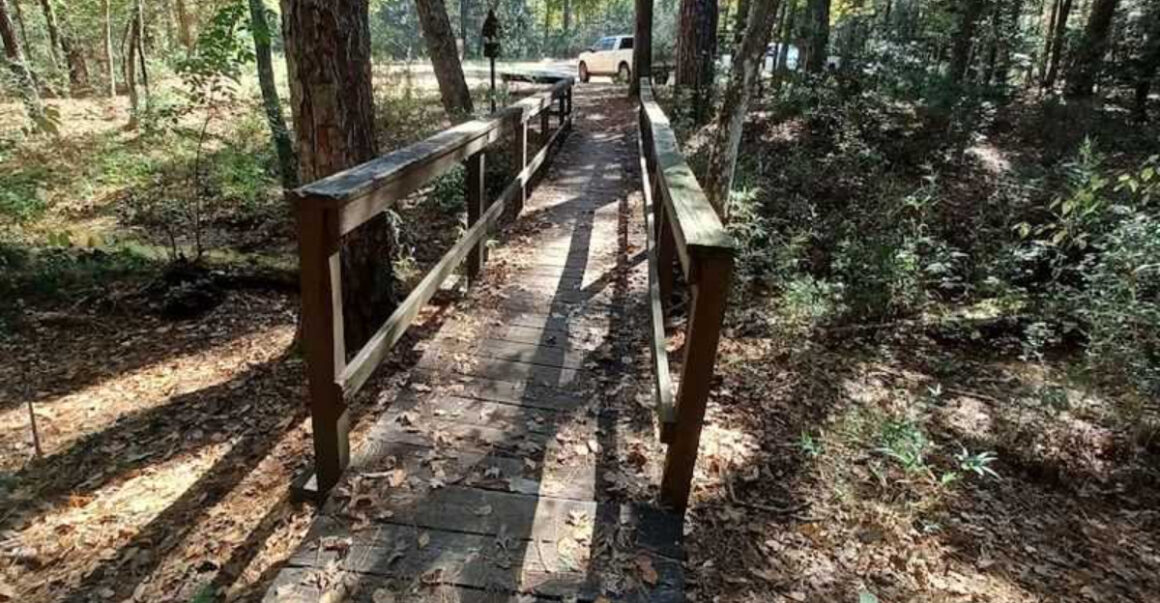
Tucked inside the Sam Houston National Forest, Trailhead #9 is a quiet doorway onto Texas’s epic 96 mile Lone Star Hiking Trail. It is close enough to Houston for a spontaneous day trip, yet wild enough to feel a world away. If you want towering pines, birdsong, and the kind of silence that clears your head, this is your spot.
Lace up, bring bug spray, and get ready to wander beneath a cathedral of trees.
1. Trailhead #9 Overview: Your Gateway Into 96 Miles
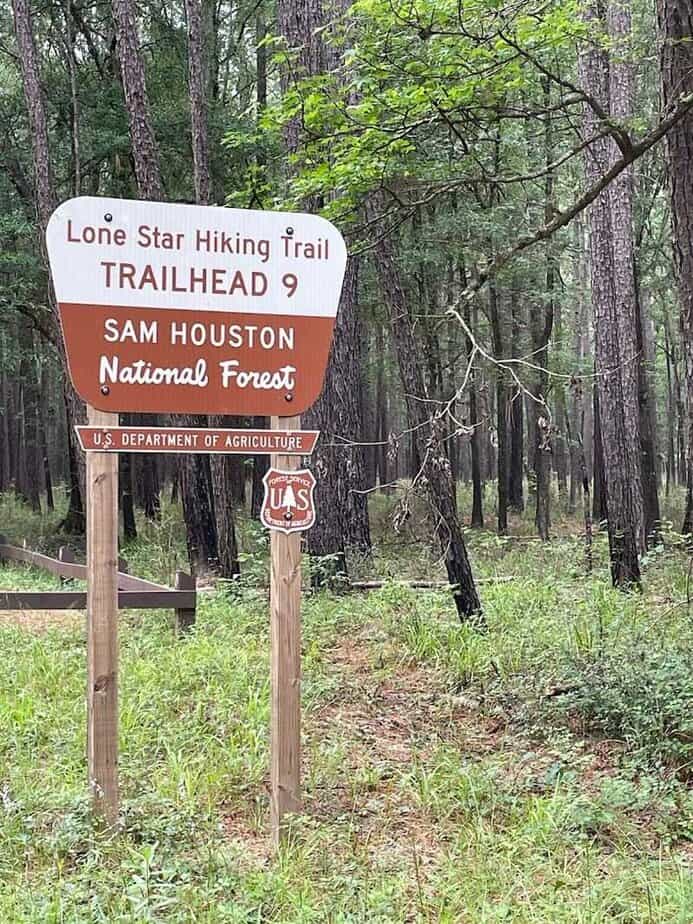
Trailhead #9 sits in the Sam Houston National Forest like a soft spoken invitation to wander. Step past the small unpaved parking pullout and you are swallowed by loblolly pines, yaupon, and sweetgum. It feels intimate, quiet, and immediately remote despite being within a comfortable drive of Houston.
White blazes guide you forward, steady and reassuring, placed by volunteers who clearly love this trail. You will hear woodpeckers tapping and a ribbon of birdsong that never quite repeats. Underfoot, the tread alternates between sandy stretches and pine needles that hush every step.
What makes #9 special is how quickly it delivers variety. You can stroll an easy out and back or link miles for a bigger challenge along the Lone Star Hiking Trail’s 96 mile spine. Either way, the forest rewards you with shade, solitude, and those surprise benches that appear exactly when you want to breathe.
There are no amenities here, so arrive prepared and self reliant. Cell service is spotty, and summer bugs can be fierce, so plan accordingly. Come in winter or shoulder seasons for crisp air, clear views, and a quieter mind that lingers long after you leave.
2. Finding The Hall of Roses
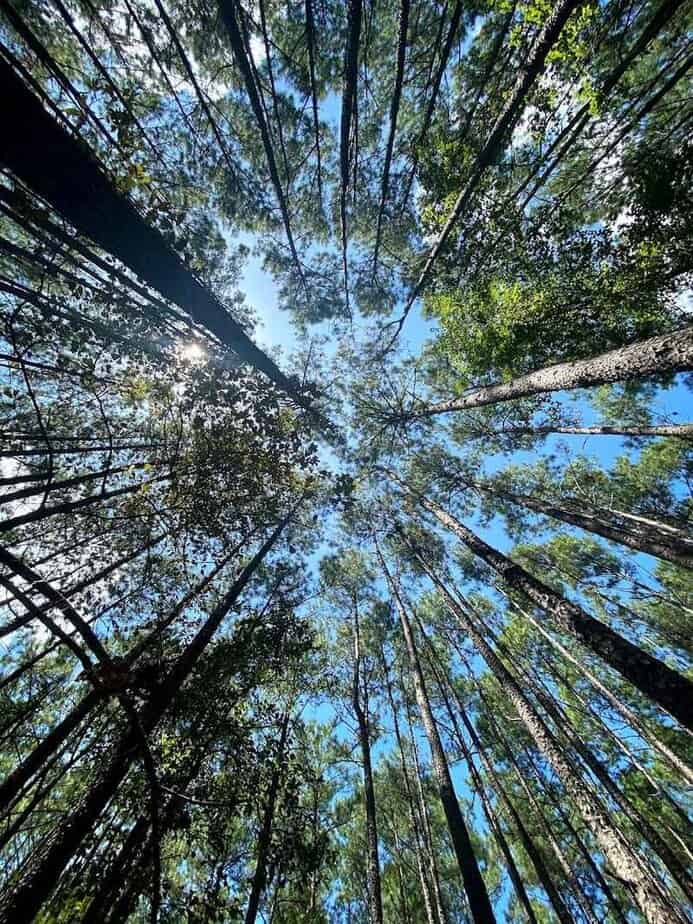
Locals whisper about a stretch just past the first big trench and campsite where yellow flowered trees curl overhead. Walk there at the right moment and you slip into a natural tunnel glowing gold. People call it the Hall of Roses, and the fragrance hangs in the air like a secret.
It is not always in bloom, which somehow makes it feel more magical when you catch it. The petals gather at your feet, and the pines frame the scene like a vaulted ceiling. You will slow down without trying, moving softly to hear the hush.
Reach it by following the main line east from Trailhead #9, keeping an eye on those faithful blazes. After the trench and a small camp clearing, the canopy begins to curve and the light changes. You will know you are close when the forest smells sweet and the trail feels gently crowned.
Bring a camera but pocket it often. This place is better experienced than documented, and your memory will paint it brighter anyway. Step lightly, leave petals untouched, and let the breeze carry that rose like perfume down the corridor.
3. Seasonal Sweet Spots: Why Winter Wins
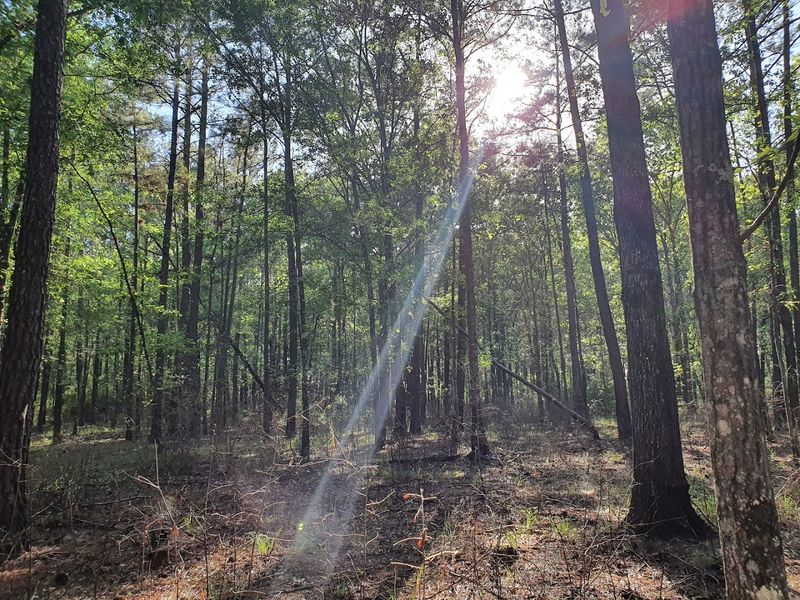
Trail regulars will tell you straight up that winter is prime time at Trailhead #9. Cooler air keeps mosquitoes quiet, visibility opens through the understory, and the tread stays firmer underfoot. You can stack bigger miles without the heavy heat that soaks your pack straps.
Shoulder seasons are lovely too, each with a twist. Spring can sparkle with blooms and music from migrating birds, though crowds and rain might add mud. Fall brings amber light, gentler temps, and crisp evenings around primitive camps.
Summer is still possible if you time it right. Start early, wear long pants, and saturate your clothing with repellent to fight the buzzing chorus. Plan shorter loops and carry more water than you think you need.
Whenever you come, check recent conditions and look for notices of controlled burns that can alter scenery temporarily. Those burns help the forest breathe, even if they leave a charcoal brush at your feet. Pick your window, pack for the season, and let the forest show you why winter hikes here feel like a moving meditation.
4. Navigation, Blazes, and Staying Found
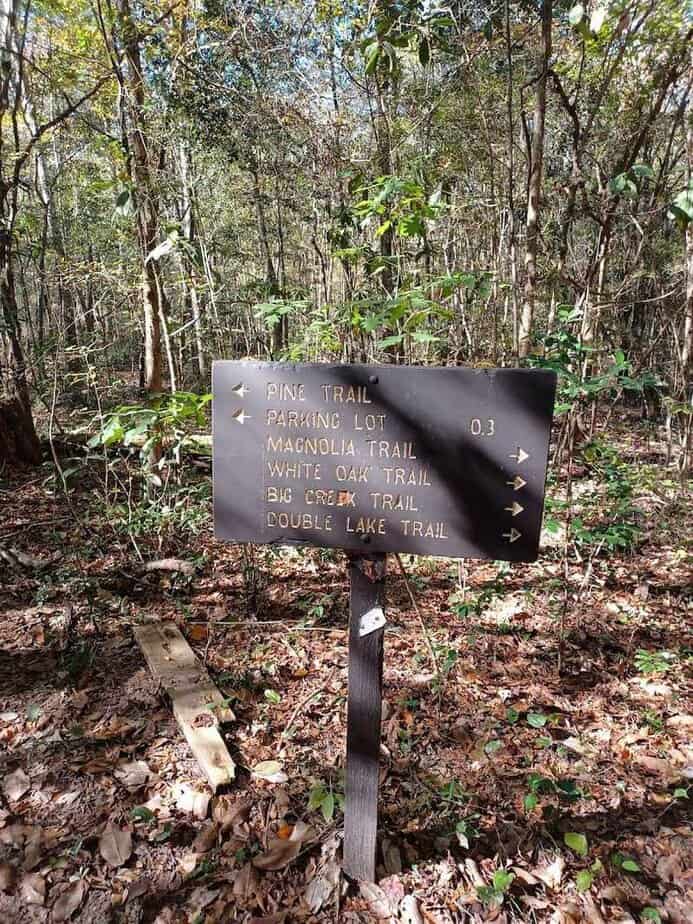
Even on an easy day, Trailhead #9 rewards attention to navigation. White blazes typically keep you honest, but windfall or tall summer grass can make the path feel ambiguous. A paper map or downloaded offline map turns maybe into certainty.
Look up often and scan both sides of the corridor. Blazes may skip a tree or two, then reappear like a wink from the woods. If a junction feels fuzzy, pause, breathe, and backtrack to your last confident marker.
Volunteers deserve thanks for the steady markings and occasional benches spaced like gentle encouragement. You will see evidence of recent maintenance and also places waiting their turn. Keep a small folding saw if you are comfortable helping with a light branch or two.
Cell coverage comes and goes, so do not trust a single device. A compass weighs almost nothing, and knowing north from not north calms the mind. Stay found by staying present, and Trailhead #9 will give you the kind of confident wandering that makes hours disappear.
5. Wet Feet, Big Smiles: Handling Water and Mud

After a solid rain, Trailhead #9 can hold water like a memory. Low swales collect puddles, and the first trench crossing becomes a minor puzzle instead of a stride. Accept the splash and you will have more fun than skirting every edge.
Water here is both challenge and gift. Ponds and seeps attract wildlife, add music to the background, and give backpackers filtration options when caches run low. Just treat everything, always, and watch where you place your feet in murky steps.
Use trekking poles to probe depth, and prefer rock hops or downed limbs to fragile banks. Erosion expands when boots chew at the margins, so go straight through when you can. Gaiters help, but a good attitude works better.
In drier spells, the same sections turn sandy and fast, with pine mats acting like soft carpet. Either way, your pace will settle into a rhythm that matches the forest. Wet or dry, this trail rewards the hiker who laughs at splashes and walks on.
6. Wildlife, Quiet, and Night Sounds
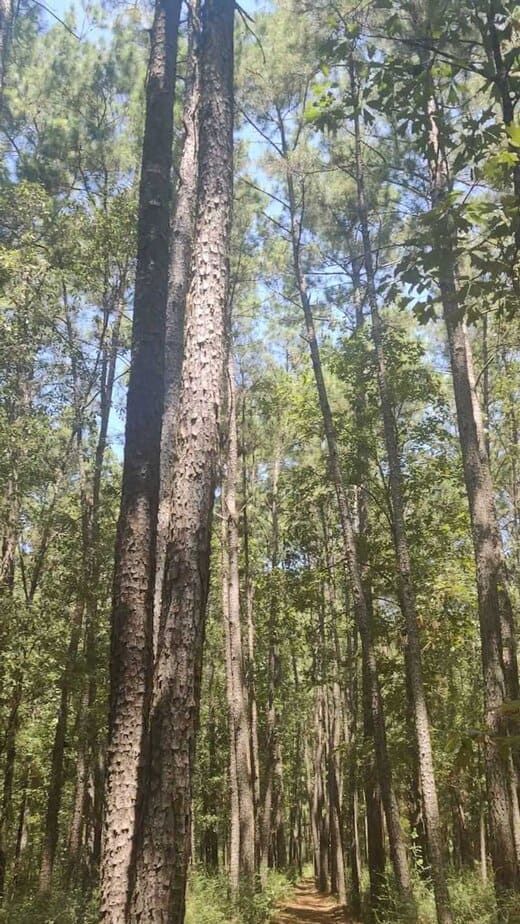
The quiet around Trailhead #9 is not empty. It is layered with owls, woodpeckers, rustles in yaupon, and the distant shuffle of deer. You might see hog sign or small feline prints in sandy patches, reminders that this forest lives on its own clock.
Most encounters are sound before sight, which keeps the hike playful and alert. Give animals room, secure food, and keep camps tidy to discourage curious night visitors. Headlamps with red mode protect night vision and invite more stars to appear.
That deep silence some call spooky can turn meditative if you lean into it. Find the trail’s mid run bench, sit, and let the breeze thread the pines. Breathe until the forest’s tempo replaces the city’s.
At night, hang a modest bear bag or use an odor resistant sack even though bears are not the headliner here. Critters learn fast when snacks are sloppy. Respect the chorus, listen closely, and you will leave with a soundtrack you hum for days.
7. Primitive Camping From #9
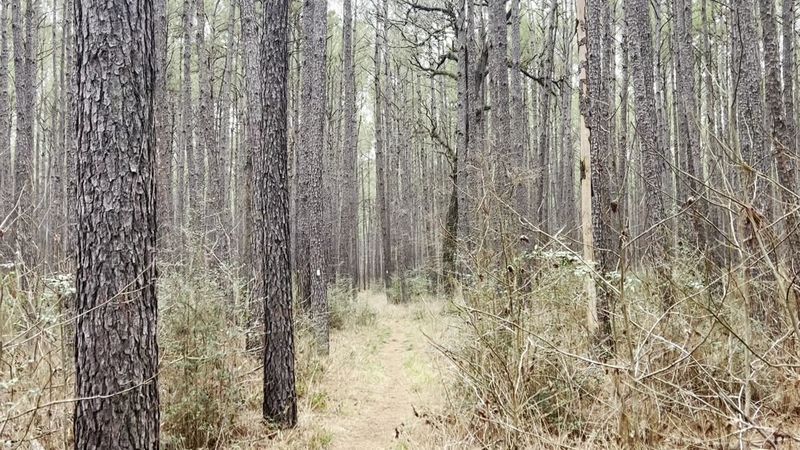
If a slow sunrise in the pines sounds perfect, primitive camping off Trailhead #9 delivers. Look for durable surfaces near established spots, especially by lakes or along gentle rises. The best sites feel tucked away yet still within whispering distance of the trail.
Pack in water or bring a solid filter, since sources shift with rainfall. Some hikers cache jugs during dry spells, labeling and retrieving everything to keep the forest clean. Follow Leave No Trace, keep fires minimal or skip them, and let the stars do the work.
Even on busy spring breaks, you can find calm pockets if you push a little farther. Hammocks shine here between straight pines, with straps wide enough to protect bark. Night movements happen, mostly small, so store food smart and sleep easy.
Morning brings birds before sun, and the trail rolls you into motion without fuss. Break camp quietly and your neighbors might never know you were there. You will carry that peace home like a souvenir that weighs nothing.
8. Safety, Bugs, and Trail Etiquette
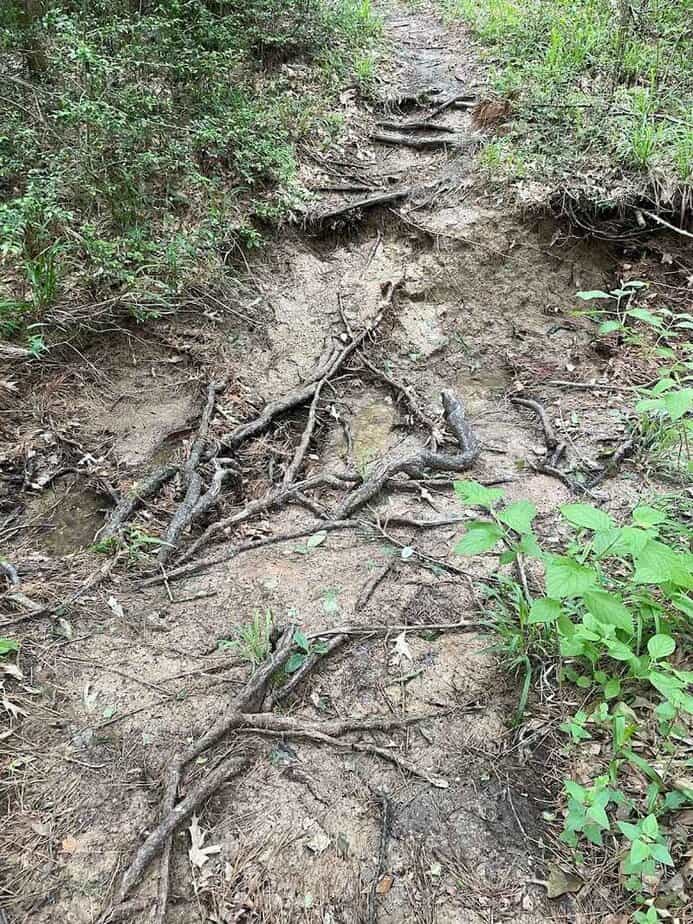
Safety at Trailhead #9 starts simple. Tell someone your plan, carry more water than sounds reasonable, and pack a small first aid kit. Long pants and treated clothing tame ticks, chiggers, and the mosquito brigades that rally in warm months.
Pace yourself and watch the grass covered sections where spiders and snakes may hide. Trekking poles clear webs and test footing in murky puddles. If thunder grumbles, turn back before storms turn the forest electric.
Trail etiquette keeps the place welcoming. Step aside for faster hikers, keep voices low to honor the quiet, and leave every petal, feather, and mushroom where it belongs. If you find litter, pack it out and feel ten feet taller.
Finally, gratitude matters. Those white blazes and tidy corridors exist because volunteers show up with tools and heart. A smile, a donation, or even one morning of work helps keep this wild ribbon walkable for everyone.