Drive far enough into Sussex County and New Jersey starts to feel like it’s keeping secrets. Sandyston is one of those places locals mention with a little smirk, as if they know something the rest of the state missed.
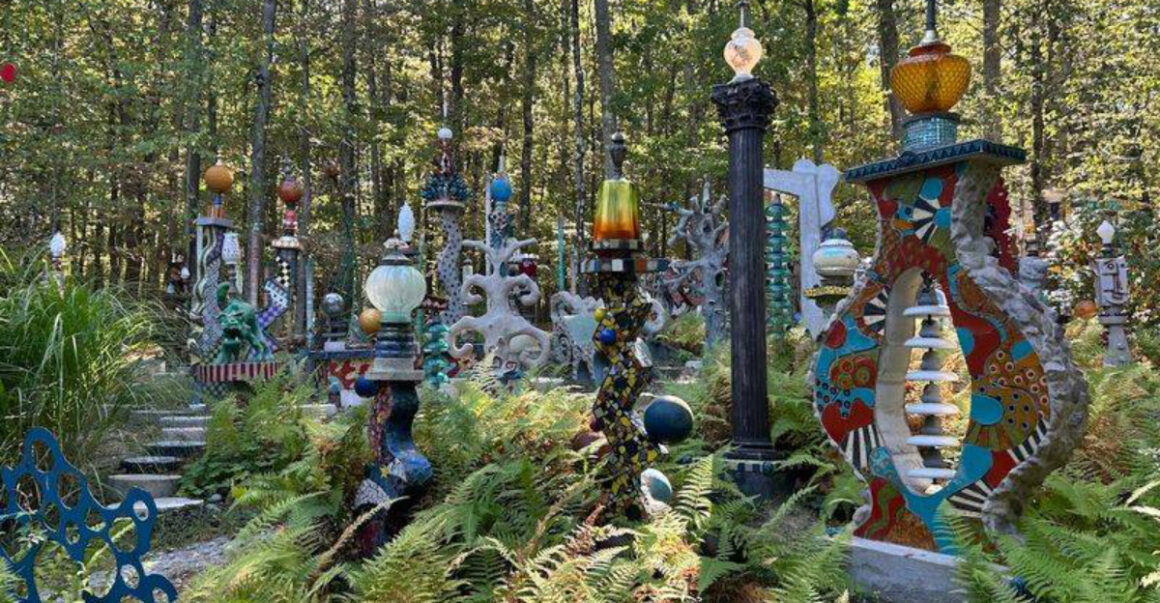
And in this case, they do. Tucked into the woods is Luna Parc, artist Ricky Boscarino’s wildly original home-studio-art environment, where mosaics, oddball collections, sculpture, and pure imagination seem to spill into every corner of the property.
It’s not a polished, predictable museum stop. That’s the charm.
This is the kind of place people recommend because it feels discovered, not marketed—and once you see it, you’ll understand why Sandyston inspires that proud local whisper.
Why Sandyston Feels Like One of New Jersey’s Best Kept Secrets
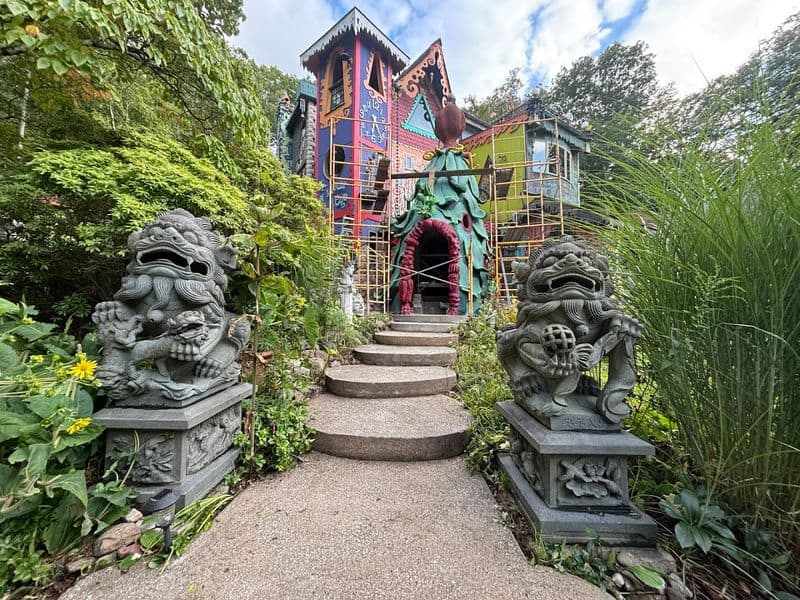
Way up in the northwestern corner of the state, Sandyston has that rare ability to make everyday life feel pleasantly far away. The roads get quieter, the woods get thicker, and the usual New Jersey pace softens into something more rural and unhurried.
That setting matters, because Luna Parc would not hit the same way in a busy downtown or along a commercial strip. Here, the landscape does half the work.
You’re in Sussex County farm-and-forest country, and then suddenly there’s this explosion of color, texture, and handmade weirdness tucked into the trees. That contrast is what makes the whole thing so memorable.
Sandyston doesn’t scream for attention, which is exactly why the surprise lands. It feels like a place you hear about from someone who grew up nearby, not from a billboard or a chain of influencers doing the same weekend loop.
The Strange and Wonderful World Waiting at Luna Parc
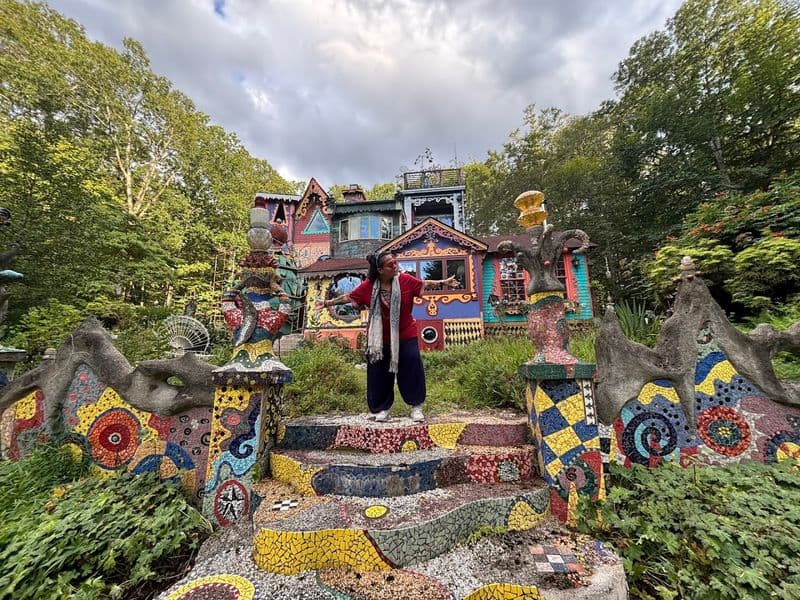
Nothing about Luna Parc tries to ease you in gently. The property is packed with mosaics, sculptures, glittering surfaces, found objects, handmade details, and rooms that seem to operate by dream logic instead of design rules.
It’s the home, studio, and ongoing art environment of Ricky Boscarino, who has spent decades turning the place into something between an immersive museum and a personal mythology. That’s what makes it so much fun.
You’re not just looking at art placed on a lawn. You’re stepping into an artist’s entire universe, where the buildings, the gardens, the collections, and the pathways all seem to be in conversation with each other.
The official Luna Parc site calls it an ever-evolving work, and that feels exactly right. Even the name suggests a little mischief.
It’s not neat, restrained, or minimal. Thankfully, it has no interest in being any of those things.
How Ricky Boscarino Turned a Woodland Cabin Into a Living Work of Art
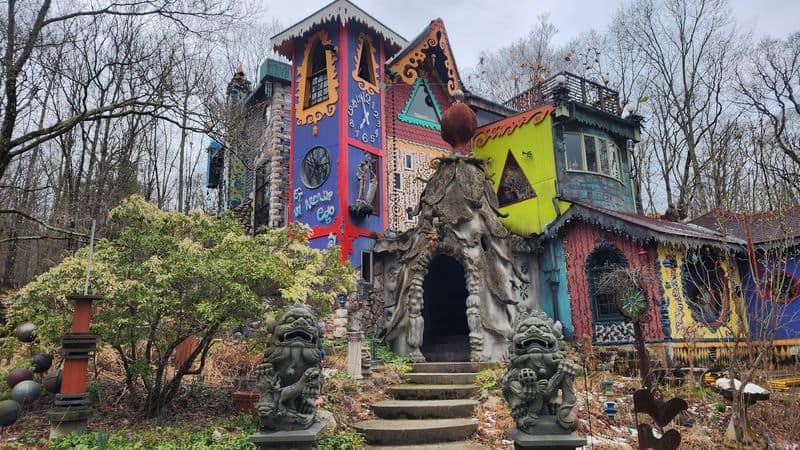
Boscarino did not start with some grand estate ready for magazine spreads. By multiple accounts, the property began as a modest, rundown hunting cabin in the woods, and he began transforming it in the late 1980s into the fantastical environment visitors know now.
That origin story is part of the appeal. You can feel the years in the place.
This wasn’t installed over a season by a design team with matching black outfits. It was built layer by layer, obsession by obsession, experiment by experiment.
Boscarino trained as an artist and has worked across media, which helps explain why the property refuses to sit still stylistically. Mosaic here, sculpture there, curious collections everywhere.
The result is a house that doesn’t merely reflect its owner’s personality—it practically shouts it from the rooftop. In a state full of historic homes, Luna Parc stands out because it feels handmade in the deepest possible sense.
What Makes the Sculpture Gardens So Unforgettable
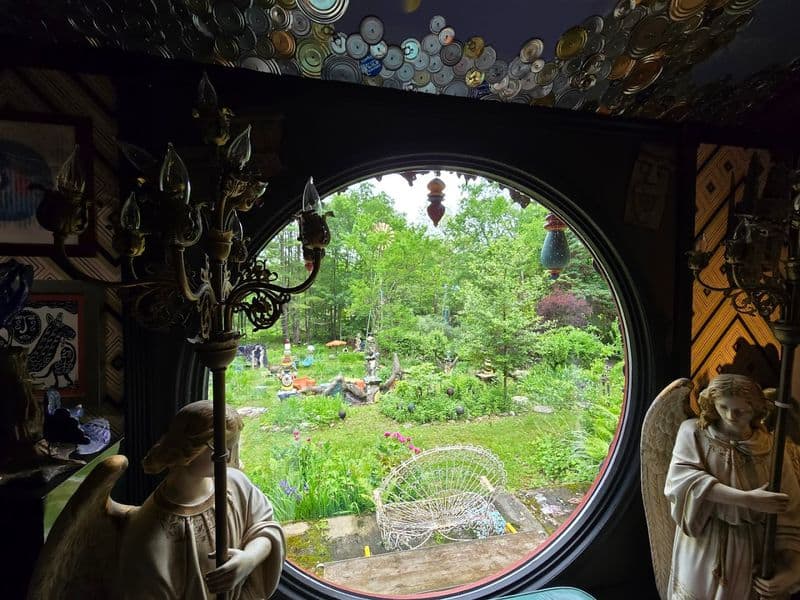
Outdoors is where the whole experience really starts to mess with your sense of expectation. One minute you’re in the woods, the next you’re surrounded by pieces that sparkle, twist, grin, and lean fully into the theatrical.
The sculpture gardens are not arranged like a conventional institution trying to keep a respectful distance between artwork and visitor. They feel more intimate than that, more playful, more like wandering through someone’s imagination after it escaped containment.
Color is everywhere. So are odd textures, reflective surfaces, and forms that pull your eyes in three directions at once.
Because the site is wooded, the art keeps emerging against leaves, shade, and open sky, which gives everything extra drama without trying too hard. It’s surreal, yes, but not cold.
That’s the key difference. The grounds feel generous and curious, like they want you to notice details, laugh a little, and keep moving just to see what appears next.
Why a Visit Here Feels More Personal Than a Typical Museum Stop
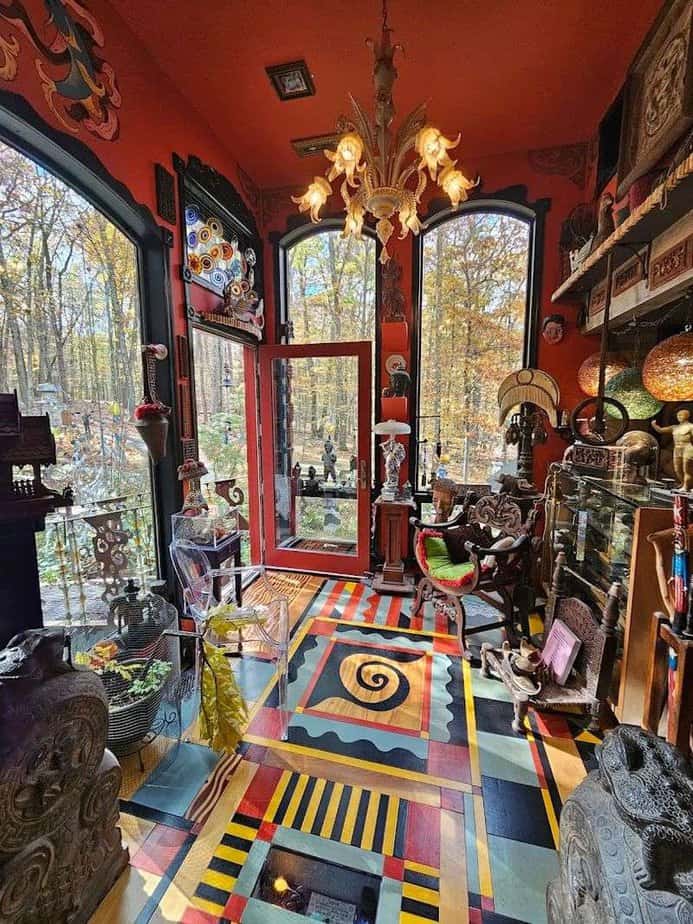
Part of the magic is that Luna Parc still feels deeply connected to the person who made it. This is not a sterile white-box gallery where everything has been flattened into tidy labels and polite silence.
It’s a semi-private home and atelier that opens on limited occasions, which gives the visit a different energy right away. You’re encountering a lived-in artwork, not just an art display.
That distinction changes how people react to it. The place feels eccentric, yes, but also human.
You can sense habits, collections, fascinations, and decades of decisions embedded in the walls and grounds. That personal quality is probably why visitors and locals talk about it with such affection.
They’re not only recommending something visually unusual. They’re recommending a place with a pulse.
In an era when so many attractions are engineered to be instantly legible, Luna Parc remains wonderfully specific to one artist’s eye—and that makes it stick.