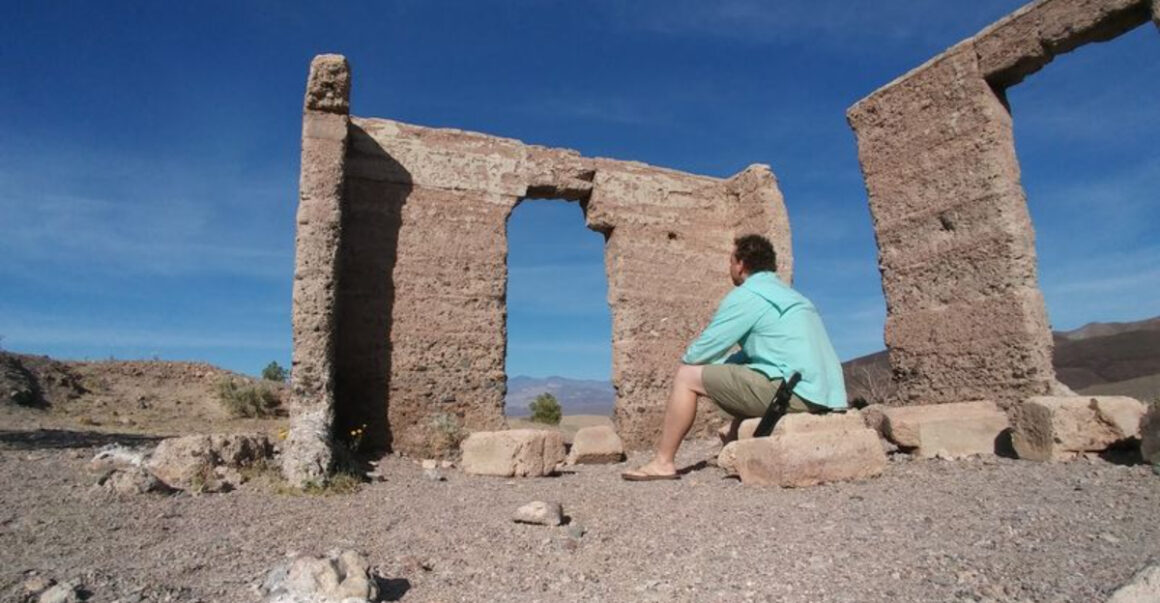
New Jersey has a talent for hiding strange things in plain sight. Behind hiking trails, past busy roads, and deep in the Pine Barrens, you’ll find crumbling factories, forgotten mansions, military leftovers, and entire places that somehow slipped out of everyday life.
Some were wiped out by fire. Some were abandoned when industries collapsed.
Others just slowly lost their purpose and never got it back. What’s left behind is the part that keeps people talking.
These aren’t just old ruins with peeling paint and ghost-story vibes. They’re pieces of the state’s past that still make locals stop and ask the same question: how did this place end up like this?
Here are 12 abandoned places in New Jersey that still puzzle residents.
1. The Deserted Village of Feltville/Glenside Park
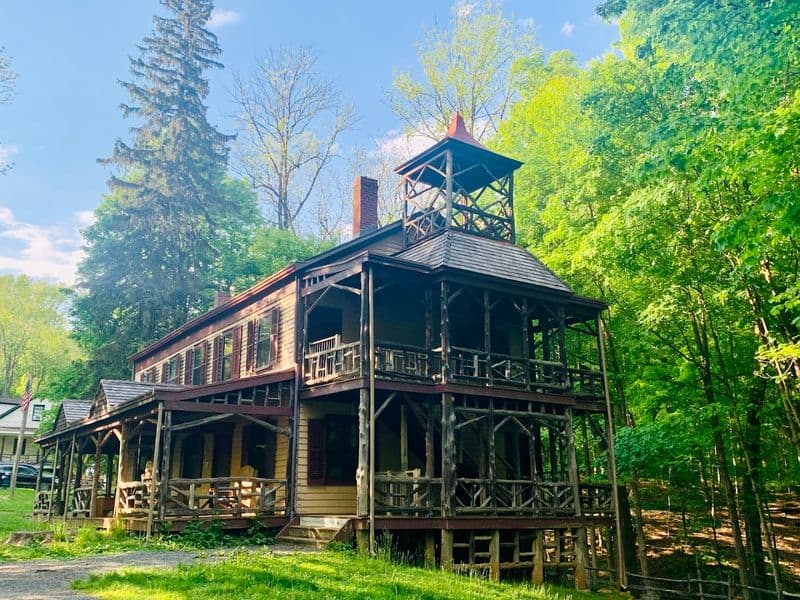
Tucked inside the Watchung Reservation, Feltville feels like the kind of place you discover by accident and then talk about for the rest of the day. A row of old buildings sits in the woods looking oddly neat and deeply eerie at the same time, which only adds to the mystery.
This spot started as a mill village in the 1800s, then morphed into a summer resort community called Glenside Park. That second life didn’t last either.
Over time, people left, businesses faded, and the village slid into its long abandoned chapter. What makes Feltville so fascinating is that it was never just one thing.
It kept trying to reinvent itself and somehow still ended up frozen in time. You can walk past weathered homes, peek at a church, and almost feel the different eras stacked on top of each other.
It doesn’t feel buried. It feels paused.
2. Ellis Island South Side Hospital Complex
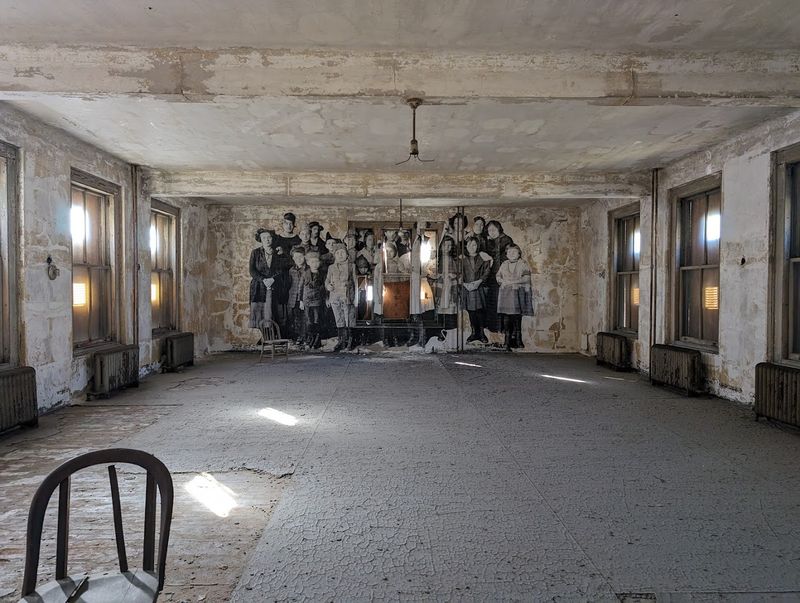
Most people think of Ellis Island as arrivals, paperwork, and packed museum rooms. Then there’s the hospital complex, which is a completely different mood.
On the south side of the island, abandoned medical buildings sit with cracked walls, rusting frames, and the kind of silence that makes every footstep feel louder. This was once one of the most important immigrant hospitals in the country, treating people who made it all the way to America only to be stopped by illness or injury before they could start their new lives.
That alone gives the place a heavy emotional pull. The puzzle isn’t why it mattered.
It’s how something that central to the American story ended up so haunting and half-forgotten. The ruins feel intimate in a way big landmarks usually don’t.
Instead of glory, you get traces: wards, kitchens, corridors, and little reminders that history is often much messier than the polished version.
3. Van Slyke Castle Ruins
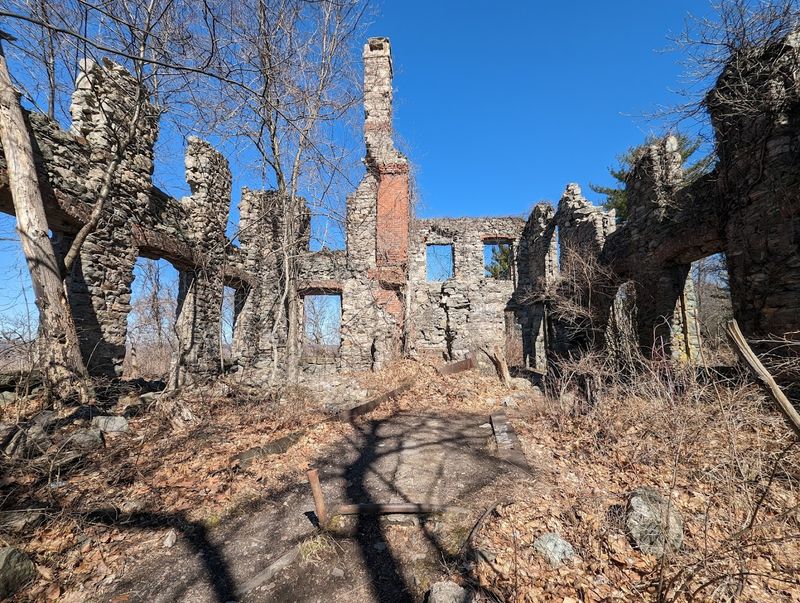
High above Ramapo Mountain State Forest, the remains of Van Slyke Castle look like a fantasy movie set that got abandoned halfway through production. Stone walls still stand.
Archways still frame the sky. And the whole thing feels just dramatic enough to make people invent legends on the hike up.
The mansion was built in the early 1900s by stockbroker William Porter, who wanted a hilltop retreat with serious presence. Later owners changed hands, time moved on, and eventually the place burned and fell apart.
That part is the basic story. The interesting part is how a castle-style estate in North Jersey ever became a ruin in the woods to begin with.
It feels too grand, too deliberate, too expensive to end this way. Standing there now, you get sweeping views and a direct look at how quickly prestige can fade.
New Jersey does irony well, and this place absolutely proves it.
4. Amatol Ghost Town
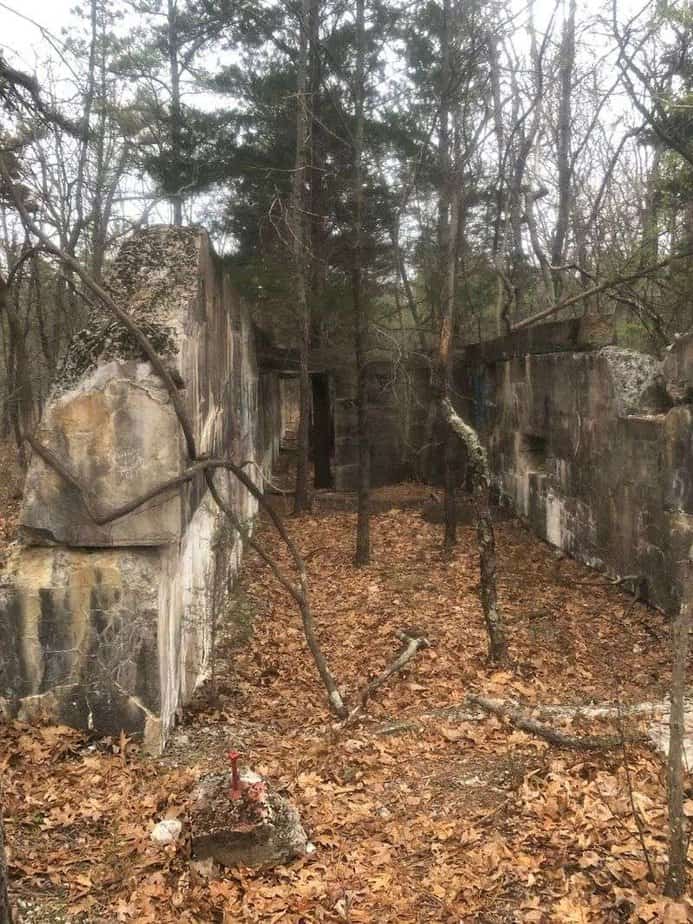
Deep in the Pine Barrens, Amatol is one of those places that sounds made up until you learn it was once built for war. During World War I, this town sprang up almost overnight to support a massive munitions operation.
Workers lived there. Families gathered there.
For a brief moment, it was a place with real momentum and real purpose. Then the war ended, demand collapsed, and the whole experiment started fading just as fast as it had appeared.
That speed is what makes Amatol so memorable. Most towns decline slowly.
This one practically blinked in and out. Today, the Pine Barrens have done what they do best, swallowing the remains into the landscape and leaving behind fragments instead of a full picture.
That only adds to the intrigue. A town built on urgency disappeared into the woods, and now the forest keeps most of its secrets.
It’s one of the clearest boom-and-bust stories in the state.
5. Brooksbrae Brick Factory
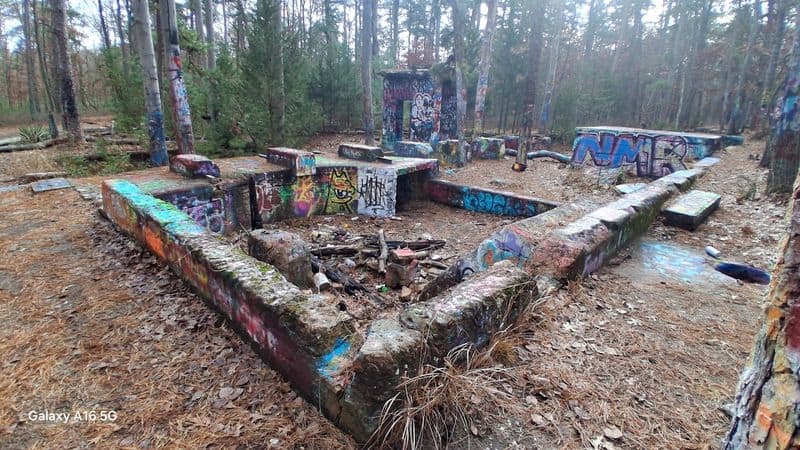
If New Jersey had a hall of fame for eerie industrial ruins, Brooksbrae would absolutely make the list. Hidden in the Pine Barrens, the remains of this early 20th-century brick factory still look huge, skeletal, and slightly unreal, especially when the trees start closing in around the old walls.
The company had big plans. There was money behind it, infrastructure in place, and every reason to think the operation would thrive.
Then came a disastrous fire in 1915, and the factory never truly recovered. That’s the part locals keep circling back to.
So much effort went into building the place, and yet one catastrophe changed everything. The ruins now sit like a monument to bad timing and unfinished ambition.
Graffiti, broken windows, and collapsing brickwork give it a gritty look, but the real story is even better. It wasn’t abandoned because it was insignificant.
It was abandoned because the future it was built for never arrived.
6. Sandy Hook Nike Launch Site
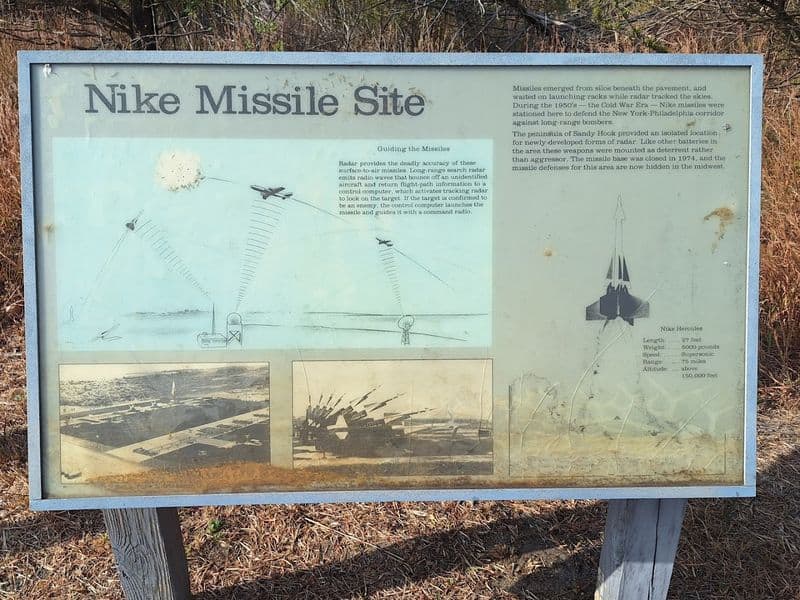
Not every abandoned place in New Jersey comes with ivy-covered romance. Some come with Cold War paranoia and missile history, which honestly feels very on-brand for Sandy Hook.
The Nike launch site was built as part of a defense system meant to protect New York and nearby areas from aerial attack. For years, it had a clear mission.
Then military strategy changed, technology moved on, and the site became a relic from a chapter most people barely think about now. That’s what makes it so fascinating.
It’s not ancient history. It’s recent enough to feel unsettling.
You can still picture the tension that built it in the first place. Concrete structures, fenced-off remnants, and military layouts make the place feel clinical rather than romantic, but the effect is just as strong.
New Jersey has plenty of beach history, but abandoned missile infrastructure hits differently. It reminds you that even the shore once doubled as a front line.
7. Cliff Dale Manor Ruins
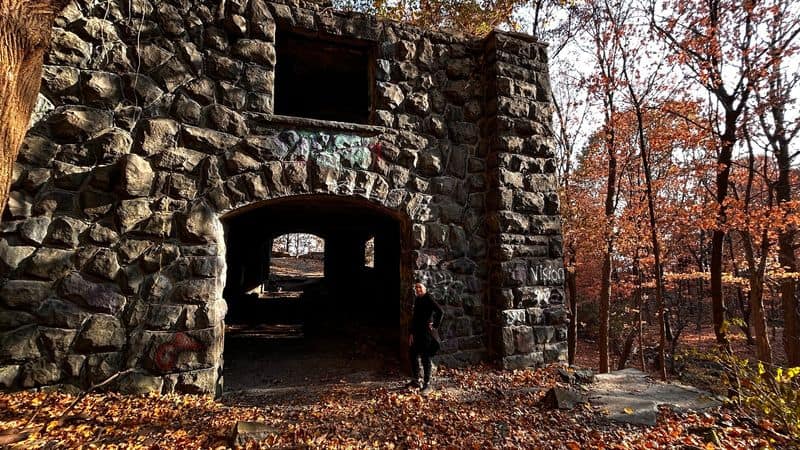
Along the Palisades, Cliff Dale Manor manages to feel elegant and ruined at the same time, which is not an easy trick. The estate was built in the early 1900s as a grand riverfront residence, and even in its reduced state, it still has a certain old-money confidence.
What remains today are dramatic stone structures and terraces that hint at the scale of what once stood there. The upper portions were eventually demolished, leaving behind a partial shell with a spectacular Hudson River backdrop.
And that contrast is exactly why the site sticks with people. The view says luxury.
The ruins say collapse. Somewhere between those two moods is the real story of changing times, vanished estates, and a version of the region that no longer works the way it used to.
It’s easy to imagine formal gardens, parties, and polished cars pulling up. It’s just as easy to see how quickly grandeur can lose its grip.
8. Greystone’s old Kirkbride building/site
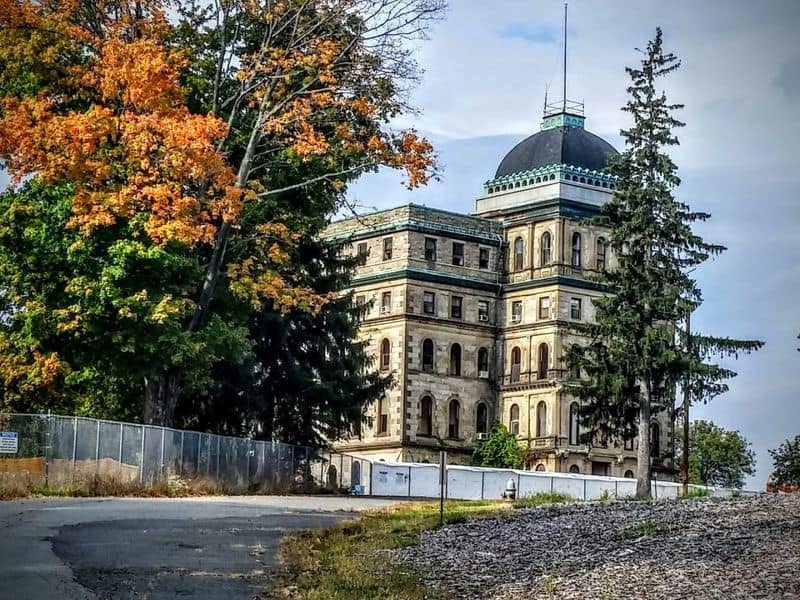
Huge old psychiatric hospitals always come with a lot of myth, and Greystone earned more than its share. The former Kirkbride building was massive, imposing, and impossible to ignore, the kind of place that looked unsettling even before you knew anything about it.
Built in the late 19th century, it reflected an era when sprawling institutions were seen as the answer to mental health care. Over time, that model broke down.
Conditions, public attitudes, and treatment standards changed, and the giant complex started to feel less like progress and more like a relic of a system people wanted to leave behind. That tension is what made Greystone so compelling for so many years.
It wasn’t just abandoned architecture. It was a physical reminder of how dramatically public ideas can shift.
Even after redevelopment and demolition changed the site, the old building’s reputation still lingers in New Jersey memory. Few places have inspired quite as much curiosity, rumor, and uneasy fascination.
9. Asbury Park Casino and Carousel House
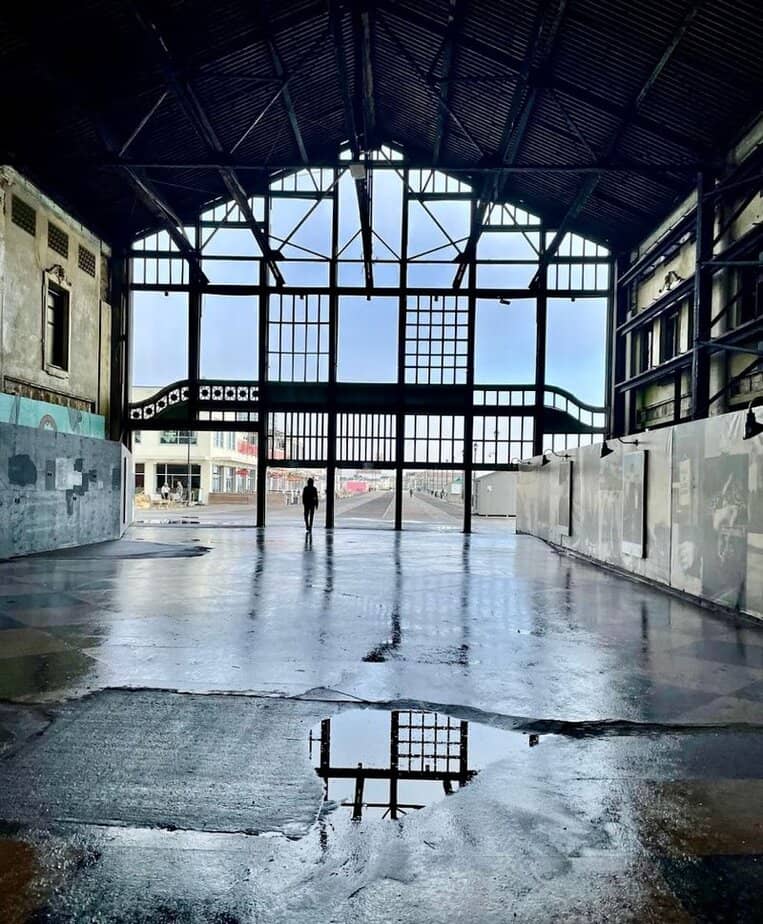
Asbury Park has a comeback story now, but these two buildings still carry the ghost of the city’s harder years. The Casino and Carousel House were once part of the boardwalk’s bright, buzzing identity, full of movement, noise, and that classic shore energy people get sentimental about fast.
Then decline set in. Investment dried up, the city struggled, and these once-iconic spaces became symbols of everything that had stalled out.
The abandoned carousel house, especially, had a way of making people feel nostalgic for an era they may not have even lived through. That’s its power.
You don’t need personal memories to understand the loss. The architecture does the work for you.
Arched windows, ocean air, and big empty interior spaces create a very specific kind of sadness. Even with restoration and redevelopment happening around Asbury, these buildings still raise the same question: how did a place built for joy end up feeling so lonely?
10. S.S. Atlantus wreck
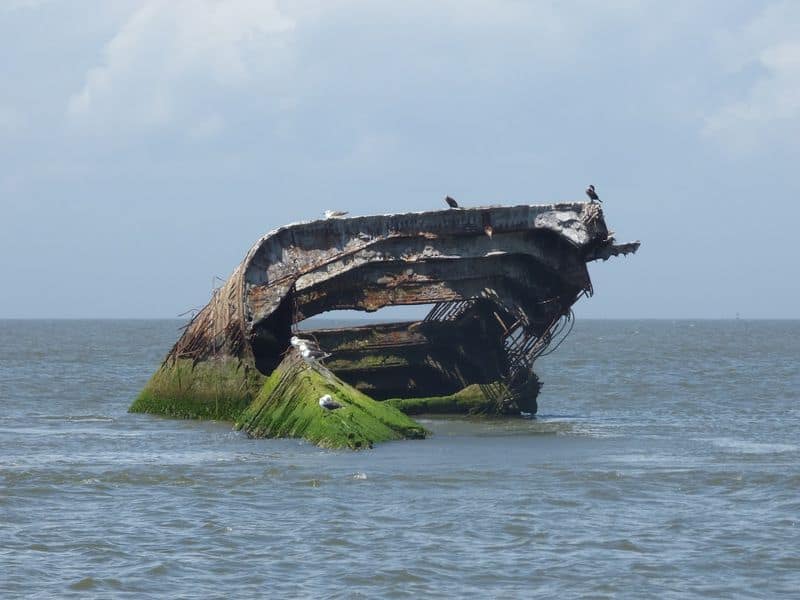
A concrete ship stuck off the Cape May coast sounds like a local prank story, but the Atlantus is very real and somehow still weird every time you look at it. Built during World War I, the vessel was part of an experimental push toward concrete ships when steel was in short supply.
Later, it was brought to Cape May for a ferry plan that never worked out. Before it could serve that new purpose, a storm tore it loose, and it ended up stranded where people can still see its remains today.
That chain of events is exactly why the wreck fascinates residents. It wasn’t supposed to become a landmark.
It failed into becoming one. The ship now sits offshore like a permanent reminder that not every big idea gets a graceful ending.
It’s half engineering experiment, half coastal oddity, and fully New Jersey in the sense that its backstory is stranger than most people expect.
11. Fries Mill Ruins
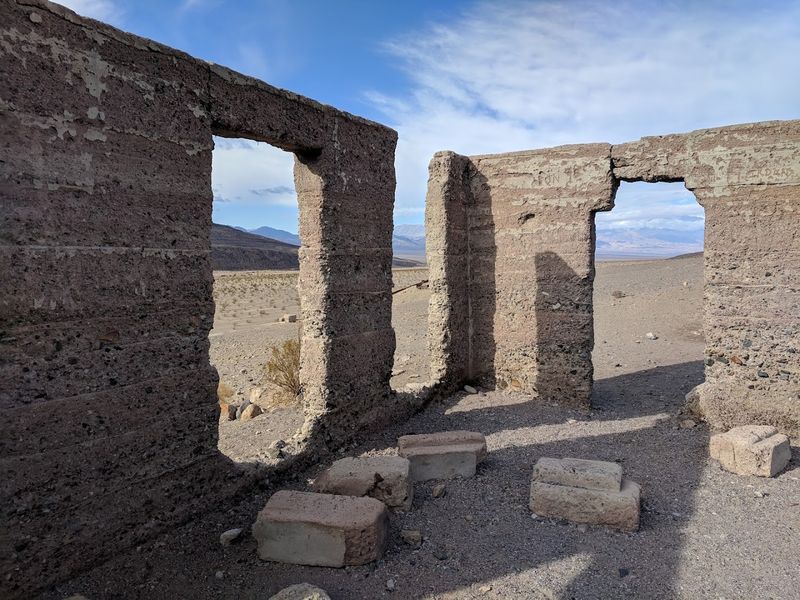
Fries Mill has the kind of name that sounds wholesome and ordinary, which makes the ruins feel even more surprising. Hidden in Cumberland County, the site traces back to a once-active industrial area built around milling operations that mattered to the local economy for generations.
Over time, those businesses faded, structures deteriorated, and the woods started reclaiming the whole scene. What remains now is rough, atmospheric, and easy to miss unless you know where you’re going.
That’s part of the appeal. Fries Mill doesn’t announce itself with giant walls or famous legends.
It pulls you in more quietly. The puzzle here is less about one dramatic disaster and more about how a useful working place can slowly slip out of public memory altogether.
Industrial sites often disappear piece by piece instead of all at once, and that makes the aftermath feel oddly intimate. It’s the kind of ruin that reminds you how fragile “normal” can be.
12. Atsion Village
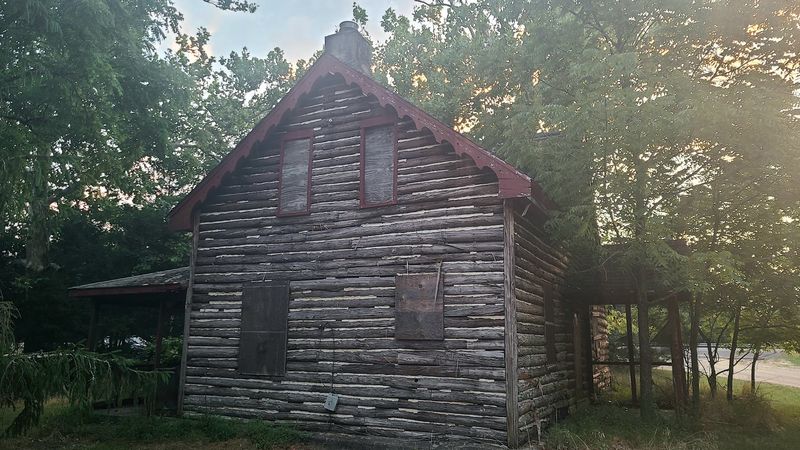
In Wharton State Forest, Atsion feels like a place that kept trying to adapt until history finally outran it. The village started with ironmaking, which made plenty of sense in the Pine Barrens when bog iron was a serious business.
Later, like many South Jersey communities, it shifted, tried new uses, and hung on longer than you might expect. But industries changed, transportation patterns changed, and the reasons for being there changed too.
Eventually, the village faded into the forest around it. What makes Atsion stand out is how complete the setting still feels.
You’re not looking at random rubble with no context. You’re seeing the remains of a real community that once had work, routines, and everyday life built into the landscape.
The mansion and nearby historic buildings give it structure, but the larger story is what lands. This wasn’t just abandoned.
It was outlived, which somehow feels even stranger.