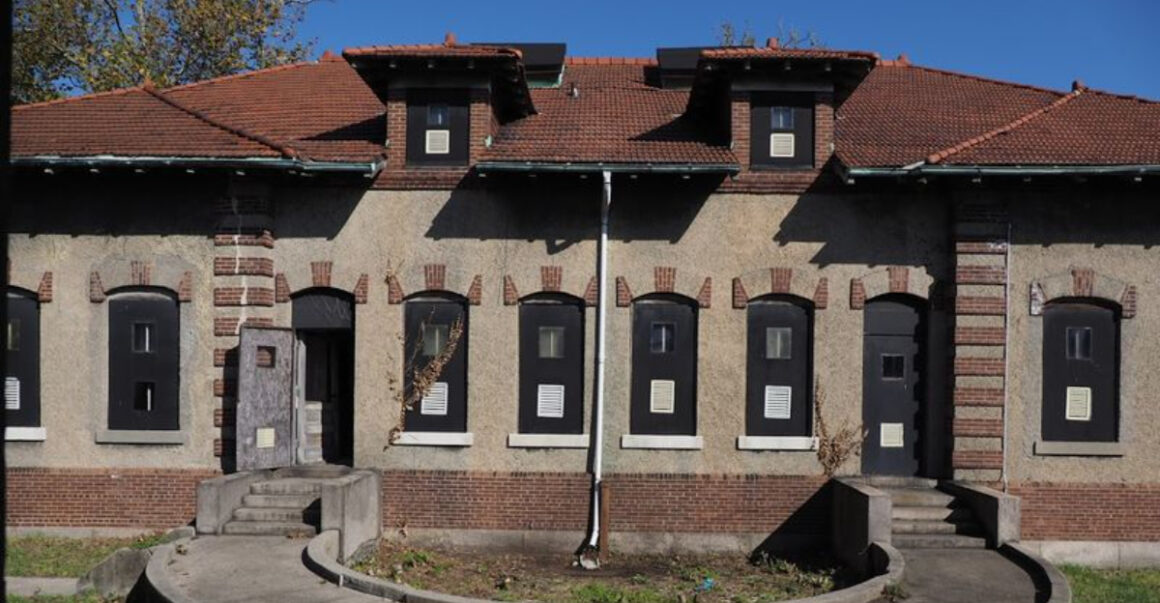
Most people think of Ellis Island as a place of hopeful arrivals and family history. Then there’s the other side of it.
Tucked away from the postcard version is an abandoned hospital complex that feels less like a landmark and more like the setting of a very bad idea after sunset.
Long corridors, peeling paint, rusting beds, broken windows, and rooms where thousands of sick immigrants once waited in fear give this place a heavy atmosphere you can feel right away.
It is historically important, no question. It is also deeply eerie.
For New Jersey locals who like their history with a side of goosebumps, this crumbling medical maze might be one of the creepiest places in the region.
Why This Forgotten Ellis Island Hospital Still Feels So Unsettling
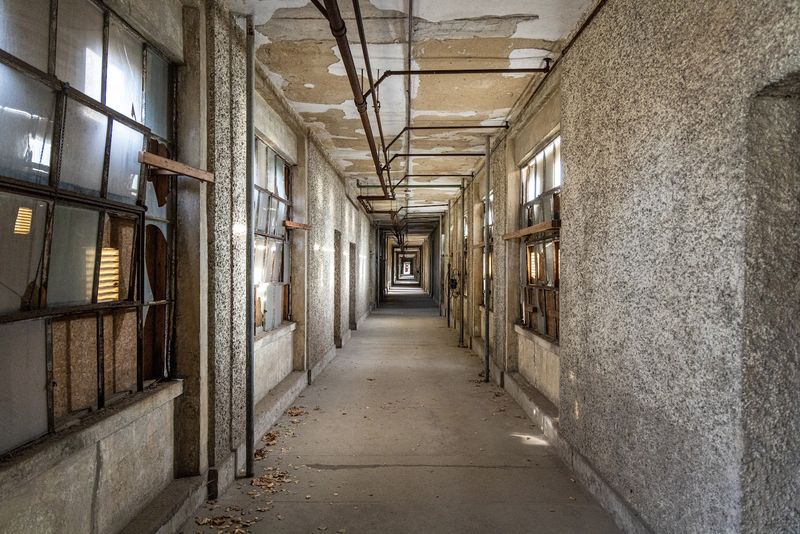
You do not need an overactive imagination to feel weird here. The hospital complex on the south side of Ellis Island has that rare kind of silence that seems louder than noise.
Even in photos, the place looks frozen mid-exit, as if everyone vanished and forgot to come back. Long tiled hallways stretch into darkness.
Windows are cracked or missing. Paint curls off the walls in thick strips.
Metal bed frames sit in rooms that have not looked welcoming in many decades. Part of what makes it so unsettling is that this was never some decorative old mansion built for ghost stories.
It was a working hospital where real people arrived exhausted, frightened, and sick, often after crossing an ocean with everything they owned. That history clings to the place.
New Jersey has no shortage of eerie spots, but this one feels different because the discomfort is not staged. It is built into the walls.
The Crumbling Wards Where Sick Immigrants Waited in Fear
Back when Ellis Island processed millions of immigrants, this hospital was where many of the sickest arrivals ended up. Some were treated and released.
Others waited days or weeks while doctors tried to decide whether they could recover or be sent back. Children were separated from parents.
Families were left in limbo. That emotional weight gives the old wards their punch.
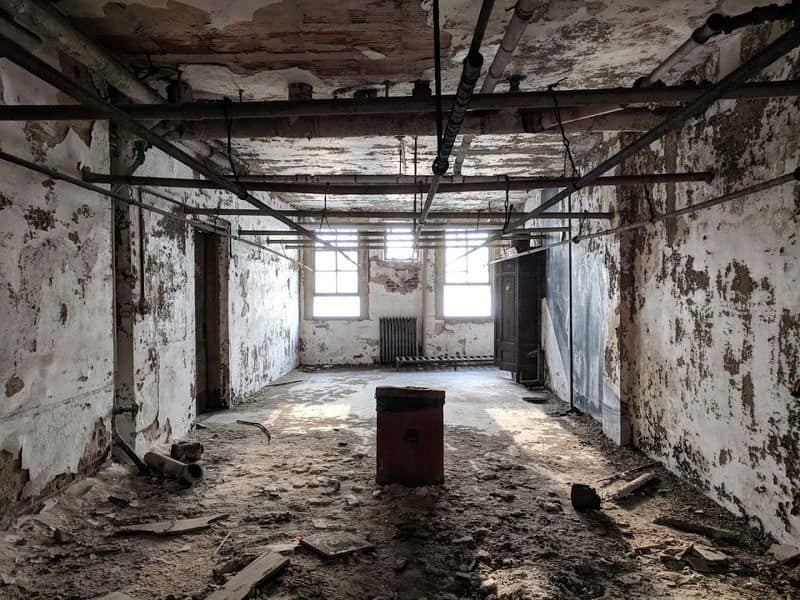
Today, those rooms look rough in a way that makes history feel uncomfortably close. Sunlight falls through shattered panes onto dusty floors.
Rust stains crawl down walls. Rows of patient rooms feel small and airless, which only sharpens the sense of how stressful this place must have been at its peak.
You can picture the iron beds, the medical carts, the whispered conversations no one wanted to hear. The haunting part is not some campfire tale.
It is the fact that so many people sat in these wards wondering whether this island would become the gateway to a new life or the end of the dream.
Inside the Isolated Buildings That Most Visitors Never See
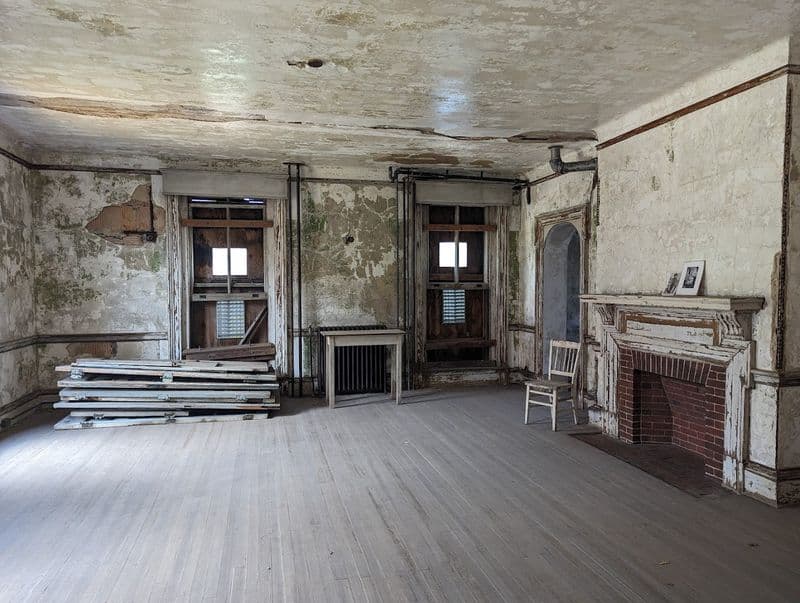
Most people who visit Ellis Island stick to the museum and leave with the polished version of the story. The abandoned hospital complex is another world entirely.
It sits apart from the better-known areas, and that separation makes it feel even stranger. You are not just seeing an old building.
You are stepping into the hidden back rooms of immigration history, the part that does not usually make the souvenir postcards. The complex was once massive, with multiple buildings linked by covered walkways and service corridors.
Even now, it feels like its own little city of decay. There are operating rooms, kitchens, contagious disease wards, staff spaces, and narrow passages that seem to go on forever.
That layout matters. It gives the place a maze-like quality, and maze-like places always make people uneasy.
There is also something extra creepy about knowing these spaces were essential once and then simply left behind. Not repurposed.
Not restored into something cozy. Just abandoned to time, weather, and a growing reputation for making visitors feel very small.
The Tragic History That Gives This Place Its Haunted Reputation
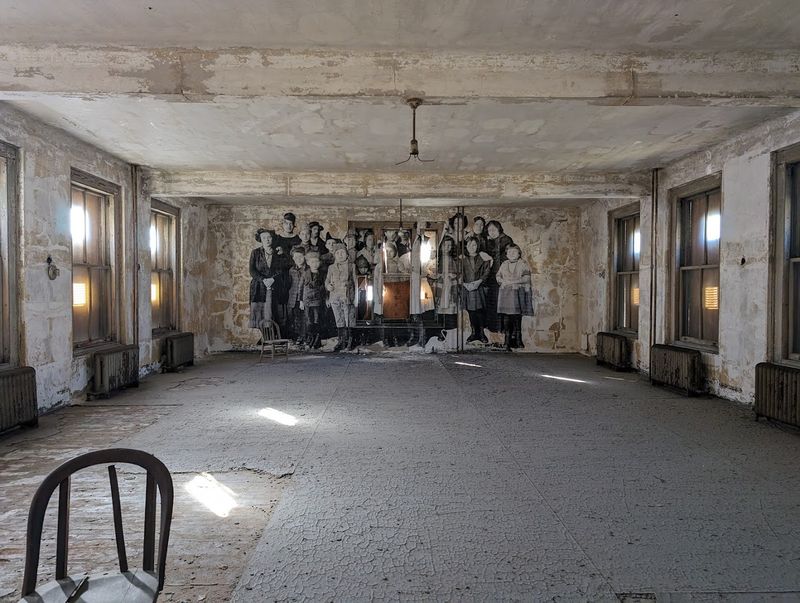
People love to label places like this haunted, but the truth is sadder and more powerful than any ghost story. This hospital saw human desperation up close.
Immigrants came here after long voyages packed into crowded ships, often already weakened by illness, malnutrition, or exhaustion. Some were treated for infections, some for chronic conditions, and some never left alive.
There were maternity wards, isolation wards, psychiatric spaces, and rooms filled with uncertainty. That kind of history changes how a place feels.
You walk through it knowing that countless people were scared, homesick, separated from loved ones, and unsure if they would be allowed into America at all. The building carries that emotional residue, whether you believe in spirits or not.
So when visitors say the place feels haunted, they are often responding to something real, just not supernatural in the cartoonish sense. It is grief, hope, fear, and waiting, all packed into one decaying complex.
That is what gets under your skin. Not jump scares.
Memory.
What It’s Really Like to Walk Through the Abandoned Hospital Today
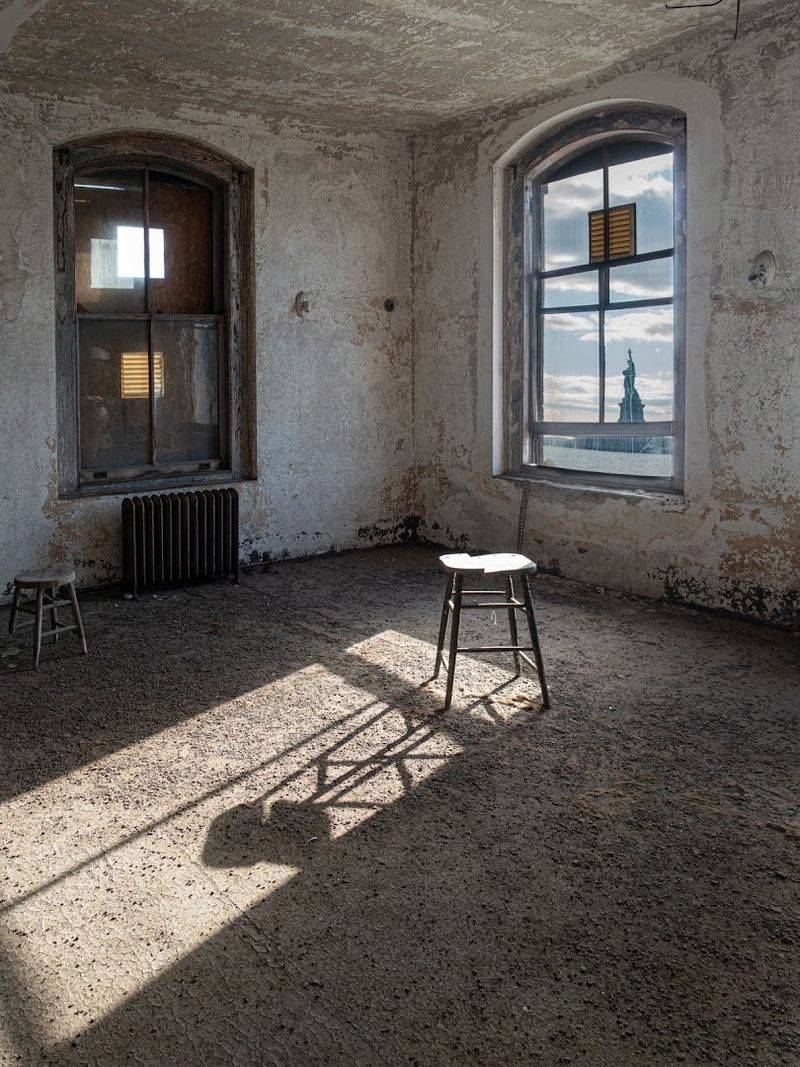
Visiting the hospital today is not the same as casually poking around some random ruin. Access is usually limited to guided hard-hat tours, which honestly adds to the atmosphere.
The helmet, the safety rules, the controlled entry, all of it tells you right away that this is not a polished tourist attraction. It still feels raw.
You are entering a fragile place that time has been chewing on for decades. Once inside, details hit fast.
Faded green paint. Rusted pipes.
Doors hanging at odd angles. Old medical spaces with just enough left behind to make your imagination do the rest.
Some rooms are blasted with harsh daylight, which somehow makes them look even creepier. Others sit in dim, shadowy quiet, like they have been holding their breath since the 1950s.
And then there is the harbor outside. That contrast is wild.
One glance gives you skyline views and open water. The next puts you back in a corridor that feels like the perfect setting for a horror movie no local would want to test alone.
Why You Would Never Want to Explore This Place Alone
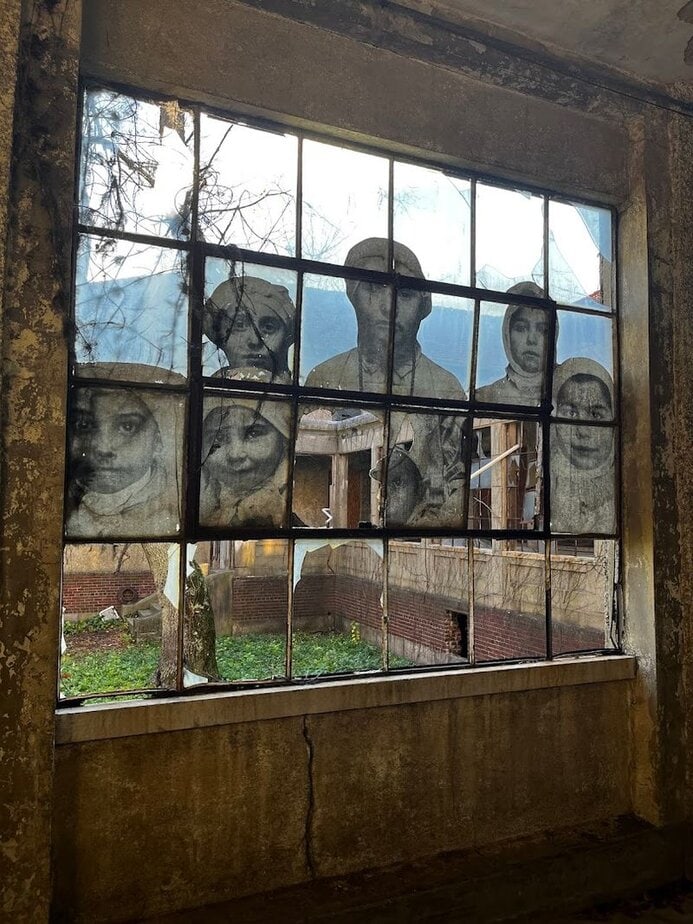
Some places are spooky in a fun, Halloween-decoration kind of way. This is not that.
The abandoned Ellis Island hospital feels oppressive in moments, and being alone would only magnify every sound and every shadow. A loose window rattles and suddenly your brain has a theory.
A long corridor bends out of view and you are absolutely certain something is standing just past the light. That is how this place works.
But the bigger reason not to go solo is respect. This is not just an eerie shell with good photo opportunities.
It is a site connected to real suffering and real stories. Wandering it alone like you are starring in your own paranormal web series would miss the point entirely.
The weight of the place deserves more than that. Also, on a practical level, these buildings are old, fragile, and not the kind of spaces where improvising is smart.
New Jersey has plenty of creepy history, but this is one spot where company feels like both a comfort and a very good decision.