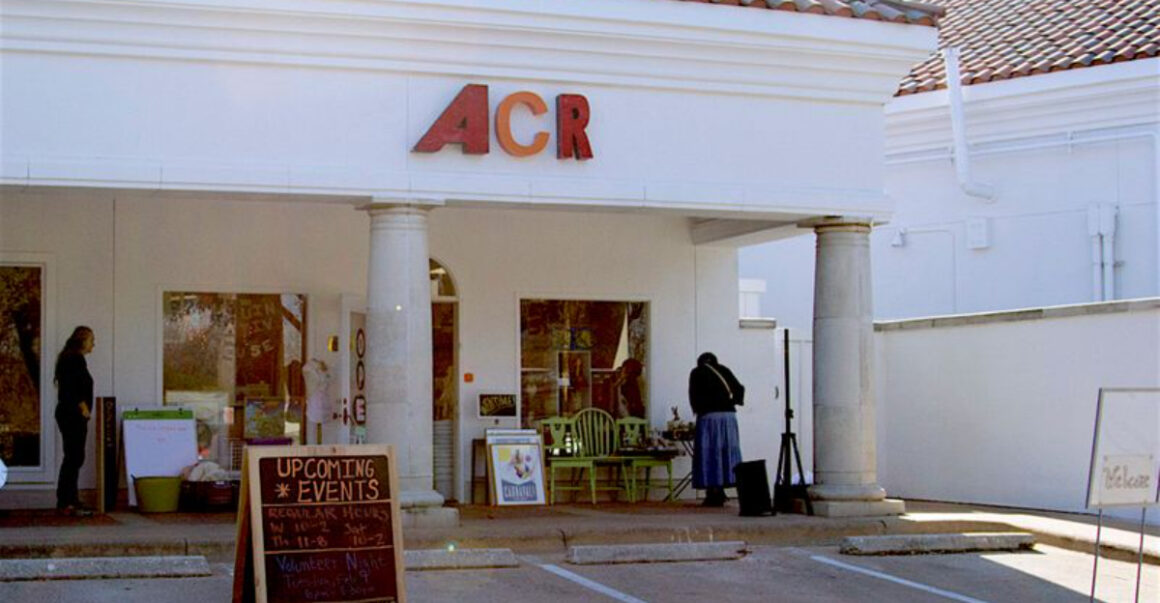
Word on the street is that Austin Creative Reuse Center is where your art budget stretches like magic. Imagine aisles of color-sorted treasures and classes that spark ideas the moment you walk in. Prices are shockingly low, the vibe is welcoming, and inspiration shows up in every bin.
Ready to hunt, learn, and leave with a project you cannot wait to start?
1. How Pricing Works At ACR
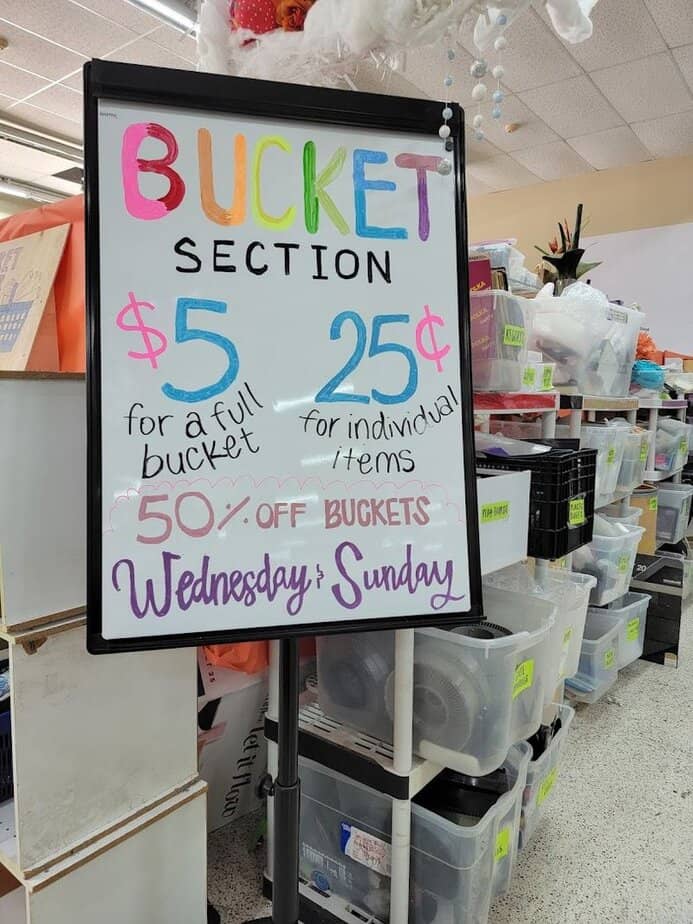
You will be shocked at how far a few bucks go here. Pricing is thrift-style, with most items grouped in bins and labeled by category so you can mix and match affordably. I have filled a bag with paper, markers, buttons, and odd treasures for less than the price of a latte.
Expect constant rotation because everything is donation based, which keeps discovery fun and prices grounded. If you love serendipity, this is your happy place, yet the signage prevents overwhelm. Bring small bills, a tote, and a flexible plan, and you will walk out smiling with supplies you did not know you needed.
Check the color-coded aisles to compare options quickly and avoid overpaying for duplicates. Seriously.
2. Treasure Hunting Through Organized Aisles
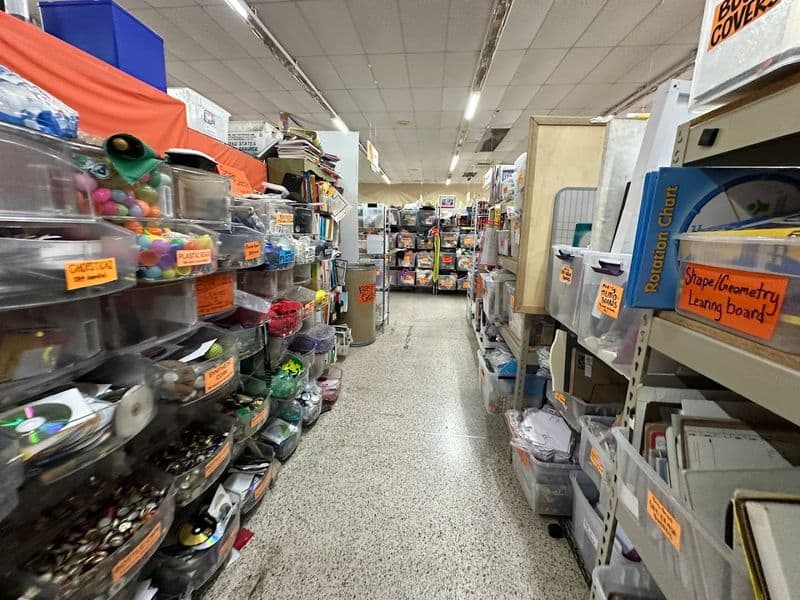
This is not an oversized junk can. Volunteers and staff have arranged materials by warm, cool, and neutral color families, making browsing intuitive. Even if you arrive searching for something specific, you will likely discover a better idea halfway down an aisle.
The store feels tidy, clearly signed, and surprisingly calm even on busy weekends. You can sift through bins without stress, then compare textures or shades on nearby tables before committing. Take your time, snap quick photos of shelves you want to revisit, and let the layout guide your creative rabbit trail.
It rewards curiosity while saving your budget and your sanity. When in doubt, ask a volunteer to point you toward hidden gems behind the front desk.
3. Fabric, Yarn, And Notions Corner
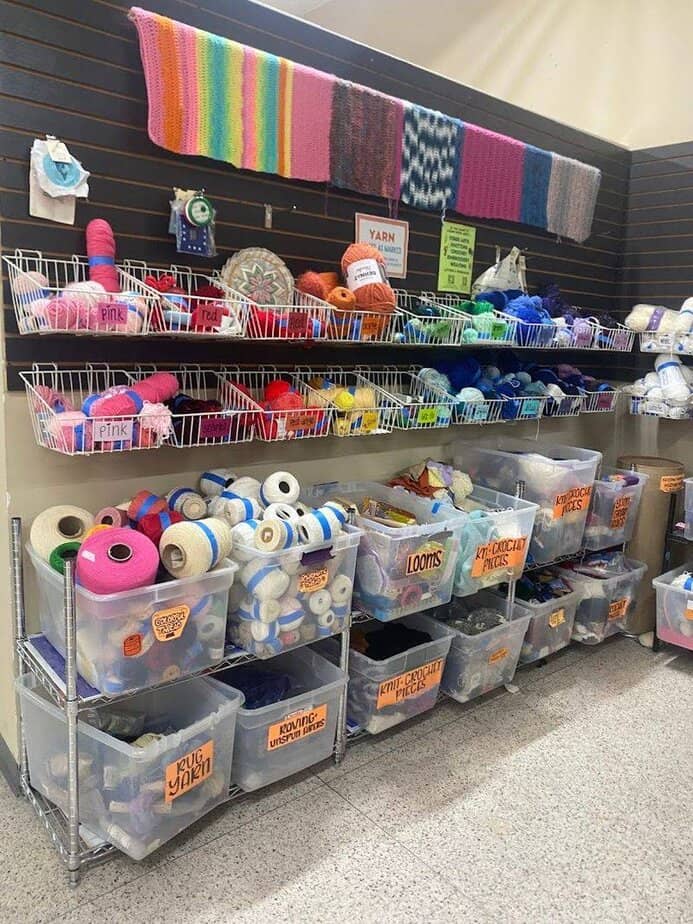
Sewists and knitters, you will find fabric by the yard, generous scraps, zippers, thread cones, and plenty of acrylic plus occasional wool yarn. Inventory shifts daily, so come with measurements and a palette, then stay open to substitutions. Many shoppers build quilts or costumes from eclectic bundles that would cost multiples elsewhere.
If you prefer garment sewing, expect more quilting cottons and upholstery weights than luxe dress fabrics, yet deals are unbeatable. Touch everything, hold it to the light, and bring a small ruler to check repeats. Dig for bias tape, buttons, snaps, and elastic in the notions wall, and leave with a project plan.
You might finally tackle that patchwork jacket you keep saving on your phone.
4. Classes, Make-And-Take, And Markets
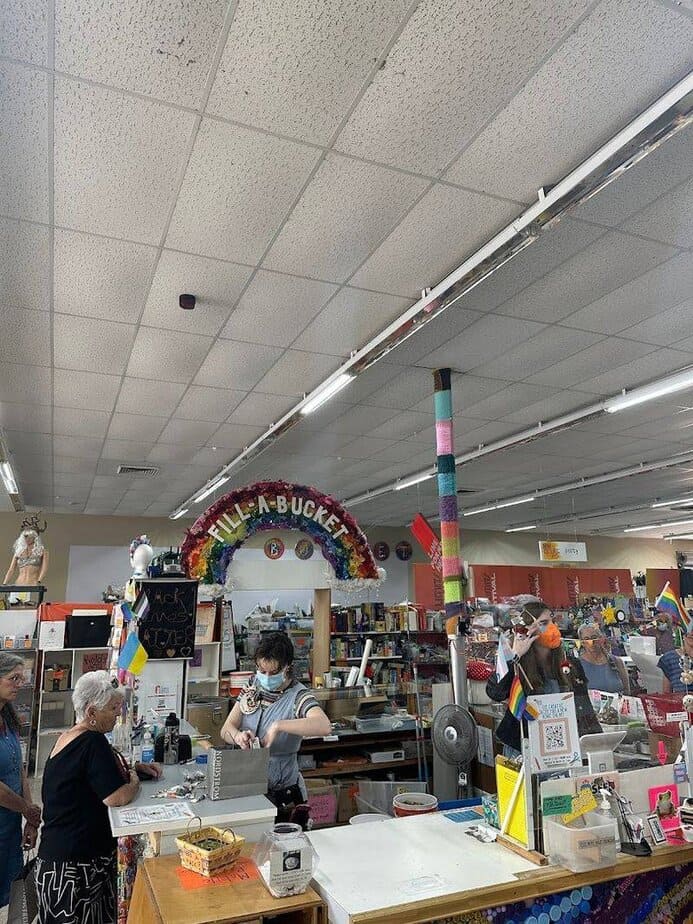
Beyond shopping, the center hosts classes and free make-and-take moments that turn browsing into doing. If you have kids, these simple stations are a lifesaver while you hunt for supplies. Check the calendar before visiting so you can pair learning with thrifting without cramming everything into one visit.
Reuse art markets pop up, too, giving local makers a chance to sell creations built from donated materials. You can scout inspiration, chat with artists about techniques, and see what those quirky bins can become. Bring snacks, a water bottle, and patience for crowds, because the vibe is communal, friendly, and buzzing.
Arrive early, claim a spot near the demos, and budget for one surprise gift for yourself.
5. Donation Appointments And What To Bring
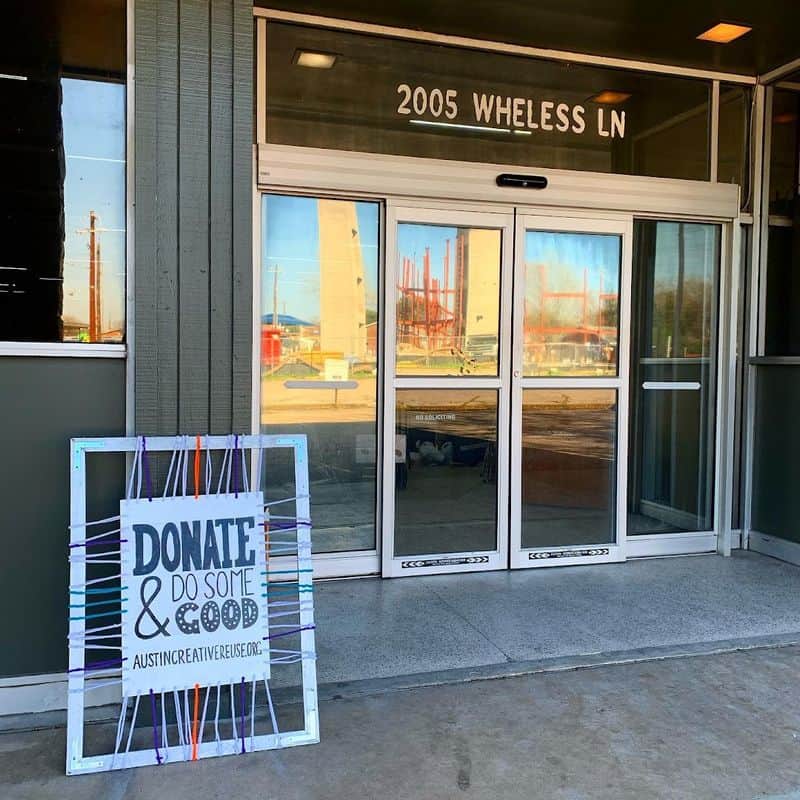
Thinking of donating your stash? Appointments are now required to keep the processing area safe for staff and volunteers, and they take in tens of thousands of pounds monthly. Before you book, scan the website for current needs so materials actually get used and not turned away at the door.
Pack clean, sorted items, label loose bits, and bind sets with rubber bands to speed intake. If something feels questionable, email ahead, then bring alternatives in case a category is paused. You will feel amazing watching your extras become somebody else’s next masterpiece, and the tax receipt is a tidy bonus.
Pro tip, schedule drop off before shopping so you can reuse empty bins for your haul.
6. Reuse Art Gallery And Inspiration Map
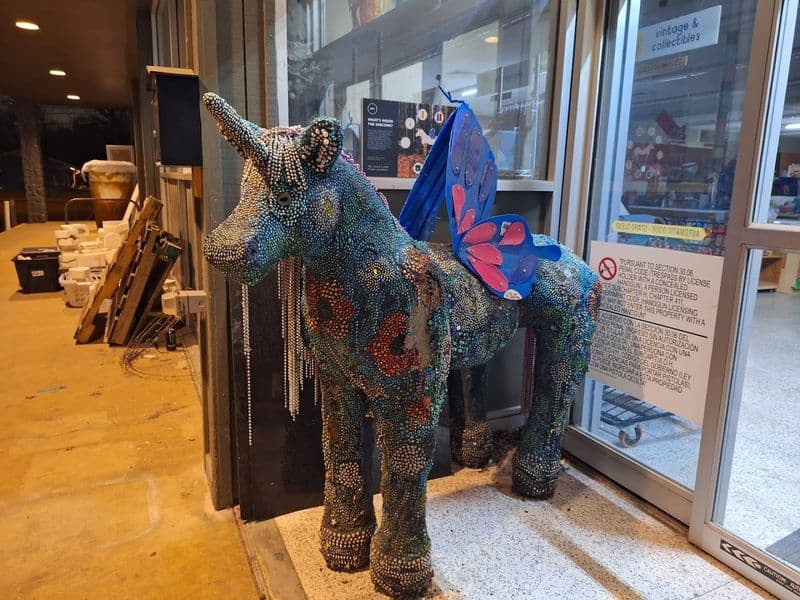
Right inside the store, a small reuse art gallery spotlights pieces made from donated odds and ends. It is a powerful reminder that value is about imagination, not retail price tags. You can study techniques up close, then roam the aisles with fresh eyes hunting for ingredients rather than products.
Look for the map near the front door that credits artworks around the space, and try turning it into a scavenger hunt. Snap notes on interesting assemblies and challenge yourself to replicate them using only what you find that day. It turns a budget trip into an art tour and lab session.
Bring friends and compare interpretations over coffee afterward. You will leave buzzing with possibilities.
7. Tips For First-Time Shoppers
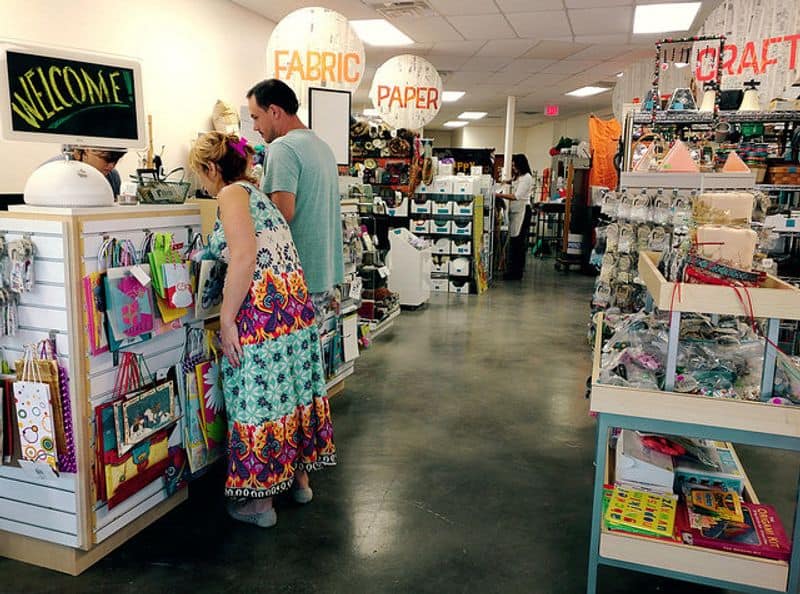
Plan your visit around posted hours because Mondays are closed and Tuesdays through Saturdays run 11 AM to 7 PM. Sundays open at noon and end at 6 PM. Aim for earlier in the day for the best selection, and bring measurements, inspiration photos, and a list of backup materials.
Wear comfy shoes, carry a tape measure, and consider gloves if you love deep dives into paper bins. Test pens in the designated spot, check plug-in items at the counter, and verify fabric yardage before paying. Finally, set a budget, leave room for a wildcard item, and celebrate your creative wins.
Parking is free and plentiful, so bring a trunk-ready box or two. Hydrate. Seriously.
8. Hours, Location, And Community Vibe

This nonprofit lives at 2005 Wheless Ln in Austin, just off Berkman, with a large free parking lot out front. The vibe is welcoming, with kind staff and upbeat volunteers who keep things moving. Even the restroom is clean, a small detail that matters when you are making a long thrifting run.
Hours are steady most days, typically 11 AM to 7 PM Tuesday through Saturday, noon to 6 PM Sunday, and closed Monday. I like to screenshot the schedule in case my signal drops. Save the phone number, peek at the online store for highlights, and follow social for class and market announcements.
Plug the location into maps and set an arrival reminder five minutes before opening.