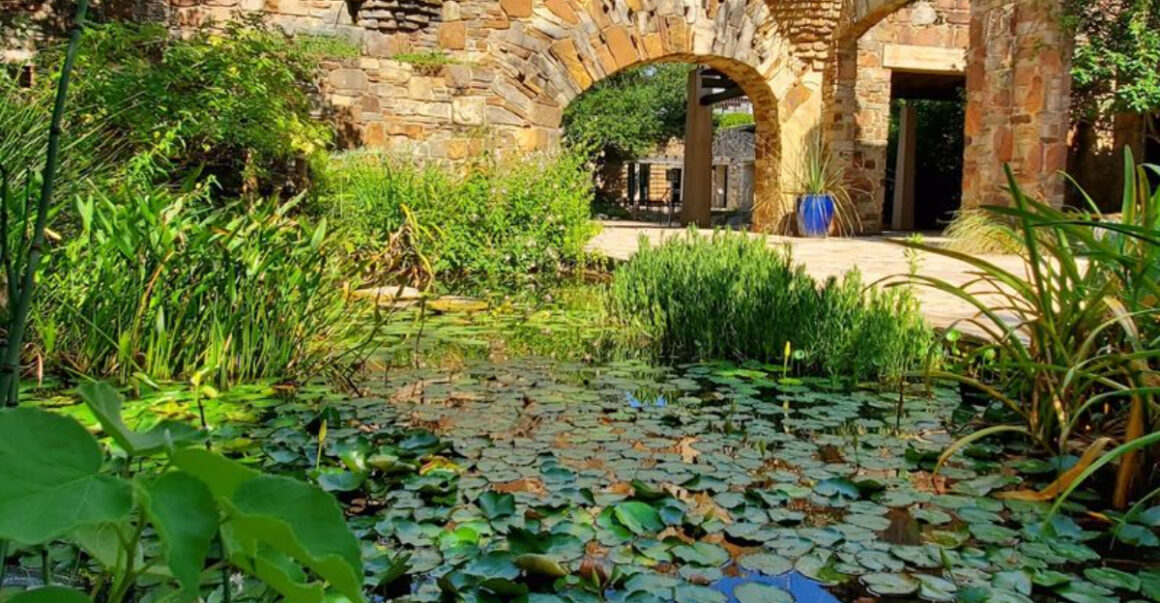
Ready to wander through a living canvas of Texas color and calm? At the Lady Bird Johnson Wildflower Center, native blooms meet thoughtfully designed trails that feel both wild and welcoming. You can stroll, learn, and unwind while Austin hums quietly in the distance.
Bring your curiosity and let the landscape do the rest.
1. Bluebonnet Fields and Native Wildflower Displays
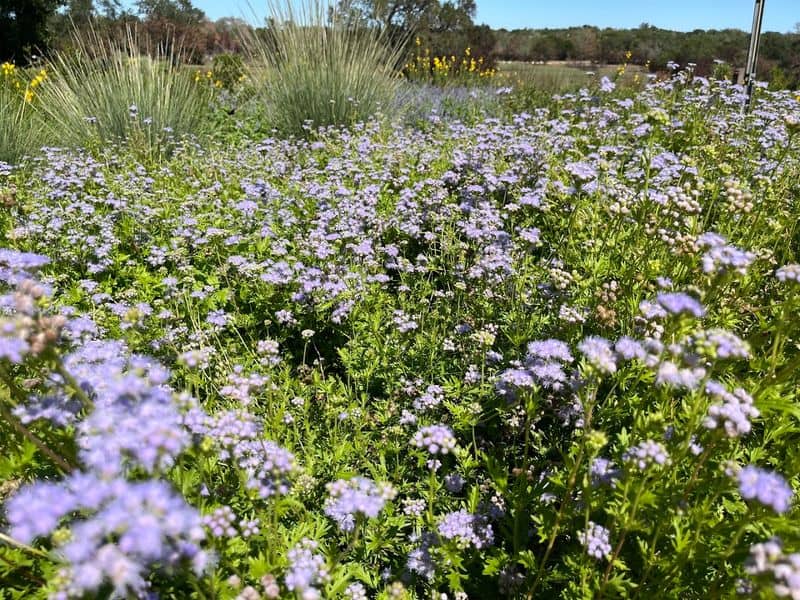
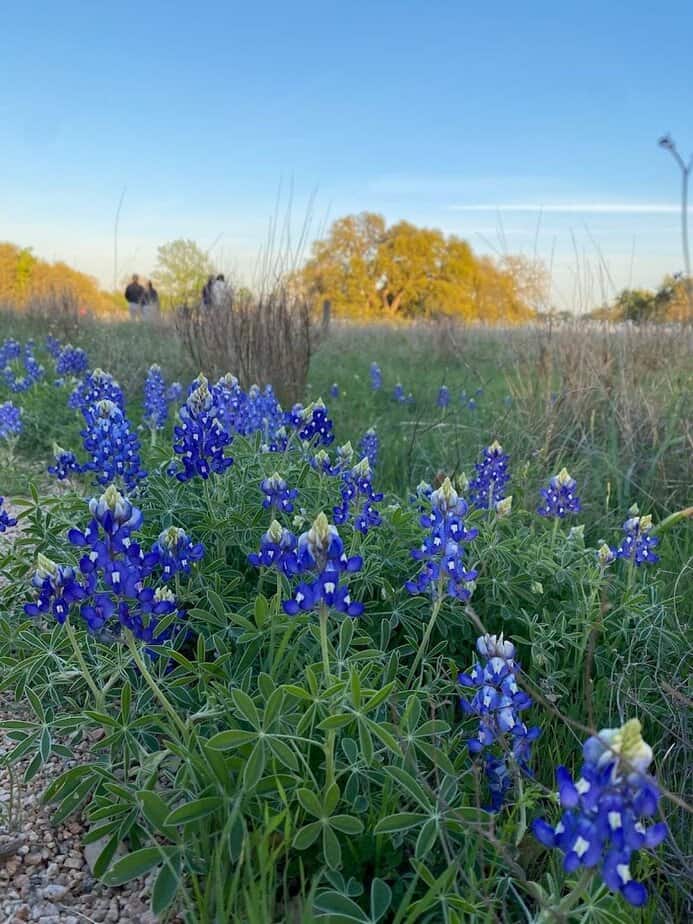
Spring at the Wildflower Center unfurls sweeping meadows of bluebonnets, paintbrush, and coreopsis that stop you in your tracks. Trails curve beside limestone walls and cisterns, framing color that feels both natural and artful. You can linger for macro photos, watch butterflies drift, or just breathe in the prairie scent.
Interpretive signs help you name the blooms and learn how native plants support pollinators and conserve water. If you time it right, golden hour pours light across seedheads, turning the fields into a calm, glowing canvas. Bring a hat, stay on paths, and you will leave with pockets of color tucked into your memory.
Early weekdays feel quieter, and staff can share bloom updates to guide your wander and choices.
2. Scenic Nature Trails and Habitats
The trails thread through Hill Country habitats, from shady live oak mottes to shimmering savanna. Crushed granite paths are gentle on knees and strollers, with benches exactly where you want a pause. Wayfinding signs keep you oriented while letting curiosity lead the route.
As you walk, listen for windchimes near the courtyards and the rustle of grasses along the fence lines. During summer, earlier hours feel cooler, and winter sunlight makes the limestone glow softly. Keep water handy, wear closed shoes, and watch for interpretive stops that reveal restoration stories.
You might spot trail volunteers tending beds, always happy to suggest a loop that matches your time. Look up from bridges for dragonflies, turtles, and reflections that surprise with quiet beauty.
3. Luci and Ian Family Garden
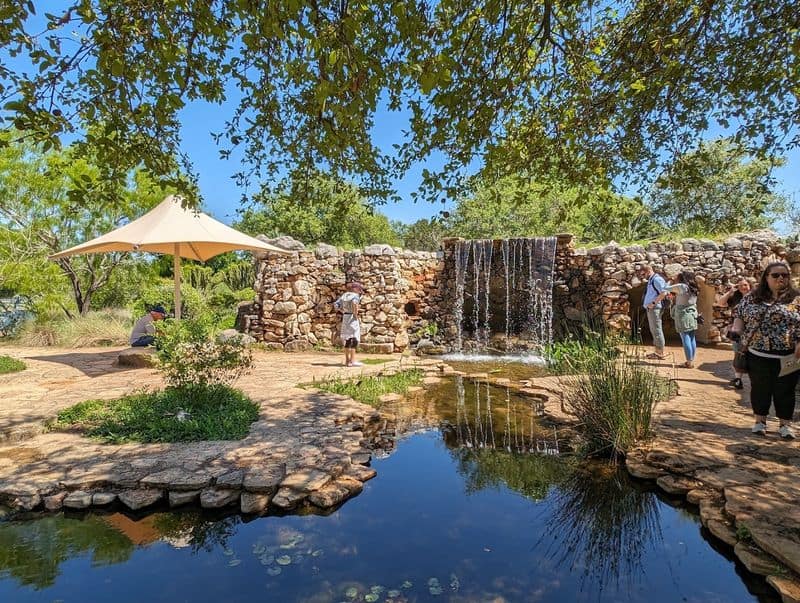
The Luci and Ian Family Garden invites kids to climb, splash, and invent their own nature stories. Giant stumps, woven forts, and a waterfall channel make learning feel like playtime. You can sit in the shade nearby and still keep a friendly eye on the action.
Natural materials invite curiosity, and signage ties activities to wildlife, water cycles, and native plants. Bring a change of clothes on warm days because wet feet and big smiles are likely. Weekday mornings are calmer, while weekends buzz with joyful noise that still respects the space.
Ask staff about Fortlandia or seasonal art that turns this area into a creative playground. It makes repeat visits feel fresh. Every season surprises.
4. Observation Tower and Courtyards
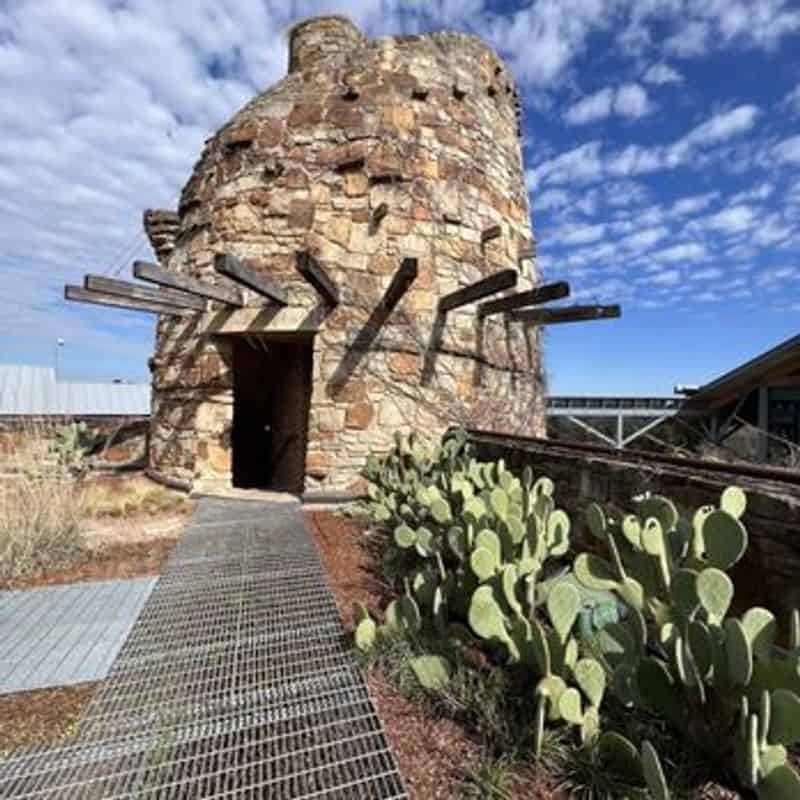
Climb the stone tower for a breezy panorama of meadows, roofs, and far off oaks. The spiral feels gentle, protected by limestone that keeps summer sun a little cooler. From the top, you can scout trail choices and spot where bloom color pools most brightly.
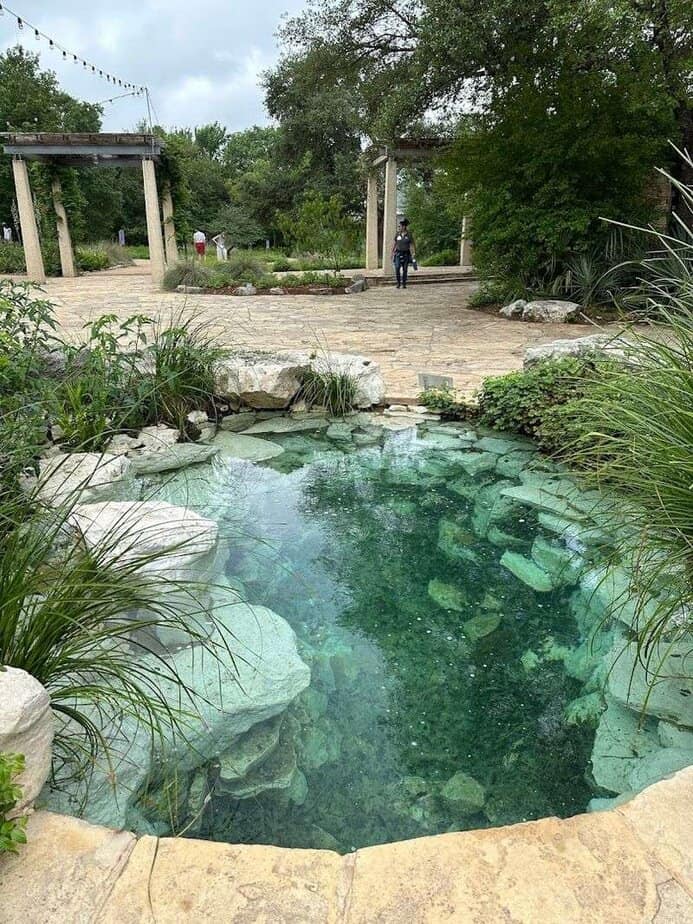
Down below, courtyards hold water features, mosaics, and shady arcades that invite unhurried breaks. Listen for birdsong echoing through stone and the soft clink of windchimes. It is a perfect place to sip from your bottle, check the map, and reset your pace.
Photography lovers get clean sightlines, especially late day when textures pop and shadows pull long. If you are nervous with heights, the first landing still offers lovely views and a breeze.
5. Wildlife Watching and Birdlife
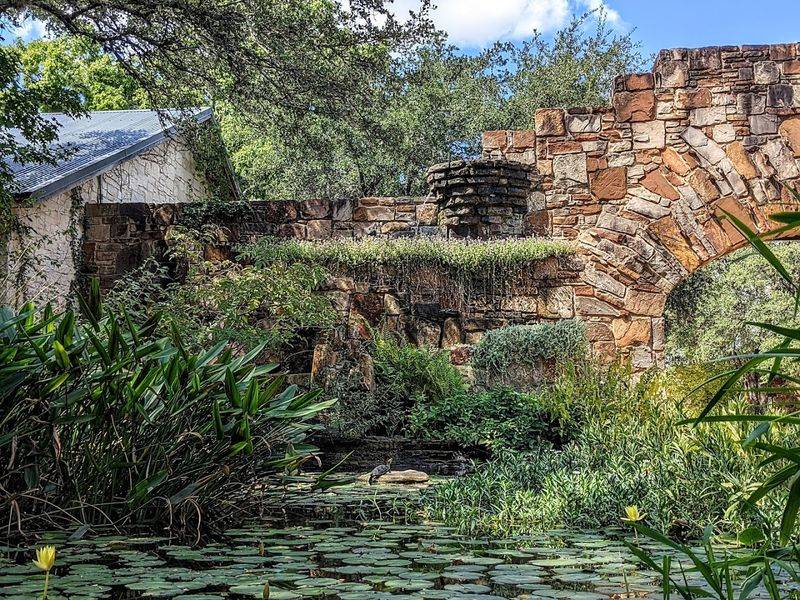
Keep your eyes up for resident owls near the entrance and for migrating visitors across the seasons. Butterflies patrol the beds, lizards sun on rocks, and dragonflies sketch bright angles over water. Stand quietly and the garden reveals more movement than you first imagined.
Bring binoculars if you have them, but even without, you will hear crisp calls from live oaks. Morning light helps with identification and the staff or volunteers often share the latest nest updates. Stay on paths, give space to wildlife, and you will leave with a richer sense of place.
If it is breezy, check the sheltered courtyards, where activity gathers near water and nectar sources. Quiet patience pays off. Always.
6. Seasonal Exhibits and Events
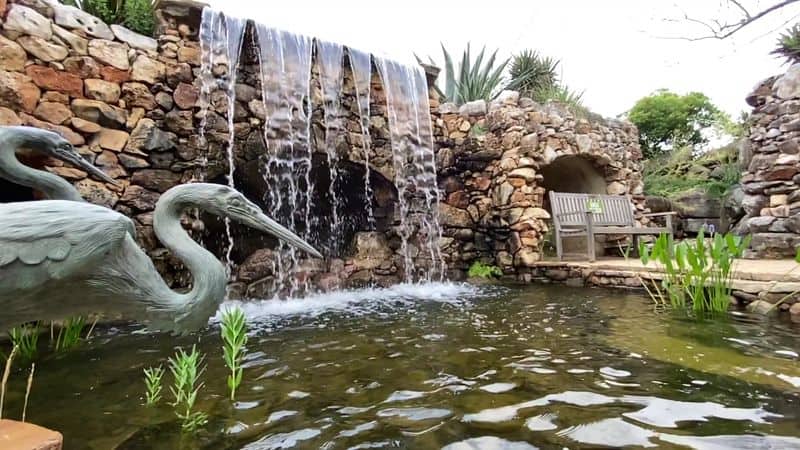
Beyond the blooms, rotating exhibits bring playful surprises like animatronic dinosaurs and imaginative Fortlandia forts. These additions fit the landscape, turning a regular walk into a story that kids retell for weeks. Evening events sometimes add lights, music, and cooler air that changes how the paths feel.
Check the website for dates, ticket details, and member perks, since popular nights can sell out. Arrive a bit early for parking, grab snacks from the cafe, and build in time for photos. Even without extras, the gardens themselves remain the headliner, so you never miss out here.
Ask staff what is blooming that week, then pair an exhibit loop with a quieter trail for balance. It keeps energy happy.
7. Wildflower Cafe and Shop
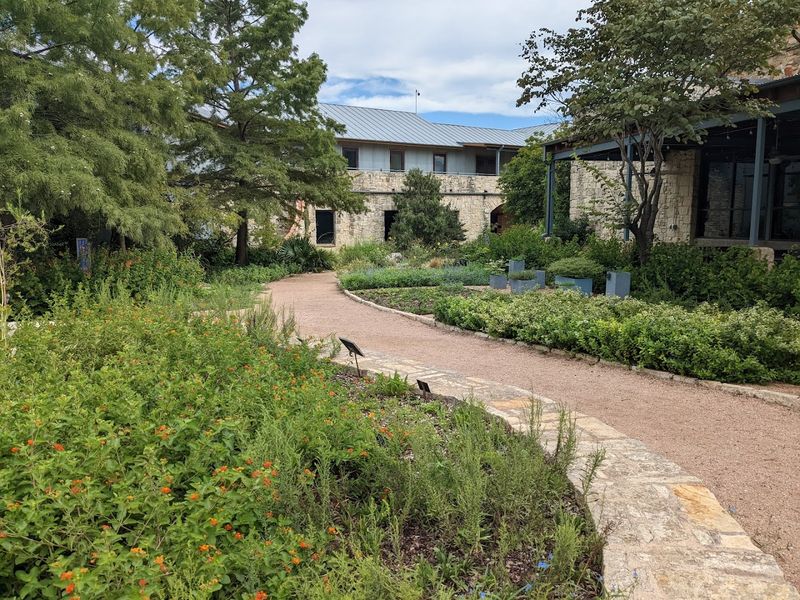
After exploring, the Wildflower Cafe offers salads, sandwiches, and kid friendly bites under shady oaks. Prices reflect a small onsite cafe, but the convenience and breezy patio feel worth it. Water fountains nearby help you refill and keep wandering.
The shop curates native plant guides, seeds, thoughtful gifts, and fun finds for kids. It is an easy place to support conservation work while taking home a small reminder. If you love stationery or bird gear, you will probably linger longer than planned.
On busy weekends, consider grabbing a snack first, then eat later at the stone benches near blooms. Staff happily recommend picnic spots, seasonal specials, and quick routes back to your favorite trail nearby.
8. Planning Your Visit and Tips
The center is open daily 9 AM to 4 PM, so plan a morning start for cooler temps. Weekdays feel quieter, while weekends bring more families and lively energy. Reserve tickets online when exhibits are popular, and arrive early for easier parking.
Wear sun protection, carry water, and choose closed shoes for gravel paths and limestone steps. Accessibility is a priority, with ramps, smooth routes, and plenty of places to rest. Before you leave, check the calendar for classes or guided walks that can elevate a future visit.
If you are chasing peak blooms, call ahead or scan the bloom update posts for the latest. Pack a picnic, but remember to respect wildlife and stay on designated paths always.