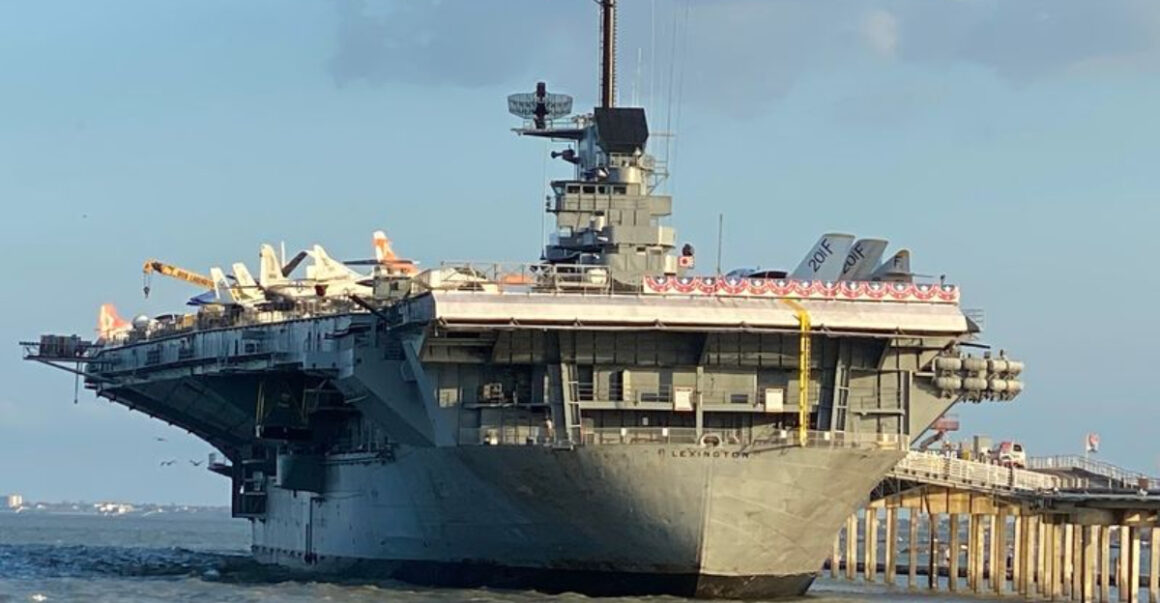
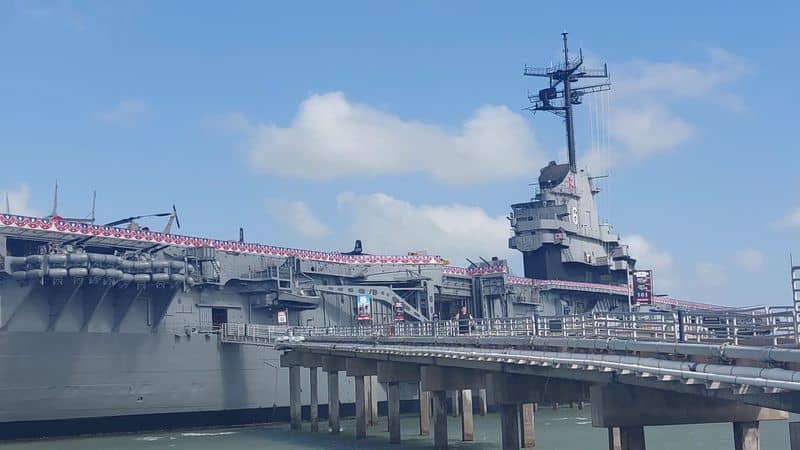
Park beside the bay, look up, and there it is: a floating city waiting to tell its secrets. The USS Lexington may be a museum today, but step aboard and the ship feels thrillingly alive. From roaring aircraft to dim war rooms, every corner hides a story you can walk through.
Here is how to find the incredible experiences tucked inside this Texas giant.
1. The Hangar Deck: Aircraft, Theater, and First Impressions
You feel it the moment you step onto the Hangar Deck. Aircraft surround you like sleeping giants, each with placards that turn metal and paint into living stories. Volunteers point out hidden details, and the 3D Mega Theater hums nearby, ready to drop you straight into history.
Take your time as you trace the restoration work and compare wingspans, bomb loads, and cockpit layouts. Kids light up at the simulators, while aviation buffs linger over engines and carrier operations. It is the perfect launch point for your self-guided routes, and a comfortable space if you need a breather.
Before heading up, snap a photo under the tail of your favorite bird and scan the QR codes for bonus stories.
2. Flight Deck Views and Vintage Aircraft
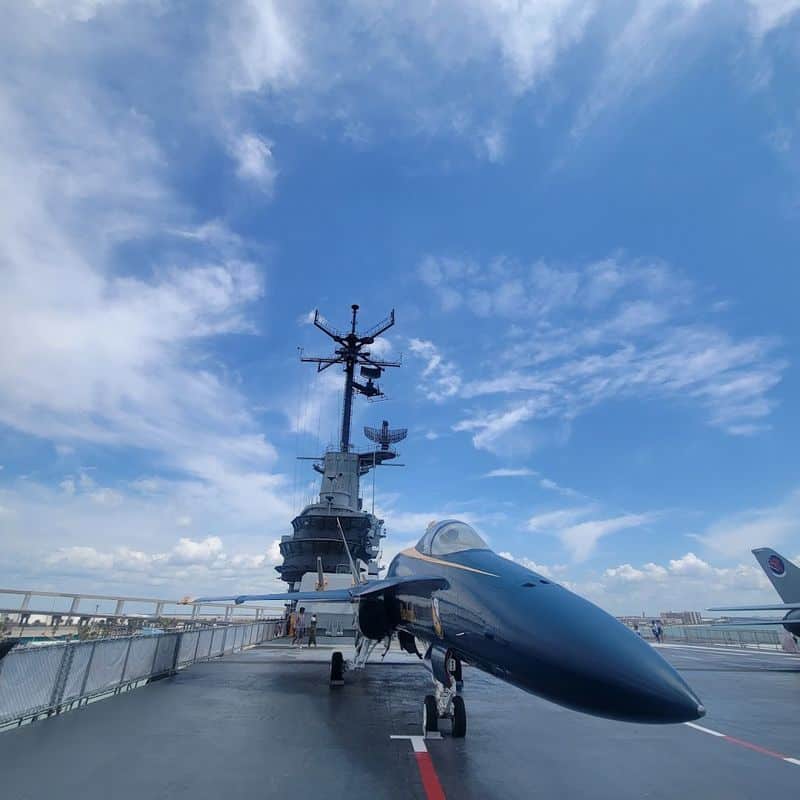
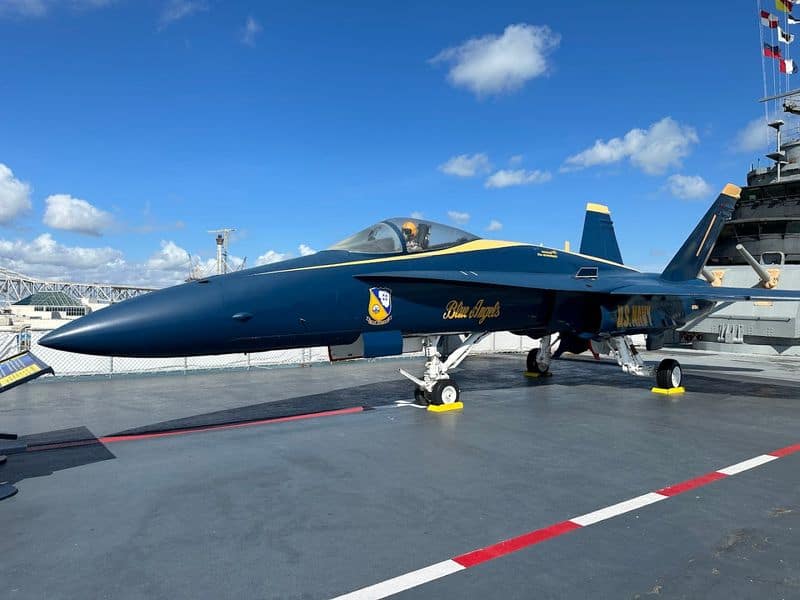
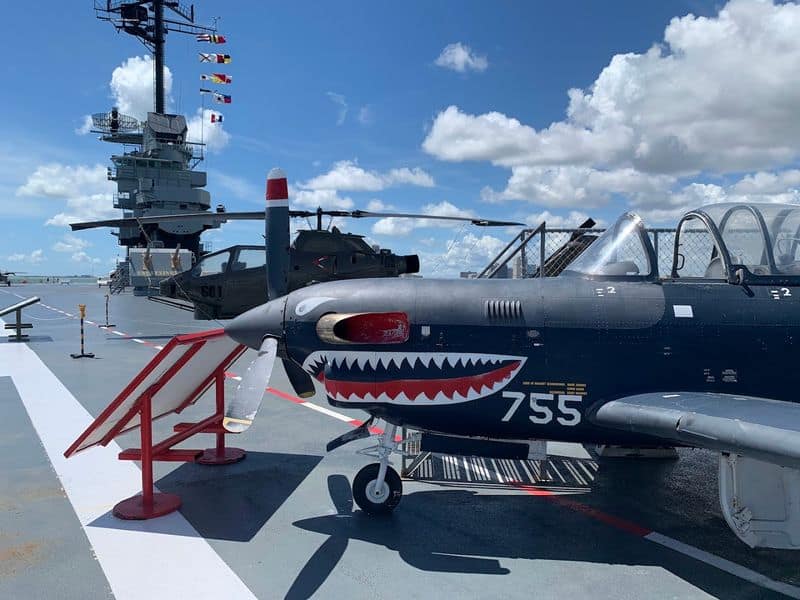
Step onto the flight deck and the wind greets you first, carrying salt and gull calls across Corpus Christi Bay. Vintage jets and prop planes line the non-skid surface, each posed as if moments from launch. You can peer into cockpits, study folding wings, and walk the catapult paths that once flung history skyward.
Pause by the island to soak up panoramic views of North Beach and downtown. Friendly staff share stories about deck crews, launch control, and how pilots found the wires. Bring sunscreen and good shoes, then let yourself wander from aircraft to aircraft, turning a sunny stroll into a living aviation lesson.
If timing is right, you might catch ceremonies, fly-ins, or a passing pod of dolphins below.
3. Combat Information Center Experience
Inside the Combat Information Center, lights dim and voices from audio exhibits guide your eyes to glowing plots. Radar scopes, status boards, and headsets recreate the pressure of decisions made in seconds. You can stand where sailors tracked threats, coordinated squadrons, and kept the Blue Ghost alive under fire.
Take a slow lap, read the after action notes, and imagine the chatter during general quarters. Volunteers are happy to explain tactics, acronyms, and why information flow was everything. You leave with a deeper appreciation for teamwork, pattern recognition, and nerves of steel when the stakes were sky high.
Do not rush here, because the narration rewards patience with small insights that change how you view the whole ship.
4. Engine Room and Machinery Spaces
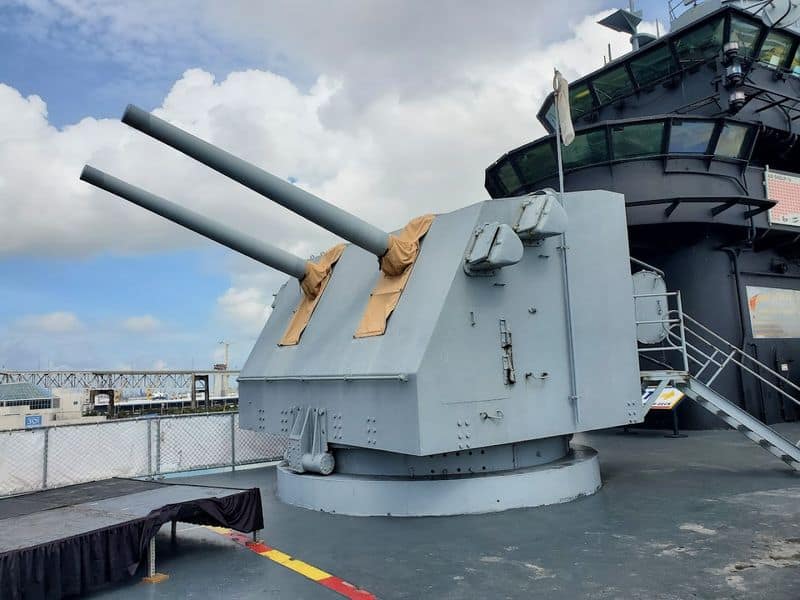
Descend the steep ladders and the ship transforms into a cathedral of steel. Pipes, gauges, and turbines stretch in every direction, each piece part of a humming ecosystem. Standing by the engine displays, you can almost feel the vibration that once pushed this carrier across the Pacific.
Stop to read the maintenance logs and fuel consumption notes, then trace the routing of steam through the maze. It is a masterclass in applied physics, and it makes deck operations suddenly make sense. Wear grippy shoes and hold rails, because the steps are narrow and space closes in quickly.
Pause for a deep breath, listen for the soft fans, and picture night watches when every gauge demanded calm attention.
5. Crew Quarters, Galley, and Sick Bay
Life aboard comes into focus in the crew quarters, where bunks stack tight and lockers barely hold a week of belongings. The galley shows how thousands were fed with precision, ovens and kettles working around the clock. Sick bay and the dental clinic reveal the care that kept sailors mission ready.
You will smile at handwritten notes, pinups, and tiny touches of home in display spaces. Read the schedules, imagine night shifts, and think about teamwork running like a heartbeat. Parents, this section sparks great questions from kids about chores, responsibility, and how every job mattered to the Blue Ghost.
Do not rush, because the small artifacts quietly tell bigger stories than any headline can.
6. 3D Mega Theater and Flight Simulators
When legs need a rest, the 3D Mega Theater is your reset button. Historic films roll across a massive screen, wrapping you in carrier decks, roaring engines, and Pacific horizons. The sound design alone can make you sit a little straighter and appreciate the scale of naval aviation.
Afterward, try the flight simulators for hands-on fun that kids adore and grown-ups secretly love. They are dated in spots, but still deliver grins and a few whoops. If crowds build, go early or circle back later, then pair the experience with exhibits that explain launch physics and approach patterns.
Budget a little time, because a short queue can turn into laughter and great photos you will keep.
7. Pearl Harbor History Exhibit
The Pearl Harbor exhibit pulls you close to the shock and resolve that defined the war’s opening chapter. Artifacts, timelines, and survivor accounts give context without sensationalism. You can listen, breathe, and understand why carriers became the new capital ships and how Lexington helped redefine strategy.
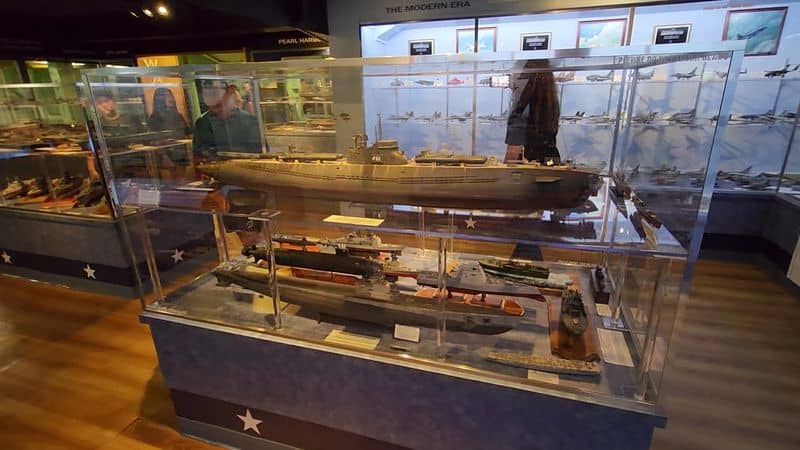
Take a moment if emotions sneak up on you, then read onward to the Pacific campaigns. Maps and models help younger visitors track movements and outcomes. Leave this section with perspective, gratitude, and a renewed respect for the people who stood watch so the rest of us could dream.
It will likely be the quietest part of your tour, and that quiet does lasting work. Give it time today.
8. Planning Your Visit and Accessibility
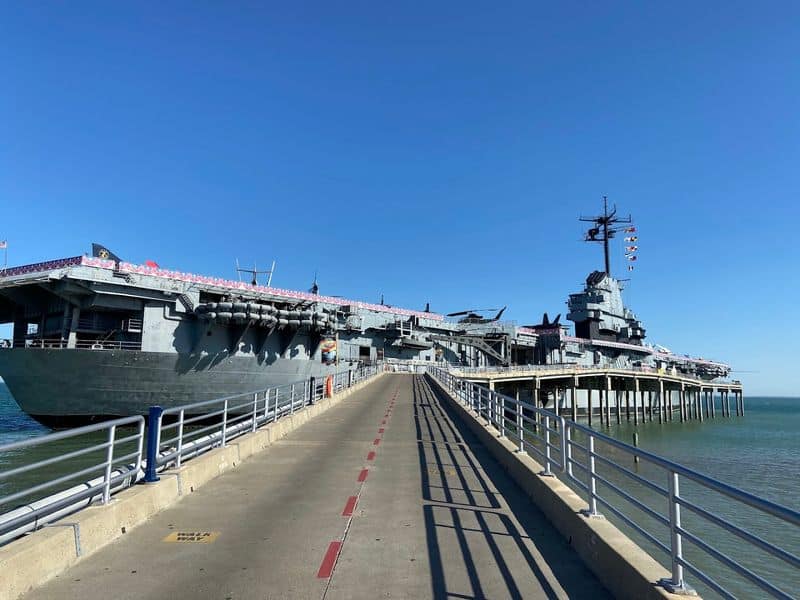
Good visits start with timing. Doors open at 9 AM daily, and a morning arrival beats crowds and heat, especially in summer. Plan for three to five hours if you want decks, theater, simulators, and a relaxed lunch at the cafe.
Wear comfortable shoes, bring water, and expect steep ladders on interior routes. Strollers and wheelchairs can access the main and flight decks, plus helpful volunteers are easy to spot. Tickets are fair, discounts appear on the website, and parking sits right across the street, making this adventure wonderfully doable.
Call ahead for group options, consider the free cart ride up the gangway, and keep a camera ready for bay views. Check forecast for wind.