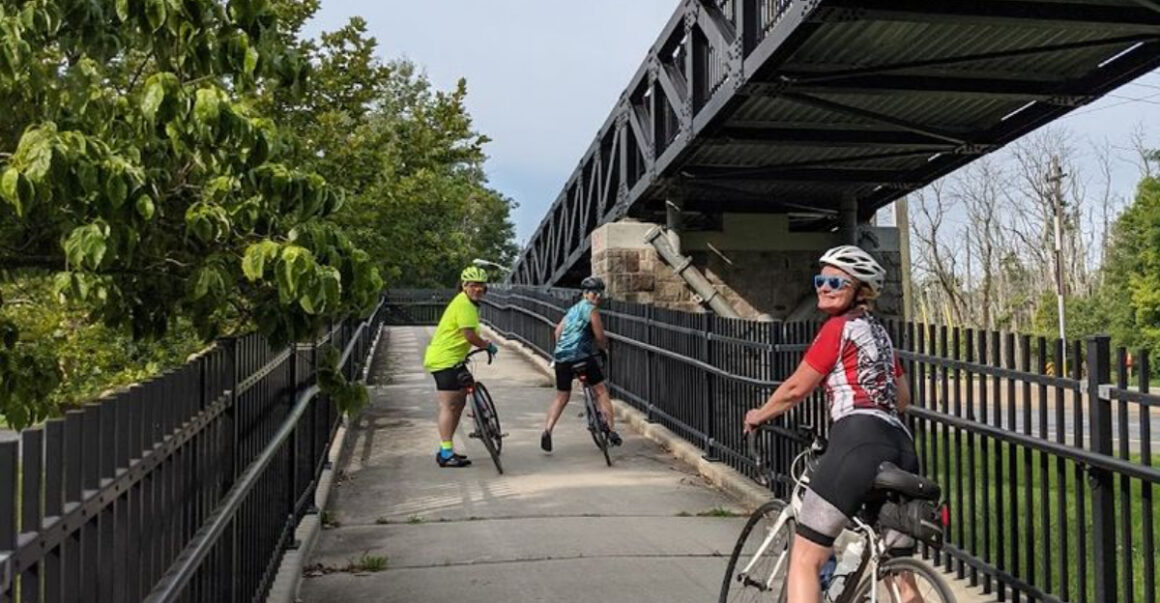
Some New Jersey adventures ask for hiking boots, a full tank of gas, and a carefully mapped-out plan. This one mostly asks you to lace up, hop on your bike, or just start moving.
Stretching along the Delaware & Raritan Canal, this 70-mile trail delivers the kind of day that feels almost unfairly packed with good stuff: flat terrain, river views, shady stretches, old stone buildings, quiet water, and the occasional ruin that makes you stop and say, wait, what was that?
It is one of those rare paths that works just as well for a serious training run as it does for a lazy afternoon ride with plenty of detours.
And because this is New Jersey, the scenery comes with history, grit, and a few forgotten corners that never made it into the glossy brochures.
Why the Delaware and Raritan Canal Trail Feels Made for Long Runs and Easy Bike Rides
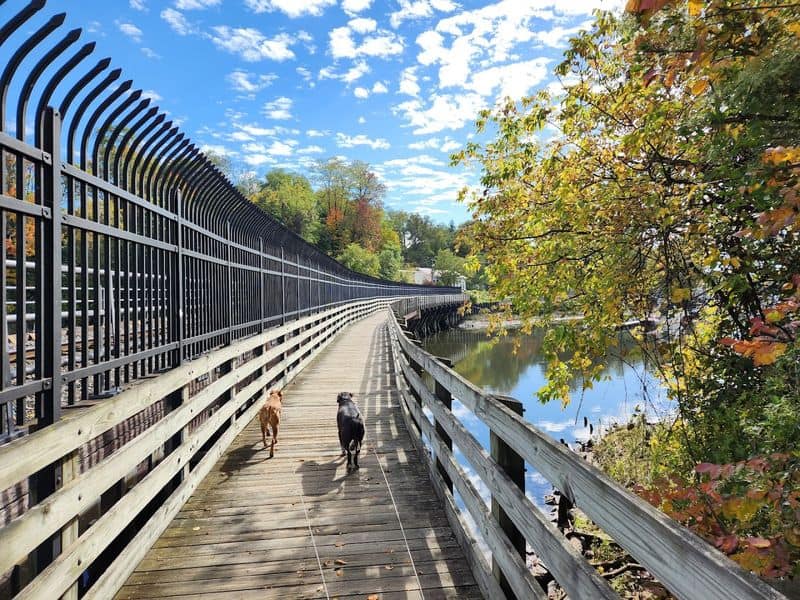
Flat, steady, and surprisingly peaceful, this trail has the kind of layout runners and cyclists usually have to dream about. The old towpath follows the canal for mile after mile without punishing climbs, which means you can settle into a rhythm and actually stay there.
For runners, that translates to long, uninterrupted stretches where your pace does not get wrecked by traffic lights, steep hills, or crowds every few minutes. For cyclists, it is an easygoing ride with enough distance to make it feel like a real outing, not just a quick spin around the block.
The surface is mostly crushed stone and dirt, so it feels softer underfoot than pavement but still manageable for many bikes. You are rarely far from water, trees, or some little change in scenery that keeps things from getting repetitive.
One minute you are cruising under a canopy of shade. The next, the path opens up beside the canal or the Delaware River.
It is low-stress, high-reward, and very New Jersey in the best way.
The Historic Stops That Make Every Mile More Interesting
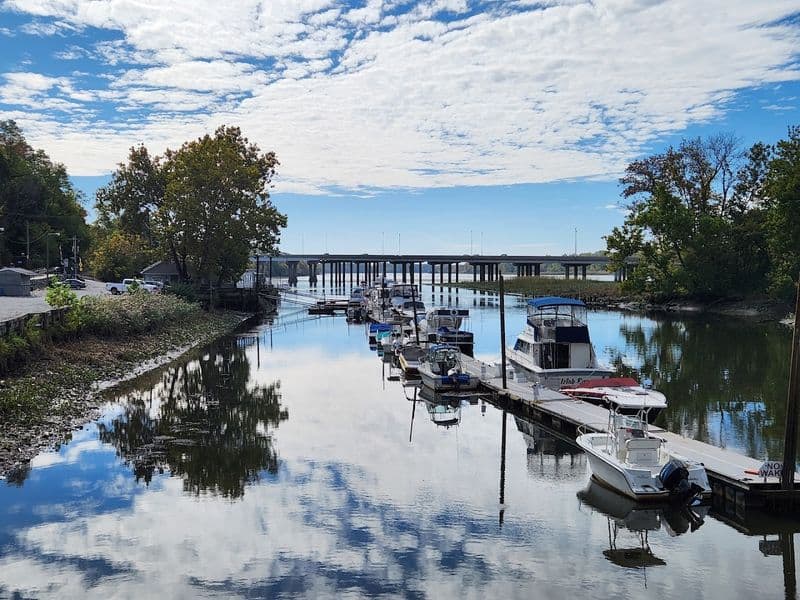
This is not one of those trails where you lock into your workout and tune everything else out. Along the way, reminders of the canal’s working past keep pulling your attention back in.
The Delaware & Raritan Canal once moved coal and cargo across the state, and that history still lingers in lock structures, bridge tender houses, stone remnants, and old industrial sites that seem to appear out of nowhere. That is part of the charm.
You are not just covering ground. You are moving through a corridor that once mattered in a very practical, gritty way.
In towns like Lambertville, Stockton, Princeton, and New Brunswick, the canal feels stitched into the landscape rather than separated from it. Some stretches feel polished and well-loved.
Others still carry that slightly rough-around-the-edges mood that makes old infrastructure so interesting. Even if you are not a history buff, it is hard not to appreciate a trail where the scenery comes with actual stories instead of random decorative signs and vague “historic district” energy.
Where to Find Old Canal Houses, Mills, and Other Hidden Ruins
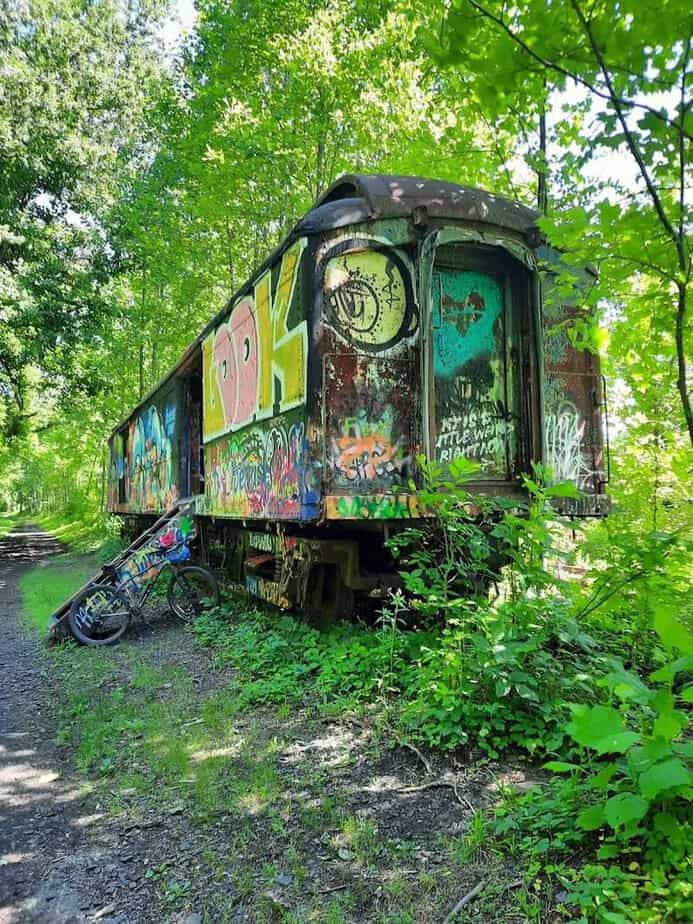
The best part about the canal’s ruins is that they do not scream for attention. They just sit there quietly, half hidden by trees or tucked near the water, waiting for somebody curious enough to notice.
Old bridge tender houses are some of the easiest historic structures to spot, and several still stand along the route like tiny time capsules from the canal era. Then there are crumbling mill remains, old stonework, and weathered foundations that hint at a busier, more industrial past.
Around places like Griggstown, Kingston, and Lambertville, the trail starts to feel especially rewarding for people who like a little accidental discovery mixed into their exercise. You are never quite sure when a worn wall, abandoned lock feature, or forgotten building detail will show up beside the path.
That unpredictability gives the whole route a slightly haunted, treasure-hunt quality. It is not spooky in a dramatic way.
It is more like New Jersey whispering, “You think you know me, but keep looking.”
The Best Sections for Scenery, Shade, and Wildlife Watching
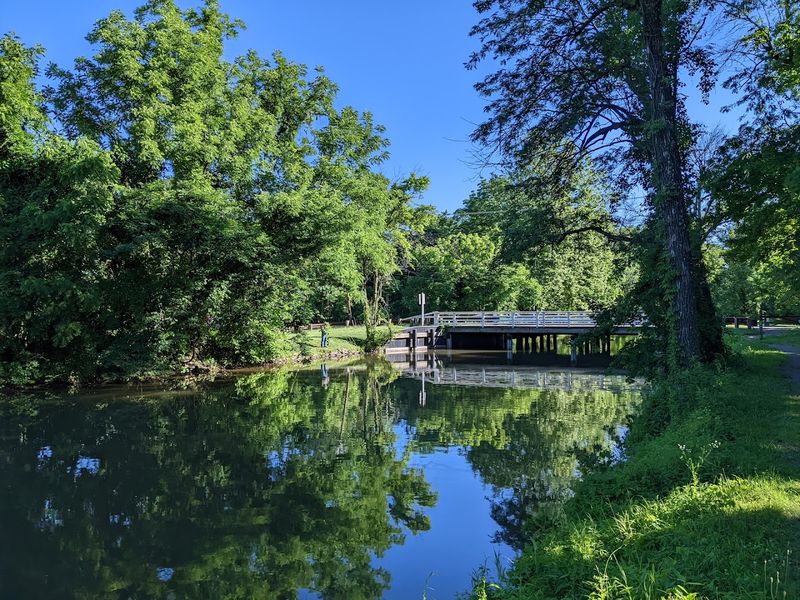
Some stretches are all about the workout. Others make you slow down because the view keeps winning.
The canal trail does both, but a few sections really stand out if scenery is high on your list. Near Washington Crossing and Lambertville, the blend of river views, wooded edges, and historic surroundings gives the path a classic, postcard-worthy look without feeling overly polished.
Around Princeton, the trail can feel especially calm, with long green corridors and reflective water that almost make you forget how close you are to busy roads and everyday life. Wildlife shows up when you least expect it.
Great blue herons, turtles, ducks, and smaller birds are regulars here, especially in quieter morning hours. In the warmer months, dragonflies skim the water and everything feels a little more alive.
Shade is another big advantage, especially for runners trying to avoid getting cooked on a summer afternoon. The tree cover is not constant, but there is enough of it in many sections to make a long outing much more pleasant.
Small Towns and Trail Access Points That Make Planning Easy
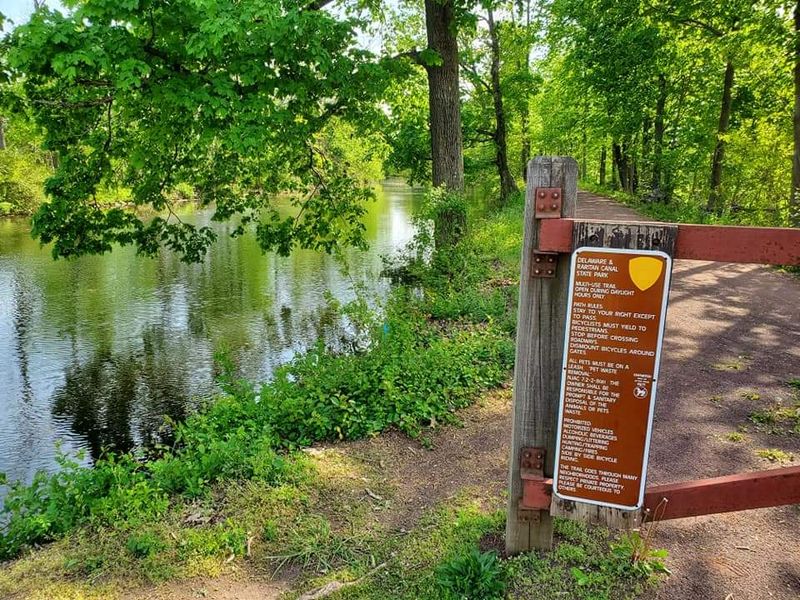
One reason this trail works so well for casual explorers is that you do not need to commit to all 70 miles to enjoy it. The route passes near plenty of towns, trailheads, and parking areas, so it is easy to build the kind of day you actually want.
Maybe that means a 5-mile run near Princeton, a longer bike ride starting in Lambertville, or a relaxed walk with a coffee stop in a canal-side town afterward. The trail makes all of those plans feel doable.
That flexibility matters. You can start small, test a section, and come back for more without needing some elaborate logistics spreadsheet.
Towns along the route give the experience a nice rhythm too. You get stretches of quiet and then a quick return to civilization with shops, cafés, or a place to sit for a minute.
It keeps the trail from feeling isolated in a boring way. Instead, it feels connected, like a long thread running through some of the most likable corners of central New Jersey.
What to Know Before You Spend a Full Day on the Path
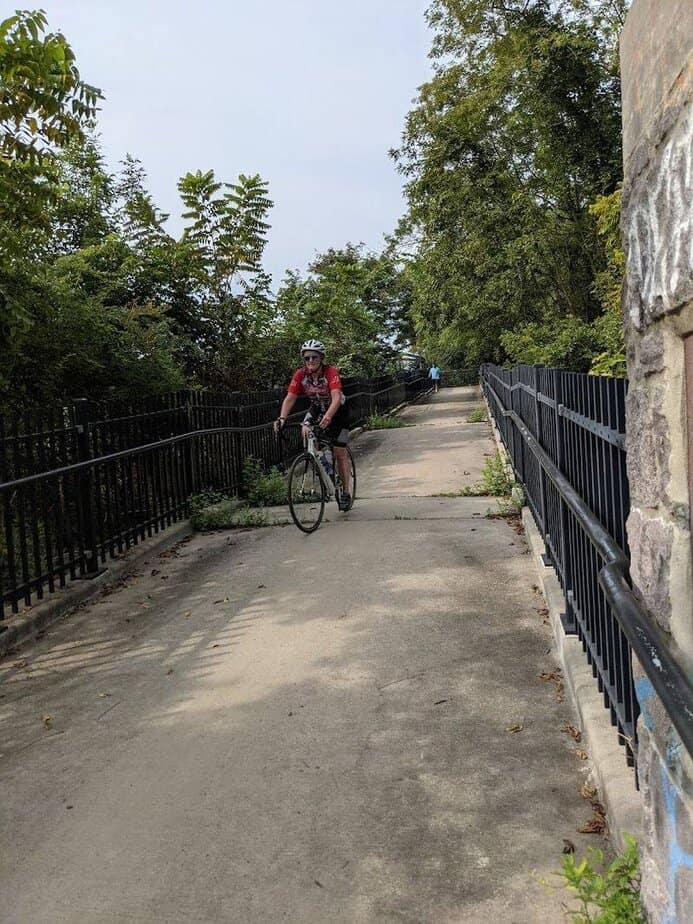
A little preparation goes a long way here, mostly because 70 scenic miles can lull you into thinking this trail is easier than it is. It is flat, yes, but a long day is still a long day.
Bring more water than you think you need, especially in warmer weather, and do not assume every section will hand you a convenient stop exactly when you want one. The crushed-stone surface is generally friendly, but it can feel bumpier on certain bikes, so tire choice matters more than people expect.
Timing also changes the experience. Early mornings are quieter, cooler, and better for wildlife spotting.
Midday can get bright and warm, especially where tree cover thins out. After rain, some sections may be muddy enough to slow you down.
It is also smart to keep your eyes open near road crossings and busier access points. Still, once you get the basics right, the trail is wonderfully straightforward.
That is the beauty of it. You can spend the day chasing miles, scenery, or old ruins, and none of those choices are wrong.