You can drive deep into New Jersey’s woods and still end up with a cup of water so cold and clean it tastes like it came out of a fridge you don’t own. Up in Sussex County, Stokes State Forest hides a simple little spout that locals treat like a secret pantry.
No long hike, no “maybe it’s over that ridge” guessing game. You pull in, walk a few steps, and suddenly you’re the person filling a bottle like you’ve known about this spot forever.
The best part is what comes next: real trails, real views, and the kind of quiet that makes your phone feel optional.
The Stokes State Forest spring locals swear by
A small roadside spring in Stokes State Forest has earned an almost cult-favorite status among North Jersey regulars. It’s not fancy, and that’s exactly the charm: a straightforward spout coming out of the hillside, cold water running steady, and a constant parade of reusable bottles and gallon jugs.
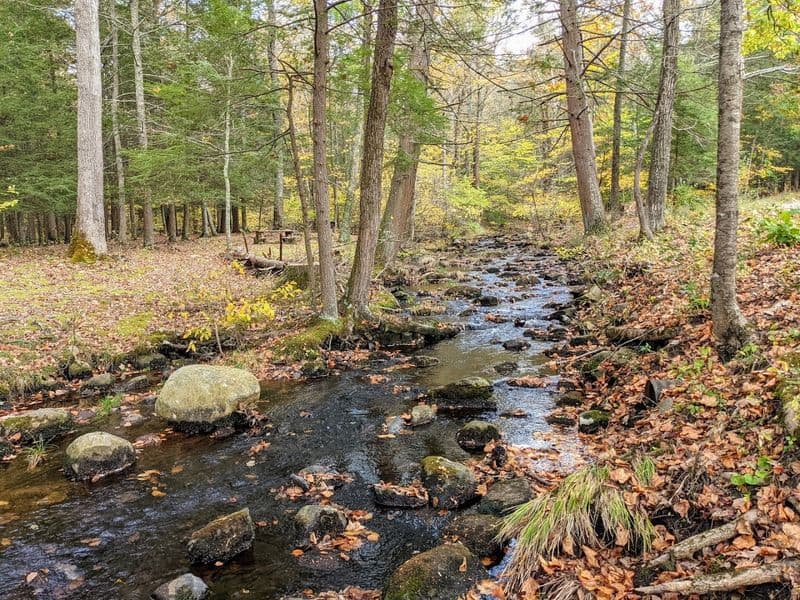
People don’t linger for photos; they show up with purpose, fill up, and leave with that satisfied “mission accomplished” energy. The setting is pure Stokes—tall trees, that slightly piney forest smell, and a sense that you’re a long way from traffic even though you’re not.
Think of it as a trailhead bonus feature, the kind that makes a quick stop feel oddly rewarding. Even if you’re not a “water person,” one sip usually turns you into one.
Where to find the roadside spout near Route 206
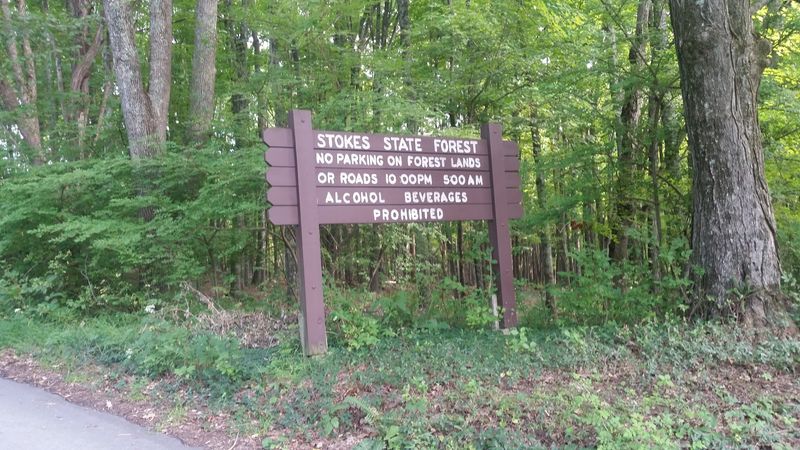
You’re not hunting for a hidden cave or bushwhacking off-trail. The spring sits in Stokes State Forest right off Route 206, close to the park’s main area and ranger station zone, which is why it’s so popular with locals doing quick detours.
Look for the pull-off where people are parked with bottles in hand—on busy days, that’s honestly the clearest sign you’re in the right place. The spout itself is easy to spot once you’re out of the car: water flowing from a simple pipe set into the hillside.
Bring a bottle with a wide mouth if you can; it makes filling less of a splash-fest. If you’re coming on a weekend late morning, expect a little informal queue.
Early morning or late afternoon is usually smoother.
What makes this water taste so shockingly crisp
The first thing you notice is temperature. Even in warm weather, the water comes out icy enough to make your teeth sit up straight.
The second thing is the lack of “tap taste”—no pool-ish after-note, no metallic edge, just clean and bright. Part of the appeal is psychological too: you’re standing in a forest, filling up from the earth, and it feels like you’ve unlocked some old-school life hack.
Still, treat it like what it is: untreated spring water. Many people drink it without a second thought, but taste isn’t a lab test.
If you’re sensitive, immunocompromised, or just cautious by nature, consider using a filter bottle or bringing the water home to boil. Either way, the experience is the point—cold, fast, and ridiculously refreshing before you even hit a trail.
How to fill up responsibly and keep the spring clean
This spot only stays magical if everyone acts like a decent neighbor. Keep your containers clean before you arrive, because nobody wants yesterday’s gym bottle funk introduced to a shared spring area.
When you’re filling, avoid touching the spout with your bottle rim—give it a little space so the flow stays clean for the next person. If there’s a line, don’t turn it into a full-on production; fill what you need and move along.
The ground can get muddy from constant runoff, so watch your footing and step carefully instead of trampling new paths into the hillside. And please, no soap, no rinsing containers with suds, no “quick wash” behavior.
Pack out anything you brought in, including caps, labels, and snack wrappers. A spring is not a sink, and this forest isn’t your trash can.
Pair your water stop with Sunrise Mountain’s big-sky views
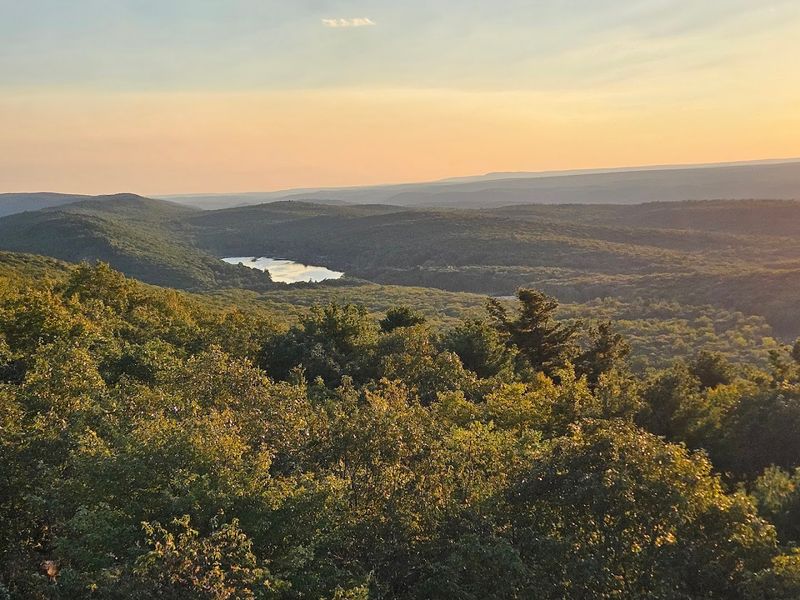
After you fill up, don’t just bounce—use that momentum to grab one of the best payoffs in the park. Sunrise Mountain is the kind of viewpoint that makes you pause mid-sentence.
The vista opens up over the Kittatinny Ridge, and on a clear day you’ll feel like you can trace the landscape forever. It’s especially good when the air is sharp in fall or when winter strips the trees and the ridgelines look extra dramatic.
The climb isn’t some brutal slog, but it’s enough to earn that first long drink from your bottle. Bring a light layer even if it’s warm down by the road; ridges get breezy.
If you time it right, late afternoon light turns everything golden without the sunrise alarm-clock commitment. It’s a satisfying one-two combo: spring water first, skyline second.
Easy add-ons nearby like lakes, waterfalls, and shady trails
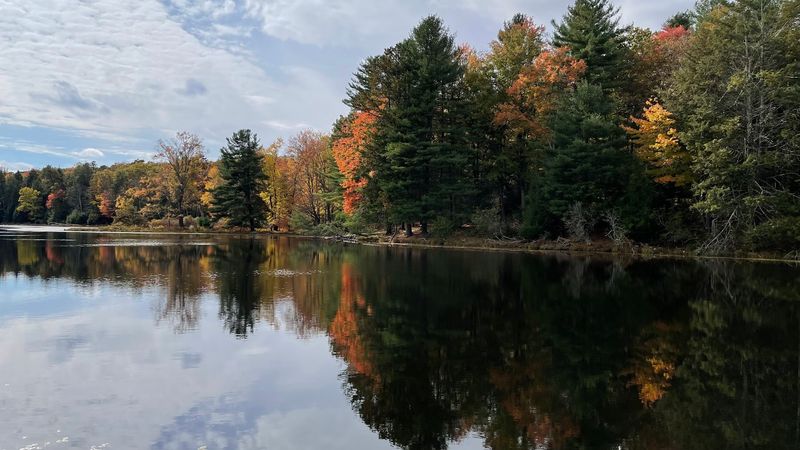
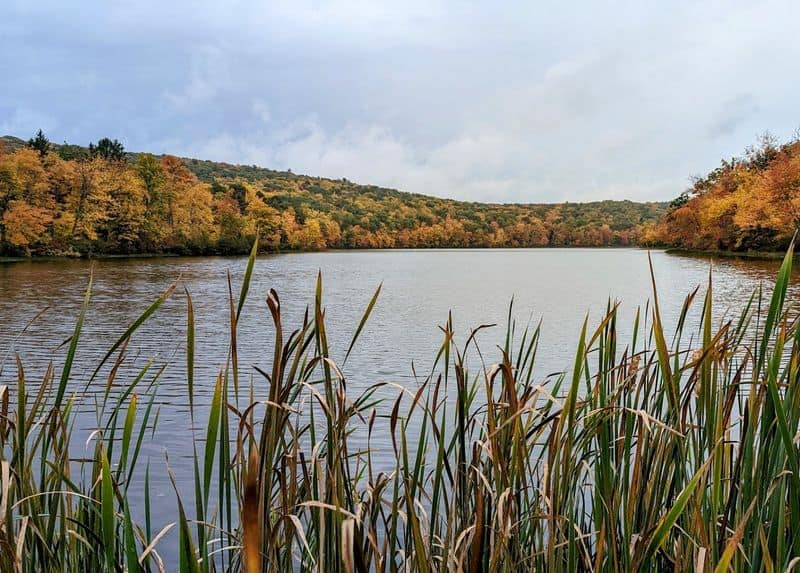
Stokes is packed with options that don’t require an all-day expedition. You can wander toward the park’s lakes for a calmer, flatter walk where the water is still and the trees reflect like a mirror when the wind cooperates.
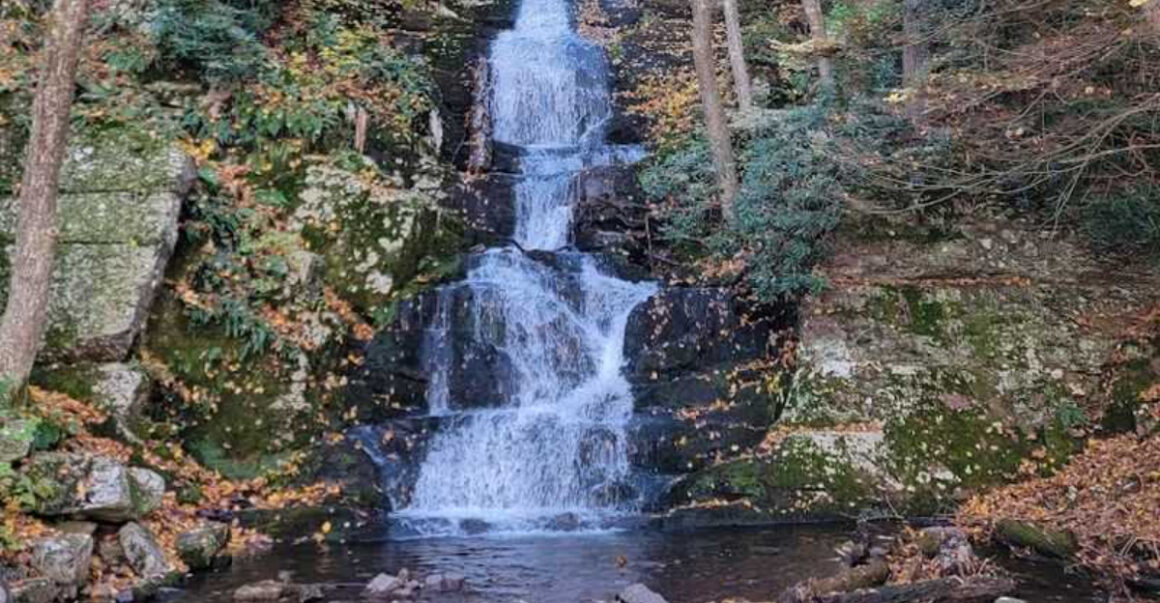
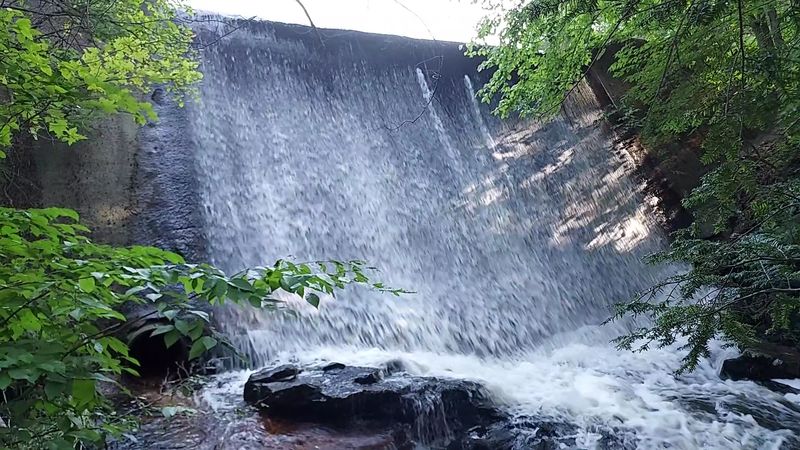
If you’re in the mood for moving water, the forest’s streams and small cascades make excellent “keep going a little farther” incentives—especially after rain when everything runs louder.
Trails here tend to feel classic Jersey ridge-and-woods: roots underfoot, soft pine needles in spots, and just enough elevation change to keep it interesting without turning your legs into regret.
If you’re bringing kids or someone who wants a low-key stroll, stick to the wider paths near the main recreation areas. If you want quieter, head deeper into the trail network and let the spring stop be your starting whistle.
The best seasons and times of day to visit without the wait
If you want the spring mostly to yourself, aim for weekdays or early mornings when the forest is still stretching awake. Summer weekends can get busy fast, especially when it’s hot and everyone remembers the water exists at the same time.
Fall is peak vibes—cool air, color in the canopy, and fewer bugs—but it can also mean more visitors chasing views, so earlier is better. Winter is underrated: the park feels hushed, the spout still runs, and you get that crisp, clean atmosphere that makes the whole stop feel extra pure.
Springtime is great too, just be prepared for mud near the pull-off and along popular paths. Timing matters more than anything.
Show up before late morning on a Saturday and you’ll likely breeze through. Roll in at midday and you might be practicing patience with a bottle in hand.
A quick safety note about drinking from natural springs
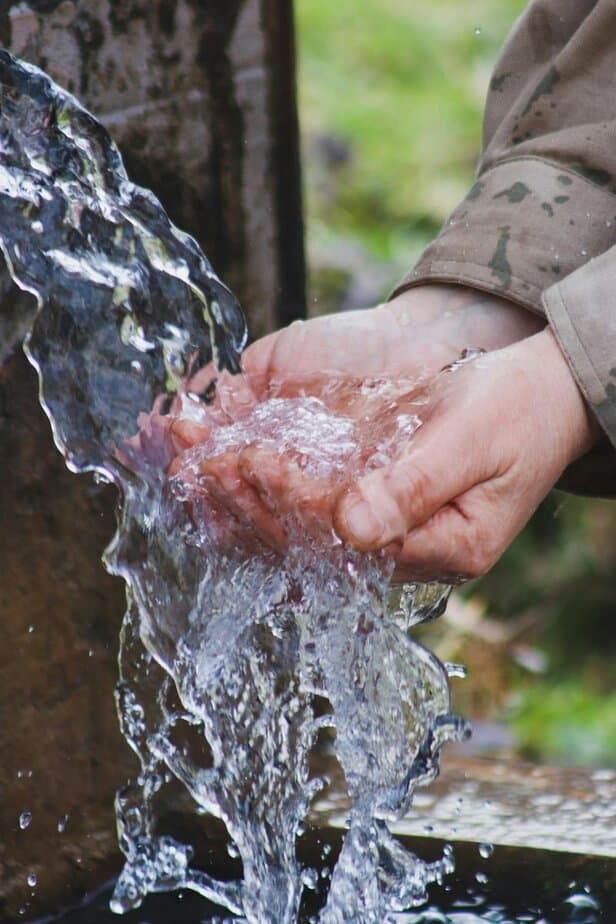
Natural spring water can be delicious and still carry risks, because “clear” doesn’t always mean “safe.” Conditions change with weather, wildlife activity, and runoff, and springs aren’t treated like municipal supplies.
If you’re healthy and comfortable with the idea, many locals drink straight from the spout without issues, but it’s smart to know your personal risk tolerance.
If you have a sensitive stomach, a compromised immune system, or you’re filling for young kids, use a filter bottle, treat the water, or bring it home to boil. Keep an eye out for any posted notices near the area too—parks sometimes share advisories when conditions warrant it.
Also, watch the ground around the spring; it can be slick or muddy, especially in colder months when thin ice likes to play tricks. Enjoy the ritual, just don’t get reckless about it.