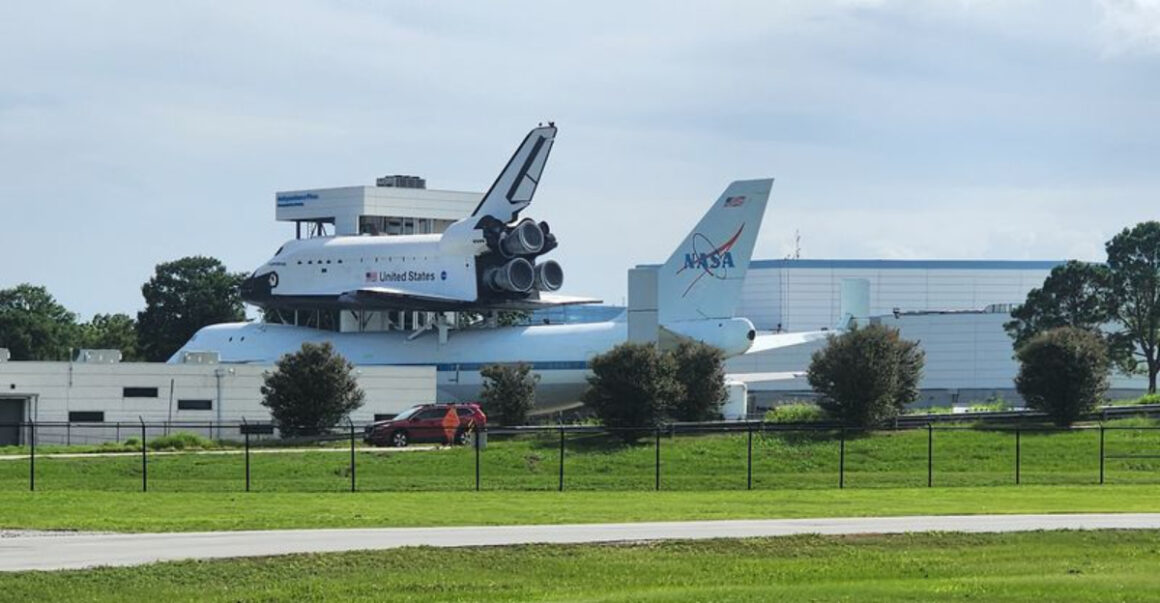
Space Center Houston is the rare place where science class suddenly feels electrifying. You step in, and real spacecraft, moon rocks, and a full shuttle replica make everything you learned come alive. Between immersive exhibits and can not-miss tram tours to NASA Johnson Space Center, you get closer to space history than you ever imagined.
Give yourself time because you will want to see it all.
1. Independence Plaza and Shuttle Carrier Aircraft
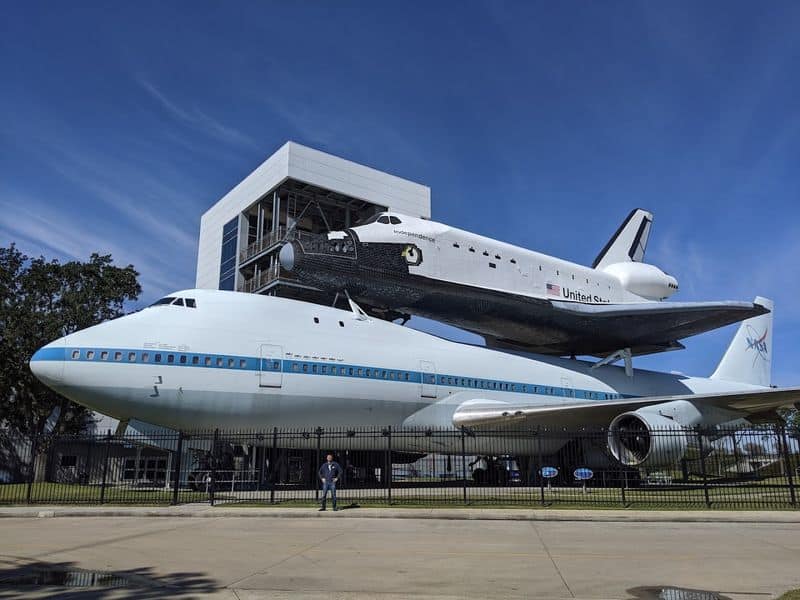
Walk beneath the towering 747 and you feel tiny in the best way. Independence Plaza lets you climb inside both the Shuttle Carrier Aircraft and the shuttle replica for a behind-the-scenes peek at transport engineering that once ferried orbiters across the country. You can trace the logistics that made missions possible and imagine the roar on takeoff day.
Inside, you will find exhibits that explain how crews lived, worked, and trained. I love how clearly the displays connect shuttle hardware with real astronaut stories. Plan extra time here because lines form on busy weekends, and every deck has something to discover.
2. Tram Tour to Johnson Space Center
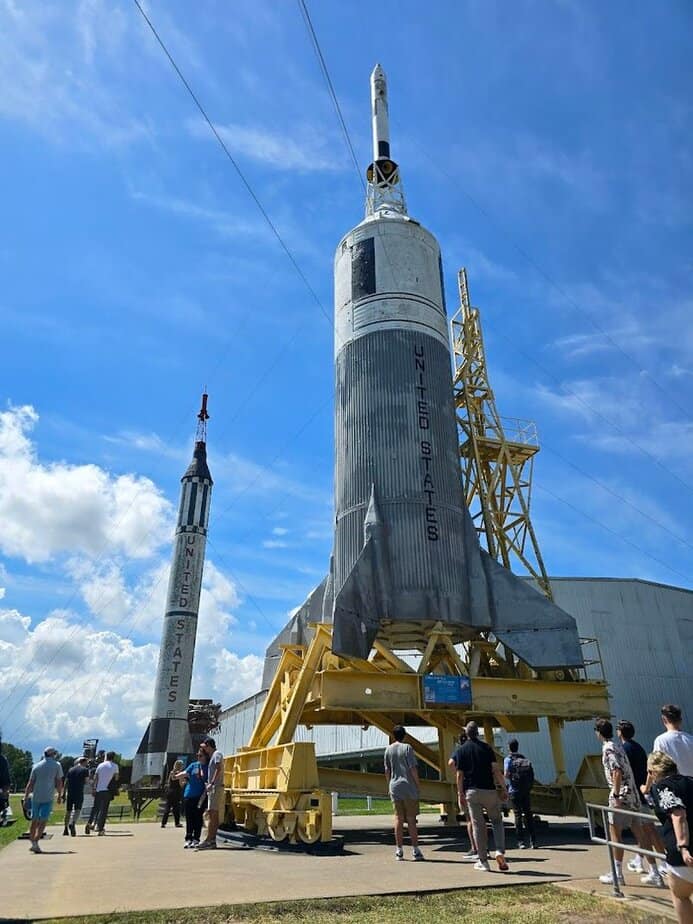
This is the moment you roll onto a working NASA campus and feel history humming around you. The tram tour carries you past training facilities and stops at can not-miss sites like Historic Mission Control or Rocket Park, depending on the day’s route. Seats fill quickly, so reserve your slot as soon as you arrive or through the app.
Bring water and dress for Houston weather because the tram is open-air. Guides point out details you would otherwise miss, from test stands to astronaut training spaces. You are not just reading plaques here, you are moving through the places where missions were planned, practiced, and launched into reality.
3. Starship Gallery and Moon Rock You Can Touch
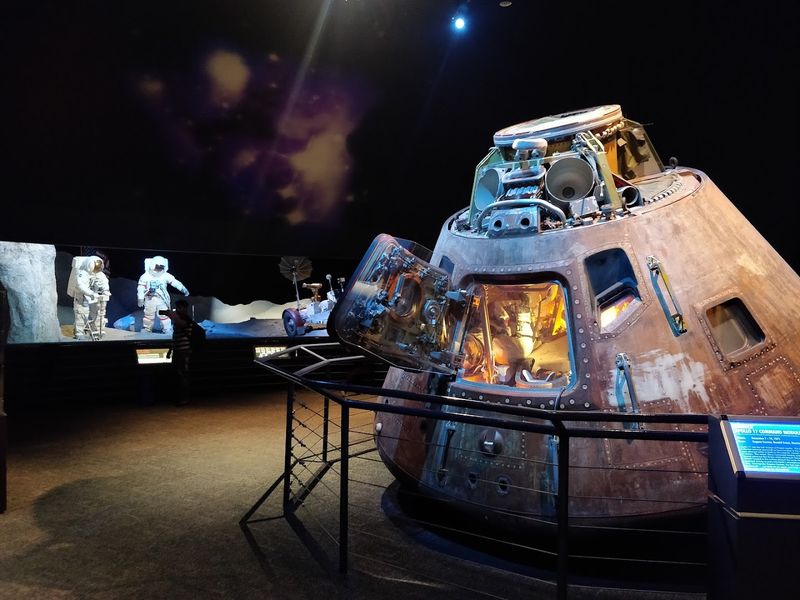
Starship Gallery is where your jaw drops at arm’s length from flown spacecraft. Capsules bear scuffs from reentry, and artifacts feel intensely personal, like time capsules from daring missions. The highlight for many is the moon rock you can actually touch, a tangible bridge to the Apollo era.
Take time to read captions because every bolt and scorch mark tells a story. If you have kids, watch their faces light up as they realize this is not a replica. It is an encounter with something that traveled far beyond our skies.
Crowds gather here, so swing by early or circle back after peak hours.
4. Historic Mission Control Theater Experience
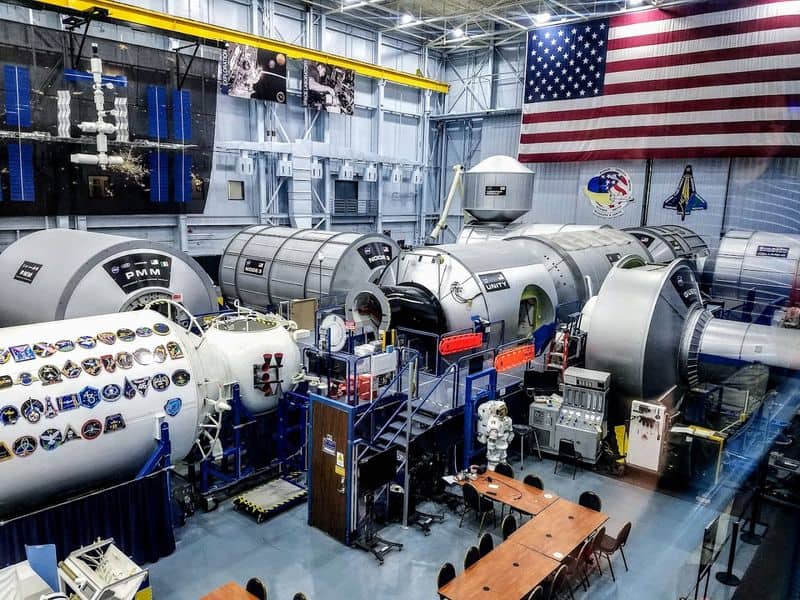
Sit down, and suddenly you are transported to the tense heartbeat of Apollo-era decision making. The Historic Mission Control theater-style experience layers archival audio, lighting, and narration to recreate iconic moments. Seeing the original consoles, buttons, and status panels makes every documentary you have watched feel newly vivid.
Reserve this add-on early, since availability is limited and slots disappear fast. You will leave with a richer sense of teamwork, risk, and precision that defined the moon landings. It is not just nostalgia.
It is a sharp reminder of how many people worked behind the scenes to get astronauts safely there and back again.
5. Mission Mars and Artemis Next-Gen Exploration
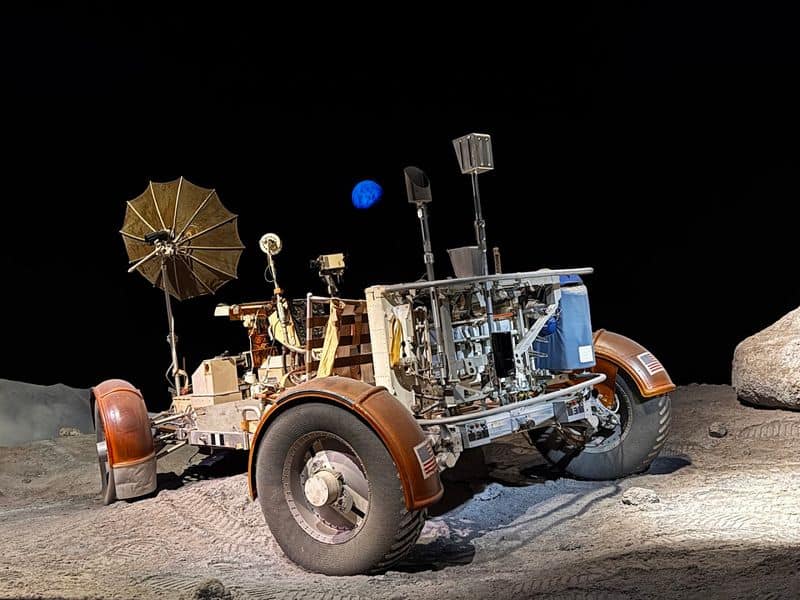
Mission Mars pulls you onto a rust-red landscape with interactive stations that unpack how we will live, drive, and work on another world. You test rover concepts, examine spacesuit upgrades, and peek into habitat design. Nearby, Artemis content connects the dots between returning to the moon and leaping onward to Mars.
What I love is how approachable it feels. Complex engineering turns into bite-size challenges you can try. You leave believing exploration is not just for astronauts, it is a team sport for scientists, engineers, educators, and curious visitors like you.
If you want future-facing inspiration, this is the place to linger and dream.
6. Rocket Park and the Saturn V
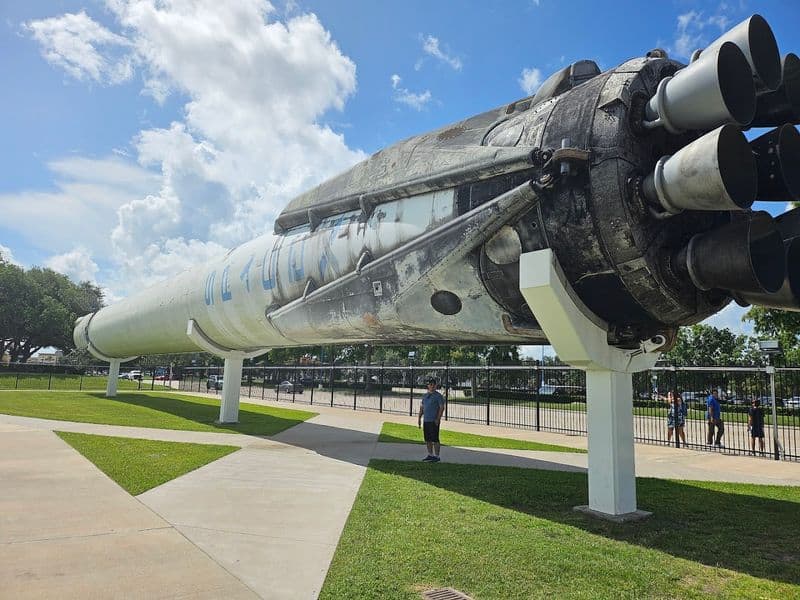
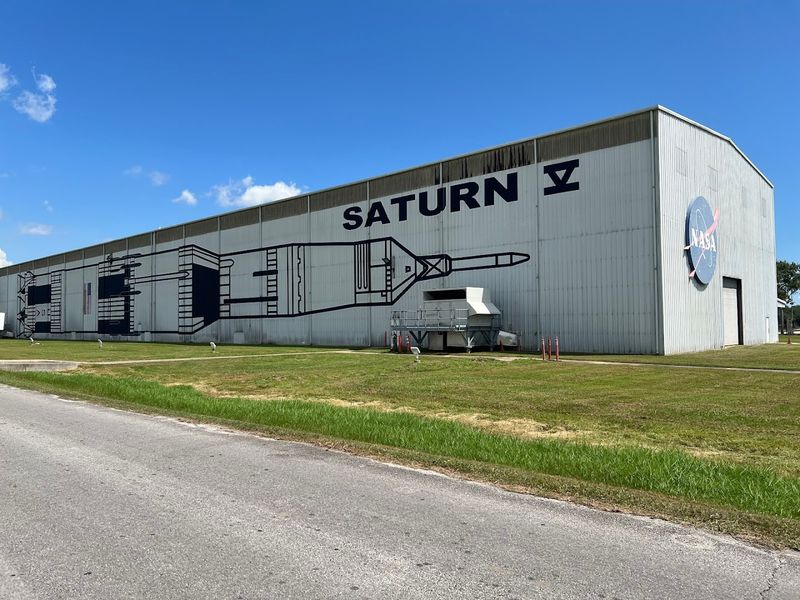
Nothing prepares you for the Saturn V’s scale until you stand beside it at Rocket Park. The stages stretch like a cathedral of engineering, each section revealing the power that sent humans to the moon. Guides and placards help you decode engines, fuel, and flight sequence.
The tram brings you here, and it is worth the entire visit on its own. Take photos, but also pause and absorb the size, the ambition, and the courage behind it. Even kids who love giant machines will be stunned.
If you only pick one off-site stop, make it this one.
7. Living and Working in Space Exhibits
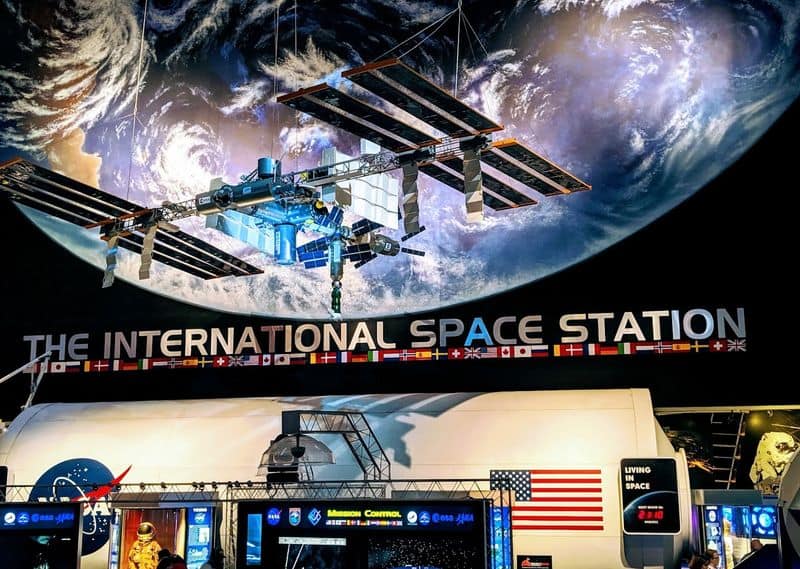
Curious how astronauts sleep, eat, and stay healthy in microgravity? These exhibits bring daily life in orbit down to Earth. Peek into sleeping quarters, compare space food packaging, and learn how water is recycled.
Interactive pieces help explain why small design tweaks matter when everything floats.
The best part is how kids can test ideas while adults dive into the science. You will leave with new respect for simple routines like brushing teeth or exercising on a treadmill. It is practical, funny, and surprisingly moving to imagine months spent circling our planet while calling a space station home.
8. Tips for Beating Crowds and Making the Most of Your Day
Arrive right at 10 AM if you can, and book tram spots immediately on the app or at guest services. Start with Independence Plaza or Starship Gallery before mid-day crowds swell. Comfortable shoes, water, and a plan for lunch help you last through the afternoon.
Parking is paid, and some simulators or special tours have extra fees, so budget a little buffer. If you are short on time, prioritize the tram, Rocket Park, and one indoor gallery you care about most. With 4 to 6 hours, you can see a lot without rushing.
Stay flexible, and you will leave energized, not exhausted.