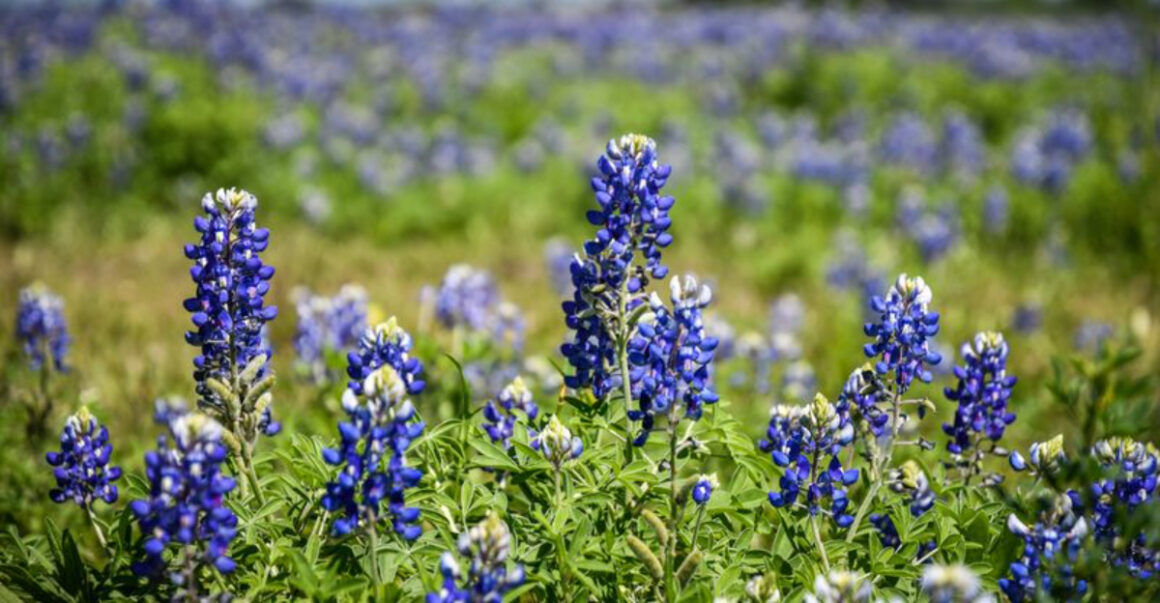
Texas wildflower season is waking up ahead of schedule, and that means your chance to catch color before the crowds. If you have a camera and a free weekend, some regions are already hinting at blue and gold along fence lines and rolling hills. With a little timing and the right routes, you can chase those first waves of blooms and snag empty vistas.
Let this guide point you to the places that usually pop first so you can go see for yourself.
1. Brenham and Washington County
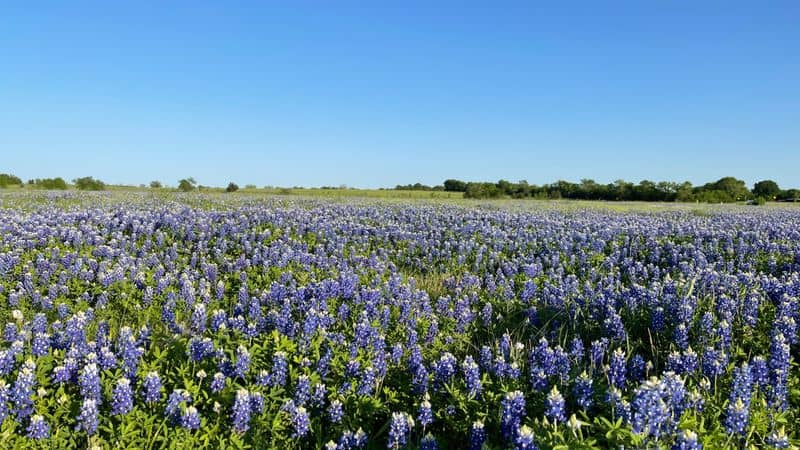
Rolling pastures begin hinting at blue long before peak crowds show up elsewhere. Backroads weave past historic farms, where bluebonnets pool in low spots and spill along fence lines. If you time sunrise, the petals glow and you can pull off safely for quick photos without cars buzzing by.
Locals often post early sightings, so check updates before heading out.
When blooms surge, stick to designated pullouts and never trample patches. You will find big color off FM roads between Brenham and Chappell Hill, with fields opening into picture-perfect spreads. Bring a step stool for higher angles and a polarizer to cut glare.
Cloudy mornings create even color, while breezy afternoons add motion and sparkle to your shots.
2. Muleshoe Bend Recreation Area (Spicewood)
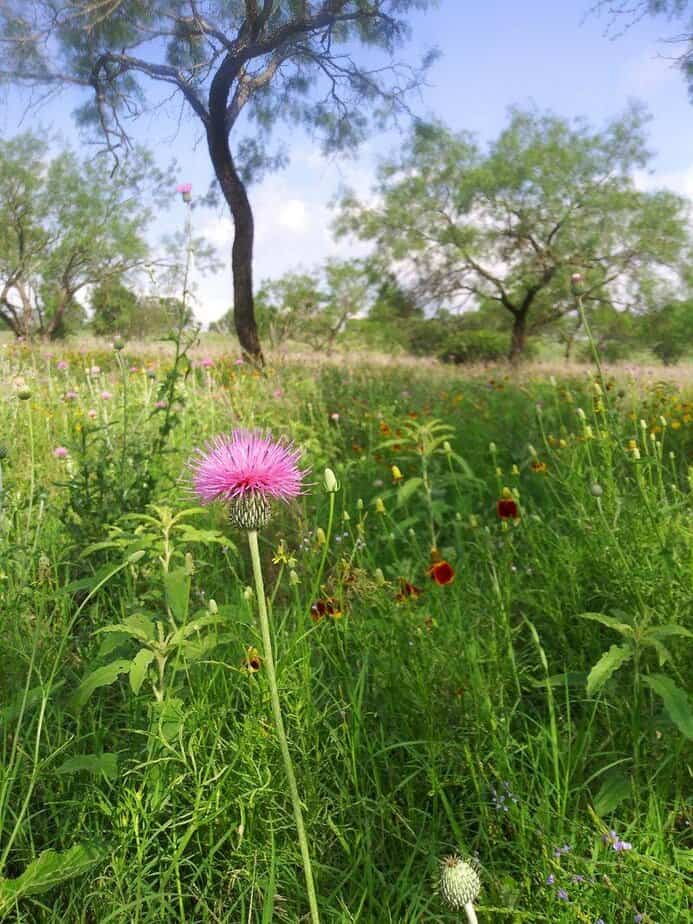
Lakeside meadows here can explode with early blue, especially after steady winter moisture. Trails are mostly gentle, so you can wander to quiet coves carpeted in blooms with reflections on the water. Arrive at dawn for parking and soft light, then work along the shoreline as the breeze lifts petals.
You will leave with frames that look airbrushed by nature.
Pack microfiber cloths for lake spray and a groundsheet so you can compose low angles without soaking your knees. Weekdays feel peaceful, while weekends fill quickly. Respect closures and budding areas marked for recovery.
If lake levels run high, scout from overlooks first, then pick accessible pockets. The combination of bluebonnets and water views is unbeatable.
3. Lady Bird Johnson Wildflower Center (Austin)
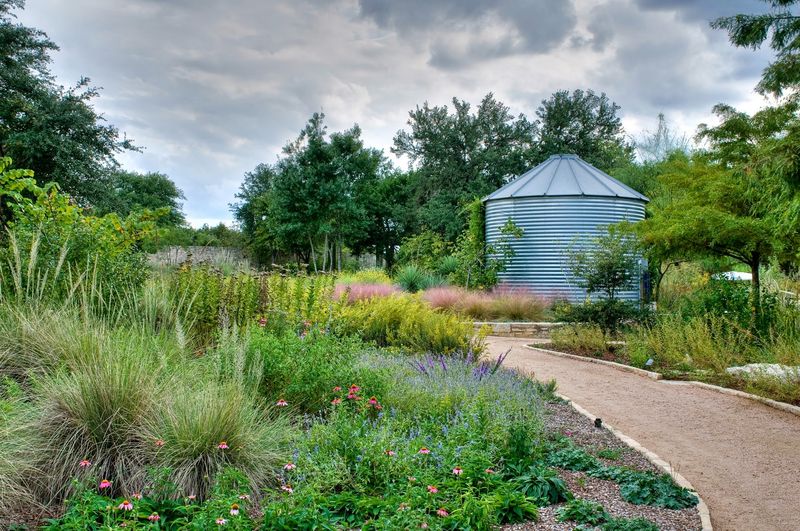
Native beds at this center offer a reliable first look at what is waking statewide. Curated plantings mean you can identify species and learn where to find them in the wild. Trails loop past meadows, stone walls, and shady groves, making it easy to scout color without guesswork.
Staff updates and bloom boards help you time visits for prime viewing.
Photography is straightforward: even light, clear paths, and labeled displays. You will appreciate how early species like goldeneye and bluebonnets cluster for tidy compositions. Bring kids or friends who prefer short walks and amenities.
Stop by the shop for field guides and local maps. After a quick orientation here, you can chase roadside color with confidence the same day.
4. Ennis and the Bluebonnet Trails
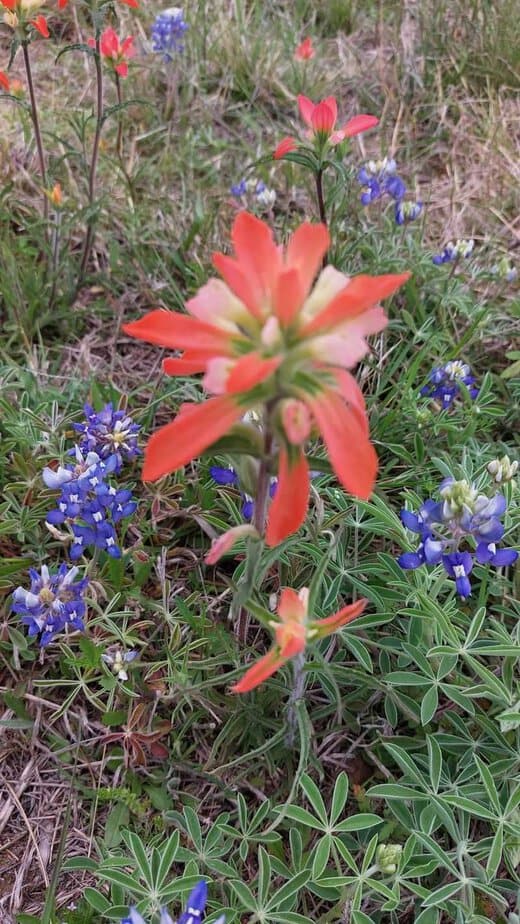
Maps and marked routes make this an easy early-season gamble when temperatures run mild. Some loops catch sun-warmed fields where bluebonnets pop before the main rush. You will find photo pullouts, friendly volunteers, and plenty of room to explore without guessing which gate to avoid.
When a warm spell hits, the color can be surprisingly strong before festival crowds arrive.
Check the city’s bloom status page the night before. Bring a long sleeve and bug spray, because creeks attract mosquitoes. Respect fences and watch for snakes in tall grass.
A small step ladder helps you float above patchy areas and tighten compositions. Cap the day with barbecue in town, then swing back for golden-hour light on your favorite bend.
5. Big Bend National Park
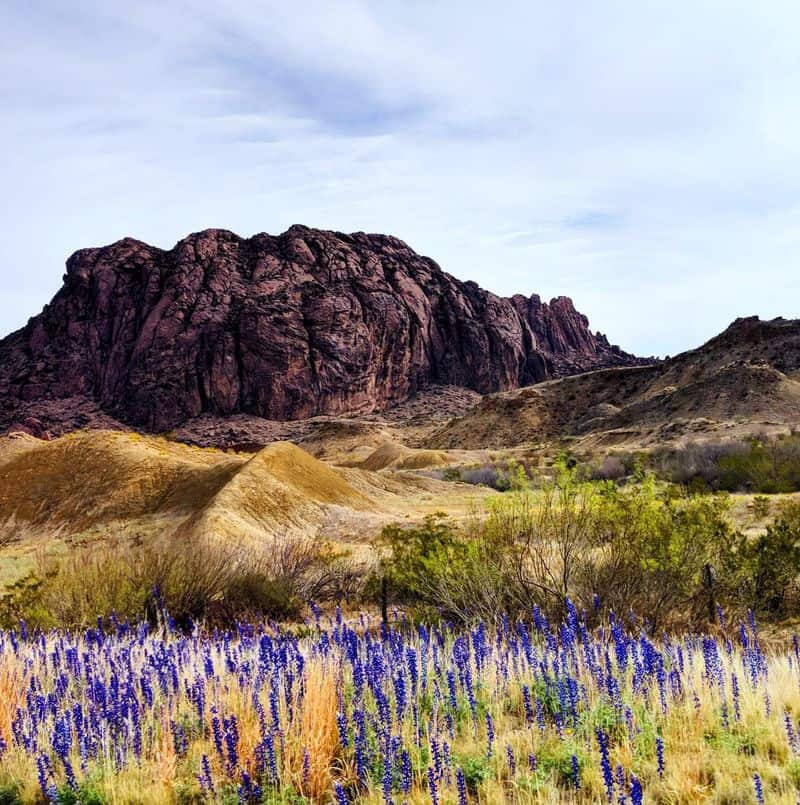
Desert rain cues a different kind of show, with ocotillo, desert marigold, and globemallow lighting up badlands and washes. You will want flexible plans, because blooms follow microbursts and elevation changes. Scenic drives along the Ross Maxwell route offer fast access to color pockets.
Hike short trails at dawn for long shadows and neon petals against volcanic rock.
Carry extra water, sun sleeves, and a hat. Distances are huge and cell service patchy. Macro shots pop when wind rests, so wait out gusts behind boulders.
Rangers often know which drainages just flushed with life. If timing hits, the contrast between rugged canyons and delicate flowers delivers unforgettable frames you will replay all summer.
6. Coastal Texas (Galveston Area and Gulf Coast Roads)
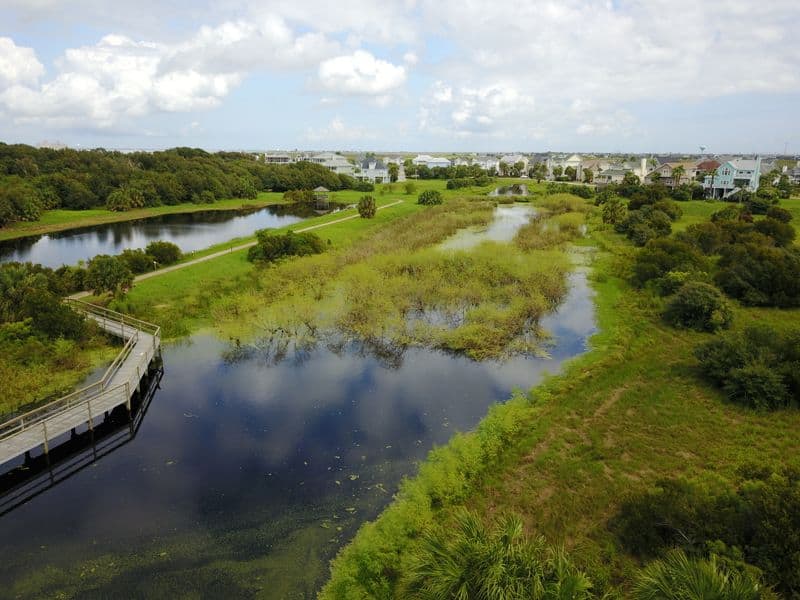
Mild sea air helps sandy stretches bloom while inland counties still wait. You will notice Indian blanket, primrose, and bluebonnets hugging dunes and drainage swales. Pull into bayside parks and causeway overlooks for safe, easy frames with water backdrops.
Early morning tides add sheen to petals and reflect sky tones beautifully.
Wind can be relentless, so stabilize your camera and angle with the breeze. Watch for no-parking zones along busy causeways and choose designated lots. A compact rain jacket saves the day when sea fog drifts in.
After shooting, grab seafood and stroll the seawall. If clouds break late, return for sunset to capture flowers glowing under cotton-candy skies.
7. State Parks Across Central Texas
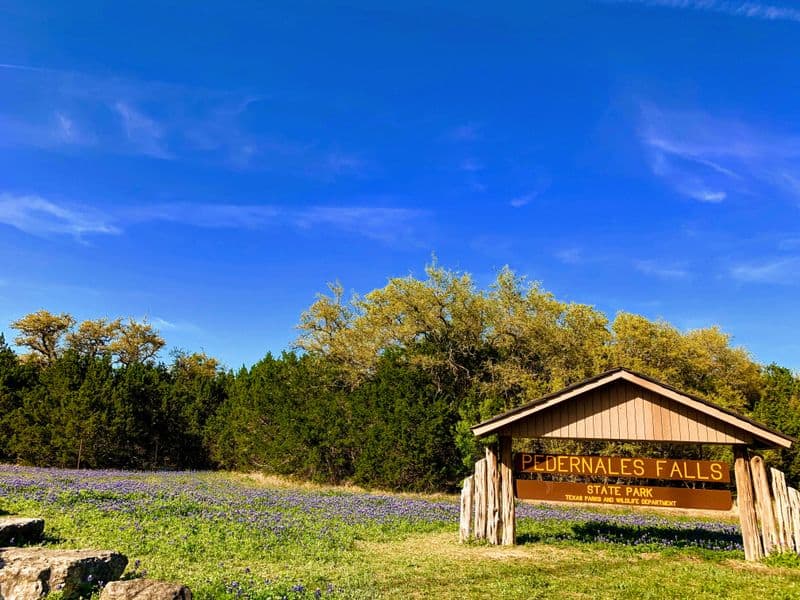
Park networks offer dependable trail access and protected meadows that often bloom before neighboring ranchlands. You will find color around Inks Lake’s granite edges, along Pedernales Falls’ river corridors, and on Enchanted Rock’s surrounding trails. Rangers track conditions and can point you to fresh patches.
Start early to secure parking and cooler temps for longer hikes.
Stick to designated paths to preserve thin soils and crusts. Bring a small kit: polarizer, microfiber, snacks, and plenty of water. Overcast days make colors pop, while late sun paints granite warm pink.
If rain lingers, watch for slippery rock near cascades. With a single day pass, you can stack multiple parks and catch waves unfolding across microclimates.