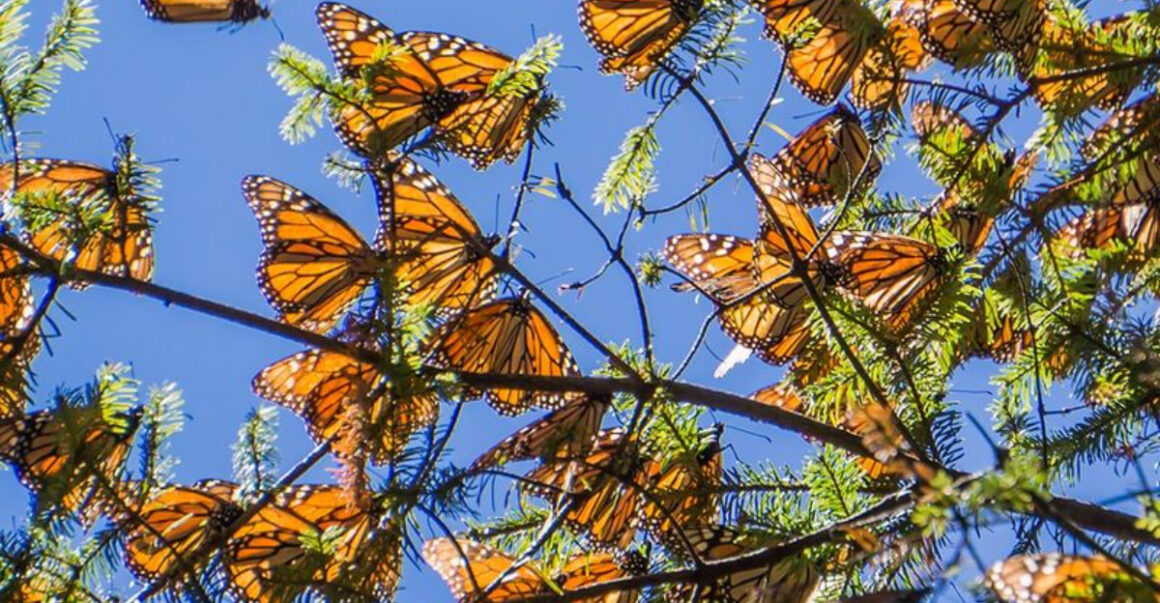
Every fall, Texas turns into a living skyway as monarch butterflies glide south, painting backroads and wildflower fields with delicate orange wings. If you have ever wanted to witness migration magic up close, this is your sign to plan a road trip. From Hill Country highways to coastal sanctuaries, these spots offer front row views and easy ways to help.
Bring curiosity, a camera, and a quiet moment to just watch them float by.
1. Lady Bird Johnson Wildflower Center (Austin)

Walk the trails and you will spot patches of native milkweed tucked among blazing stars and sunflowers. Monarchs glide in, tank up on nectar, and rest on limestone borders as the breeze moves through the oaks. Interpretive signs help you identify host plants so you can grow your own oasis at home.
Time your visit for late September through October, when migration pulses can be jaw dropping. Mornings feel calm and cool, while afternoons glow with warm light for photos. Bring a water bottle, stay on paths, and scan for chrysalises along sheltered stems where foot traffic is light.
Staff and volunteers love questions, and the gift shop stocks native seed. Your visit supports restoration projects across Texas.
2. Bentsen-Rio Grande Valley State Park (Mission)
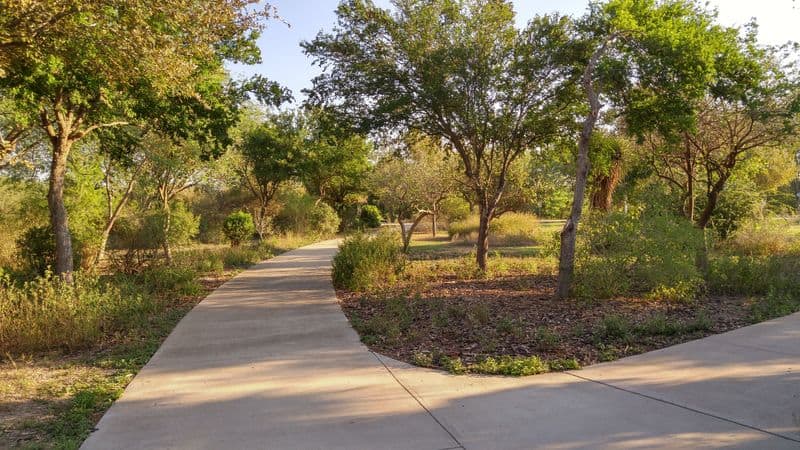
Down in Mission, this beloved park sits right on a migration funnel. Walk or bike the car free roads to butterfly gardens where mistflower boils with activity. Monarchs drift through like living kites, pausing near water features and sunlit edges.
Stop at the hawk tower for a breezy overlook, then loop Mesquite and Ebony trails for sheltered nectar spots. Rangers track seasonal pulses, so ask about fresh reports at the headquarters. The park is wonderfully birdy too, which means surprises between monarch sightings.
Bring bug spray, a brimmed hat, and snacks since services are limited past the gate. If you move slowly and keep voices low, butterflies settle closer. You will leave sun tired and thrilled.
3. Santa Ana National Wildlife Refuge (Alamo)
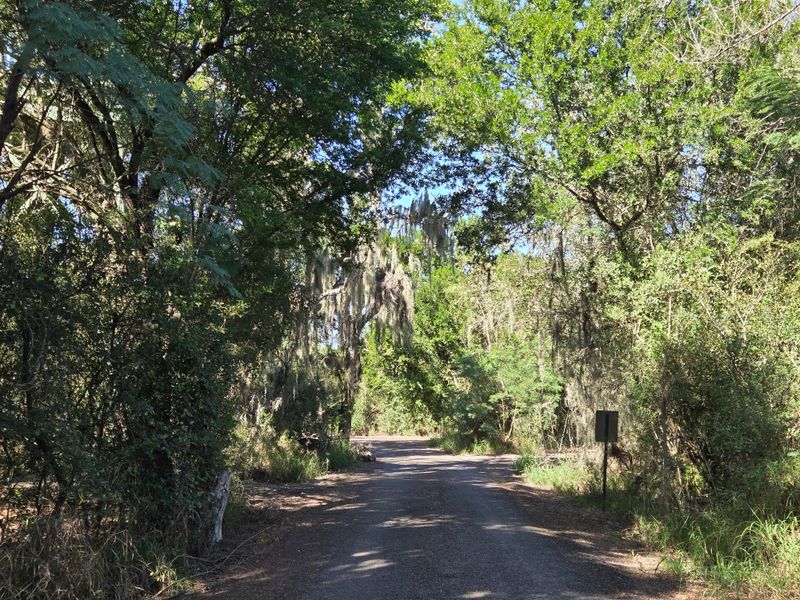
Here, quiet resacas and dense shade make perfect rest stops for tired travelers. Monarchs nectar on frostweed and shelter in willows, sometimes gathering in loose roosts near dusk. Follow the Tower or Pintail Lakes trails and scan sun patches where blooms meet windbreaks.
Fall fronts can concentrate movement, so watch the sky after a north wind. Rangers often share where butterflies are puddling or clustering that day. You will hear green jays and chachalacas between sightings, adding to the South Texas soundtrack.
Carry water and stay on signed routes to protect sensitive habitat. Late afternoon brings buttery light for photos and calm air for close focus. A slow pace rewards you with effortless, floating encounters.
4. Big Bend National Park (West Texas)
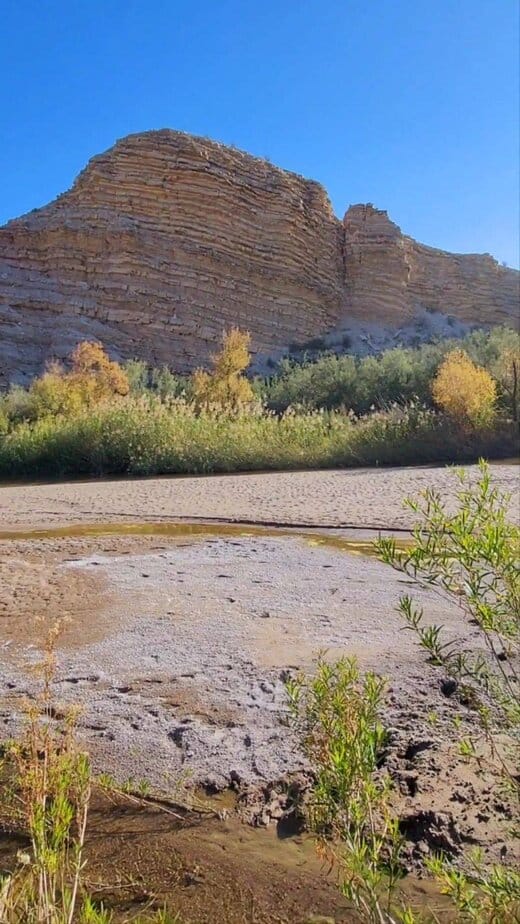
Desert might surprise you, but migrating monarchs thread these canyons and arroyos when flowers pop. Look for nectar along the Rio Grande corridor, Basin trails, and anywhere late season blooms glint after rain. Huge skies make every glide feel cinematic, especially at golden hour.
Start early to beat heat, then rest midday before chasing evening light in the Chisos Basin. Rangers can point you toward current blooms and wind sheltered pockets. Pack extra water, salty snacks, and layers because temperatures swing fast.
Give butterflies space at puddling spots and avoid stepping on fragile forbs. With mountains as a backdrop, even a handful of monarchs feels epic. If stars align, you might catch waves lifting over a ridge like sparks.
5. High Island Sanctuaries (Bolivar Peninsula / Upper Texas Coast)
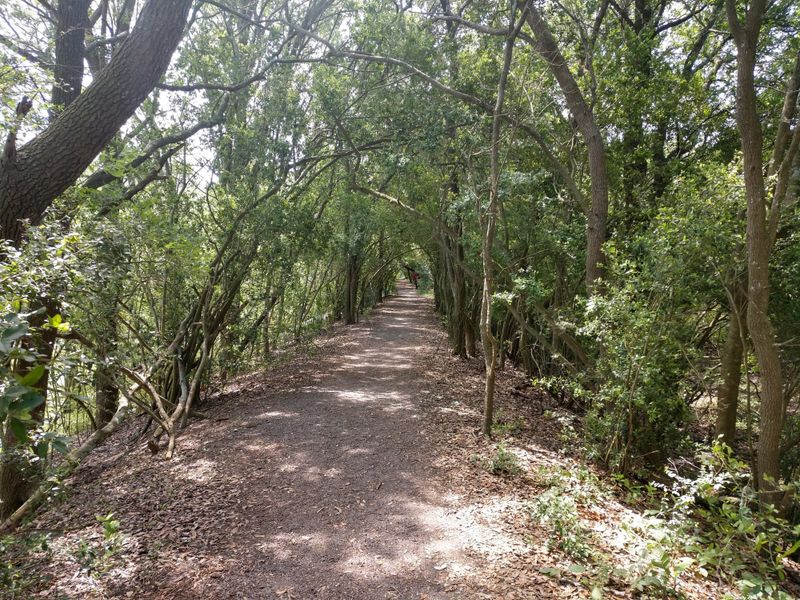
When coastal winds turn north, monarchs stream along the shoreline just like the birds High Island is famous for. Search the oak mottes, butterfly gardens, and sunny openings near water features. Fresh fronts can ground butterflies, offering incredible close views from boardwalks.
Arrive early to beat crowds and listen for excited whispers after a push. Migration here feels electric, with orange flecks riding the breeze above salt marsh and dunes. Volunteers often share tips and gentle etiquette reminders.
Carry binoculars, a lightweight rain shell, and a small towel to dry lenses if sea mist rolls in. Respect plantings and stay on paths. You will leave salt kissed and happy, replaying those wingbeats all the way home.