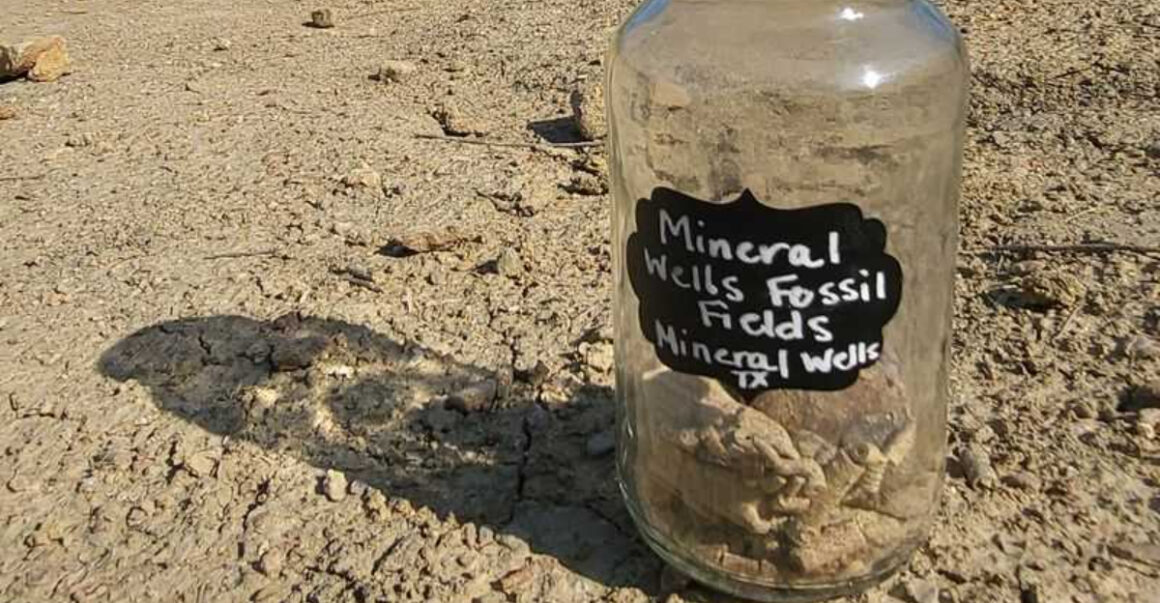
Ready to step into deep time without paying a dime? Mineral Wells Fossil Park lets you search a former shale pit for real Paleozoic fossils you can actually keep. Crinoids, brachiopods, corals, and the occasional shark tooth are just waiting on the surface after a good Texas rain.
Bring water, a hat, and curiosity, because this adventure is hands on, sunny, and unforgettable.
1. What You Can Find: Crinoids, Brachiopods, and More
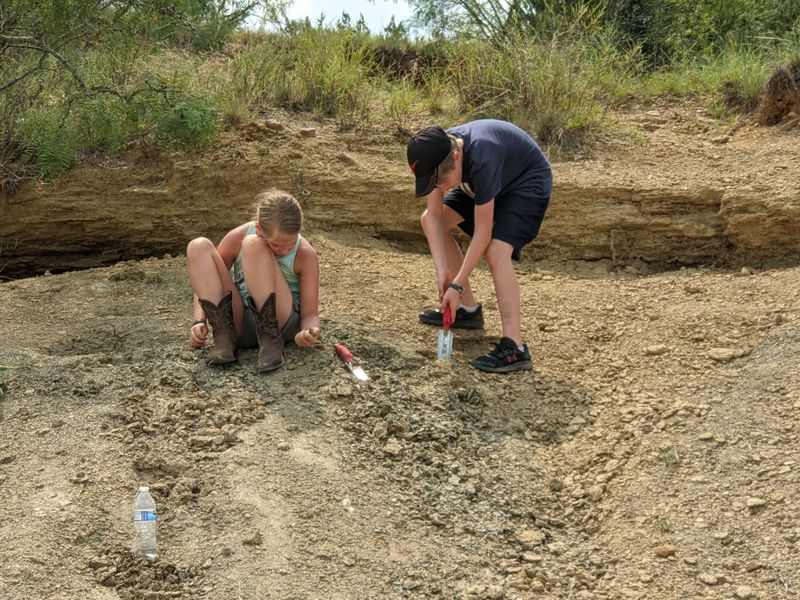
Walk the shale flats and you will start spotting circular beads from crinoid stems, fan-shaped brachiopods, and occasional coral chunks. After a rain, fresh material slides down the slopes, revealing new treasures you can gently collect. Most pieces are small, but the variety keeps you scanning every patch of ground.
Look closely for tiny trilobite bits and rare shark tooth fragments that blend with the gray matrix. A small spray bottle helps highlight patterns, and a soft brush reveals ribbing on shells. You might leave with a handful of Paleozoic souvenirs that tell a 300-million-year-old story.
Everything you find becomes a personal field museum at home. Photograph your best pieces before cleaning them, and label finds by date and location for memory keeping.
2. Getting There and Hours: Plan Around Daylight and Heat
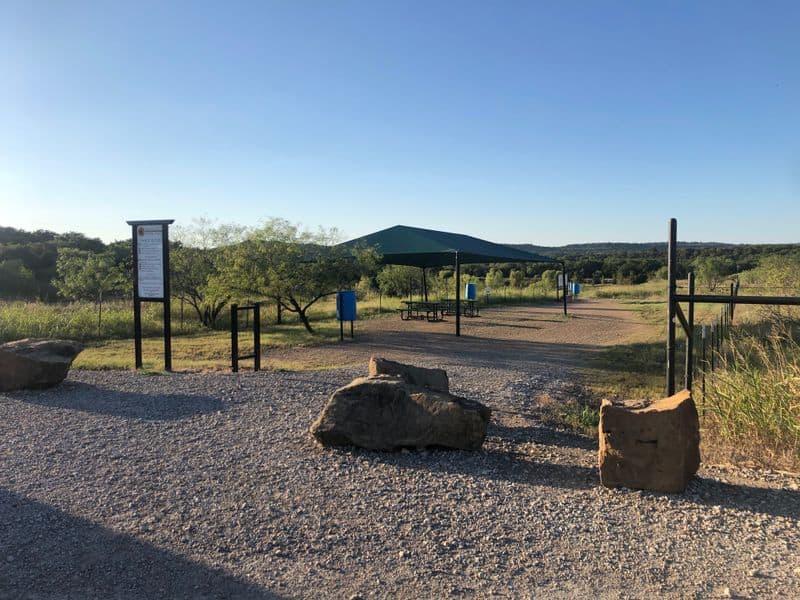
The park sits at 2375 Indian Creek Rd, just outside Mineral Wells. Expect a short stretch of dirt or gravel road near the end, typically well maintained, but dusty after dry spells. Gates open daily from 8 AM to around 8:30 PM, so you have generous daylight to explore.
Arrive early during summer to beat the heat and secure a shady table at the entrance. Cell service can be spotty, so download maps before leaving town. Parking is free, and there is usually enough space even on weekends.
Check the official website or call ahead for weather closures after heavy storms. A quick stop for ice, water, and snacks in Mineral Wells pays off. Sunset departures feel magical, but bring a headlamp just in case.
3. What To Bring: Tools, Comfort, and Sun Protection
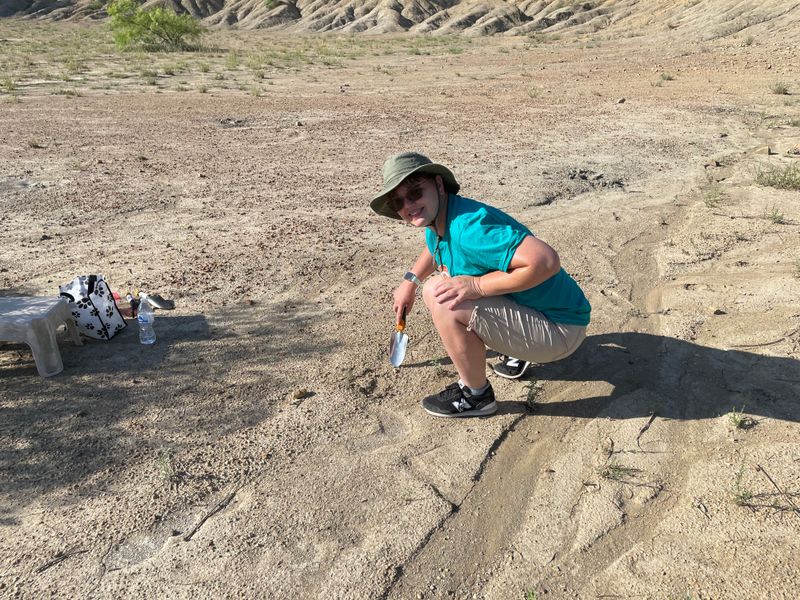
Pack like you are spending hours crouched on sunlit shale. A small bucket, hand trowel, garden rake, and soft brush make a perfect kit. Knee pads or a foam pad save your joints, and work gloves help with gritty shale edges.
Hydration is non-negotiable, especially in Texas heat. Sunscreen, a wide-brim hat, and sunglasses keep you comfortable for the long haul. Add a spray bottle to bring out texture on fossils and a magnifier for tiny details.
Zip-top bags, paper towels, and index cards help organize finds. Slip a permanent marker in your pocket for quick labels. If rain recently fell, pack extra towels for muddy knees.
Light layers and sturdy shoes round out your field-ready setup.
4. Hunting Strategy: Reading Shale and Slopes
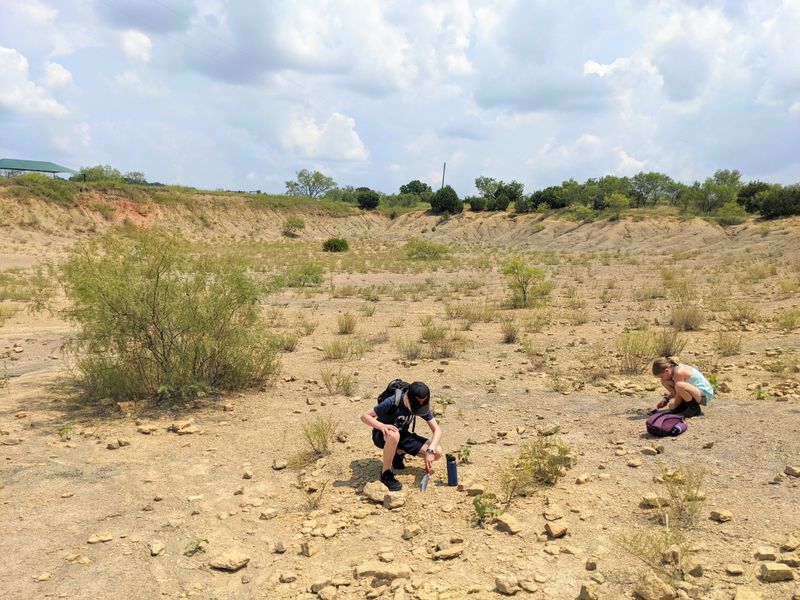
Start by scanning the ground where water naturally drains. Fresh wash lines reveal beads, ribbed shells, and coral textures that were hidden yesterday. Move slowly, keeping the sun at your back so shadows pop on tiny shapes.
Sit down and grid a small area, brushing lightly to expose patterns. Systematically fill a bag before hopping to the next patch to avoid missing micro-finds. After storms, check the base of slopes for concentrated pockets of material.
If it seems picked over, shift your angle or search higher on sidewalls where erosion works quietly. Keep your head on a swivel for unusual colors like reddish chalcedony. Photograph in place before lifting a standout piece, then carefully wrap it for home cleaning.
5. Family-Friendly Tips: Make It Easy For Kids
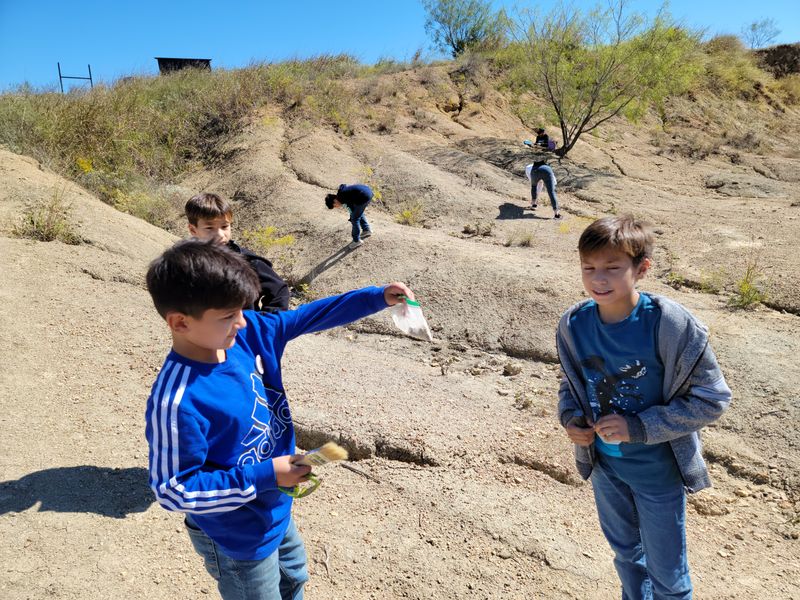
This park shines for family outings because fossils truly sit on the surface. Give each kid a small rake, a bright bucket, and a simple show-and-tell guide from the display board. Celebrate tiny wins so attention stays high and spirits stay curious.
Plan snack breaks under the shaded awning, and rotate between exploring and resting. Short, focused hunts beat marathon sessions in summer heat. Encourage kids to photograph their favorite finds before bagging them for home.
Bring wet wipes, a cushion, and extra sunscreen for frequent touch-ups. Turn IDs into a game by counting crinoid beads or comparing shell ribs. End with a tabletop layout and quick labels, so everyone leaves with a mini collection and a proud story.
6. Accessibility, Safety, and Park Etiquette
There is a gradual incline into the collecting area, though conditions vary after rains. Surfaces can be uneven, with ruts or washouts that make wheels difficult. Move slowly, use trekking poles if needed, and pick stable footing before kneeling.
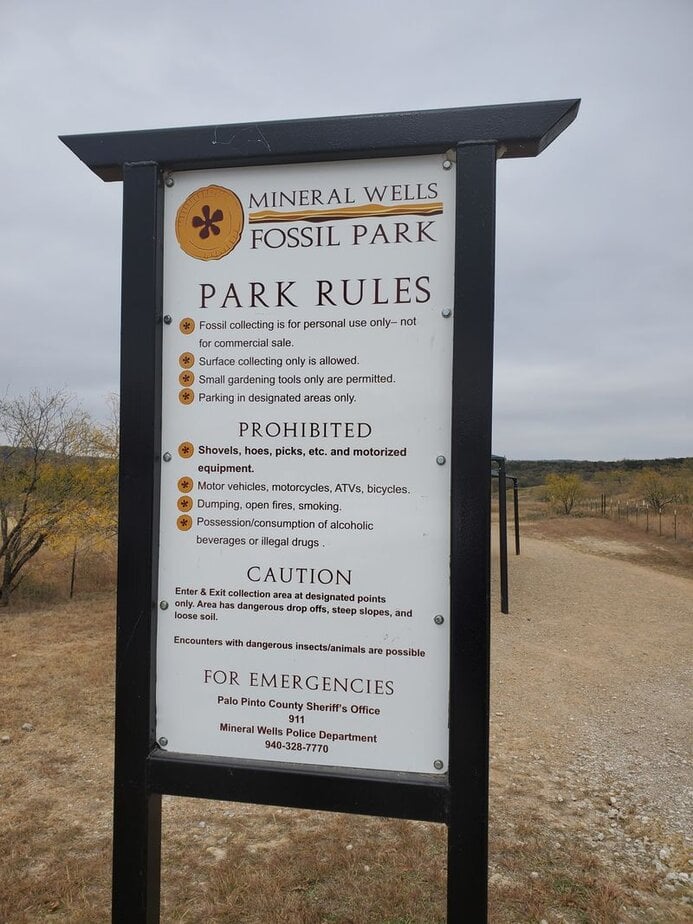
Pack plenty of water, take shade breaks, and wear closed-toe shoes. Smoking is not allowed, so plan accordingly. Respect the posted rules about safe digging and preserving the site for others.
Porta potties are usually available near the entrance, including a handicap-accessible unit at times. Carry out all trash and leave the picnic area tidy. Keep noise low, watch for wildlife, and give fellow hunters respectful space so everyone enjoys the quiet, treasure-hunt vibe.
7. Identifying and Cleaning Your Finds
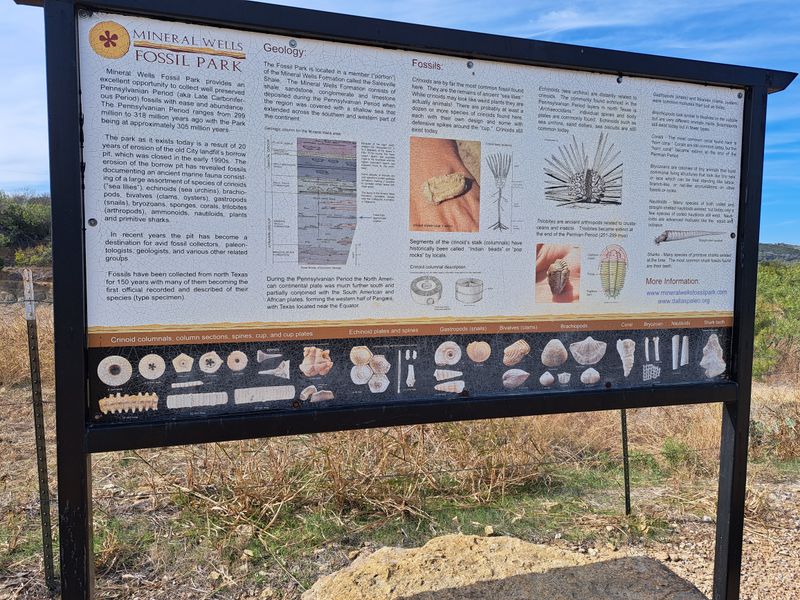
Back home, sort pieces by shape and texture. Crinoid stems look like tiny donuts or discs, while brachiopods show symmetrical ribs and hinge lines. Corals appear honeycombed or knobby, and trilobite fragments reveal fine ridges or spines.
Clean gently with a soft toothbrush and water, avoiding harsh chemicals. Pat dry and let air cure before photographing or sealing. If a specimen seems delicate, use a dry brush only and store it in cotton.
Label each bag with date, location, and notes about the layer or slope. Compare with online galleries and park resources to sharpen IDs. A simple display tray turns your finds into a conversation piece, preserving context and memory for years.
8. Best Seasons and Weather Windows
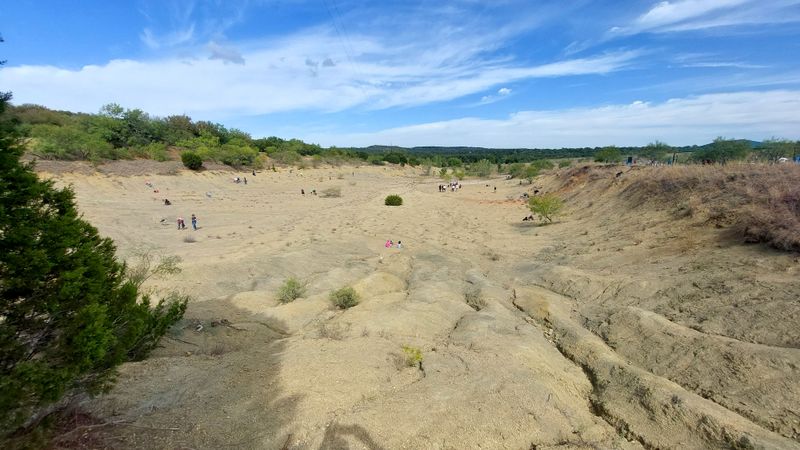
Right after a strong rain, the park resets like a fresh dig. Water erodes slopes and spreads new material across flats, making small fossils easy to spot. Cool mornings in fall, winter, and early spring offer comfortable hours of uninterrupted scanning.
Summer can be brutally hot, so plan dawn arrivals and long shade breaks. Bring an umbrella for portable shade, or rotate to the entrance pavilion when the sun peaks. Even dry spells are productive, especially on wind-swept ridges.
Windy days clear dust and sharpen contrast on textures. Overcast skies soften glare so details pop without eye strain. Watch the forecast, pack layers, and let weather guide your route between slopes, gullies, and flats for steady, satisfying finds.
9. Respecting the Resource: Collecting With Care
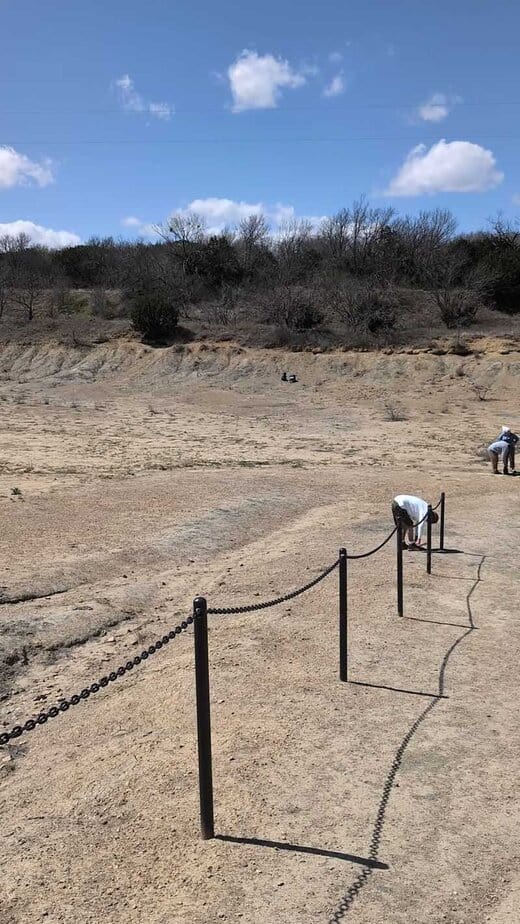
Take home reasonable amounts, but leave the site looking natural for the next explorer. Avoid deep digging or undercutting slopes that accelerates erosion. If a piece is fragile, lift the surrounding matrix and stabilize it later at home.
Share space kindly, especially around newly exposed wash lines. Offer to trade tips with beginners and celebrate their first finds. Keep noise low so everyone can enjoy the soft crunch of shale and the thrill of discovery.
Pack out all trash, including broken bags and tape strips. Photograph exceptional specimens for the park’s social channels to inspire others. By collecting mindfully, you protect an open, free, and educational experience that keeps Mineral Wells Fossil Park special.