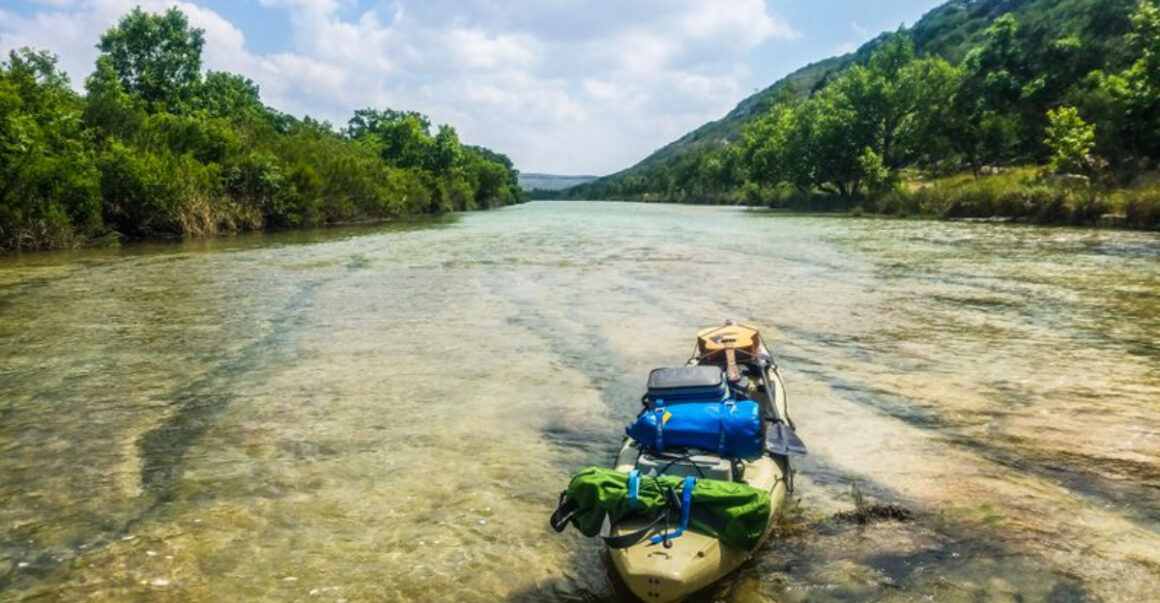
If slow travel pulls at your heart, Devils River State Natural Area is your next great escape. Tucked far from cell service and city noise, this pristine river canyon rewards patience with silence, stars, and spring fed clarity. The road is rough, the hikes are rocky, and preparation matters, but that is exactly why it feels like yours when you arrive.
Keep reading for everything you need to savor this hidden Texas gem at an unhurried pace.
1. Getting There Without Getting Lost
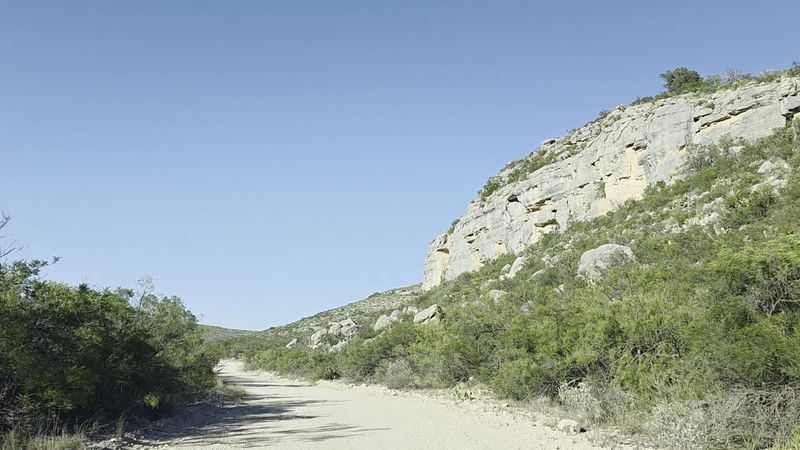
The final miles to Devils River are slow, bumpy, and beautiful. Trust your navigation only to the dirt road start, then stay on the main road as rangers advise. Forks can be confusing, signage is sparse, and private ranch gates stay locked.
Plan 30 to 60 minutes from the highway, depending on conditions and clearance. A high clearance or 4×4 vehicle helps, and a full size spare is wise. Expect flats to be a possibility, and confirm hours since gates close.
When you reach headquarters, breathe. Grab orientation, maps, and a bathroom break while there is Wi Fi. From the parking area, your final approach is on foot.
The slow arrival sets your pace for the day.
2. What To Pack For Remote Comfort
Think desert kit with river extras. Bring more water than feels reasonable, sunscreen, brimmed hat, and lightweight long sleeves. Grippy closed toe water shoes matter because limestone is slick and spring zones are polished.
There is no camp store, no ice, and no trash cans, so pack in and pack out. Add a basic tire repair kit, full spare, snacks with salt, and a small first aid pouch. Consider trekking poles for the rocky descent and ascent.
Signal drops for an hour in every direction, so download maps and offline permits. A headlamp helps when clouds hide the moon. Keep your load modest and hands free.
Slow travel shines when you are unhurried, prepared, and light.
3. Del Norte Unit Essentials
Most visitors enter via the Del Norte Unit, where headquarters staff brief you before the trailheads. Hours are limited, often 8 AM to 4 PM, so start early and move thoughtfully. Day use and camping require reservations, and sites are few.
Expect primitive amenities at campsites and compost restrooms near the river. Showers are limited near headquarters, not near the water. Staff pride in the area shows, and their route tips are worth heeding.
Park rules protect fragile springs and river access. Fires are restricted, so plan for charcoal or stoves when allowed. Respect closures and stay on designated paths.
You will trade convenience for solitude and a healthier river, which feels right.
4. The River Gate And Finegan Springs Trail
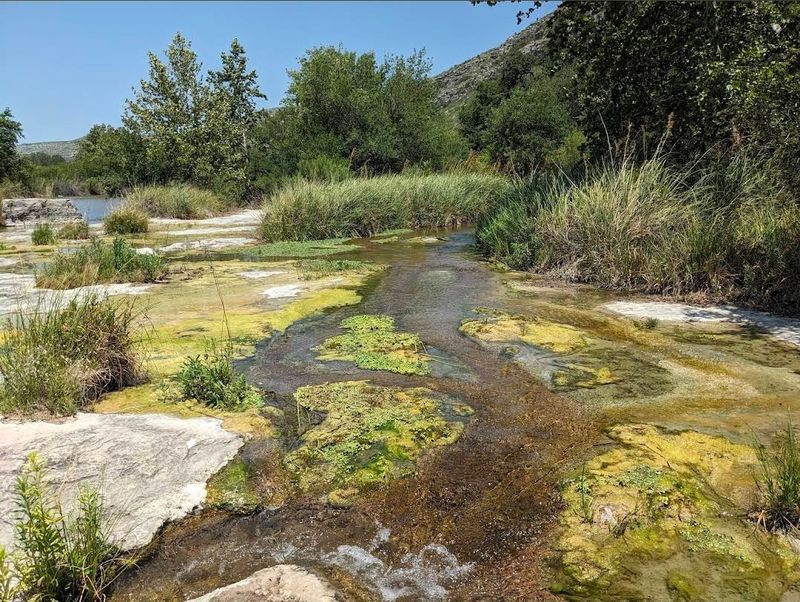
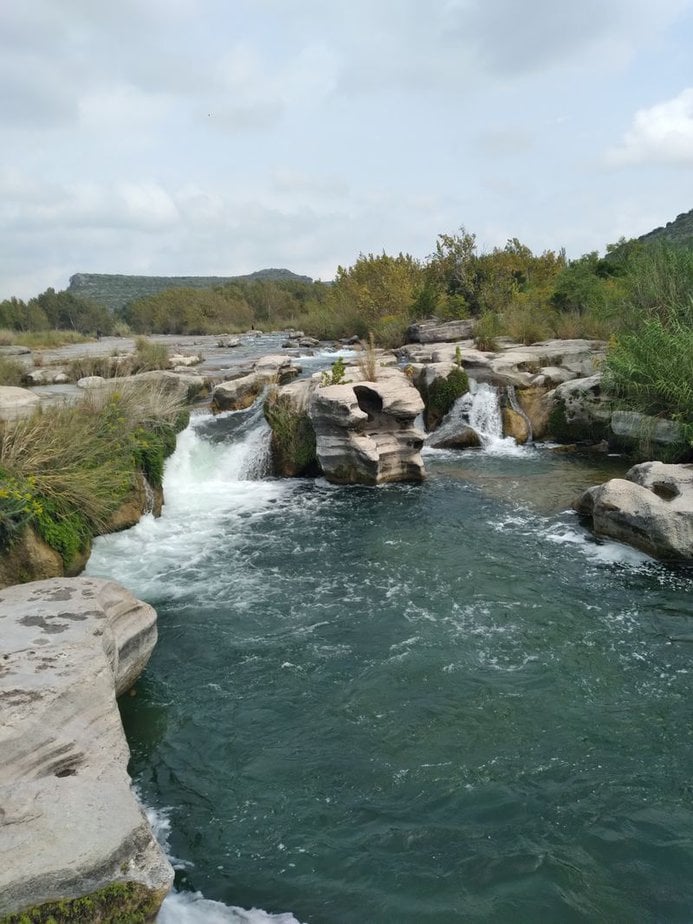
From the river gate parking, you hike roughly a mile to water. The trail is rocky and sun exposed, so good shoes and steady pacing help. Finegan Springs emerges clear and cold, feeding travertine shelves and shallow channels.
Move slowly over slick rock. Water shoes grip better than bare feet, and poles steady the crossings. Look for subtle dinosaur track impressions near certain slabs, more suggestion than postcard.
Follow the springs right to discover deeper pools and quiet pockets. Sit, let your feet soak, watch dragonflies glitter. Bring a small pack towel and a dry bag for keys.
You will not want to rush away once you arrive.
5. Hiking The 12 Mile Loop Mindfully
The 12 mile loop feels bigger under the West Texas sky. Views stack in layers of limestone hills, sotol, and ocotillo. Start early, carry plenty of water, and treat it as an all day wander if temperatures climb.
Trail markers guide you past windmills and bird blinds. Surfaces alternate between loose rock and hardpan, so watch your footing. You will likely see few people, which is exactly the point.
Pause often for silence and shade breaks whenever you find them. Note wildlife tracks, watch aoudad on distant slopes, and let the rhythm slow. If heat rises, turn back without regret.
The loop will wait for a cooler sunrise.
6. Camping For Dark Skies And Quiet
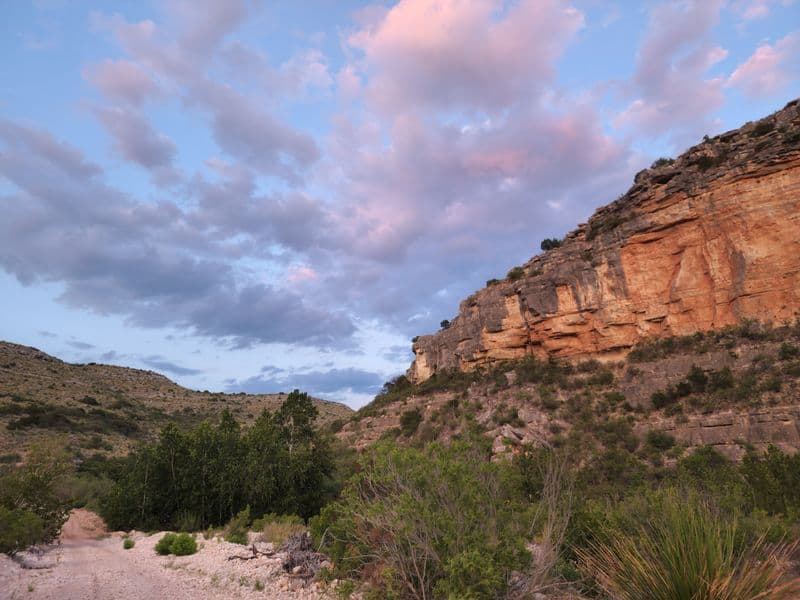
Primitive sites are limited, widely spaced, and wonderfully quiet. Expect no water or electricity, just views and wind. Choose high clearance for sites 6 to 8, and bring warm layers for breezy nights even in shoulder seasons.
Stargazing here is the show. With dark sky designations and a huge horizon, the Milky Way feels close. A reclining pad or blanket transforms your campsite into a private planetarium.
Rangers ask you to pack out all trash and minimize impact. Use charcoal when permitted, skip wood fires, and mind gusts. Mornings arrive with birdsong and gentle light.
If you chase restorative weekends, this is your place.
7. Kayak, Swim, Or Just Sit Still
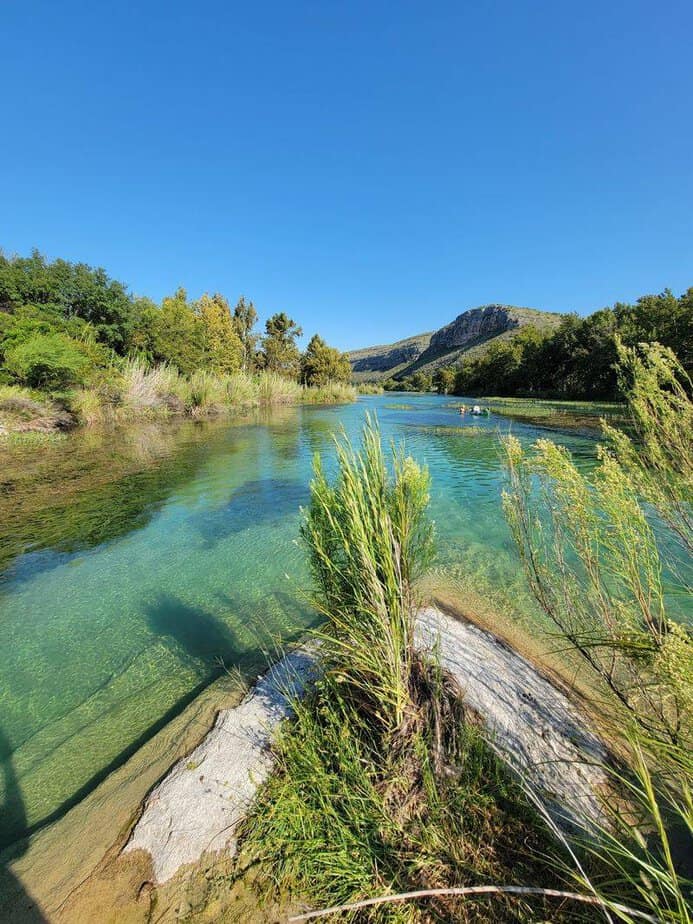
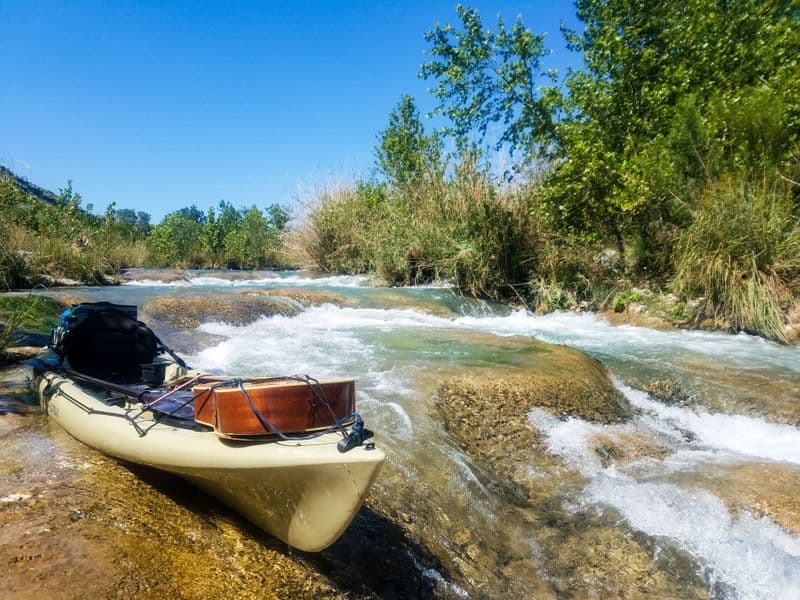
The river is the star, whether you paddle, wade, or simply watch light change. Bring your own kayak and safety gear if flows and rules permit. Current and portages can be real, so research put ins, take outs, and landowner etiquette.
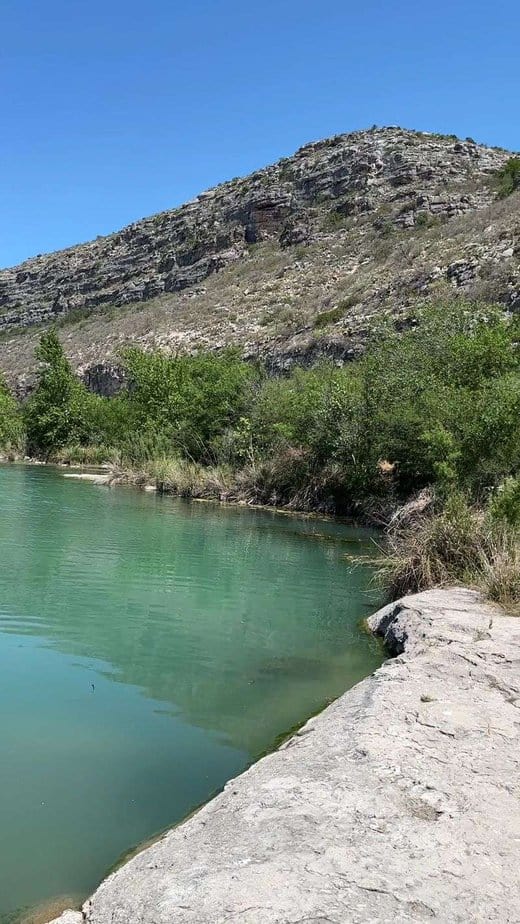
Swimming feels dreamy in aqua water, but rocks are slick. Wear shoes, move slow, and enjoy eddies instead of fighting current. Hot afternoons turn restorative with a brief soak and shade break.
If crowds appear at midday, linger for dawn or dusk calm. Sit still and notice beavers, herons, or swallows threading the cliffs. Slow travel means choosing presence over mileage every single time.
8. Respecting A Fragile Place
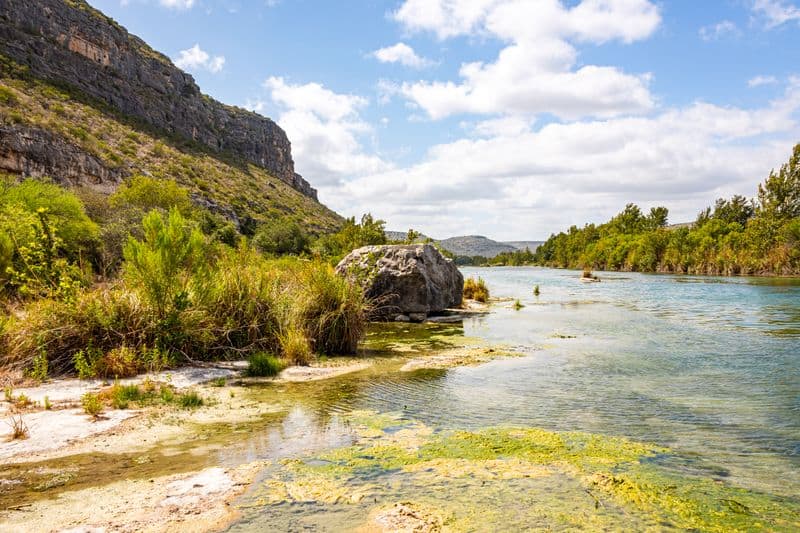
Devils River thrives because visitors keep it wild. Stay on signed routes, skip shortcutting, and avoid trampling spring outlets. Pack out every crumb and micro trash bit, including citrus peels and fishing line.
Noise carries in canyons, so let mornings stay quiet. Drones and amplified music break the spell and wildlife patterns. If a spot feels loved to death at midday, wander elsewhere and return later.
Chat with rangers about current conditions, closures, and wildlife. Share the road respectfully with goats and ranch traffic. Your patience and preparation protect clear water for everyone after you.
Leave it better, and the river will keep whispering.