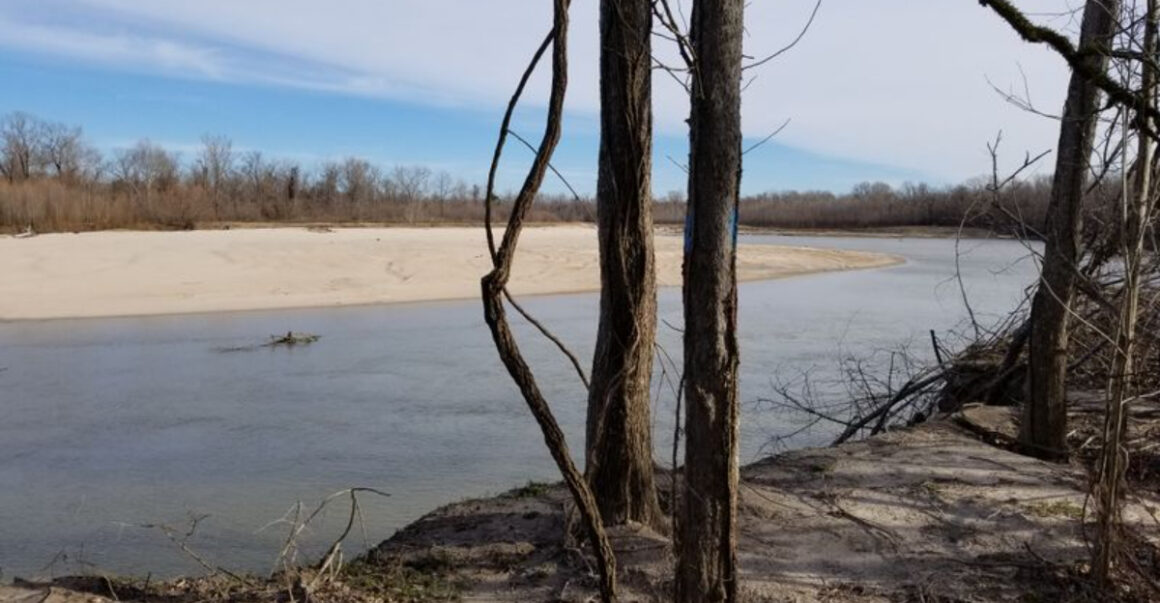
Texas has a knack for big laughs and bigger landscapes, and Knobby Knees Trail proves both can coexist. Tucked inside the Trinity River National Wildlife Refuge, this whimsically named path invites you to lace up, lean in, and discover wetlands magic. You will find quiet boardwalks, bird song, and the occasional deer leaping through dappled light.
Ready to stretch those knobby knees and your sense of adventure at the same time?
1. Where To Find Knobby Knees
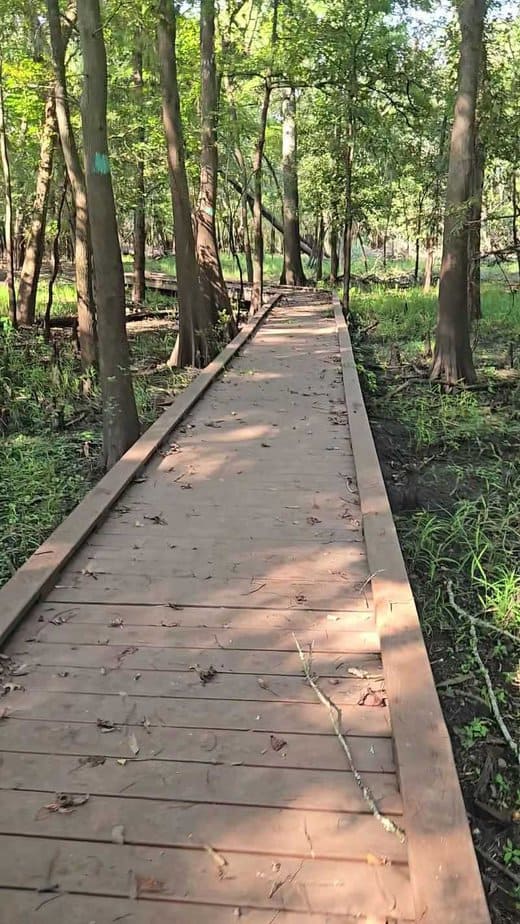
Knobby Knees Trail begins at the Knobby Knees Trailhead in Trinity River National Wildlife Refuge, near R E Vinson Dr in Liberty, Texas. Plug 30.0861292, -94.7832255 into your map and you will roll straight toward the wetlands. The refuge opens daily from 6 AM to 6 PM, giving you generous daylight to wander.
Parking is simple but limited, so arrive early on weekends. Trails are generally well labeled, with orange and turquoise loops branching from the start. Expect quiet, birdsong, and a surprising feeling of seclusion, even though town is close.
If conditions feel soggy, do not force it. Wetlands can flood quickly, and turning around is smart. Your knees will thank you later.
2. Why The Name Makes You Smile
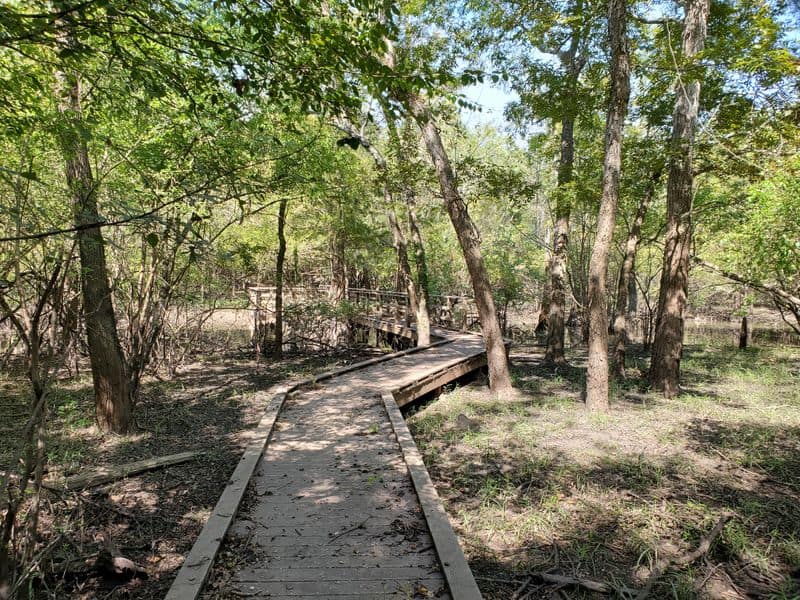
The moment you say Knobby Knees Trail out loud, you grin. It is playful, a little self aware, and instantly memorable. The name sets a friendly tone, nudging you to slow down, bend your knees, and look closely at mushrooms, spider webs, and ripples of deer tracks.
Kids repeat it and laugh, which makes family hikes easier. Even seasoned hikers soften up, ready for a less serious, more curious walk. The humor fits the refuge’s gentle boardwalks and shady loops.
Here, you will crouch to photograph butterflies or peer at cypress knees poking through water like little sculptures. Suddenly the trail’s name clicks. Knees, knobby and otherwise, are part of the scenery and the stride.
3. Best Time To Go
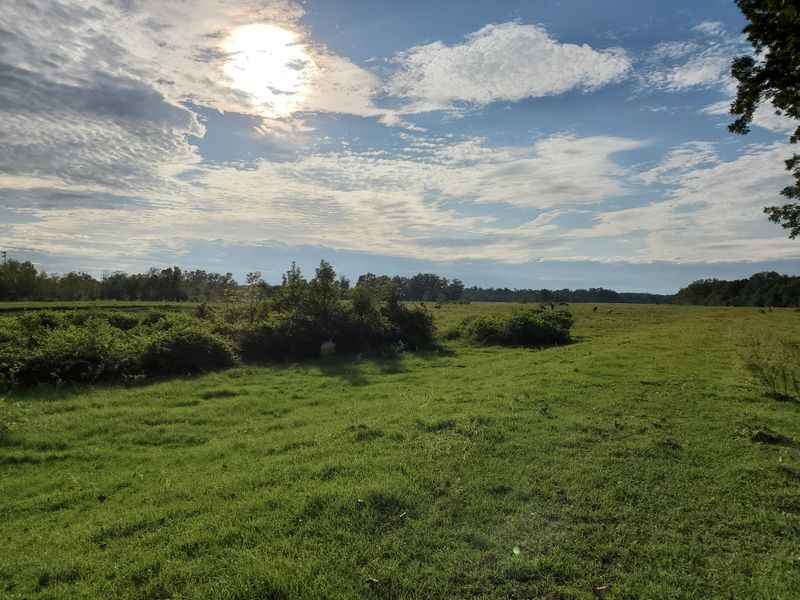
Early morning is magic here. Cooler air, golden light on the boardwalks, and the highest chance of seeing deer stepping through the brush. The refuge hours run 6 AM to 6 PM, so sunrise arrivals are fair game most of the year.
Spring and fall deliver comfortable temperatures and lively birds. Summer brings lush greens and big mosquitoes, so bring repellent and breathable layers. After heavy rain, some loops flood or get muddy, particularly the turquoise stretch.
If a section looks impassable, pivot to drier spurs. You still get great scenery and fewer crowds. Evening walks are peaceful too, but give yourself time to exit before closing.
4. Trail Layout And Difficulty
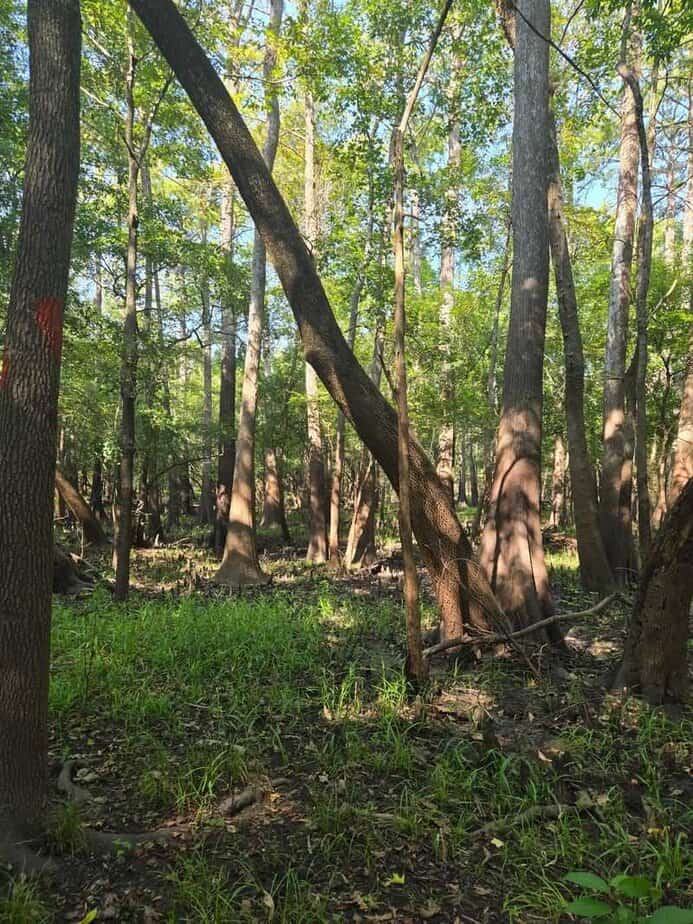
Expect well marked loops with color coded blazes, including an easy orange loop and a longer turquoise section that can flood. Surfaces alternate between packed soil, roots, and boardwalks. Beginners handle the first loop easily, while seasoned hikers can link segments for a longer day.
Roots and overgrowth demand attention. Pick your line, lift your feet, and do not rush. Poles help with slick spots after rain.
Navigation is straightforward if you read signs. When water rises, treat detours as part of the wetlands experience. You will still clock a satisfying walk without flirting with deep mud.
5. Wildlife You Might See
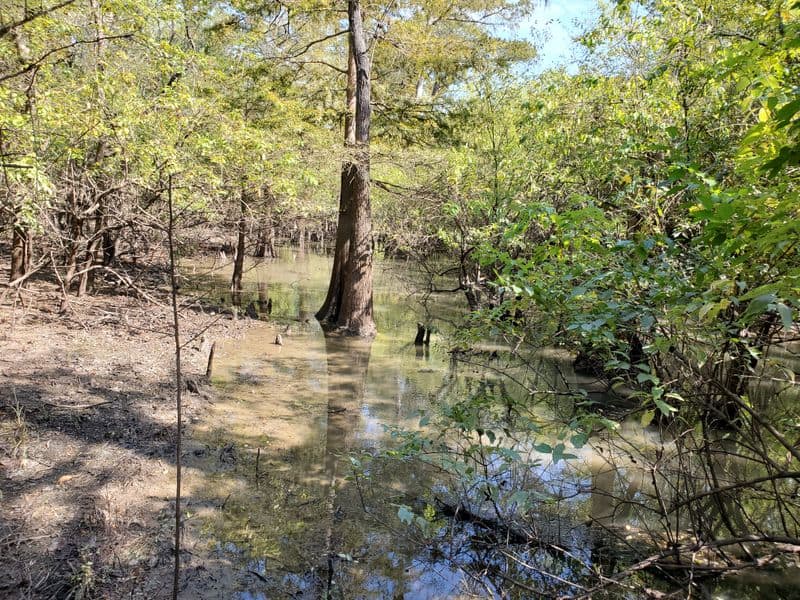
Bring curiosity and a quiet step. Deer often materialize at the edge of the trail, ears flicking, then vanish like smoke. Look for great blue herons, egrets, and ibises working the shallows, and listen for barred owls calling who cooks for you.
Butterflies patrol sunny breaks, while turtles plop from logs. You might notice funnel web and orb weaver spiders building elaborate architecture between branches. Snakes live here too, so watch where you place hands and feet.
Wild hogs sometimes root along clearings. If you encounter them, give space and back away calmly. Wildlife watching is best at dawn and dusk when the refuge feels hushed.
6. What To Wear And Pack
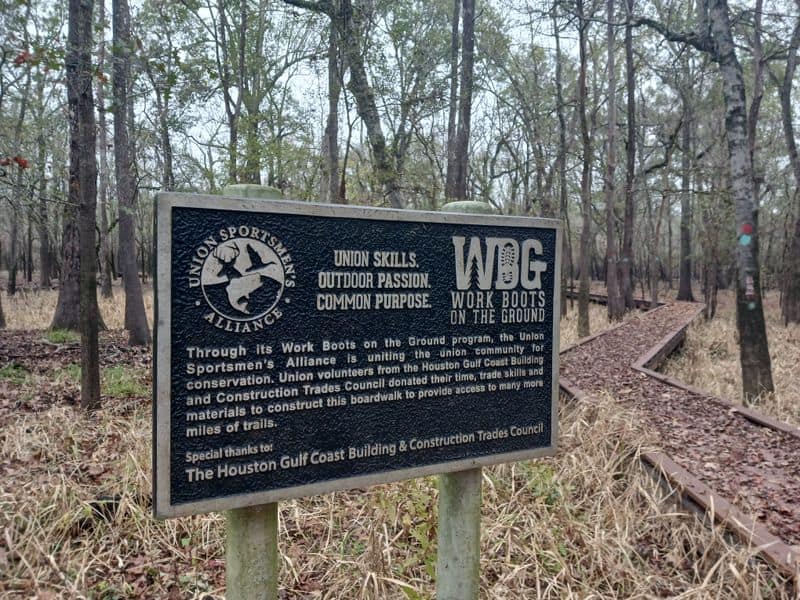
Wear long pants even on warm days. Brush can scratch your legs and some sections grow over quickly. Breathable socks, sturdy shoes with grip, and a hat make a big difference in comfort.
Pack water, snacks, and insect repellent. In summer, mosquitoes are relentless, so apply repellent before stepping off. A lightweight rain shell and small first aid kit round out your essentials.
Trekking poles help on wet boardwalk transitions and rooty segments. Stash a map or offline screenshot in case reception drops. Keep a small trash bag to pack out wrappers and leave the trail spotless.
7. Safety And Conditions
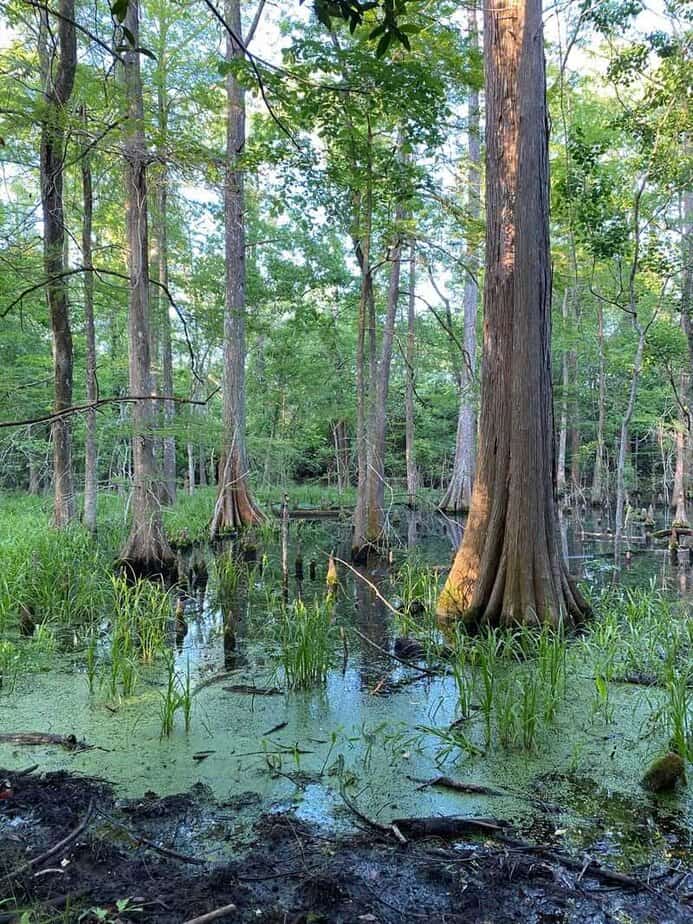
Wetlands shift fast. A dry path at noon can be slick by late afternoon if storms pass. If the trail floods, turn back rather than wading into unknown depths.
Watch for roots, muddy slides, and low branches. Keep kids within sight on narrower sections and teach them to read blazes. When temperatures soar, pace yourself and sip water often.
For wildlife, make noise in dense brush and give hogs and snakes extra space. Dogs should stay leashed, especially near water and boardwalks. Before you go, check the refuge website or call for updates.
8. Family Friendly Extras Nearby

Starting from the trailhead, you can stitch together a mellow walk that suits kids and curious beginners. Well labeled paths and benches create easy rest points. Some nearby park areas feature playgrounds and open fields for a quick post hike energy burst.
Pack a picnic and let the day unfold slowly. The big sidewalks near certain sections work well for strollers or scooters before hitting narrower dirt. Trash cans appear regularly, so it is simple to keep things tidy.
Set expectations about possible overgrowth and puddles. Turn obstacles into an adventure, scanning for birds and mushrooms. You will head home with muddy shoes and happy chatter.