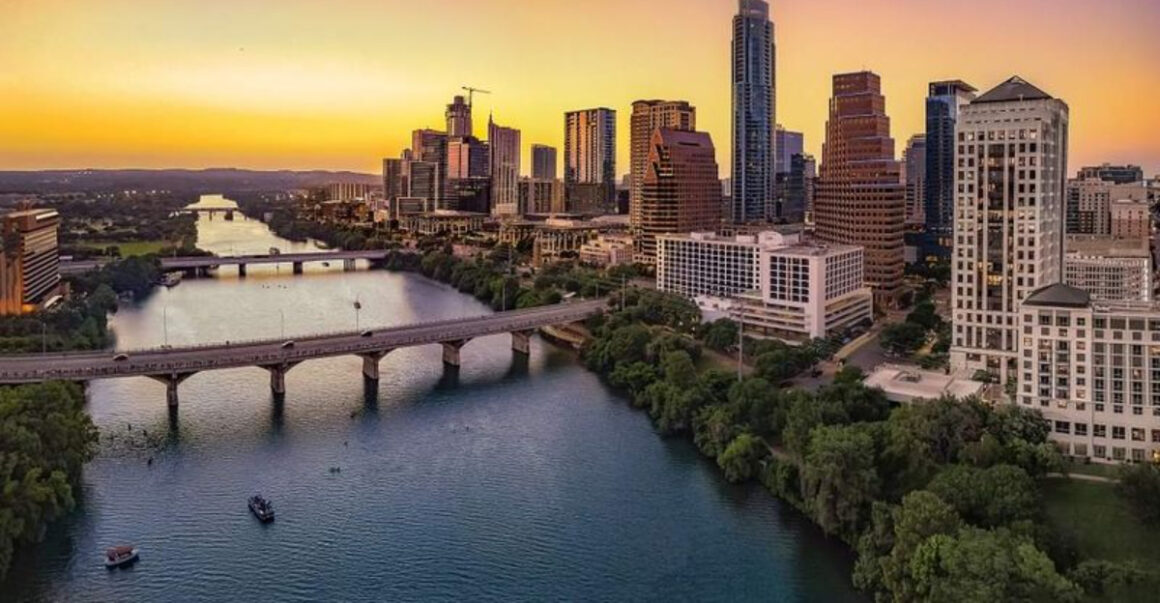
Texas is rewriting its story in real time, and you can feel it block by block. Skylines are stretching taller, neighborhoods are reshaping, and small towns are stepping into the spotlight with surprising speed. If you think you know these places, you might be a few seasons behind.
Let’s tour the cities changing faster than anyone expected and see what is driving the momentum.
1. Austin
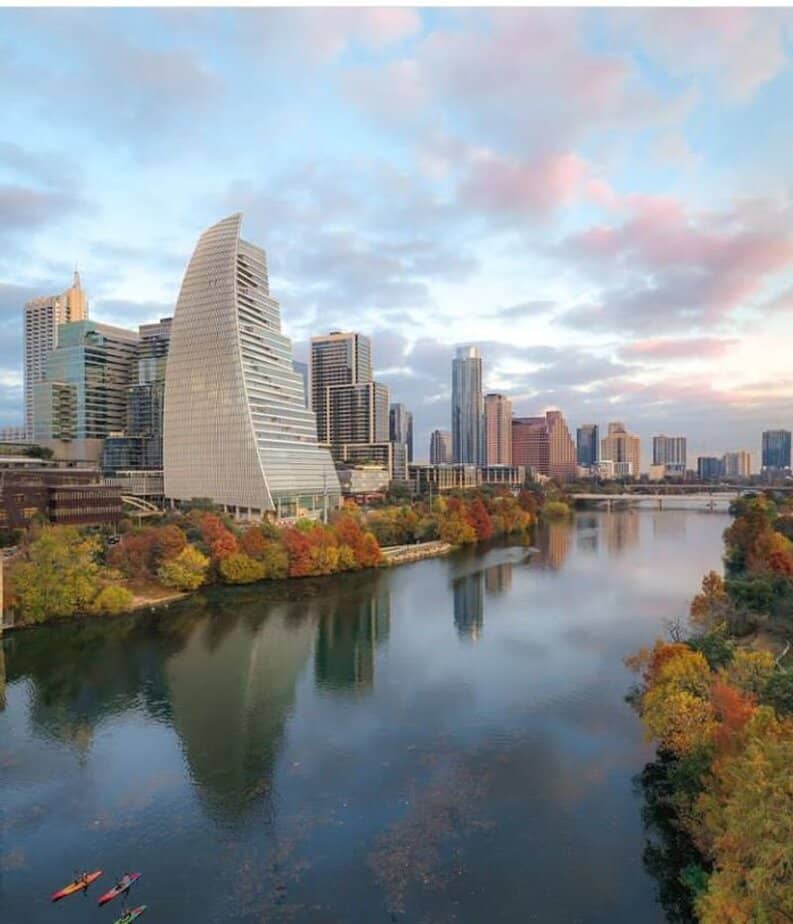
Tech badges on lunch breaks, food trucks humming, and cranes dotting the horizon signal a city in permanent gearshift. You feel it on the trail around the lake, where joggers weave past electric scooters and startup chatter. Neighborhoods that once felt sleepy now pulse with coffee counters, vinyl shops, and inventive taquerias.
Housing has become a contact sport, with mid rise apartments sprouting beside bungalows. Music and art keep their soul, but they share the stage with venture capital and biotech labs. If you arrive for a weekend, you might leave planning a move, though your budget will get a reality check.
Transit experiments, urban trails, and density debates shape every meeting. The city keeps sprinting.
2. Frisco
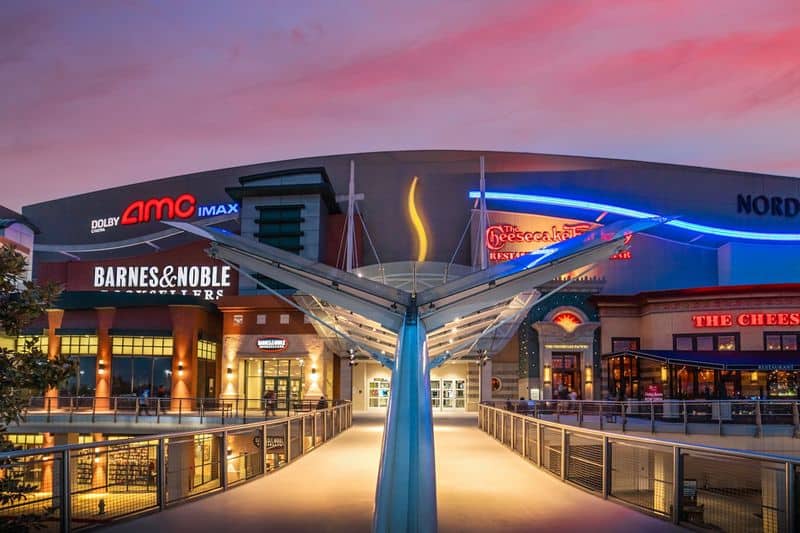
Stadium lights and glassy headquarters rise where cattle once grazed. You notice how master planned districts knit together parks, schools, and shopping in tidy layers. Sports is a calling card, but boardrooms are the new arena, pulling talent and capital with astonishing speed.
Weekends bring youth tournaments and shiny entertainment zones that feel purpose built for momentum. New rooftops march north, and infrastructure tries to keep pace with the rush. If you are moving for a job, the commute may be shorter than you expect.
Homebuyers find amenities bundled into neighborhoods like features on a phone. The question is not if growth continues, but how it patterns the next decade. Frisco keeps drafting the playbook.
3. Plano
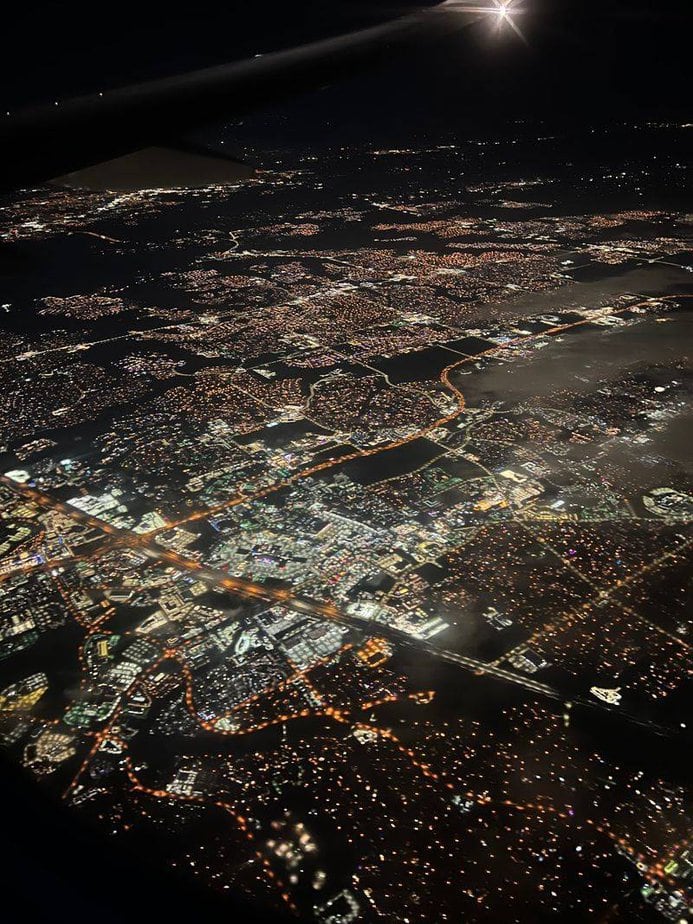
Office parks have morphed into miniature cities, and weekday lunches look like global food tours. You can stroll shaded promenades past ramen steam and espresso aromas, then catch a live set after work. The shift from suburb to destination shows up in density, not just logos.
New apartments and hotels stack above street retail, inviting foot traffic that once drove everywhere. Corporate relocations seeded momentum, but it is the human scale details that keep people lingering. Families and singles share plazas that stay animated late.
Parks, trails, and careful landscaping soften the glass and steel. You arrive for a meeting and end up booking dinner nearby. Plano quietly rewrote expectations without abandoning comfort, and now it feels inevitable.
4. Georgetown
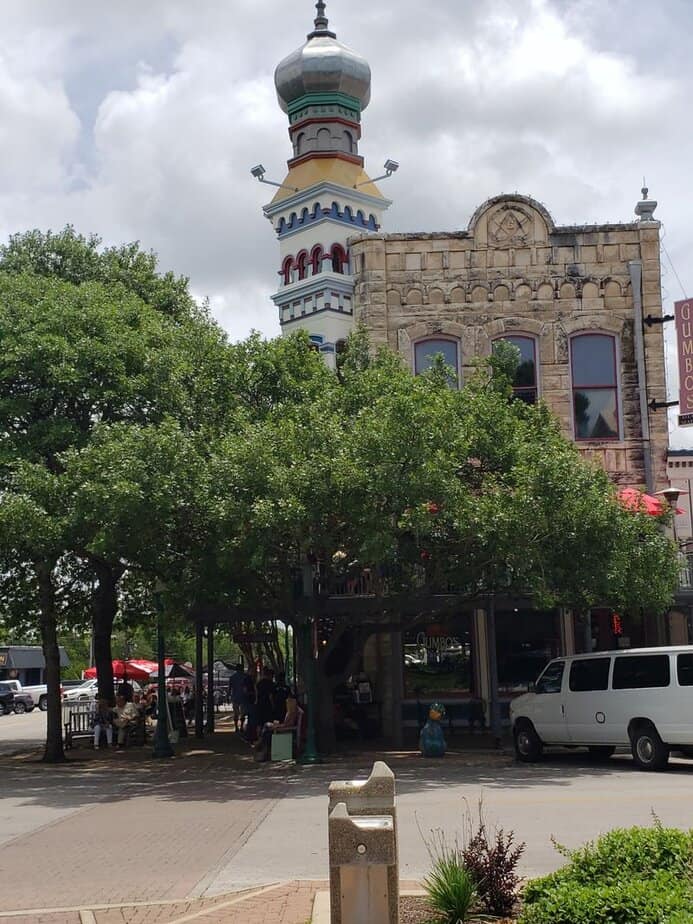
Historic limestone glows in the late sun while new rooftops push outward like ripples. You hear it in the clink of patio glasses and the hum of moving trucks unloading along tree lined streets. The square still anchors everything, but fresh restaurants and boutiques keep nudging the edges.
Retirees and young professionals share sidewalks, comparing notes on traffic and schools. Trails along the river fill with cyclists who just signed leases across town. Growth brings worry about character, yet preservation groups and planners trade ideas daily.
On weekends, festivals spill into side streets, and you feel both nostalgia and acceleration. The balance is delicate but hopeful. Georgetown is growing with intention, one block and conversation at a time.
5. McKinney
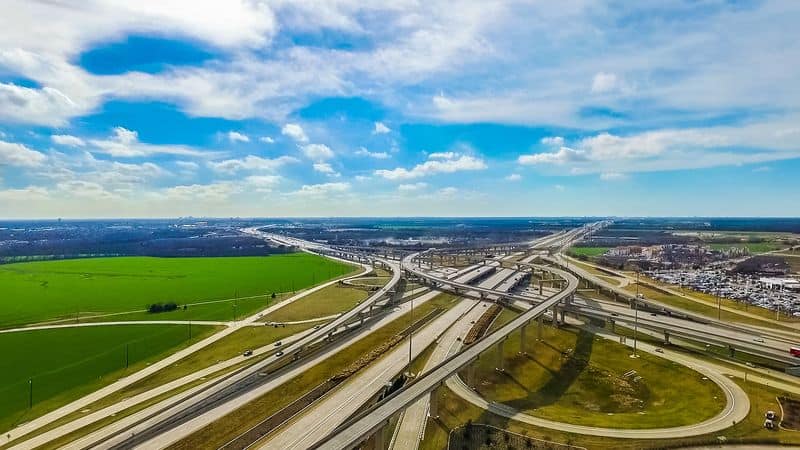
Brick streets shimmer under string lights while a line forms for handmade ice cream. You look up and spot cranes beyond the courthouse dome, signaling a rapidly widening horizon. The old and the new trade compliments here, not barbs.
Locals brag about one of the most polished downtown districts in the state, and the claim holds up. New neighborhoods fan out in careful curves, connecting parks and schools like beads. Commutes stay manageable as employers drift closer.
Dining has leveled up, with chefs opening spots that would fit in bigger cities. Weekends bring art walks, live music, and stroller friendly sidewalks. McKinney leans into growth without dropping the small town handshake that made it special.
6. Round Rock
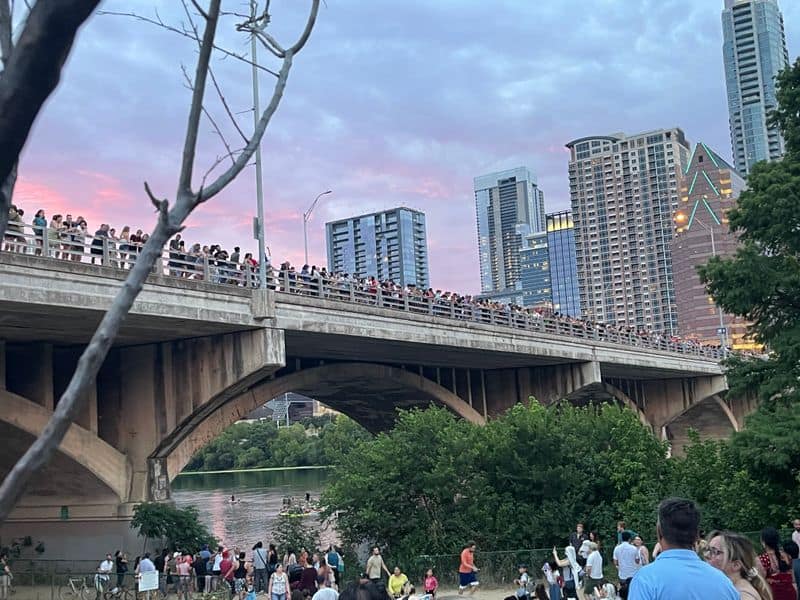
Once known for outlet runs and a certain computer logo, the vibe now includes craft cocktails and gallery nights. You see patios buzzing on weeknights, not just Saturdays, and the calendar keeps filling. Parks and sports fields remain, but culture shares top billing.
Housing options have multiplied, from townhomes near downtown to neighborhoods pushing the edge. Commute patterns shifted as companies opened satellite spaces and remote work stuck. The old bedroom community label does not quite fit anymore.
Food trucks grew into restaurants, and festivals stretched into seasons. You can plan a date night without checking Austin traffic first. Round Rock feels confident, building a center of gravity that holds even as the region expands.
7. Celina
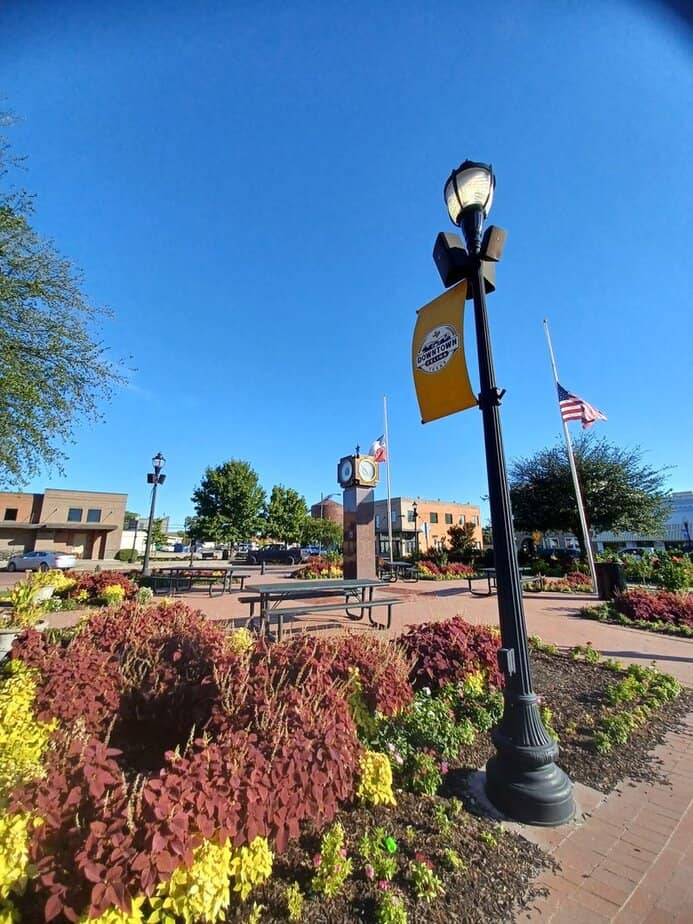
Country roads now lead to roundabouts and freshly poured sidewalks. You notice model home flags fluttering in long rows, evidence of momentum that barely pauses. Fields turn into cul de sacs seemingly overnight, and school sites pop up like trail markers.
Community events weave newcomers together quickly, from farmers markets to Friday night lights. Infrastructure races the clock with widened roads and utility upgrades. Restaurants and coffee shops follow the rooftops, giving evenings more options.
Identity is the ongoing project, somewhere between small town warmth and big region ambition. If you are arriving with a moving truck, you will not be alone. Celina is learning its lines while the stage grows larger every month.
8. El Paso
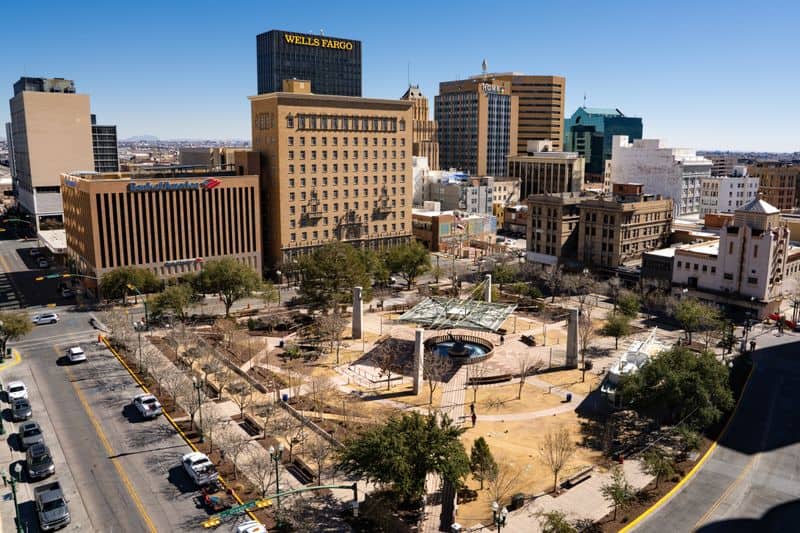
Desert light washes over restored theaters and fresh murals, giving downtown a cinematic glow. You can hop between galleries, coffee bars, and taquerias while streetcars glide past. The city’s binational heartbeat is not a slogan, it is the daily rhythm.
Investments in public spaces and hotels attract conferences and creative talent. Tech and logistics experiment at the border, turning geography into advantage. Perception is catching up to reality as visitors extend trips beyond a single night.
Neighborhood pride shows in cleaner storefronts and active sidewalks late into the evening. Mountain trails sit minutes away, adding an outdoor bonus to urban energy. El Paso is not shouting, it is steadily refining, and the results feel durable.
9. New Braunfels
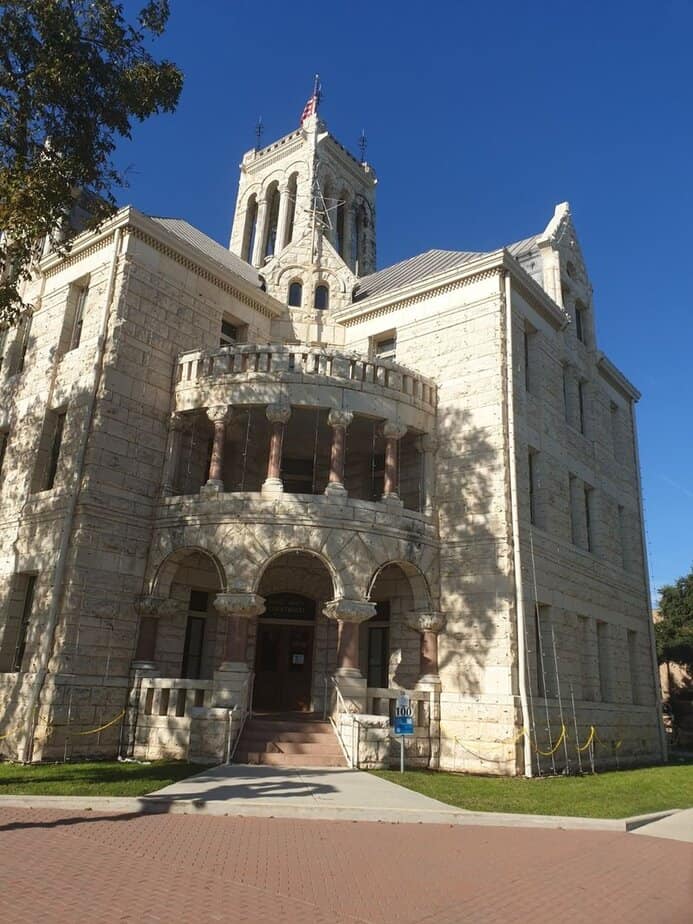
River days used to define the calendar, but now the party rarely pauses. You will find breweries pouring flights even in January, and patios warming with heaters and conversation. German roots anchor the look, while newcomers add flavor.
Tourism morphed into a year round engine, boosting restaurants, music venues, and boutique stays. Neighborhoods climb the hills, giving families quick access to water and trails. Traffic spikes, but so do options for weekend fun.
Festivals stack up, and the town handles growth with welcoming confidence. If you crave a float, come early. New Braunfels blends heritage with new energy, proving destination status does not require a single season anymore.
10. Marfa
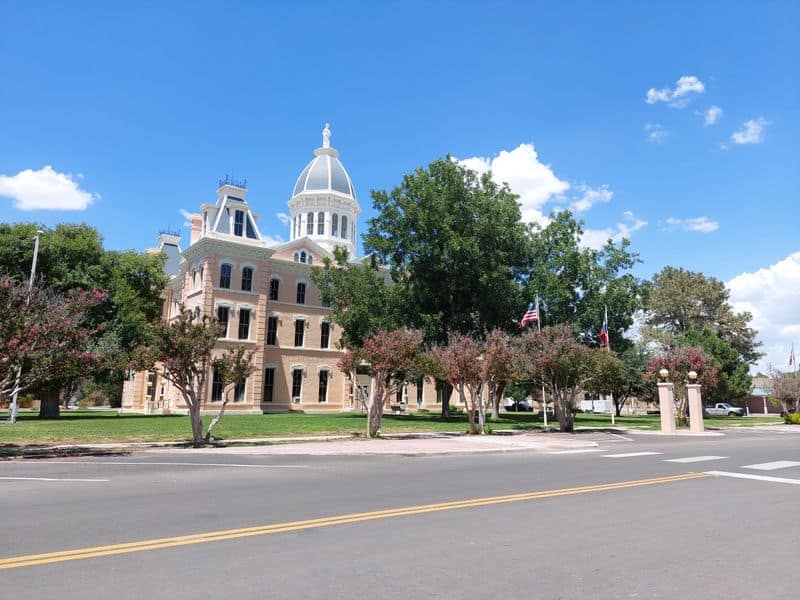
Art whispers across the desert, and somehow the world keeps answering louder each year. You feel the paradox: minimalist spaces meet swelling attention. Galleries, boutique hotels, and pop ups transform quiet nights into curated experiences.
Longtime residents protect pace and authenticity while visitors chase that slow magic. Costs reflect the fame, nudging creatives to adapt with residencies and collaborations. The scale stays small, but the footprint stretches globally.
Desert horizons frame new projects that try to blend rather than shout. If you are arriving for photos, give time for conversations too. Marfa keeps evolving in careful beats, turning remote distance into a magnet for ideas and possibility.