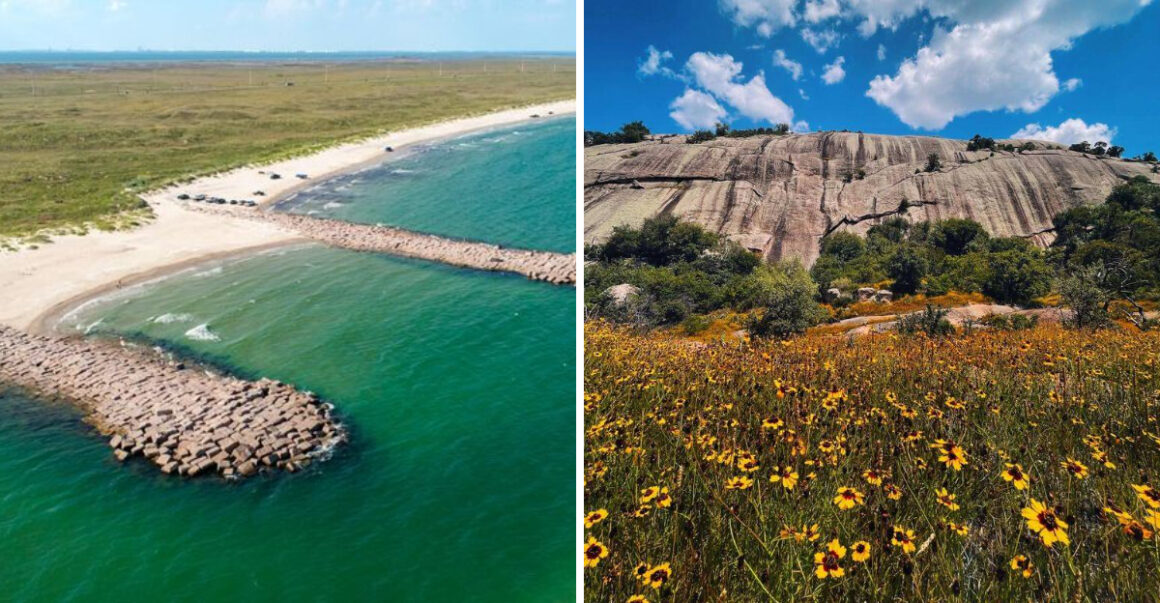
Texas offers some of the most breathtaking outdoor experiences in America, with landscapes ranging from towering canyons to mysterious swamps. The Lone Star State’s diverse campgrounds showcase natural wonders that will make even seasoned outdoor enthusiasts stop in their tracks. Whether you’re looking for stargazing in the desert, swimming in crystal-clear rivers, or hiking through colorful fall foliage, these 15 amazing Texas campgrounds deliver unforgettable adventures.
1. Palo Duro Canyon
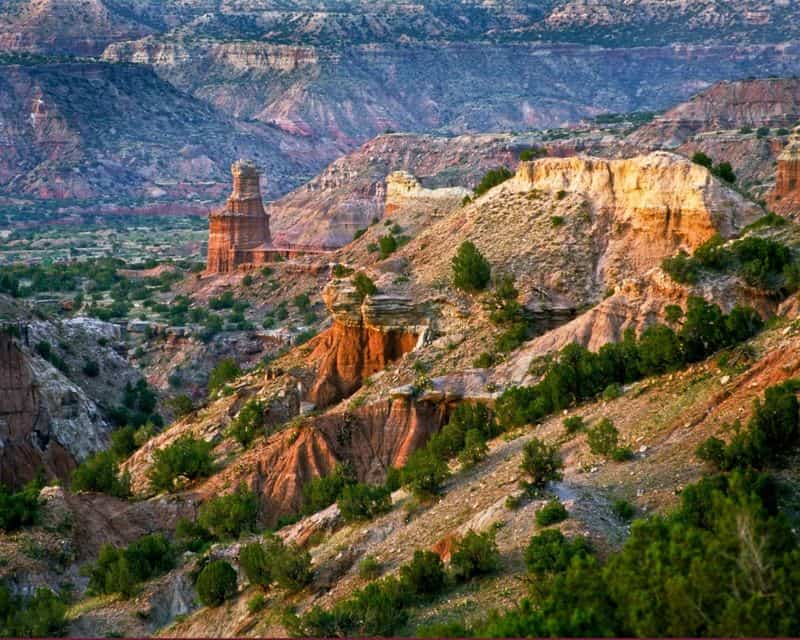
Nicknamed “The Grand Canyon of Texas,” this geological marvel stretches 120 miles long and up to 20 miles wide.
The striking red rock formations create a dramatic backdrop for campers seeking adventure in the second-largest canyon in the United States. Morning hikes reveal the canyon’s colors transforming with the sunlight, while wildlife like roadrunners and mule deer often make appearances.
The Lighthouse Trail leads to the park’s signature rock formation, perfect for memorable photos. Summer visitors should prepare for heat, but spring and fall offer ideal temperatures for exploring this natural wonder. The night skies here are remarkably clear, providing exceptional stargazing opportunities after sunset.
2. Big Bend National Park
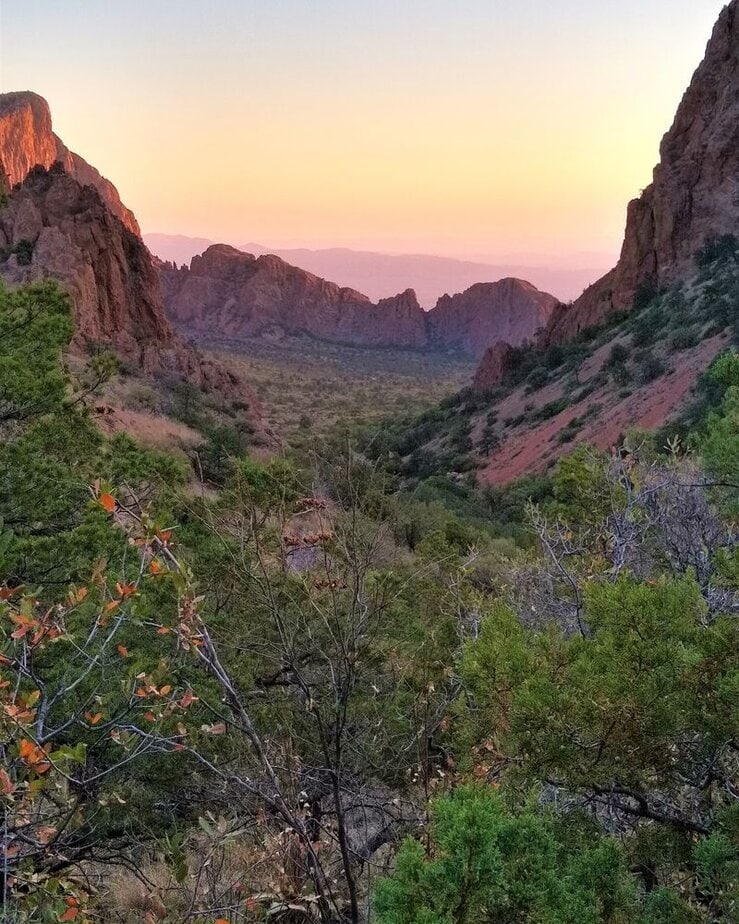
Remote wilderness awaits at this international dark sky sanctuary where the Milky Way illuminates your campsite. Nestled against the Rio Grande, Big Bend offers primitive desert camping experiences far from civilization’s glow. The Chisos Mountains rise dramatically from the desert floor, creating diverse ecosystems from river valleys to mountain forests. During spring, wildflowers carpet the desert landscape in surprising bursts of color.
Hikers can explore over 150 miles of trails ranging from easy river walks to challenging mountain summits. The park’s isolation means you’ll need to come prepared with supplies, but the reward is experiencing one of America’s least crowded national parks.
3. Guadalupe Mountains
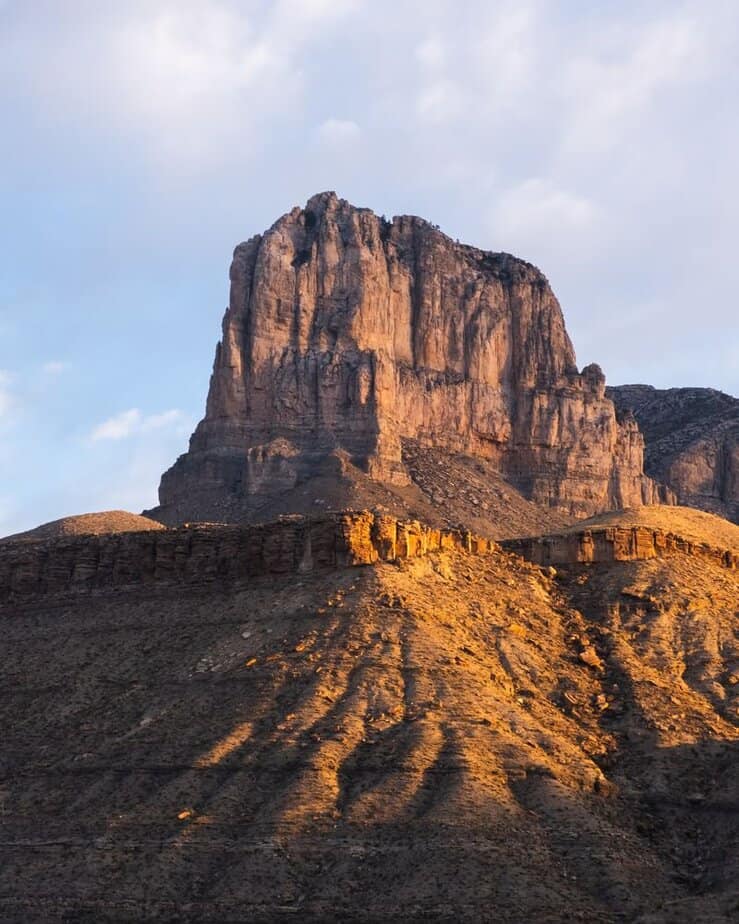
Standing tall at the Texas-New Mexico border, this park houses Guadalupe Peak – the highest point in Texas at 8,751 feet. Fall visitors are treated to a surprising spectacle as McKittrick Canyon transforms with vibrant autumn colors in this otherwise arid landscape.
Backcountry camping here offers solitude among limestone canyons and ancient fossil reefs from when this area was an underwater sea. The challenging Guadalupe Peak Trail rewards hikers with panoramic views stretching across two states.
Wildlife enthusiasts might spot golden eagles soaring overhead or mule deer grazing at dawn. The park’s remote location means minimal light pollution, creating exceptional stargazing opportunities when the day’s hiking adventures end.
4. Enchanted Rock
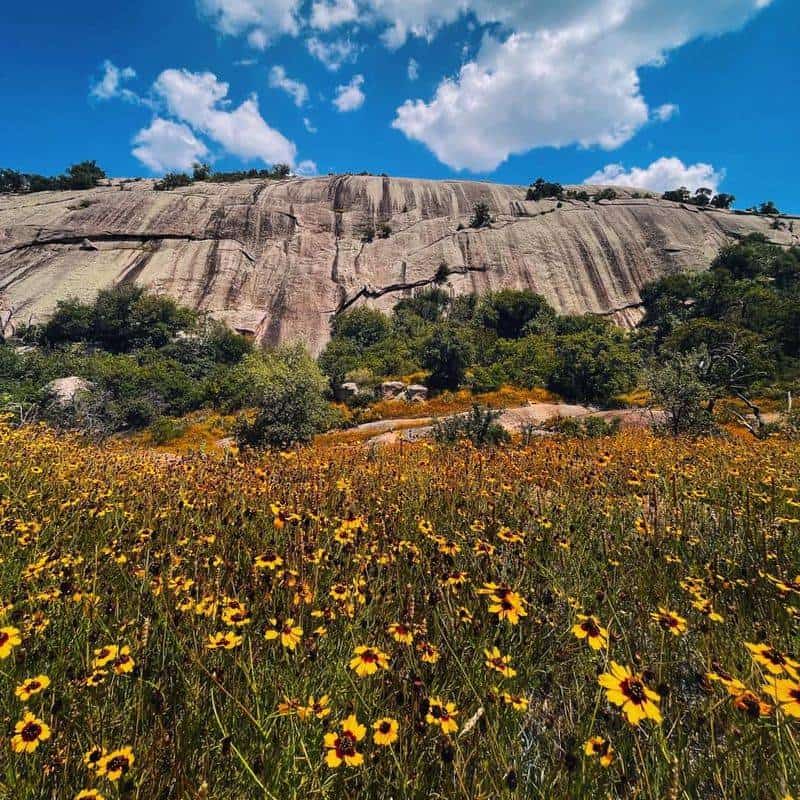
Rising 425 feet above the surrounding landscape, this massive pink granite dome has fascinated visitors for centuries. Native tribes once believed mysterious noises from the cooling rock at night were magical spirits, giving this natural wonder its enchanting name. Campers wake to spectacular sunrises as the granite glows pink and orange in early morning light.
The summit trail offers a moderate hike with rewarding 360-degree views of the Texas Hill Country stretching for miles. Rock climbers flock to the park for its world-class granite faces, while stargazers benefit from its International Dark Sky Park designation. On moonless nights, the Milky Way appears so bright it seems close enough to touch from your tent.
5. Garner State Park
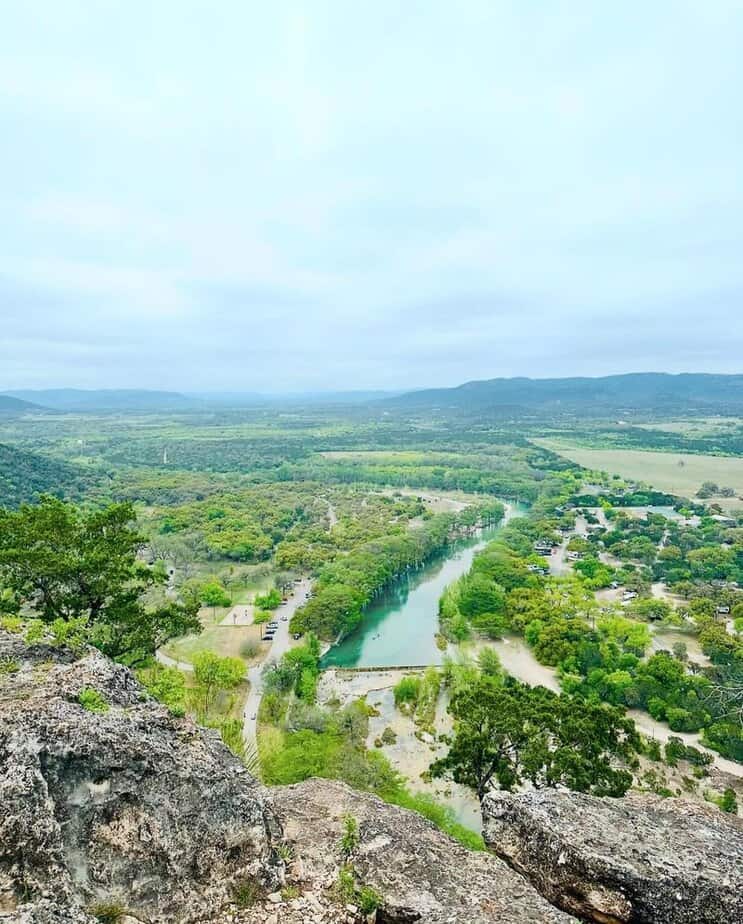
Summer memories are made at this beloved Hill Country retreat where generations of Texans have cooled off in the crystal-clear Frio River.
The emerald waters maintain a refreshing 70 degrees year-round, providing perfect relief from Texas heat. Evening brings a unique tradition – since the 1940s, summer nights feature outdoor dances under the stars at the park’s historic pavilion.
Campsites nestled among cypress and oak trees offer peaceful mornings with mist rising off the river. Hiking trails lead to panoramic overlooks of the Frio River Valley, particularly stunning when wildflowers bloom in spring. Fall brings another spectacular show as cypress trees lining the river turn brilliant shades of russet and gold.
6. Pedernales Falls
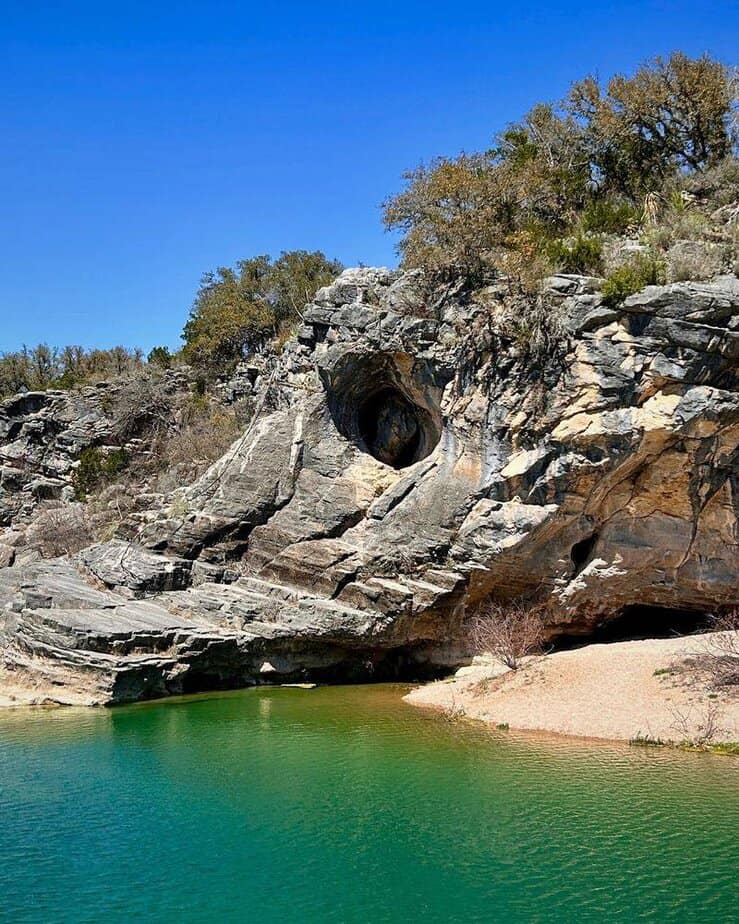
Ancient limestone has been sculpted by rushing water into smooth, terraced falls that stretch across the Pedernales River. Morning fog often clings to the river valley, creating an ethereal scene for early risers at this Hill Country gem.
Campers can explore nearly 20 miles of trails through juniper and oak woodlands or cool off in designated swimming areas downstream from the falls. Bird enthusiasts regularly spot golden-cheeked warblers and painted buntings among the diverse wildlife.
The falls area transforms dramatically after heavy rains, changing from peaceful terraced pools to powerful rushing rapids. Stargazing is exceptional at the primitive campsites, where minimal facilities mean maximum connection with nature’s night symphony.
7. Caprock Canyons
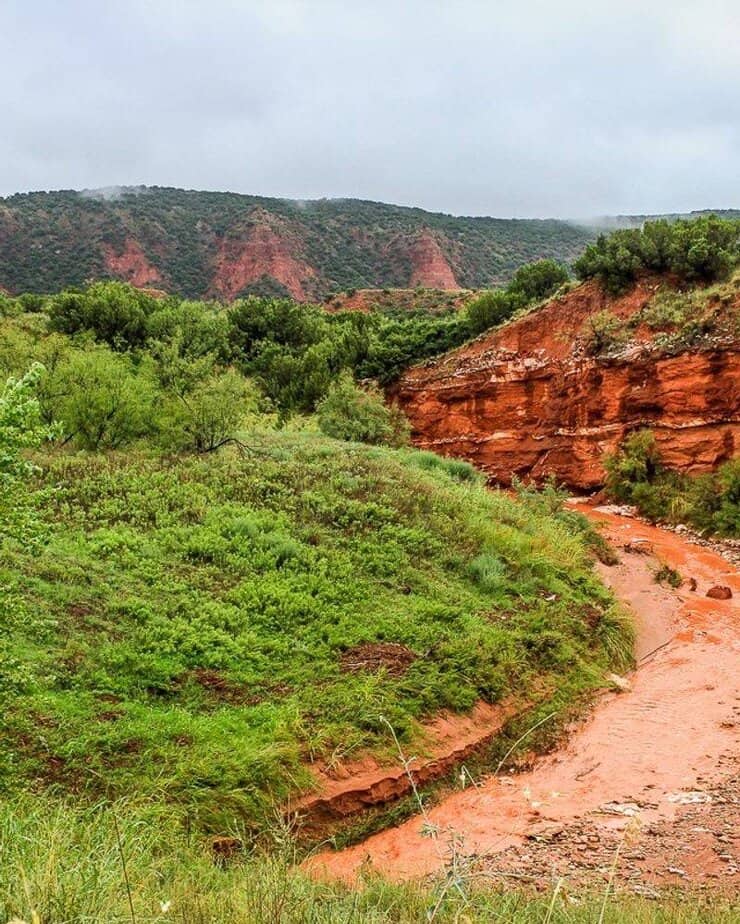
Home to the official Texas State Bison Herd, this park offers the unique experience of camping near free-ranging bison, descendants of the great southern plains herds. The striking red canyon walls create a dramatic backdrop as these magnificent animals graze near campsites.
Lake Theo provides fishing opportunities and cool relief during summer months. Hiking through the multicolored canyon layers reveals 250 million years of geologic history in vibrant bands of red, yellow, and white rock.
Mountain bikers tackle the challenging 64-mile Trailway converted from an abandoned railroad line. Bat enthusiasts gather summer evenings at Clarity Tunnel to witness half a million Mexican free-tailed bats emerge for their nightly feeding – a spectacular natural phenomenon few campers ever forget.
8. Lost Maples
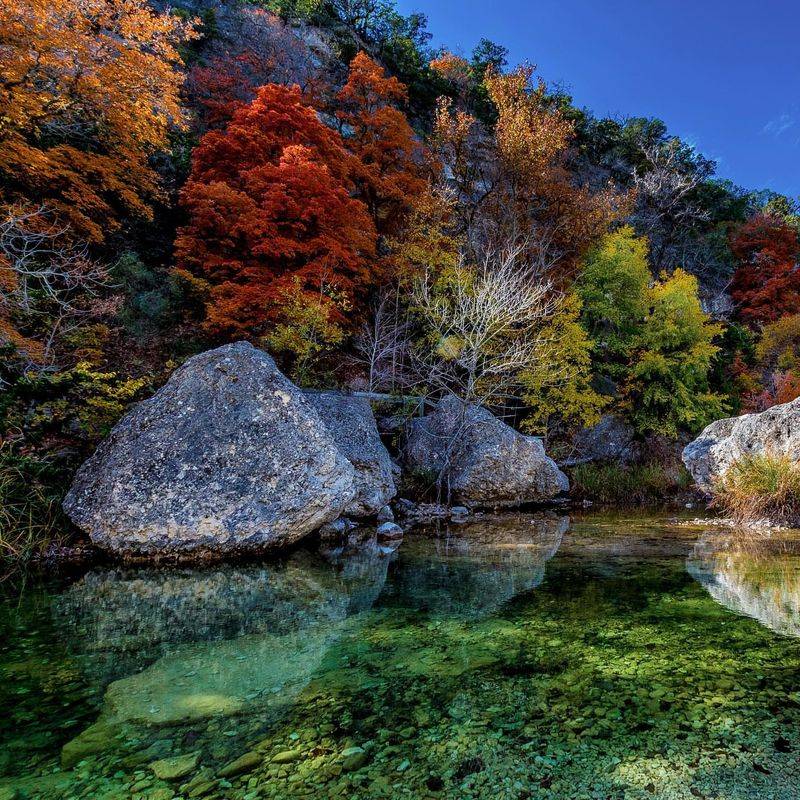
Famous for its spectacular fall foliage, this hidden valley contains a stand of Uvalde bigtooth maples – rare in Texas and isolated here since the last ice age. Late October through November brings a dazzling display of crimson, gold and orange that attracts photographers from across the country.
The Sabinal River meanders through limestone canyons, creating peaceful swimming holes and providing habitat for the endangered golden-cheeked warbler. Hiking trails wind through diverse ecosystems including grasslands, juniper slopes, and maple-lined canyons. Summer campers discover this park’s year-round beauty with wildflower displays and the refreshing river.
Stargazers appreciate the minimal light pollution, making this a prime spot for viewing meteor showers and constellations from your tent.
9. Colorado Bend
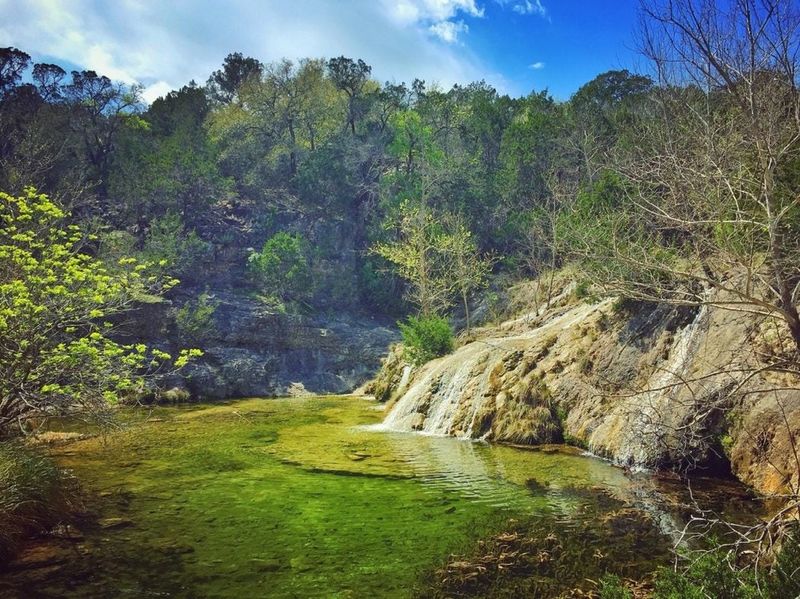
Hidden in Texas Hill Country, this park guards a natural treasure – 70-foot Gorman Falls, a lush, moss-covered waterfall that seems transported from a tropical paradise. The primitive camping experience here connects visitors with nature in its rawest form.
Cave enthusiasts can explore the park’s underground wonders through guided wild cave tours, crawling through undeveloped caverns. Kayakers paddle the Colorado River, discovering secluded gravel bars and witnessing diverse wildlife along the shoreline. Fishing enthusiasts target the park’s renowned bass population in both river and spring-fed waters.
The 35 miles of trails reveal unexpected features including natural springs, sinkholes, and dramatic river overlooks that showcase the surprising diversity of Texas landscapes.
10. South Padre Island
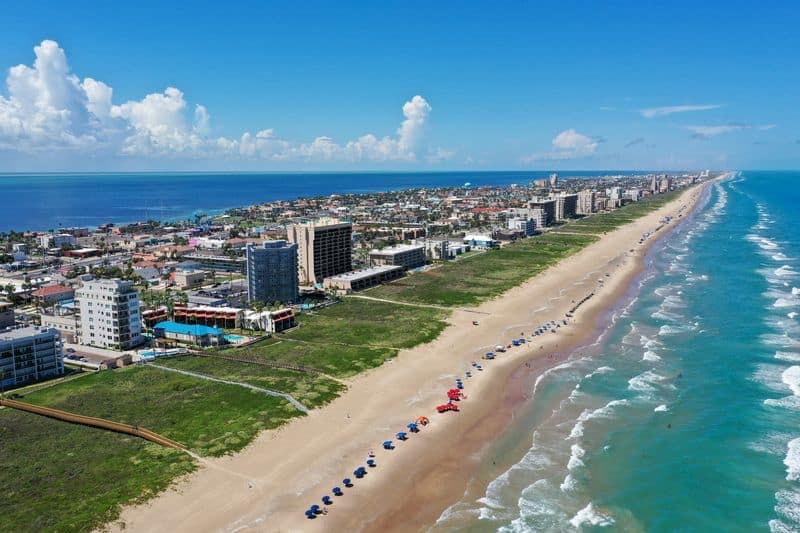
Wake to the sound of Gulf waves at this tropical paradise where beachfront camping lets you fall asleep under starry skies and wake directly to sunrise over the ocean. The island’s 34 miles of white sand beaches provide endless opportunities for shell collecting and sandcastle building.
Dolphin watching tours regularly spot Atlantic bottlenose dolphins playing in the Laguna Madre Bay. Bird enthusiasts flock here during spring and fall migrations when the island becomes a crucial stopover for hundreds of species. Sea turtle hatchling releases occur during summer months, allowing campers to witness baby Kemp’s ridley turtles begin their ocean journey.
The constant Gulf breeze creates perfect conditions for kiteboarding and windsurfing, making this a favorite for water sports enthusiasts.
11. Davis Mountains
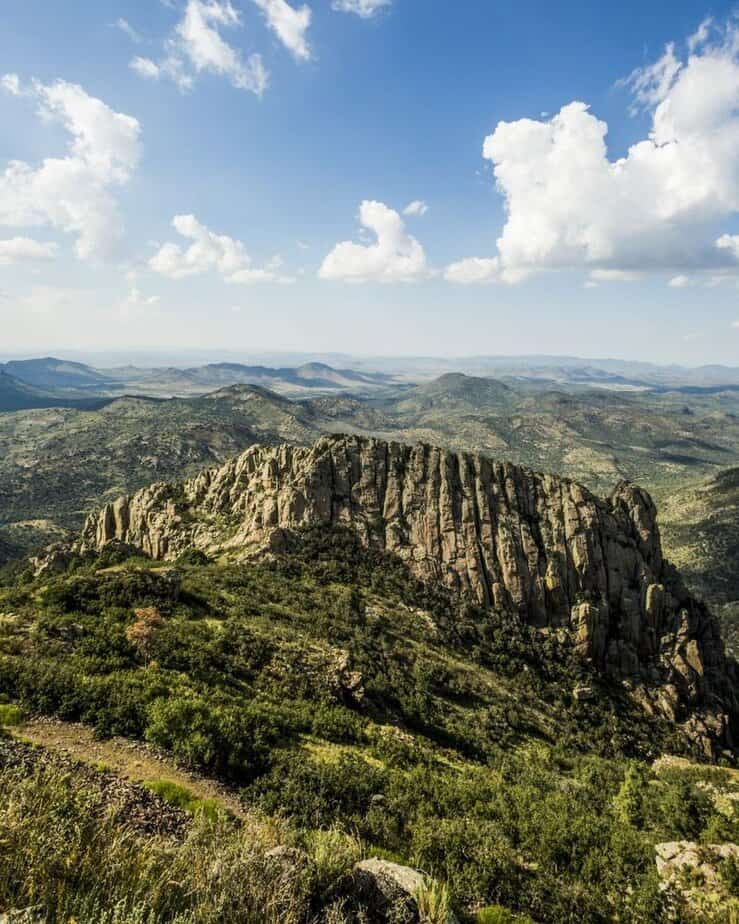
Known as “Texas’ Alps,” this sky island rises from the Chihuahuan Desert, creating a cool mountain haven where temperatures average 10-15 degrees lower than surrounding areas. Fort Davis, a historic frontier military post, sits nearby, offering glimpses into Texas’ frontier past.
Astronomy enthusiasts gather at the nearby McDonald Observatory for some of the darkest skies in North America. The Skyline Drive Trail rewards hikers with breathtaking panoramic views of volcanic peaks and distant desert landscapes. Wildlife watching opportunities abound with montane species including black bear, mountain lions and a variety of birds found nowhere else in Texas.
The Davis Mountains Preserve protects one of the most biologically diverse regions in the state, where desert meets mountains in a unique ecological transition zone.
12. Inks Lake
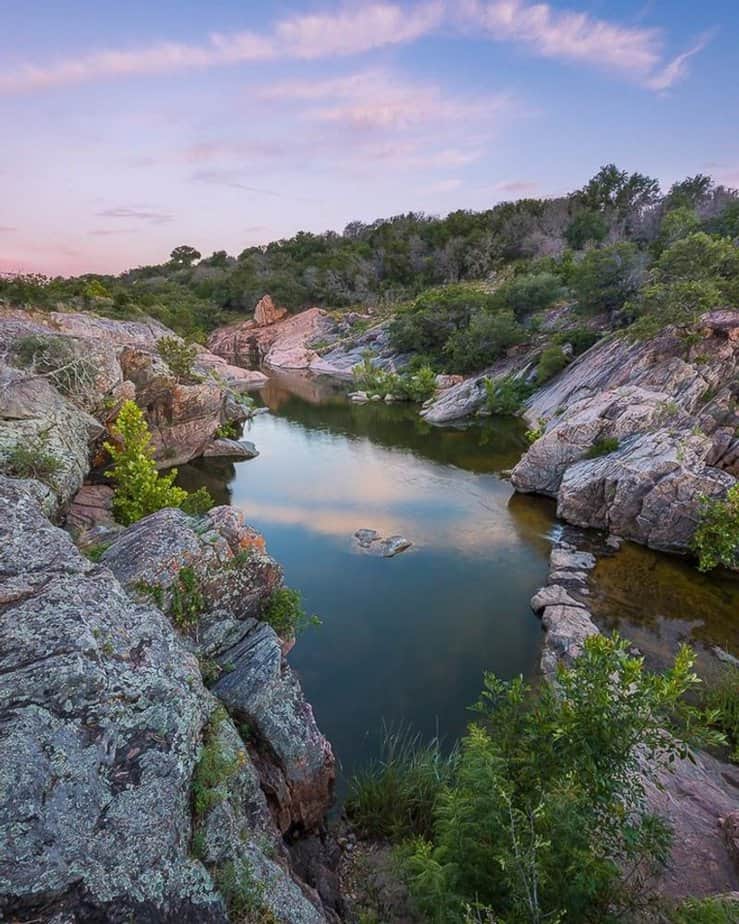
Sparkling blue waters contrast dramatically with pink granite outcroppings at this Highland Lakes gem just an hour from Austin. The constant-level lake remains full year-round regardless of drought conditions, making it a reliable destination for water recreation.
Devil’s Waterhole attracts adventurous visitors for its popular cliff jumping spots and swimming areas. Anglers cast for bass, catfish and sunfish from the shore or boats, often with spectacular success in this well-stocked lake.
Fall brings a surprising burst of color as sumacs and cypress trees turn brilliant red and orange.
13. Balmorhea State Park
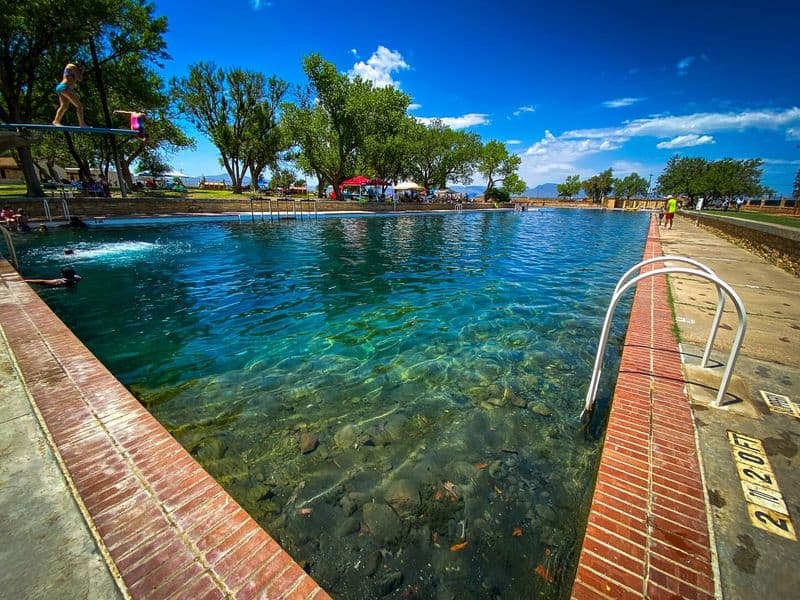
Desert camping meets tropical oasis at this unique park featuring the world’s largest spring-fed swimming pool.
The crystal-clear waters maintain a constant 72-76 degrees year-round, supporting a diverse ecosystem including rare desert pupfish and Mexican tetras. Scuba divers explore the deeper 25-foot section of this natural pool that pumps 15 million gallons daily from San Solomon Springs. Overnight campers enjoy exclusive early morning access to the pool before day visitors arrive, creating magical sunrise swimming experiences.
Birding enthusiasts spot unique desert and wetland species drawn to this rare water source in the arid Chihuahuan Desert. The historic structures built by the Civilian Conservation Corps in the 1930s add cultural interest to this natural wonder at the foot of the Davis Mountains.
14. Caddo Lake
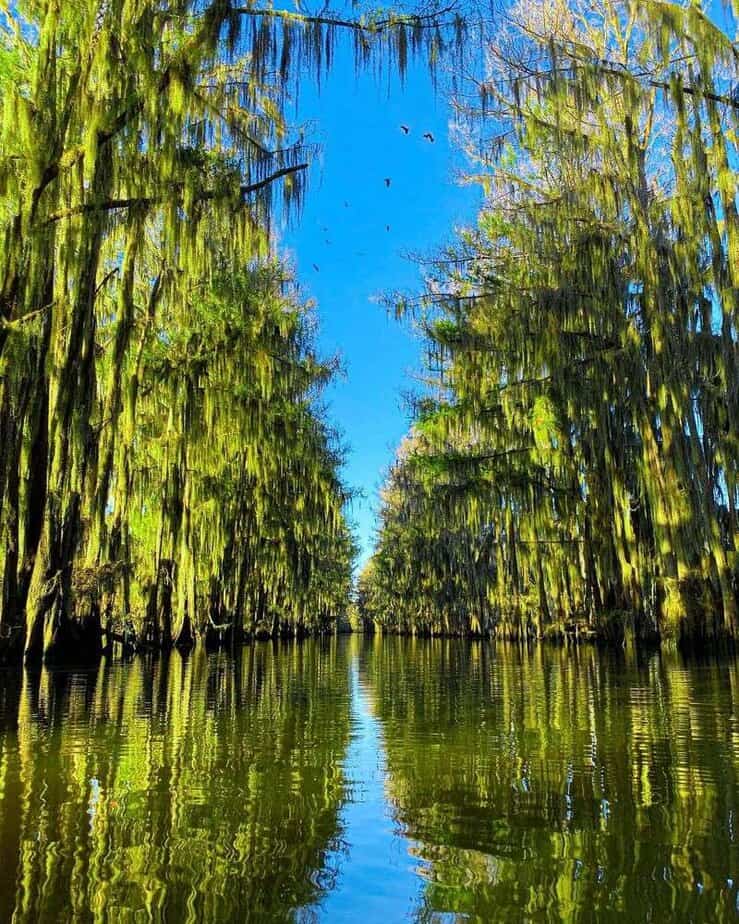
Spanish moss drapes from ancient cypress trees, creating a primeval atmosphere unlike anywhere else in Texas. This mysterious maze of bayous and sloughs contains Texas’ only naturally formed lake, though its current size resulted from a 19th-century logjam.
Paddlers navigate more than 50 miles of marked water trails through a labyrinth of cypress forests where alligators sun themselves on partially submerged logs. Fishing enthusiasts target bass, crappie and catfish in these productive waters, while photographers capture the ethereal beauty of sunlight filtering through moss-draped trees reflected in still waters.
Night brings a symphony of frogs, owls and other wetland creatures creating an immersive natural soundscape. The lake’s rich history includes Caddo Indian settlements, steamboat commerce, and pearl hunting.
15. Mustang Island
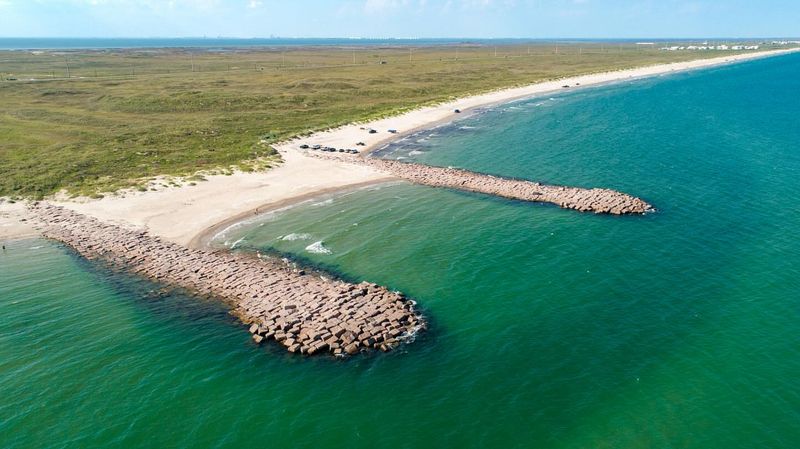
Wild and undeveloped, this barrier island offers rare primitive beach camping where vehicles can drive right onto the sand. The rhythmic sound of Gulf waves creates nature’s perfect lullaby as you fall asleep with nothing but sand between your tent and the ocean.
Kayakers explore the Mustang Island Paddling Trail through protected waters of Corpus Christi Bay, often spotting coastal birds including roseate spoonbills and reddish egrets. The 18 miles of pristine coastline provide exceptional shelling opportunities, especially after storms.
Sea turtle nesting occurs during summer months, with Kemp’s ridley and loggerhead turtles laying eggs along these protected beaches. Anglers wade into the surf to catch speckled trout, redfish, and flounder in some of Texas’ most productive coastal fishing grounds.