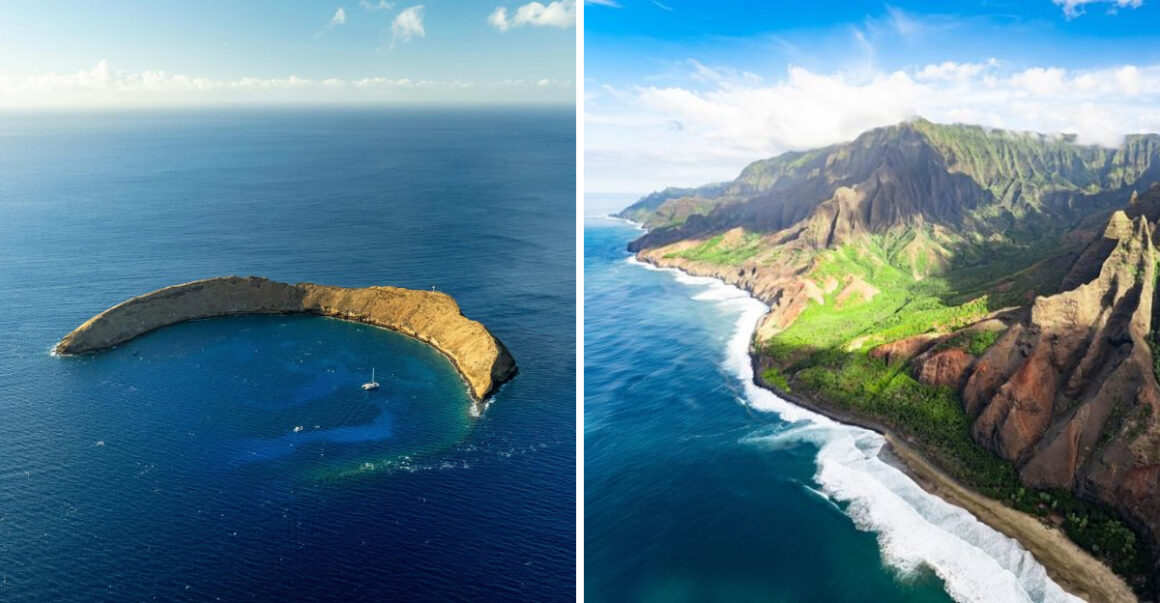
Hawaii’s volcanic origins have blessed the islands with some of the most spectacular natural landscapes on Earth. From emerald cliffs to fiery volcanoes, these islands showcase nature’s artistic genius at every turn. Whether you’re an adventure seeker or simply love beautiful scenery, these 13 natural wonders will leave you speechless and have you reaching for your camera.
1. Nā Pali Coast – Kauai
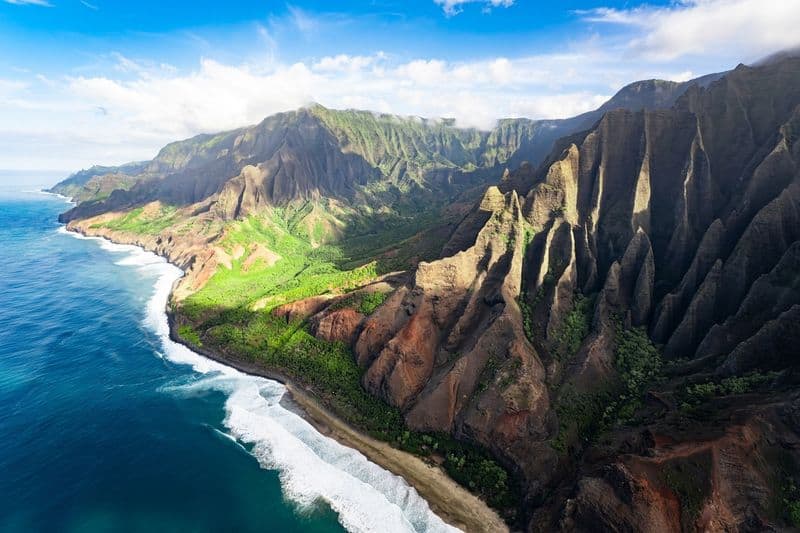
Emerald giants rise majestically from the Pacific, creating one of Hawaii’s most photographed landscapes. These 4,000-foot cliffs stretch for 17 miles along Kauai’s northwestern shore, accessible only by boat, helicopter, or the challenging Kalalau Trail.
Waterfalls cascade down verdant ridges into valleys once home to ancient Hawaiian settlements. The dramatic coastline featured in films like Jurassic Park and King Kong provides a glimpse into Hawaii’s geological power.
Sunset boat tours reveal hidden sea caves and playful spinner dolphins dancing in the turquoise waters below these towering sentinels of stone.
2. Waimea Canyon – Kauai
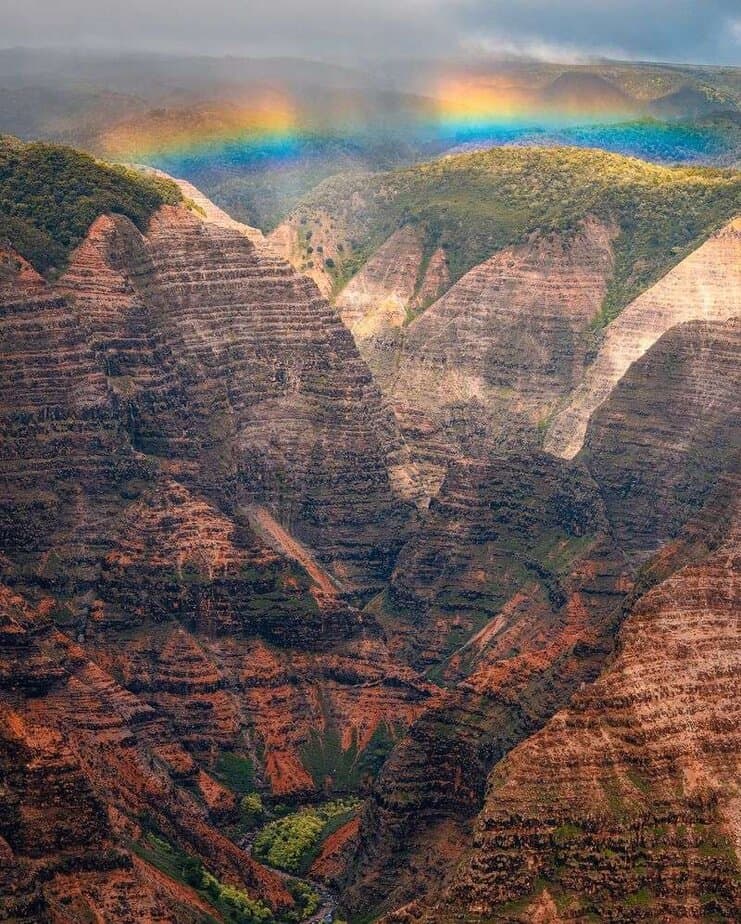
Mark Twain nicknamed it “The Grand Canyon of the Pacific” for good reason. Stretching 14 miles long, one mile wide, and over 3,600 feet deep, this geological masterpiece dazzles with bands of red, brown, and green.
Carved over millions of years by the Waimea River and shaped by the collapse of the volcano that created Kauai, the canyon reveals Earth’s history in its exposed layers. Morning fog often fills the canyon, creating a mystical atmosphere as it burns away under the rising sun.
Numerous lookout points along Waimea Canyon Drive offer spectacular vistas without strenuous hiking.
3. Molokini Crater – Maui
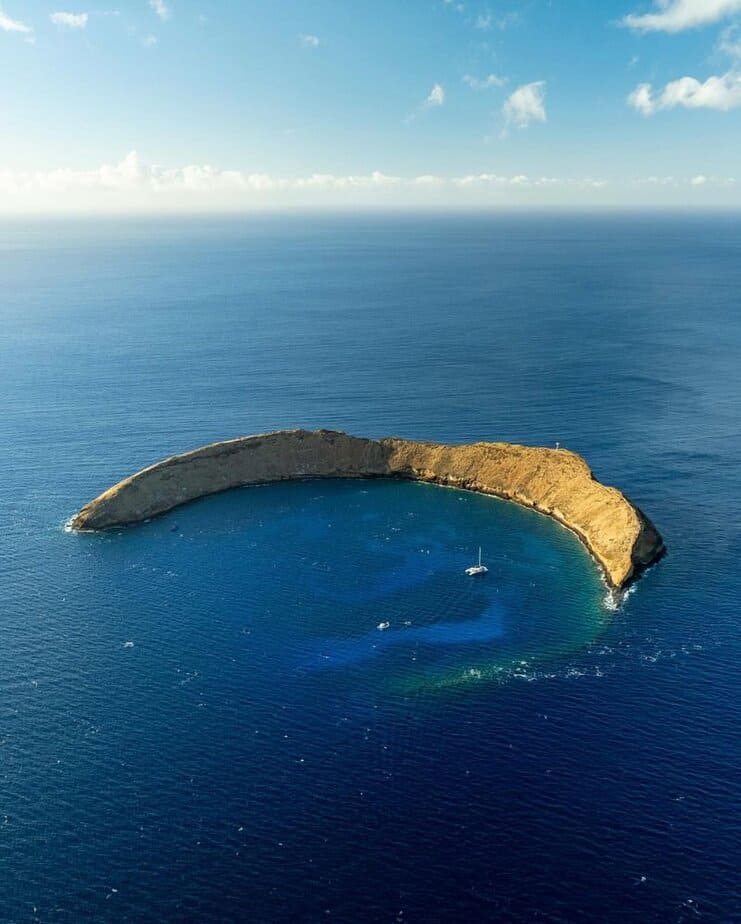
Rising from the ocean between Maui and Kahoolawe, this crescent-shaped volcanic caldera creates a natural aquarium unlike any other. The partially submerged crater formed about 230,000 years ago when volcanic eruptions created this perfect marine sanctuary.
Crystal-clear waters with visibility often exceeding 150 feet make Molokini a snorkeler’s paradise. Over 250 species of tropical fish dart among vibrant coral formations, while Hawaiian green sea turtles glide gracefully through the protected waters.
The crater’s unique shape blocks ocean currents, creating calm conditions ideal for beginners while still thrilling experienced underwater explorers.
4. Haleakalā Crater – Maui
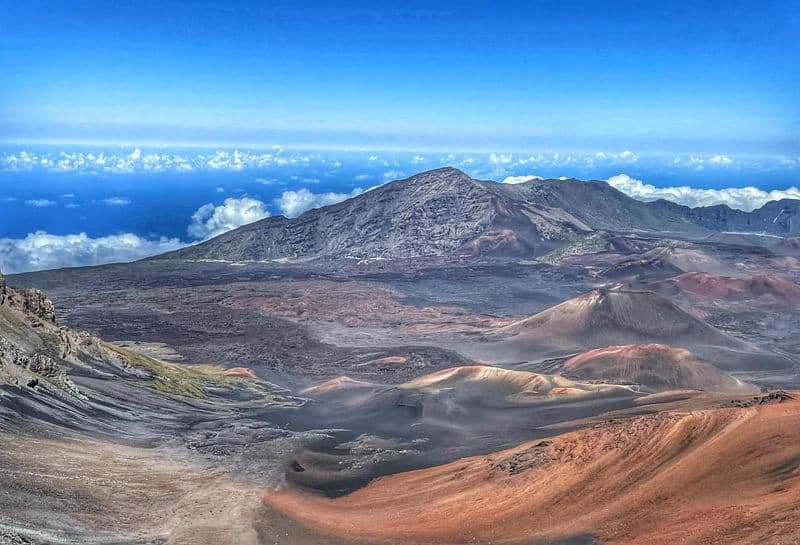
Standing atop this massive shield volcano at sunrise feels like witnessing the birth of a new day from another planet. At 10,023 feet above sea level, Haleakalā (House of the Sun) creates its own weather systems and ecosystems.
The massive depression spans 7 miles across and nearly 2,600 feet deep. Mars-like red cinder cones dot the crater floor, while silversword plants—found nowhere else on Earth—add alien beauty to the landscape.
Native Hawaiians believed this sacred place was where the demigod Maui snared the sun, slowing its journey across the sky to lengthen the day for his mother’s tapa cloth to dry.
5. Road to Hana – Maui
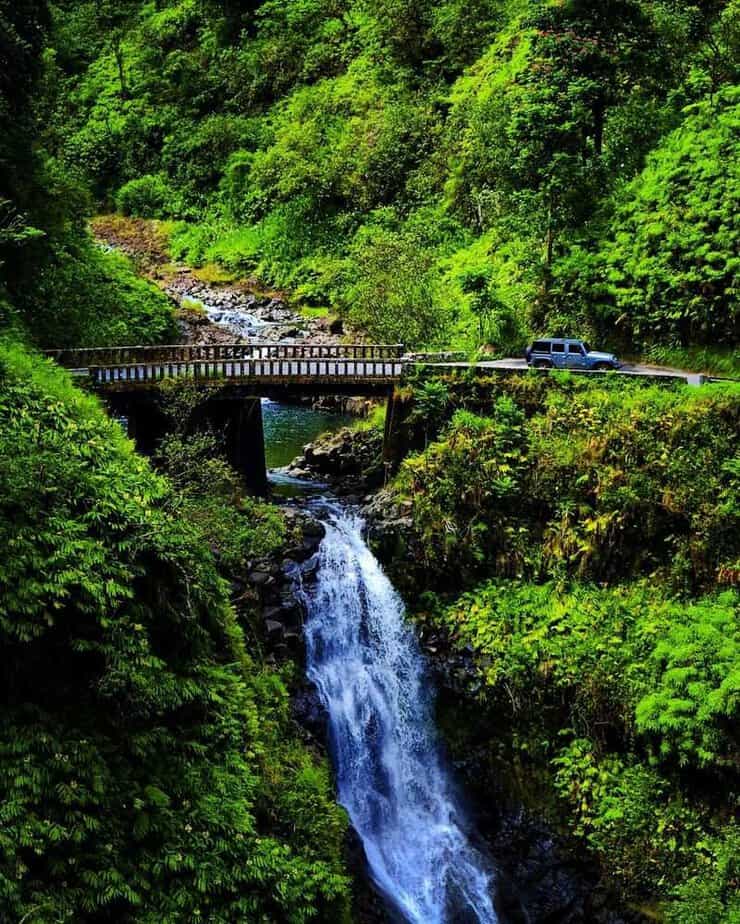
More journey than destination, this legendary 64-mile highway winds through 620 curves and crosses 59 bridges, most single-lane. Around every bend, nature unveils a new masterpiece—from cascading waterfalls to hidden beaches.
The Ke’anae Peninsula showcases Hawaii’s raw power where jagged lava fields meet crashing waves. At Wai’anapanapa State Park, midnight-black sand contrasts dramatically with turquoise waters and emerald jungle.
Take your time exploring bamboo forests, rainbow eucalyptus groves, and roadside stands selling fresh banana bread and coconut candy. The true magic lies not in rushing to Hana but in savoring each breathtaking moment along the way.
6. Papakōlea Green Sand Beach – Big Island
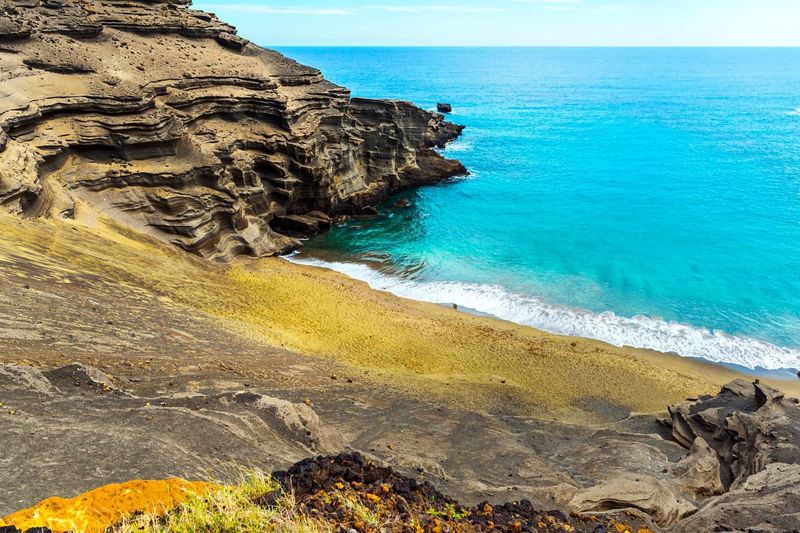
Mother Nature rarely creates green beaches—only four exist worldwide, and this hidden gem on Hawaii’s Big Island ranks among them. The unusual olive hue comes from olivine crystals, minerals from the surrounding cinder cone that eroded over thousands of years.
Reaching this remote treasure requires a 2.5-mile hike across windswept terrain at Ka Lae (South Point), the southernmost tip of the United States. Your reward? Swimming in a natural half-moon bay where emerald sand sparkles between your toes.
Ancient Hawaiians considered olivine tears of the volcano goddess Pele—a reminder of the islands’ fiery origins and continuing volcanic activity.
7. Hawaiʻi Volcanoes National Park – Big Island
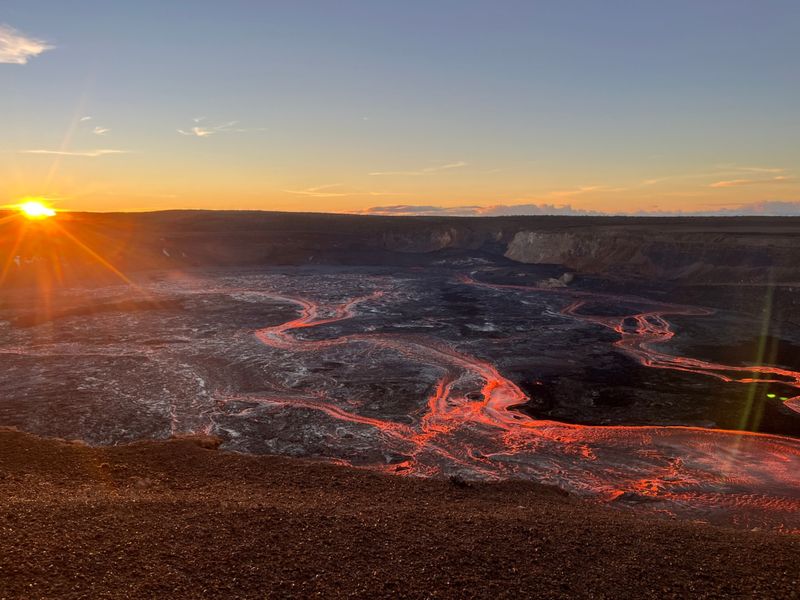
Witness Earth’s primal forces at work in this UNESCO World Heritage site where Kīlauea, one of the world’s most active volcanoes, continuously reshapes the landscape. Steam vents hiss from cracks in the ground while sulfur banks paint hillsides vibrant yellow.
The 11-mile Crater Rim Drive circles Kīlauea’s summit caldera, offering spectacular views of vast lava fields. After dark, the park transforms as molten lava illuminates the night sky with an otherworldly orange glow.
Native Hawaiians revere this as the home of Pele, the volcano goddess. Her fiery temperament creates new land before your eyes—the Big Island grows larger with each eruption.
8. Akaka Falls – Big Island
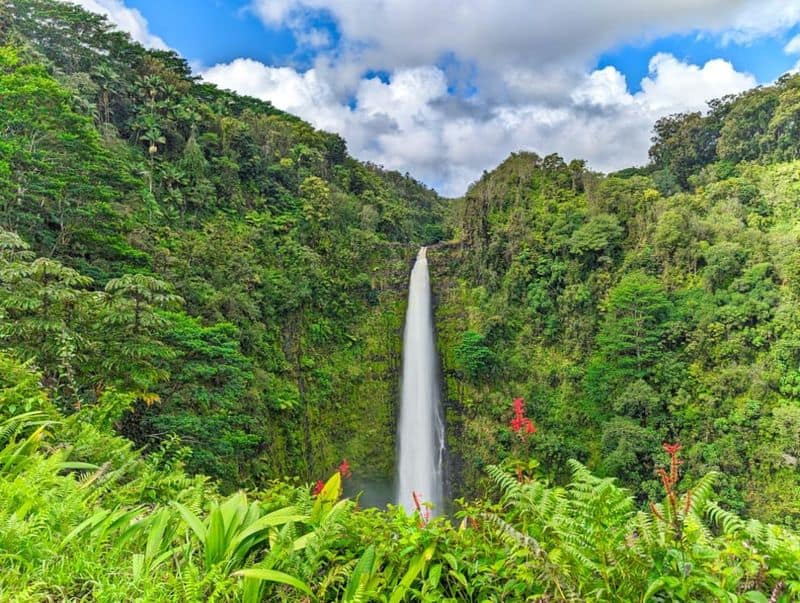
Tucked away in a lush rainforest north of Hilo, this 442-foot waterfall plunges dramatically into a gorge carved through ancient lava flows. Morning rainbows often dance in the mist at the base of the falls, creating magical photo opportunities.
A paved 0.4-mile loop trail winds through a botanical paradise of wild orchids, bamboo groves, and massive banyan trees. The humid air carries the sweet scent of ginger flowers and tropical fruits growing wild along the path.
Look for the smaller 100-foot Kahuna Falls along the same trail. Both waterfalls are fed by the Kolekole Stream, which originates high in the mountains and carries rainfall from one of the wettest regions in America.
9. Waipiʻo Valley – Big Island
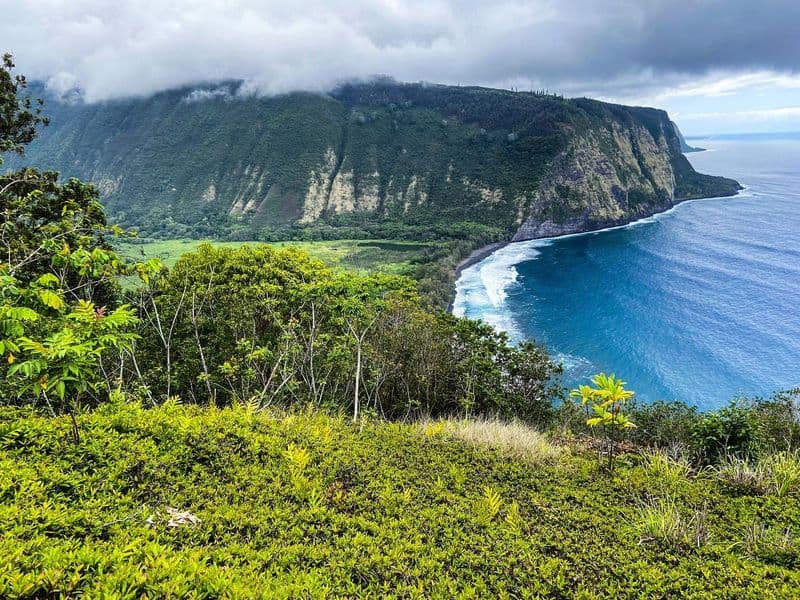
Ancient Hawaiians called this sacred valley “The Valley of the Kings” because it once housed royal residences. Today, this mile-wide gash in the Kohala Mountains dazzles with 2,000-foot cliffs, cascading waterfalls, and a black sand beach where wild horses sometimes roam.
Taro fields still flourish on the valley floor, cultivated by the few residents who call this remote paradise home. The valley’s isolation preserved much of its natural beauty and cultural significance.
The steep access road requires four-wheel drive, but the overlook provides spectacular views for those unwilling to brave the 25% grade—one of the steepest roads in the United States.
10. Diamond Head Crater – Oʻahu
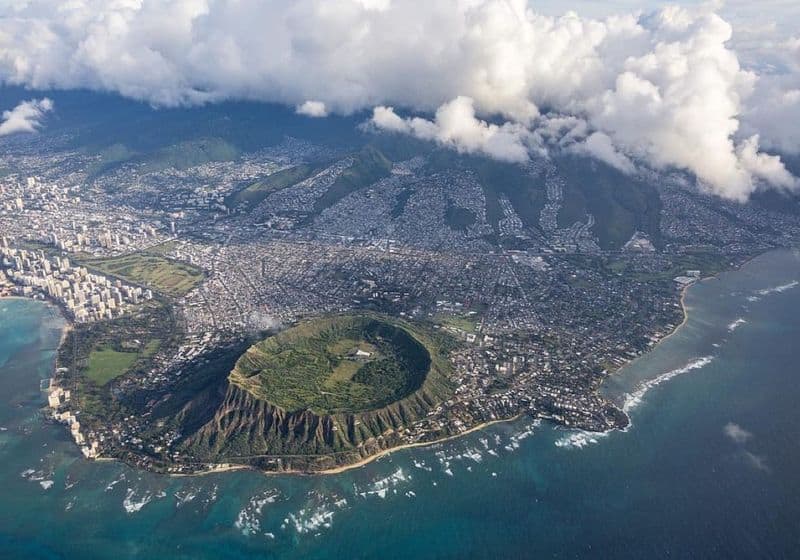
Rising majestically above Waikiki Beach, this iconic volcanic tuff cone has welcomed visitors to Oahu for centuries. Hawaiian natives called it Lēʻahi (brow of the tuna) for its distinctive ridgeline resembling a tuna’s dorsal fin.
Western sailors mistook calcite crystals in the rocks for diamonds, giving the crater its modern name. A moderate 1.6-mile round-trip hike takes you through a 225-foot tunnel and up 175 steps to the summit, where panoramic views stretch from Koko Head to Waiʻanae.
Built as a military lookout in 1908, the summit bunkers now serve as viewing platforms for one of Hawaii’s most rewarding short hikes.
11. Hanauma Bay – Oʻahu
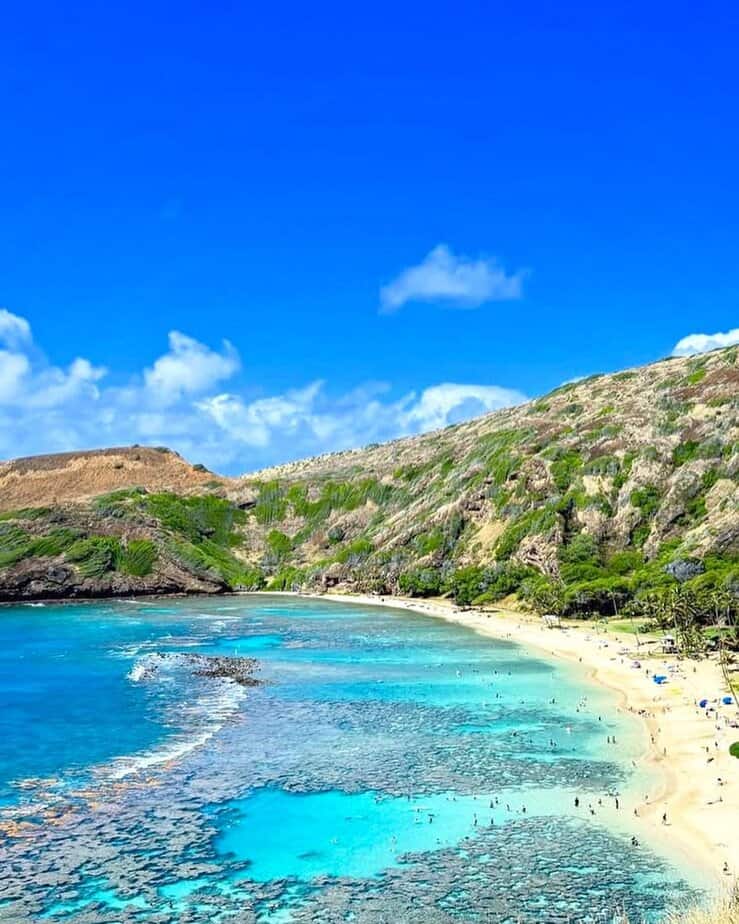
Formed within a volcanic crater that flooded when its outer wall collapsed 7,000 years ago, this protected marine ecosystem offers Hawaii’s most accessible snorkeling experience. The horseshoe-shaped bay cradles a vibrant reef just offshore where over 400 species of colorful fish thrive.
Conservation efforts since the 1990s have restored this natural treasure after decades of overuse. First-time visitors watch a mandatory educational video before descending to the beach, learning how to enjoy the bay without harming its delicate ecosystem.
Early morning visits reward you with clearer water and fewer crowds. Look for Hawaii’s state fish, the humuhumunukunukuapua’a, darting among coral formations in the shallow, protected waters.
12. Kualoa Ranch – Oʻahu
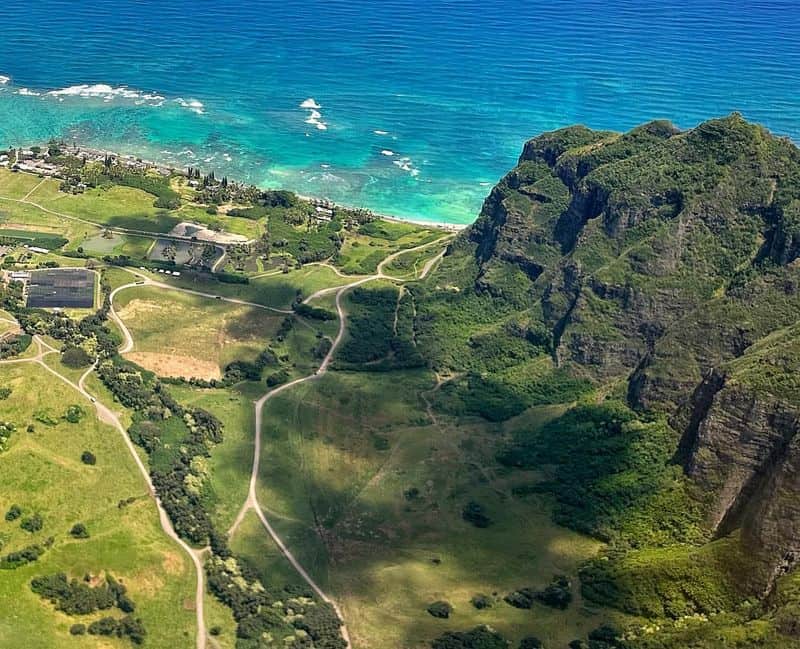
Hollywood discovered this 4,000-acre nature preserve decades ago, using its dramatic landscapes as backdrops for Jurassic Park, Lost, and dozens of other productions. The jagged Kualoa Mountains rise dramatically from lush valleys, creating scenery so spectacular it seems designed for the big screen.
Once a sacred learning center for Hawaiian chiefs, this working cattle ranch now offers ATV tours, horseback riding, and movie location tours. The towering mountain ridge known as Kānehoalani serves as a stunning backdrop to the ancient Moliʻi fishpond built 800 years ago.
From certain vantage points, the mountains perfectly frame Chinaman’s Hat (Mokoliʻi Island), creating one of Oahu’s most photographed landscapes.
13. Kalalau Trail – Kauai
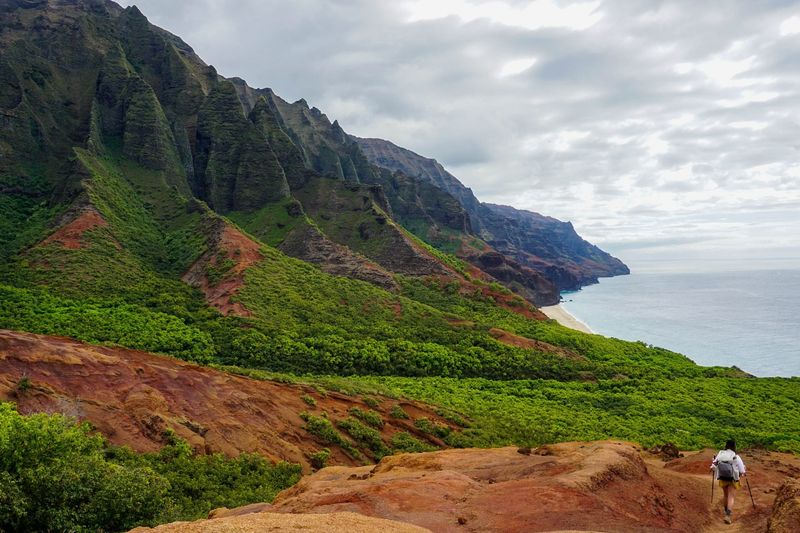
Hugging the legendary Nā Pali coastline for 11 miles, this challenging trail rewards hikers with views found nowhere else on Earth. The path traverses five valleys before ending at Kalalau Beach, a remote paradise accessible only by foot or boat.
Ancient Hawaiian agricultural terraces still visible along the route speak to generations who once thrived in these isolated valleys. Crossing seasonal streams and navigating narrow paths along 300-foot sea cliffs, this trail demands respect and proper preparation.
Many hikers tackle just the first two miles to Hanakapiai Beach, a challenging but manageable day hike offering spectacular coastal views. The complete trail requires a permit and typically takes two days each way.