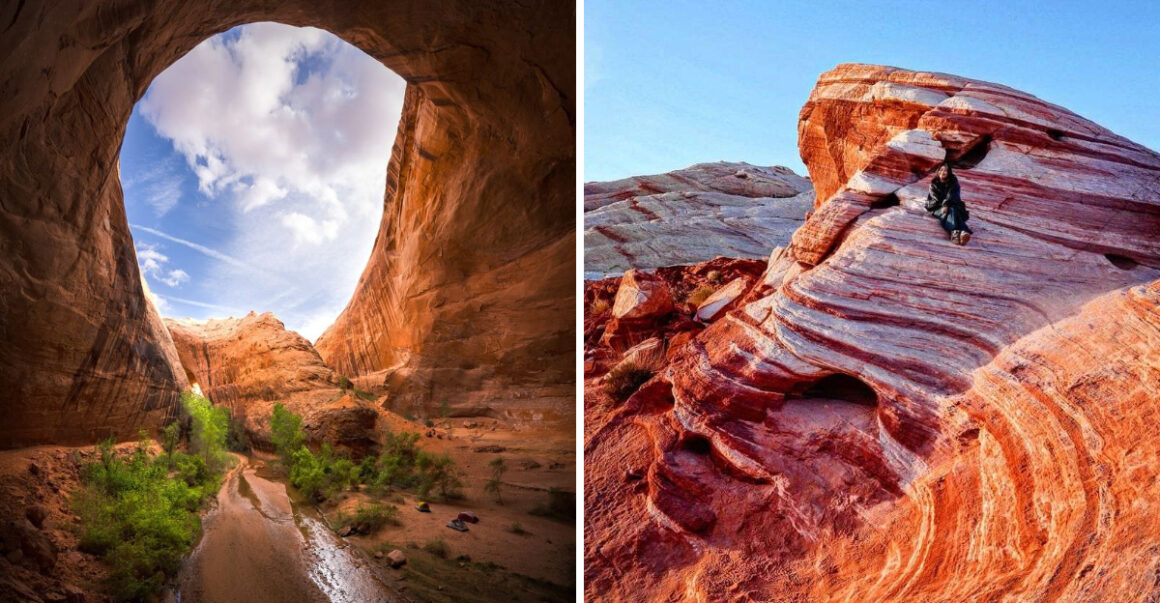
The American Southwest hides natural wonders beyond the famous Grand Canyon and Zion National Park. These lesser-known treasures offer breathtaking landscapes without the crowds. Pack your hiking boots and camera as we explore ten spectacular destinations tucked away in the desert Southwest that most travelers miss but shouldn’t.
1. Capulin Volcano, New Mexico
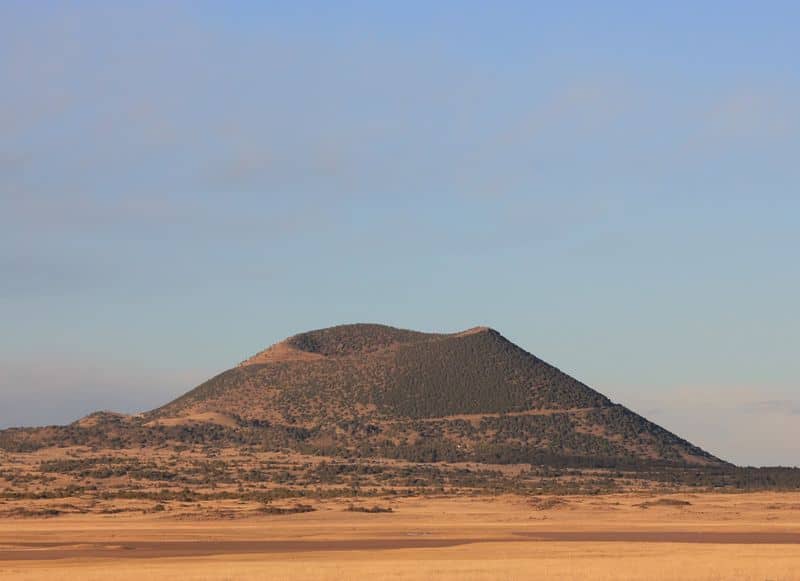
Standing atop this perfectly formed cinder cone feels like touching the sky. The extinct volcano rises dramatically from the surrounding plains, offering a rare chance to peer directly into Earth’s fiery past.
A paved road spirals to the summit where a mile-long rim trail delivers panoramic views stretching across four states. On clear days, visitors can spot landmarks in Colorado, Oklahoma, and Texas while standing firmly in New Mexico.
Wildlife watchers might glimpse mule deer or wild turkeys among the piñon-juniper woodland that now thrives on these ancient lava flows. The visitor center provides fascinating insights into the geological forces that shaped this landscape 60,000 years ago.
2. El Morro National Monument, New Mexico
A massive sandstone bluff rises from the desert floor, bearing witness to centuries of human passage. Known as ‘Inscription Rock,’ this natural landmark served as an ancient billboard where travelers carved their marks beside a precious desert pool.
Native American petroglyphs share space with Spanish conquistador signatures and messages from 19th-century pioneers heading west. The oldest European inscription dates to 1605, predating Plymouth Rock by 15 years.
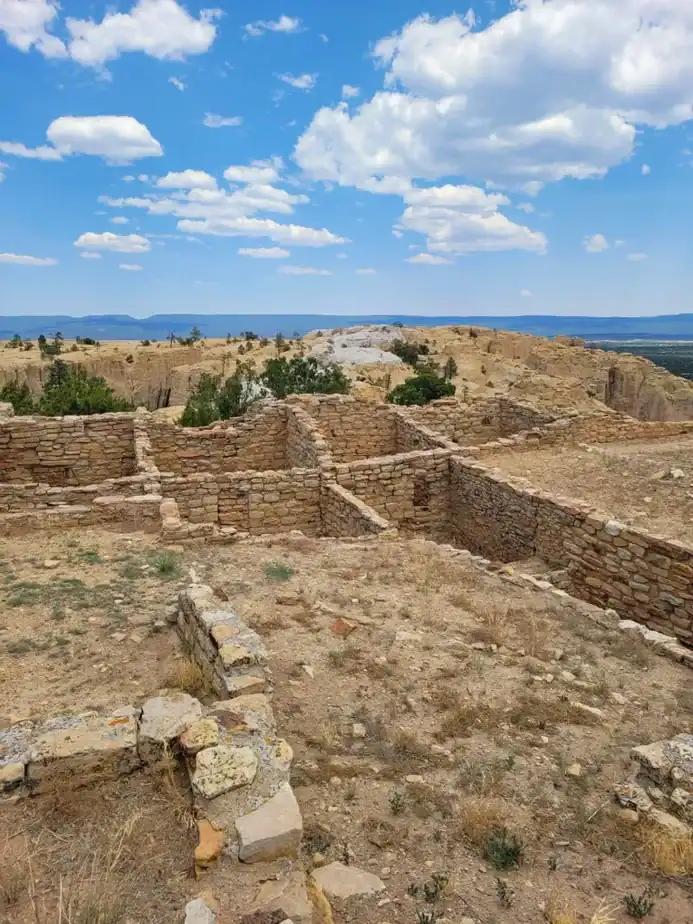
A moderate two-mile loop trail leads visitors past hundreds of these fascinating carvings before climbing to the mesa top. There, ruins of Ancestral Puebloan villages offer glimpses into communities that thrived here long before European contact.
3. Chiricahua National Monument, Arizona
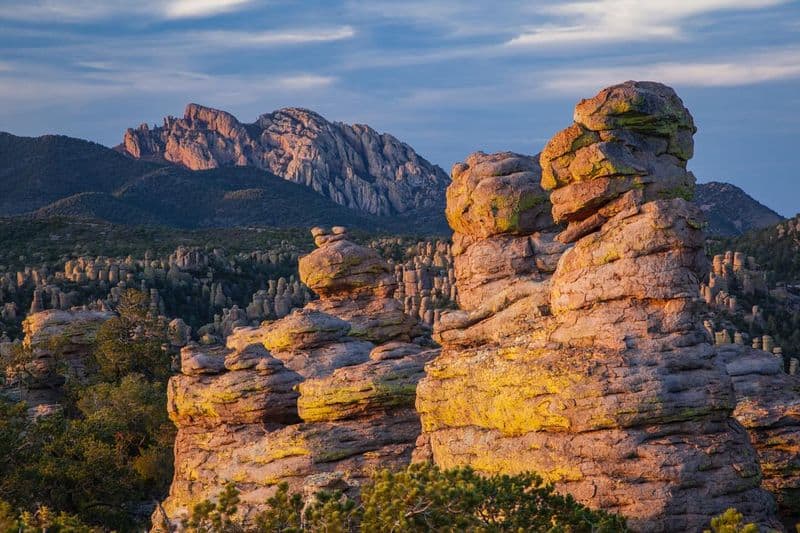
Volcanic forces and 27 million years of erosion created this stone wonderland in southeastern Arizona. Towering rock pinnacles stand like sentinels guarding a forgotten realm, their balanced forms defying gravity and imagination.
Nicknamed the ‘Wonderland of Rocks,’ Chiricahua offers 17 miles of hiking trails winding through formations with whimsical names like Mushroom Rock and Duck on a Rock. The eight-mile scenic drive provides access to overlooks where visitors can appreciate the scale of this remarkable landscape.
Apache leader Cochise once used these stone labyrinths as natural fortresses. Today, the monument protects not just geological wonders but diverse ecosystems where Mexican species meet their northern counterparts in a biological crossroads.
4. El Malpais National Monument, New Mexico
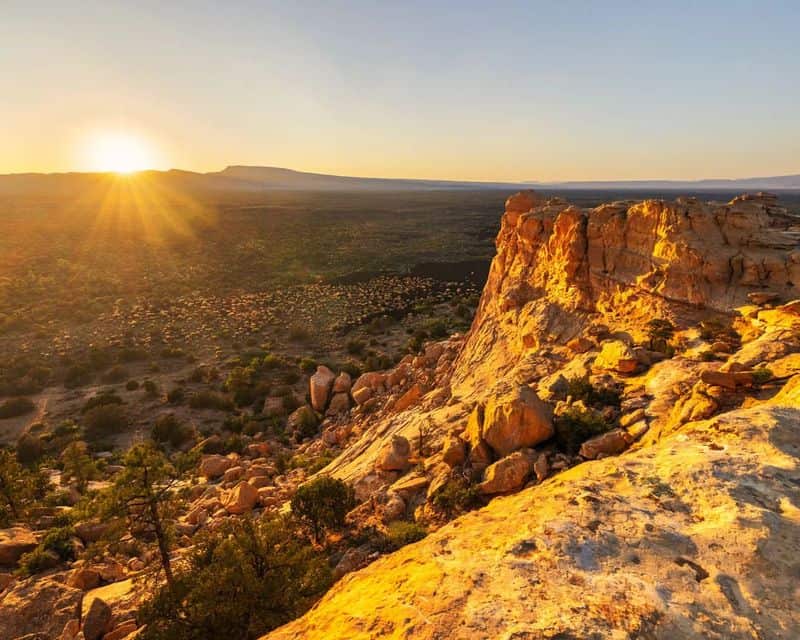
The name means ‘badlands’ in Spanish, but this otherworldly landscape feels more like walking on another planet. Ancient lava flows have hardened into a black rock sea that stretches for miles, creating a stark contrast against New Mexico’s blue skies.
Venture across the jagged terrain on designated trails or explore hidden lava tube caves formed when the outer crust hardened while molten lava continued flowing beneath. The caves maintain near-freezing temperatures year-round, with some containing delicate ice formations even in summer.
Sandstone bluffs rise dramatically along the monument’s edges, providing habitat for diverse plant communities. Indigenous peoples have considered this challenging landscape sacred for generations, using established routes across the lava that continue to serve hikers today.
5. Bisti/De-Na-Zin Wilderness, New Mexico
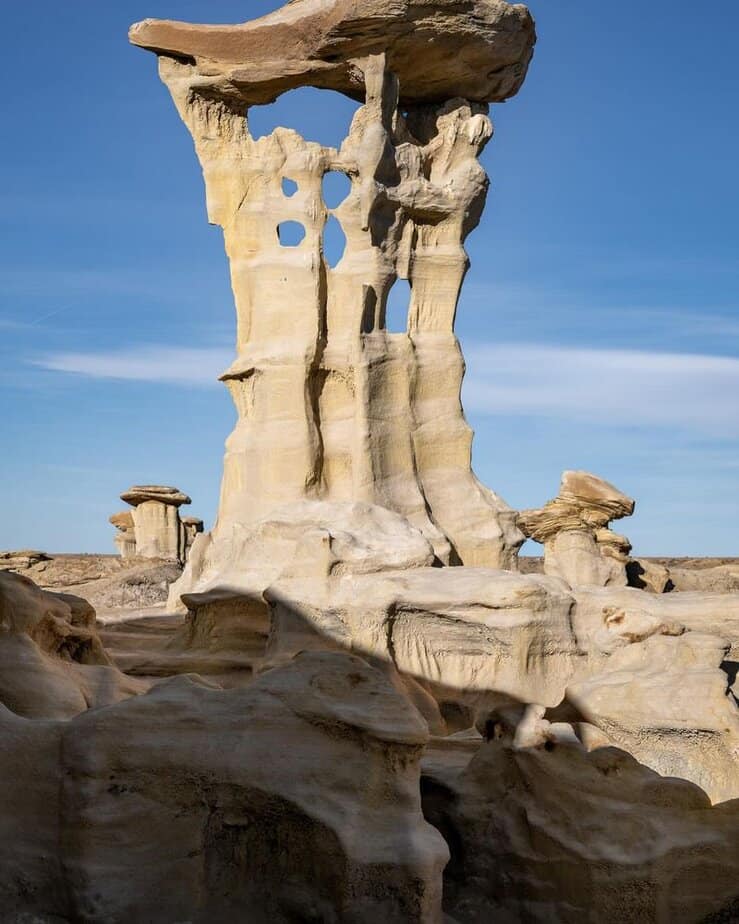
Time and weather have sculpted this remote badland into a surreal gallery of fantastical shapes. Stone wings, mushrooms, and the famous ‘Alien Throne’ rise from an ancient seabed, creating landscapes that seem plucked from science fiction.
No marked trails exist in this 45,000-acre wilderness—visitors navigate using GPS or natural landmarks. The reward for this self-sufficiency is profound solitude among some of America’s most unusual geological formations.
Millions of years ago, this area was a coastal swamp where dinosaurs roamed. Today, their petrified remains occasionally emerge from eroding hillsides, while the nighttime sky offers stargazing opportunities unhindered by light pollution. Early morning and evening light transform the pale formations with dramatic shadows and warm hues.
6. Goblin Valley State Park, Utah
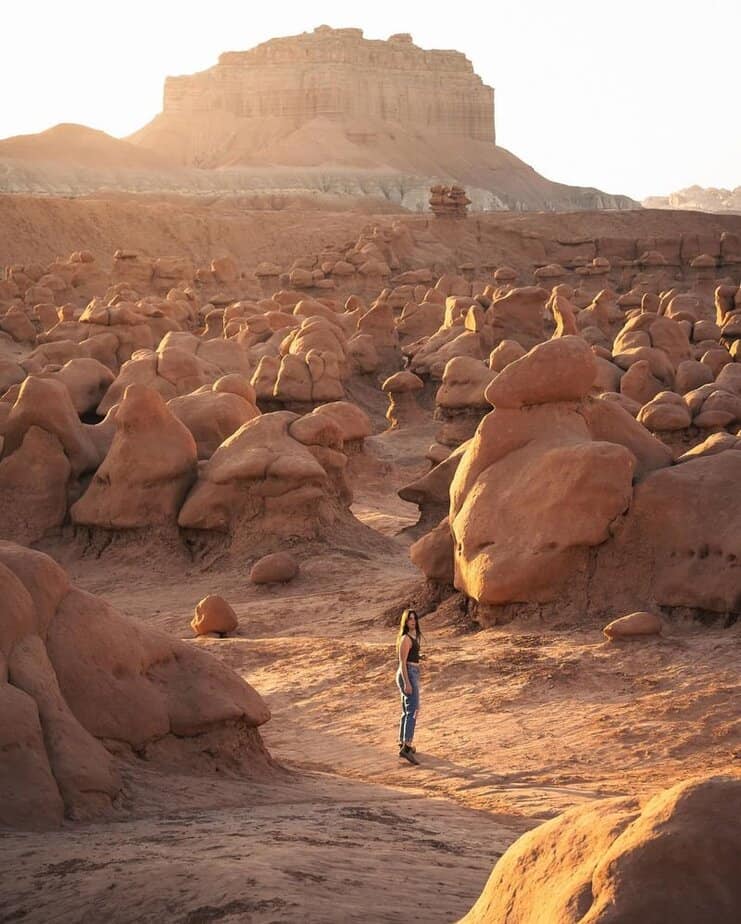
Thousands of mushroom-shaped rock formations stand in silent congregation across this valley floor. Unlike most parks with designated trails, Goblin Valley invites visitors to wander freely among its whimsical stone inhabitants.
These ‘goblins’ formed when softer sandstone eroded away beneath harder caprock, creating an otherworldly playground perfect for exploration. Children delight in climbing among formations while adults appreciate the geological wonder of it all.
The park’s remote location provides spectacular dark sky viewing opportunities. Stay overnight at one of the campgrounds to witness the Milky Way arching overhead in stunning clarity. Morning and evening light bring the goblins to life with shifting shadows that seem to animate their unusual forms.
7. Valley of Fire State Park, Nevada
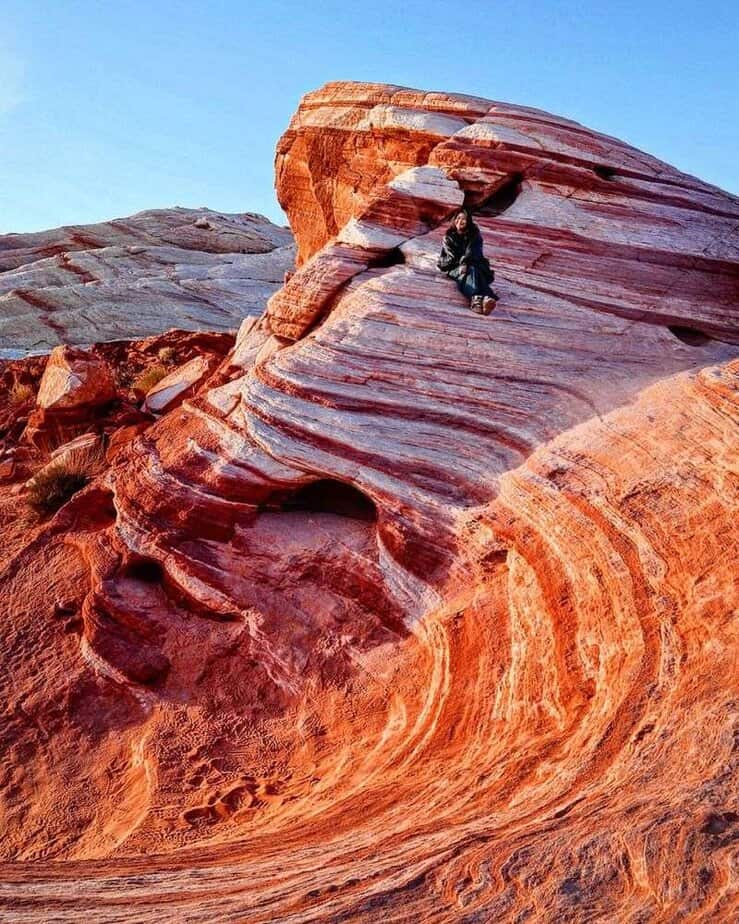
Just an hour from Las Vegas lies a landscape that couldn’t be more different from the Strip’s neon glow. Vibrant red Aztec sandstone outcrops create a fiery landscape that appears ablaze when sunlight strikes at certain angles.
Ancient petroglyphs etched into rock faces tell stories of the Ancestral Puebloan people who once lived here. The park’s most famous formation, Elephant Rock, naturally resembles a pachyderm complete with trunk. Other highlights include beehive-shaped formations and the narrow passage known as Mouse’s Tank.
Wildlife thrives in this harsh environment, with desert bighorn sheep often spotted navigating steep terrain. Spring brings desert wildflowers that provide stunning contrast against the red rocks. Visit during cooler months to enjoy the seven miles of scenic hiking trails comfortably.
8. Canyon de Chelly National Monument, Arizona
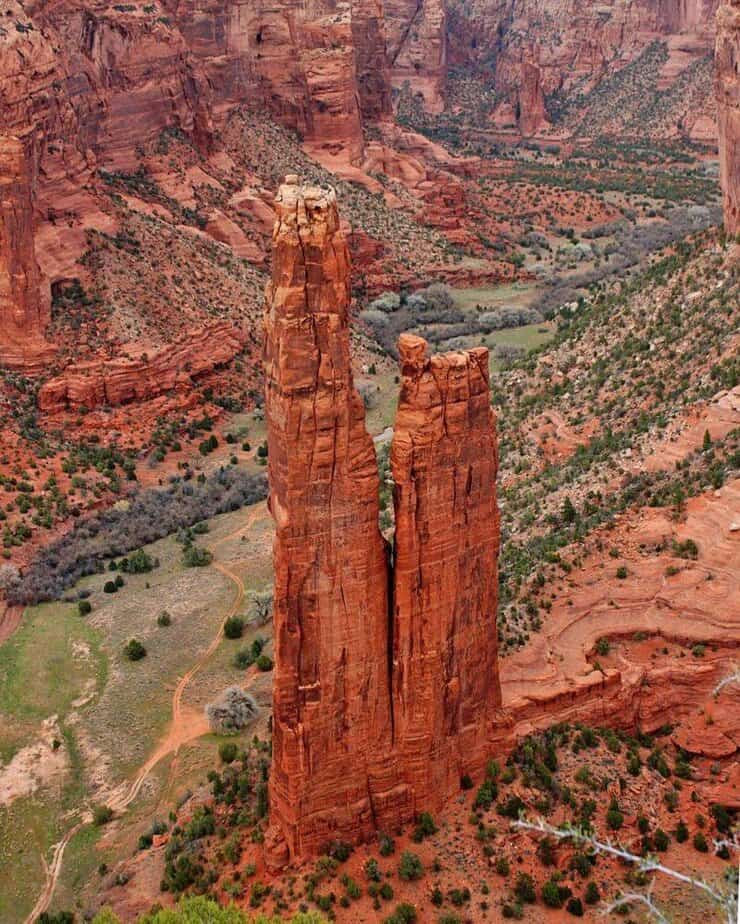
Sacred to the Navajo people, this network of canyons combines stunning natural beauty with rich cultural history. Sheer sandstone walls rise 1,000 feet from the canyon floor, creating a dramatic backdrop for ancient cliff dwellings.
Unlike most national monuments, Canyon de Chelly remains home to Navajo families who continue farming traditional plots along the canyon bottom. This living connection to the land creates a unique experience where past and present intertwine.
The iconic Spider Rock spire stands 800 feet tall, featuring prominently in Navajo creation stories. Most visitors view the canyon from rim overlooks, while guided tours with Navajo operators provide access to the canyon floor where you can see White House Ruins and other archaeological sites up close.
9. Hovenweep National Monument, Utah/Colorado border
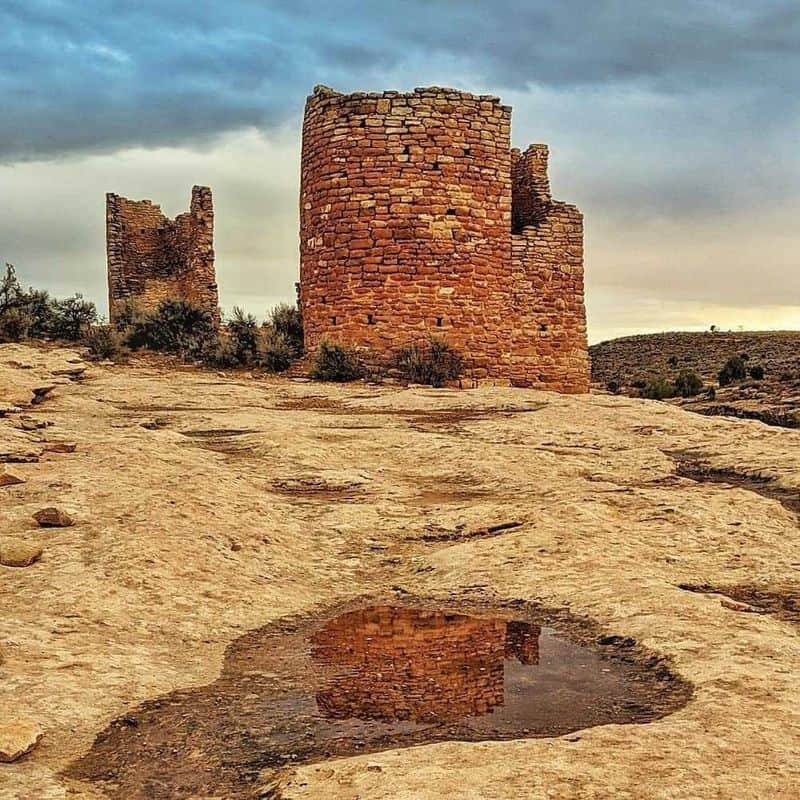
Six prehistoric villages spread across a remote mesa landscape showcase the architectural ingenuity of Ancestral Puebloan people. Square, round, and D-shaped towers perch dramatically on canyon rims and boulder tops, their purpose still debated by archaeologists.
Built between 1200 and 1300 CE, these structures feature sophisticated construction techniques including careful astronomical alignments. The name ‘Hovenweep’ means ‘deserted valley’ in the Ute language, reflecting the mysterious abandonment of these settlements around 1300.
A two-mile loop trail connects the largest collection of structures at Square Tower Group. The monument’s remote location rewards visitors with profound silence and exceptional stargazing under officially designated International Dark Sky protection. Spring wildflowers and fall colors enhance the already spectacular landscape.
10. Coyote Gulch, Utah
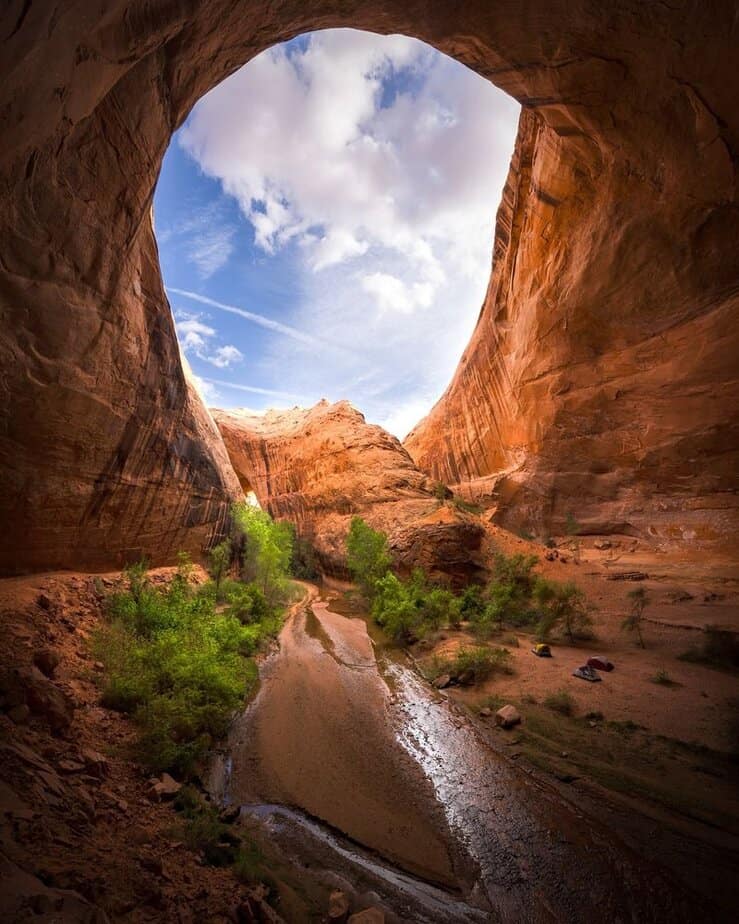
Water carved this sinuous canyon through the heart of Grand Staircase-Escalante National Monument, creating one of the Southwest’s premier backpacking destinations. A year-round stream supports lush vegetation that contrasts dramatically with the surrounding desert.
Towering sandstone walls frame natural wonders including Jacob Hamblin Arch and Coyote Natural Bridge. The stream meanders lazily across sandy beaches and through narrow passages where walls rise hundreds of feet on either side.
Backpackers typically spend 2-3 days exploring the canyon’s 13-mile length, camping on sandy benches beneath overhanging cliffs. Several access points offer routes of varying difficulty, from scrambling down steep slickrock to more gradual approaches. Spring brings wildflowers while fall offers pleasant temperatures and golden cottonwoods.