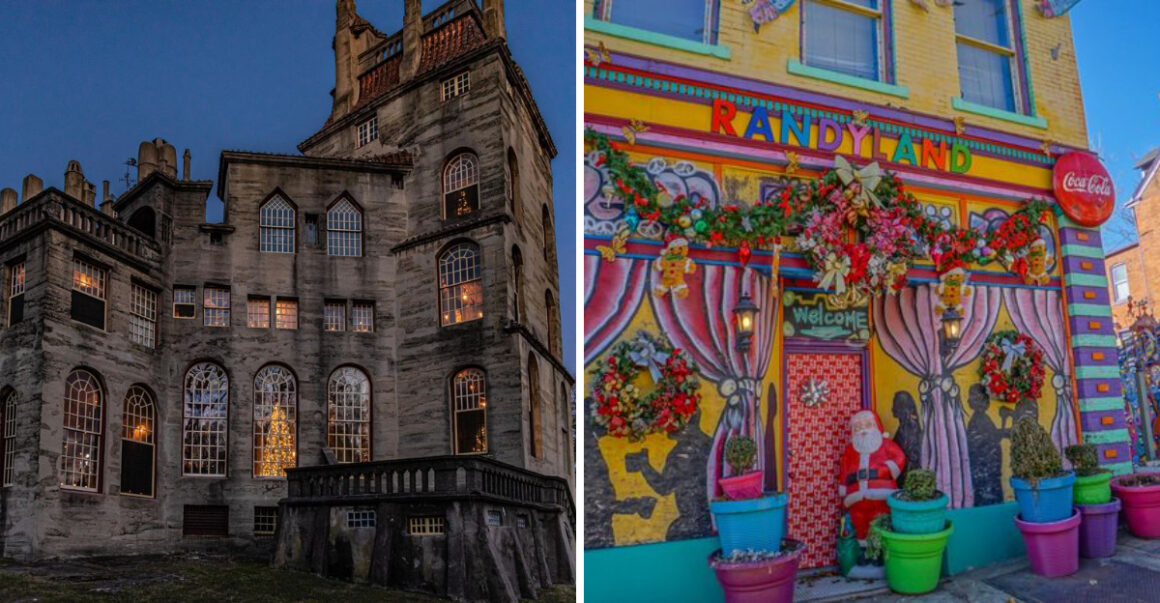
Pennsylvania hides some of the weirdest and most wonderful museums you’ve never heard about. From medical oddities to pizza memorabilia, the Keystone State offers attractions that go way beyond your typical history exhibits. Pack your curiosity and sense of adventure as we explore these nine mind-boggling museums that prove Pennsylvania might just be the quirky capital of the museum world.
1. Mütter Museum – Philadelphia
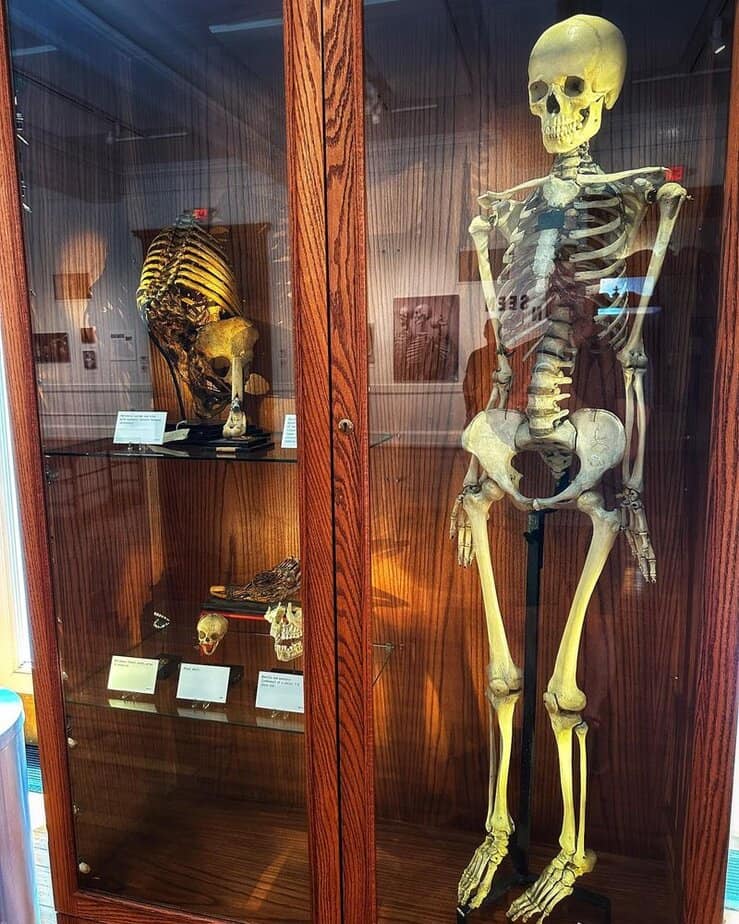
Walking through the Mütter Museum feels like stepping into a Victorian medical nightmare – in the best possible way. Glass cases display preserved human organs affected by rare diseases, while Einstein’s actual brain slices sit nearby under careful preservation.
Established by the College of Physicians of Philadelphia, this cabinet-style collection turns the stomach and fascinates the mind simultaneously. Medical students visit for education, but everyday visitors come for the macabre thrill.
The antique surgical tools might make you grateful for modern medicine, while the wall of skulls showcases human diversity in a uniquely scientific context. Not for the squeamish, but absolutely unforgettable.
2. The Stoogeum – Ambler (Montgomery County)
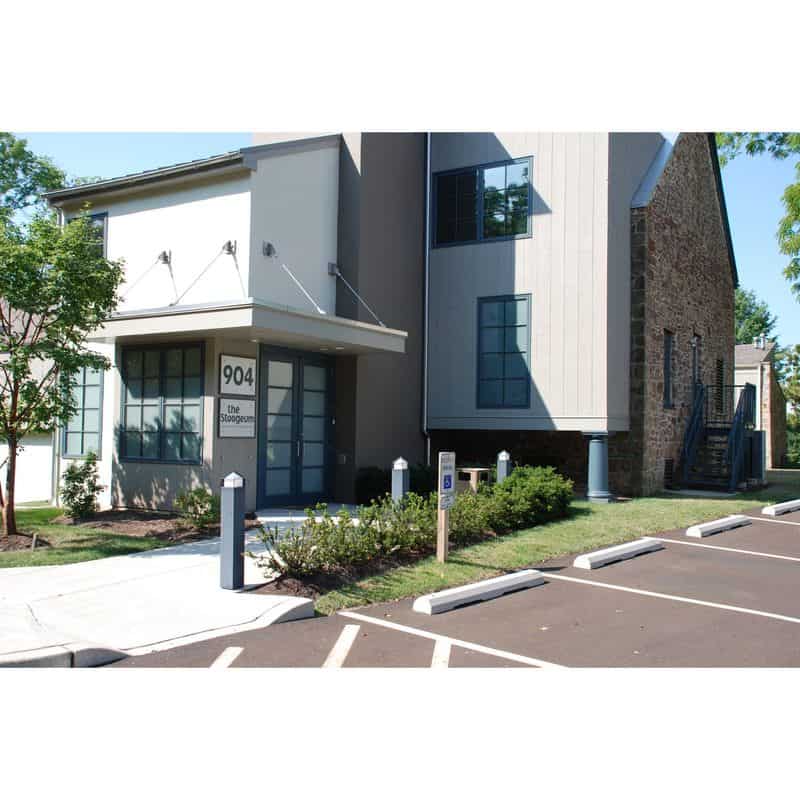
Nyuk-nyuk-nyuk! Spread across three floors, The Stoogeum houses nearly 100,000 pieces of Three Stooges memorabilia that would make even Curly shout with glee. Costumes worn by the comedy legends stand near original props that took slapstick punishment on screen.
Founded by superfan Gary Lassin, this temple to comedy includes a research library containing scripts and business records that scholars actually use for serious study. The in-house theater screens rare footage you won’t find anywhere else.
Kids enjoy the interactive arcade games while adults appreciate seeing Moe Howard’s driver’s license or original lobby cards from the 1930s. It’s the world’s only museum dedicated entirely to preserving the legacy of these beloved knuckleheads.
3. Mercer Museum & Fonthill Castle – Doylestown
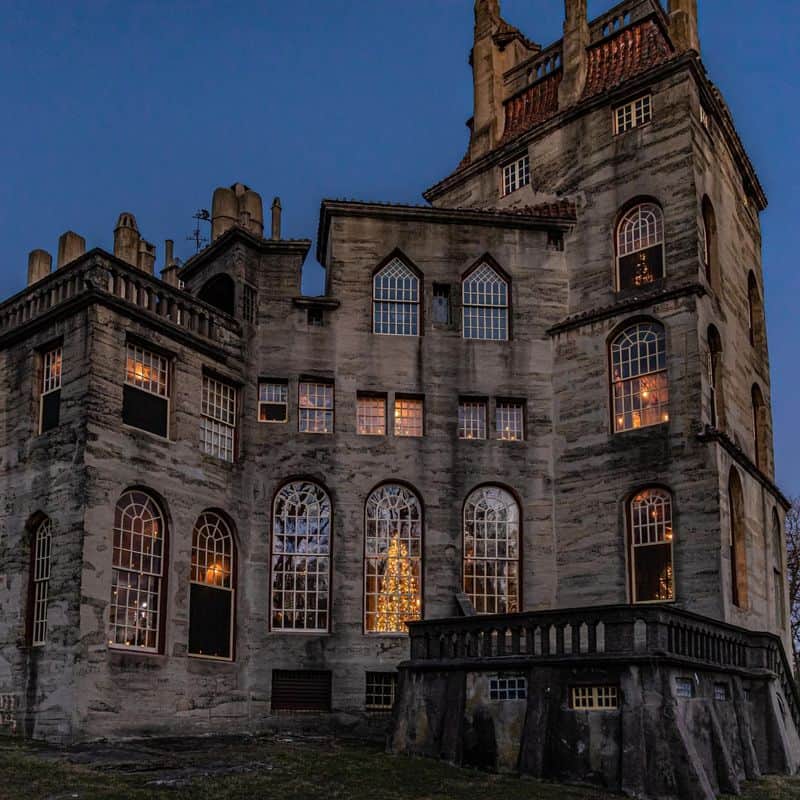
Henry Mercer wasn’t just wealthy – he was wonderfully eccentric. His concrete castle museum appears ordinary outside but explodes with visual chaos inside, where thousands of pre-industrial tools hang from ceilings and walls in organized madness. A massive whaling boat somehow suspended above visitors’ heads makes everyone look up in wonder.
Each room showcases different trades – blacksmithing, shoemaking, farming – preserving American craftsmanship that was vanishing even in Mercer’s time. Nearby, his personal home Fonthill Castle features 44 rooms embedded with handmade decorative tiles from his own kilns.
The eccentric millionaire designed both buildings without architectural training, creating spaces that feel like walking through someone’s brilliant, beautiful dream.
4. Center for PostNatural History – Pittsburgh
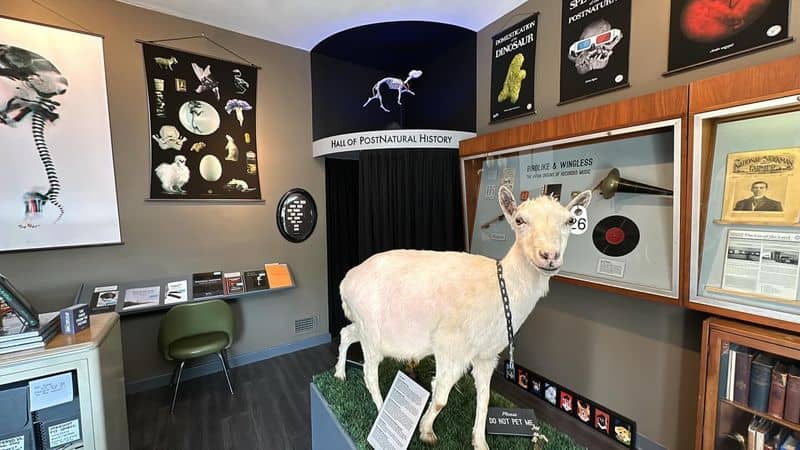
Fluorescent rabbits engineered to glow in the dark. Goats modified to produce spider silk proteins in their milk. These aren’t science fiction fantasies but real exhibits at Pittsburgh’s strangest museum.
The Center for PostNatural History examines organisms intentionally altered by human intervention – from familiar Sea Monkeys to experimental laboratory specimens. Founded by artist Richard Pell, this unassuming storefront challenges visitors to consider the ethical implications of genetic modification.
Unlike traditional natural history museums celebrating evolution’s natural course, this collection documents how humans have become a driving force in biological development. The specimens might seem like oddities, but they represent our species’ growing power to reshape life itself – for better or worse.
5. Trundle Manor – Pittsburgh
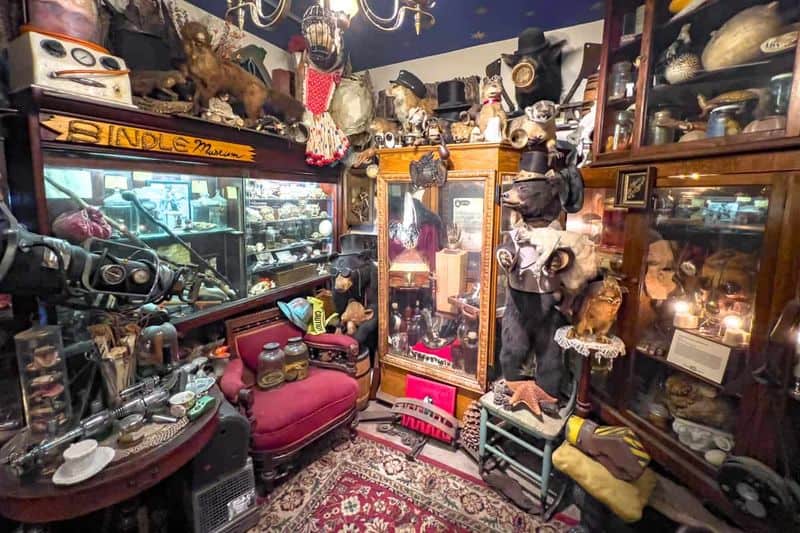
“That’s not a museum – that’s someone’s house!” visitors often exclaim when arriving at Trundle Manor. They’re right on both counts.
This private residence doubles as Pittsburgh’s strangest tourist attraction, where owners Rachel Rech and Anton Miriello live among their collection of oddities. Vintage taxidermy creatures pose in unnatural positions while medical specimens float in jars of preservative fluid. Antique weapons line the walls near bizarre mechanical contraptions the owners built themselves.
Tours happen by appointment only, with the enthusiastic hosts explaining each treasure’s backstory. Instead of admission fees, they request “donations” – preferably strange objects to add to their ever-growing collection. It’s less like visiting a museum and more like stepping into the home of your most fascinating, slightly disturbing friends.
6. Bayernhof Music Museum – near Pittsburgh
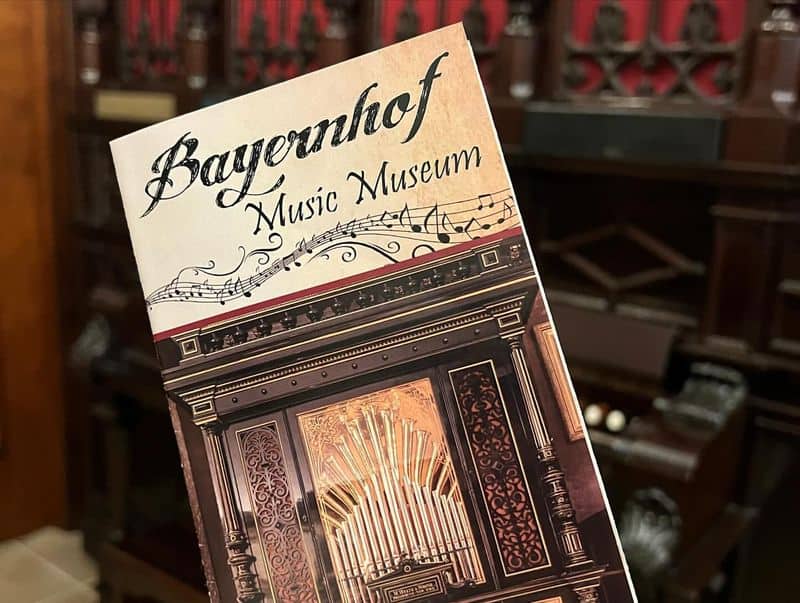
Hidden in the hills outside Pittsburgh sits a German-inspired mansion with a secret: one of America’s finest collections of self-playing musical instruments. The late Charles Brown built his dream home specifically to showcase these mechanical marvels that perform without human musicians.
Tours wind through lavish rooms where ornate music boxes suddenly spring to life, their tiny metal discs creating melodies that fill the space. The crown jewel – a massive orchestrion – contains an entire band’s worth of instruments that play together perfectly, controlled by a punched paper roll.
Between musical demonstrations, visitors discover the mansion’s playful features: hidden passages, a cave with an underground pool, and stunning views of the Allegheny River. It’s like exploring a wealthy eccentric’s fantasy home where music waits around every corner.
7. Randyland – Pittsburgh
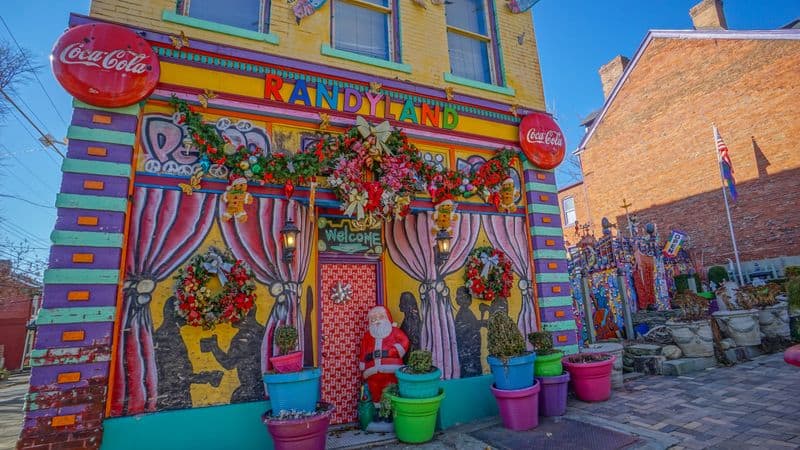
Randy Gilson transformed a condemned building in Pittsburgh’s North Side into an explosion of color that’s visible from blocks away. Every surface of Randyland bursts with vibrant paintings, recycled toys, garden ornaments, and inspirational messages.
Unlike traditional museums with climate-controlled galleries, this outdoor art environment changes with the seasons and the owner’s whims. Visitors wander through courtyard spaces where mannequins painted yellow share space with collections of plastic flamingos and repurposed furniture.
The creator himself often appears to share his story of neighborhood transformation through art. Randy purchased the property with credit cards while working as a waiter, proving that museums don’t require wealthy benefactors – just boundless creativity and determination. His infectious optimism makes this living artwork Pittsburgh’s happiest attraction.
8. VAMPA (Vampire Art Museum & Paranormal Activity) – Doylestown
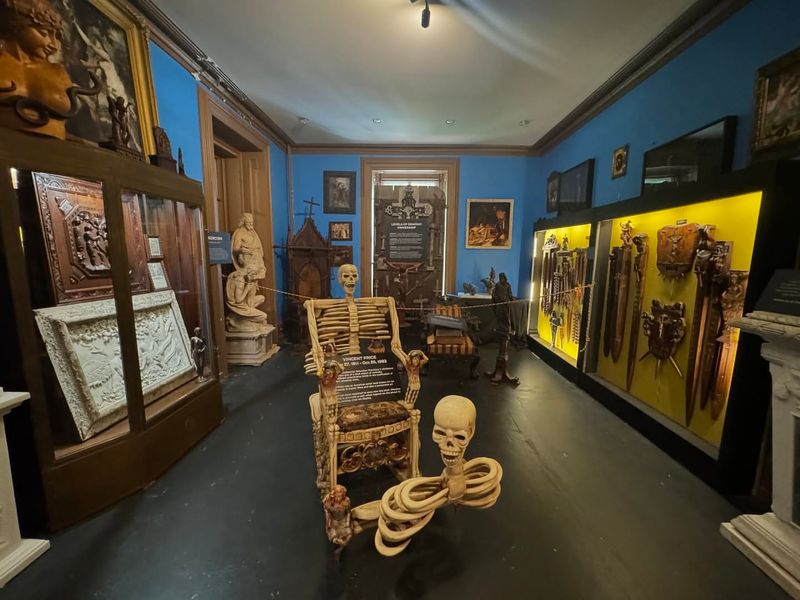
Nestled in historic Doylestown, VAMPA lures the supernaturally curious into its shadowy interior. The collection began with founder William Thayer’s fascination with cinematic vampires but expanded to include allegedly haunted artifacts from around the world.
A 19th-century exorcism chair sits ominously in one corner while vintage Ouija boards hang nearby. Personal items owned by actors who portrayed Dracula create a timeline of vampire entertainment, from Bela Lugosi to more recent incarnations.
The museum’s most unsettling section houses the “haunted dolls” – antique toys with documented histories of unexplained movements or sounds. Whether you’re a true believer or paranormal skeptic, the atmospheric lighting and curated creepiness make VAMPA perfect for visitors seeking a delightful shiver down their spine.