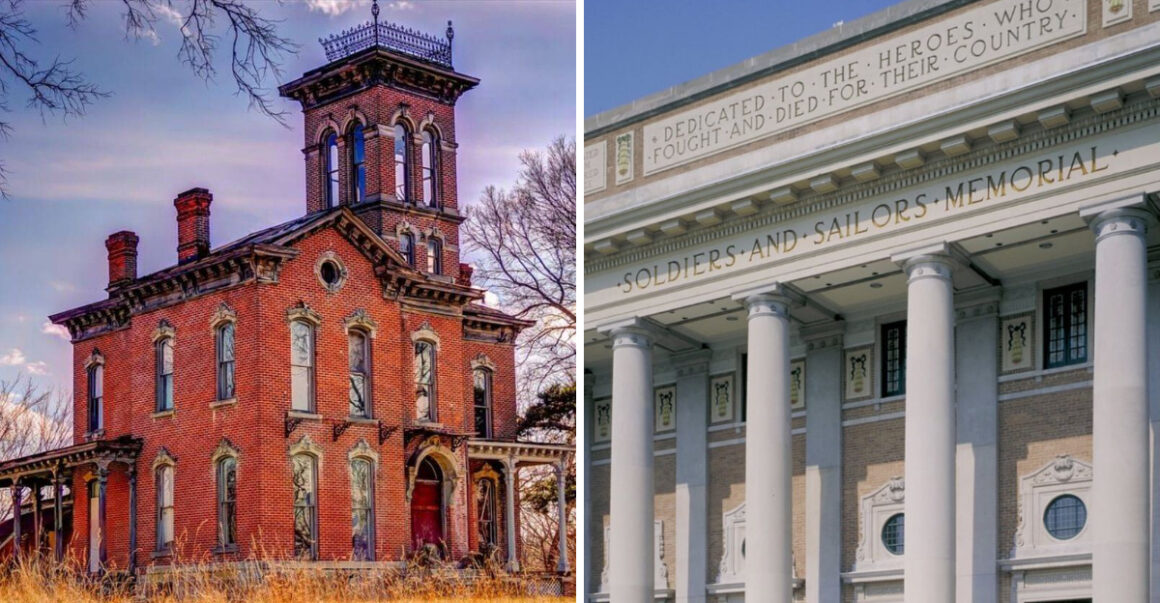
Kansas City’s rich past is woven into its landscape through remarkable historical sites. From Underground Railroad stops to architectural marvels, these landmarks tell stories of freedom, innovation, and cultural heritage. Exploring these attractions offers a fascinating journey through the events and people who shaped this vibrant Midwestern city.
1. Quindaro Townsite & Ruins
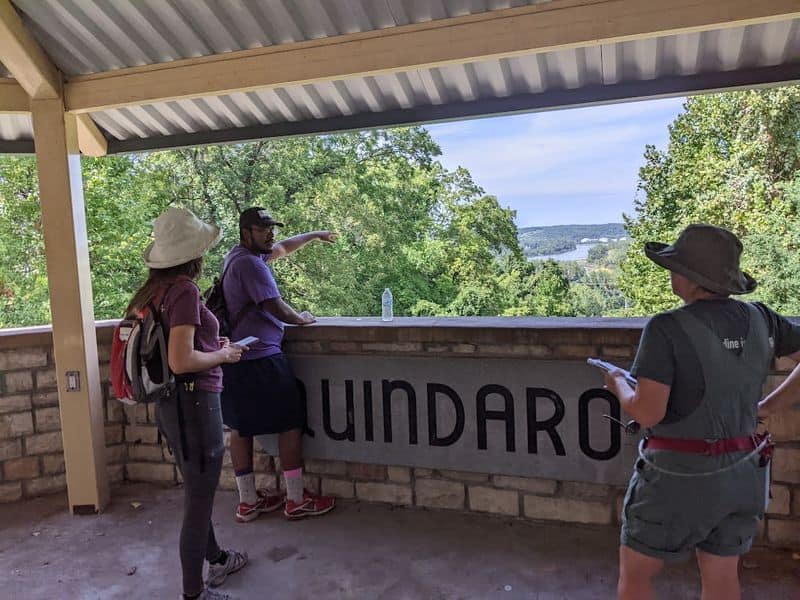
Freedom seekers once found sanctuary in this historic settlement established in 1857. The ruins now stand as silent witnesses to Kansas’s crucial role in the Underground Railroad movement that helped enslaved people escape to liberty.
Walking these grounds, visitors can almost hear the whispered conversations of those who risked everything for freedom. The John Brown Memorial Plaza honors the famous abolitionist who fought against slavery in Kansas Territory.
Archaeological excavations continue to uncover artifacts that piece together the daily lives of those who lived in this Free State haven, making it a powerful educational experience for history enthusiasts of all ages.
2. Strawberry Hill Museum & Cultural Center
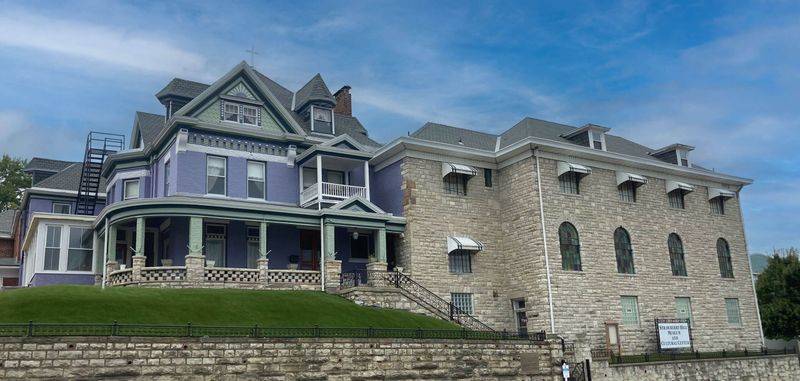
Perched atop a hill overlooking the city stands a magnificent Queen Anne Victorian mansion from 1887. Originally built for local businessman John Scroggs, this architectural gem now preserves the heritage of Eastern European immigrants who made Strawberry Hill their home.
Inside, traditional costumes, folk art, and cultural artifacts showcase the Croatian, Polish, Serbian, and Slovenian communities that shaped this neighborhood. Each room displays period furnishings and treasures brought from the Old World.
During holiday seasons, the museum transforms with special exhibits celebrating ethnic traditions, from Christmas customs to traditional Easter egg decorating techniques that connect visitors to Kansas City’s diverse immigrant past.
3. Sauer Castle
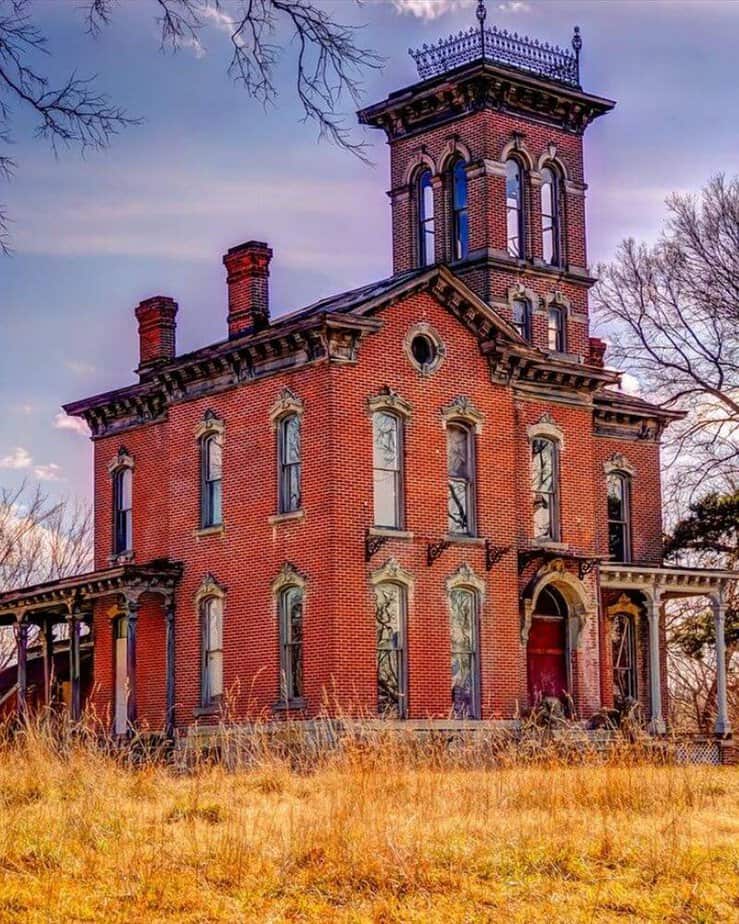
Commanding attention from its hilltop perch, this magnificent Italianate mansion built between 1871 and 1873 represents the height of 19th-century architectural grandeur. German immigrant Anton Sauer created this masterpiece with a distinctive four-story tower that offers panoramic views of the surrounding landscape.
Local legends and ghost stories swirl around the property, adding an air of mystery to its already impressive presence. Though privately owned and currently undergoing restoration, the castle’s exterior can be admired from nearby vantage points.
Elaborate stonework, tall windows, and ornate detailing showcase the craftsmanship of a bygone era when wealthy businessmen demonstrated their success through impressive residential showpieces.
4. Grinter Place State Historic Site
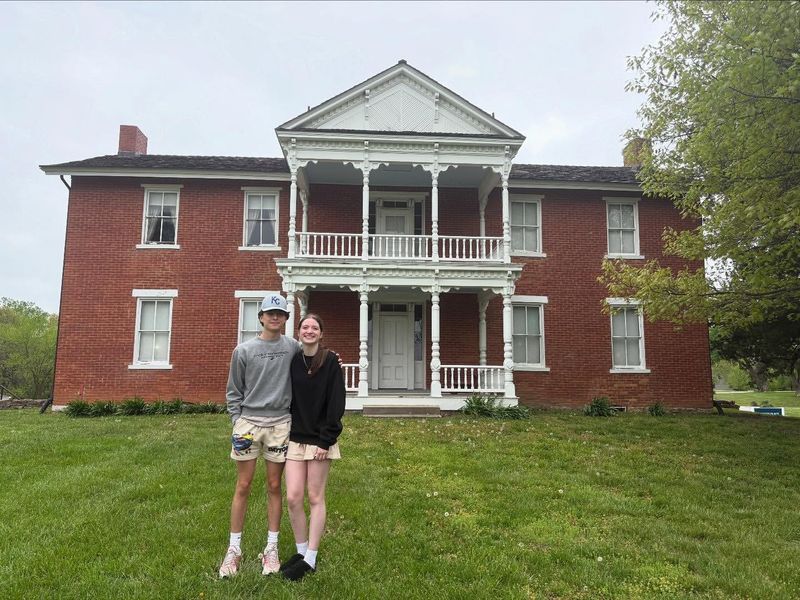
Moses Grinter, a ferry operator who helped travelers cross the Kansas River, built this stately brick home in 1857. As the oldest standing residence in Wyandotte County, it offers a rare glimpse into frontier life during Kansas Territory’s formative years.
The Delaware crossing where Grinter established his ferry business became a vital transportation link, connecting military supply routes and supporting westward expansion. His marriage to Annie Marshall, a Delaware Indian, represents the cultural intersections that defined this frontier region.
Period furnishings fill the rooms, while the site’s interpretive displays explain riverboat commerce and daily routines of 19th-century settlers. The surrounding grounds provide a peaceful setting for contemplating how this strategic river location shaped local development.
5. Rosedale Memorial Arch
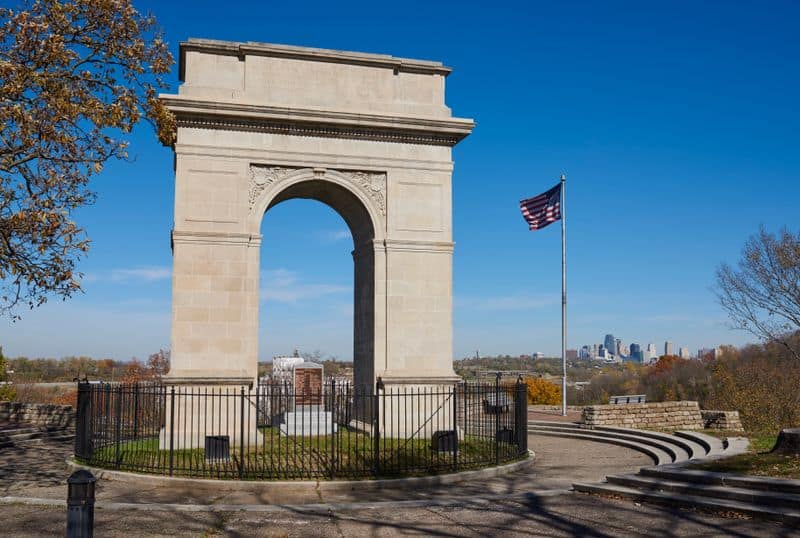
Standing proudly on Mount Marty since 1924, this limestone tribute honors local soldiers who served in World War I. Modeled after France’s famous Arc de Triomphe, the arch represents Kansas City’s connection to global events and the sacrifice of its citizens.
Architect John LeRoy Marshall designed this monument to echo European classical traditions while creating a distinctly American memorial. Bronze plaques list the names of those who served, creating a permanent record of their contributions.
Beyond its historical significance, the arch offers spectacular views of the Kansas City skyline. The surrounding park provides an ideal spot for reflection while appreciating both the memorial’s architectural beauty and the panoramic vista it commands.
6. Scottish Rite Temple
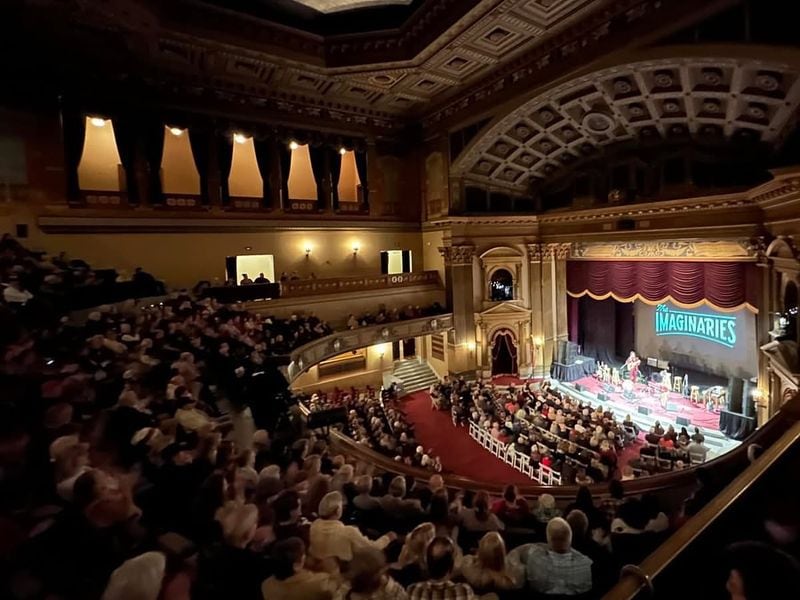
Masons have gathered in this impressive brick-and-stone lodge since its completion in 1909. The building’s elegant façade, with its classical columns and symmetrical design, exemplifies early 20th-century institutional architecture in America’s heartland.
Listed on the National Register of Historic Places, the temple reflects the social importance of fraternal organizations in shaping Kansas City’s civic life. Inside, ceremonial rooms maintain their original grandeur with ornate woodwork, decorative plasterwork, and symbolic imagery important to Masonic traditions.
The temple continues to serve its original purpose while also hosting community events and tours that highlight its architectural significance. Its preservation represents Kansas City’s commitment to maintaining connections with its social and cultural heritage.
7. Soldiers & Sailors Memorial Hall
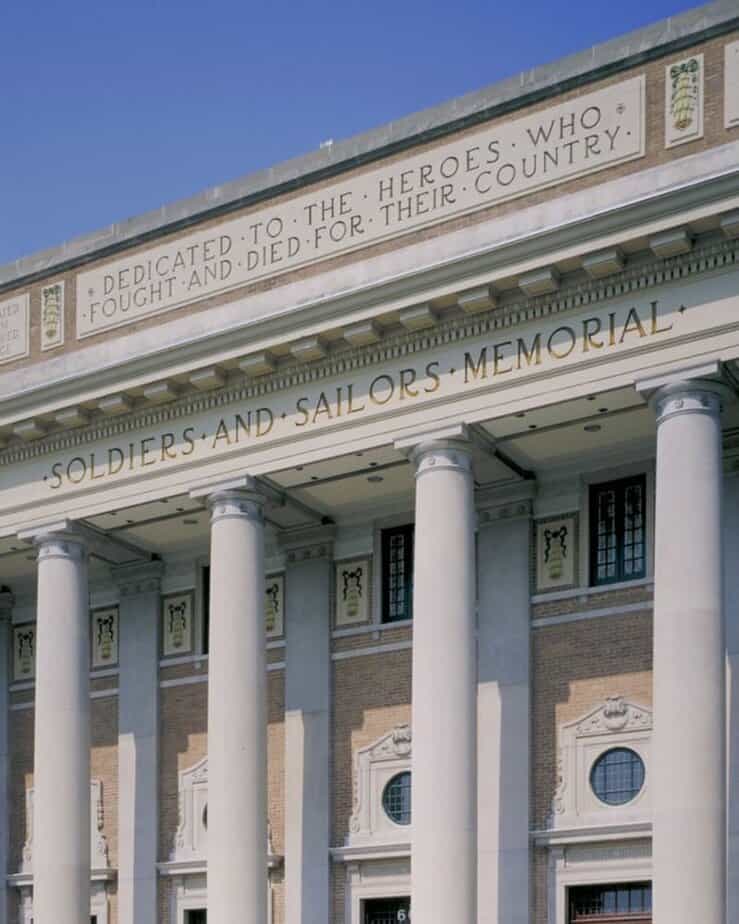
Music legends from Pink Floyd to Nirvana have graced the stage of this Georgian-style auditorium since its opening in 1925. Originally dedicated to honoring World War I veterans, the building combines patriotic purpose with cultural significance.
The red brick exterior with white stone trim presents a dignified appearance befitting its memorial status. Inside, the performance space retains much of its original character, creating an intimate venue with excellent acoustics.
Known locally as Memorial Hall, this historic structure continues to host concerts, theatrical performances, and community gatherings. Its dual role as both war memorial and cultural center makes it a unique landmark that bridges Kansas City’s past and present while honoring those who served.
8. Union Station
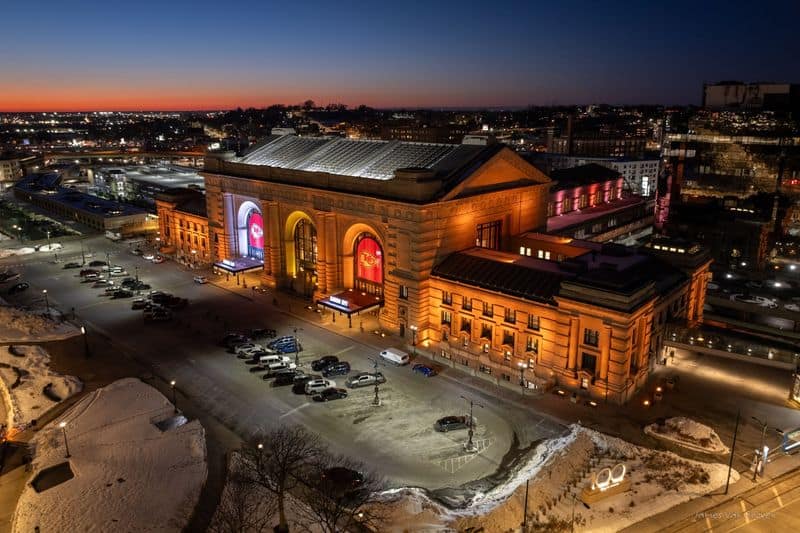
Grand arched windows flood the main hall with natural light, illuminating this magnificent Beaux-Arts transportation hub completed in 1914. During its heyday, this bustling station welcomed nearly 200 trains daily, connecting Kansas City to destinations across America.
After decades of decline and a major renovation completed in 1999, Union Station now buzzes with new energy. Families explore Science City’s interactive exhibits while history buffs admire the meticulously restored architectural details that speak to the golden age of rail travel.
The original 95-foot ceiling in the Grand Hall features intricate plasterwork that draws visitors’ eyes upward. Special exhibitions, restaurants, and theaters make this revitalized landmark a vibrant community gathering place that honors its transportation heritage.
9. National WWI Museum & Liberty Memorial
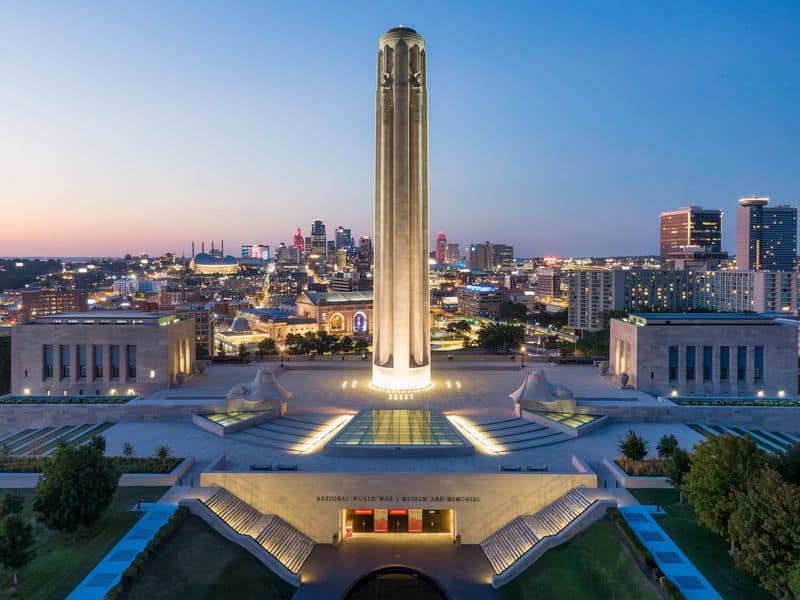
Flames eternally burn atop the 217-foot Liberty Memorial Tower, visible throughout Kansas City as a solemn reminder of the Great War’s impact. Dedicated in 1926 with all five Allied commanders present, this striking limestone monument anchors America’s official World War I museum.
Below ground, immersive exhibits recreate trench warfare experiences with authentic artifacts, interactive displays, and powerful personal stories. Visitors cross a glass bridge suspended over a field of 9,000 poppies, each representing 1,000 combatant deaths in the conflict.
Congress designated this site as America’s official WWI museum in 2004, recognizing its comprehensive collection and educational mission. The tower’s observation deck rewards visitors with panoramic views of the city skyline after they’ve explored the war that changed the modern world.
10. Negro Leagues Baseball Museum / Buck O’Neil Center
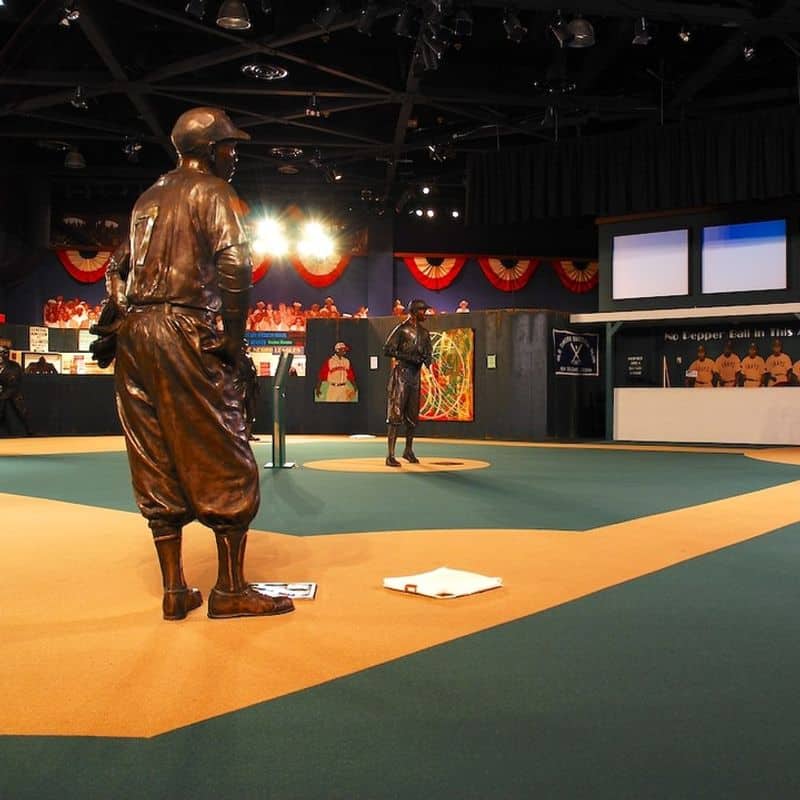
Baseball legends like Satchel Paige and Josh Gibson come alive through compelling exhibits in this cultural treasure located in Kansas City’s historic 18th & Vine district. Founded in 1990, the museum preserves the remarkable story of African American baseball during segregation.
Life-sized bronze statues of star players frozen in game positions create the dramatic “Field of Legends” centerpiece. Vintage uniforms, photographs, and interactive displays chronicle how the Negro National League, formed in Kansas City in 1920, showcased extraordinary talent excluded from Major League Baseball.
The adjacent Buck O’Neil Education and Research Center, named for the beloved Kansas City Monarchs player and manager, continues the museum’s mission of education and preservation. Through these institutions, visitors gain appreciation for baseball’s complete history and its role in America’s civil rights journey.
11. West Bottoms Freedom Mall & Darby Trotter Spirit Murals
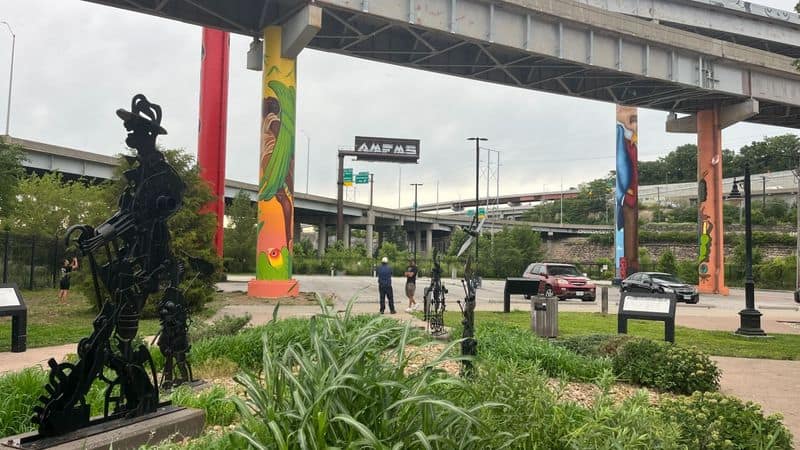
Vibrant murals breathe new life into the historic industrial buildings of the West Bottoms district. Once the hub of Kansas City’s stockyards and meatpacking industries, these revitalized structures now tell stories of the area’s complex past through striking public art.
The Darby Trotter Spirit Murals particularly capture attention with their depictions of emancipation themes and railroad history. Bold colors and powerful imagery transform ordinary brick walls into powerful narratives about freedom’s journey in the American heartland.
Weekend visitors discover antique shops and artisan markets inside the former industrial spaces. This creative reuse preserves architectural heritage while allowing the district to evolve, making history accessible through both art and adaptive reuse of significant structures that might otherwise have been lost.