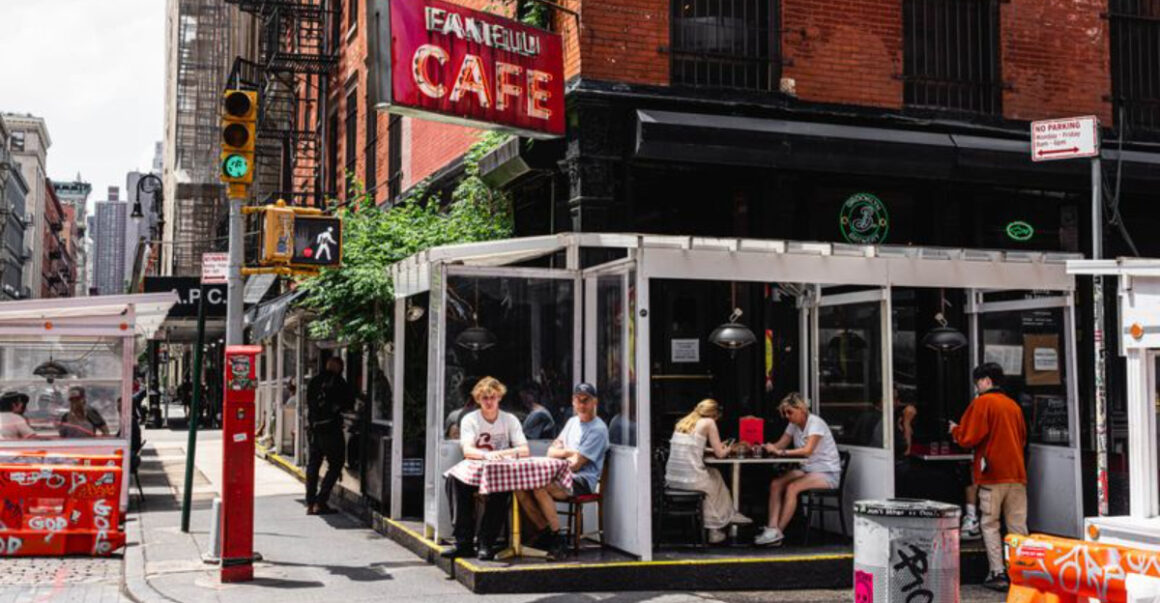
New York City changes fast, but some restaurants refuse to budge. Walking into these timeless spots feels like stepping back decades, complete with original décor, family recipes, and servers who’ve worked the same tables for years. Food lovers treasure these unchanging gems because they offer something rare in our modern world: authentic experiences that connect us to the city’s rich culinary history.
1. Delmonico’s
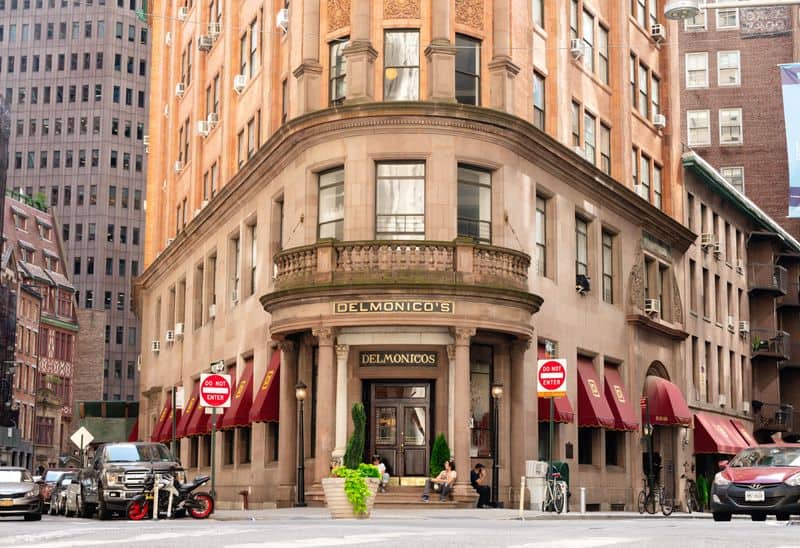
America’s oldest continuously operating restaurant opened its doors in 1837, creating the blueprint for fine dining. Original mahogany furnishings still gleam under crystal chandeliers, while white-jacketed waiters serve from silver platters just like their predecessors did generations ago.
Legendary dishes like Lobster Newburg and Baked Alaska were actually invented here, making every meal a taste of culinary history. The wine cellar holds bottles that predate most American cities.
Walking through these dining rooms means following footsteps of presidents, robber barons, and literary giants who shaped our nation’s story.
2. Katz’s Delicatessen
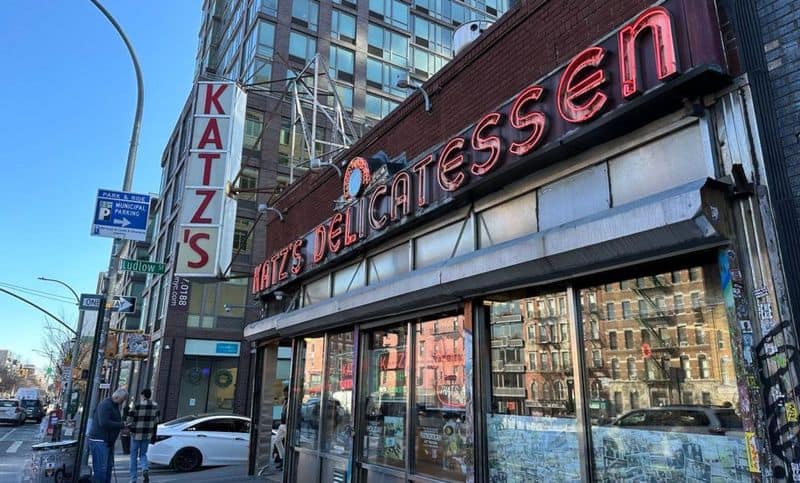
Since 1888, this Lower East Side institution has been slicing pastrami the same exact way, using recipes passed down through five generations. Neon signs buzz overhead while customers clutch numbered tickets, navigating sawdust floors worn smooth by millions of hungry visitors.
The famous “When Harry Met Sally” table still draws crowds, but locals know the real magic happens at the carving station. Master slicers work with theatrical precision, creating towering sandwiches that defy gravity.
Every wall tells stories through faded photographs of celebrities, soldiers, and neighborhood families who’ve made this deli their second home.
3. Grand Central Oyster Bar
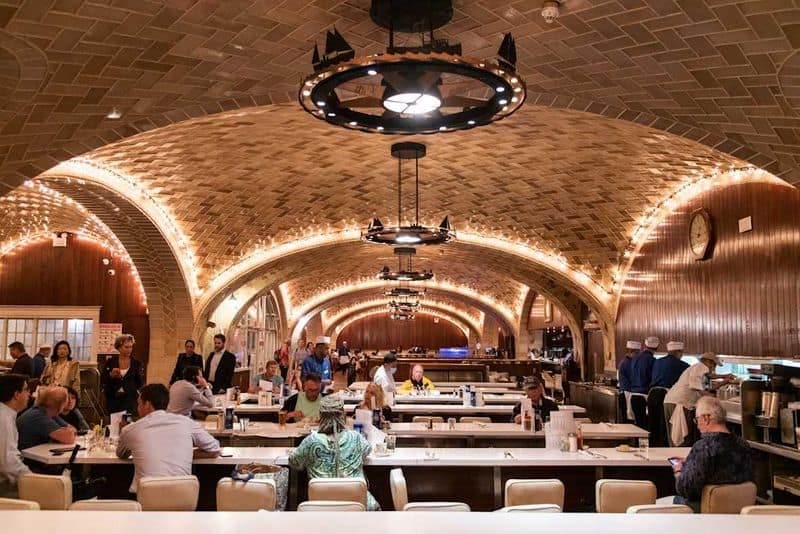
Beneath Grand Central’s bustling concourse lies a vaulted cathedral dedicated entirely to fresh seafood. Guastavino tiles arch overhead like a Roman basilica, while the original 1913 counter stretches endlessly, manned by shuckers whose movements resemble a well-choreographed dance.
Daily menus still get handwritten on chalkboards, listing dozens of oyster varieties from both coasts. The famous pan roast recipe hasn’t changed since Prohibition, when commuters needed something warm and filling.
Conversations echo mysteriously through the whispering gallery, where architectural acoustics create magic that modern restaurants simply cannot replicate.
4. Old Homestead Steakhouse
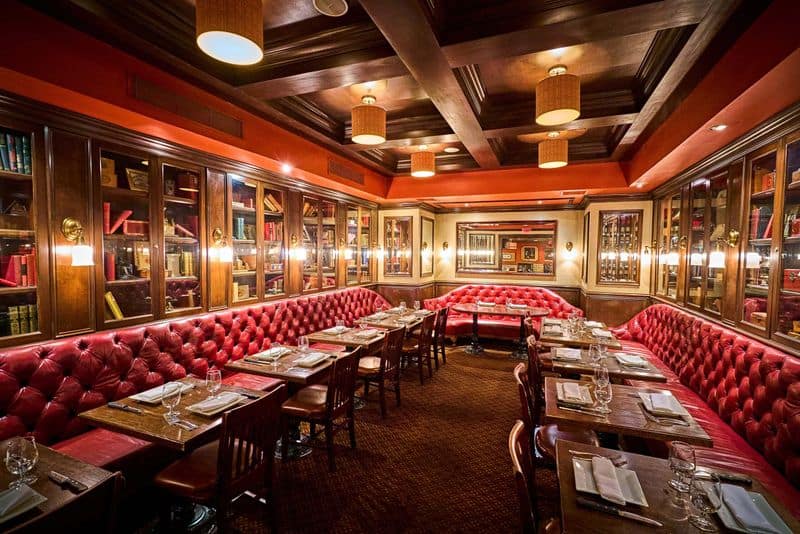
Purple neon has glowed since 1868, making this the oldest steakhouse in America. Cowhide banquettes and western artwork transport diners to an era when cattle actually roamed these now-trendy streets, and steaks were a working man’s reward.
The same family has owned this establishment for four generations, refusing modernization trends that swept away countless competitors. Porterhouses still get dry-aged in the same basement where bootleggers once hid their bottles during Prohibition.
Celebrity photos cover every inch of wall space, but regulars know the best seats are at the old wooden bar where deals get made over whiskey.
5. Minetta Tavern
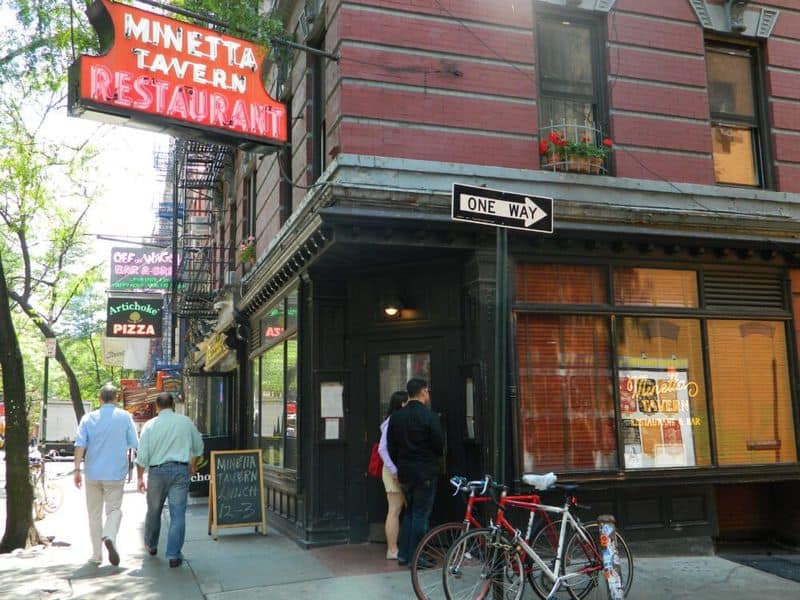
Bohemian writers and jazz musicians have gathered around these same red checkered tables since 1937, when Greenwich Village was truly bohemian. Caricatures of long-dead regulars still watch over diners from dark wood walls, while the original tin ceiling bears witness to countless creative conversations.
The famous Black Label Burger draws modern crowds, but old-timers remember when this was just a neighborhood joint serving simple Italian-American fare. The back room once hosted illegal poker games that funded many a struggling artist’s rent.
Despite celebrity chef ownership, the bones of this place remain unchanged, preserving Village history in every creaking floorboard.
6. Peter Luger Steak House
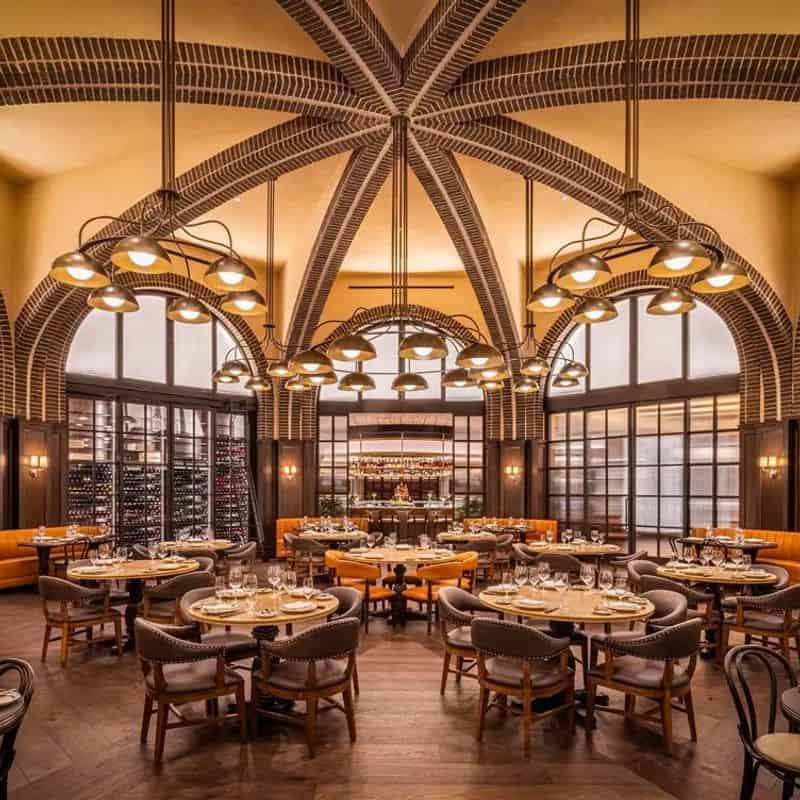
Cash-only policies and gruff waiters might seem outdated, but this Williamsburg institution has perfected the art of not caring about modern customer service trends. The same wooden tables have hosted four generations of families celebrating life’s biggest moments over perfectly charred porterhouses.
Steak sauce gets mixed fresh daily using a secret recipe that predates the Brooklyn Bridge. The ancient cash register still dings with each sale, while sawdust floors absorb the excitement of another perfectly executed meal.
Reservations require phone calls, not apps, because some traditions deserve to be preserved exactly as they were in 1887.
7. Old Town Bar
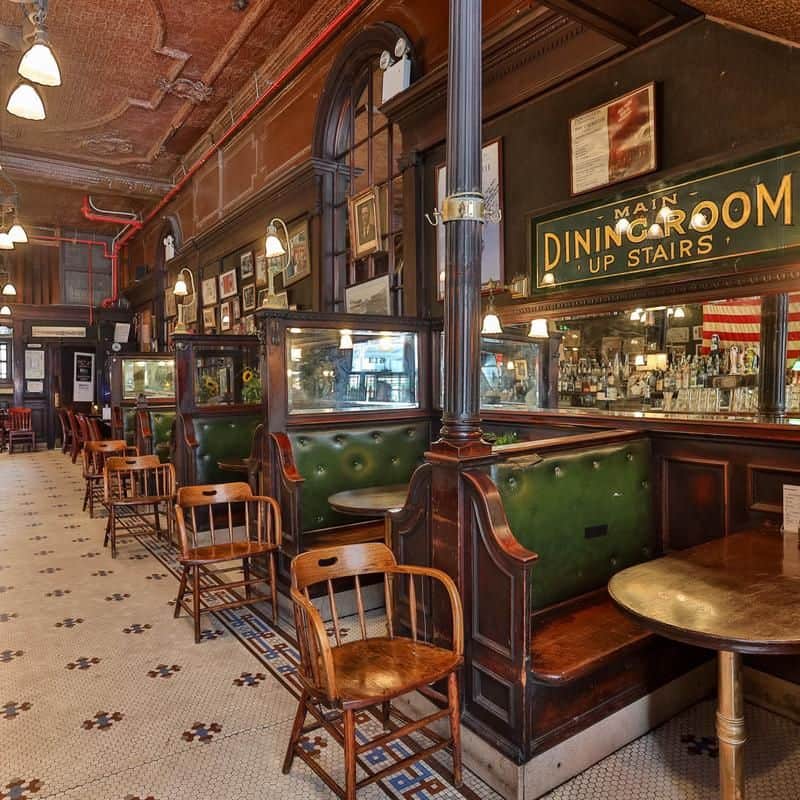
Stepping through these doors transports visitors straight into a 1892 time capsule, complete with the original mahogany bar that stretches nearly the entire length of the room. The pressed tin ceiling bears decades of cigarette smoke patina, while the ancient cash register still requires manual operation.
Union Square workers have been bellying up to this bar for over a century, ordering the same simple fare that sustained their grandfathers. The urinals are actually historic landmarks, featured in countless movies and television shows.
Every scratch on these wooden floors tells a story of New York’s working class, preserved in amber-colored light.
8. JG Melon
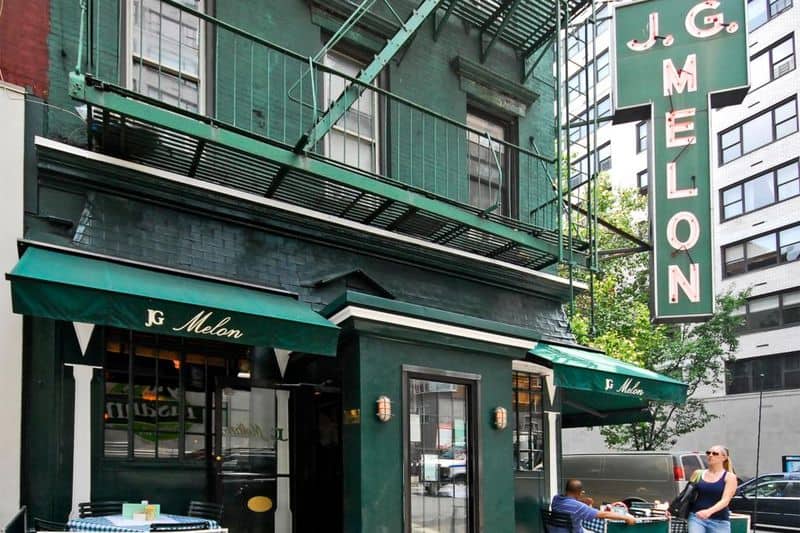
Prep school alumni and society ladies have been ordering the same perfect cheeseburgers since 1972, sitting at tiny tables barely big enough for two people. The cottage cheese side dish might seem random, but regulars swear by this odd combination that somehow works perfectly together.
Green and white checkered floors show their age proudly, while the handwritten menu hasn’t expanded beyond the basics in five decades. No credit cards, no substitutions, no problems – just perfectly executed simplicity that puts trendy burger joints to shame.
The bloody mary recipe remains a closely guarded secret, mixed with the same heavy hand that built this neighborhood institution’s legendary reputation.
9. P.J. Clarke’s
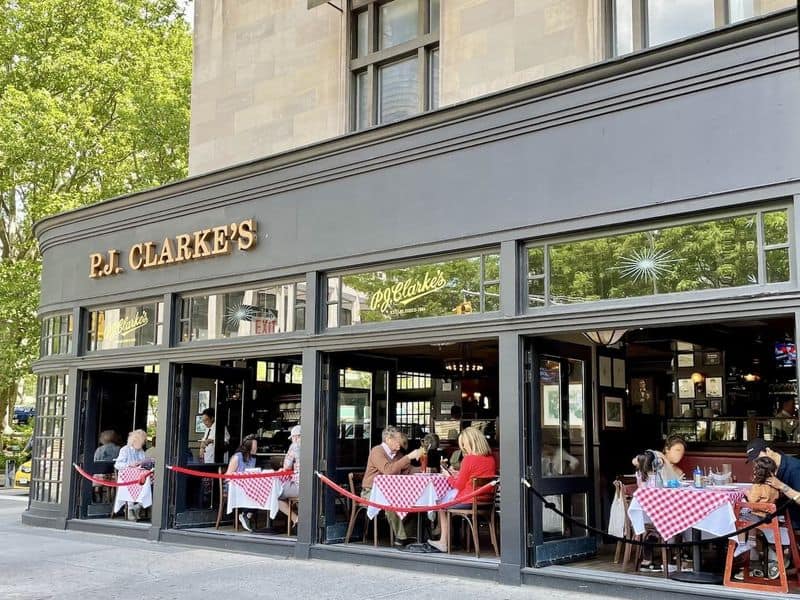
When skyscrapers rose around this corner saloon, developers offered millions to tear it down, but the owners refused every offer. The original 1884 structure now sits dwarfed by glass towers, like a stubborn reminder of old New York’s determination to survive progress.
The famous hamburger was allegedly invented here, though food historians still debate that claim. What’s undebatable is the quality of the bacon cheeseburger, prepared exactly the same way for generations of regulars who wouldn’t tolerate changes.
Frank Sinatra’s favorite booth remains unmarked but well-known to bartenders who’ve worked here for decades, serving drinks with the same heavy pours that built legends.
10. Café Luxembourg
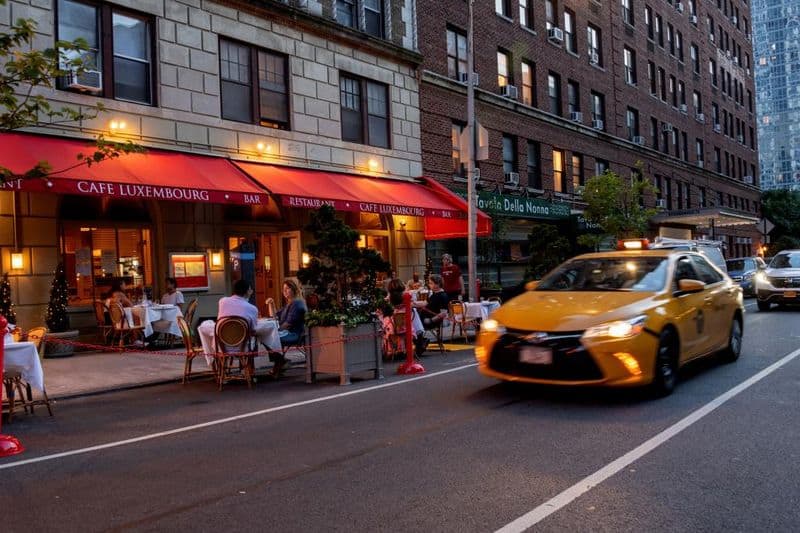
Zinc bar tops and subway tiles transport diners straight to a Parisian bistro, complete with the kind of worn elegance that only comes from decades of proper use. The banquettes have hosted countless first dates, business deals, and family celebrations since opening in 1983.
French onion soup arrives in the same heavy crocks, topped with perfectly melted Gruyère that bubbles exactly like it should. The wine list focuses on French classics rather than trendy natural wines, maintaining standards that serious oenophiles appreciate.
Lincoln Center performers still gather here after shows, continuing a tradition that makes this restaurant feel like an extension of the cultural institution across the street.
11. Fanelli Café
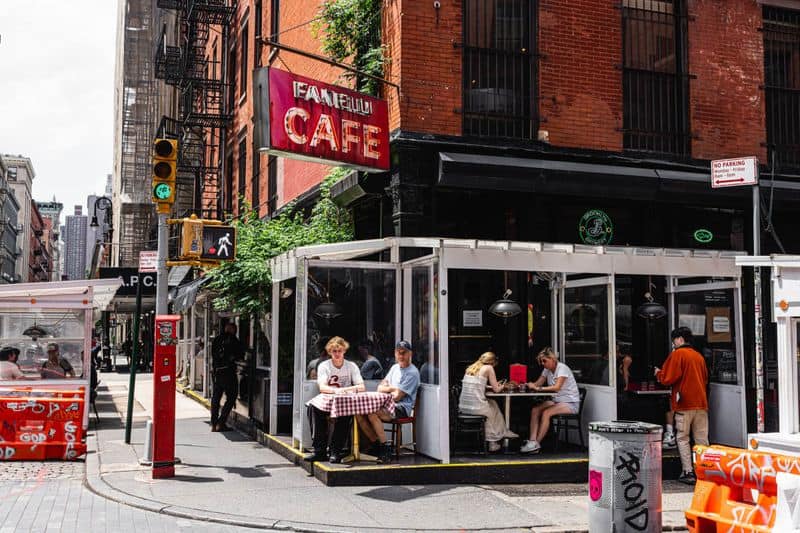
Before SoHo became a shopping destination, this corner tavern served longshoremen and factory workers who needed honest drinks and simple food. The original tin ceiling and mahogany bar survived gentrification while countless trendy spots opened and closed around them.
The burger remains gloriously simple – just meat, cheese, and bun – served on paper plates that would horrify Instagram influencers but delight anyone seeking authentic flavors. The jukebox plays the same mix of classics that soundtrack real New York conversations.
Cast iron architecture outside frames this time capsule perfectly, proving that sometimes the best way to honor progress is by preserving what came before it.