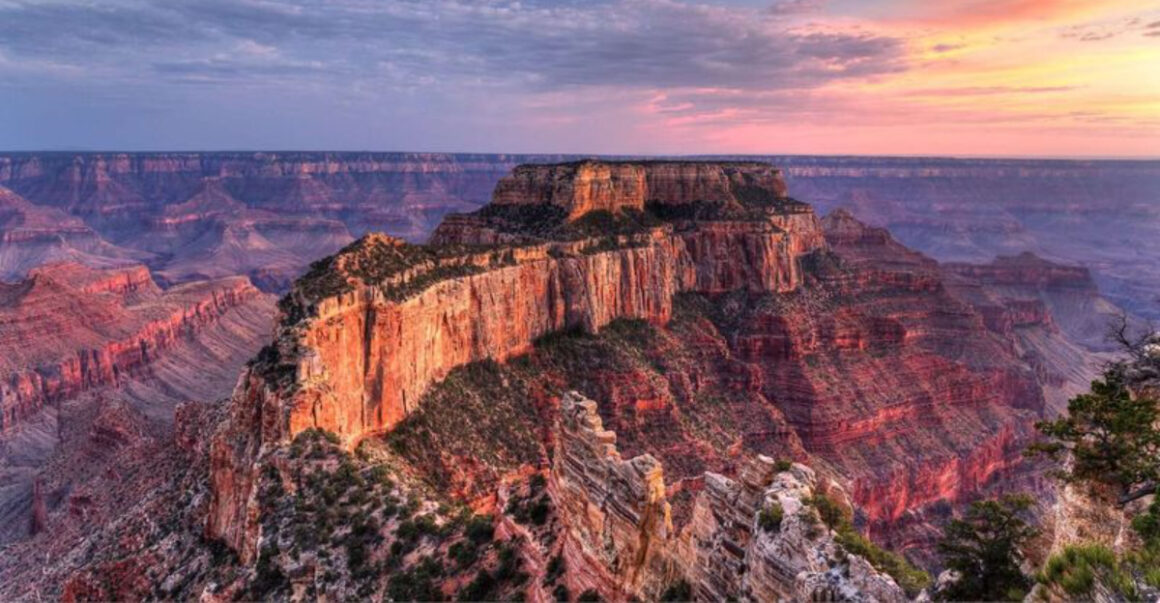
Standing at the edge of one of America’s most famous natural wonders feels like stepping into another world. The Grand Canyon offers countless spots where visitors can witness breathtaking views that stretch for miles across colorful rock layers. Both the South and North Rims provide unique perspectives of this massive geological masterpiece. Whether you’re planning your first visit or returning for another adventure, these viewpoints will leave you speechless.
1. Mather Point
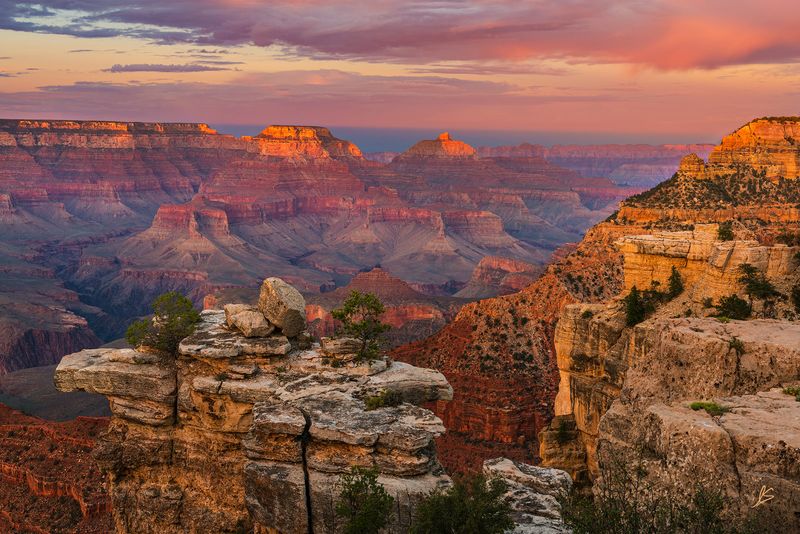
First-time visitors often make this their initial stop, and for good reason. Located just minutes from the visitor center, this accessible overlook requires minimal walking effort.
Sunrise here transforms the canyon walls into a canvas of orange, pink, and gold hues. The viewing area features multiple levels, so crowds can spread out comfortably during busy times.
Wheelchair-friendly pathways make this spot perfect for families with mobility needs. Educational signs help identify distant landmarks and geological features across the vast landscape below.
2. Top of the Bright Angel Trail
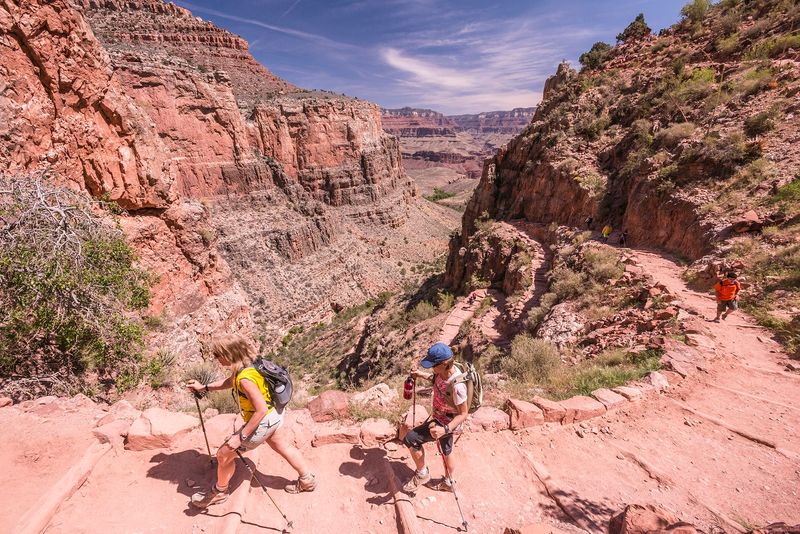
Adventure seekers love starting their hiking journey from this famous trailhead location. Even without descending into the canyon, the views from the top offer incredible photo opportunities.
Watch experienced hikers and mule trains begin their descent into the depths below. The trail switchbacks are clearly visible, showing the challenging path ahead for those brave enough to attempt it.
Rest houses and water stations dot the visible portions of the trail. Early morning visits provide cooler temperatures and softer lighting for better photography conditions.
3. Plateau Point
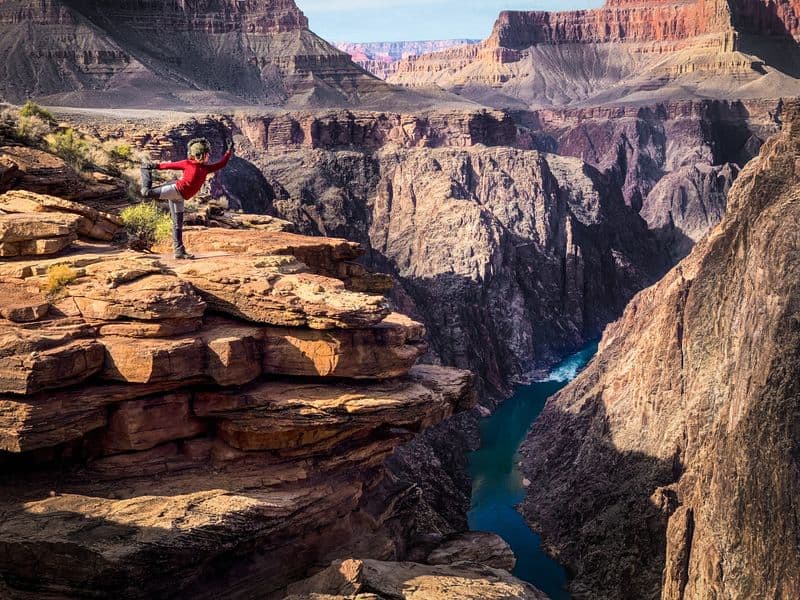
Serious hikers consider this destination the ultimate reward after a challenging trek. Located 3,000 feet below the rim, reaching this spot requires significant physical preparation and planning.
Colorado River views become crystal clear from this elevated platform in the canyon’s heart. The round-trip journey takes most people 6-8 hours, so starting before dawn is essential.
Pack plenty of water, snacks, and sun protection for this demanding adventure. Rangers recommend this hike only for experienced outdoor enthusiasts in excellent physical condition.
4. Pima Point
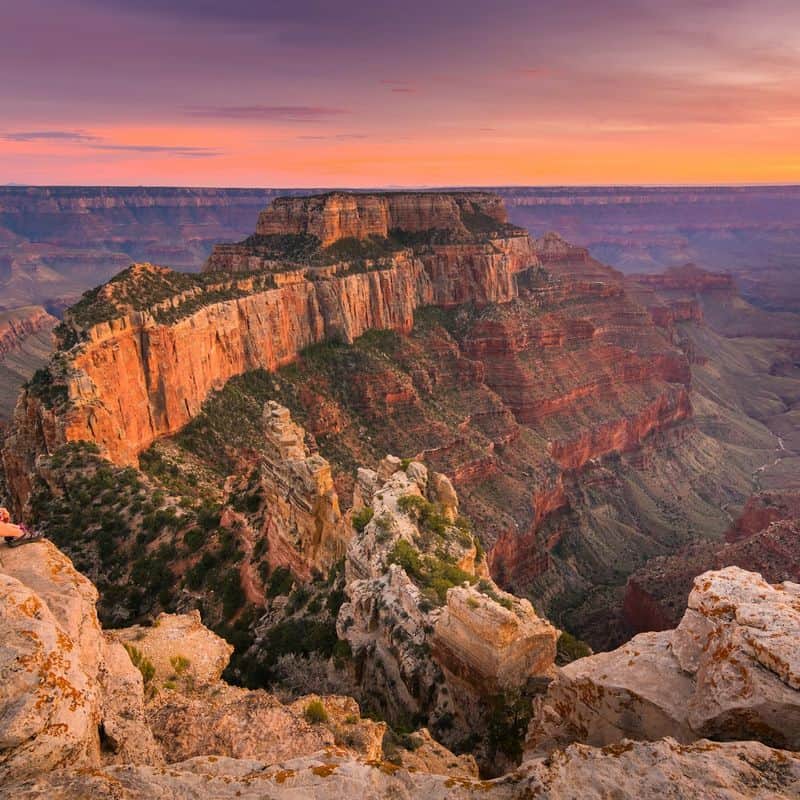
Peaceful solitude awaits visitors willing to take a short walk from the parking area. Unlike busier viewpoints, this location offers a more intimate canyon experience.
Western views showcase different rock formations and color patterns than eastern overlooks. The Hermit Trail is visible winding down the canyon walls, demonstrating early pioneer determination.
Sunset photography enthusiasts particularly love this spot’s unobstructed western exposure. Fewer crowds mean better opportunities for quiet reflection and undisturbed nature observation throughout the day.
5. Cape Royal Point
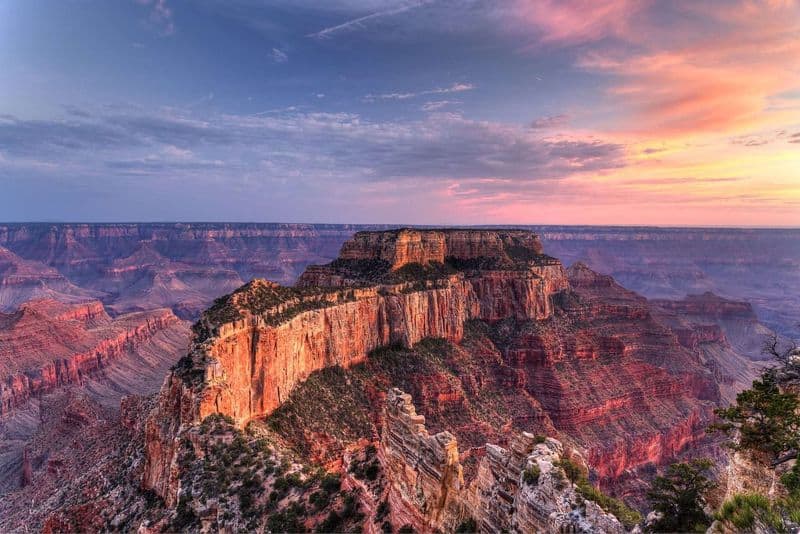
North Rim’s crown jewel provides the most expansive views available from either side of the canyon. The paved trail from the parking area makes this spectacular destination accessible to most visitors.
Angel’s Window, a natural rock arch, frames portions of the canyon in a unique geological display. Photographers spend hours capturing different angles through this famous stone formation.
Seasonal closure from October to May limits access, making summer visits extra special. The higher elevation provides cooler temperatures and different vegetation than South Rim locations.
6. Hopi Point & Powell Point
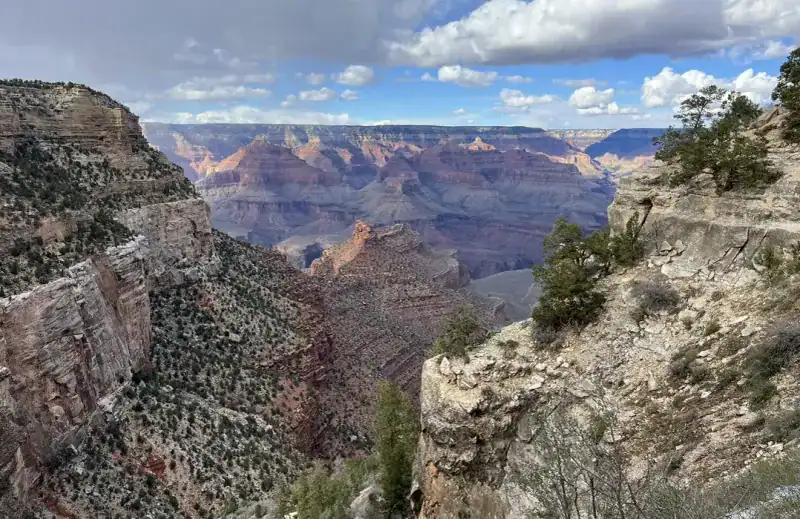
Sunset chasers flock to these neighboring viewpoints for good reason – they’re considered among the best evening destinations. Both locations sit along the scenic Hermit Road route.
Powell Point features a memorial to John Wesley Powell, the famous canyon explorer and scientist. The monument adds historical context to the natural beauty surrounding visitors.
Shuttle service during peak season eliminates parking hassles and reduces environmental impact. Arrive early during sunset hours, as these popular spots fill up quickly with photographers and sightseers.
7. Yaki Point & Ooh Aah Point
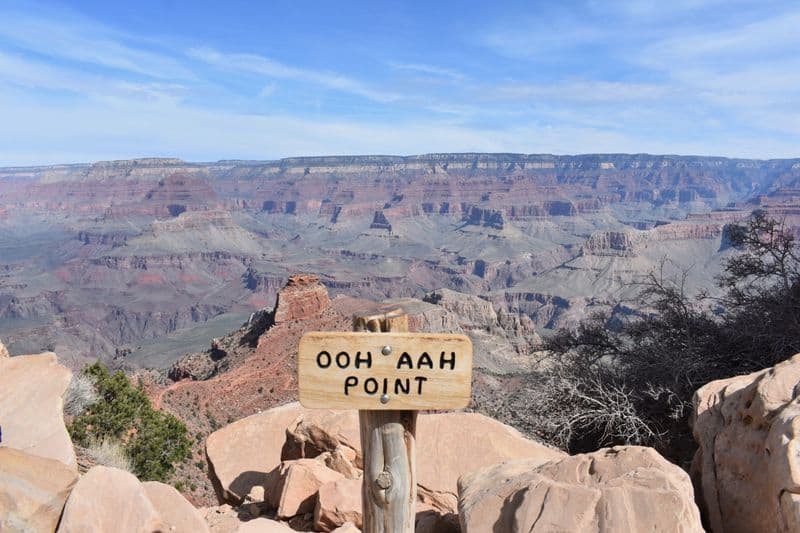
Shuttle-only access keeps these viewpoints less crowded than drive-up locations. Yaki Point serves as the starting point for the challenging South Kaibab Trail.
Ooh Aah Point sits about a mile down the trail, rewarding hikers with incredible panoramic views. The name perfectly captures most visitors’ reactions upon reaching this scenic overlook.
Photography enthusiasts love the unobstructed eastern views and dramatic lighting conditions. Both spots offer excellent opportunities to observe the canyon’s geological layers up close without extreme hiking requirements.
8. Grand Canyon Village
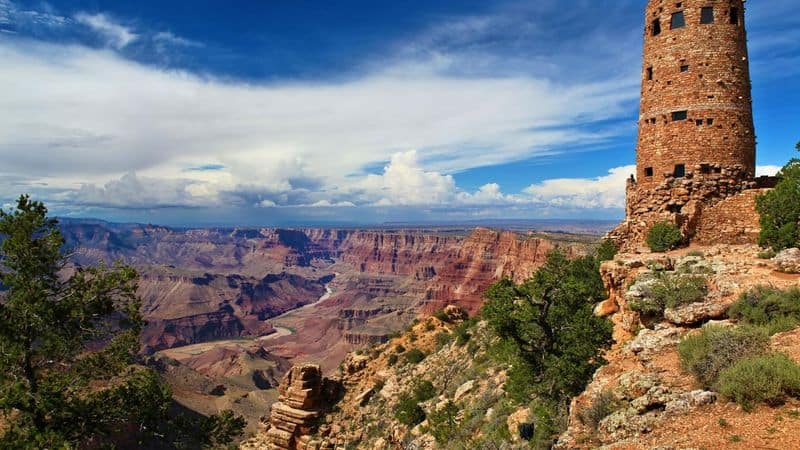
Historic buildings blend seamlessly with natural beauty in this charming rim-side community. El Tovar Hotel and Hopi House provide cultural context alongside spectacular canyon views.
Walking paths connect multiple overlooks, shops, and restaurants within easy distances. Families appreciate the variety of activities and amenities concentrated in one convenient location.
Architecture reflects early 20th-century National Park Service design philosophy, creating harmony between human structures and natural landscapes. Year-round accessibility makes this area perfect for visitors during any season.
9. Mohave Point
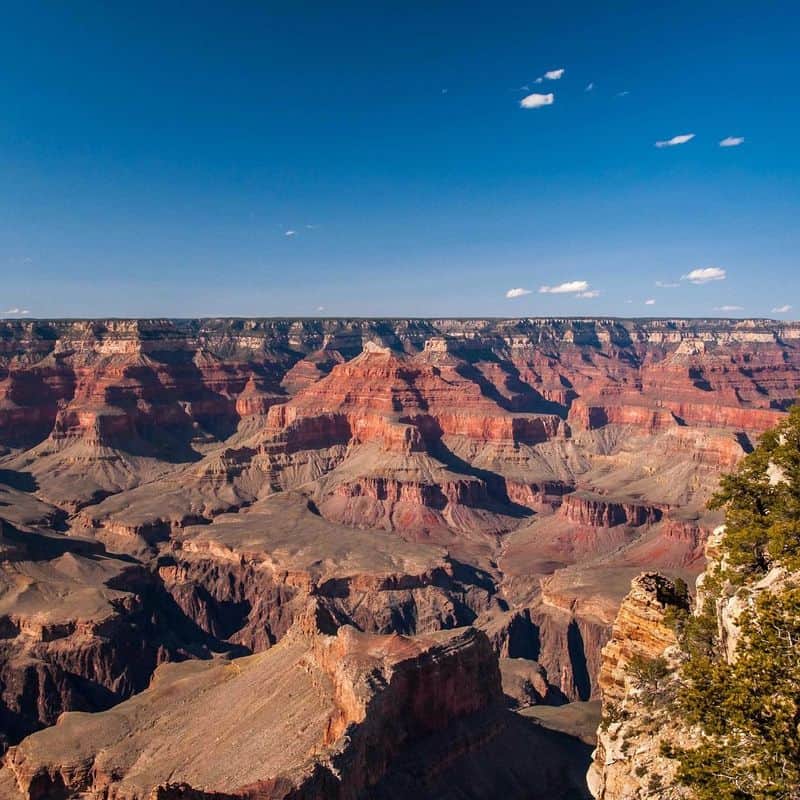
Colorado River glimpses reward visitors who venture to this western viewpoint along Hermit Road. The river appears as a thin ribbon winding through the canyon’s depths.
Geological formations tell millions of years of Earth’s history through visible rock layers. Educational displays help identify different time periods represented in the colorful stone walls.
Fewer crowds compared to eastern viewpoints create better opportunities for wildlife observation and quiet contemplation. Bighorn sheep occasionally appear on distant cliff faces, delighting patient observers with binoculars.
10. Grand Canyon Lodge
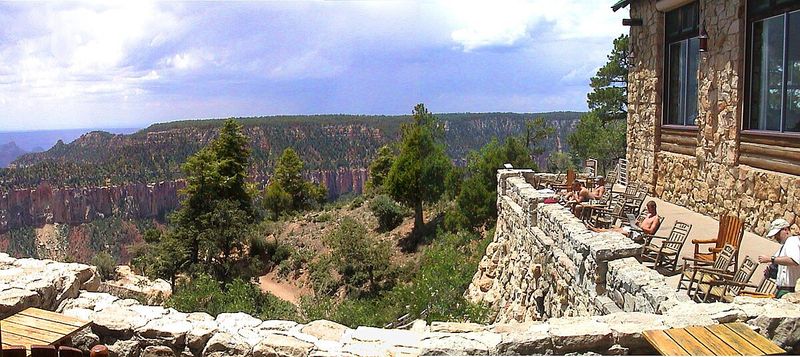
North Rim’s historic lodge provides indoor and outdoor viewing opportunities with rustic charm. The sun room features floor-to-ceiling windows framing canyon vistas perfectly.
Dining with a view becomes unforgettable when canyon panoramas accompany every meal. Rocking chairs on the lodge’s veranda invite visitors to relax and soak in the scenery.
Limited seasonal operation makes reservations essential for overnight stays or dining experiences. The lodge’s remote location offers a quieter, more intimate canyon experience than South Rim alternatives.
11. Shoshone Point
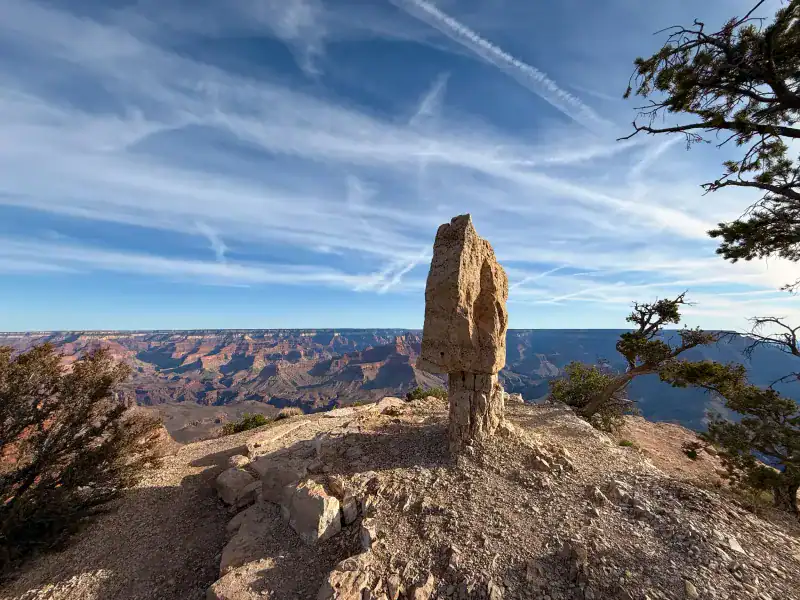
Hidden gem status makes this viewpoint special for visitors seeking solitude and natural beauty. A one-mile walk through ponderosa pine forest leads to this secluded overlook.
Private group events and weddings sometimes take place here, creating magical moments against the canyon backdrop. The peaceful setting offers perfect conditions for meditation and reflection.
No facilities or amenities mean visitors must come prepared with water and supplies. The effort required to reach this location ensures smaller crowds and a more personal canyon experience.
12. Bright Angel Point
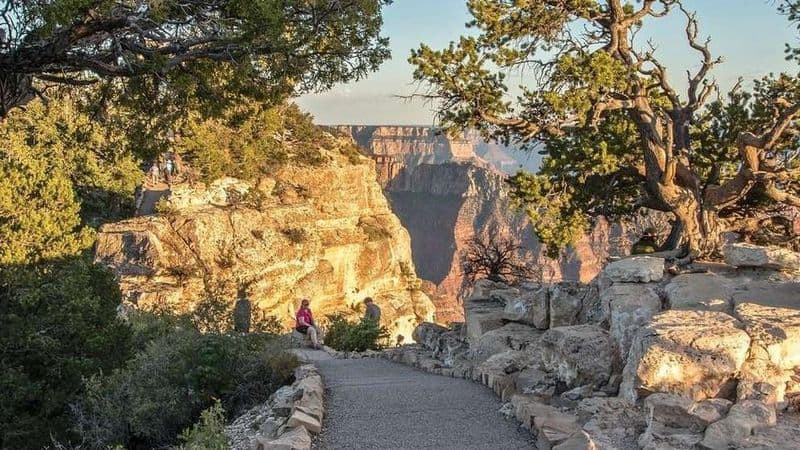
North Rim’s most accessible viewpoint sits just steps from the visitor center and parking area. A short, paved trail leads to this spectacular overlook with minimal effort required.
Different perspective compared to South Rim viewpoints reveals new canyon features and formations. The narrow peninsula extends into the canyon, providing 180-degree views of the landscape.
Interpretive signs explain geological processes and natural history visible in the surrounding rock formations. Cooler temperatures and different vegetation create a unique high-elevation mountain environment year-round.
13. Desert View
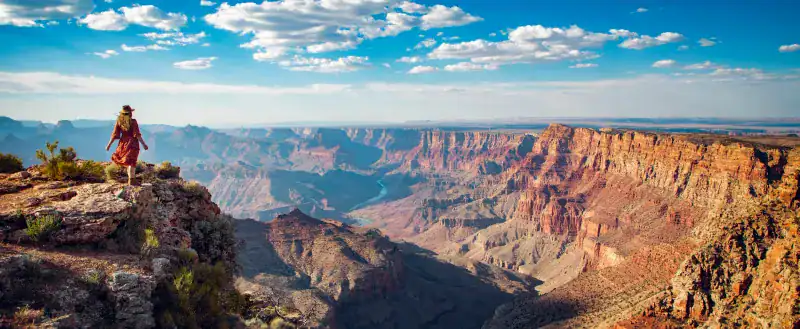
Eastern entrance visitors often make this their first canyon stop, and the dramatic introduction never disappoints. The historic Watchtower adds cultural significance to natural beauty.
Colorado River views stretch for miles in both directions from this elevated vantage point. Native American artwork and architecture in the tower provide educational opportunities alongside scenic enjoyment.
Bookstore and gift shop offer convenient shopping without leaving this spectacular location. The combination of cultural history and natural wonders makes this viewpoint uniquely memorable for all ages.
14. Lipan Point
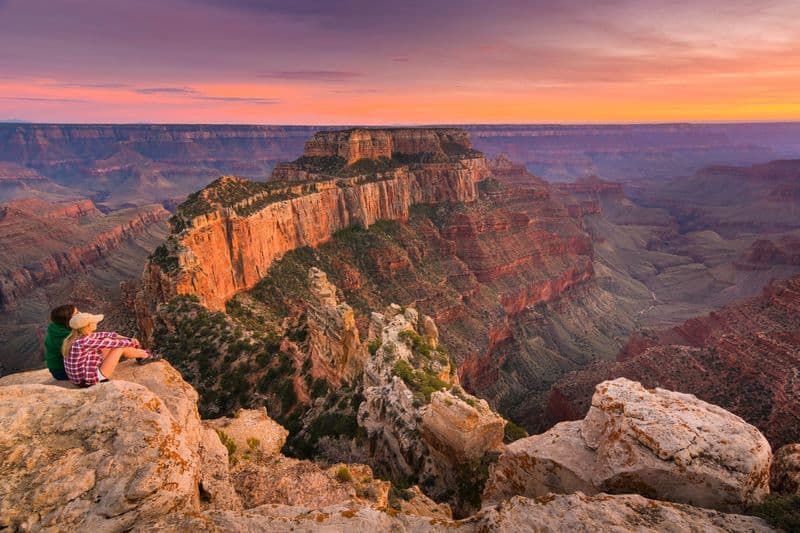
Unobstructed river views make this eastern viewpoint a photographer’s paradise throughout the day. The Colorado River’s path through the canyon appears clearly from this elevated position.
Geological formations showcase millions of years of natural history in colorful, layered rock walls. Different lighting conditions throughout the day create constantly changing photographic opportunities.
Less crowded than western viewpoints, this location offers peaceful canyon contemplation and wildlife observation. Desert bighorn sheep and California condors occasionally appear, thrilling visitors lucky enough to spot these magnificent creatures.