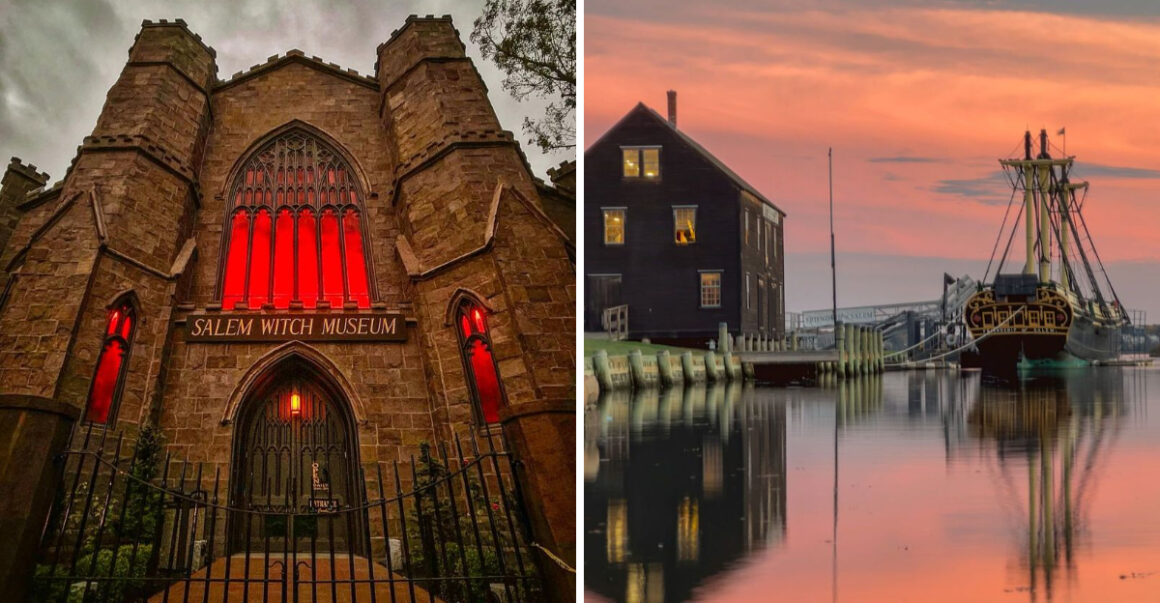
Salem, Massachusetts casts a spell on visitors with its mix of spooky history and modern charm. This coastal town became famous for the witch trials of 1692, but today it offers much more than just witch-themed attractions. From historic homes to waterfront dining, Salem packs centuries of fascinating stories into its walkable streets. Whether you’re a history buff or just looking for some Halloween spirit, these ten spots should top your Salem bucket list.
1. The Salem Witch Museum
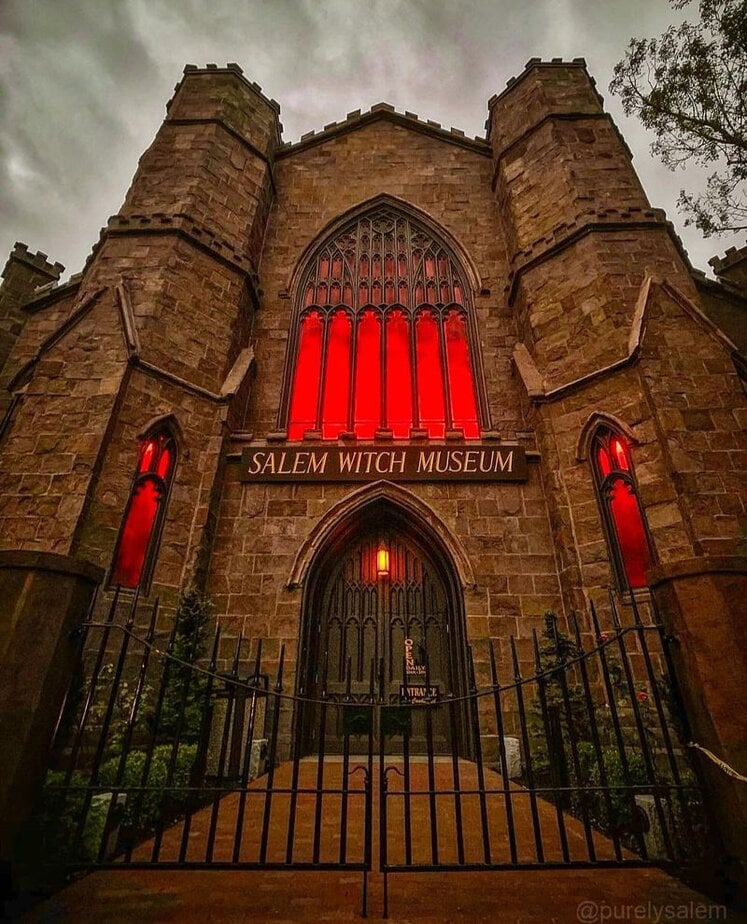
Walking through the doors of this red-brick church-turned-museum feels like stepping back to 1692. Life-sized figures and dramatic lighting recreate the panic and paranoia that swept through colonial Salem during the witch trials. Visitors experience two presentations: the first brings the trials to life through staged scenes, while the second explores how the concept of “witch” has evolved throughout history.
The building itself, with its gothic architecture and stained glass, adds to the eerie atmosphere. Though not the most sophisticated museum technically, it provides an essential introduction to Salem’s most infamous chapter and helps explain why this small New England town continues to fascinate us centuries later.
2. The House of the Seven Gables
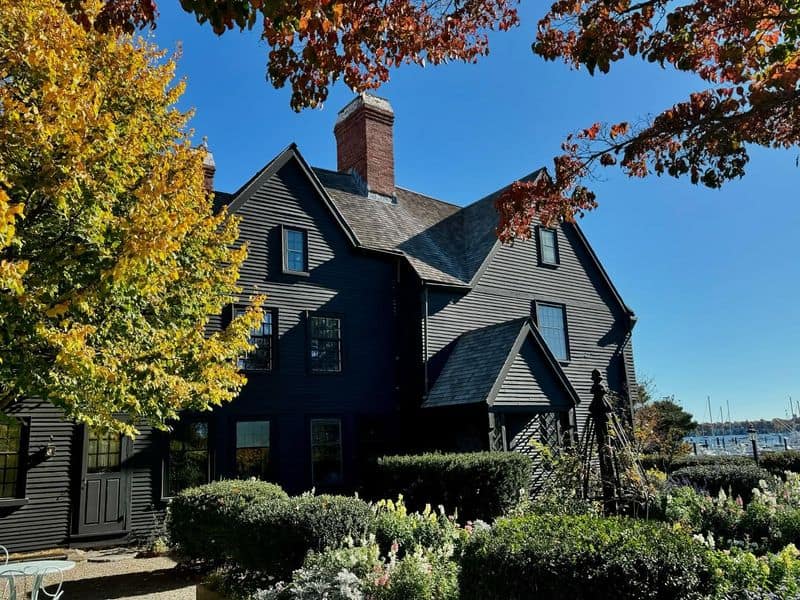
Perched by the harbor, this 1668 wooden mansion with its distinctive seven-pointed roof inspired Nathaniel Hawthorne’s famous novel. The seaside estate offers more than just literary connections – it’s a portal to colonial New England life.
Secret staircases hidden within the walls create an atmosphere of mystery as you wander through rooms filled with period furnishings. The property includes beautiful gardens overlooking Salem Harbor and several other historic buildings moved to the site for preservation.
Guides share stories about the Turner-Ingersoll families who lived here and Hawthorne’s connection to the property. The gift shop occupies the home’s original kitchen with its massive hearth still intact.
3. Salem Witch Trials Memorial
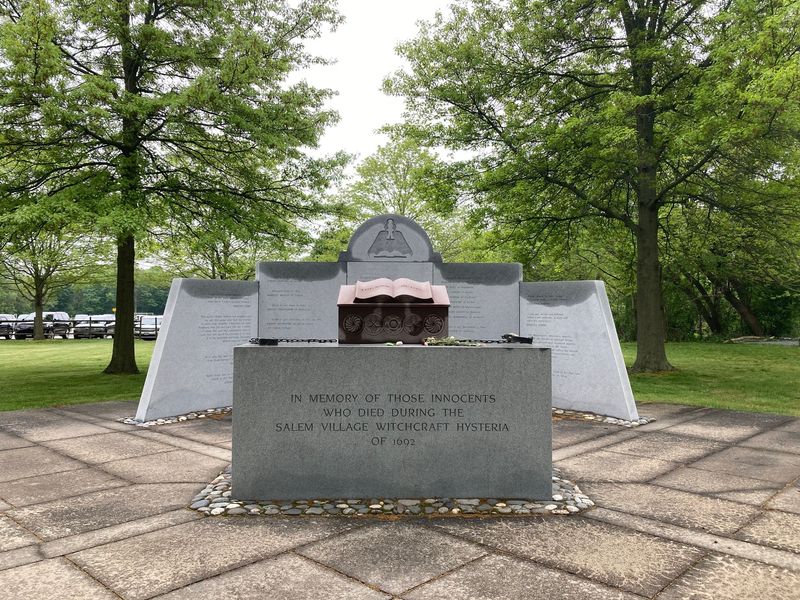
Stone benches jut from a low wall, each inscribed with a victim’s name and execution date – a powerful reminder of the 20 innocent lives lost during the hysteria of 1692. Visitors often leave flowers or stones on these benches in remembrance.
Located beside the Old Burying Point Cemetery, this simple yet moving memorial was dedicated in 1992, on the 300th anniversary of the trials. Quotes from the victims’ final pleas are carved into the threshold, giving voice to those who were silenced.
The memorial’s design encourages quiet reflection. Surrounded by old trees in the heart of historic Salem, it provides a necessary counterpoint to the more commercial witch attractions found throughout town.
4. The Witch House
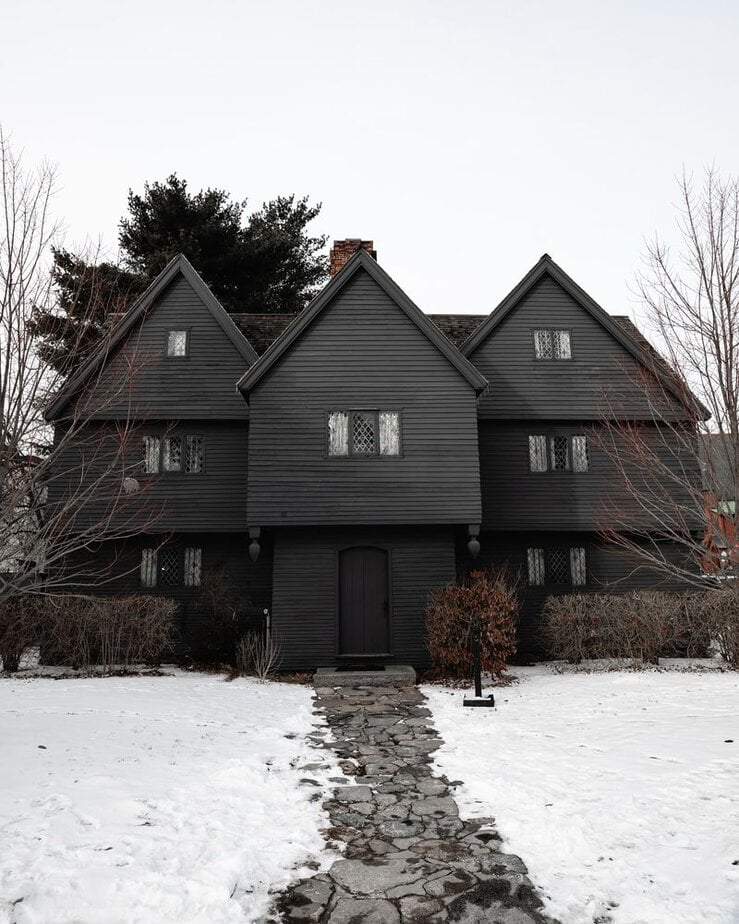
Standing at a busy intersection, this dark-timbered home with its overhanging second story is the last physical connection to the witch trials still standing in Salem. Judge Jonathan Corwin, who sent many accused witches to their deaths, lived here during the fateful year of 1692.
Inside, low ceilings and small windows create an authentic 17th-century atmosphere. The rooms contain period furniture, household implements, and displays about colonial medical practices and superstitions that contributed to witch trial hysteria. Particularly fascinating are the “witch bottles” and protective marks once used to ward off evil spirits.
Unlike more theatrical Salem attractions, the Witch House focuses on the everyday reality of Puritan New England life.
5. Pickering Wharf
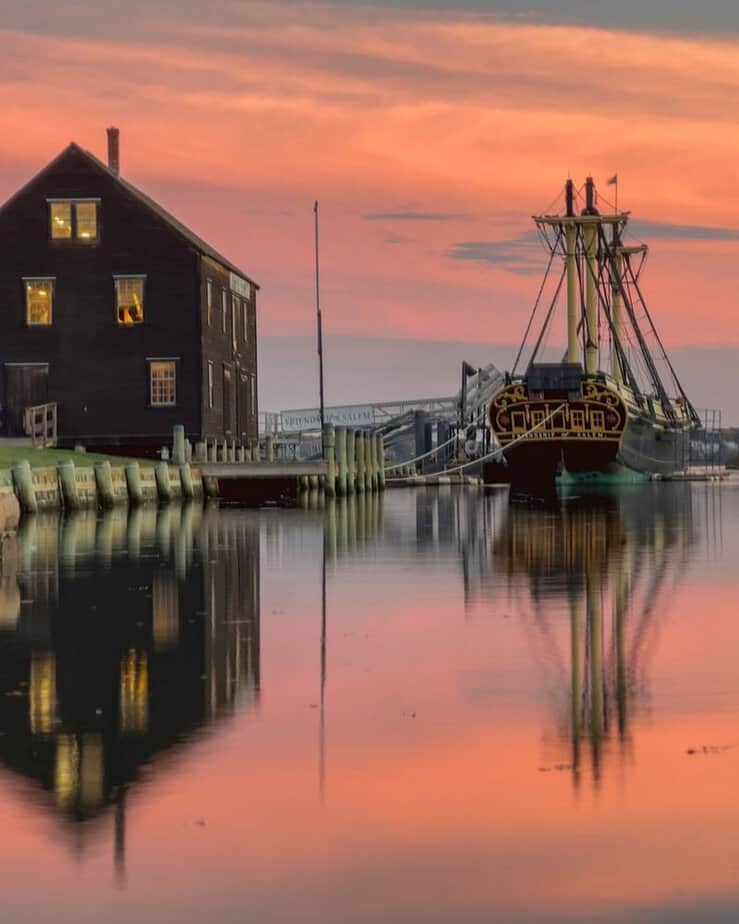
Seagulls circle overhead as sailboats bob in the harbor beside this charming waterfront district. Once the heart of Salem’s maritime trade, today’s Pickering Wharf blends history with modern pleasures through its collection of weathered buildings housing specialty shops and restaurants. Visitors can shop for witch-themed souvenirs, handcrafted jewelry, or nautical antiques before settling in for fresh seafood with harbor views.
The wooden boardwalk offers perfect spots for people-watching or enjoying an ice cream cone while tall ships and fishing boats come and go. Street performers often entertain crowds during summer and fall months. The wharf captures Salem’s dual identity as both a historic seaport and a modern tourist destination.
6. Bewitched Statue
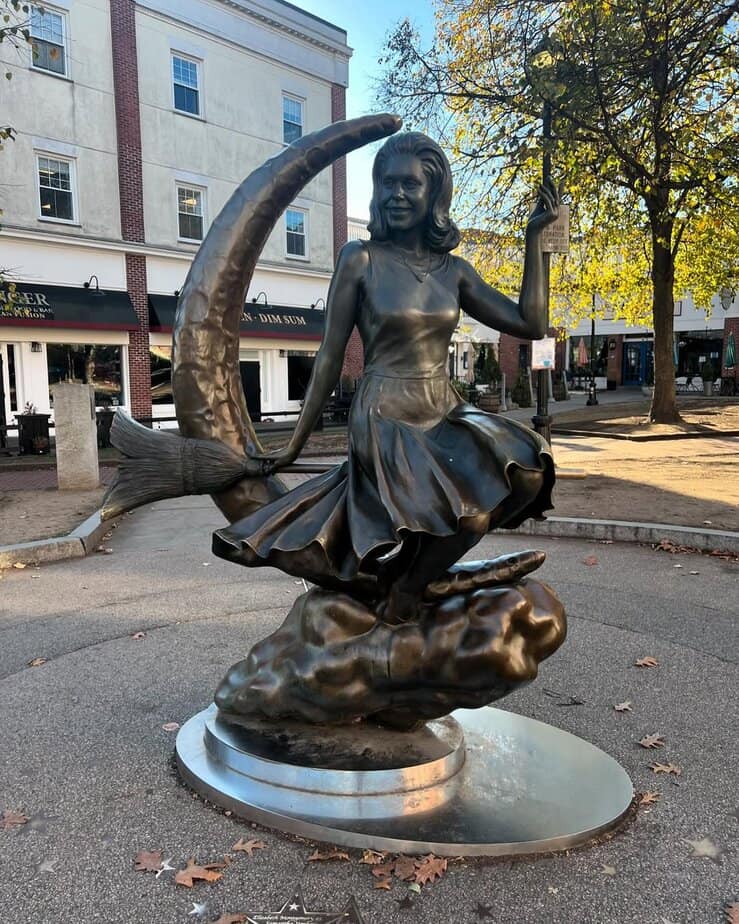
Bronze Samantha Stephens sits sidesaddle on her broomstick, eternally casting her spell over Salem’s Lappin Park. This 9-foot statue commemorates the 1970s TV series that filmed several episodes in Salem, helping transform the town’s witch history from tragedy to tourist attraction. Created by sculptor Stephan Welanyk and unveiled in 2005, the statue has become one of Salem’s most photographed spots.
Fans of the show recognize Elizabeth Montgomery’s nose-twitching character instantly, while younger visitors discover a piece of pop culture history. Located at the corner of Essex and Washington streets in the heart of downtown, the statue represents Salem’s playful embrace of its witchy reputation. It’s especially popular during Halloween season when visitors line up for selfies with Samantha.
7. Peabody Essex Museum
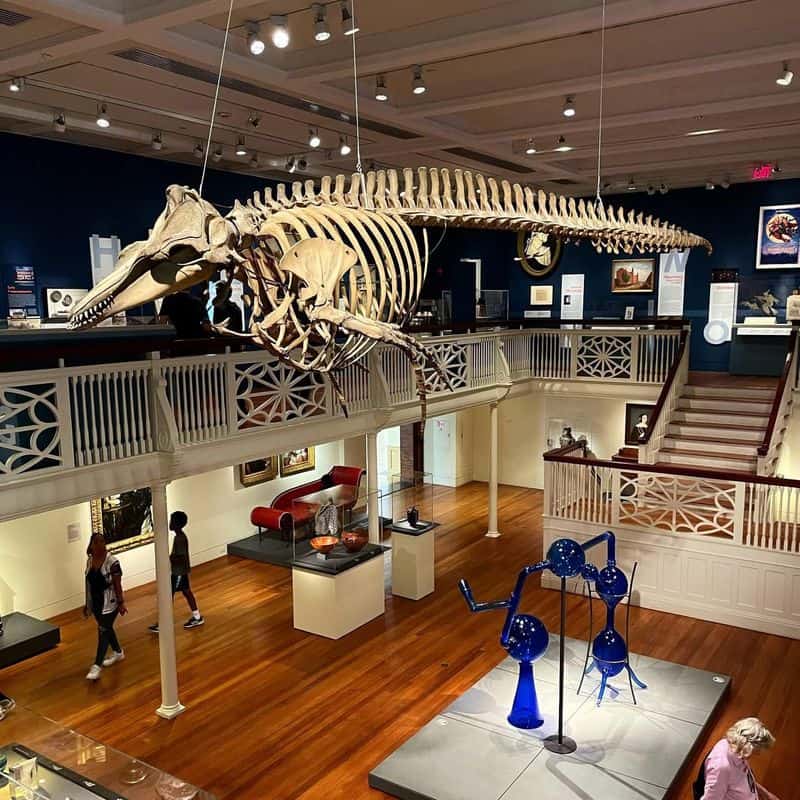
Surprisingly modern architecture houses one of America’s oldest and most eclectic museum collections. Founded in 1799 by sea captains who brought treasures back from around the globe, the Peabody Essex Museum showcases everything from maritime artifacts to contemporary art. The crown jewel is Yin Yu Tang, an entire 200-year-old Chinese merchant’s house transported piece by piece from China and reassembled inside the museum. V
isitors can also explore impressive collections of Asian export art, Native American crafts, and maritime paintings that reflect Salem’s seafaring past. Recent expansions have added stunning gallery spaces for rotating exhibitions. Unlike Salem’s witch-focused attractions, PEM offers a broader cultural experience that rivals major city museums in quality and scope.
8. Salem Haunted Happenings (Seasonal)
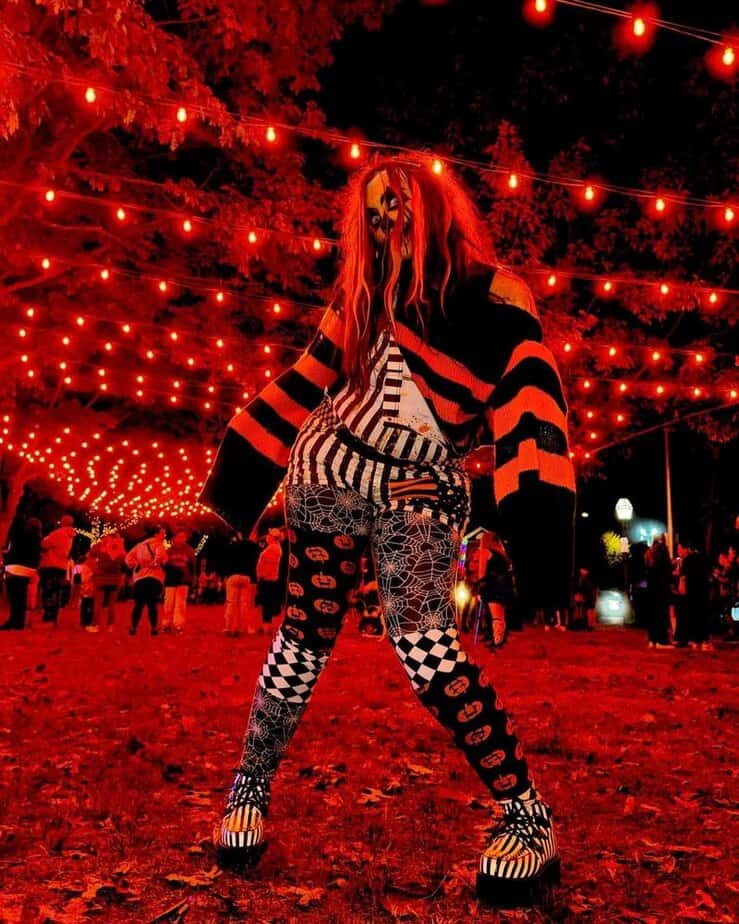
October transforms Salem into Halloween central as the entire city embraces its spooky reputation with a month-long festival. Streets fill with visitors in elaborate costumes while buildings glow with orange lights and eerie decorations. The Grand Parade kicks off the celebration with floats, bands, and hundreds of costumed participants marching through downtown.
Throughout the month, visitors can enjoy psychic fairs, haunted houses, special museum exhibits, and outdoor markets selling everything from handcrafted witch hats to horror-themed artwork. Nighttime brings ghost tours, séances, and live performances to venues across town.
While weekends draw massive crowds, weekday visits offer a slightly calmer experience of this unique seasonal transformation that draws over 500,000 visitors annually.
9. The Salem Witch Board Museum
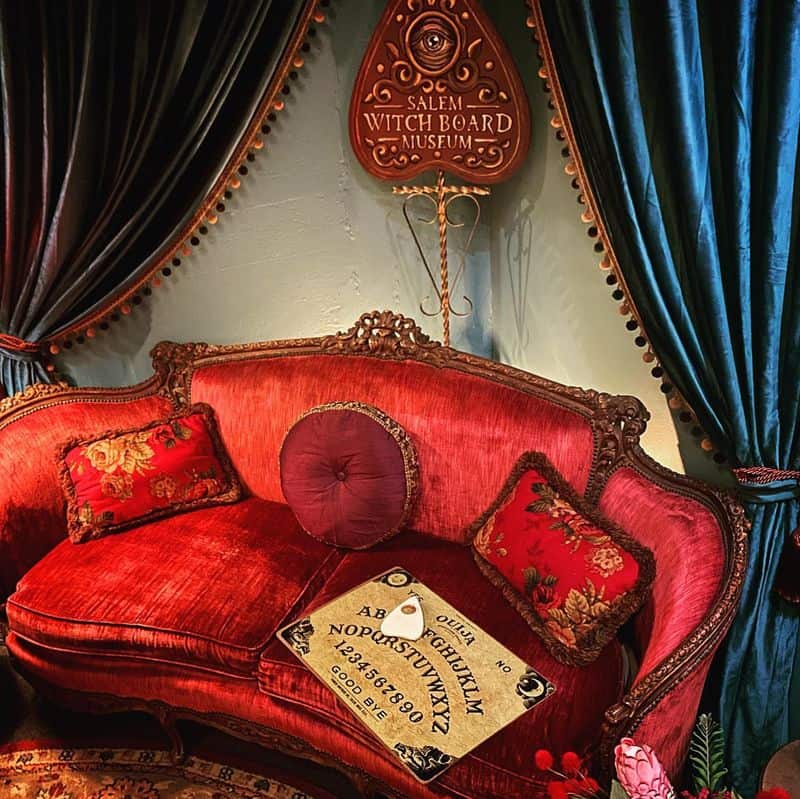
Hidden away on Derby Street, this quirky museum houses the world’s largest collection of talking boards. Glass cases display hundreds of Ouija boards dating from the 1890s to today, ranging from ornate Victorian versions to movie tie-ins and handcrafted artist editions.
Founded by collector John Kozik, the museum explores how these mysterious boards evolved from spiritualist tools to pop culture icons. Visitors learn about famous Ouija sessions, manufacturing history, and the board’s surprising connections to Salem’s own history.
The dimly lit exhibition space creates an appropriately mysterious atmosphere. Whether you’re a skeptic or believer, the museum offers a fascinating look at America’s complicated relationship with the supernatural and our enduring desire to communicate with what lies beyond.
10. Take a Walking Ghost Tour
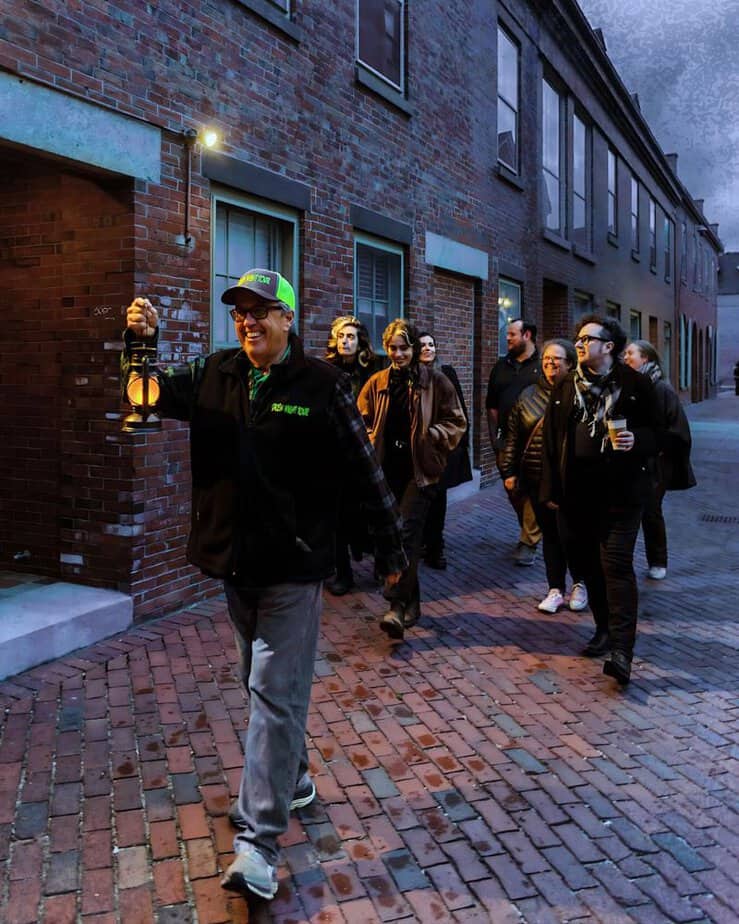
Lanterns cast long shadows as night falls and guides in period costume lead visitors through Salem’s historic streets. These popular walking tours blend history, folklore, and theatrical storytelling to bring Salem’s haunted reputation to life.
Groups stop at reportedly haunted locations like the Joshua Ward House, where the ghost of Sheriff Corwin (known as “The Strangler”) is said to appear, or the Old Burying Point Cemetery with its weathered 17th-century tombstones. Guides share tales of documented paranormal experiences alongside historical context about the buildings and their former inhabitants.
Multiple tour companies offer different experiences, from history-focused walks to more theatrical presentations with special effects. These tours provide a perfect ending to a Salem visit, especially on crisp autumn evenings when the town feels most atmospheric.