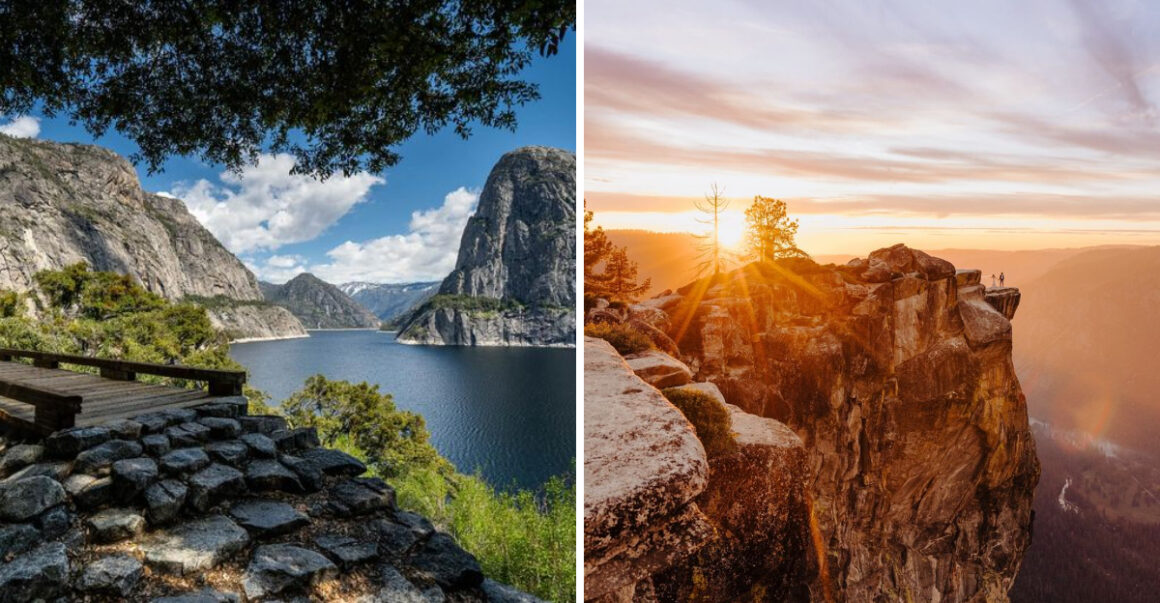
Yosemite National Park stands as one of America’s most treasured natural wonders, drawing millions of visitors each year to its towering granite cliffs and cascading waterfalls. Spanning nearly 1,200 square miles of California’s Sierra Nevada mountains, this outdoor paradise offers endless opportunities for adventure and awe. Whether you’re a first-time visitor or returning nature lover, these ten spectacular spots showcase the very best of Yosemite’s breathtaking beauty.
1. Glacier Point
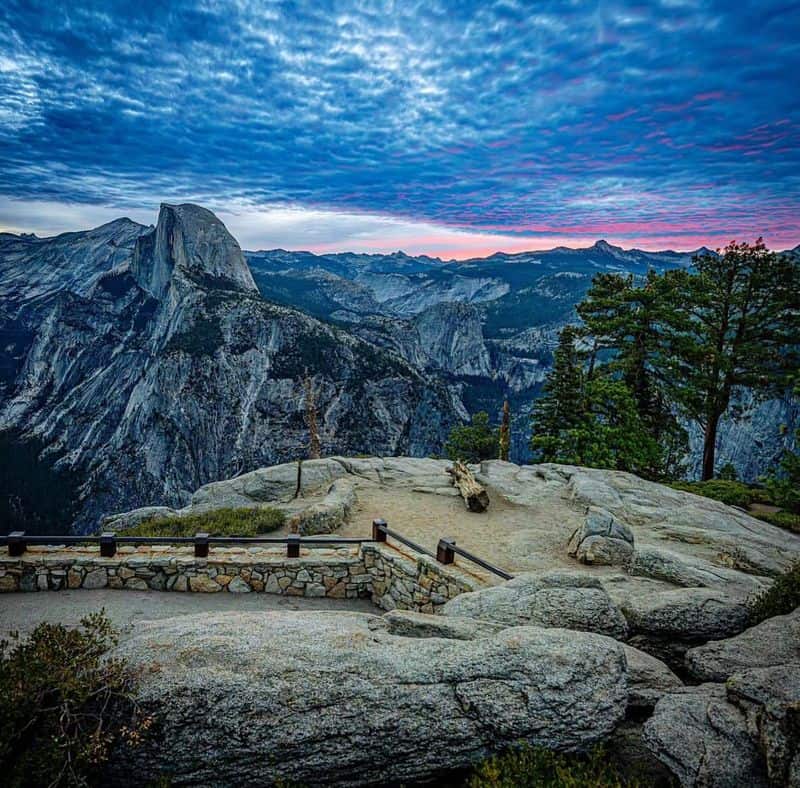
Standing at 7,214 feet above sea level, Glacier Point delivers a view that makes even seasoned travelers fall silent in wonder. The panoramic vista unfolds like a living painting, with Half Dome rising majestically against the sky.
During golden hour, the entire valley glows with warm light, transforming gray granite into fiery orange and gold. Many visitors bring picnic dinners to savor while watching the sunset paint the landscape.
Accessible by car from late May through October, this overlook provides wheelchair-accessible viewing areas. Winter transforms it into a challenging 10.5-mile ski destination for the adventurous.
2. Tunnel View
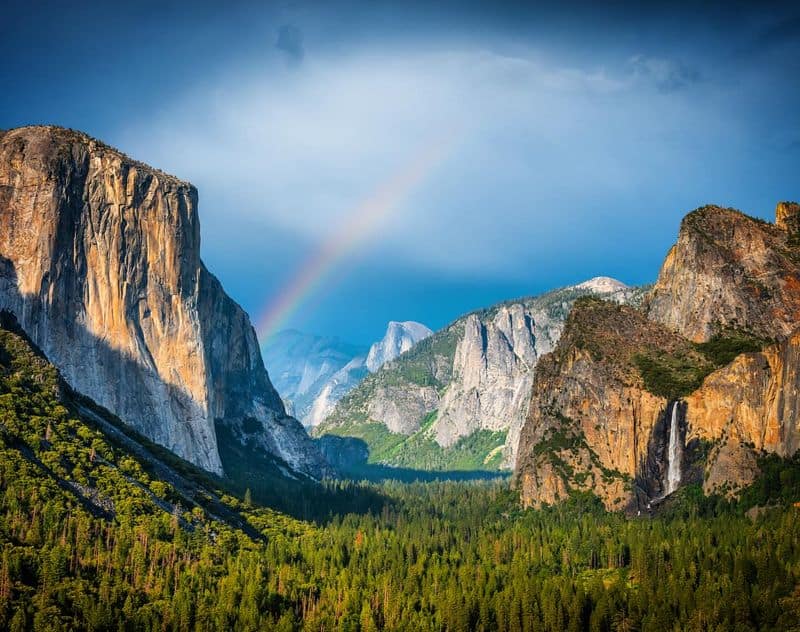
Emerging from the darkness of Wawona Tunnel, travelers are suddenly greeted by what might be the most photographed vista in all of America’s national parks. El Capitan rises boldly on the left while Bridalveil Fall cascades gracefully on the right, with Half Dome commanding attention in the distance.
Morning fog often fills the valley floor, creating a mystical atmosphere as mountain peaks pierce through the mist. This spot captures Yosemite’s essence in a single frame.
Located along Wawona Road (Highway 41), this viewpoint includes a large parking area that fills quickly during summer months. Visit at dawn for the best lighting and fewest crowds.
3. Yosemite Falls
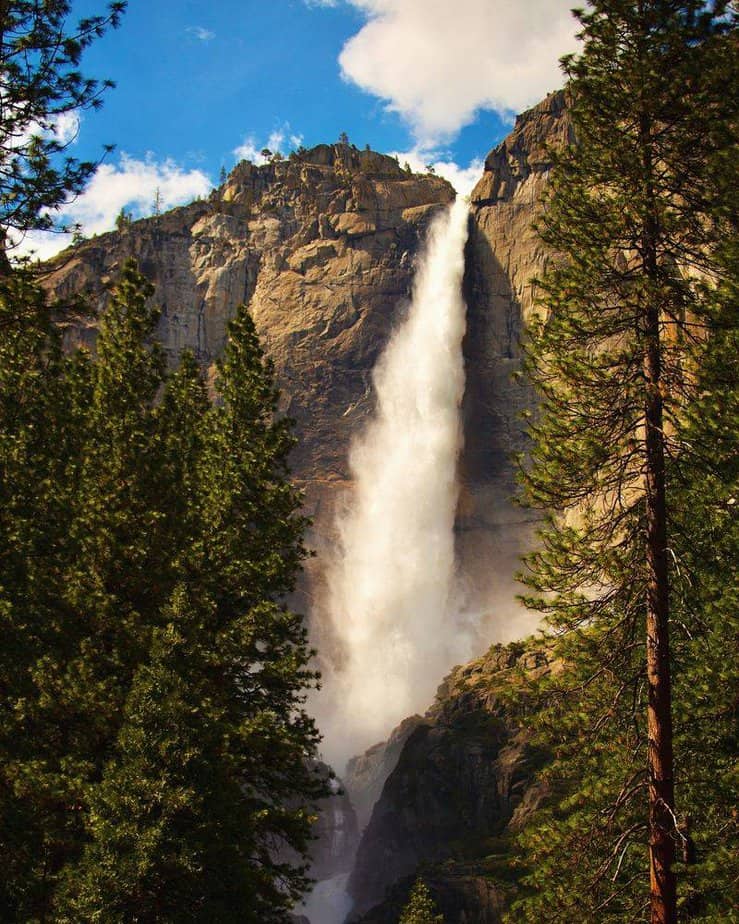
Water thunders down ancient granite in a spectacular three-part cascade that drops 2,425 feet, making it North America’s tallest waterfall. The roar echoes through the valley, growing to a magnificent crescendo during spring when snowmelt feeds its powerful flow.
Lower Yosemite Fall offers an accessible one-mile loop trail that brings you close enough to feel the refreshing mist on your face. Rainbows often dance in the spray on sunny afternoons, creating magical photo opportunities.
For adventurous hikers, the challenging trail to Upper Yosemite Fall rewards with heart-stopping views from the precipice. By late summer, the falls may reduce to a trickle, making spring visits ideal.
4. Mariposa Grove of Giant Sequoias
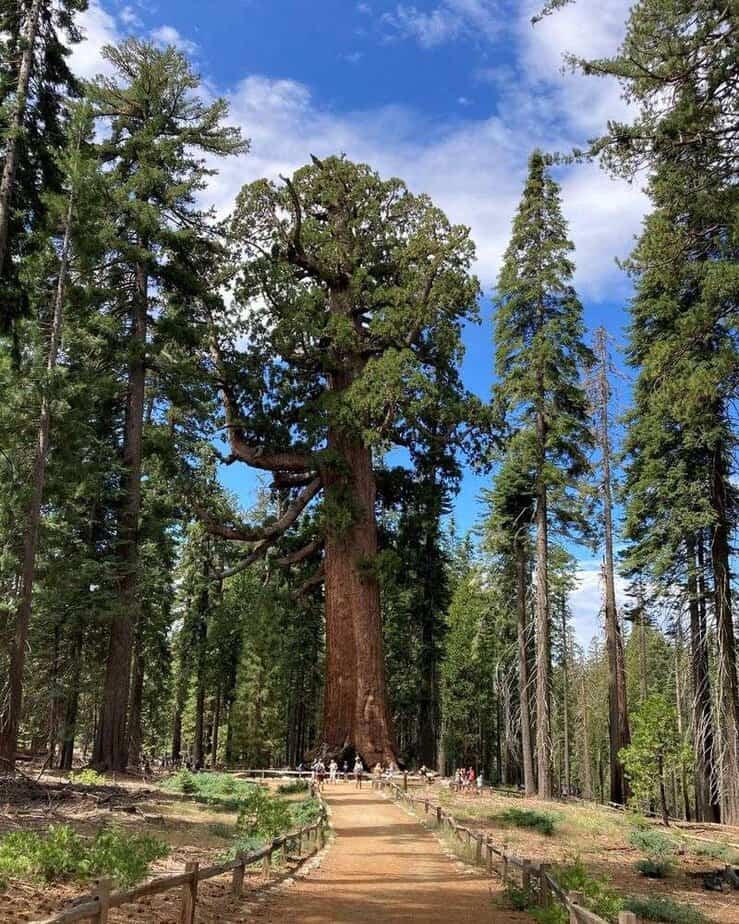
Walking among these ancient giants creates an almost spiritual experience. Some of these massive trees were already a thousand years old when Rome was founded! The Grizzly Giant, estimated at 1,800-2,000 years old, stands as one of the grove’s most impressive specimens.
Sunlight filters through the reddish-brown bark, creating dappled patterns on the forest floor. The air smells of sweet pine and rich earth, adding to the sensory experience.
Recently restored to improve natural hydrology, the grove now features a shuttle system from the welcome plaza. The Fallen Monarch demonstrates nature’s cycle, as new life springs from its massive fallen trunk that visitors can walk alongside.
5. Taft Point
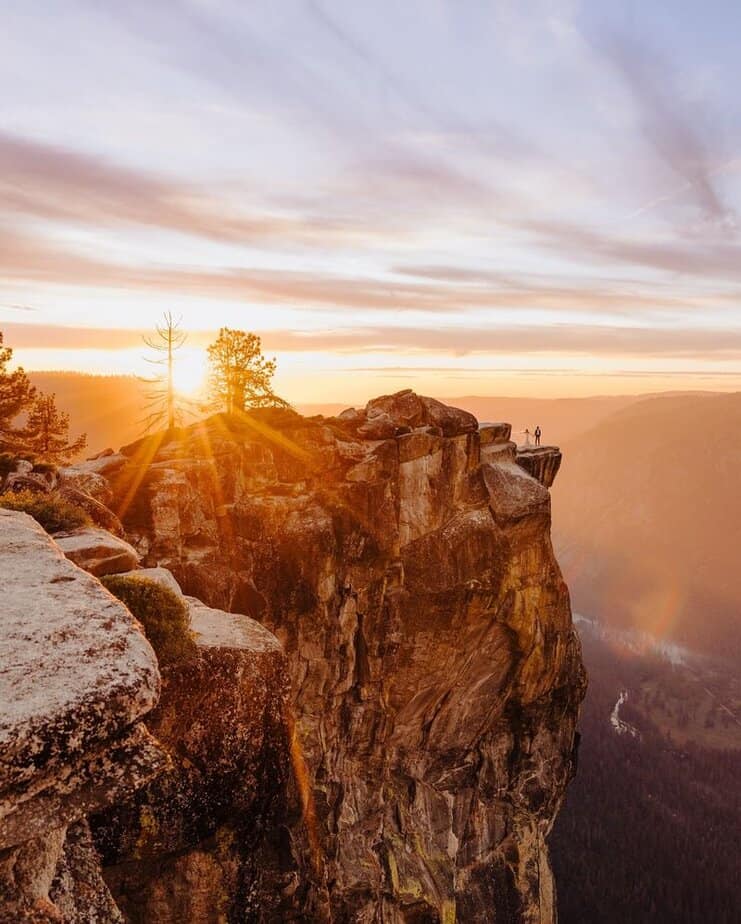
Vertigo-inducing fissures split the cliff edge at Taft Point, where brave souls can peer straight down 3,500 feet to the valley floor below. Unlike crowded Glacier Point, this dramatic overlook offers solitude along with its spectacular views.
The 2.2-mile round-trip hike traverses through fragrant forest before opening to exposed granite where steel railings are sparse. Golden evening light transforms the scene into something otherworldly as shadows stretch across Yosemite Valley.
Photographers flock here for sunset shots, when El Capitan glows orange and pink. Extreme caution is necessary near the unfenced dropoffs, where strong winds can catch visitors by surprise.
6. Mirror Lake
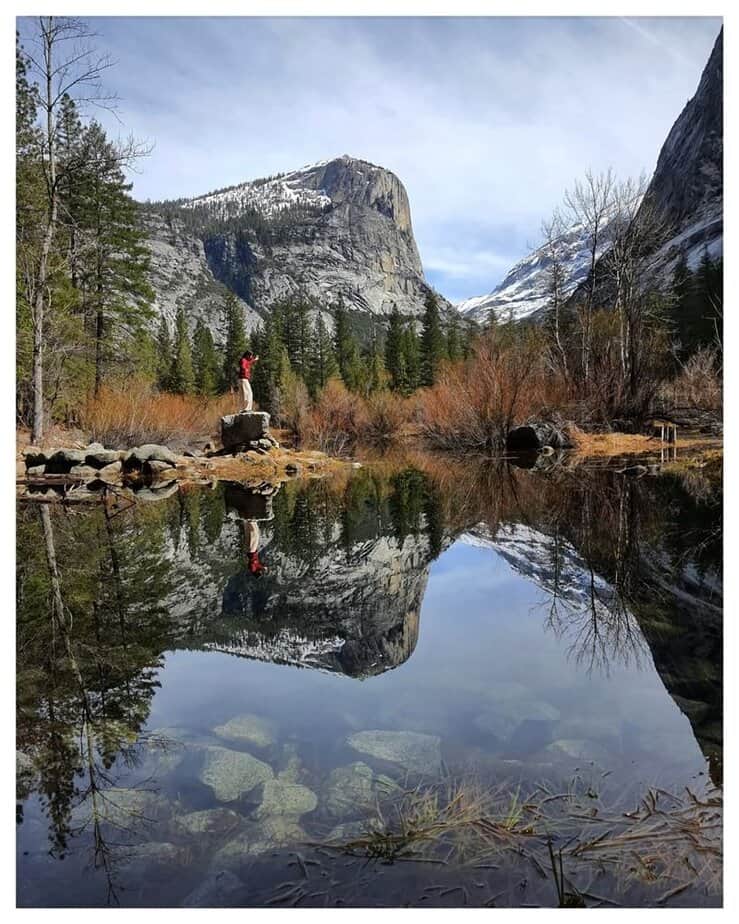
Nestled in a quiet corner of Yosemite Valley, Mirror Lake creates perfect reflections of surrounding cliffs when its waters lie still in early morning. Half Dome’s imposing face doubles in the glassy surface, creating a photographer’s paradise.
Despite its name, Mirror Lake is actually a large pond formed by Tenaya Creek, gradually filling with sediment as part of natural succession. Wildflowers dot the shoreline in spring, adding splashes of color to the serene setting.
The flat 2-mile round-trip trail makes this spot accessible to most visitors. Winter and spring offer the fullest water levels, while summer and fall reveal more shoreline as the lake shrinks to a fraction of its peak size.
7. Vernal Fall and Nevada Fall
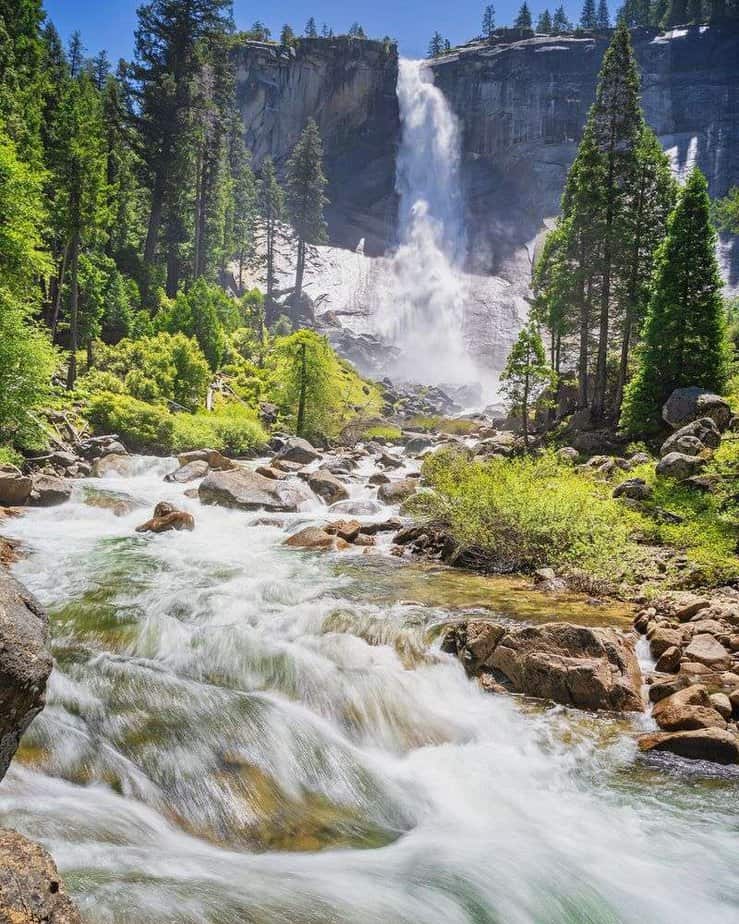
Mist swirls through the air as powerful Vernal Fall plunges 317 feet, creating the famous “Mist Trail” experience where hikers get refreshingly soaked on hot summer days. Rainbow arcs often form in the spray, adding magic to an already spectacular scene.
Continuing upward, ambitious hikers reach Nevada Fall, which thunders down 594 feet of smooth granite. The Emerald Pool (swimming prohibited) sits between these two magnificent cascades, offering a brief respite on the challenging ascent.
Stone steps cut into the mountainside create an unforgettable approach to Vernal Fall, though they become slippery when wet. The complete loop via the John Muir Trail provides diverse perspectives of both waterfalls and reduces downhill impact on knees.
8. El Capitan Meadow
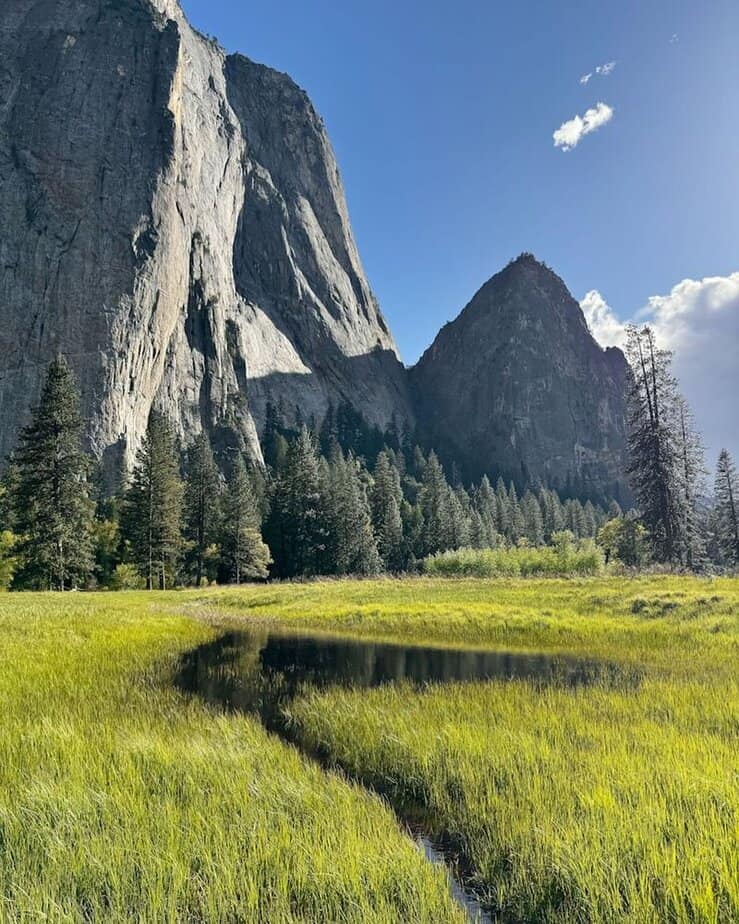
Tiny figures cling to the sheer 3,000-foot face of El Capitan, barely visible to onlookers in the meadow below. Binoculars reveal the slow, methodical progress of climbers tackling what many consider the world’s ultimate big wall challenge.
Wildflowers carpet the lush meadow in spring, creating a striking contrast against the massive granite monolith. Evening brings alpenglow to the rock face, transforming it from gray to glowing gold and pink.
Located along Northside Drive, this meadow provides the perfect vantage point for watching climbing history unfold. Dawn patrol climbers often begin their ascents before first light, while multi-day parties establish portable sleeping ledges visible as colorful dots on the massive wall.
9. Olmsted Point
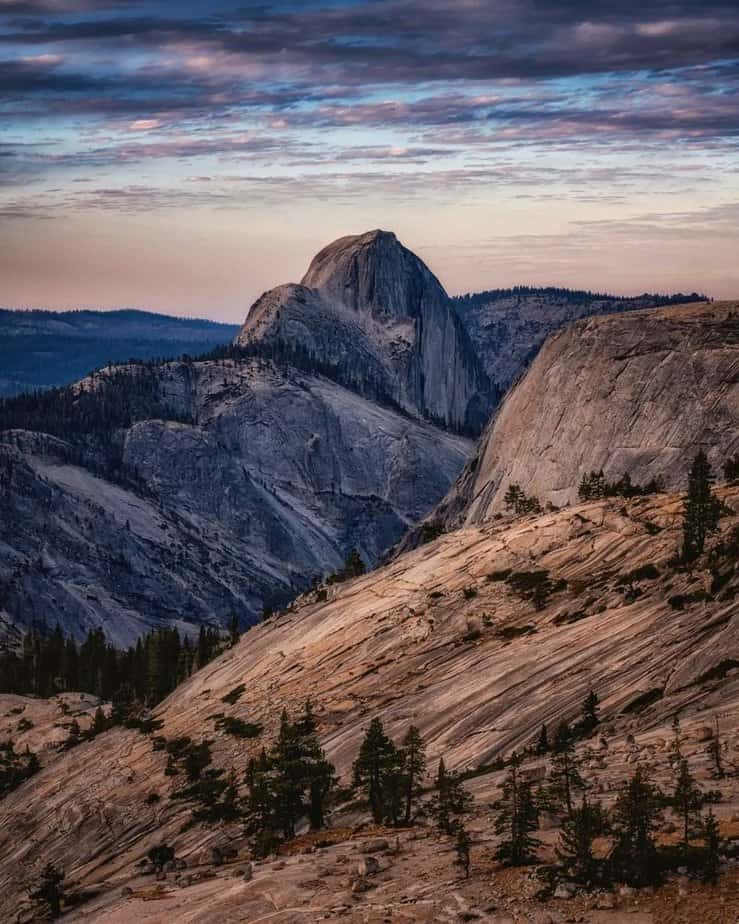
Massive glacial erratics (boulder-sized rocks) dot the landscape at Olmsted Point, evidence of the powerful ice forces that shaped this stunning landscape. From this unique vantage point along Tioga Road, visitors gain a completely different perspective of Half Dome’s backside.
Cloud’s Rest and Tenaya Canyon stretch out before you, with azure Tenaya Lake visible in the distance. Unlike valley viewpoints, Olmsted offers a high-country wilderness vista that showcases Yosemite’s alpine character.
A short interpretive trail leads across exposed granite slabs where resilient Sierra juniper trees twist dramatically against the elements. Named for landscape architect Frederick Law Olmsted, this spot remains accessible only when Tioga Road is open, typically May through October.
10. Hetch Hetchy Reservoir
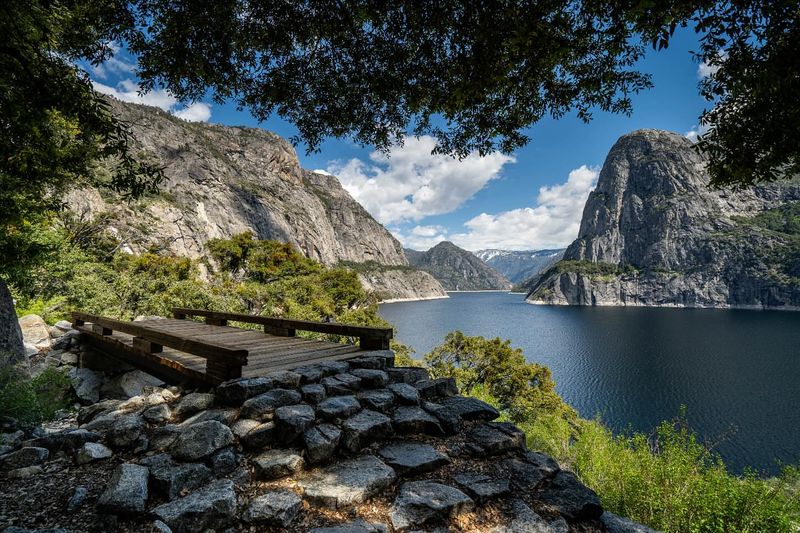
Controversial history surrounds this peaceful reservoir, once a valley John Muir described as Yosemite’s beautiful twin before it was dammed in 1923. Today, emerald waters reflect surrounding cliffs while providing drinking water for San Francisco.
Spring transforms the landscape as Wapama and Tueeulala Falls cascade dramatically into the reservoir. The relatively flat trail along the shoreline offers moderate hiking with spectacular views and significantly fewer crowds than Yosemite Valley.
Wildflowers explode in colorful profusion during April and May, carpeting hillsides with lupine, poppies, and monkey flowers. The O’Shaughnessy Dam itself provides an impressive engineering counterpoint to the natural beauty, with its massive concrete arch spanning the canyon.