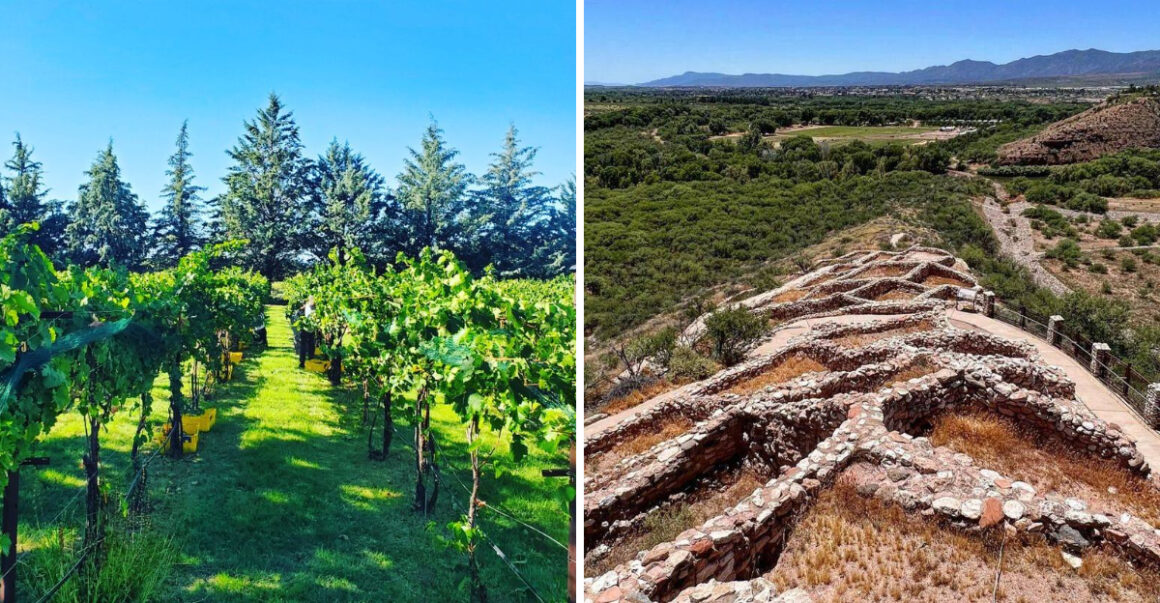
The drive from Phoenix to Sedona offers more than just a journey between two destinations. This scenic route through Arizona’s diverse landscapes is packed with unexpected treasures that many travelers zoom right past. From ancient ruins to culinary delights, these stops transform a simple drive into an adventure filled with discovery and wonder.
1. Agua Fria National Monument (Near Black Canyon City)
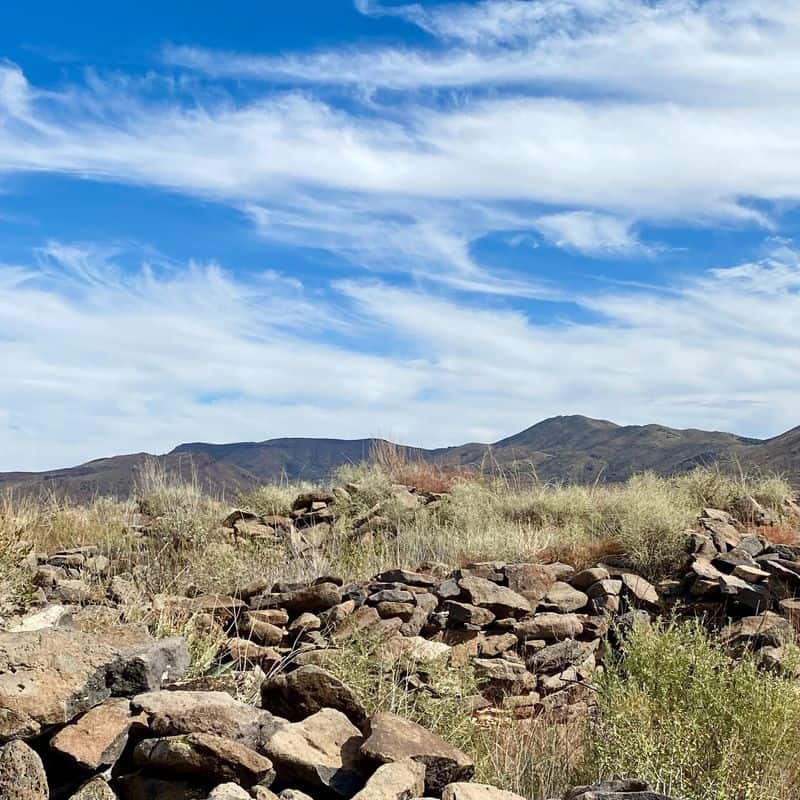
Ancient rock art awaits curious explorers at this 71,000-acre wonderland just off I-17. Native Americans left their mysterious messages here centuries ago, with symbols and figures etched into dark desert rocks.
Miles of hiking trails wind through high desert terrain where you might spot pronghorn antelope or golden eagles soaring overhead. The Badger Springs Trail leads to a seasonal creek where cottonwoods provide welcome shade.
Best of all, you’ll likely have these treasures all to yourself since most travelers rush past without knowing what they’re missing.
2. Rock Springs Café (Black Canyon City)
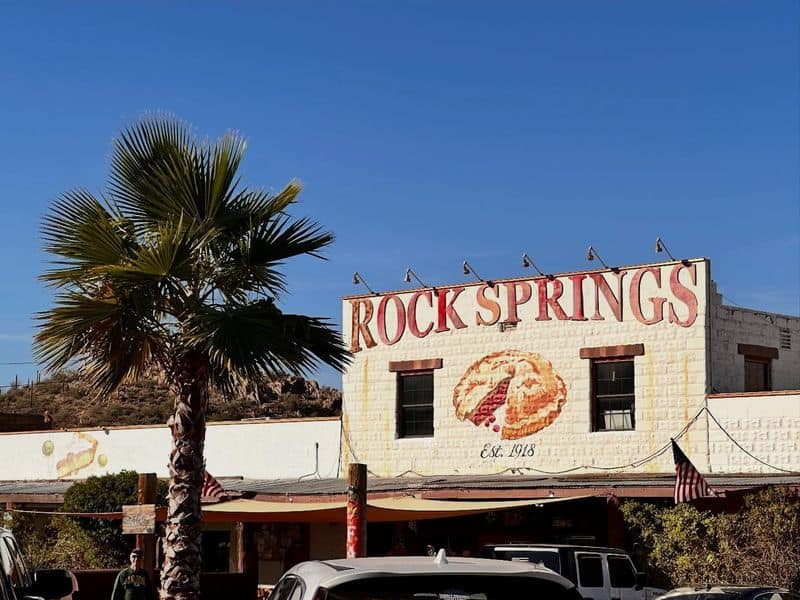
Time travel happens with one bite of pie at this roadside institution dating back to 1918. The wooden floors creak with history as locals and in-the-know travelers line up for a slice of heaven.
Their Jack Daniel’s pecan pie has achieved legendary status, with a perfect balance of boozy warmth and nutty sweetness. The blackberry crumb competes for favorite status with its tart-sweet filling and buttery topping.
The café began as a general store and stagecoach stop, gradually evolving into the comfort food haven it is today.
3. Arcosanti (Near Cordes Junction)
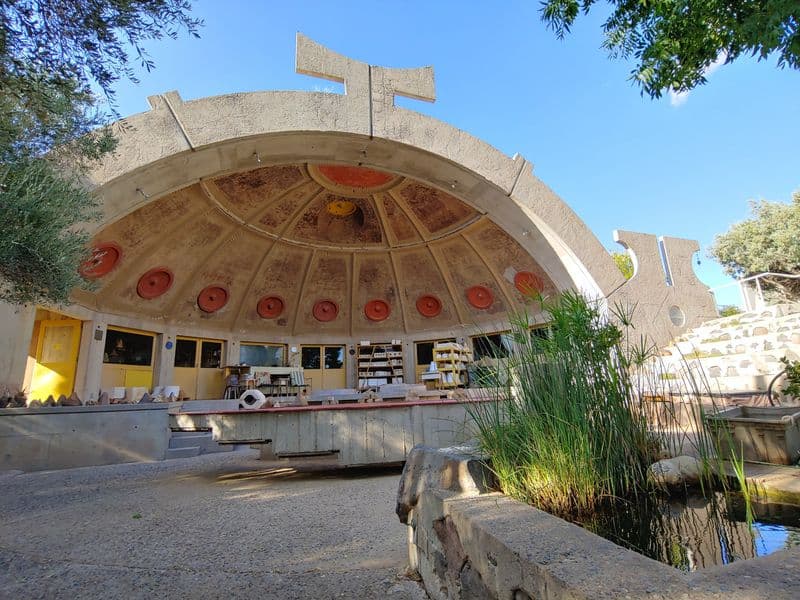
Rising from the desert like a sci-fi movie set, this experimental community blends architecture with ecology in mind-bending ways. Concrete domes and apses catch the desert breeze, demonstrating how buildings can work with nature rather than against it.
Founded in 1970 by visionary architect Paolo Soleri, Arcosanti was designed as an alternative to urban sprawl. Bronze bells crafted on-site have become the community’s signature artistic and economic contribution.
Walking tours reveal living quarters, communal spaces, and workshops where residents continue Soleri’s utopian experiment in sustainable desert living.
4. Sunset Point Rest Area (Scenic Overlook)
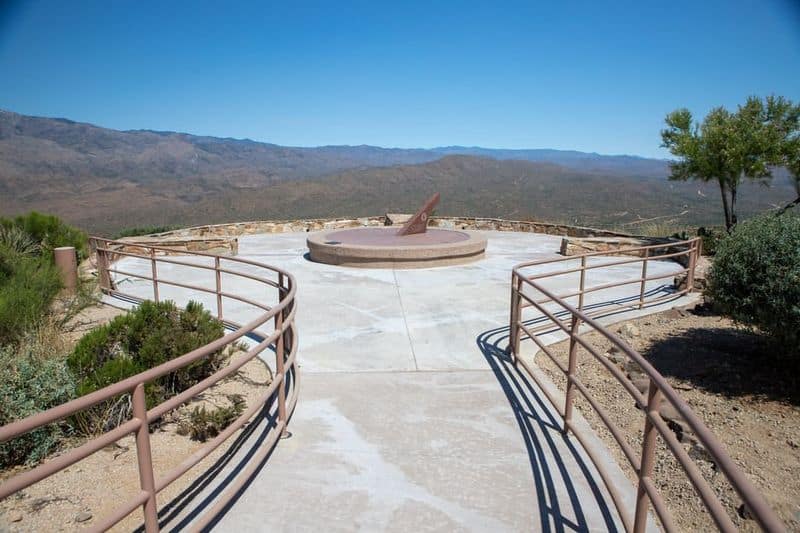
Magic happens when the sun begins its descent at this aptly-named viewpoint along I-17. The ordinary rest stop transforms into front-row seating for nature’s greatest light show as golden rays paint the distant mountains and valleys in impossible colors.
Stretching before you lies the transition zone between desert and mountains, creating a dramatic patchwork of ecosystems. Sharp-eyed visitors might spot hawks riding thermals or even distant wildfires during summer months.
Clean facilities, picnic tables, and interpretive signs make this more than just a bathroom break – it’s an essential Arizona experience.
5. Bumble Bee Ranch Adventures
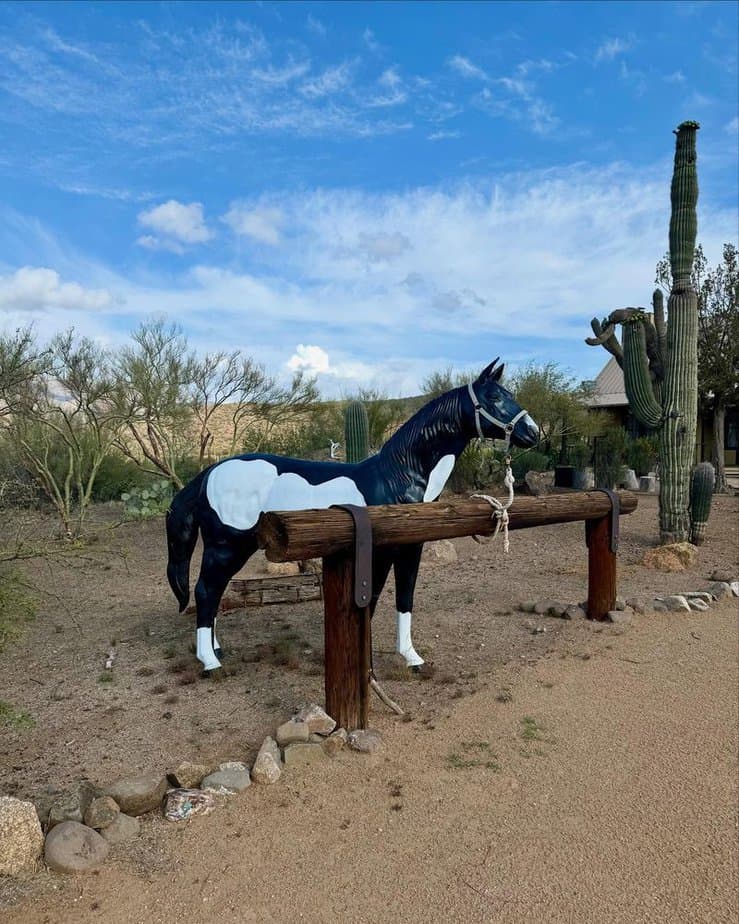
Cowboys still ride the range at this authentic working ranch named after the nearby ghost town of Bumble Bee. Dust kicks up from horse hooves as guests explore rugged terrain that looks straight out of an old Western film.
ATV adventures reveal hidden canyons and abandoned mining sites where prospectors once sought their fortunes. The ranch’s cowboy cookouts feature steaks sizzling over mesquite wood while storytellers share tales of outlaws who once roamed these hills.
Family-owned for generations, the ranch offers a genuine slice of Arizona heritage far removed from tourist traps.
6. Montezuma Castle National Monument
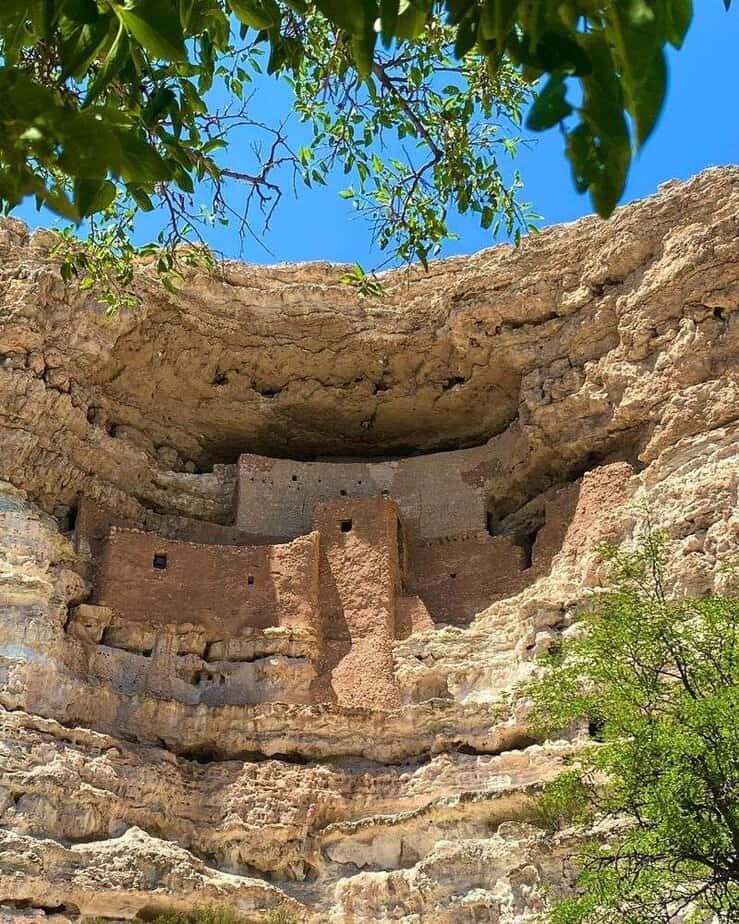
Gravity-defying ingenuity clings to the limestone cliff face at this remarkable archaeological site. The five-story, 20-room dwelling was built by Sinagua people around 1100 CE, tucked securely into a natural alcove 90 feet above the valley floor.
Sycamore trees shade the short, paved trail that offers increasingly impressive views of the structure. Though you can’t enter the dwelling itself, the proximity allows appreciation of the architectural skill involved.
Despite its name, Montezuma had no connection to this place – early settlers mistakenly attributed it to the Aztec emperor, though he never traveled this far north.
7. Camp Verde’s Historic Downtown
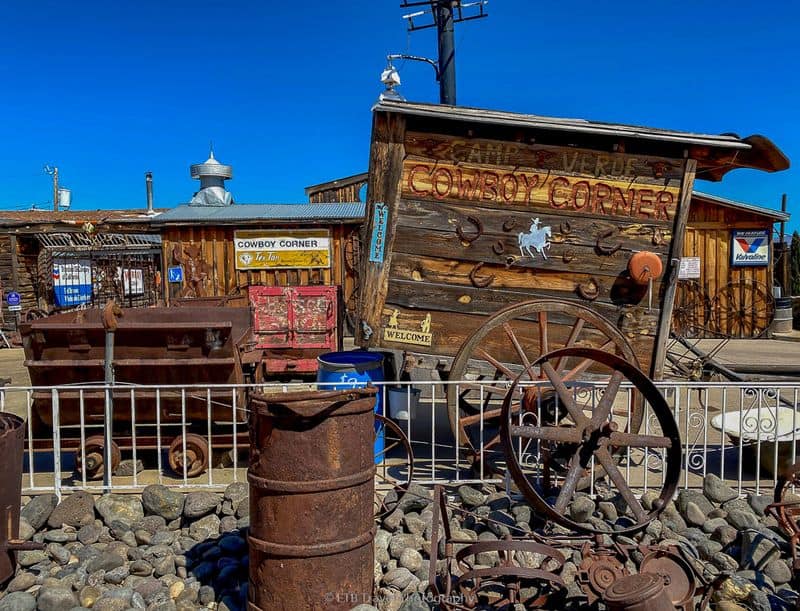
Wooden boardwalks and false-front buildings transport visitors to Arizona’s territorial days in this charming riverside town. Main Street feels frozen in time with its collection of historic structures housing modern businesses.
Antique hunters discover treasures in shops filled with Western collectibles, Native American art, and pioneer-era artifacts. The 1917 Boler’s Bar building now houses a family restaurant where locals gather to share news over homestyle cooking.
Fort Verde State Historic Park preserves officers’ quarters and other buildings from the 1870s military post that gave the town its name and protected settlers during the Indian Wars.
8. Verde Valley Archaeology Center (Camp Verde)

Pottery fragments tell ancient stories at this compact museum dedicated to preserving the region’s rich Native American heritage. Glass cases display intricate black-on-white ceramics, stone tools, and jewelry created by civilizations that thrived here for millennia.
Interactive exhibits invite visitors to try grinding corn with stone tools or weaving yucca fibers as indigenous people once did. The center’s preservation lab offers glimpses of archaeologists at work, carefully cataloging and studying recent discoveries.
Monthly lectures feature experts sharing insights about everything from prehistoric farming techniques to decoding the meanings behind petroglyphs that decorate canyon walls throughout the Verde Valley.
9. Out of Africa Wildlife Park (Camp Verde)
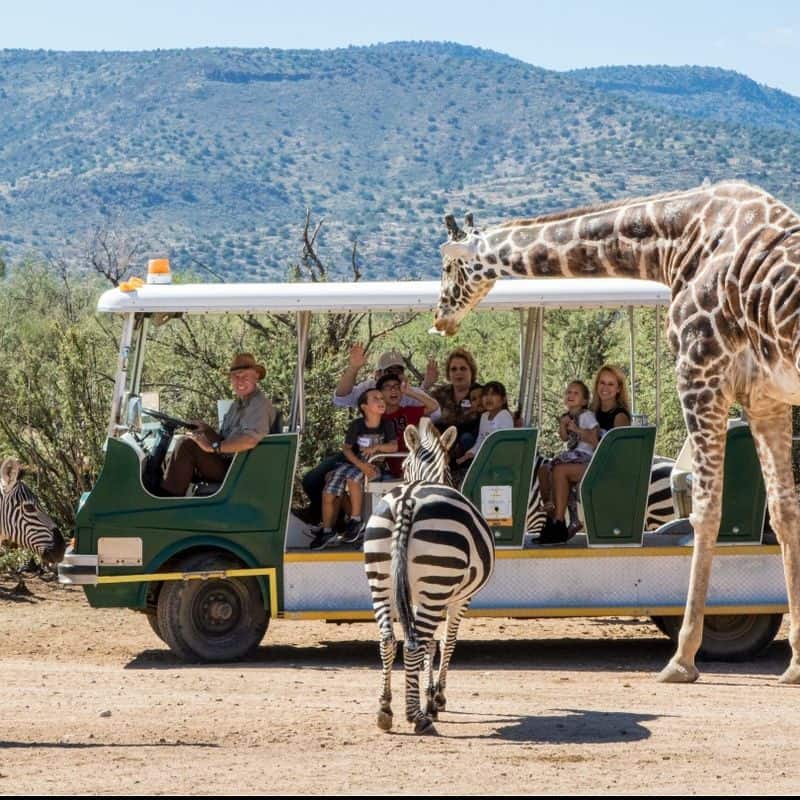
Giraffes stretch their long necks to accept lettuce leaves directly from your hand at this surprising wildlife sanctuary. Unlike traditional zoos, this park emphasizes up-close animal encounters in spacious natural habitats.
The Tiger Splash show demonstrates big cats’ natural behaviors as they chase toys and leap into a pool. During the African Bush Safari tour, open-air vehicles bring you face-to-face with zebras, ostriches, and other exotic species roaming free across acres of Arizona landscape.
Founded by animal lovers Dean and Prayeri Harrison, the park focuses on conservation education while providing forever homes to animals that cannot survive in the wild.
10. Page Springs Cellars (Cornville)
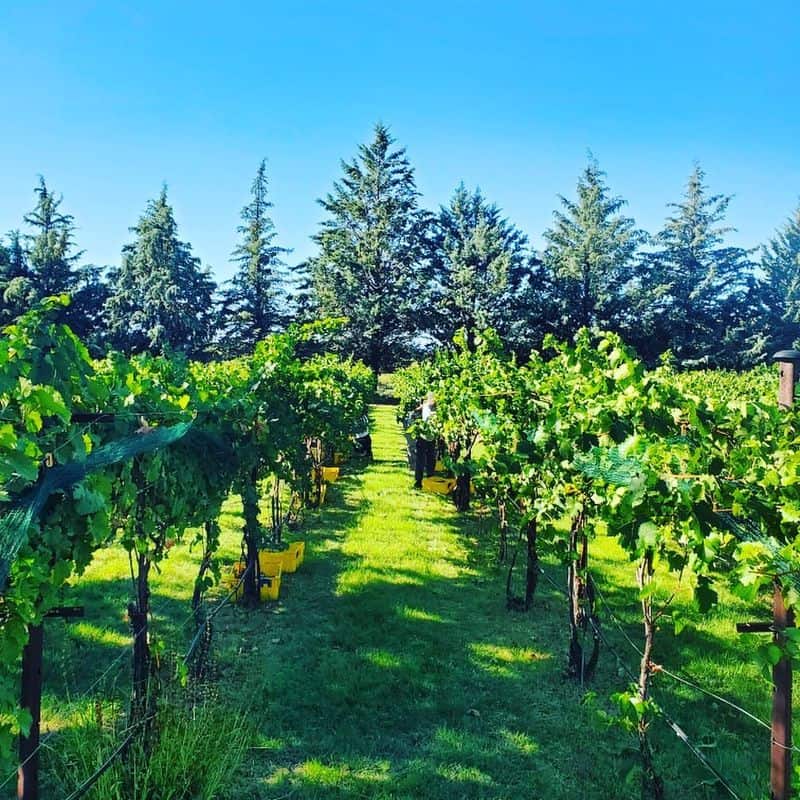
Grapevines cascade down hillsides toward Oak Creek at this picturesque winery just minutes from Sedona. The Mediterranean-like microclimate produces surprisingly excellent wines, especially Syrah and Petite Sirah varieties that thrive in Arizona’s unique growing conditions.
Outdoor tasting decks perched above the bubbling creek offer perfect spots to sample flights of locally-produced wines. Hummingbirds dart between feeders while guests enjoy cheese plates paired with award-winning vintages.
A self-guided tour reveals the winemaking process from vine to bottle, and weekend visitors often enjoy live acoustic music performed by local musicians among the shade of massive cottonwood trees.
11. Tuzigoot National Monument (Clarkdale)
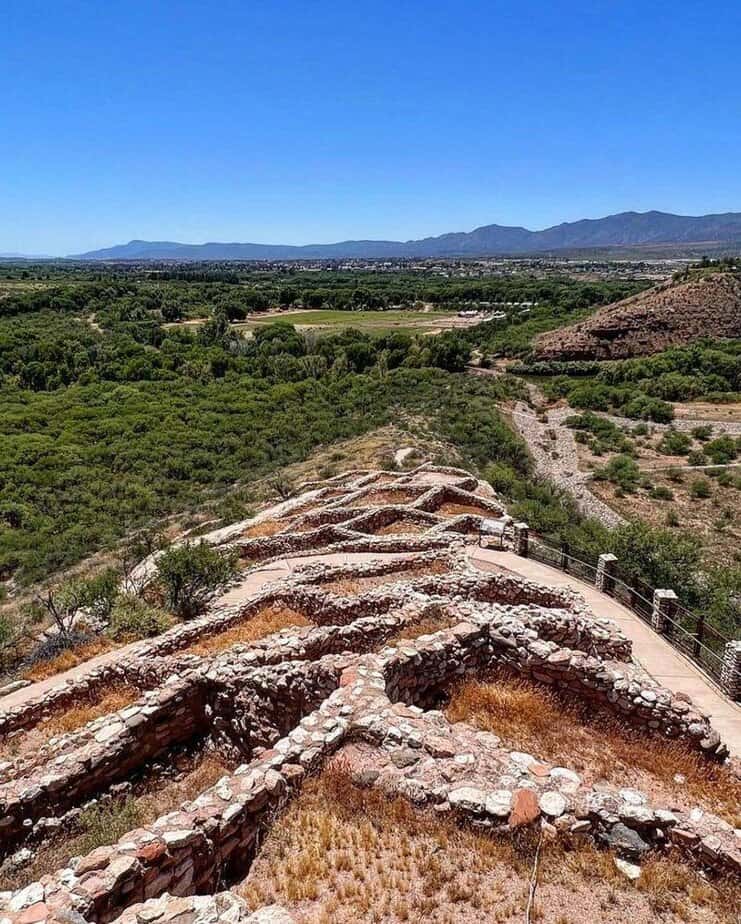
Stone walls trace human history atop a desert ridge where Sinagua people built their hilltop village between 1000 and 1400 CE. The name “Tuzigoot” comes from an Apache word meaning “crooked water,” referring to the nearby Verde River that sustained this community.
Reconstructed rooms reveal how families lived in connected stone apartments, some rising two stories high. From the summit, panoramic views explain why this defensive position was chosen – residents could see for miles in every direction.
The small museum houses artifacts excavated during the 1930s, including delicate pottery, jewelry, and tools that provide glimpses into daily life centuries ago.