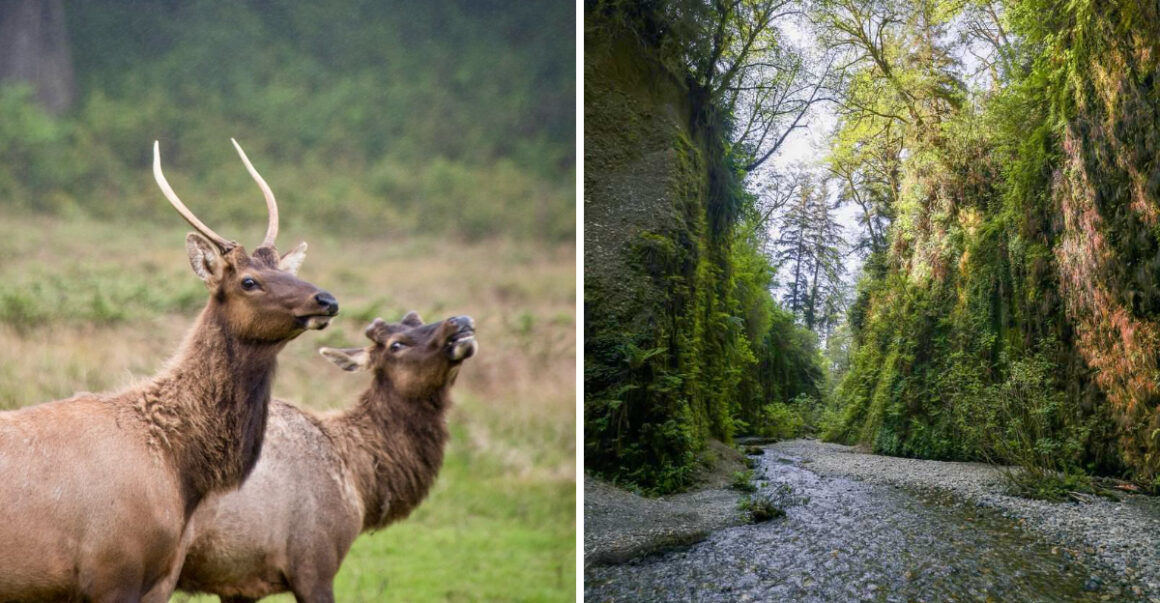
Redwood National Park stands as a living cathedral where ancient giants touch the sky and pristine wilderness meets the rugged Pacific coastline. These towering redwoods, some over 2,000 years old, create an otherworldly atmosphere where time seems to slow down. Whether you’re a seasoned hiker, nature photographer, or family looking for outdoor magic, these colossal trees and diverse ecosystems offer adventures that will stay with you long after you’ve left.
1. Walk Among Giants on the Tall Trees Grove Trail
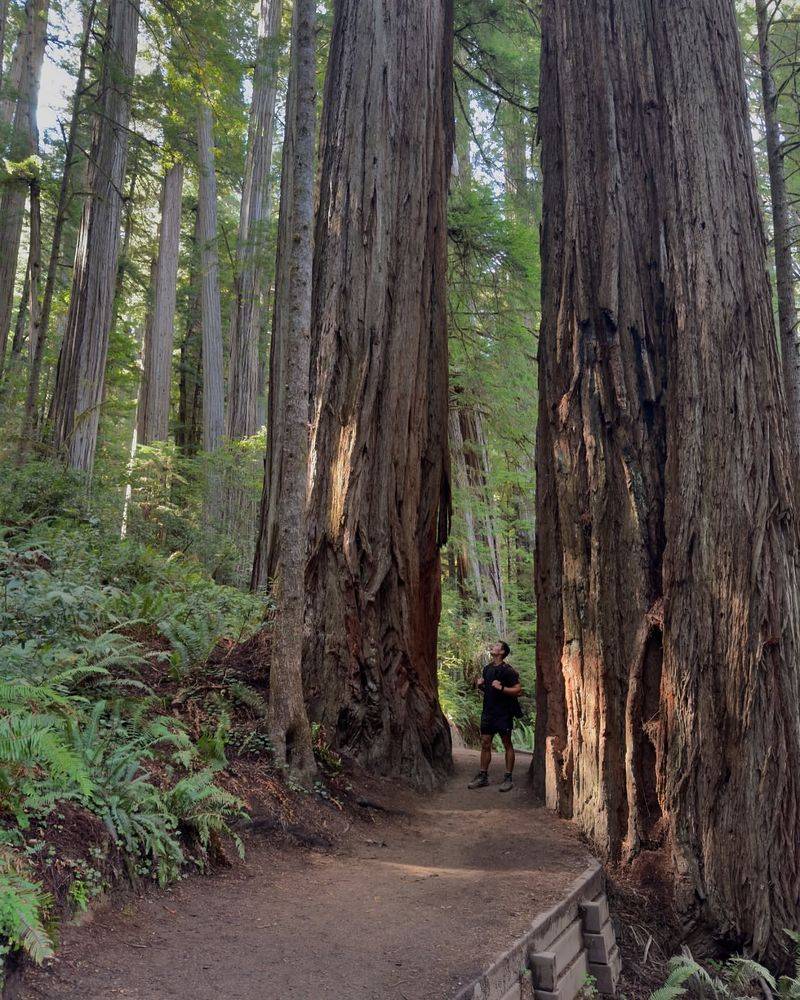
Ancient sentinels reaching skyward surround you on this magical trail, creating a hushed atmosphere where even whispers seem too loud. The trek requires a free permit, limiting daily visitors and preserving the peaceful ambiance.
Sunlight filters through the canopy in ethereal rays, illuminating a forest floor carpeted with sorrel and ferns. The descent into the grove is moderate, but remember the return is uphill.
Standing at the base of these living skyscrapers provides perfect perspective on human smallness against nature’s grandeur. Some trees here have witnessed over 1,500 years of history pass beneath their branches.
2. Drive the Scenic Newton B. Drury Parkway
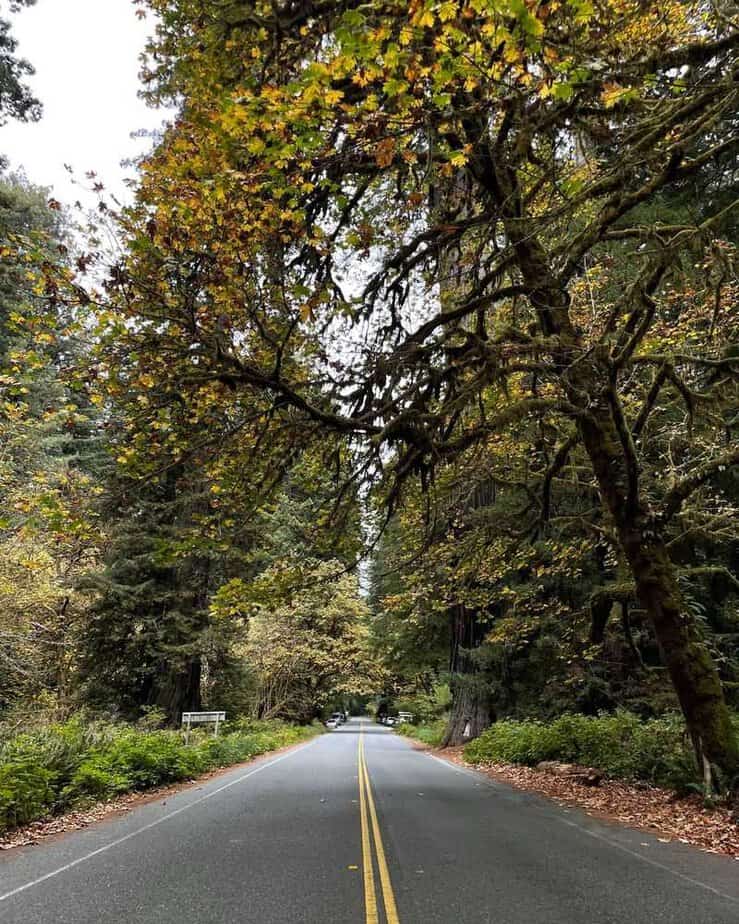
Winding through the heart of Prairie Creek Redwoods State Park, this 10-mile alternative to Highway 101 offers a soul-stirring journey without leaving your vehicle. Morning fog often clings to the massive trunks, creating a mystical atmosphere perfect for photographers.
Pull off at designated viewpoints to fully absorb the scale of these giants. Roosevelt elk frequently appear in meadows alongside the road, especially in early morning or late afternoon.
Unlike many famous scenic drives, traffic here remains minimal, allowing you to slow down and truly soak in the majesty. The parkway is particularly stunning in winter when rainfall intensifies the vibrant greens.
3. Catch Sunset at Gold Bluffs Beach
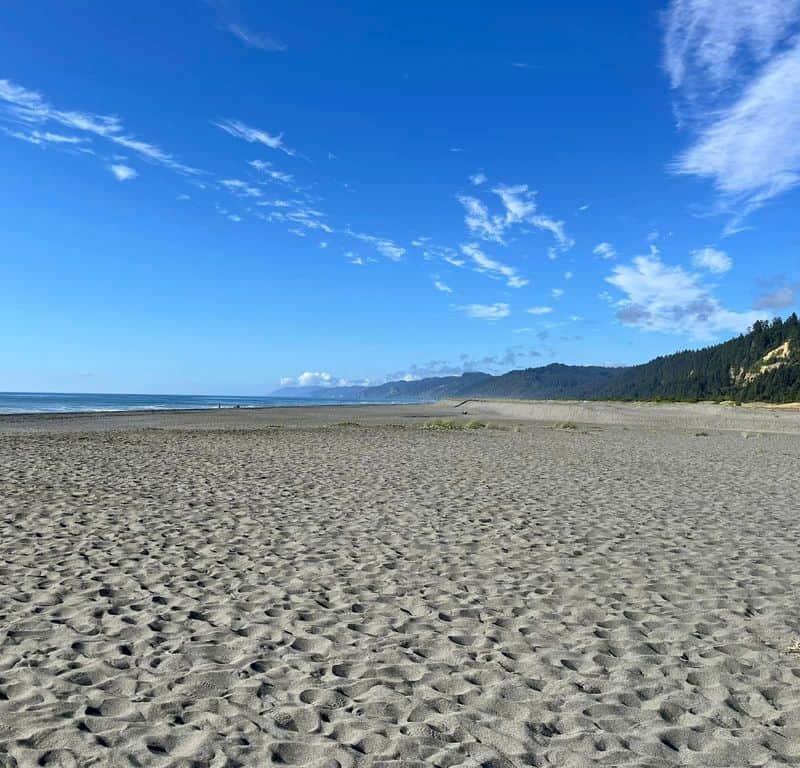
Golden hour transforms this wild stretch of coastline into a photographer’s paradise where driftwood sculptures cast long shadows across pristine sand. The dramatic meeting of forest and ocean creates a uniquely Northern California experience far from crowded tourist beaches.
Arrive early to claim a spot among the driftwood and watch as the sun paints the sky in watercolor hues. The powerful Pacific crashes against the shore while fog frequently rolls in, creating mysterious, ever-changing scenes.
Pack layers—even summer evenings turn chilly when coastal winds pick up. The beach extends for miles, offering plenty of space for solitary contemplation or beach combing adventures.
4. Marvel at Fern Canyon
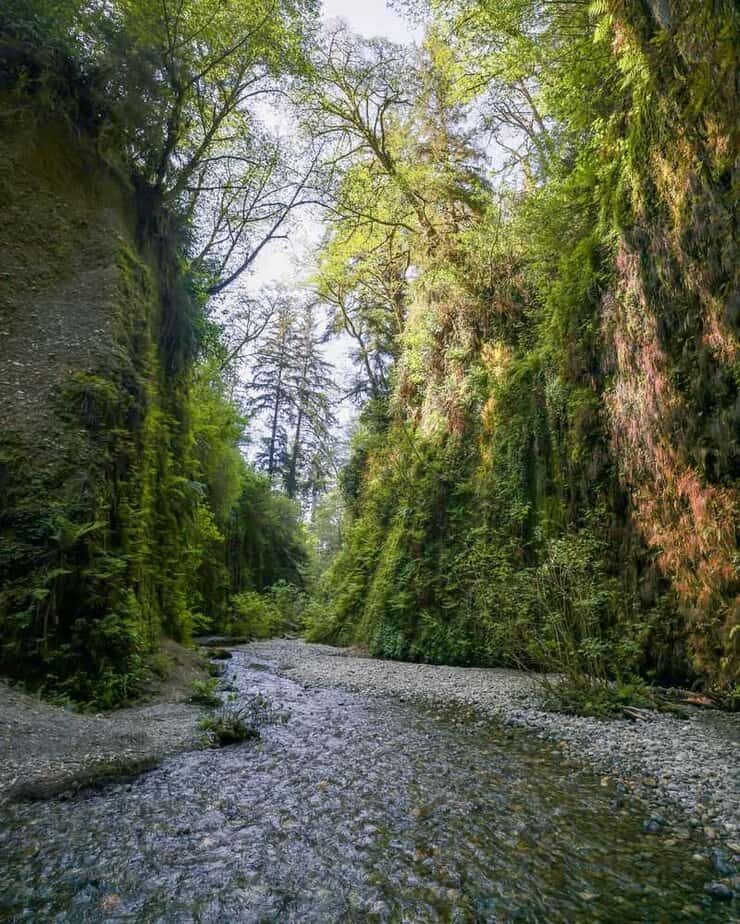
Stepping into this narrow gorge feels like traveling back to prehistoric times, which explains why Steven Spielberg chose it for filming scenes in “The Lost World: Jurassic Park.” Vertical walls rise 50 feet on both sides, completely draped in seven different species of ferns, some ancient lineages dating back 325 million years.
A gentle stream meanders through the canyon floor, requiring occasional crossings on seasonal footbridges or strategically placed stones. The constant moisture creates a microclimate where life flourishes in every crevice.
Summer brings crowds, so arrive early or visit during shoulder seasons for a more tranquil experience. The one-mile loop is manageable for most abilities, though the terrain can be slippery.
5. Spot Roosevelt Elk in Prairie Creek Redwoods
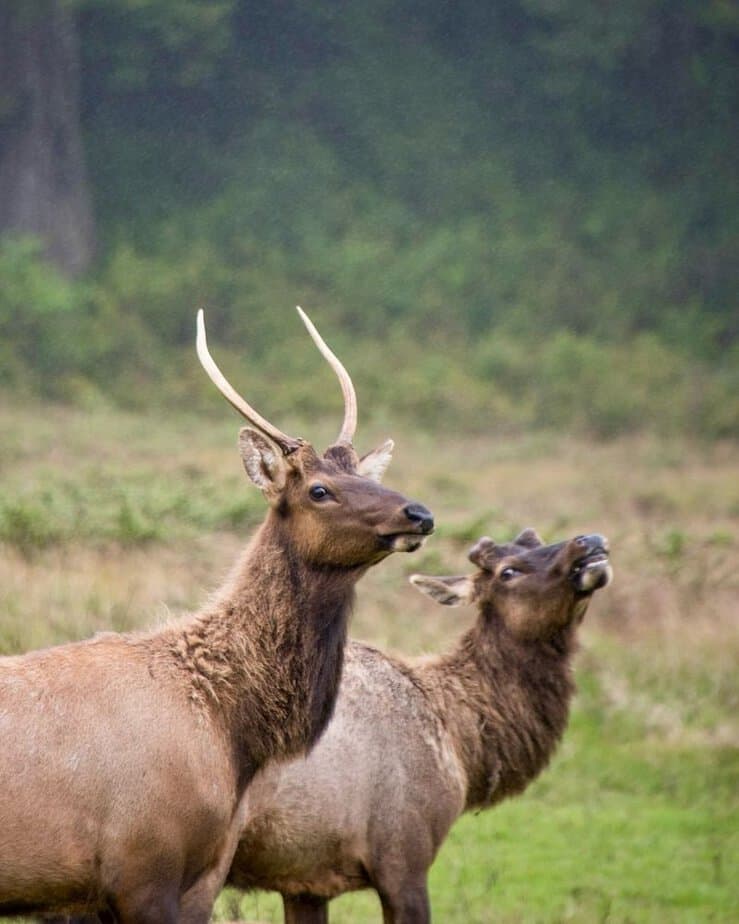
North America’s largest elk species roams freely throughout the park, with Prairie Creek offering some of the most reliable viewing opportunities. Males sport impressive antlers that can spread six feet across and weigh up to 40 pounds during rutting season in fall.
Meadows along Davison Road and near the visitor center frequently host grazing herds, especially around dawn and dusk. Keep a respectful distance—these 700-pound animals may appear docile but can become defensive, particularly when calves are present in spring.
Rangers can suggest seasonal hotspots for viewing. Binoculars enhance the experience without disturbing these magnificent creatures as they go about their natural behaviors in one of their last protected habitats.
6. Camp Under the Stars at Jedediah Smith Campground
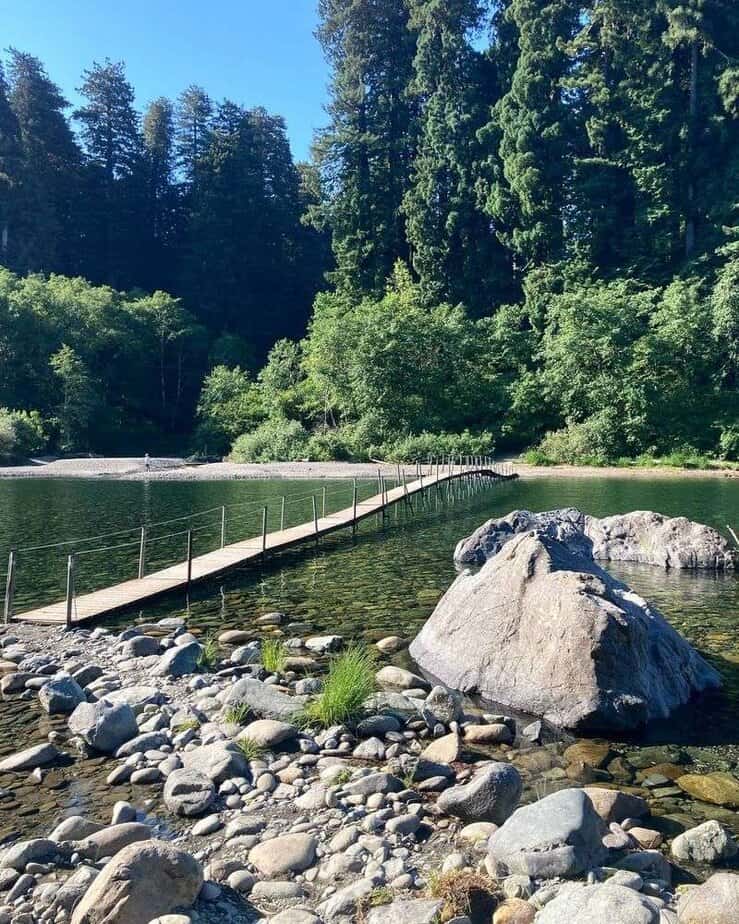
Fall asleep to the gentle symphony of the Smith River while surrounded by a cathedral of ancient redwoods at this coveted campground. The 86 sites nestle among massive trees that filter moonlight into ethereal patterns on your tent.
Morning fog creates a magical atmosphere as it winds between trunks and gradually burns away with the rising sun. Several premier hiking trails begin right from the campground, allowing early access before day visitors arrive.
Reservations are essential during summer months—sites often book six months in advance. The rustic amenities include hot showers and flush toilets, striking a perfect balance between comfort and wilderness immersion for an unforgettable night under the redwood canopy.
7. Hike the Lady Bird Johnson Grove Trail
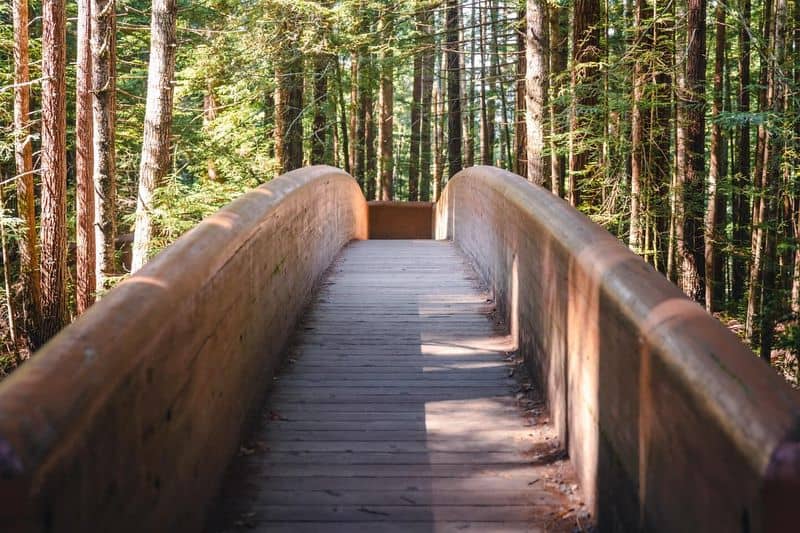
Named for the former First Lady who dedicated this grove in 1969, this elevated ridge-top trail offers a perfect introduction to redwood ecosystems. The 1.4-mile loop climbs gently through a forest where sunlight often breaks through the canopy, creating spotlight effects on the vibrant understory.
Unlike the darker, cathedral-like groves at lower elevations, this higher-altitude forest feels airier and more accessible. Interpretive signs explain the complex ecology and history of these remarkable trees.
Families appreciate the relatively flat terrain and manageable distance. The wooden footbridge at the trailhead marks your transition into a world where every turn reveals another photogenic arrangement of these magnificent trees—perfect for visitors with limited time.
8. Wander the Coastal Trail at Enderts Beach Overlook
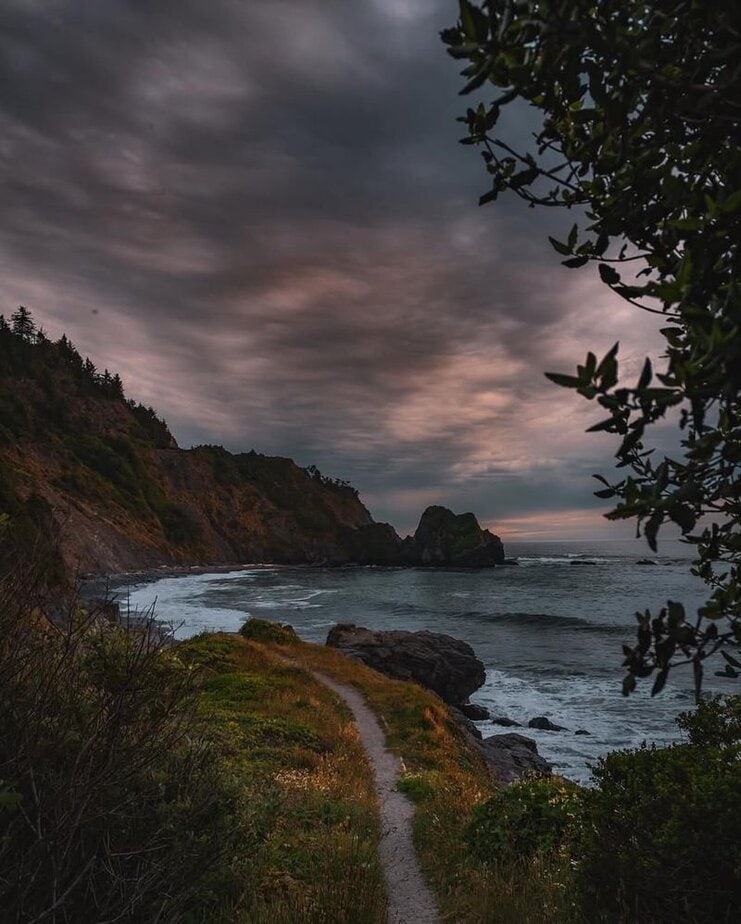
Dramatic cliffs plunge toward crashing waves along this spectacular section of the California Coastal Trail. The rare convergence of ancient forests and rugged shoreline creates an ecosystem found nowhere else on Earth.
Spring brings wildflower displays that splash color across coastal prairies. Gray whales frequently pass close to shore during migration seasons (December-January and March-May), making this an excellent vantage point for wildlife spotting.
The moderate trail descends about 1.5 miles to a secluded beach perfect for tide pooling during low tide. Bring binoculars for spotting sea lions lounging on offshore rocks and peregrine falcons soaring above—this wild coastline hosts an incredible diversity of marine and terrestrial species.
9. Explore the Hidden Grove of Titans
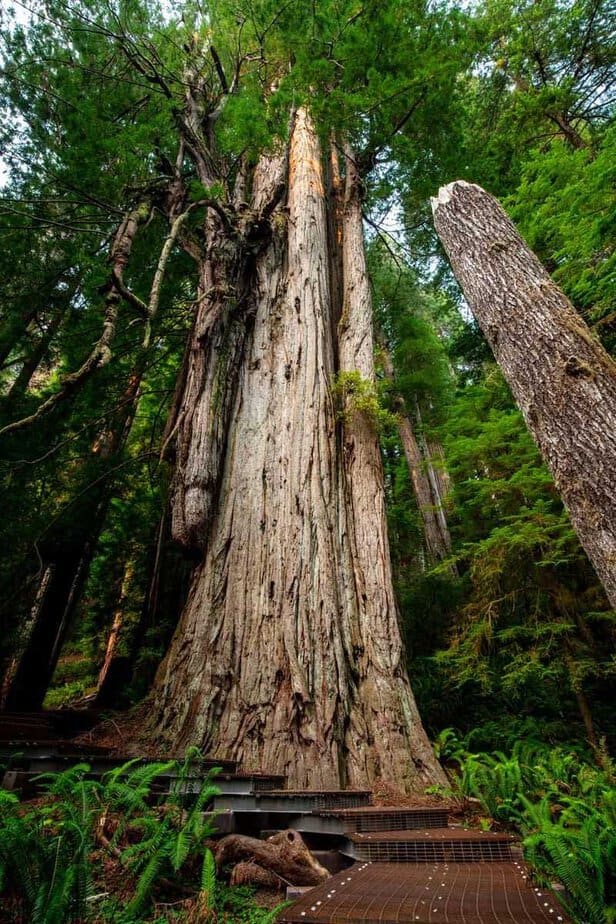
Once a closely guarded secret among redwood enthusiasts, this remarkable collection of superlative trees now welcomes visitors via a carefully designed elevated walkway. The grove contains some of the largest redwoods by volume on Earth, including the legendary Lost Monarch and El Viejo del Norte.
The new boardwalk system protects fragile root systems while providing intimate access to these botanical celebrities. Sunlight filtering through the canopy illuminates the massive trunks, creating opportunities for spectacular photography.
Located in Jedediah Smith Redwoods State Park, reaching the grove requires a moderate 1.5-mile hike from the Boy Scout Tree trailhead. The effort rewards visitors with fewer crowds than more accessible groves and a profound sense of discovering arboreal treasures.
10. Kayak or Swim in the Smith River
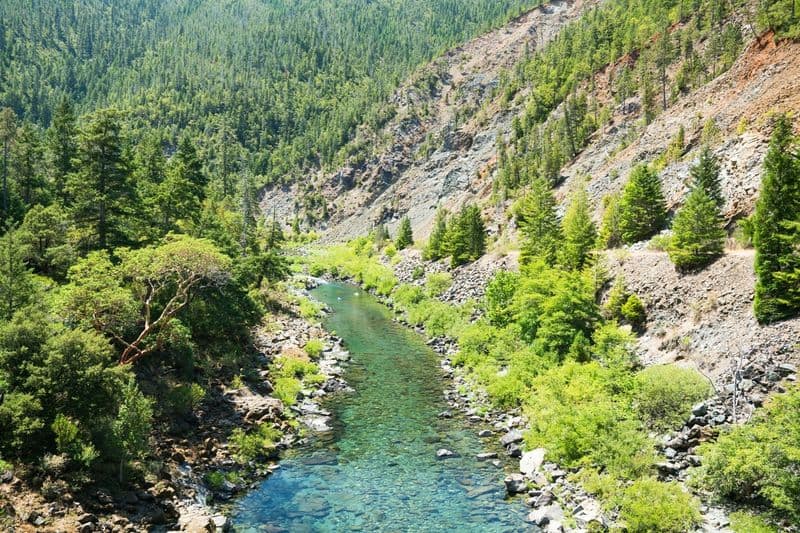
Crystal-clear emerald waters flow through old-growth forests, creating one of America’s most pristine river experiences. The Smith remains the last major undammed river in California, with water so pure you can often see 20 feet to the bottom.
Summer temperatures warm swimming holes to refreshing but comfortable levels, perfect for cooling off after hiking. Kayakers find rapids ranging from gentle Class I to challenging Class IV, depending on the section and season.
Local outfitters offer guided trips and rentals near Jedediah Smith Redwoods. The river’s jade-green pools beneath towering redwoods create an almost tropical paradise—surprisingly uncrowded even during peak summer months. Early morning paddlers might spot river otters, black bears, or osprey fishing along the banks.
11. Photograph the Big Tree
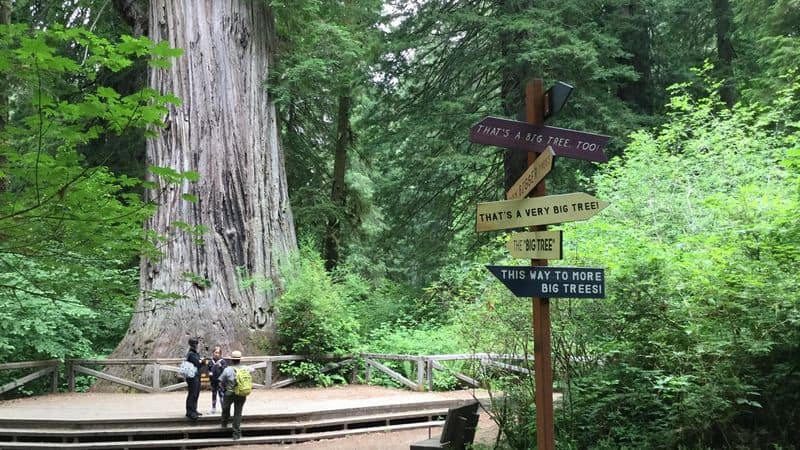
Standing before this botanical celebrity feels like meeting a quiet celebrity who’s witnessed centuries of history unfold. At 304 feet tall and nearly 22 feet in diameter, this 1,500-year-old giant rises from a carpet of sorrel and ferns near Prairie Creek’s visitor center.
Morning fog or late afternoon light creates the most dramatic photography conditions, highlighting the tree’s massive buttressed base and deeply furrowed bark. A short, accessible trail leads to viewing platforms that accommodate wheelchairs and strollers.
Unlike many famous trees requiring permits or lengthy hikes, this magnificent specimen welcomes casual visitors with minimal effort. Take time to walk the full circumference—each angle reveals different character in the bark patterns and massive burls that give this ancient being its distinctive personality.
12. Experience Fog-Draped Forests at Dawn
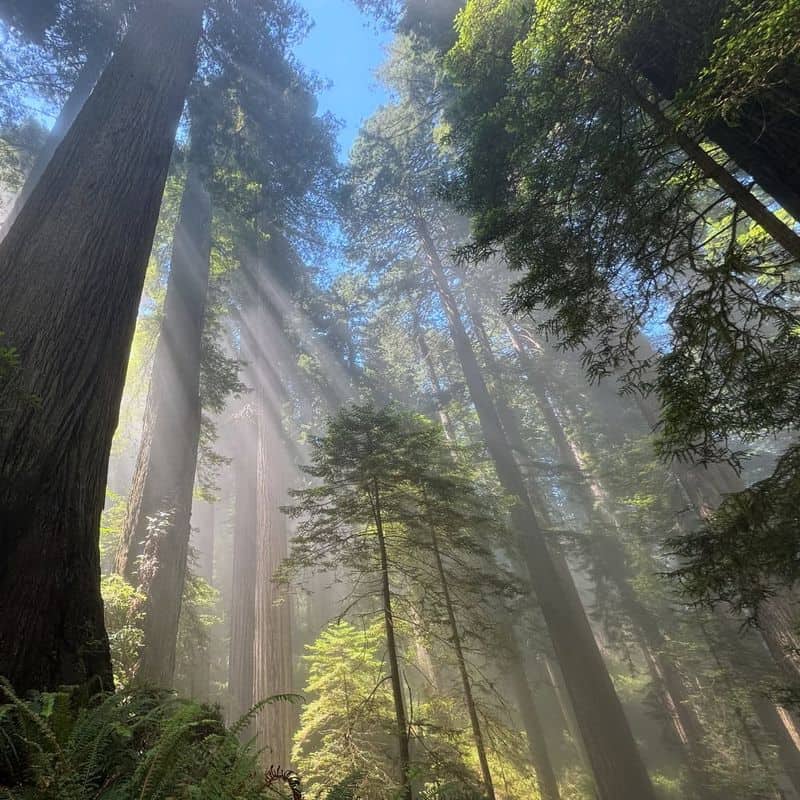
Early risers witness magic as coastal fog weaves between towering trunks, transforming ordinary trails into enchanted realms. Shafts of golden light pierce through gaps in the mist, creating ephemeral spotlights on the forest floor.
Summer mornings offer the most reliable fog conditions when warm inland air meets cool Pacific influence. Photographers treasure this lighting for creating depth and dimension impossible during midday hours.
Almost any trail becomes extraordinary in these conditions, though Damnation Creek and Prairie Creek’s Cathedral Trees paths are particularly atmospheric. The profound silence of these moments—broken only by occasional birdsong or dripping condensation—creates a meditative experience beyond mere sightseeing. Arrive at trailheads 30 minutes before sunrise for optimal conditions.
13. Look for Banana Slugs and Rare Wildlife

Bright yellow banana slugs serve as living mascots of the redwood ecosystem, stretching up to 10 inches long as they slowly navigate the forest floor. These fascinating decomposers play a crucial role in recycling nutrients and maintaining forest health.
Beyond these charismatic mollusks, patient observers might glimpse rare residents like the marbled murrelet—an endangered seabird that nests in old-growth canopies—or the elusive northern spotted owl. Black bears, bobcats, and mountain lions also inhabit these forests, though they typically avoid human encounters.
Rainy days activate the forest’s smaller creatures, with salamanders, newts, and fungi appearing in remarkable diversity. The park’s unique location where mountains meet ocean creates habitat for species found nowhere else, making every hike a potential wildlife discovery adventure.
14. Take a Ranger-Led Program or Night Walk
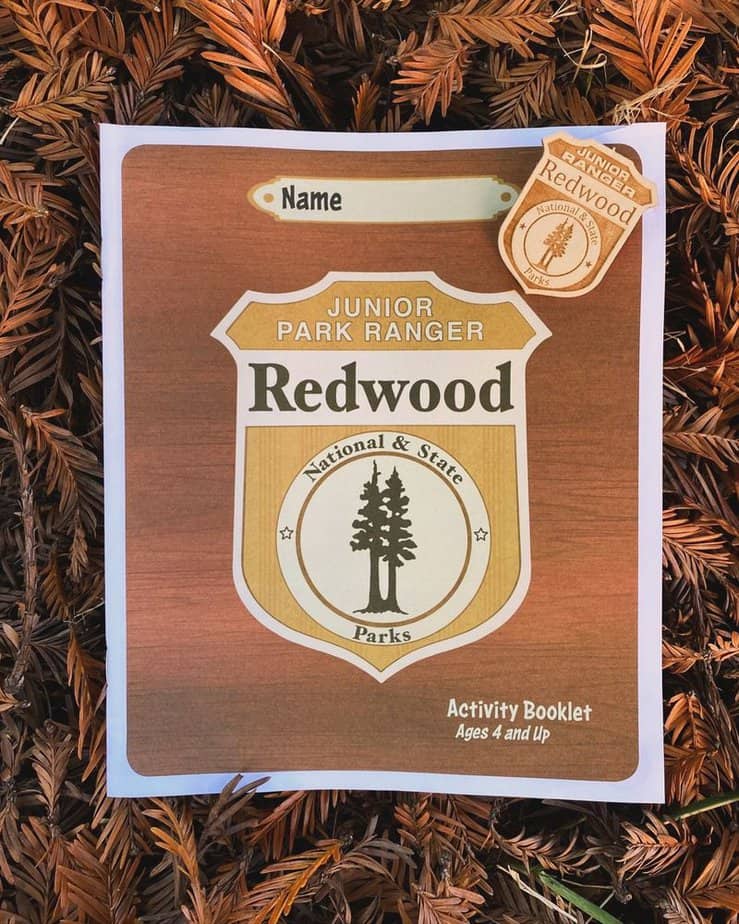
Rangers transform ordinary park visits into extraordinary experiences through their infectious enthusiasm and deep knowledge. Programs range from family-friendly junior ranger activities to specialized walks focusing on ecology, history, or cultural heritage of the region.
Summer evening programs often include stargazing beneath gaps in the canopy or guided night walks where your senses heighten in the darkness. The forest transforms after sunset—different animals emerge, sounds change, and rangers often reveal bioluminescent fungi glowing like tiny constellations on the forest floor.
Check visitor center schedules upon arrival as offerings change seasonally. These free programs provide context that deepens appreciation for the complex ecosystems and conservation challenges facing these ancient forests—insights difficult to gain from self-guided exploration alone.