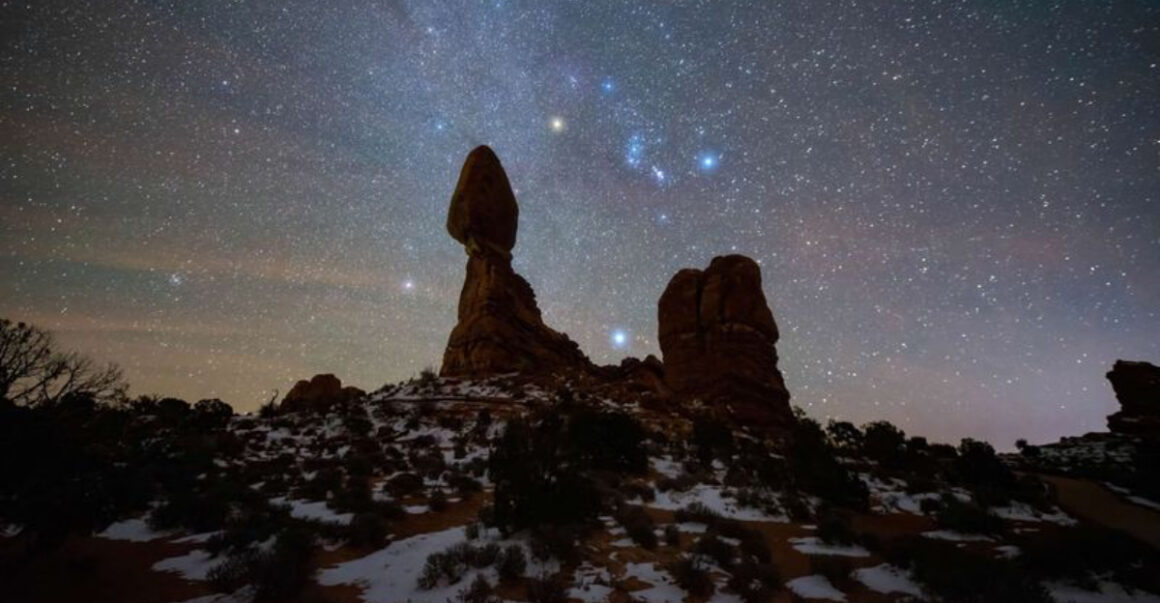
Arches National Park in Utah is home to over 2,000 natural stone arches – the highest concentration found anywhere in the world. This red-rock wonderland draws visitors from across the globe who come to marvel at its otherworldly landscapes and iconic formations. Whether it’s your first visit or your fifth, these insider tips will help you experience this natural treasure like a true park pro.
1. Hike to Delicate Arch at Sunrise or Sunset
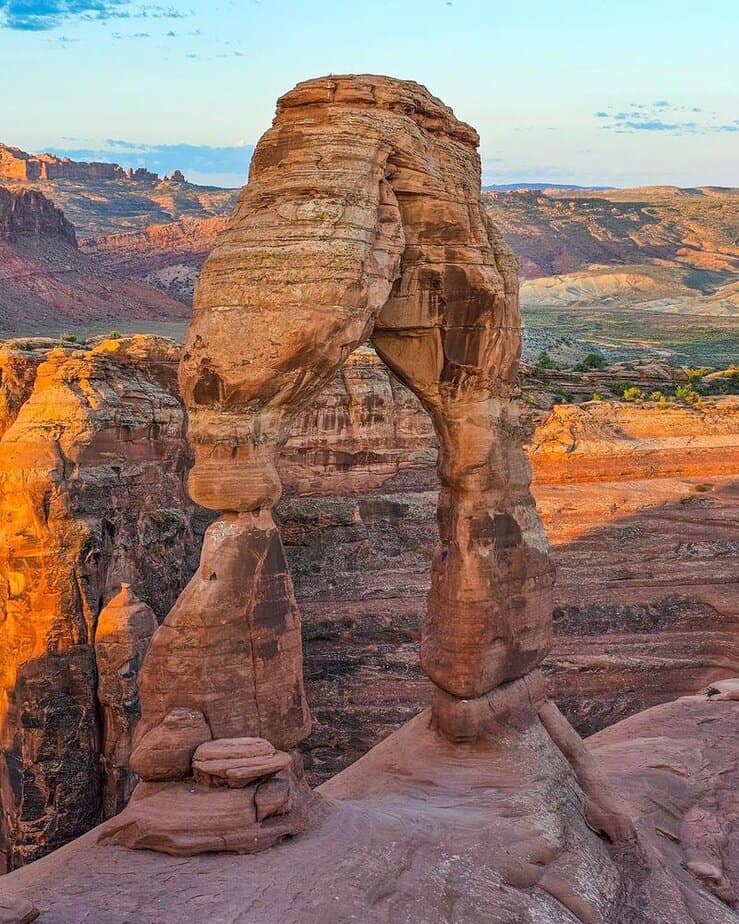
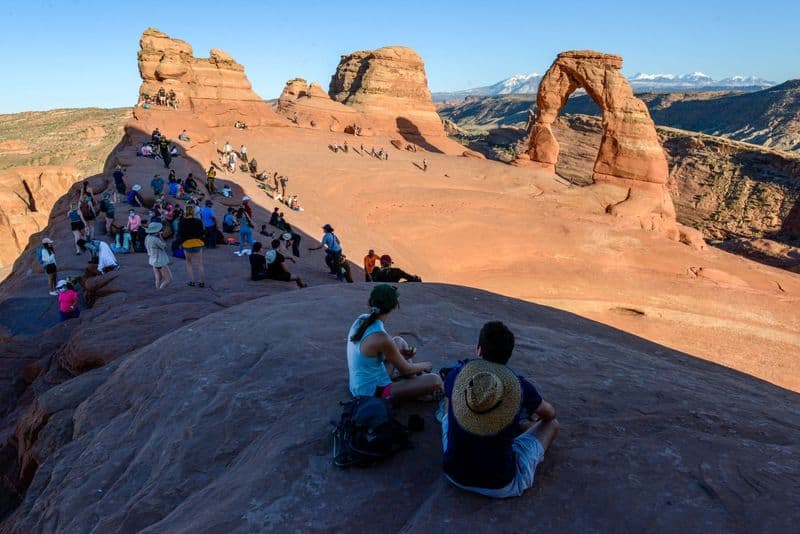
The magic happens when most visitors have left. During golden hour, the famous 52-foot tall freestanding arch transforms into a glowing red-orange masterpiece against the sky’s changing colors.
The 3-mile round-trip trail requires some effort, climbing 480 feet in elevation, but rewards hikers with the park’s most photographed feature without the midday crowds. Morning hikers often enjoy temperatures 20-30 degrees cooler than afternoon visitors.
Bring a headlamp for pre-dawn hikes and extra water regardless of when you go. The final approach across slickrock with no guardrails demands proper footwear and careful footing.
2. Take the Scenic Drive (and Know Where to Stop)
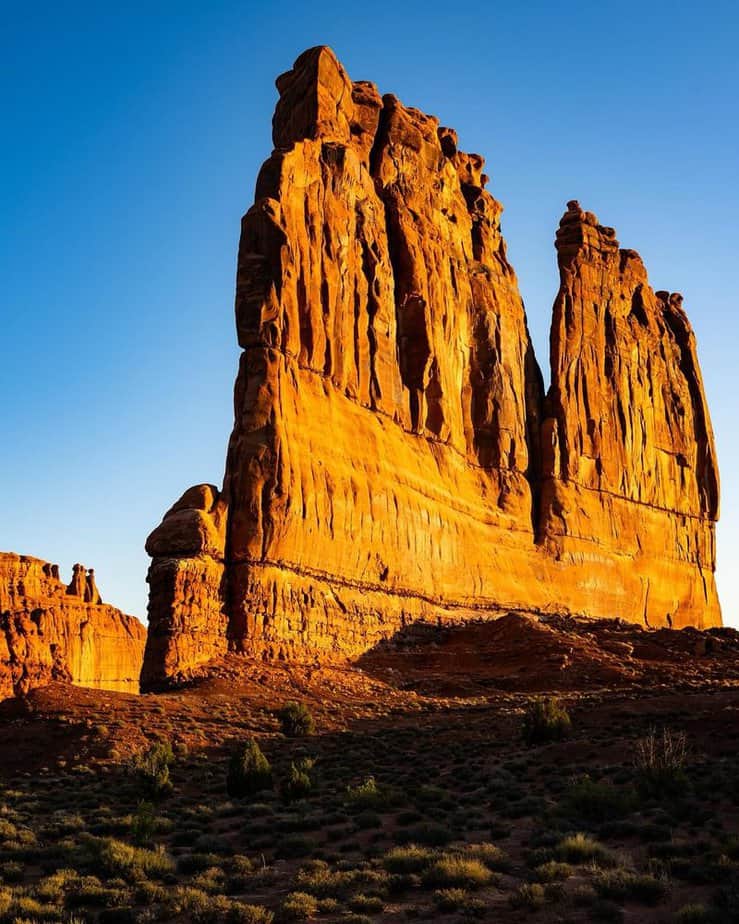
Cruising the 18-mile paved road gives you front-row access to many of the park’s greatest hits without breaking a sweat. Park Avenue offers towering walls reminiscent of a big-city skyline – perfect for a quick quarter-mile stroll.
Balanced Rock demands a photo stop, with its 3,600-ton boulder perched impossibly atop a narrow pedestal. The Windows Section packs multiple arches into a small area, making it ideal for visitors with limited time.
Keep your camera ready and gas tank full before entering. Cell service is spotty, and there are no fuel stations inside park boundaries.
3. Go Off the Beaten Path to Tower Arch
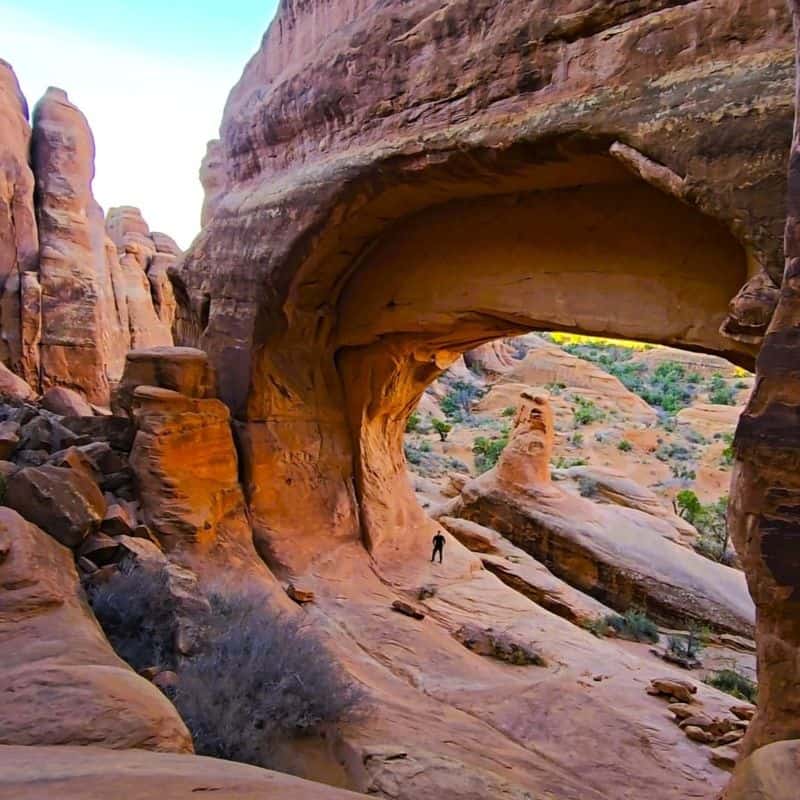
Far from the park’s busy central corridor lies a hidden gem most visitors never see. Tower Arch stands in the remote Klondike Bluffs area, where silence replaces the chatter found at more popular sites.
The journey there follows a 3.4-mile round-trip trail through stunning rock formations and past ancient juniper trees. You’ll climb through soft sand and over sandstone fins before reaching the massive 92-foot span.
Carry plenty of water and download offline maps before setting out. The isolation that makes this hike special also means help is far away if problems arise.
4. Catch the Fiery Furnace With a Ranger or Permit
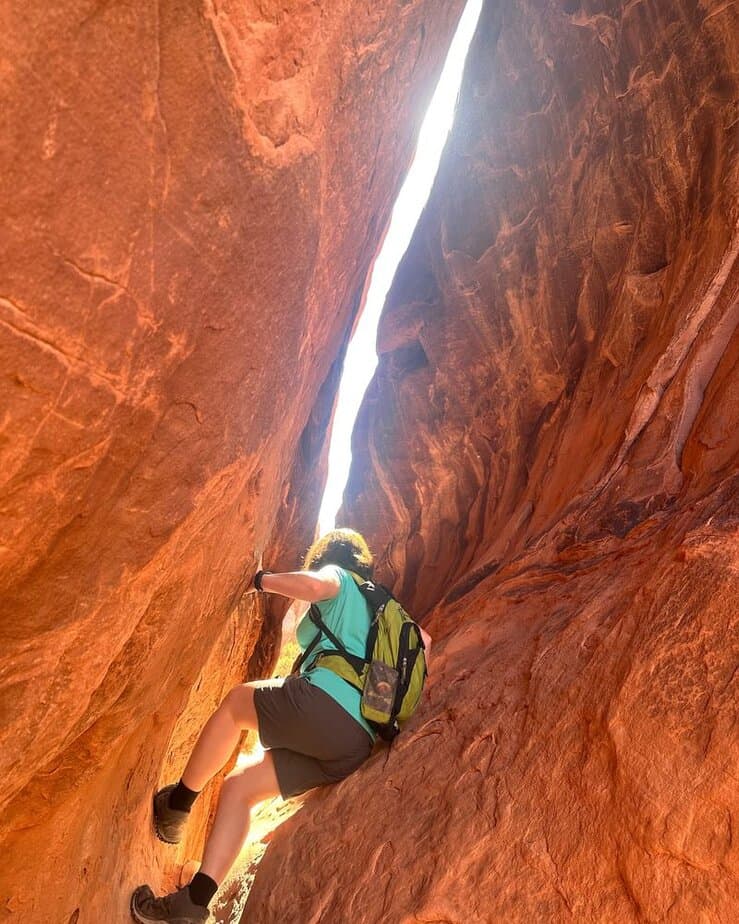
Venturing into this natural labyrinth feels like entering another world. Narrow passages wind between towering sandstone fins, creating a cool microclimate where hidden arches and surprising views await around every corner.
Unlike most park areas, you can’t simply wander in – access requires either joining a ranger-led tour or securing an advance permit. The restriction exists because people regularly get lost among the identical-looking corridors.
Ranger tours fill months ahead during peak season, so book early. If going with a permit, bring a GPS device and tell someone your plans – cell signals don’t penetrate the maze’s depths.
5. Visit the Windows Section at Sunrise
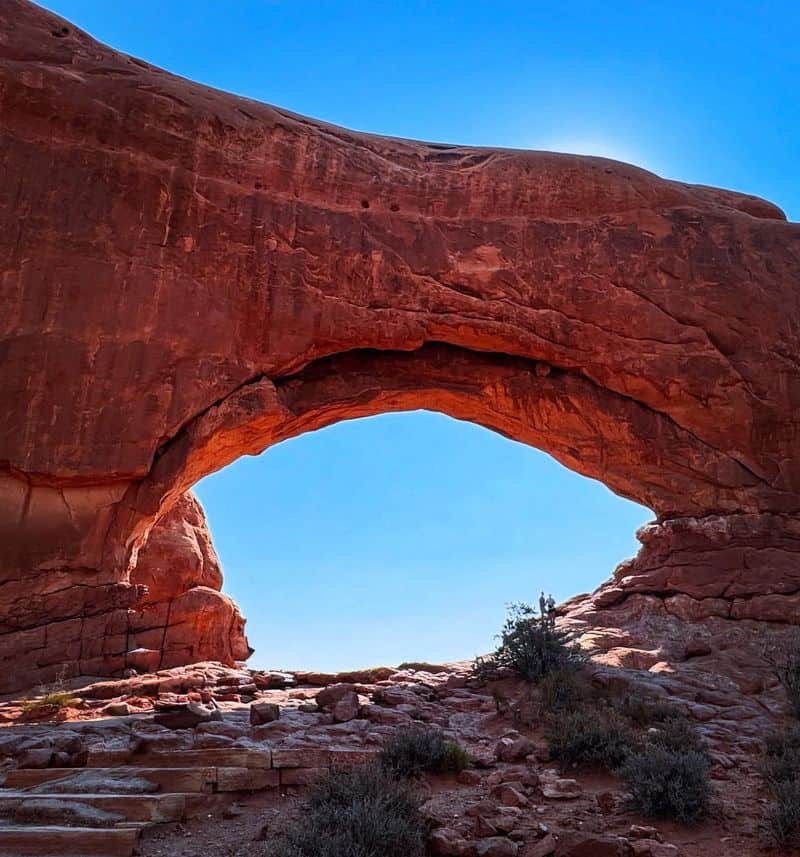
Early risers reap remarkable rewards in the Windows area. First light transforms North and South Window arches into glowing orange portals while Turret Arch stands silhouetted against the awakening sky.
Arrive 30 minutes before official sunrise to witness the color show develop. The short, easy trails connecting these formations total less than a mile of walking, making this area perfect even for sleepy photographers.
Framing Turret Arch through North Window creates one of the park’s most iconic shots. Morning temperatures often sit 20-30 degrees below afternoon highs, making exploration much more comfortable even in summer months.
6. Bring Binoculars for Stargazing
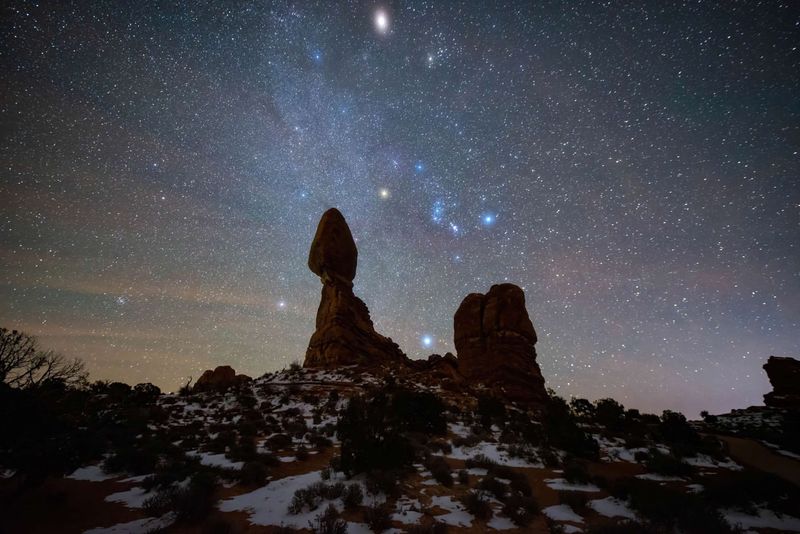
When darkness falls, the real show begins overhead. Arches earned International Dark Sky Park designation for good reason – minimal light pollution reveals celestial details invisible in cities.
Panorama Point provides an excellent stargazing location with its expansive horizon views and convenient parking. The Milky Way stretches dramatically across summer skies from May through September, while winter offers exceptionally clear viewing.
A simple pair of binoculars reveals Jupiter’s moons and Saturn’s rings. Red flashlights preserve night vision while navigating safely. Check the park calendar for ranger-led astronomy programs that provide telescopes and expert guidance.
7. Time Your Visit Around the Weather
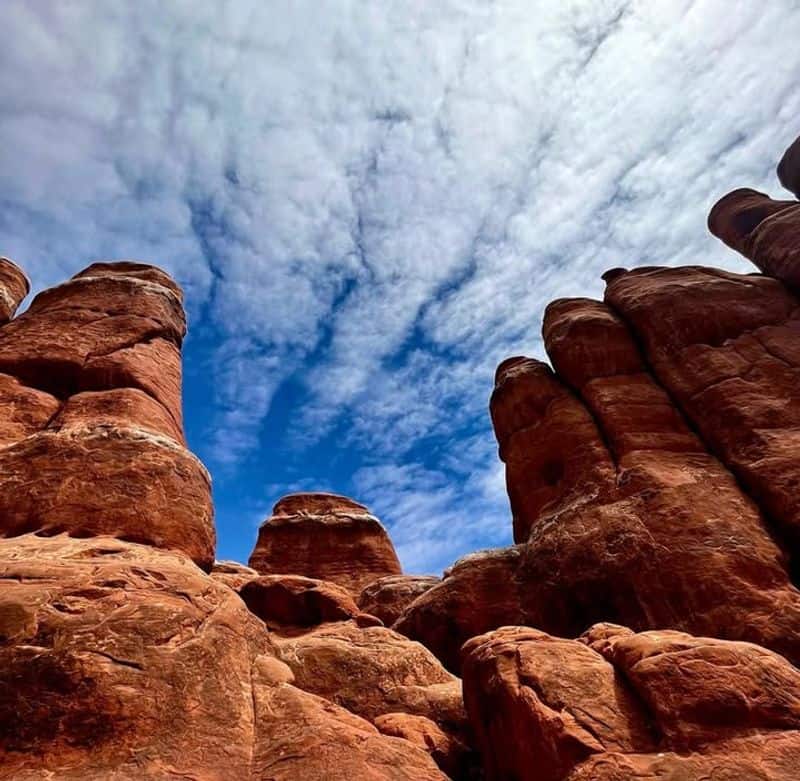
Summer visitors often discover the hard way why locals call midday hours “oven time.” Temperatures regularly exceed 100°F between June and August, making hiking dangerous and photography challenging.
Savvy travelers choose April-May or September-October instead. These shoulder seasons offer pleasant 60-80°F days, fewer crowds, and accommodation availability in nearby Moab.
Winter brings its own magic with occasional snow dusting red rocks in white powder. December through February visitors enjoy peaceful solitude and dramatic skies, though nights drop below freezing. Always check weather forecasts before your trip – flash floods can occur even when skies above the park appear clear.
8. Don’t Just Drive—Pack a Picnic and Soak It In
The biggest mistake first-timers make? Rushing through without truly experiencing the landscape. Devils Garden picnic area offers shaded tables beneath juniper trees with stunning backdrops for your meal.
Packing a cooler with ice, sandwiches, and plenty of water lets you refuel without leaving the park. Morning visitors can enjoy breakfast while watching shadows retreat across massive formations. Sunset picnickers witness the rocks transform through impossible shades of orange and red.
Bring binoculars to spot wildlife – desert bighorn sheep, mule deer, and various raptors make appearances throughout the day. Remember to pack out all trash and follow Leave No Trace principles.