California’s Pacific Coast Highway stretches over 650 miles of breathtaking coastline, offering some of America’s most stunning ocean views. This iconic roadway connects charming beach towns, dramatic cliffs, and world-famous landmarks that millions of travelers dream about visiting. Whether you’re planning a weekend getaway or a cross-state adventure, these carefully selected destinations will make your coastal journey unforgettable. Pack your camera and prepare for an epic road trip along one of the world’s most beautiful drives.
1. Santa Barbara
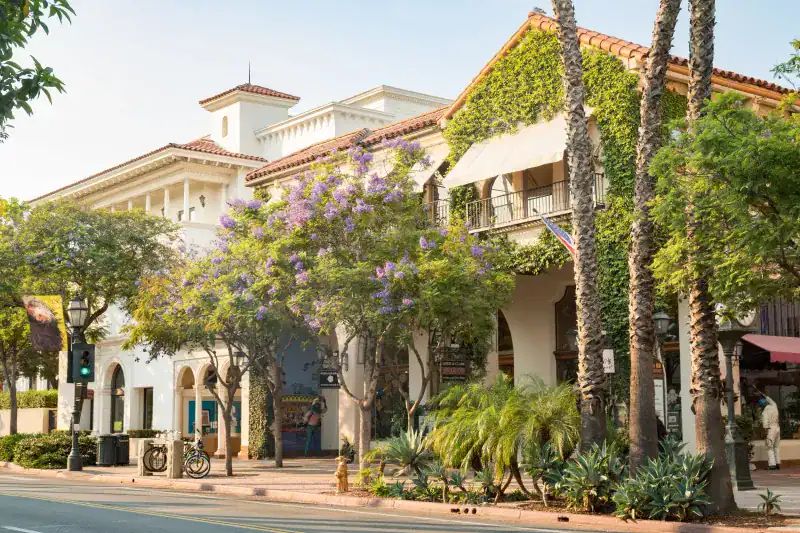
Known as the “American Riviera,” this coastal gem blends Spanish colonial architecture with California beach culture perfectly. Red-tile roofs and white adobe walls create a Mediterranean atmosphere that feels worlds away from typical American cities.
Stearns Wharf stretches into the Pacific Ocean, offering fresh seafood restaurants and panoramic views. The historic downtown area features boutique shops, art galleries, and wine tasting rooms within walking distance of each other.
Beach lovers can choose between East Beach’s volleyball courts and Butterfly Beach’s celebrity-watching opportunities near luxury resorts.
2. Carmel-by-the-Sea
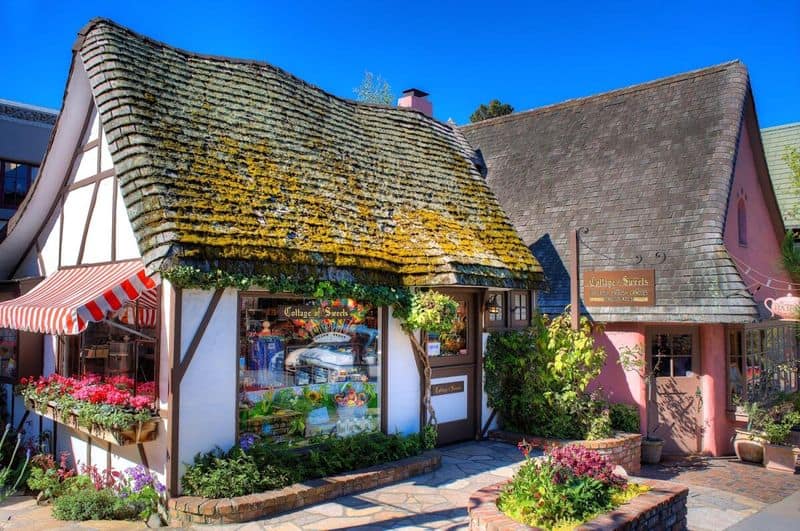
Fairy-tale cottages with whimsical architecture line streets without house numbers or sidewalks in this enchanting village. Former mayor Clint Eastwood helped preserve the town’s storybook charm, which attracts artists and dreamers from around the world.
White sand beaches meet turquoise waters at Carmel Beach, where locals walk their dogs off-leash while sunset paints the sky. The town’s numerous art galleries showcase everything from local landscapes to international sculptures.
Mission San Carlos Borroméo del río Carmelo offers historical significance dating back to 1771, providing cultural depth beyond the village’s tourist appeal.
3. Malibu – El Matador State Beach
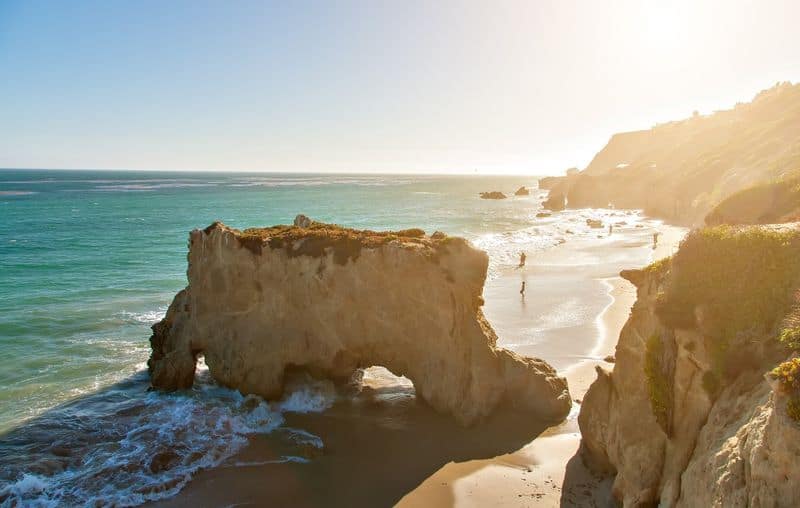
Dramatic rock formations rise from golden sand like ancient sculptures carved by Pacific waves over thousands of years. Professional photographers and Instagram influencers flock here for the stunning backdrop these natural pillars provide.
Tide pools hidden between boulders reveal colorful sea anemones, hermit crabs, and other marine life during low tide. The steep trail down to the beach requires careful navigation but rewards visitors with relative privacy.
Sunset viewing from El Matador creates magical moments as orange light filters through sea stacks and crashes against weathered cliffs in spectacular fashion.
4. Santa Monica Pier
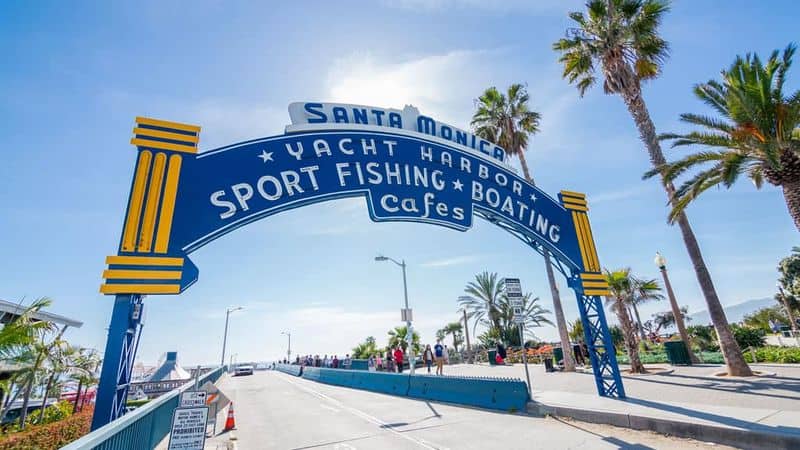
Carnival lights twinkle against ocean breezes while the famous Ferris wheel spins riders high above crashing waves below. This historic amusement park has entertained families since 1909, making it one of California’s most enduring attractions.
Street performers juggle fire, play music, and create art along the bustling boardwalk filled with tourists and locals alike. The pier’s arcade games range from vintage pinball machines to modern virtual reality experiences.
Fresh seafood restaurants serve fish tacos and clam chowder while seagulls circle overhead hoping for dropped french fries or sandwich crumbs.
5. San Simeon – Hearst Castle
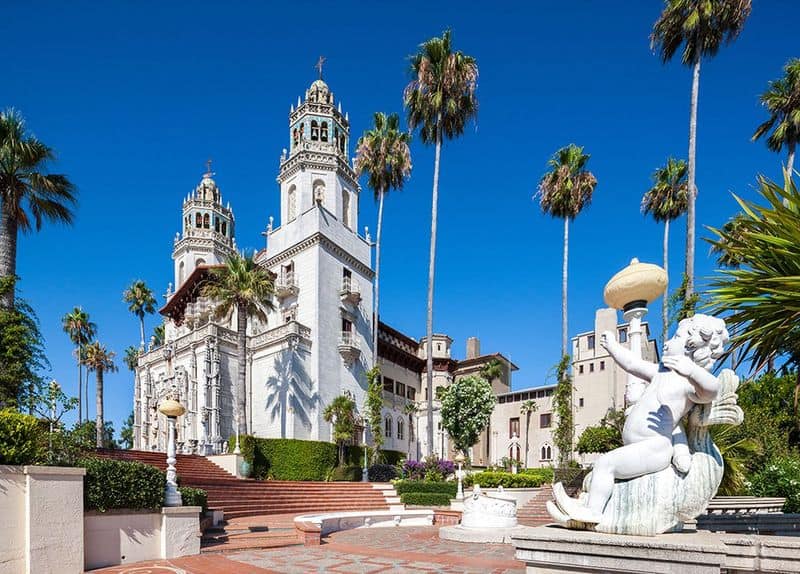
Newspaper magnate William Randolph Hearst’s opulent mansion sits atop rolling hills like a European palace transplanted to California’s central coast. Construction began in 1919 and continued for nearly three decades, creating an architectural marvel.
Guided tours reveal priceless art collections, including ancient Roman mosaics and Renaissance paintings worth millions of dollars. The Neptune Pool’s marble colonnades and azure waters rival any luxury resort swimming facility.
Zebras still roam the surrounding ranch lands, descendants of Hearst’s private zoo that once housed exotic animals from around the globe during lavish Hollywood parties.
6. Julia Pfeiffer Burns State Park
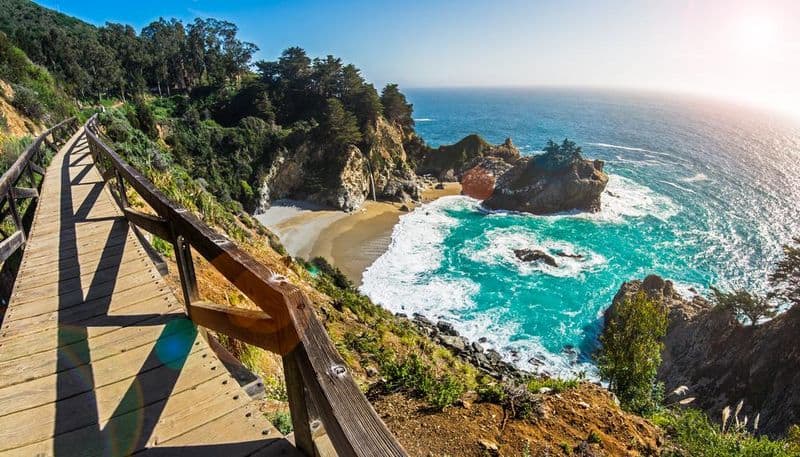
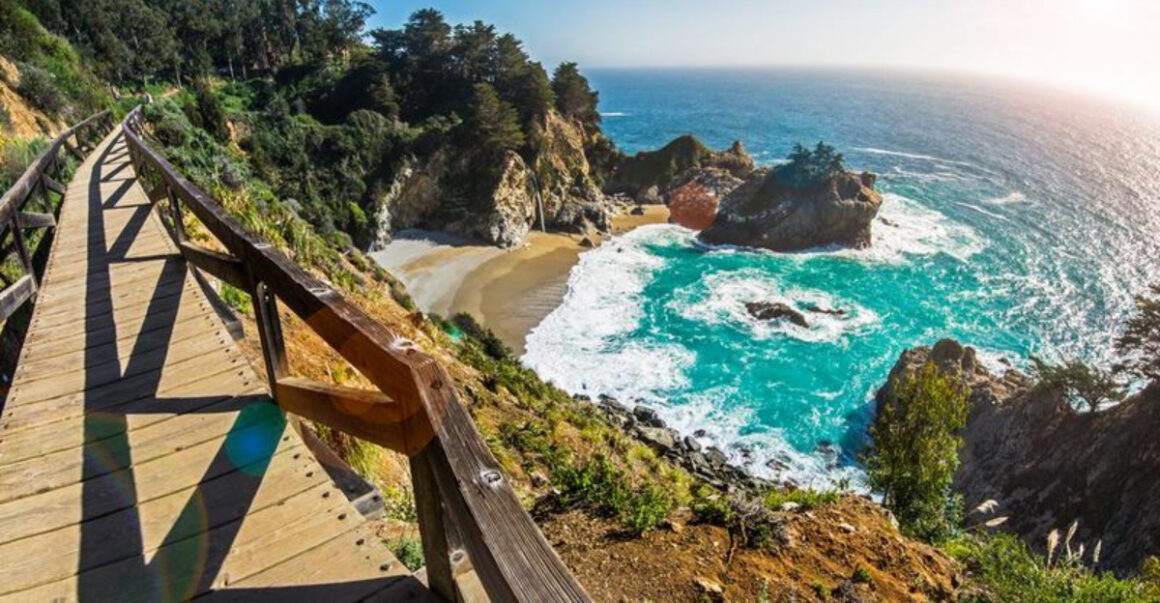
McWay Falls plunges 80 feet directly onto pristine sand, creating one of California’s most photographed waterfalls along the rugged coastline. This natural wonder flows year-round, though winter rains make the cascade more dramatic.
The short hiking trail to the overlook passes through redwood groves and coastal scrub vegetation native to Big Sur’s unique ecosystem. Parking fills quickly during peak season, so early morning visits offer better chances for solitude.
Purple sand beaches get their unusual color from manganese garnet deposits, making this location geologically fascinating beyond its obvious scenic beauty and waterfall attraction.
7. Big Sur – Bixby Creek Bridge
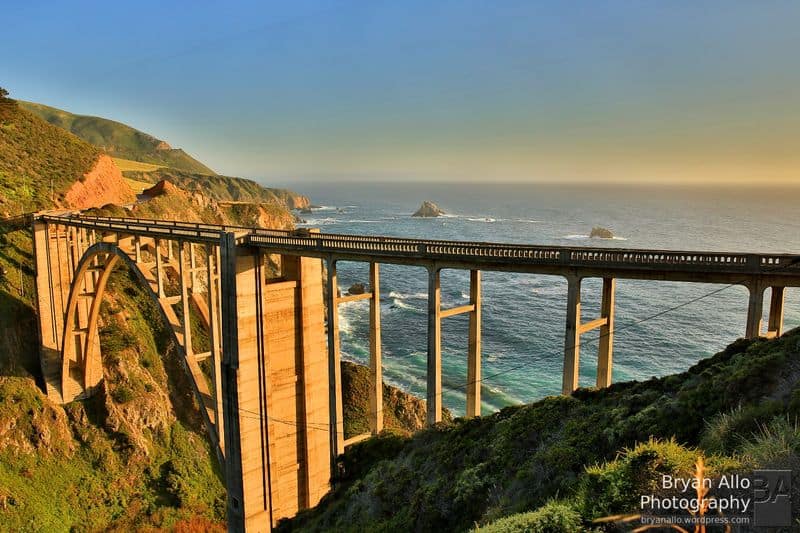
Engineering marvel spans a deep canyon 280 feet above Bixby Creek, connecting rugged coastline with graceful concrete arches since 1932. Construction workers risked their lives building this Depression-era masterpiece without modern safety equipment.
Photographers capture the bridge from multiple angles, including the famous shot from Highway 1’s south side showing its full span. Fog often rolls through the canyon, creating mysterious atmospheric conditions perfect for dramatic images.
Rocky Point Restaurant nearby offers dining with bridge views, though parking requires patience during busy weekend periods when tourists crowd the narrow roadside pullouts.
8. Elephant Seal Vista Point – Piedras Blancas
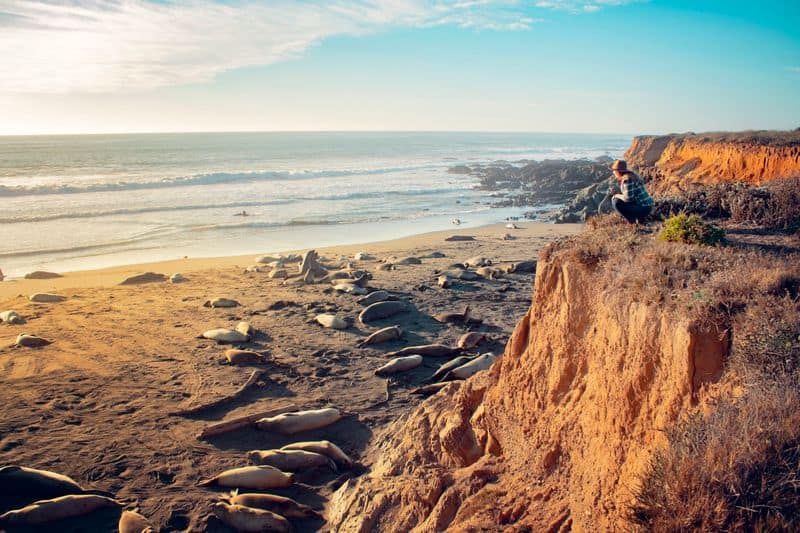
Massive marine mammals weighing up to 5,000 pounds gather on beaches below wooden boardwalks where visitors can observe safely. Male elephant seals arrive in December to establish territories before females come ashore to give birth.
Docent volunteers share fascinating facts about breeding behaviors, migration patterns, and conservation success stories during peak viewing seasons. Binoculars help spot individual seals among the crowded colonies stretching along sandy shores.
Pups learn swimming skills in tide pools while adults rest between deep-sea feeding trips that can last several weeks in Pacific waters.
9. Santa Cruz Boardwalk
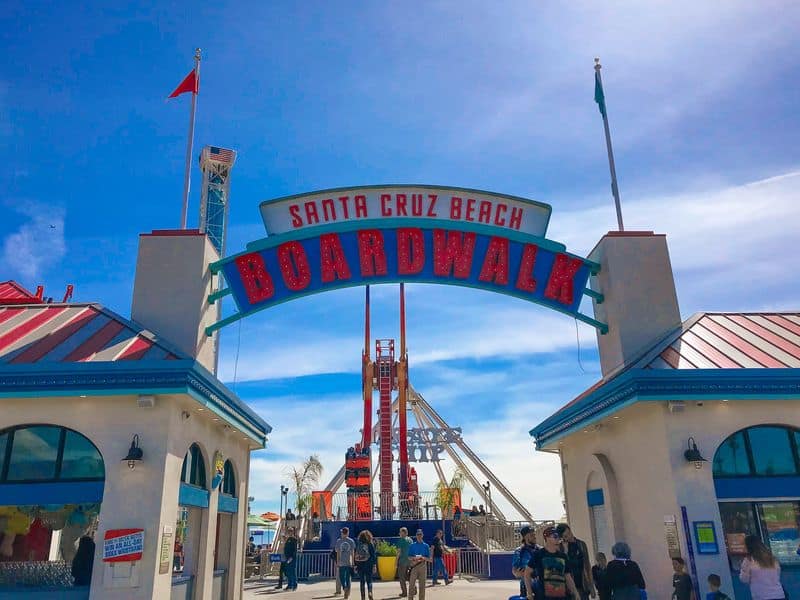
California’s oldest surviving amusement park operates vintage wooden roller coasters that have thrilled riders since 1924 along Monterey Bay’s sandy shoreline. The Giant Dipper’s classic design earned National Historic Landmark status for its cultural significance.
Arcade games include both nostalgic Skee-Ball lanes and cutting-edge virtual reality experiences appealing to multiple generations of families. Cotton candy, funnel cakes, and caramel apples provide traditional carnival treats.
Beach volleyball courts host tournaments while surfers catch waves just beyond the pier’s wooden pilings where sea lions often rest in the sunshine.
10. San Francisco – Golden Gate Bridge
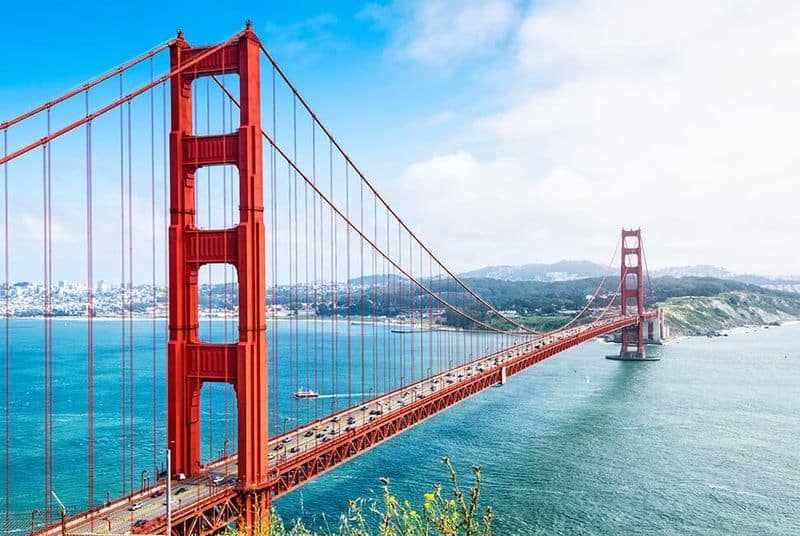
International Orange towers rise 746 feet above San Francisco Bay, connecting the city to Marin County through swirling fog and Pacific winds. Construction during the Great Depression employed thousands of workers who completed this engineering feat in 1937.
Battery Spencer and Crissy Field offer different photographic perspectives of the iconic suspension bridge structure. Walking or biking across the span provides stunning views of Alcatraz Island and downtown skyline.
Fog horns sound warnings when marine layer obscures the bridge, creating an atmospheric soundtrack that defines San Francisco’s maritime character and weather patterns.
11. Monterey – Cannery Row & Aquarium
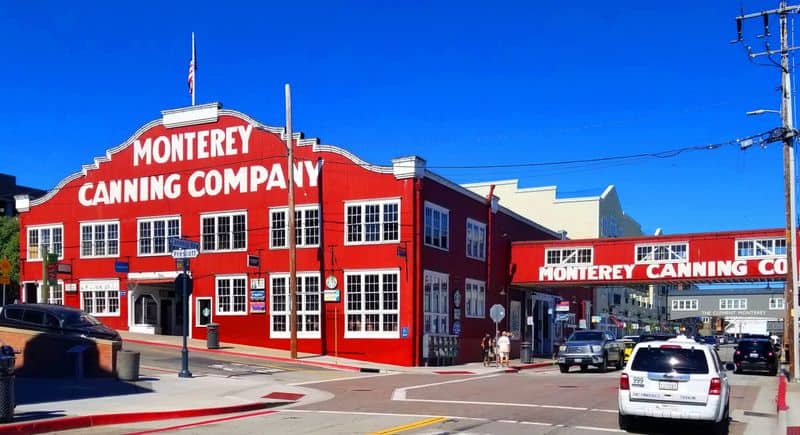
John Steinbeck’s famous novel immortalized this former sardine canning district that now houses world-class marine research facilities and tourist attractions. Historic buildings preserve the area’s industrial heritage while modern amenities serve millions of annual visitors.
Monterey Bay Aquarium showcases local marine ecosystems through innovative exhibits featuring kelp forests, jellyfish galleries, and sea otter habitats. The two-story kelp forest tank mesmerizes viewers with swaying underwater vegetation.
Waterfront restaurants serve fresh seafood while harbor seals and sea lions swim nearby in protected marina waters where fishing boats still operate daily.
12. Muir Woods National Monument
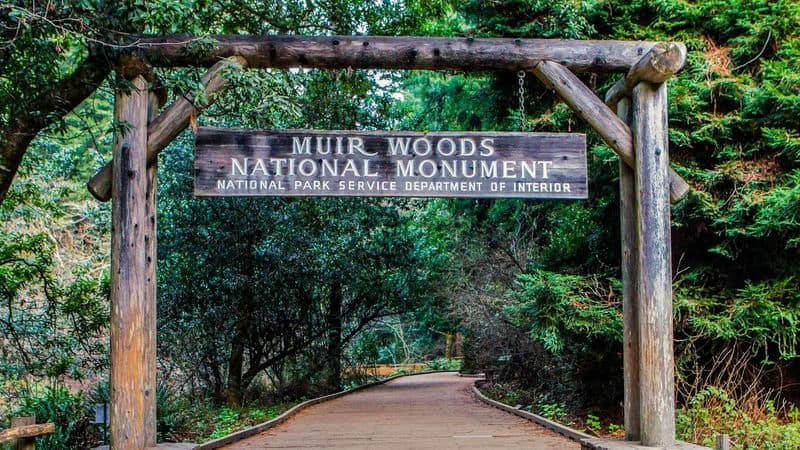
Ancient coastal redwoods tower 250 feet overhead, creating a natural cathedral where sunbeams filter through fog and dense canopy. Some trees began growing before European explorers reached North America, making this forest a living history book.
Wooden boardwalks protect delicate root systems while allowing visitors to walk among giants without damaging the ecosystem. The peaceful atmosphere encourages quiet reflection and photography of these magnificent specimens.
Advance reservations are required due to limited parking, but shuttle services from nearby communities provide alternative transportation options for experiencing these remarkable ancient trees.